
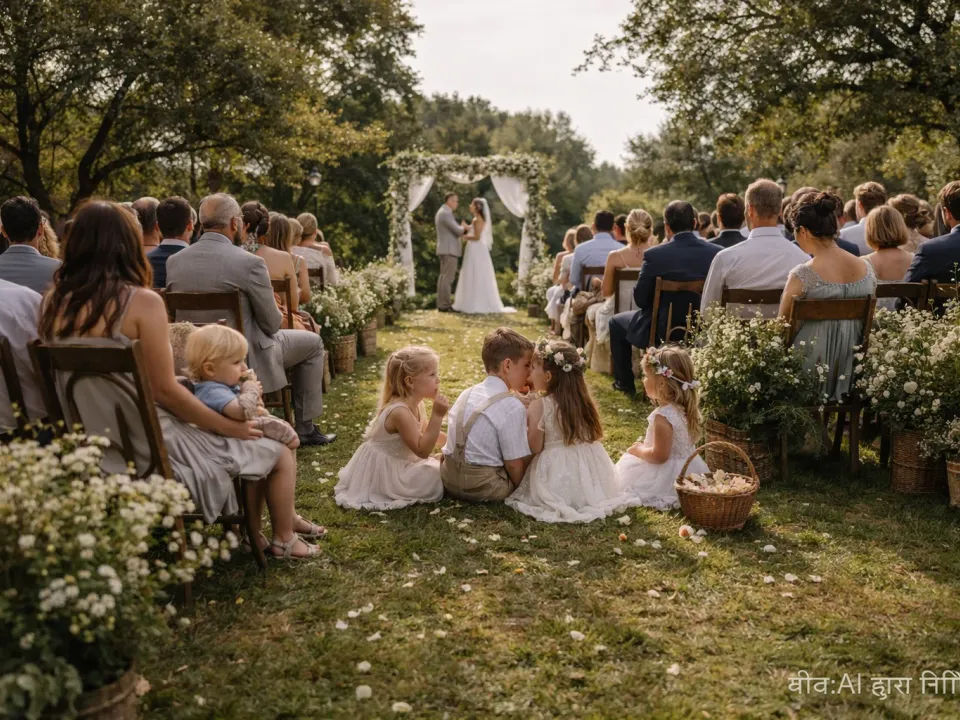
仪式中的孩子们:关键时刻的助力何在
默认情况下,儿童并不会主动扰乱婚礼仪式。他们的行为往往是对压力、时长、陌生规则以及成人紧张氛围的反应。本文探讨了当情况开始失控时的实际场景,如何通过空间布局与流程安排更好地支持儿童,以及父母如何在不必全程忙于危机处理的情况下,依然能充分参与庆祝活动。

Where a proposal happens can matter as much as the question itself. Public and private proposals create different pressures, memories, and emotional imprints.
Where a proposal happens is never neutral. A question asked in front of others carries a different weight than one asked in silence. The difference is not about romance — it is about pressure, safety, and the kind of memory that is created.
Public and private proposals do not reveal how much someone loves. They reveal how a relationship handles visibility, vulnerability, and risk.
A public proposal invites witnesses into a private decision. Friends, family, strangers, or an imagined audience become part of the moment — even if they say nothing.
This visibility can amplify joy, but it can also amplify pressure. Saying “yes” may feel safer than risking disappointment, embarrassment, or conflict in front of others.
A private proposal protects uncertainty. It allows space for hesitation, emotion, and honest response without an audience waiting for a happy ending.
Privacy does not make a proposal less meaningful. In many cases, it allows the meaning to surface without performance or expectation.
The most important difference between public and private proposals is not style — it is consent. A proposal should never trap someone into an answer they are not ready to give.
When the setting aligns with both people’s comfort, the ritual feels supportive. When it doesn’t, the moment can leave a complicated emotional trace.
A proposal reveals how safe a relationship feels under pressure.— Loving Rocks
People often remember less about what was said and more about how exposed or protected they felt. The context of a proposal becomes part of its emotional imprint.
This is why some proposals are remembered with warmth, while others remain difficult to revisit — even years later.
To understand proposals as rituals rather than performances, continue with these related pages: