
Elegant & Classic – Timeless Wedding Inspiration
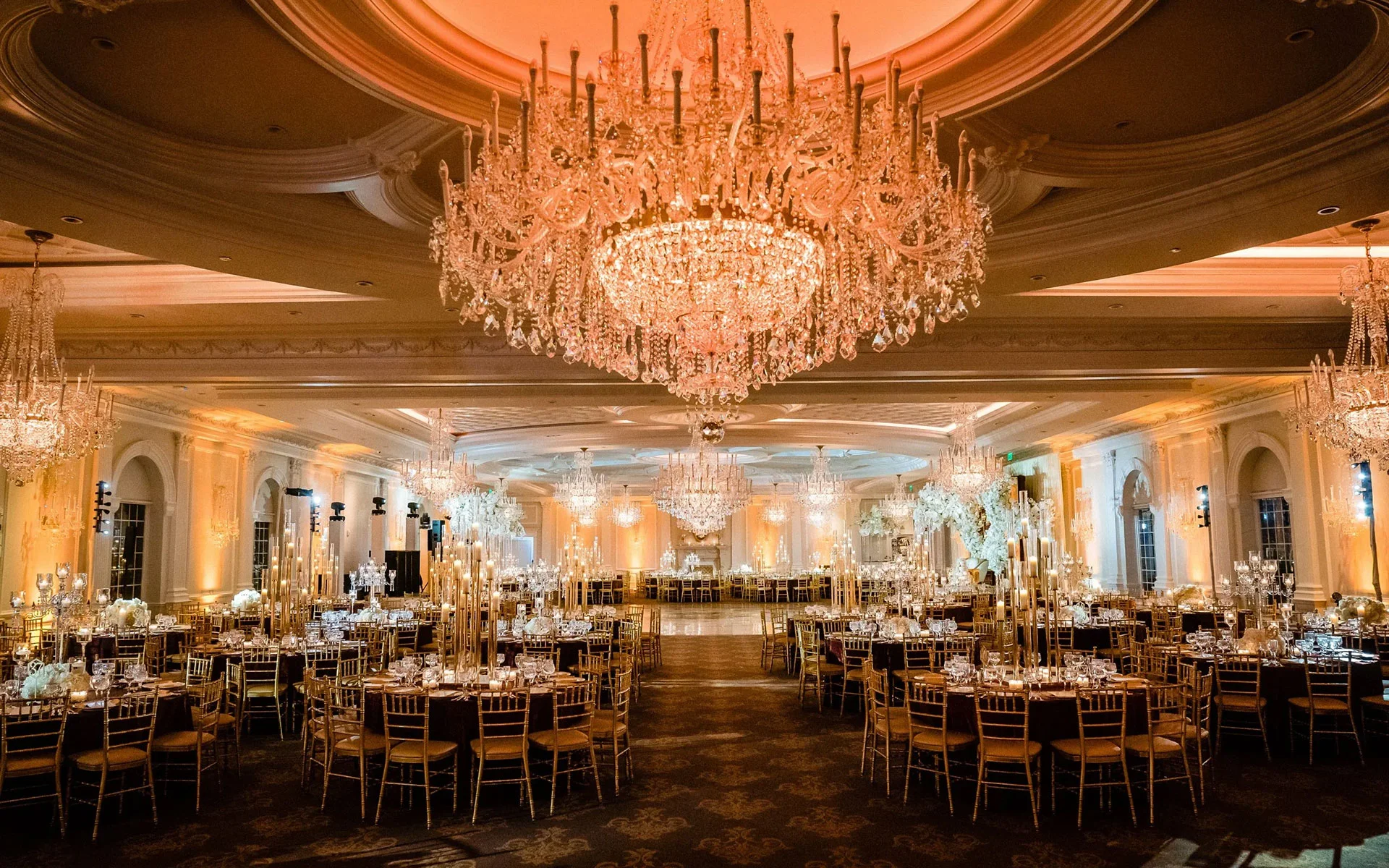
Elegant and Timeless Wedding Celebrations
Creating a Classic Wedding That Feels Calm, Considered, and Enduring
Classic weddings tend to reveal themselves quietly. Nothing demands attention. The atmosphere feels settled early on. Guests notice balance before they notice details. These celebrations often rely less on novelty and more on restraint. What stays present is a sense of order, care, and continuity. The day feels composed. Not distant. Simply steady.
What Shapes an Elegant and Classic Atmosphere
Classic wedding settings are usually defined by clarity rather than abundance. Neutral tones such as ivory, soft white, champagne, beige, light grey, or muted gold form a calm base. These colors do not compete. They support. Textures and light become more noticeable when the palette stays restrained.
Materials matter. Guests may not name them, but they register the difference. Fabrics like silk, satin, fine linen, lace, or chiffon create a tactile depth. Floral arrangements tend to be structured and balanced rather than expansive. Roses, peonies, hydrangeas, lilies, or orchids appear often, arranged with symmetry and intention.
The venue usually carries much of the atmosphere on its own. Historic buildings, ballrooms, villas, manor houses, city hotels, or estates offer architectural presence. High ceilings, large windows, chandeliers, and measured proportions reduce the need for added decoration. The space already holds weight.
Planning an Elegant and Classic Celebration
Planning often begins with alignment. A clear visual direction helps decisions remain consistent across the day. Stationery, colors, décor, attire, and music tend to follow the same logic. Invitations are usually simple in layout, careful in typography, and produced on quality paper. Expectations are set without explanation.
Decoration in classic weddings is selective. Tables are styled with attention, not excess. Linens remain crisp. Tableware is chosen for form and finish. Floral centerpieces are measured rather than dominant. Lighting stays warm and controlled. Candles, chandeliers, or subtle uplighting shape the room without interrupting it.
Attire follows a similar approach. Timeless cuts and clean lines remain common. Dresses with long sleeves, subtle lace, or restrained silhouettes age well in memory. Wedding party colors stay close to one another. Accessories are kept minimal. Fit and craftsmanship become the focus.
Details That Support the Experience
Flow matters more than speed. A structured timeline allows space between moments. Guests move without urgency. Music supports this rhythm. Classical pieces, jazz, or acoustic performances often remain in the background, present but unobtrusive. Conversations continue easily.
Food is treated with the same care. Menus are balanced, seasonal, and clearly composed. Presentation remains precise. Service is attentive but quiet. Even simple dishes feel considered when quality and timing align.
Hospitality becomes visible through organization. Seating plans are clear. Transitions are explained without emphasis. Small gestures, such as thoughtful favors or steady coordination, help guests relax. One guest once described it as feeling "looked after without being directed."
Conclusion
Elegant and classic weddings tend to last in memory because they avoid excess. They rely on proportion, consistency, and care. When quality guides decisions and details remain aligned, the celebration feels calm and complete. Not because it aims to impress, but because it holds together. This is where elegance often settles.
Related Articles
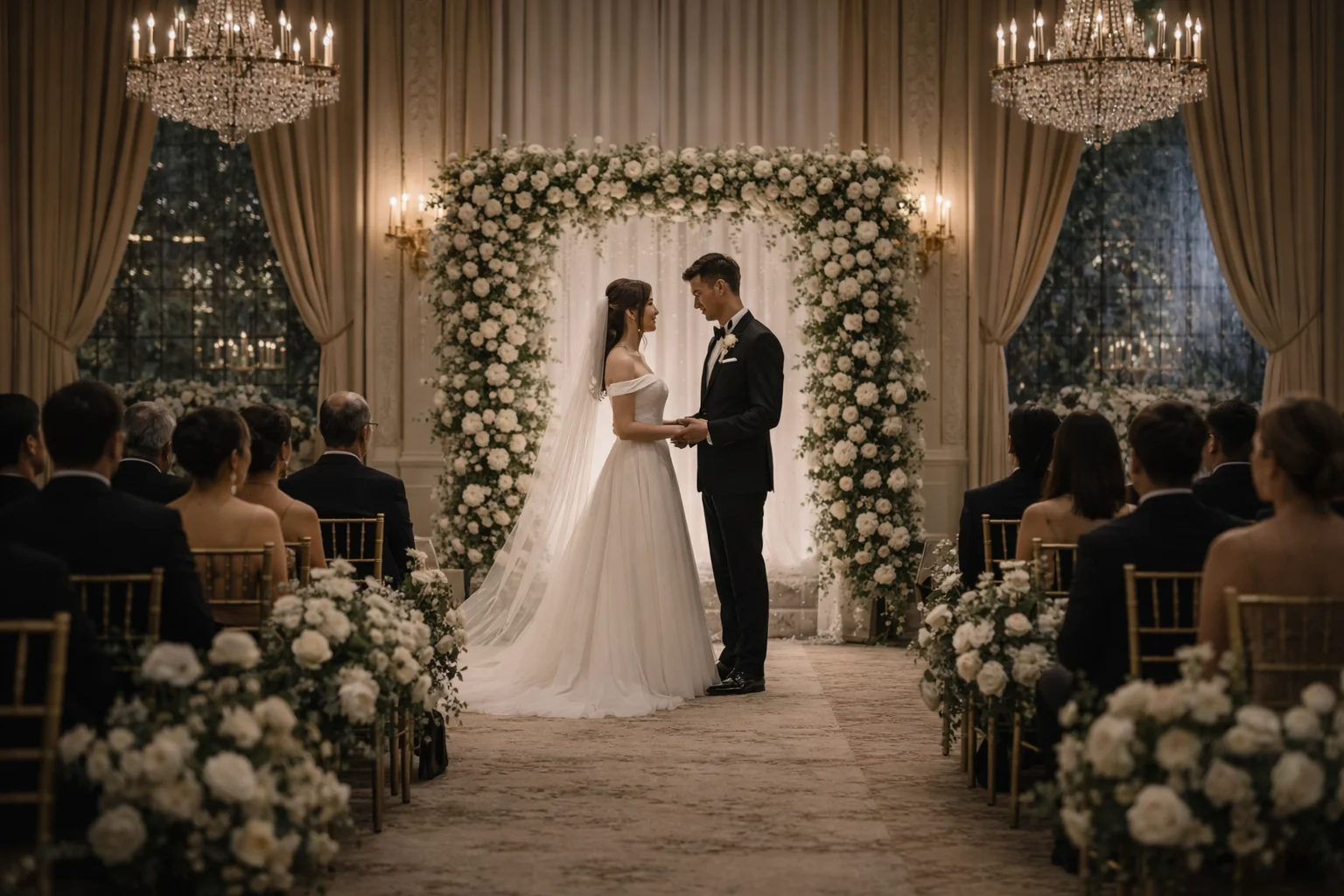
Where Elegance Meets Meaning in a Wedding Ceremony
Elegant weddings are often described through surfaces. Clean lines, restrained palettes, carefully chosen materials, a sense that nothing is excessive and everything is considered. It looks effortless, but that effortlessness is usually constructed with precision.
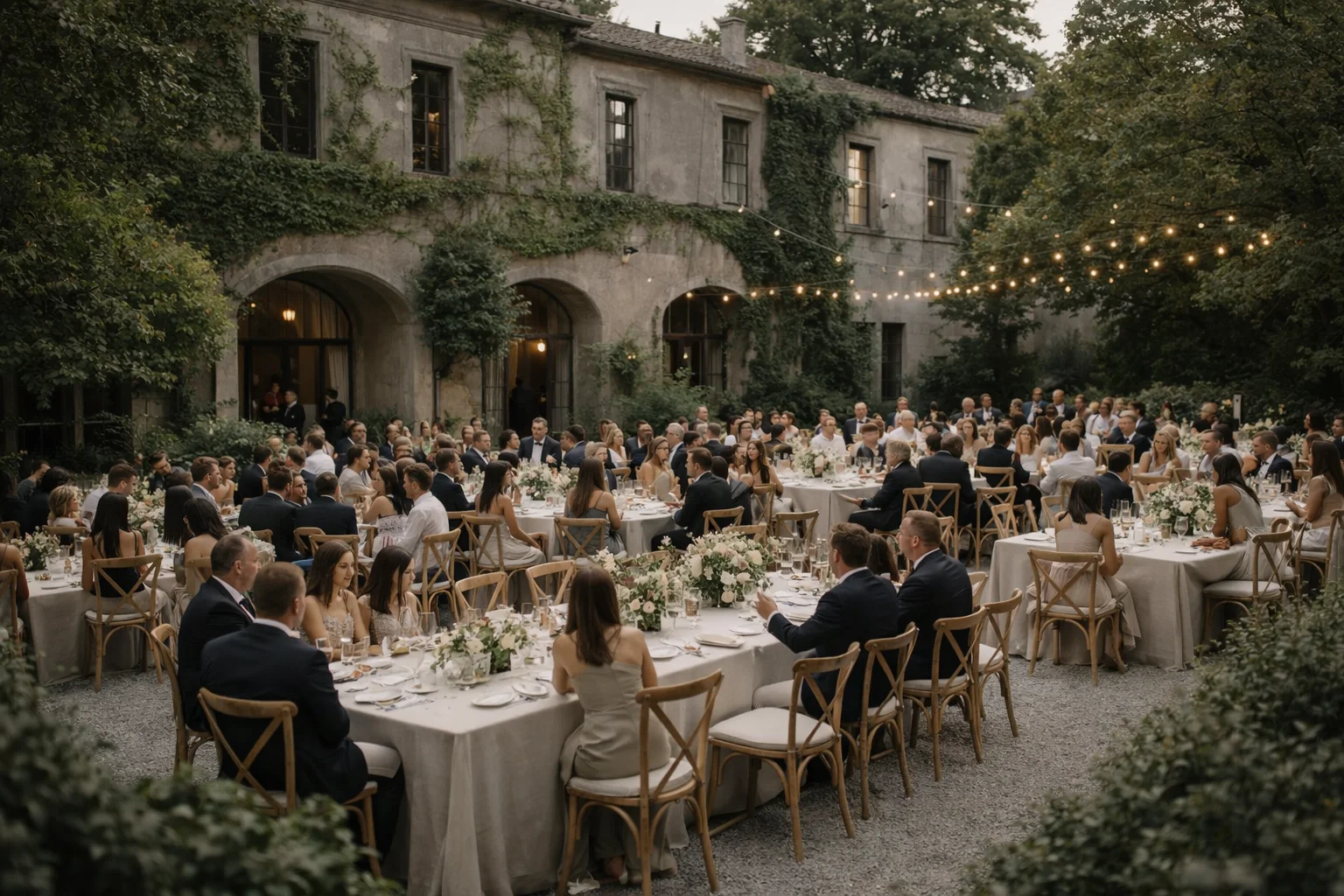
Silent Luxury Weddings: Unbranded Details and Quiet Consistency
Some weddings feel quiet in a specific way. Not empty, not reduced in effort, just less pointed. Nothing tries to explain itself. Guests move through the space and notice things in fragments, sometimes only later, sometimes not really at all, but something holds together.