Blog - Discover our latest articles and insights

Per page
Restaurant Weddings: Why Some Rooms Feel Social Without Much Effort

Illustration

Restaurant Weddings: Why Some Rooms Feel Social Without Much Effort

Restaurant weddings often feel warmer more quickly than larger, more neutral venues. This article looks at why certain dining rooms support conversation, movement, and shared atmosphere so naturally, and how that ease turns into the small social scenes people later remember.
Read More
Published
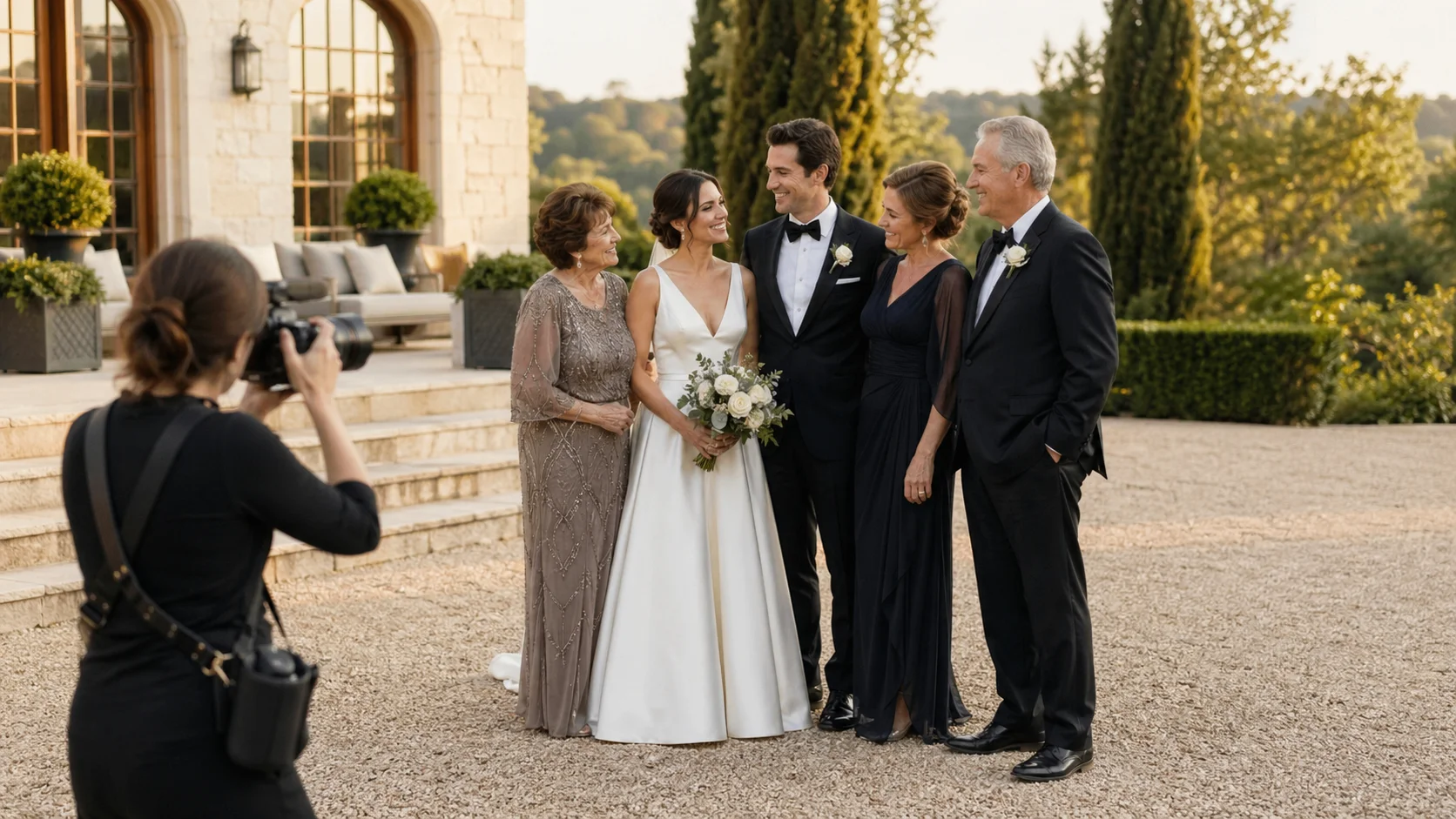
Nap Times, Early Goodbyes, and the Hidden Rhythm of Weddings With Small Children

Illustration

Nap Times, Early Goodbyes, and the Hidden Rhythm of Weddings With Small Children

Weddings with small children often follow two timelines at once: the visible schedule of ceremony, dinner, and dancing, and the quieter rhythm of naps, tiredness, comfort, and early departures. This article looks at how those hidden shifts shape the day in practical and emotional ways.
Read More
Published
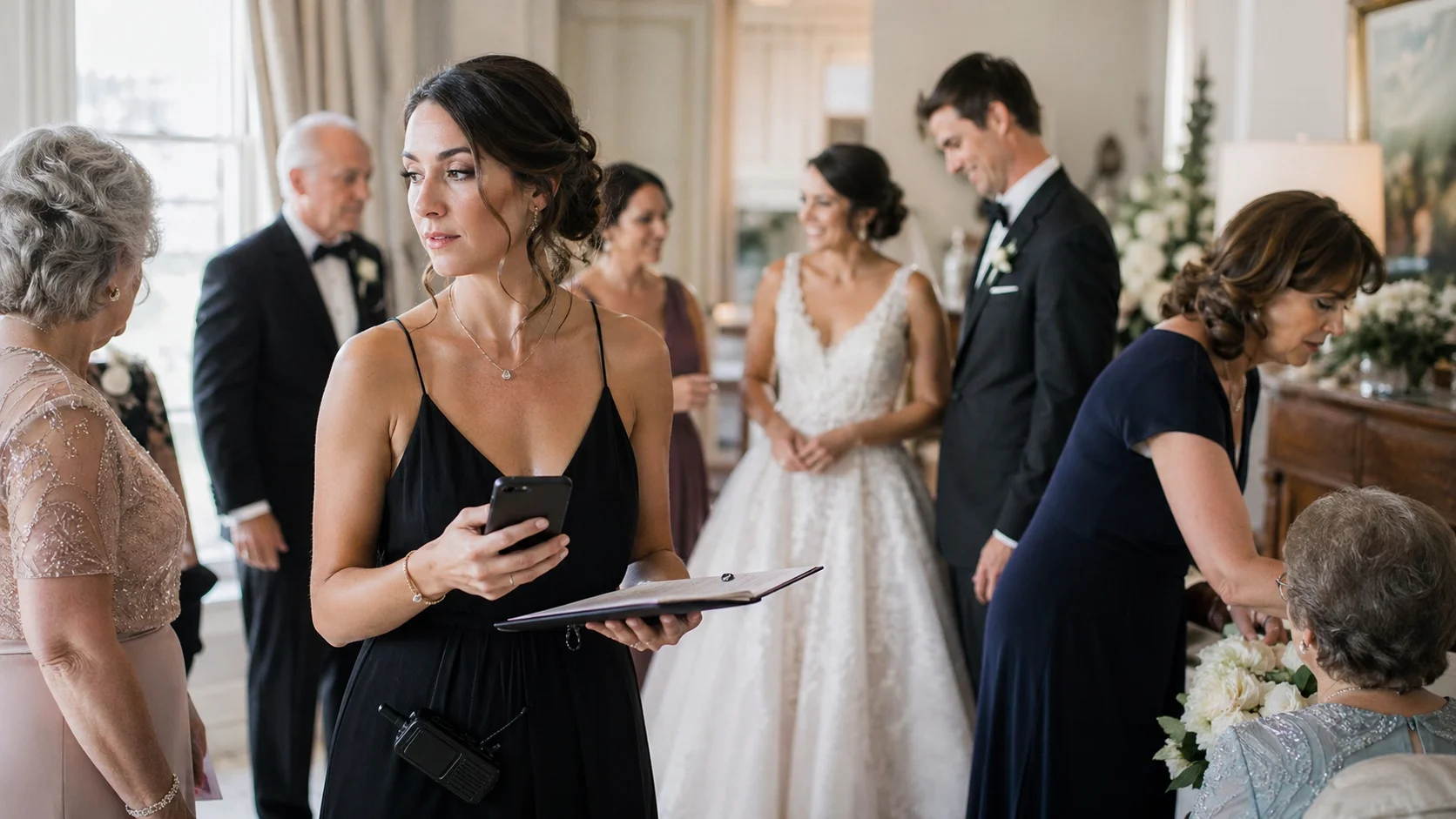
Outdoor Weddings With Children: Freedom, Boundaries, and Attention

Illustration

Outdoor Weddings With Children: Freedom, Boundaries, and Attention

Outdoor weddings often feel easier with children because there is more room to move, but that same openness changes how boundaries work and how attention is held. This article looks at how freedom, supervision, fatigue, and small shifting moments shape child-friendly outdoor celebrations.
Read More
Published
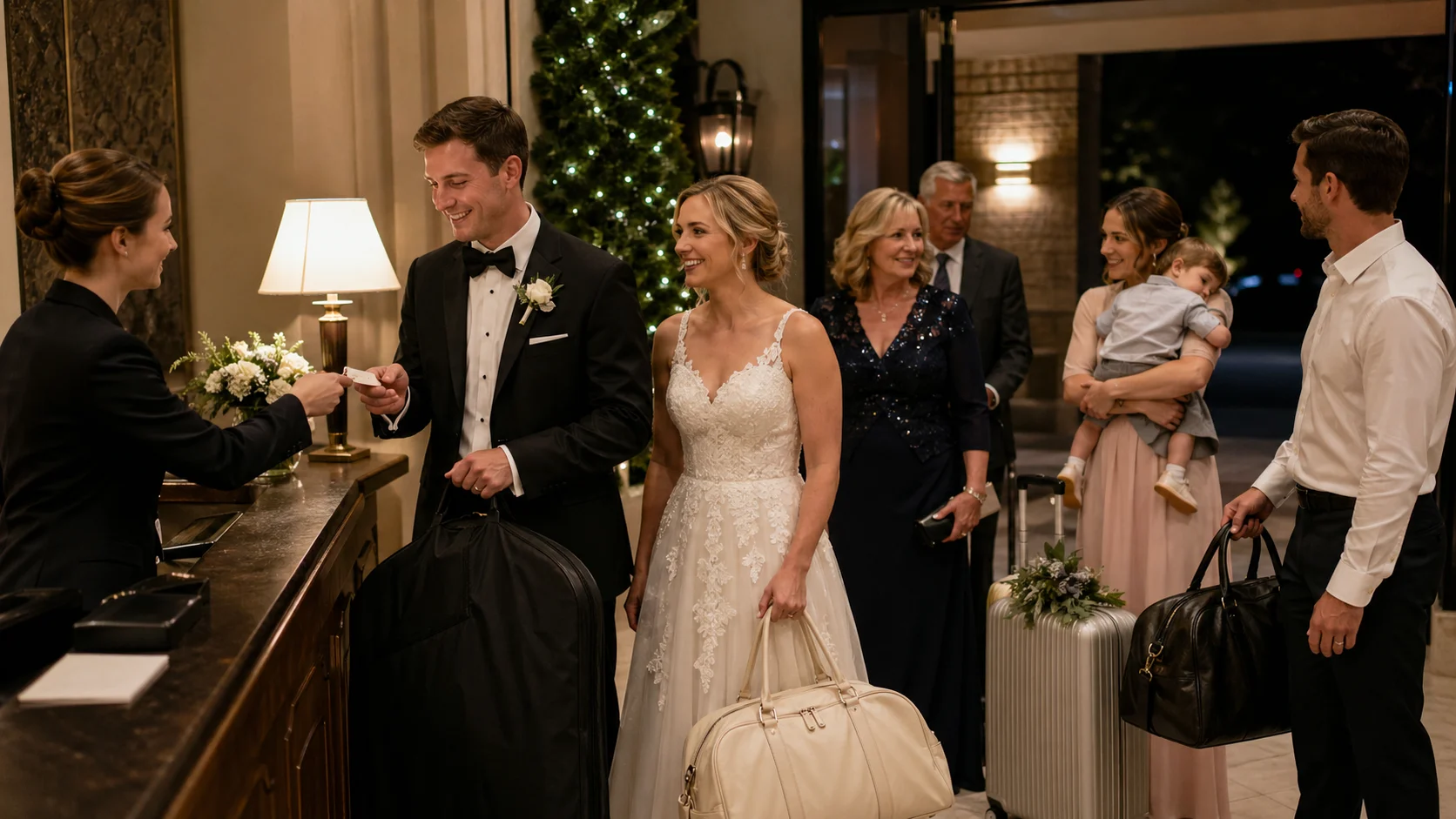
Post-Wedding Gatherings Across Countries: When the Celebration Continues Elsewhere

Illustration

Post-Wedding Gatherings Across Countries: When the Celebration Continues Elsewhere

Some weddings do not end when the official day is over. They continue in another city, another country, another family home, or another social circle that could not be present the first time. This article looks at what post-wedding gatherings across countries actually mean and why they are often less like an encore than a second form of the wedding itself.
Read More
Published
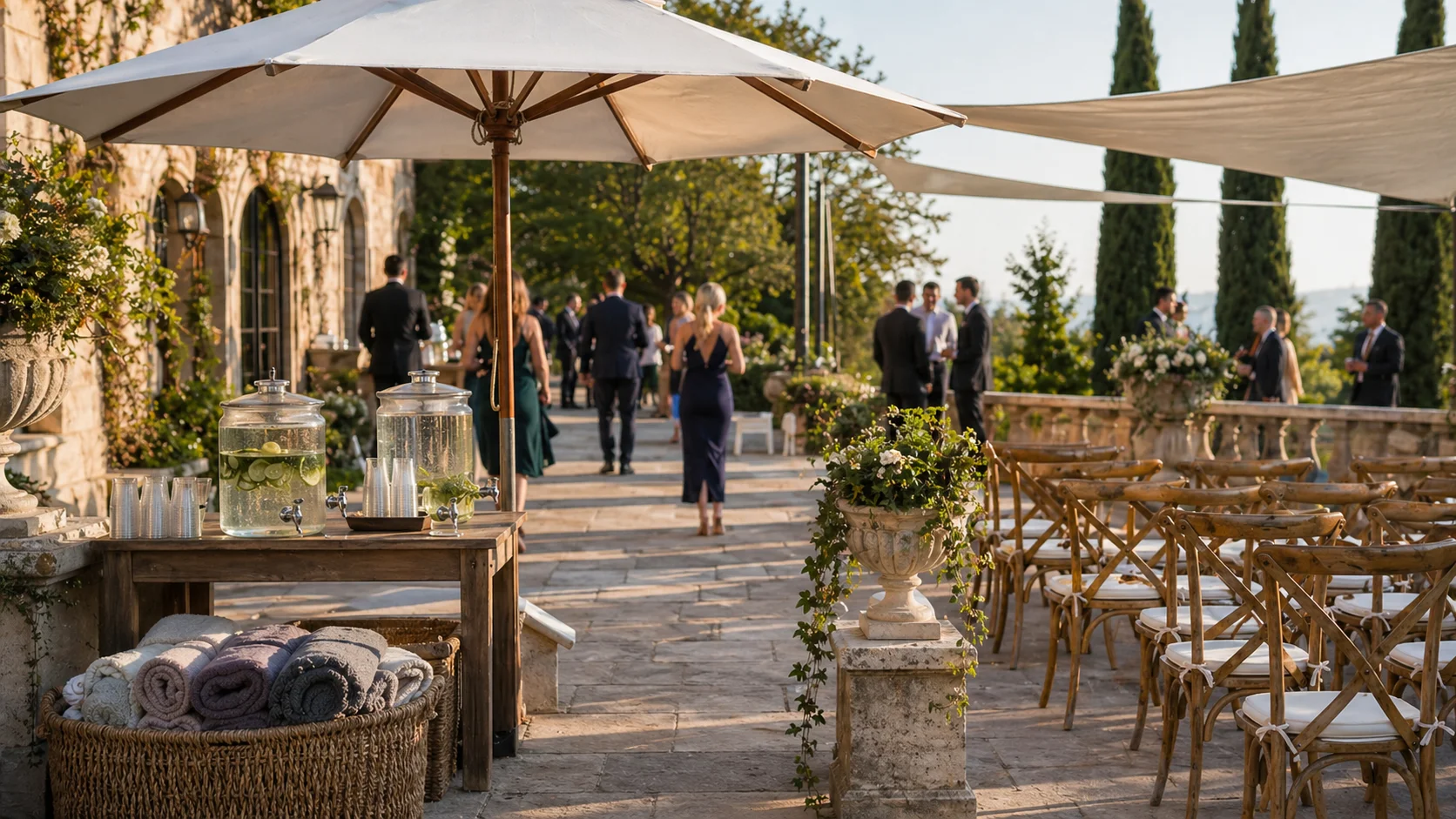
Mixed-Culture Weddings Without Performative Symbolism

Illustration

Mixed-Culture Weddings Without Performative Symbolism

A mixed-culture wedding does not become meaningful by displaying as many symbols as possible. It becomes meaningful when the symbols that appear are actually lived, understood, and emotionally carried by the couple and their families. This article looks at how international weddings can honor difference without turning culture into performance.
Read More
Published

Two Families, Two Cultural Rhythms: How International Weddings Balance Different Social Expectations

Illustration

Two Families, Two Cultural Rhythms: How International Weddings Balance Different Social Expectations

International weddings do not only bring together two languages or two traditions. They often bring together two different social rhythms: different ideas of hospitality, family presence, punctuality, emotional expression, ritual weight, and what a wedding is supposed to feel like. This article looks at how couples balance those differences without flattening either side.
Read More
Published
Dress Expectations at International Weddings: What Guests May Read Differently

Illustration

Dress Expectations at International Weddings: What Guests May Read Differently

Dress codes at international weddings are rarely just about clothing. Guests interpret formality, respect, family signals, and cultural meaning differently. This article looks at how attire is understood across contexts and why what seems obvious to one guest can feel unclear to another.
Read More
Published
Multilingual Wedding Communication: What Guests Need to Understand Without Constant Explanation

Illustration

Multilingual Wedding Communication: What Guests Need to Understand Without Constant Explanation

A multilingual wedding does not fail because different languages are present. It becomes difficult when guests are left unsure what they need to understand, what they can simply feel, and what requires translation in the moment. This article looks at how to create clarity in multilingual wedding communication without overexplaining every part of the day.
Read More
Published
Destination Wedding Checklist: What Changes When Travel Becomes Part of the Plan

Illustration

Destination Wedding Checklist: What Changes When Travel Becomes Part of the Plan

A destination wedding is never only a wedding in another place. The moment travel becomes part of the plan, the guest list, the schedule, the budget, the emotional pressure, and even the meaning of attendance begin to change. This article looks at what a destination wedding checklist really needs to cover and why travel turns a wedding into a lived story long before the ceremony begins.
Read More
Published
After-the-Wedding Checklist: What Still Needs to Be Returned, Paid, Thanked, or Closed

Illustration

After-the-Wedding Checklist: What Still Needs to Be Returned, Paid, Thanked, or Closed

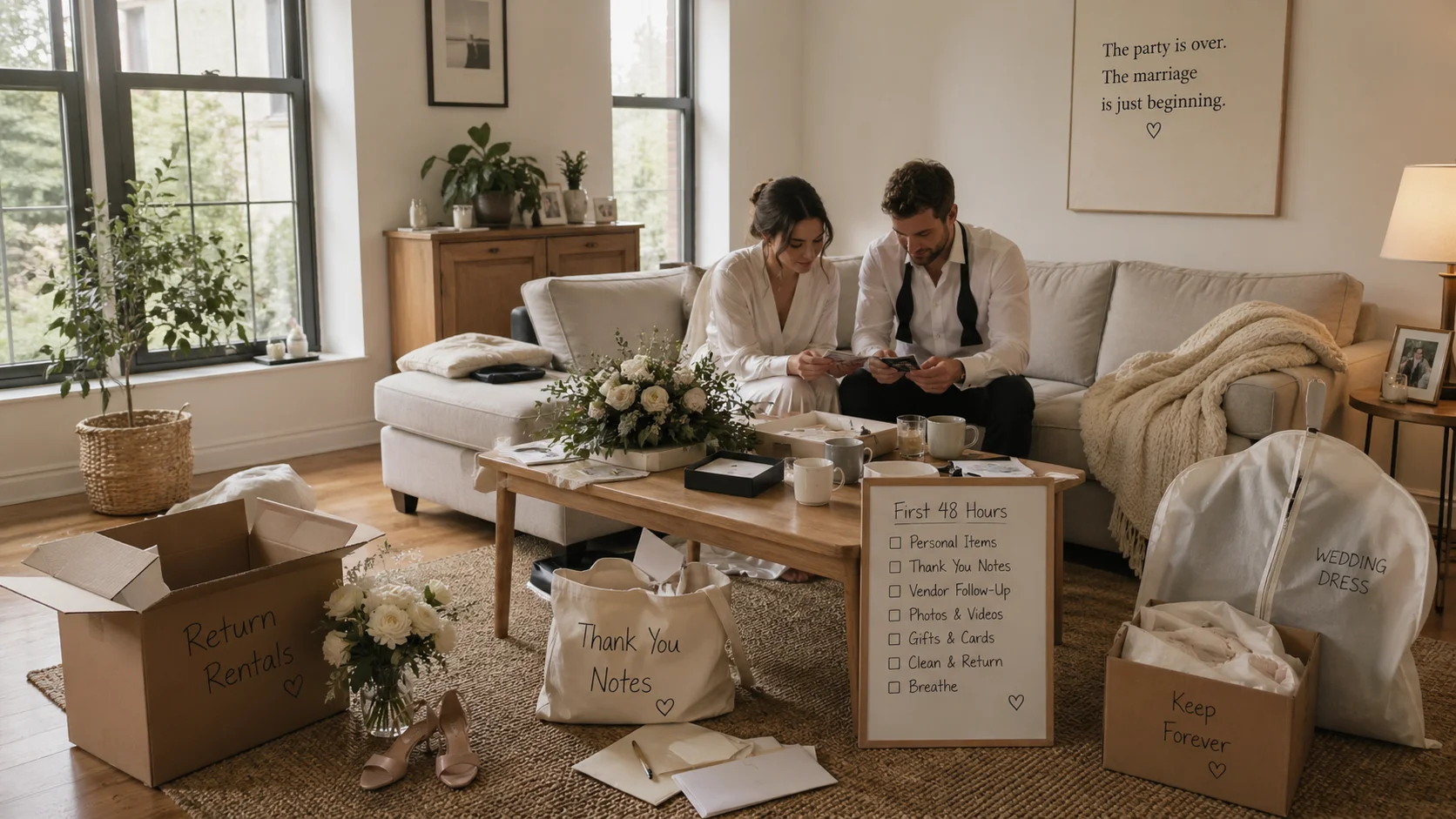
A wedding rarely ends when the last guest leaves. What follows is quieter, more practical, and often more emotionally mixed than couples expect. This article looks at what still needs to be returned, paid, thanked, or closed after the wedding, and why the days after the celebration are part of the wedding's meaning, not just its cleanup.
Read More
Published
Who Is Invited to the Ceremony and Who Only to the Celebration

Illustration

Who Is Invited to the Ceremony and Who Only to the Celebration

Not every wedding invitation has to include every part of the day. But the difference between being invited to the ceremony and being invited only to the celebration carries more meaning than many couples first assume. This article looks at how to make that distinction clearly, gracefully, and in a way that fits both the ritual weight of the ceremony and the social reality of the celebration.
Read More
Published
Guests Who Travel Far for the Wedding: What Invitation Means in Practice

Illustration

Guests Who Travel Far for the Wedding: What Invitation Means in Practice

A wedding invitation does not mean the same thing to every guest. For people traveling far, it quickly becomes more than a warm gesture. It becomes a practical commitment of time, money, planning, and emotional effort. This article looks at what invitation means in practice when guests come from far away, and why distance reveals the real weight of being included.
Read More
Published
Wedding Transport Checklist: Arrivals, Transfers, Parking, and Late-Night Returns

Illustration

Wedding Transport Checklist: Arrivals, Transfers, Parking, and Late-Night Returns

Wedding transport is rarely remembered when it works, but it shapes the day long before the ceremony begins and long after the central moment has passed. This article looks at what still needs to be planned around arrivals, transfers, parking, and late-night returns, and why movement and waiting belong more closely together than many couples expect.
Read More
Published
Wedding Guest Communication Checklist: What Guests Need to Know and When

Illustration

Wedding Guest Communication Checklist: What Guests Need to Know and When

Good wedding communication is not about sending guests everything at once. It is about giving the right information at the right moment, so the day feels clear without becoming overexplained. This article looks at what guests actually need to know, when they need to know it, and why silence still has a place in wedding planning.
Read More
Published
Last-Week Wedding Checklist: What Still Needs Attention Shortly Before the Day

Illustration

Last-Week Wedding Checklist: What Still Needs Attention Shortly Before the Day

The last week before a wedding is rarely about major decisions. It is about clarifying what still has weight, what can no longer be improved by adding more, and what needs to be named before it starts shaping the day in silence. This article looks at what still deserves attention shortly before the wedding and why the unspoken layer often matters most at that stage.
Read More
Published
Why Ceremony Music Feels Different Live and Recorded

Illustration

Why Ceremony Music Feels Different Live and Recorded

Ceremony music is often chosen as if the main question were preference. Live or recorded, strings or piano, solo or ensemble. In reality, guests experience something more subtle: scale, breath, distance, timing, and the way music changes the room before the ceremony and after the ritual has already happened. This article looks at what really changes when wedding music is live, recorded, too performed, too thin, or exactly right.
Read More
Published
How Room and Situation Change Ceremony Music

Illustration

How Room and Situation Change Ceremony Music

Ceremony music is never only a matter of taste. It behaves differently in wind, in formal rooms, in small gatherings, in religious settings, and in very quiet weddings where every note becomes more exposed. This article looks at how space and situation change the effect of wedding ceremony music, and why placement matters as much as the music itself.
Read More
Published
What Guests Remember About Ceremony Music Later

Illustration

What Guests Remember About Ceremony Music Later

Ceremony music rarely stays in memory as a perfect playlist. Guests remember how it changed the room, how it shaped emotion, and whether it made the ceremony feel intimate, oversized, personal, or strangely distant. This article looks at what guests actually carry away from wedding ceremony music and why placement often matters more than the song itself.
Read More
Published
How Vows Shape the Ceremony Around Them

Illustration

How Vows Shape the Ceremony Around Them

Wedding vows do not sit inside a ceremony like one beautiful paragraph among many. They change the weight of everything around them: readings, ritual language, rings, pauses, silence, and the release into celebration. This article looks at where vows belong in a free ceremony, how they interact with structure, and why engagement already changes the way couples relate to what will later be spoken aloud.
Read More
Published
What Wedding Guests Actually Hear When Vows Are Spoken

Illustration

What Wedding Guests Actually Hear When Vows Are Spoken

Wedding vows are rarely received exactly as they are written. Guests hear emotion, rhythm, hesitation, clarity, imbalance, and the symbolic weight of what is being said aloud. This article looks at how vows sound in the room, what happens when the voice breaks, why shorter vows often feel stronger, and how spoken vows become more than text.
Read More
Published
How Long Wedding Vows Should Really Be and What to Leave Out

Illustration

How Long Wedding Vows Should Really Be and What to Leave Out

Most wedding vows become weak for the same reason they become long: they try to carry everything at once. This article looks at how long vows should really be, what belongs inside them, what does not, and how to cut them without losing the feeling that made them matter in the first place.
Read More
Published
How a Free Ceremony Creates Meaning From the First Minute

Illustration

How a Free Ceremony Creates Meaning From the First Minute

A free ceremony is often described as flexible, personal, and less bound by formal rules. But that freedom only works when the ceremony has real structure, emotional direction, and a clear sense of what belongs in the moment. This article looks at how a free ceremony begins, why it carries weight, how guests understand it, and what makes it feel meaningful rather than vague.
Read More
Published
What Guests Do When They Do Not Know the Religious Tradition

Illustration

What Guests Do When They Do Not Know the Religious Tradition

Religious wedding ceremonies can feel deeply moving even to guests who do not fully understand the tradition. But they can also create uncertainty about posture, participation, and what is expected in the room. This article looks at what guests actually do when the ritual is unfamiliar, and how couples can make that uncertainty feel respectful rather than awkward.
Read More
Published
Waiting Before the Civil Ceremony: What the Minutes Outside the Room Actually Feel Like

Illustration

Waiting Before the Civil Ceremony: What the Minutes Outside the Room Actually Feel Like

Civil ceremonies are often described as brief, simple, and administrative. But anyone who has stood outside the room knows that the minutes before they begin can feel strangely dense. This article looks at what those minutes actually do to time, attention, behavior, and emotion, and how the legal ceremony becomes a real threshold between engagement and wedding.
Read More
Published
1 / 7