
Vendor Contact Checklist: Who Needs to Reach Whom When the Day Starts Moving
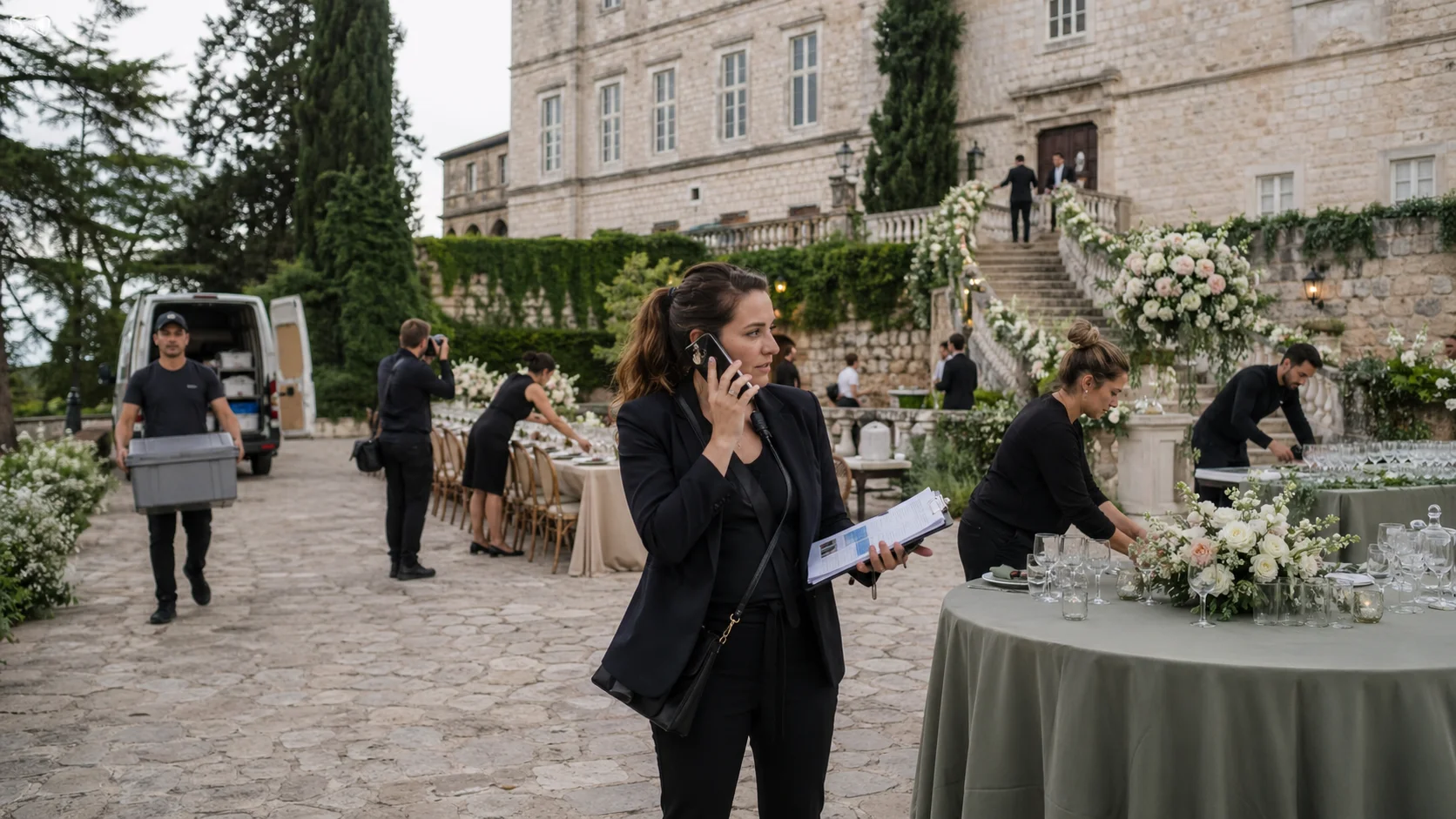
Wedding contact lists often look complete long before the celebration begins. Names are saved, numbers are shared, suppliers are confirmed, group chats exist, and everyone assumes communication is covered. Then the day starts moving. A driver is five minutes late, florals arrive while tables are still being adjusted, the photographer cannot find the second entrance, the officiant needs the cue for the processional, and a planner is already solving something else. At that point, the problem is rarely missing contact information. It is that the information is not structured for the reality of motion.
This is why a vendor contact checklist should never be just a phone list. On the wedding day, communication works best when it is directional. Who needs to reach whom, for what kind of issue, and at what stage of the day? Which calls should never go to the couple? Which updates belong to the planner, the venue, the witness, the transport lead, or the person holding the rings? Once the day is underway, clarity matters more than completeness.
Definition
A vendor contact checklist is a practical communication map for the wedding day. It defines not only which vendors are involved, but who each person should contact when timing, access, transport, setup, or sequencing begins to shift, so that small delays do not turn into wider confusion.
The Couple Should Not Be the Main Switchboard
One of the most common structural errors in wedding communication is that too many vendors still see the couple as the natural point of contact once the day has started. In reality, this is usually the least useful option. The couple may be dressing, being photographed, greeting family, moving between spaces, or simply trying to stay present. A strong checklist removes them from routine problem-solving early and clearly. The florist, transport provider, venue lead, musicians, cake delivery, and photographer do not all need the same person. In most weddings, they absolutely should not have it.
Each Vendor Needs One Clear Contact, Not Five Possible Ones
Suppliers work more calmly when they know who to call for a specific type of question. A venue issue should not go to the DJ. A timing adjustment should not go to the cake maker. Access problems should not be routed through a bridesmaid who is also steaming dresses. The most effective wedding communication maps are narrow and specific. One planner described it as reducing social crossfire: fewer possible routes, fewer unnecessary decisions, faster movement when something needs to change.
Checklist – CategoryA wedding checklist helps you stay organized and ensures that no important detail is overlooked. From early planning steps to last-minute preparations, it provides a clear overview of what needs to be done and when. With a well-structured checklist, you can plan your wedding with confidence, reduce stress, and enjoy the journey toward your big day.
Movement Changes Communication Faster Than Delays Do
Many contact problems emerge not because something has gone badly wrong, but because several movements are happening at once. People are leaving one site, arriving at another, loading in, finishing setup, searching for parking, switching rooms, or waiting outside because the previous phase has not quite ended. Communication becomes more fragile as the day fragments spatially. This is when pre-deciding who handles arrival updates, location access, room readiness, ceremony readiness, and reception timing becomes more valuable than any long supplier spreadsheet.
Waiting Needs Ownership Or It Starts Spreading
The quieter connection to waiting appears here. Weddings rarely stop all at once. They begin to wait in small pockets. A musician waits for the ceremony cue. The couple waits for transport. Guests wait because the room is not yet open. Catering waits because speeches have moved. Photography waits because family members are still arriving. None of this always looks dramatic, but if no one owns those thresholds, the waiting starts spreading from one part of the day into another. Good vendor contact planning is really a way of keeping waiting contained.
The Best Contact Chains Are Quiet Enough To Stay Invisible
When vendor communication works well, guests rarely notice it at all. Deliveries arrive, cues happen, spaces open, music starts, transport appears, and the wedding seems to continue under its own momentum. But that surface ease is usually supported by one or two calm people who know exactly when to answer, reroute, confirm, or withhold information. A venue coordinator once said that the best wedding contact map is the one no guest could reconstruct afterwards. That is usually true. The less visible the chain, the more stable the day tends to feel.

Waiting is not inactivity. It is the emotional state of knowing that something will happen, without knowing when or how.
Conclusion
A vendor contact checklist is not just about having numbers ready. It is about deciding how information should travel once the wedding is no longer static. When each supplier has a clear route, the couple is protected from routine interruptions, and moments of waiting have someone responsible for them, the day keeps moving with far less strain. That does not make weddings perfectly smooth. It makes them more legible when they begin to shift, which is usually enough.
Related Articles

Wedding Venue Visit Checklist: What to Observe During a Location Tour
Before a wedding location is booked, couples usually visit the place in person. These visits are often short, sometimes just an hour between other appointments. During that time many practical details appear: distances, lighting, sound, room flow, the way staff answer questions. Notes taken during such visits tend to be uneven. Some things seem obvious on site and disappear from memory later. A checklist helps structure the visit so that small but relevant observations are not lost.

The Wedding Guest List and the Quiet Art of Waiting
A guest list is one of the most practical parts of wedding planning, but it is also where uncertainty shows itself most clearly. Decisions about who will stand near the ceremony often unfold slowly, in pauses, hesitations, and unfinished conversations.
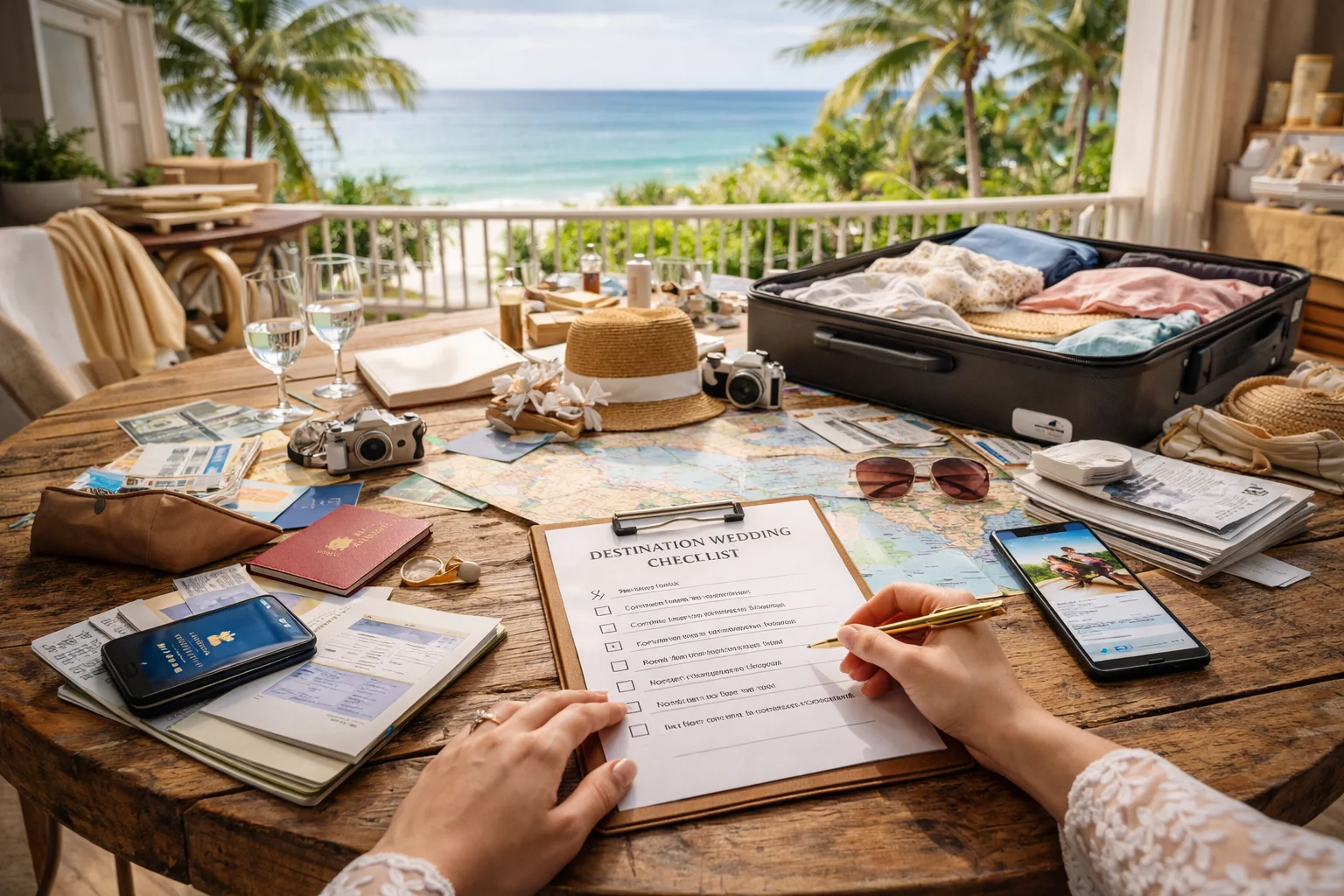
Destination Wedding Checklist: What Changes When Travel Becomes Part of the Plan
A destination wedding is never only a wedding in another place. The moment travel becomes part of the plan, the guest list, the schedule, the budget, the emotional pressure, and even the meaning of attendance begin to change. This article looks at what a destination wedding checklist really needs to cover and why travel turns a wedding into a lived story long before the ceremony begins.

Guest List Coordination with Families: Typical Situations During Wedding Planning
The guest list rarely develops in isolation. Once families become involved, the list begins to shift. Names appear from old address books, distant relatives, or long standing family friendships. The process is usually quiet and gradual. Conversations happen in small steps. Over time the list starts to reflect not only the couple but also the wider family network.
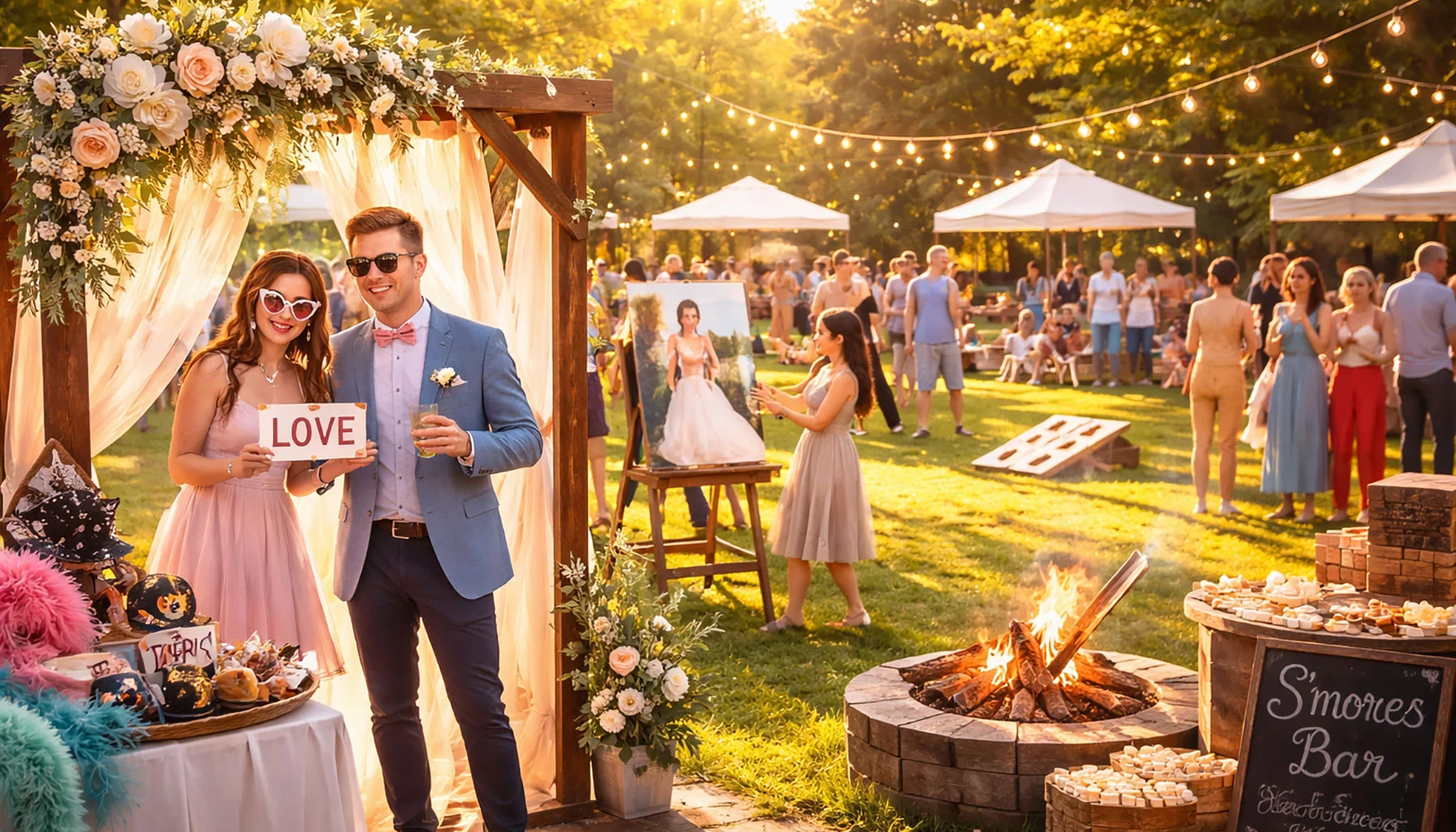
Wedding Guest Activities That Create Lasting Memories
The wedding activities guests remember most are rarely the loudest. They are the ones that give people something gentle to enter, something quiet to touch, and something small to carry away afterward. This article looks at which kinds of wedding guest activities tend to stay with people and why they often leave a deeper imprint than more spectacular entertainment.
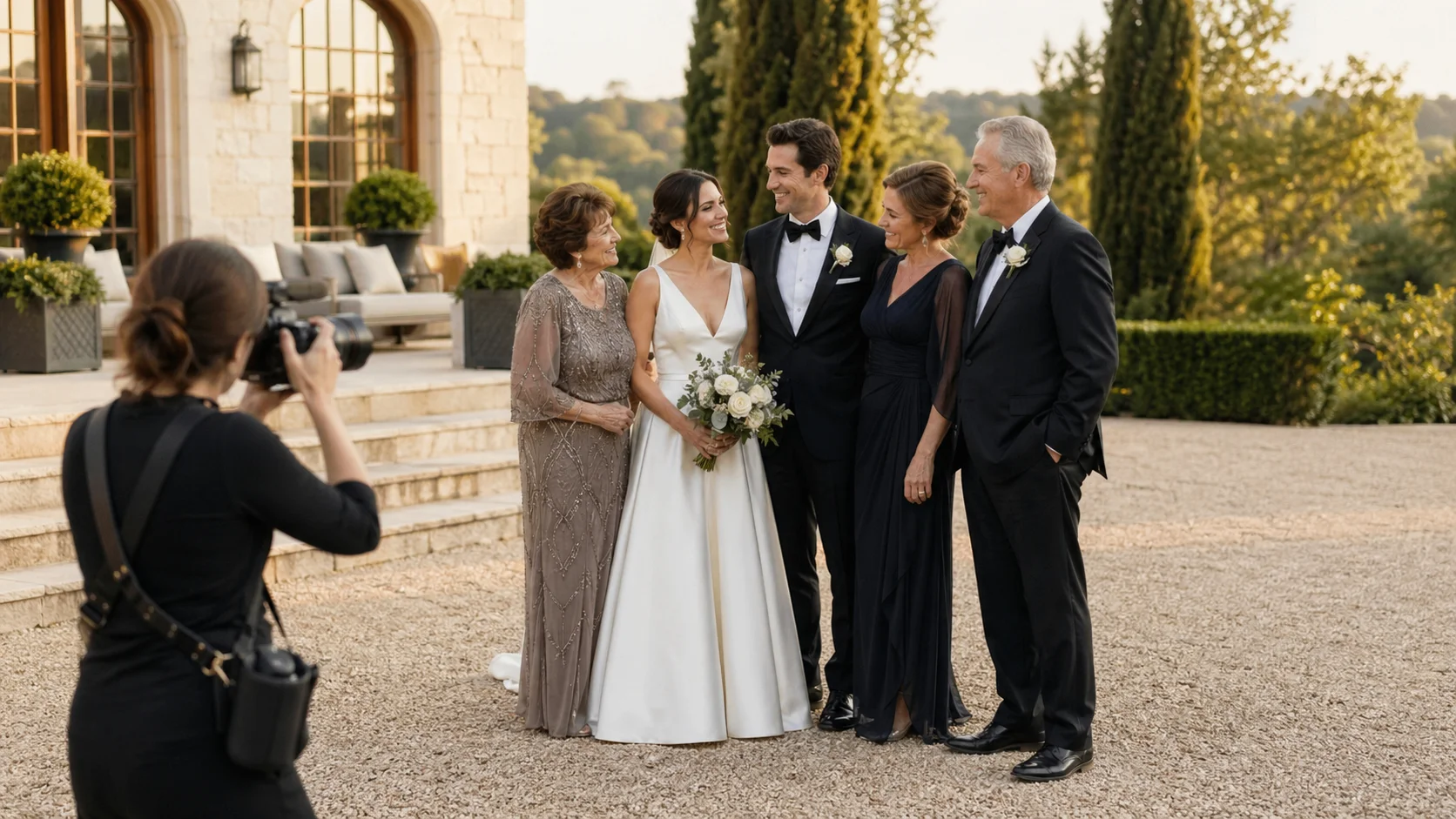
Photographer Coordination Checklist: What Helps Without Overdirecting the Day
Wedding photography needs enough coordination to protect the important images, but not so much direction that the day starts feeling staged. This article looks at shot priorities, family helpers, light windows, access, ceremony limits, and the space photographers need to notice real stories.
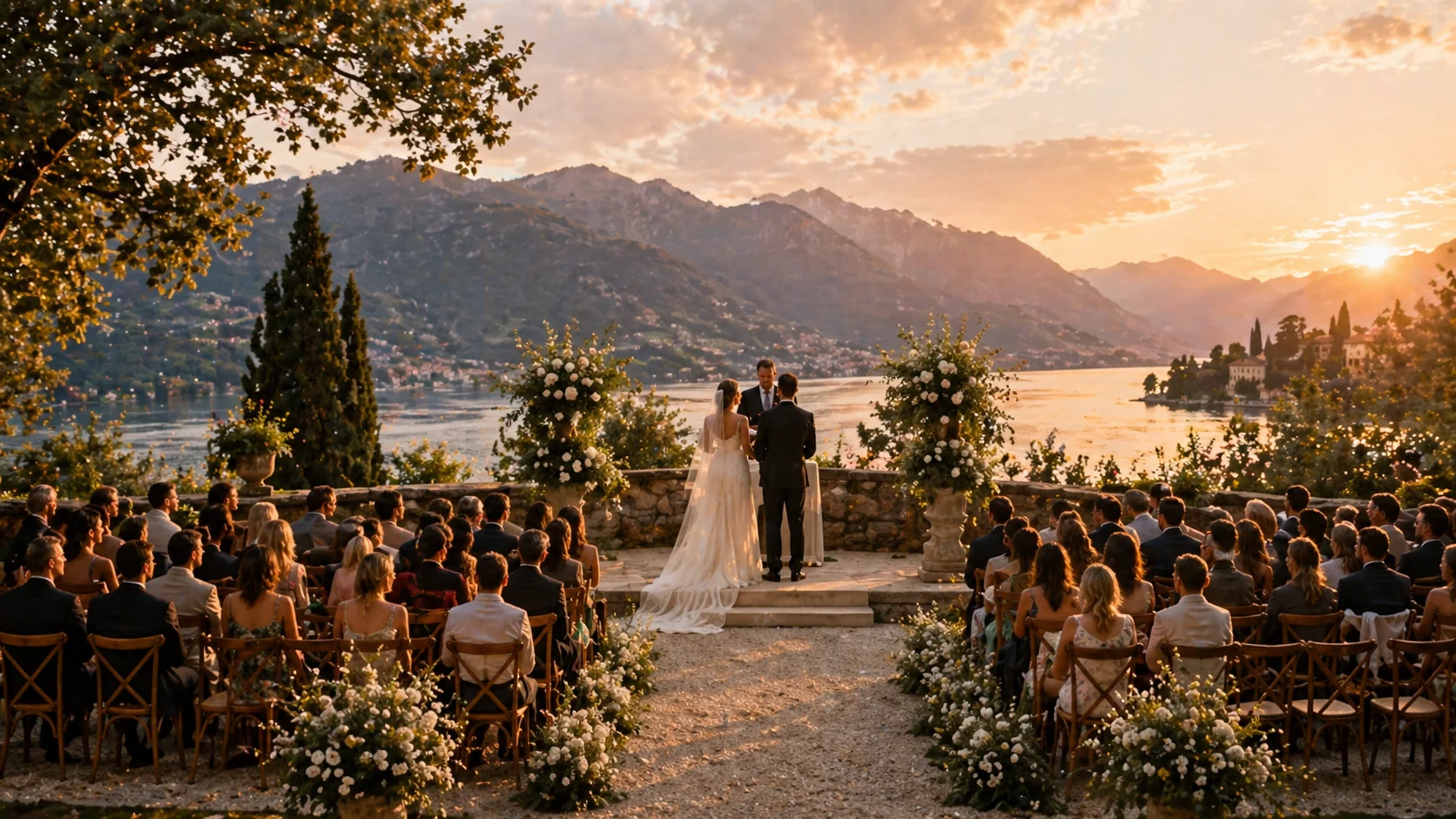
Ceremony Transition Checklist: What Should Be Ready Before Attention Has to Gather
Ceremony transitions often seem brief on paper, but they carry the difficult shift from movement into shared attention. This article looks at what needs to be ready before that moment arrives, from seating and sound to cues, stillness, and the quieter emotional readiness of the room.

Post-Wedding Gatherings Across Countries: When the Celebration Continues Elsewhere
Some weddings do not end when the official day is over. They continue in another city, another country, another family home, or another social circle that could not be present the first time. This article looks at what post-wedding gatherings across countries actually mean and why they are often less like an encore than a second form of the wedding itself.
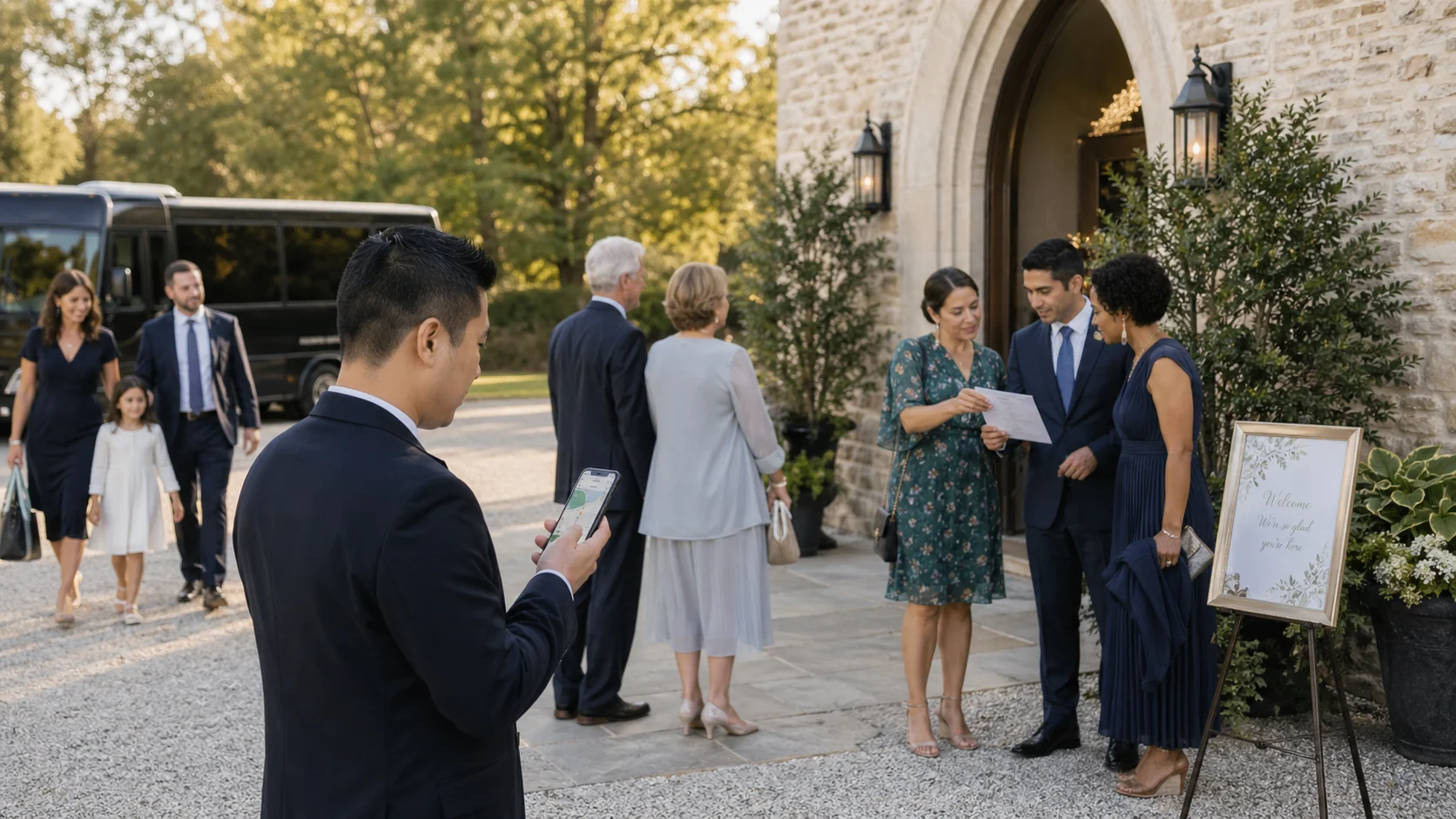
Wedding Website Checklist: What Guests Actually Need, and What They Ignore
Wedding websites work best when they reduce uncertainty instead of filling space. This article looks at what guests actually need to find quickly, what they usually ignore, and which unspoken questions a good website can answer before they become messages to the couple.

Guest Comfort Checklist: Small Conditions That Change the Entire Atmosphere
Guest comfort at weddings is shaped by small conditions long before anyone complains. This article looks at temperature, seating, sound, waiting areas, access, and quiet spaces of relief that change how the whole room feels.
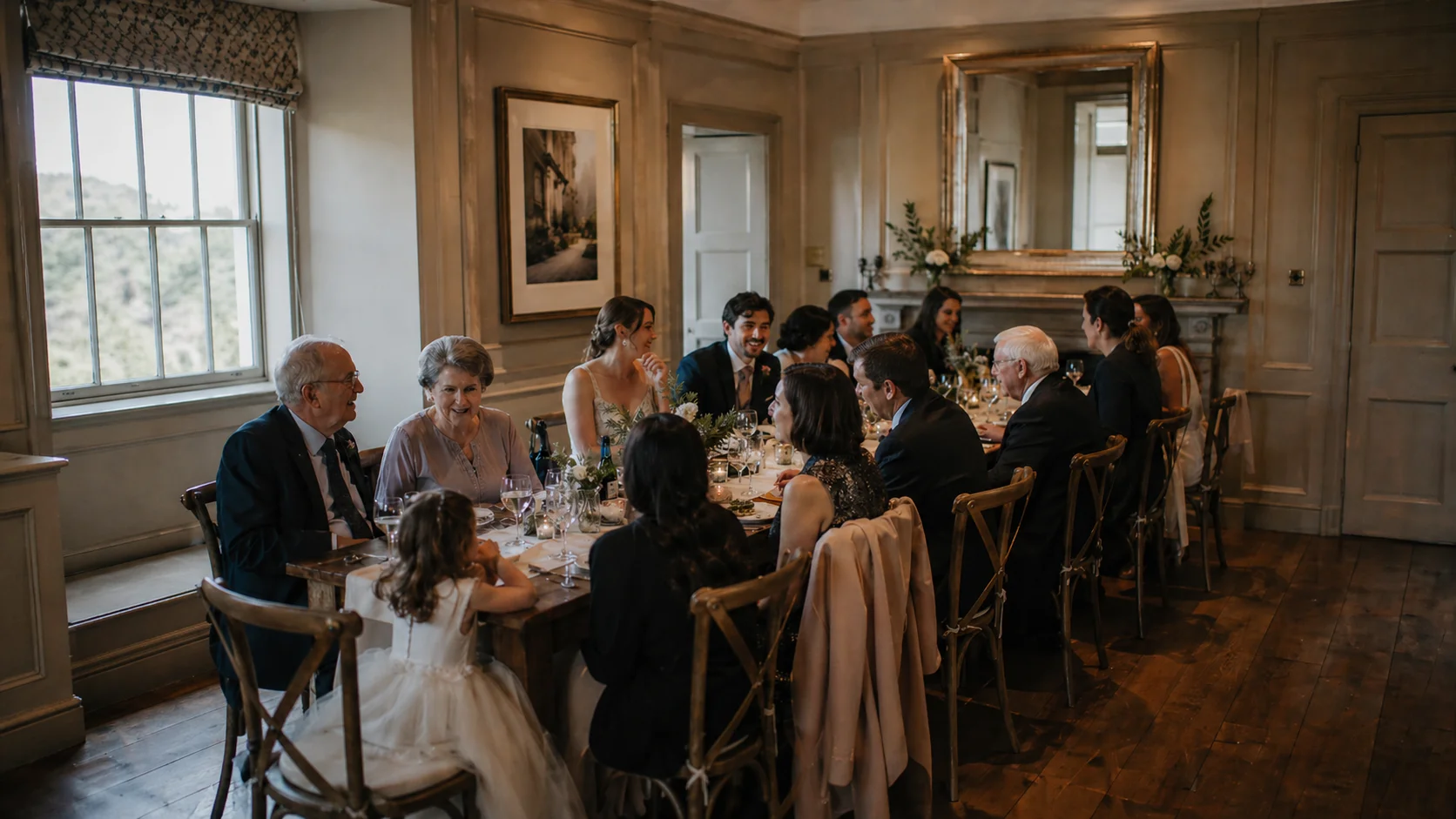
Family Table Checklist: What Helps Mixed Generations Sit More Easily Together
Family tables at weddings rarely depend on seating order alone. They work better when physical comfort, conversational balance, newer relationships, and older family stories are all considered before dinner begins.
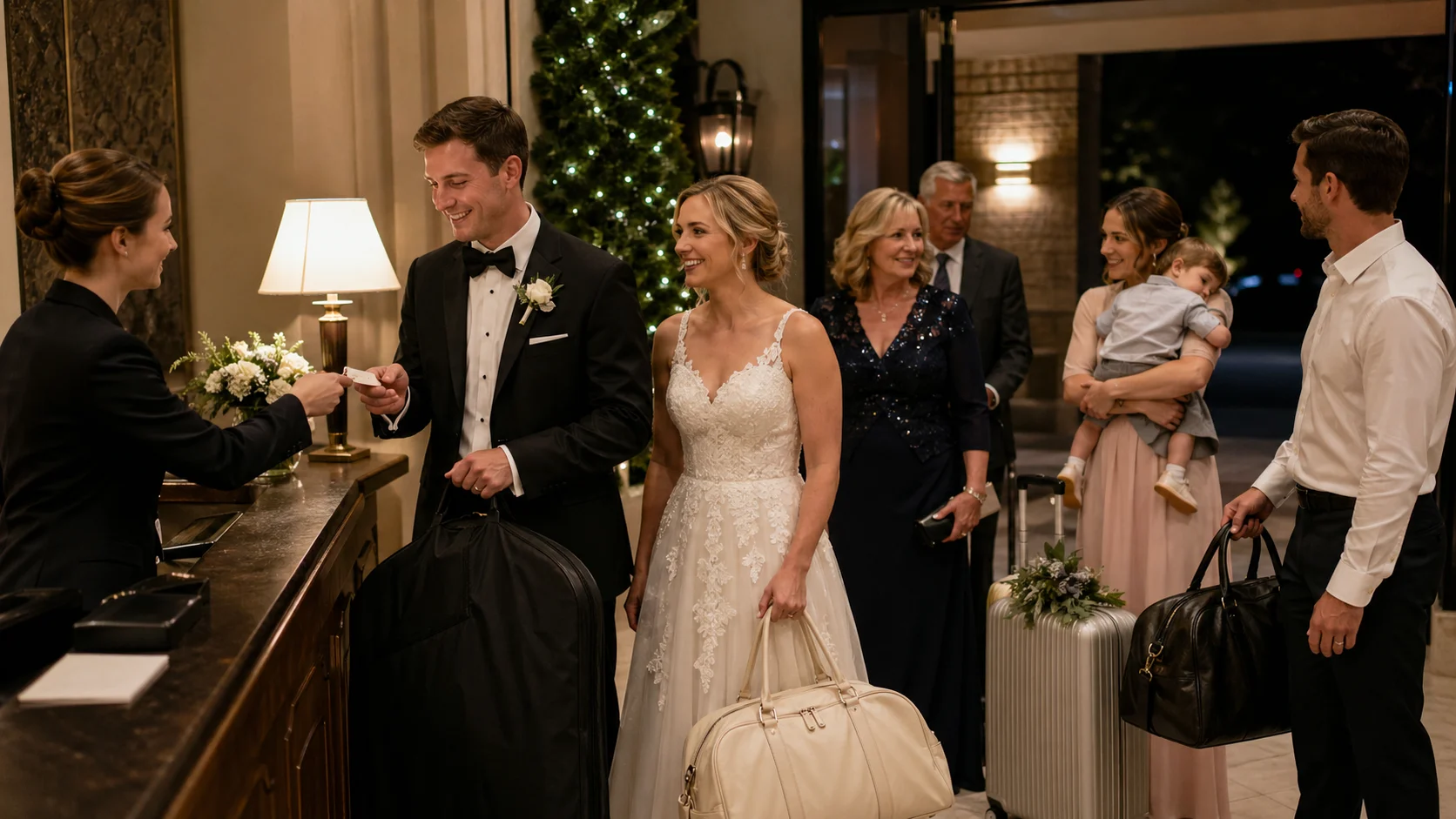
Overnight Stay Checklist: What Couples and Guests Often Realize Too Late
Overnight stays around weddings often seem solved once rooms are booked. This article looks at room access, bags, keys, transport, breakfast, checkout, and the late-night waiting moments couples and guests usually notice too late.