
Last-Week Wedding Checklist: What Still Needs Attention Shortly Before the Day

The final week before a wedding often creates the illusion that everything still matters equally. Couples look at remaining tasks, unanswered messages, minor uncertainties, weather forecasts, shifting guest information, and the sudden urge to improve details that had seemed settled days earlier. But the last week is not the time for equal attention. It is the time for sharper attention. What still matters now is whatever can still change the lived experience of the day, not whatever still happens to be unfinished on paper.
This is also where a final checklist meets what is not said. In the last days before a wedding, practical stress and emotional silence often start working together. A person assumes someone else will bring an item. A family member is upset but avoids naming it. A boundary was never fully clarified. A timing issue looks logistical but is really relational. The late pressure of wedding planning makes unspoken things more active, not less. That is why the final week needs both coordination and a little courage.
ChecklistA wedding checklist helps you stay organized and ensures that no important detail is overlooked. From early planning steps to last-minute preparations, it provides a clear overview of what needs to be done and when. With a well-structured checklist, you can plan your wedding with confidence, reduce stress, and enjoy the journey toward your big day.

Not everything meaningful is spoken. Silence often carries what language cannot hold.
Definition
A last-week wedding checklist is not a complete planning system. It is a short final filter for what still needs direct attention shortly before the wedding. At this stage, the most important items are confirmations, handoffs, timing clarity, emotional pressure points, and anything unspoken that could quietly shape the day.
Confirm People Before You Confirm Details
In the final week, the most useful confirmations are rarely decorative. They are human. Who arrives when. Who brings what. Who knows the schedule. Who has the documents, the rings, the emergency contact list, the transport details, the key to the room, the final vendor numbers. Couples often keep refining aesthetic details while the real risk sits in unclear responsibility. Last-minute calm comes more from named ownership than from added polish.
Handoffs Matter More Than Perfection
The final week is the moment to stop holding every part of the wedding personally. Bags, outfits, paper goods, seating printouts, ceremony items, gratuities, overnight essentials, welcome materials, and timing notes need to move into the hands of the people who will actually carry them. A wedding often feels stressful shortly before the day not because too much remains undone, but because too much remains mentally held by the couple alone. Handoffs reduce invisible load.
Small Unspoken Tensions Grow Faster in the Last Week
If something relational still feels unclear, the last week is usually the last useful moment to address it gently. Seating resentment, family assumptions, financial discomfort, guest expectations, unanswered roles, or emotional pressure from relatives rarely disappear through silence. They simply become harder to handle once the wedding day has started. Not every issue needs full resolution before the ceremony, but the ones that can still alter tone, distance, or trust should not be left to drift.
What Still Belongs on the Checklist and What No Longer Does
The right last-week checklist is shorter than many couples expect. Final counts, payment checks, documents, weather backup, speech coordination, attire readiness, transport timing, vendor confirmations, and morning logistics still belong. New ideas usually do not. The final week is not a creative expansion phase. It is a consolidation phase. Anything that adds complexity without clearly reducing stress or improving flow should usually be left alone.
Leave Space for the Part No Checklist Can Hold
Even the best checklist cannot organize the emotional weather of the last week completely. There will still be pauses, private fear, sudden tenderness, second-guessing, and moments that feel larger than the task list allows. That is not a sign that planning failed. It is part of what happens when a wedding becomes close enough to feel real. Practical structure helps most when it leaves a little room for that reality instead of pretending everything important can be ticked off.
Conclusion
A strong last-week wedding checklist is not long. It is honest. It focuses on what can still affect the day, gives responsibilities clear owners, and names quiet tensions before they become part of the atmosphere. Shortly before the wedding, attention matters more than volume. What remains to be done is important, but so is what still needs to be said.
Related Articles

Wedding Morning Checklist: What Helps the First Hours Stay Calm
A wedding morning checklist helps protect the first hours of the day from avoidable stress. It keeps essential items, timing, room atmosphere, and communication clear, while leaving enough space for the morning to still feel calm and human.

Who Pays for What? A Wedding Budget Checklist for Couples and Families
When families help pay for a wedding, money can bring generosity, relief, pressure, or quiet control. This checklist helps couples discuss contributions, boundaries, priorities, and expectations before financial support begins shaping the day in unspoken ways.

Groom’s Morning Checklist: What Keeps the First Hours Clear and Unforced
The groom’s morning often looks simple from the outside, but it depends on small decisions made early. This article looks at clothing, food, rings, timing, communication, photography, transport, and the quiet rituals that keep the first hours clear without making them feel staged.

DJ, Live Band or Hybrid Concept: Choosing What Truly Fits
Music is one of the earliest wedding decisions and one of the least understood until the day begins to take real shape. The choice between a DJ, a live band, or a hybrid concept is rarely only about taste. It changes timing, movement, conversation, and how the evening is allowed to breathe.

Some Things Only Work With Certain Guests
Wedding activities rarely work on format alone. They depend on guest chemistry, timing, shared ease, and the unspoken permissions already moving through the room before anyone fully names them.
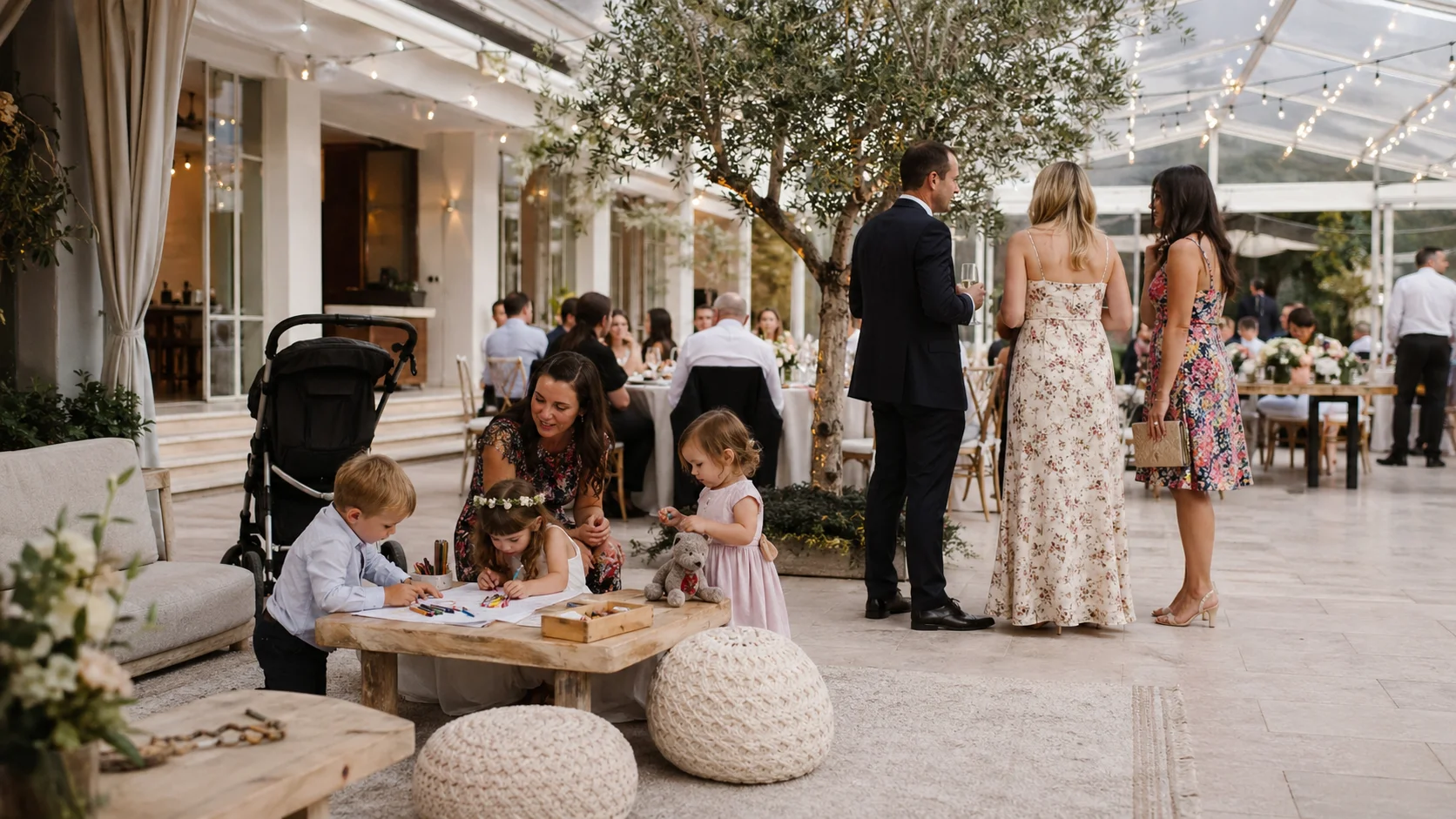
Kids at Weddings Checklist: What Helps Families Stay Longer Without Strain
Families with children usually leave weddings early for a series of small reasons rather than one big one. This article looks at what helps them stay longer with less strain, from food timing and retreat spaces to quieter transitions and the simple need for relief.
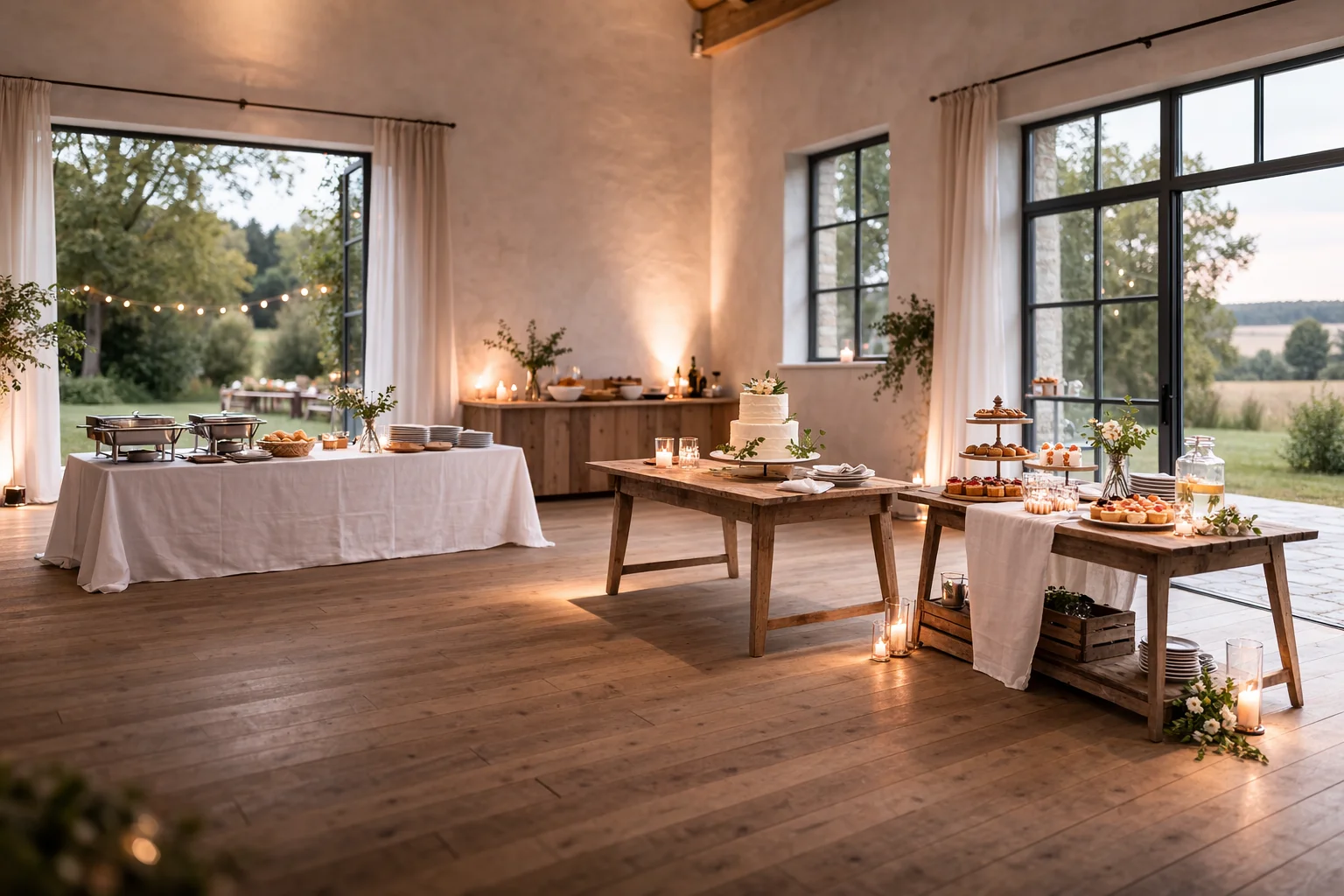
Flowers Near Food at Weddings: Buffet and Dessert Table Placement
Flowers sometimes end up close to food. Not always by clear decision. More because the rest of the room is already filled, and these zones remain. Then something gets added there too. It does not look unusual once it is in place.

Bridal Fashion and Attire: Timeless Elegance, Modern Trends and the Art of an Unforgettable Bridal Look
Bridal fashion is rarely a single decision. It develops through fittings, conversations, and gradual adjustments until the visible result feels settled rather than assembled. This article looks at bridal fashion as a composed form of presence shaped by dress, styling, material, and the quieter language of what a bridal look communicates without needing to say it aloud.
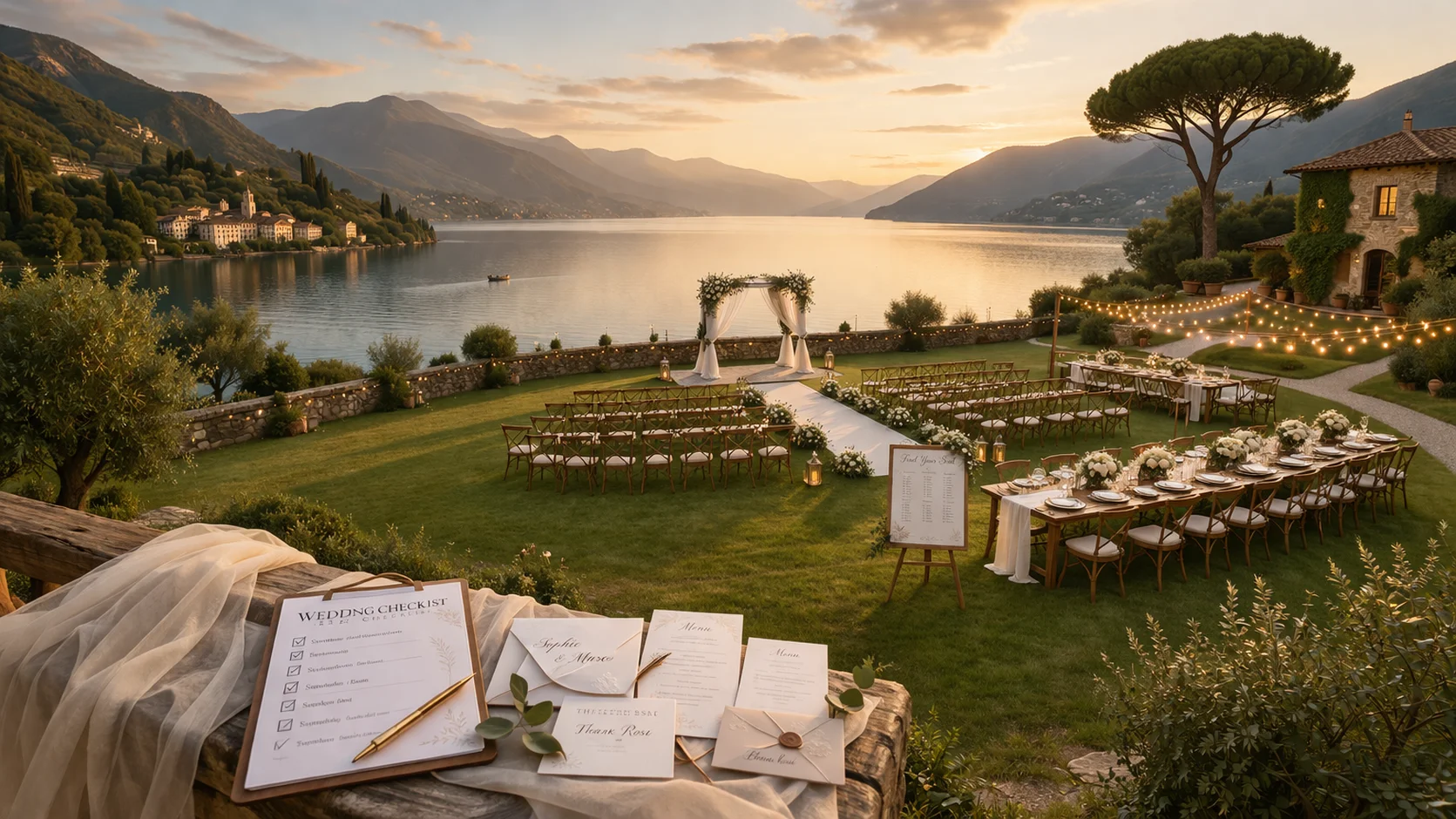
The Wedding Checklist That Grounds You: Turning Planning Into Something Meaningful
A wedding checklist isn’t just about tasks—it’s about clarity, intention, and trust. Here’s how to approach it in a way that feels calm, structured, and truly yours.
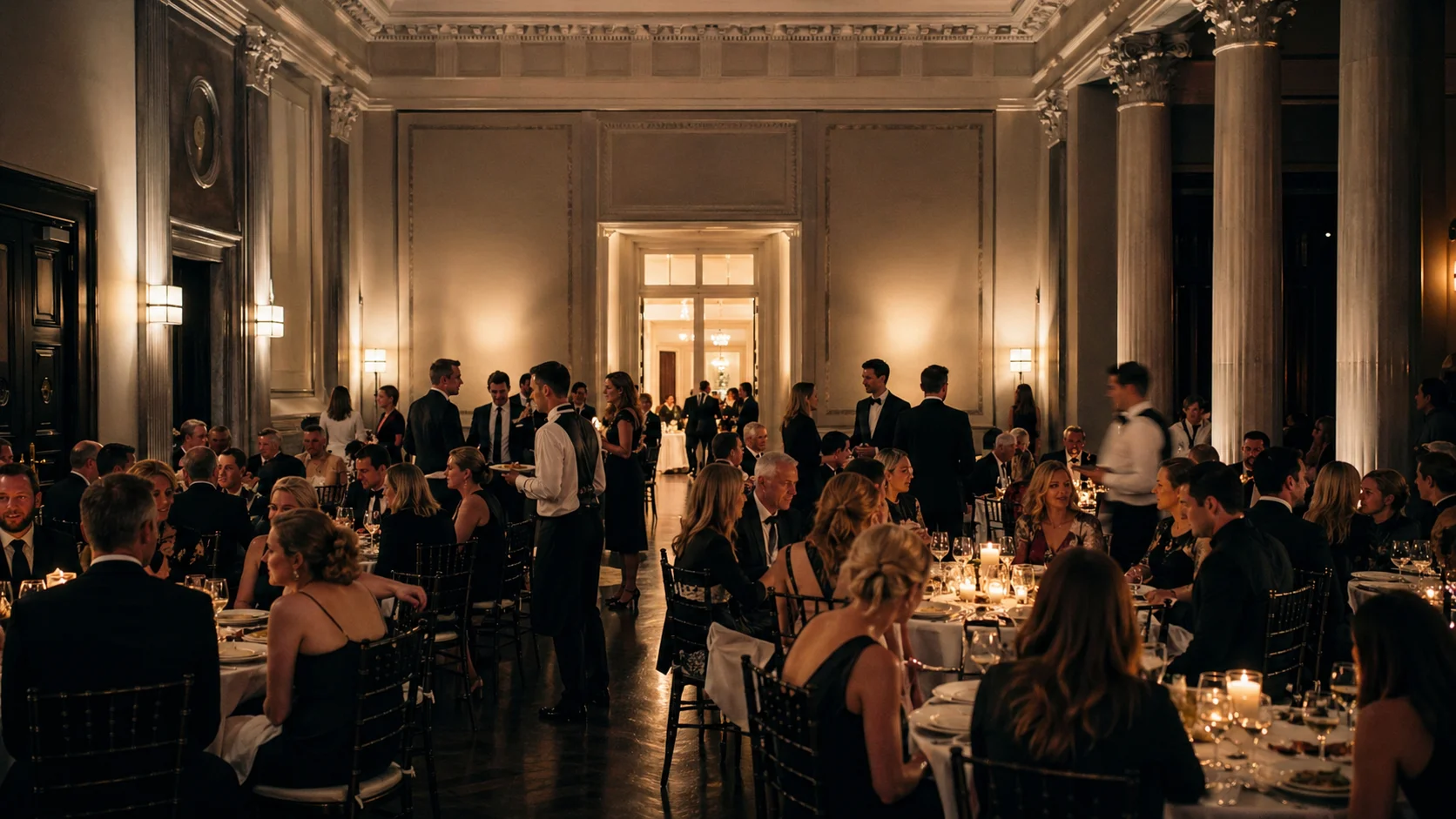
Wedding Dinner Flow Checklist: What Keeps the Room Together Between Courses
Wedding dinners usually drift or hold together in the moments between courses, not during the food itself. This article looks at service rhythm, guest movement, music, speeches, and the small in-between conditions that keep the room socially connected.

Bridal Getting-Ready Room Checklist: Light, Surfaces, Noise, and Movement
A bridal getting-ready room does more than hold hair, makeup, and dresses. This article looks at light, surfaces, noise, movement, privacy, and the quiet traces the room leaves on the morning before the ceremony.

A Wedding Shaped by Quiet Alignment
This wedding was defined not by individual highlights, but by its steady flow. Planning, design, and service worked together without drawing attention to themselves. For guests, the day unfolded naturally and remained consistent, carried by a sense of calm, closeness, and continuity throughout.