
Exit Checklist: What Matters in the Last Thirty Minutes of a Wedding Night
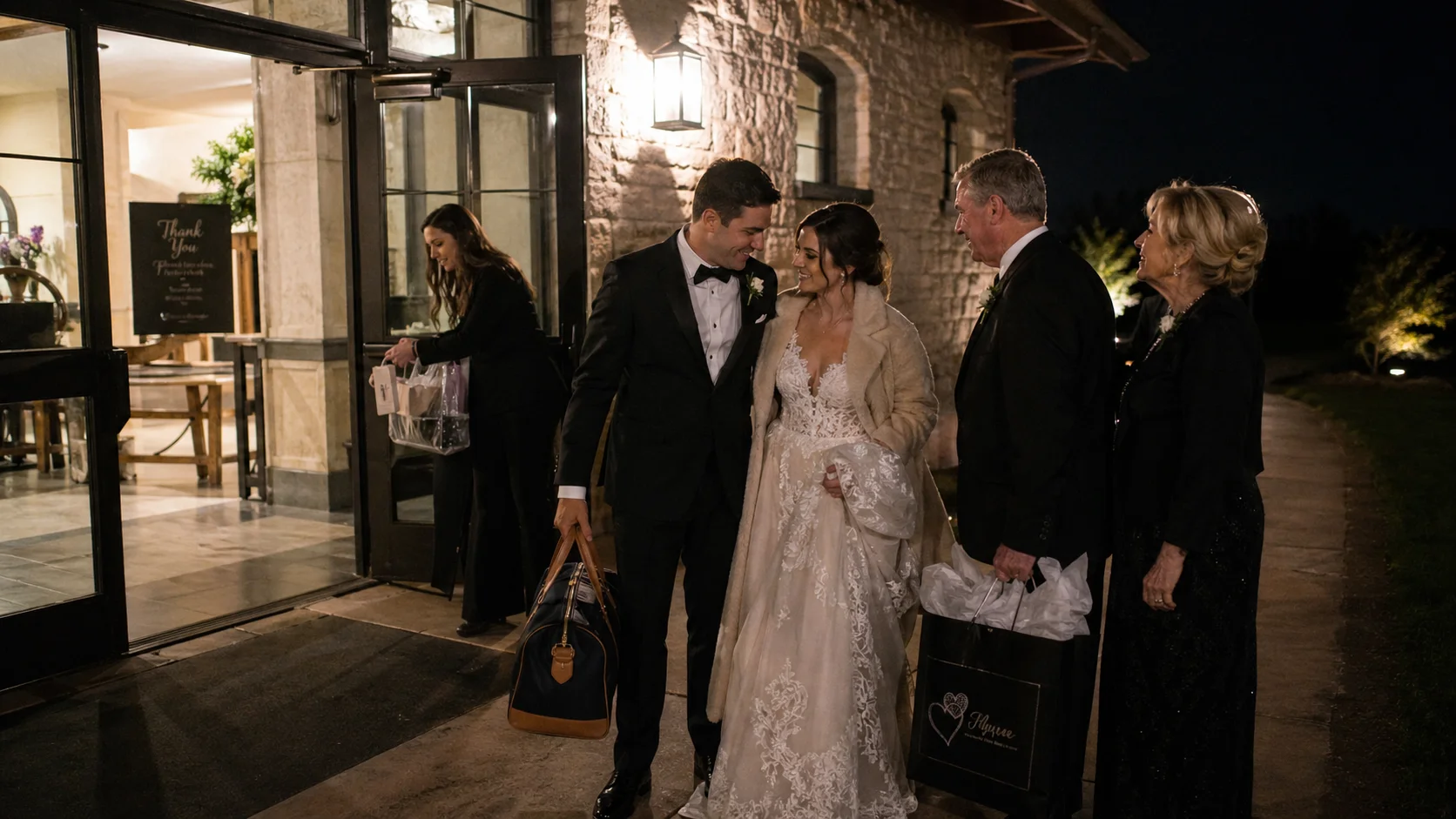
The end of a wedding rarely arrives as one clean moment. It loosens first. A few guests start looking for coats. Someone asks where the taxi is waiting. Music is still playing, but not with the same pull. The couple is caught between final conversations, tired feet, last photographs, and the strange feeling that the day is still happening while already beginning to leave. Those last thirty minutes can feel small from a planning perspective. In the room, they carry more than expected.
A good exit checklist does not try to control the ending too tightly. Weddings need a little looseness at the end. But someone still needs to know where the gifts are, who has the personal bags, whether transport is actually there, which vendor needs signing off, and how the couple will leave without being pulled into ten unfinished conversations. The point is not a dramatic finale. The point is a gentle landing.
Definition
An exit checklist for a wedding night covers the final practical and emotional decisions that help the event close without unnecessary strain. It includes transport, personal items, gifts, vendor handovers, family goodbyes, venue limits, and the small details that decide whether the couple leaves calmly or spends the last minutes solving things.
The Couple Should Not Become Responsible For The Room At The End
Late in the evening, people often turn back toward the couple for answers. Where should we put the cards? Is the shuttle here? Can we still get our things from the bridal room? Who has the overnight bag? These are ordinary questions, but they arrive when the couple has the least capacity to answer them well. A strong checklist moves these answers away from the couple before the night reaches that point. One trusted person should know the exit route, the bag location, the transport plan, and who handles anything left behind.
Transport Has To Be Real, Not Assumed
Transport is one of those details that feels finished once it has been booked. At the end of the night, it becomes physical again. The car needs to be in the right place, the driver needs the right entrance, luggage needs to be nearby, and guests using shuttles need to know when leaving actually means leaving. A planner once said that most late-night confusion begins with someone pointing vaguely toward a driveway. That sounds small, but it is exactly where endings get messy. The last thirty minutes need clear movement, not just a confirmed booking.
Checklist – CategoryA wedding checklist helps you stay organized and ensures that no important detail is overlooked. From early planning steps to last-minute preparations, it provides a clear overview of what needs to be done and when. With a well-structured checklist, you can plan your wedding with confidence, reduce stress, and enjoy the journey toward your big day.
Gifts, Cards, Flowers, And Personal Items Need A Named Path
The objects of a wedding scatter quietly toward the end. Cards are on one table, flowers are still in the room, shoes are under a chair, a guest book is near the entrance, chargers are in the getting-ready space, and someone’s jacket has moved twice. None of this feels urgent until it is time to leave. The safest plan is not complicated: decide what leaves with the couple, what goes with family, what stays for pickup, and who checks the room once more before the venue closes. Without that path, beautiful things become late-night errands.
Goodbyes Need Space, But Not Endless Access
The final goodbye is rarely one goodbye. Parents want a moment, friends want one more photograph, older relatives may leave earlier, someone cries unexpectedly, someone else makes it funny because they do not know what to do with the emotion. It helps if the couple is not trapped in the center of the room for all of it. A smaller exit point, a short final round, or a clear handover to someone else can protect the ending without making it cold. People can still say goodbye. They just do not need unlimited access to a couple who has already given the whole day.
The Last Thirty Minutes Already Belong To After
The connection to after begins before the wedding is technically over. It starts when people begin carrying things out, when the room is no longer full in the same way, when music softens or the lights feel a little brighter than they did an hour before. Small choices made here shape what the couple remembers the next morning. Did they leave calmly? Did someone hand them water and their bag? Did they get pulled into logistics at the door? Did the last conversation feel like a gift or another task? The afterlife of a wedding often begins in these final, practical minutes.

After the ritual ends, life begins again. What remains is not ceremony, but habit, memory, and the quiet work of living with what was promised.
Conclusion
An exit checklist is not there to make the end of a wedding efficient in a sterile way. It is there so the ending can stay human. When transport is clear, objects have a path, vendors know who to speak to, and the couple is not left carrying the room at the very end, the night closes with less noise around it. Not perfectly. Weddings almost never end perfectly. But they can end gently, and that is usually what stays.
Related Articles

Wedding Guest Communication Checklist: What Guests Need to Know and When
Good wedding communication is not about sending guests everything at once. It is about giving the right information at the right moment, so the day feels clear without becoming overexplained. This article looks at what guests actually need to know, when they need to know it, and why silence still has a place in wedding planning.
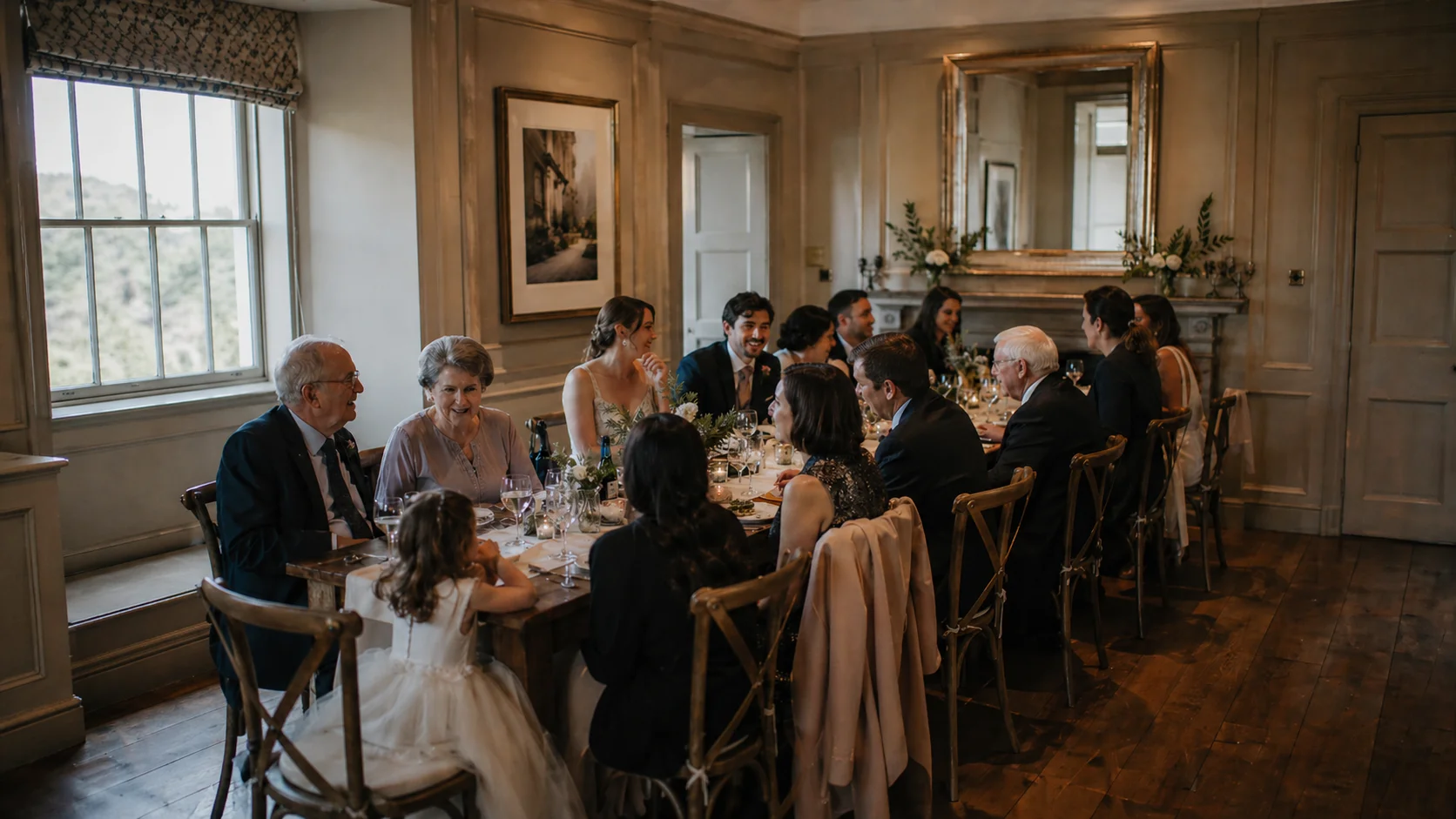
Family Table Checklist: What Helps Mixed Generations Sit More Easily Together
Family tables at weddings rarely depend on seating order alone. They work better when physical comfort, conversational balance, newer relationships, and older family stories are all considered before dinner begins.
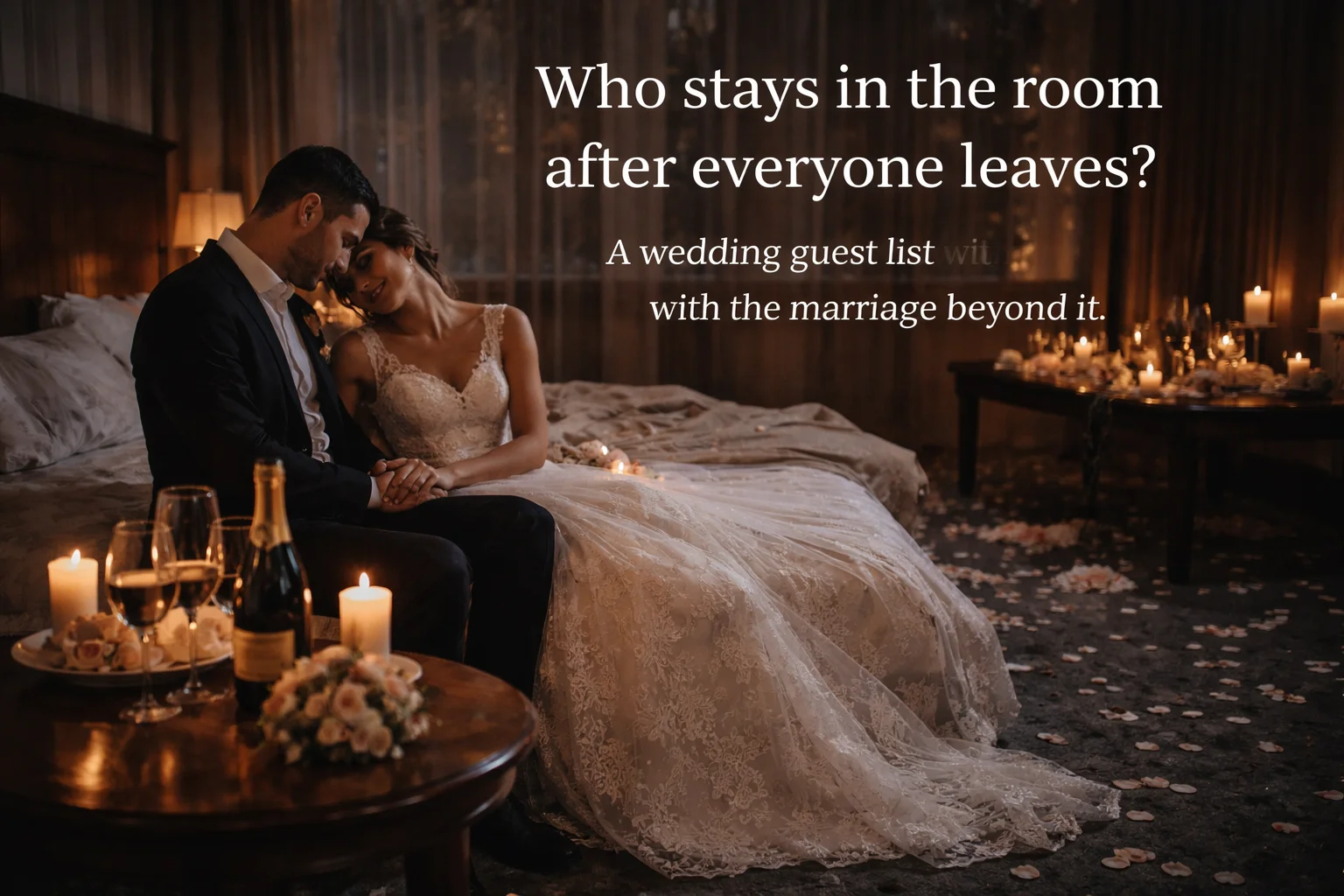
Who Stays in the Room After Everyone Leaves: A Wedding Guest List with the Marriage Beyond It
A wedding guest list is usually treated as a planning tool: numbers, families, tables, obligations. But it also shapes the emotional life that follows the ceremony. This article looks at how choosing who witnesses a marriage influences not only the day itself, but the quieter reality that begins after it.
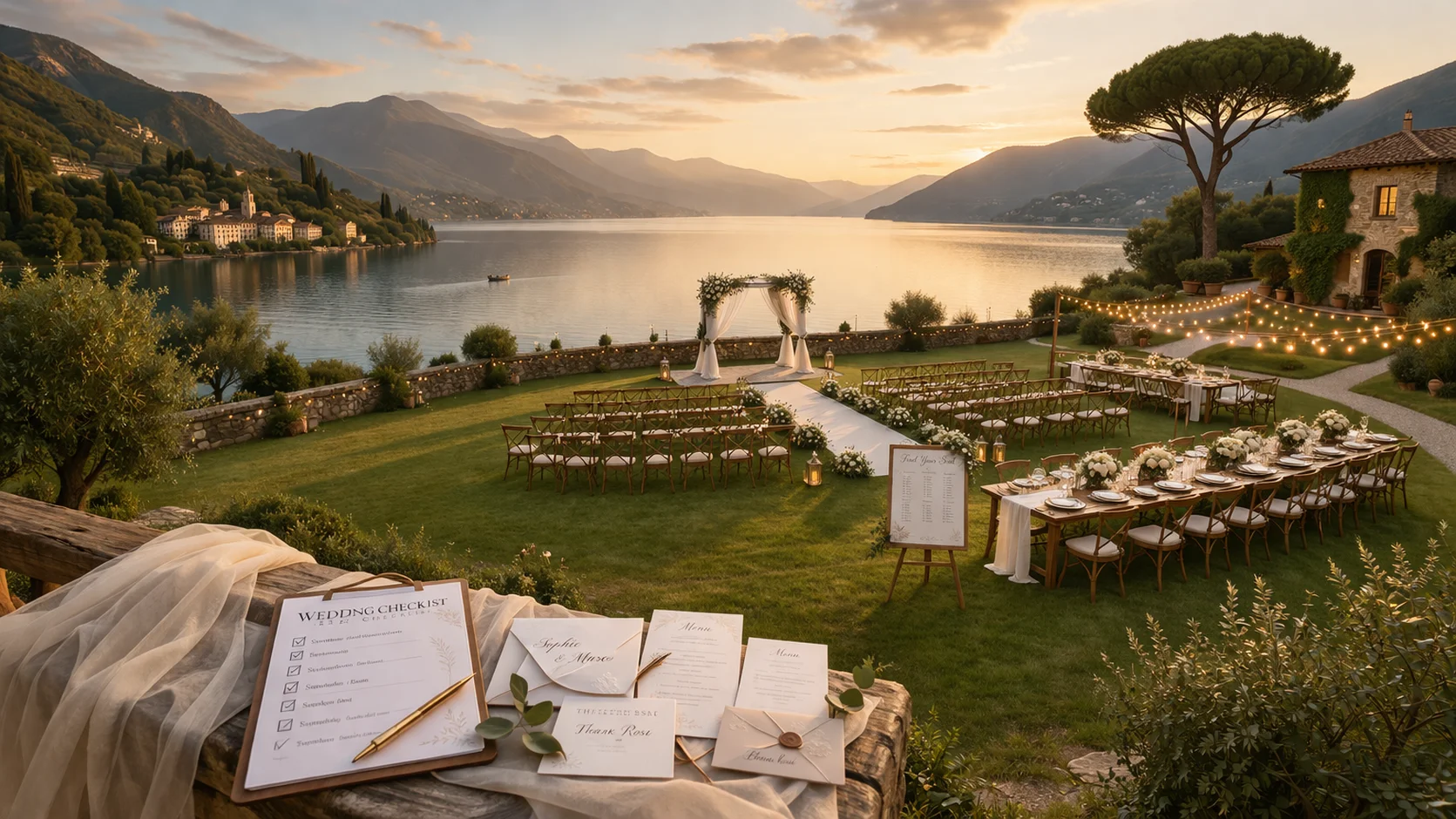
The Wedding Checklist That Grounds You: Turning Planning Into Something Meaningful
A wedding checklist isn’t just about tasks—it’s about clarity, intention, and trust. Here’s how to approach it in a way that feels calm, structured, and truly yours.

A Wedding Shaped by Quiet Alignment
This wedding was defined not by individual highlights, but by its steady flow. Planning, design, and service worked together without drawing attention to themselves. For guests, the day unfolded naturally and remained consistent, carried by a sense of calm, closeness, and continuity throughout.

Wedding Website Checklist: What Guests Actually Need, and What They Ignore
Wedding websites work best when they reduce uncertainty instead of filling space. This article looks at what guests actually need to find quickly, what they usually ignore, and which unspoken questions a good website can answer before they become messages to the couple.
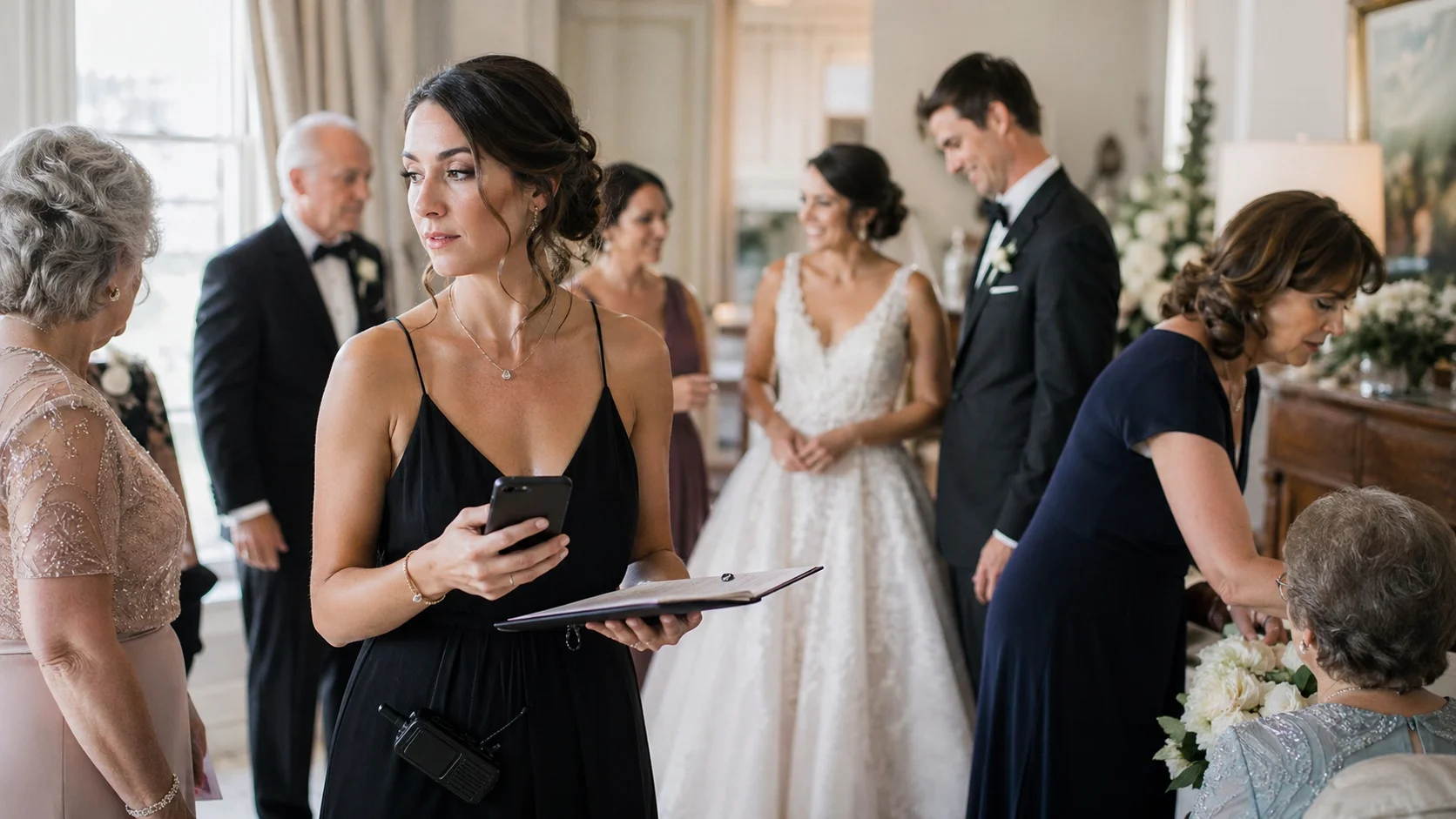
Emotional Load Checklist: Who Carries Too Much, and How to Notice It Early
Emotional load at weddings often hides behind competence. This article looks at who carries invisible responsibility, how to notice early signs of overload, and how to share care before one person quietly holds too much.

The Bridal Bouquet: A Silent Expression of Love, Style, and Timeless Emotion
The bridal bouquet accompanies the bride throughout the wedding day. It is held, adjusted, set aside, and taken up again. Its impact comes from balance rather than attention. Shape, weight, and color align with movement and appearance and become part of what is remembered.
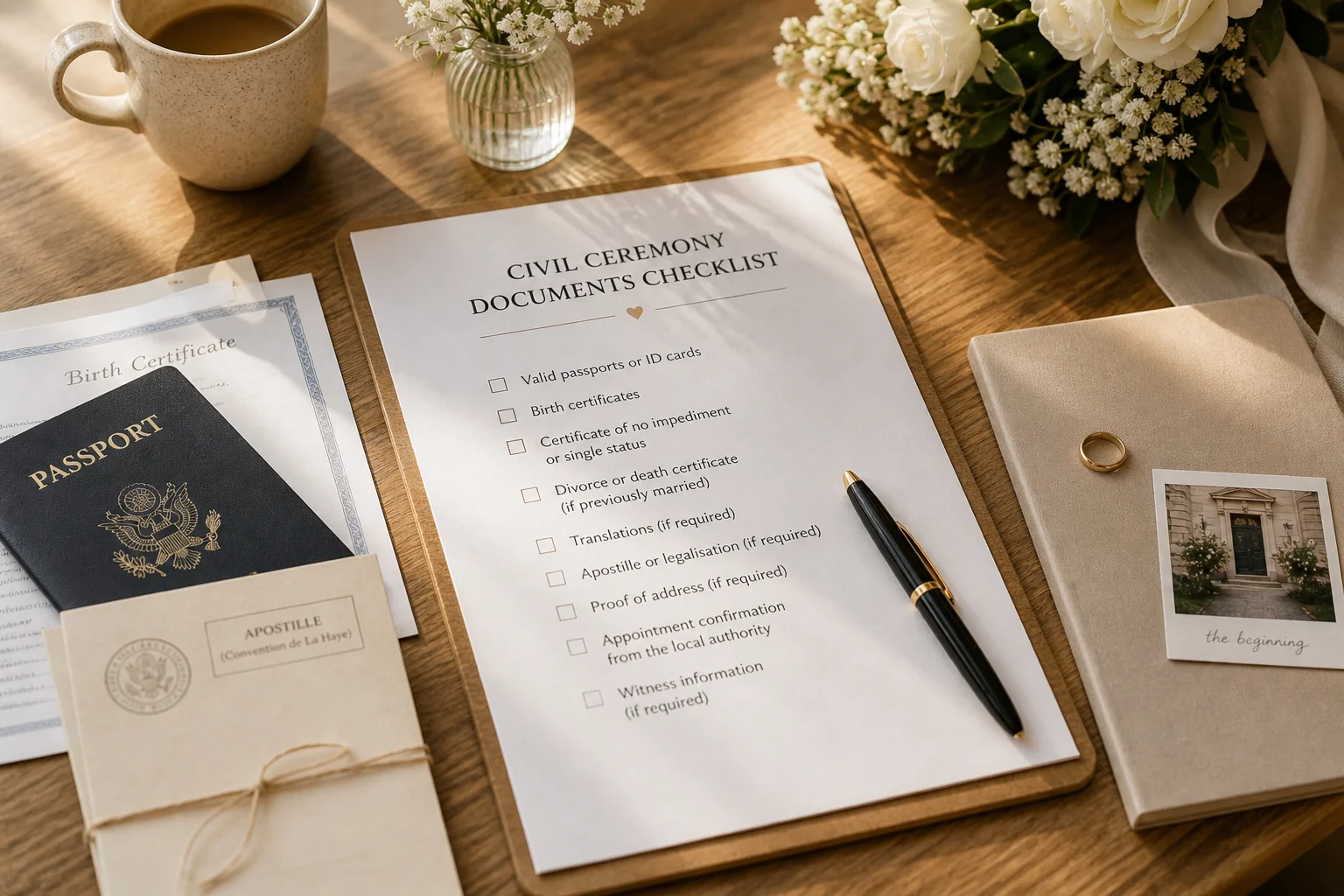
Civil Ceremony Documents Checklist: What Couples Usually Need Before the Wedding Can Happen
A civil ceremony may look simple, but it depends on documents being accepted before the public moment can begin. This article looks at identity records, marital status proof, translations, apostilles, witnesses, appointment rules, and the quiet legal threshold before the ceremony.

Rain Plan Checklist: What Needs Deciding Before Weather Becomes the Mood
A wedding rain plan is rarely just a backup for logistics. It also shapes whether weather stays manageable or quietly takes over the emotional tone of the day. This article looks at what needs to be decided early, so rain changes the setting without deciding the atmosphere.
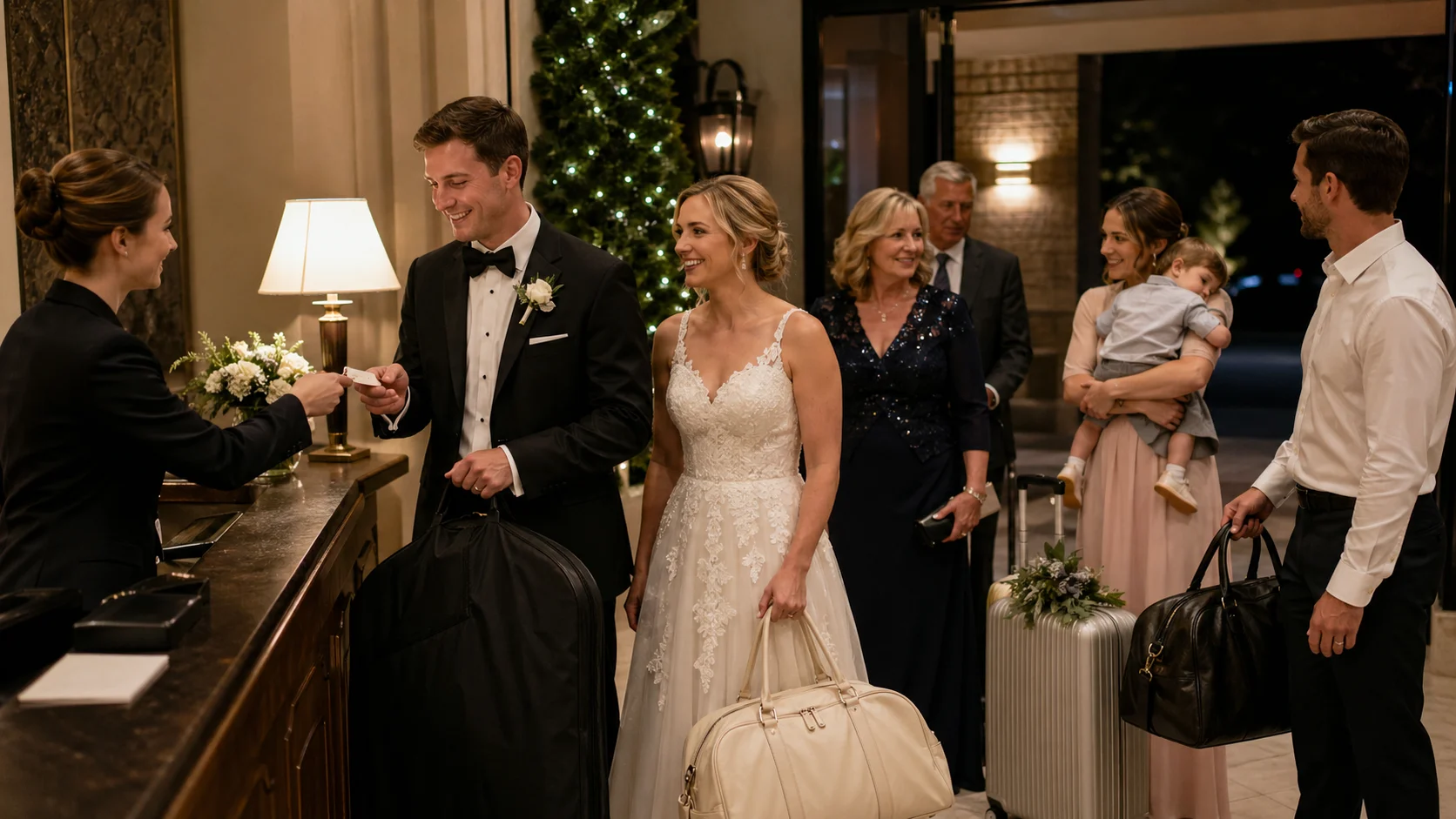
Overnight Stay Checklist: What Couples and Guests Often Realize Too Late
Overnight stays around weddings often seem solved once rooms are booked. This article looks at room access, bags, keys, transport, breakfast, checkout, and the late-night waiting moments couples and guests usually notice too late.

A Structured Wedding Timeline for Thoughtful Hosts
A wedding rarely feels calm by chance. It is shaped by preparation, clear structure, and a hosting mindset that offers guidance without pressure. A well-built timeline helps organize decisions and keeps planning transparent. Digital tools support this process quietly in the background. When responsibilities are shared and information flows clearly, space opens up for presence. That is where the celebration truly begins.