
Guest Comfort Checklist: Small Conditions That Change the Entire Atmosphere

Guest comfort at weddings is often discussed too late, usually after the larger decisions are already made. The venue is booked, the tables are placed, the ceremony time is fixed, the flowers are chosen. Then someone asks whether the room might be cold, whether the older guests can hear, whether there is shade, whether the chairs are comfortable enough for a long dinner, or whether people will know where to wait between one part of the day and the next. These questions look small. They rarely stay small once guests begin living inside them.
A wedding can look beautiful and still feel difficult to inhabit. Not because anything has gone badly wrong, but because several small conditions are slightly off at the same time. Too warm near the windows. Too loud near the speakers. Too little space behind one row of chairs. A long pause with nowhere obvious to stand. A bar queue cutting through the path to the restroom. None of this usually becomes a story on its own. Together, it changes the atmosphere of the day.
Definition
A guest comfort checklist looks at the physical and social conditions that allow wedding guests to stay present without constant adjustment. It includes temperature, seating, sound, light, movement, waiting areas, access, restrooms, food timing, and the quiet forms of relief that keep people from becoming tired of the room before the celebration is ready to move on.
Temperature Changes The Room Before Anyone Names It
Temperature is one of the fastest ways a wedding atmosphere shifts without explanation. Guests become quieter when they are cold, restless when a room is too warm, slower when outdoor heat has been sitting on them for an hour. Jackets come on, fans appear, chairs move toward shade, glasses empty faster. A useful checklist asks where sun will hit, where wind gathers, how rooms change after they fill, and whether blankets, shade, water, heaters, or airflow need to be planned before discomfort becomes the main thing people are managing.
Seating Is Comfort, But Also Social Permission
A chair is not just a place to sit. At a wedding, it tells guests how long they are expected to stay, how easy it is to speak, whether they can turn, whether an elderly relative can stand again without help, whether a child can move without disturbing half the row. Poor seating does not always look poor. It shows in small adjustments: people leaning away from table legs, handbags on laps, guests standing earlier than expected, one side of a table speaking only to itself. The room becomes easier when seating is treated as lived furniture, not only as layout.
Checklist – CategoryA wedding checklist helps you stay organized and ensures that no important detail is overlooked. From early planning steps to last-minute preparations, it provides a clear overview of what needs to be done and when. With a well-structured checklist, you can plan your wedding with confidence, reduce stress, and enjoy the journey toward your big day.
Sound Can Make Guests Feel Included Or Left Outside
Sound problems are often mistaken for mood problems. A table near a speaker may become less conversational, not because the guests are distant, but because they have stopped trying. Older guests may smile through speeches they cannot fully hear. Children may become unsettled faster in rooms where sound bounces sharply. Background music that feels right in an empty venue can become too present once plates, voices, glass, and staff movement are added. Comfort here is not silence in the strict sense. It is the possibility of hearing without strain.
Waiting Areas Need To Be Real Places, Not Leftover Space
Every wedding contains waiting: before the ceremony, after portraits, between dinner and speeches, while transport arrives, while a room is turned over. Guests can handle waiting when the place holding them makes sense. A few seats, shade, water, a clear path, enough distance from service doors, and some visual cue that they are not simply standing in the wrong place can change the whole feeling. A coordinator once said guests do not mind waiting nearly as much as they mind not knowing whether they are meant to be waiting there. That distinction matters.
Quiet Comfort Is Often What Lets The Celebration Continue
The connection to silence is not only about quiet rooms. It is about relief. A bench away from the music. A restroom that is easy to find. A corner where a parent can settle a child. A hallway where someone can make a short call. A place for an older guest to sit without being removed from the wedding entirely. These small silent options do not compete with the celebration. They help people return to it. A room feels more generous when it allows guests to step out of intensity without stepping out of belonging.
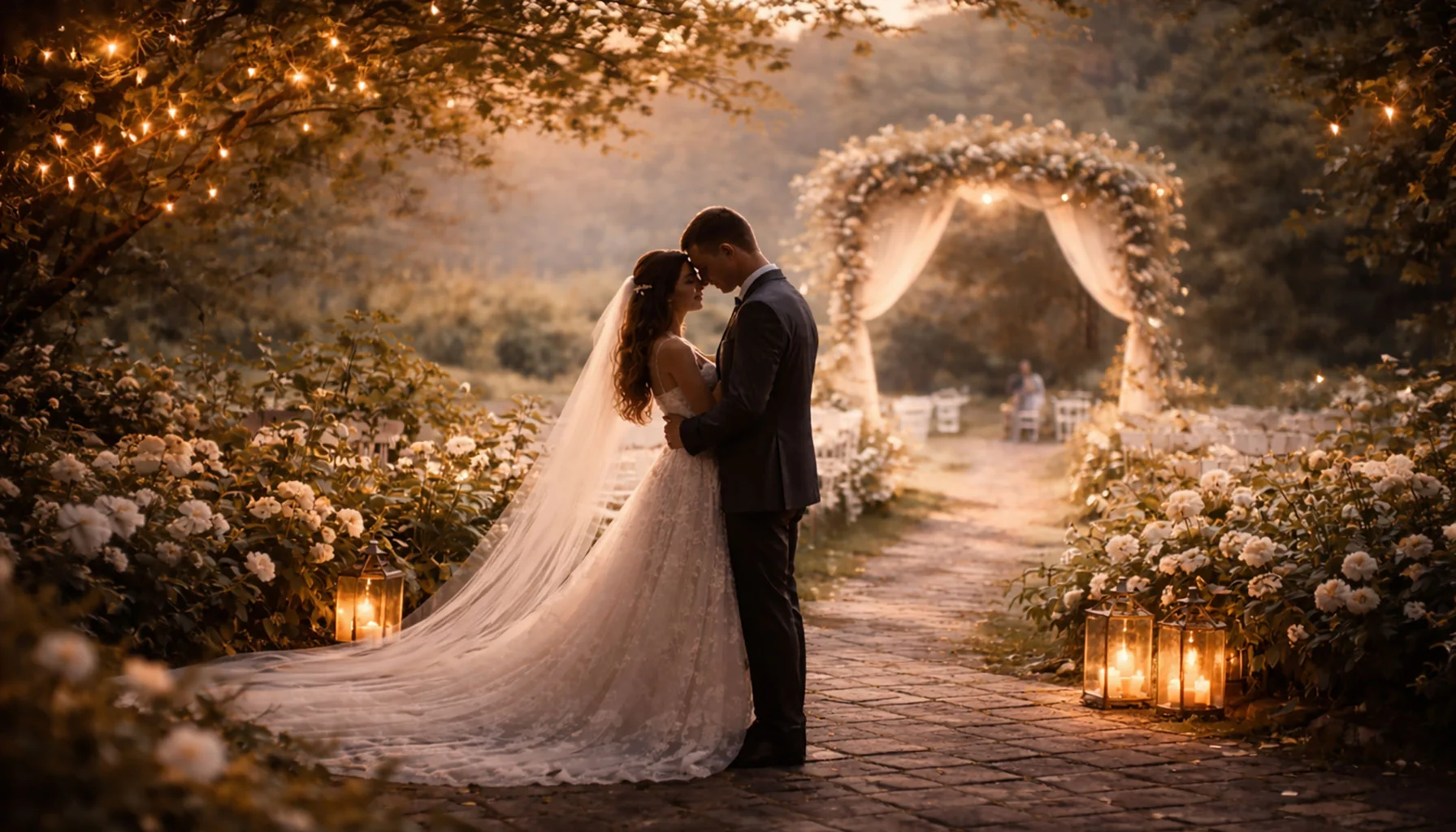
Silence is not absence. It is the space where meaning gathers before words, decisions, and rituals take shape.
Conclusion
A guest comfort checklist is not about making every person perfectly comfortable all day. Weddings are too alive for that. It is about noticing the small conditions that quietly decide whether guests can stay open, patient, social, and present. Temperature, seating, sound, light, access, waiting, and places of retreat all change the room before they become visible problems. When they are handled with care, no one may mention them. That is usually the sign they worked.
Related Articles
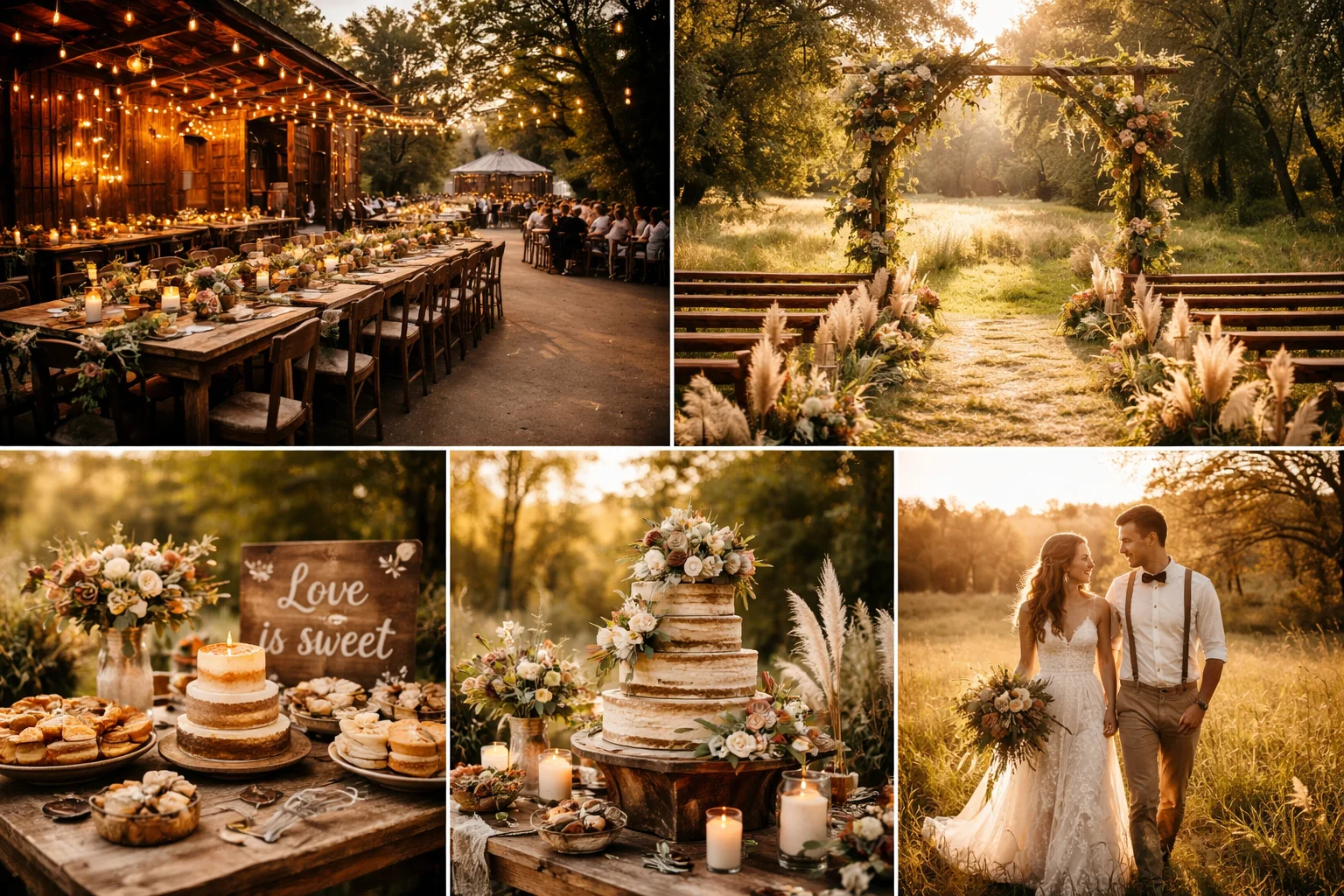
Rustic and Natural Wedding Celebrations: Timeless Love in Harmony with Nature
Rustic and natural weddings are often remembered less for decoration than for the way they let people settle. Wood, air, grass, uneven ground, soft light, and slower movement create a kind of calm that feels almost familiar from the start. This article looks at how rustic wedding settings shape atmosphere through simplicity, material honesty, and the quiet logic of place.
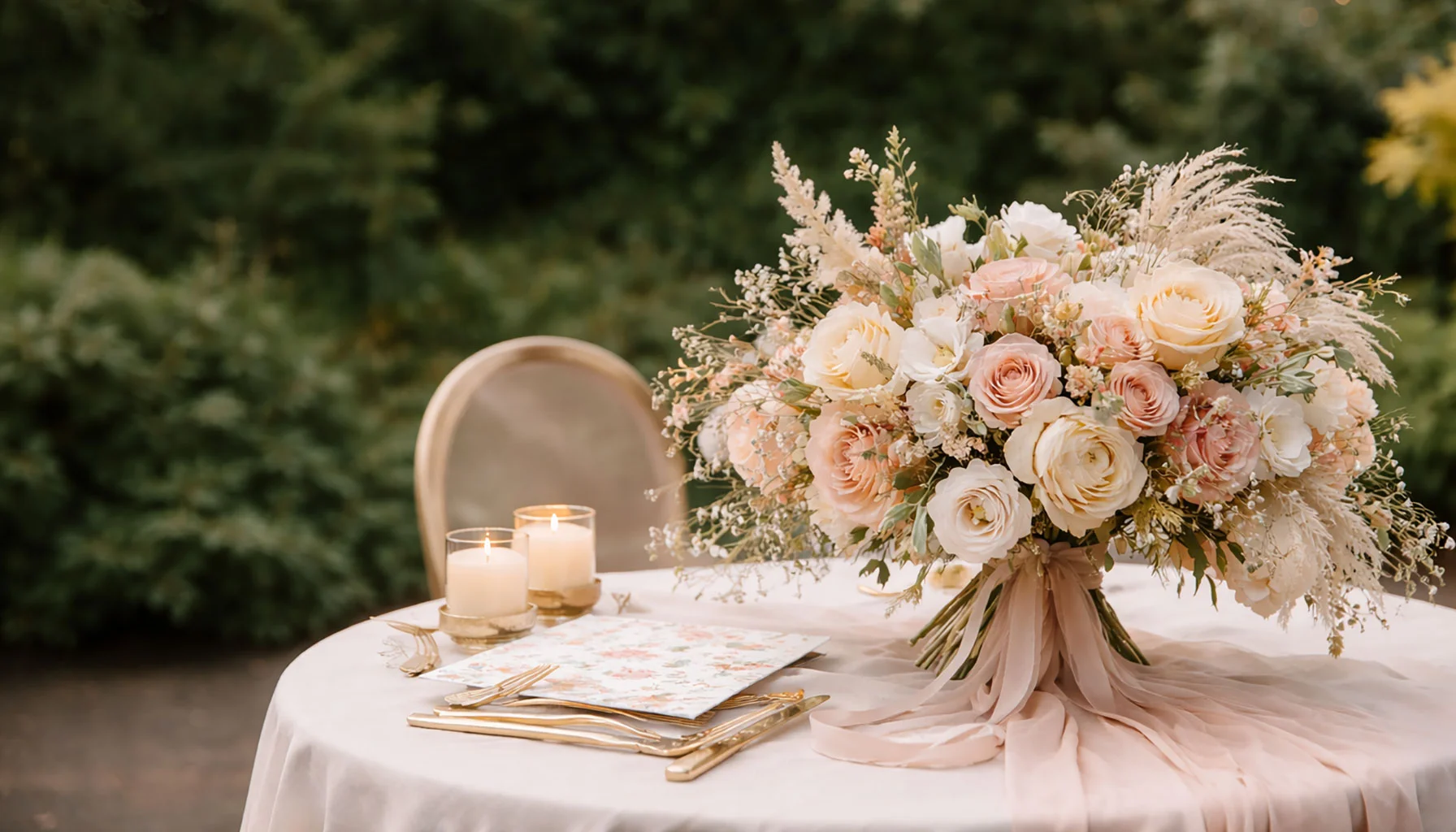
Bloom by Design: Flowers and Florals for a Modern Perfect Wedding
Flowers rarely carry a wedding by themselves. What they do, when chosen well, is quieter and often more lasting. They soften transitions, give rhythm to rooms, and help guests feel oriented without ever being told where to look. This article looks at wedding flowers through atmosphere, restraint, and the silent structure they create across the day.
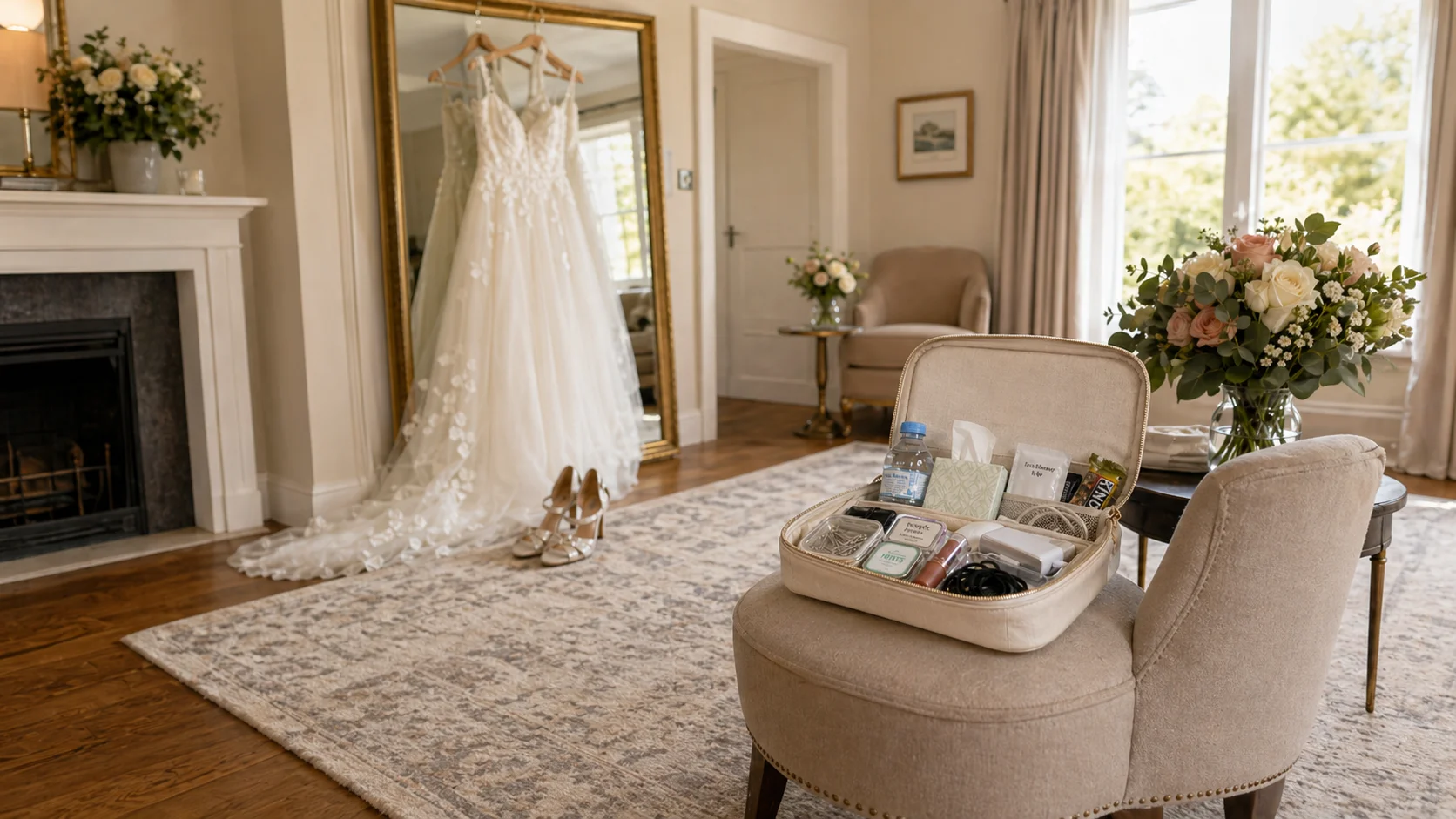
Wedding Bag Checklist: The Small Things That Quietly Save the Day
Wedding bags rarely draw attention, but they often carry the small items that keep the day from tightening around minor problems. This article looks at what to pack, who should hold it, and why the most useful things often matter most only in hindsight.

Meaning of Marriage and Love
Marriage and love are not built on constant passion or perfect moments. They survive because two people decide to stay, even when feelings change and life becomes difficult. Real love is quiet, steady, and intentional. It grows through honesty, shared responsibility, and the willingness to choose each other every day—not because it’s easy, but because it matters.
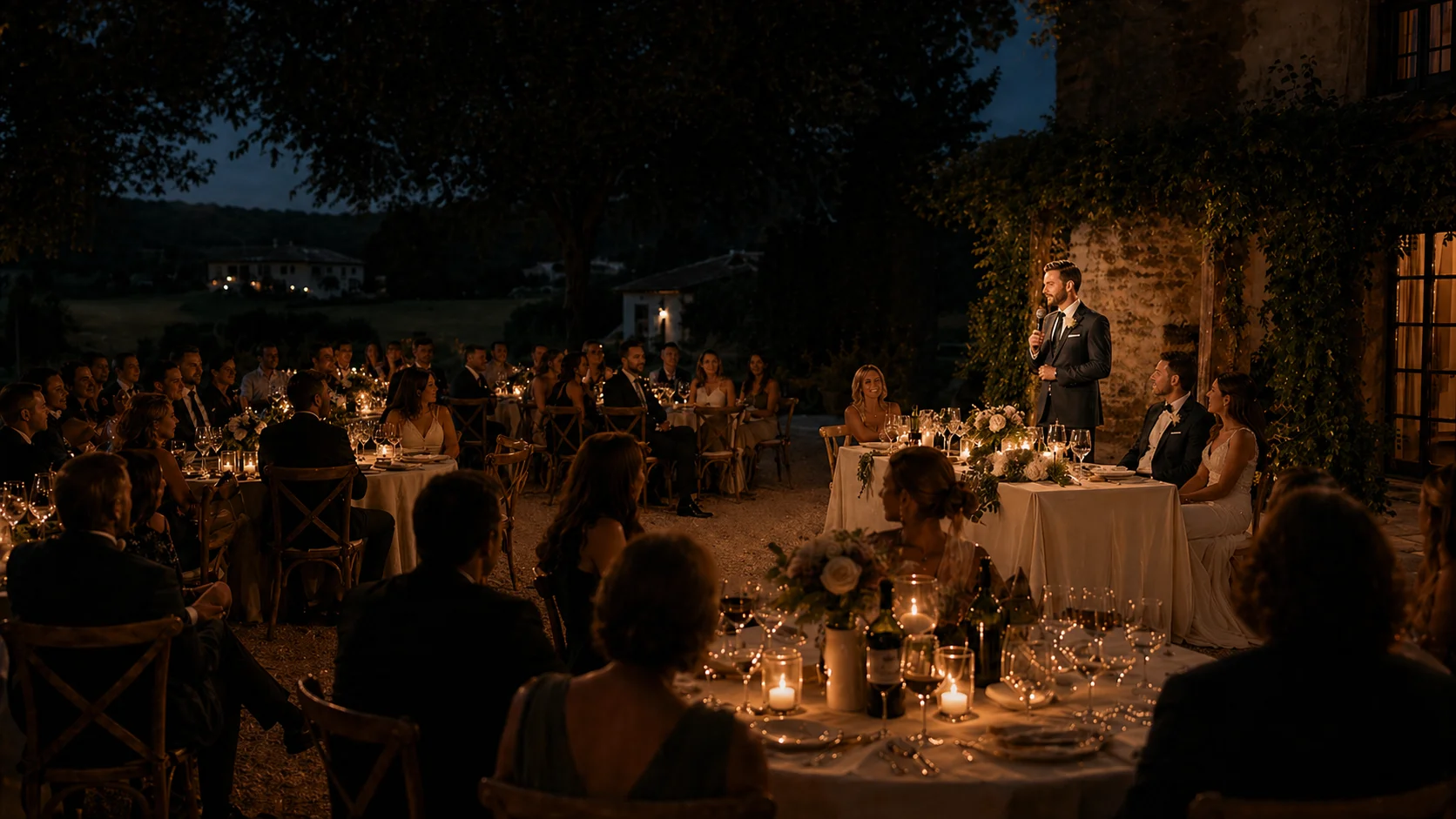
Speech Moment Checklist: What Makes a Toast Feel Held, Not Exposed
A wedding toast depends on more than good writing. It lands differently depending on attention, sound, timing, room tone, and the unspoken signals that tell a speaker whether the moment is carrying them or leaving them alone.

Where Love Meets the Table: Thoughtful Wedding Styling That Brings Guests Together
Wedding tables do more than organize a meal. They shape how guests arrive into conversation, how long they stay, and how easily the evening begins to feel shared. This article looks at thoughtful table styling not as decoration alone, but as a quiet form of structure: one that creates comfort, supports closeness, and helps the celebration unfold naturally around the people gathered there.

Wedding Transport Checklist: Arrivals, Transfers, Parking, and Late-Night Returns
Wedding transport is rarely remembered when it works, but it shapes the day long before the ceremony begins and long after the central moment has passed. This article looks at what still needs to be planned around arrivals, transfers, parking, and late-night returns, and why movement and waiting belong more closely together than many couples expect.
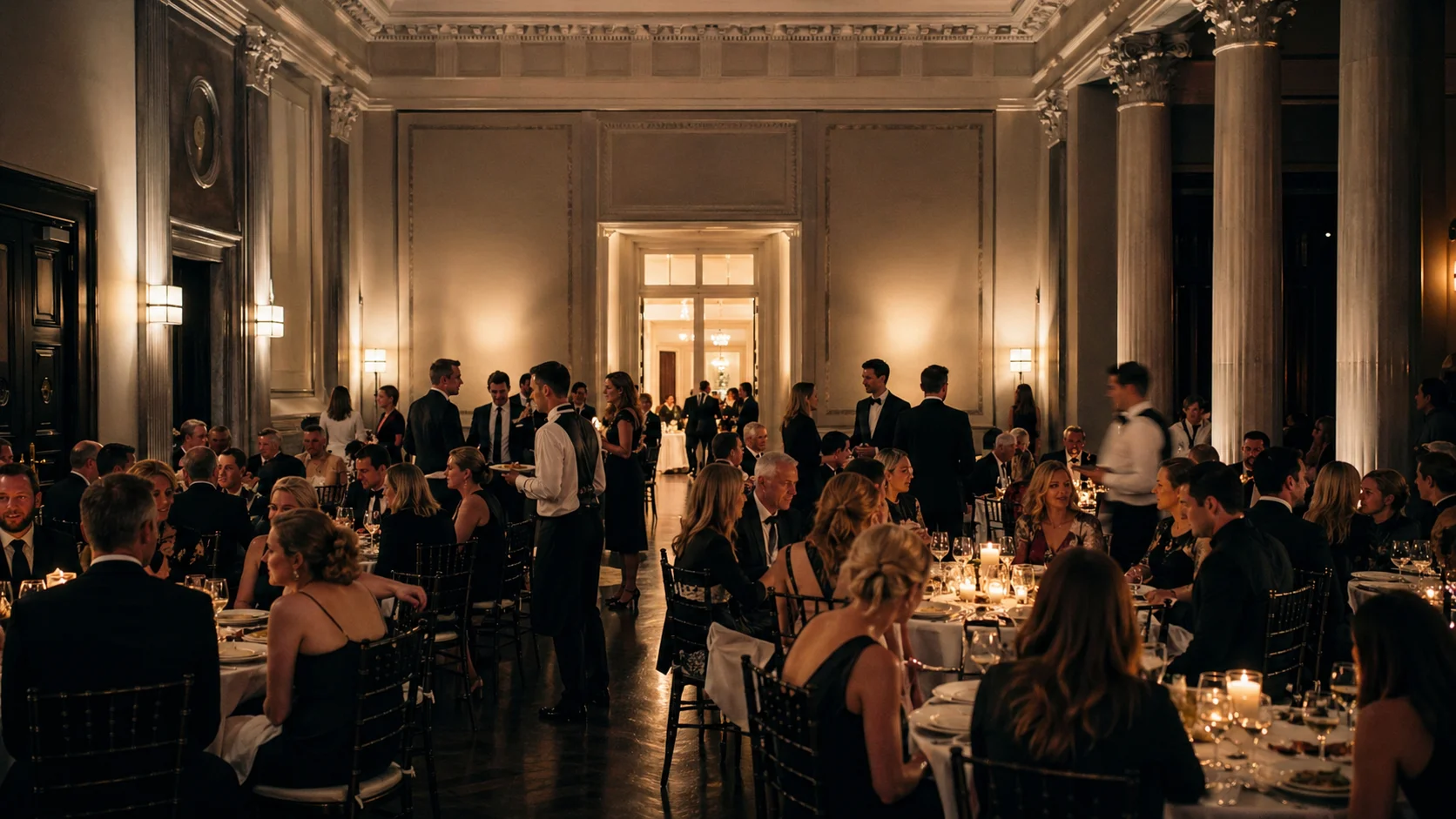
Wedding Dinner Flow Checklist: What Keeps the Room Together Between Courses
Wedding dinners usually drift or hold together in the moments between courses, not during the food itself. This article looks at service rhythm, guest movement, music, speeches, and the small in-between conditions that keep the room socially connected.
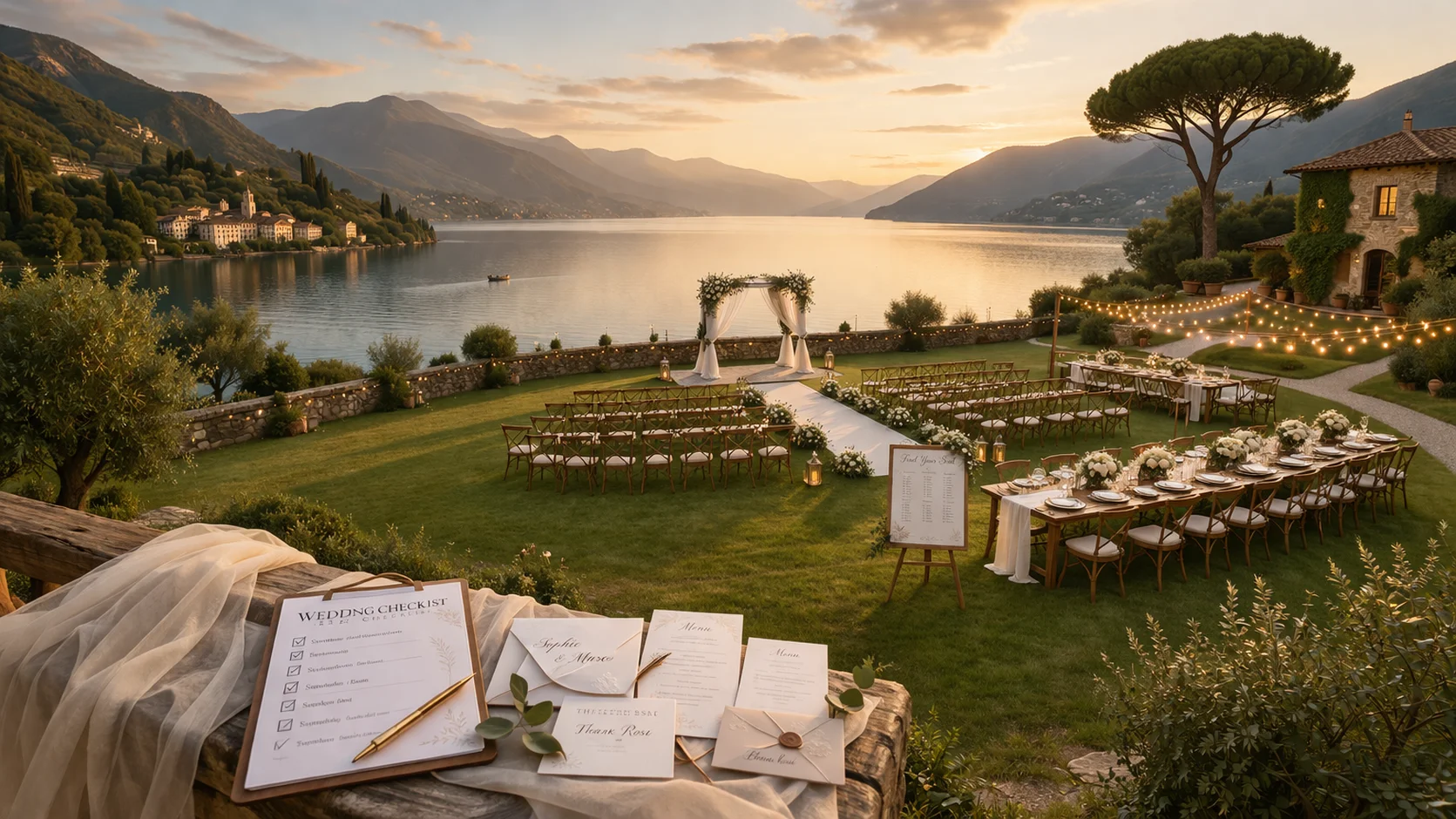
The Wedding Checklist That Grounds You: Turning Planning Into Something Meaningful
A wedding checklist isn’t just about tasks—it’s about clarity, intention, and trust. Here’s how to approach it in a way that feels calm, structured, and truly yours.
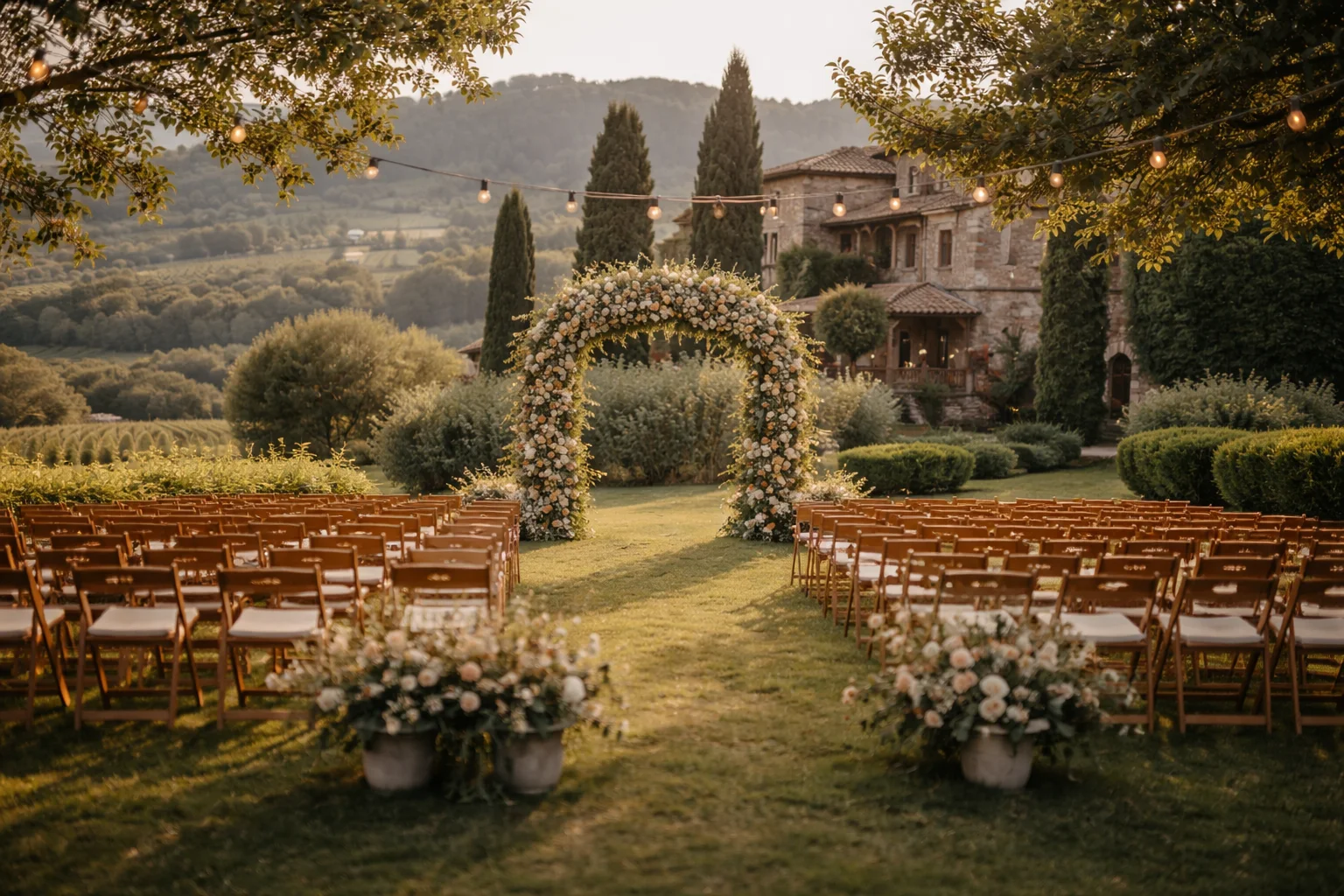
Quiet Observations on Wedding Locations and Gathering Spaces
Discussions about wedding venues often circle around style or decoration. In practice the location itself shapes the event long before flowers or lighting appear. The way guests arrive, how rooms connect, how sound travels in an old hall or across a garden terrace. These things quietly determine the rhythm of the day.
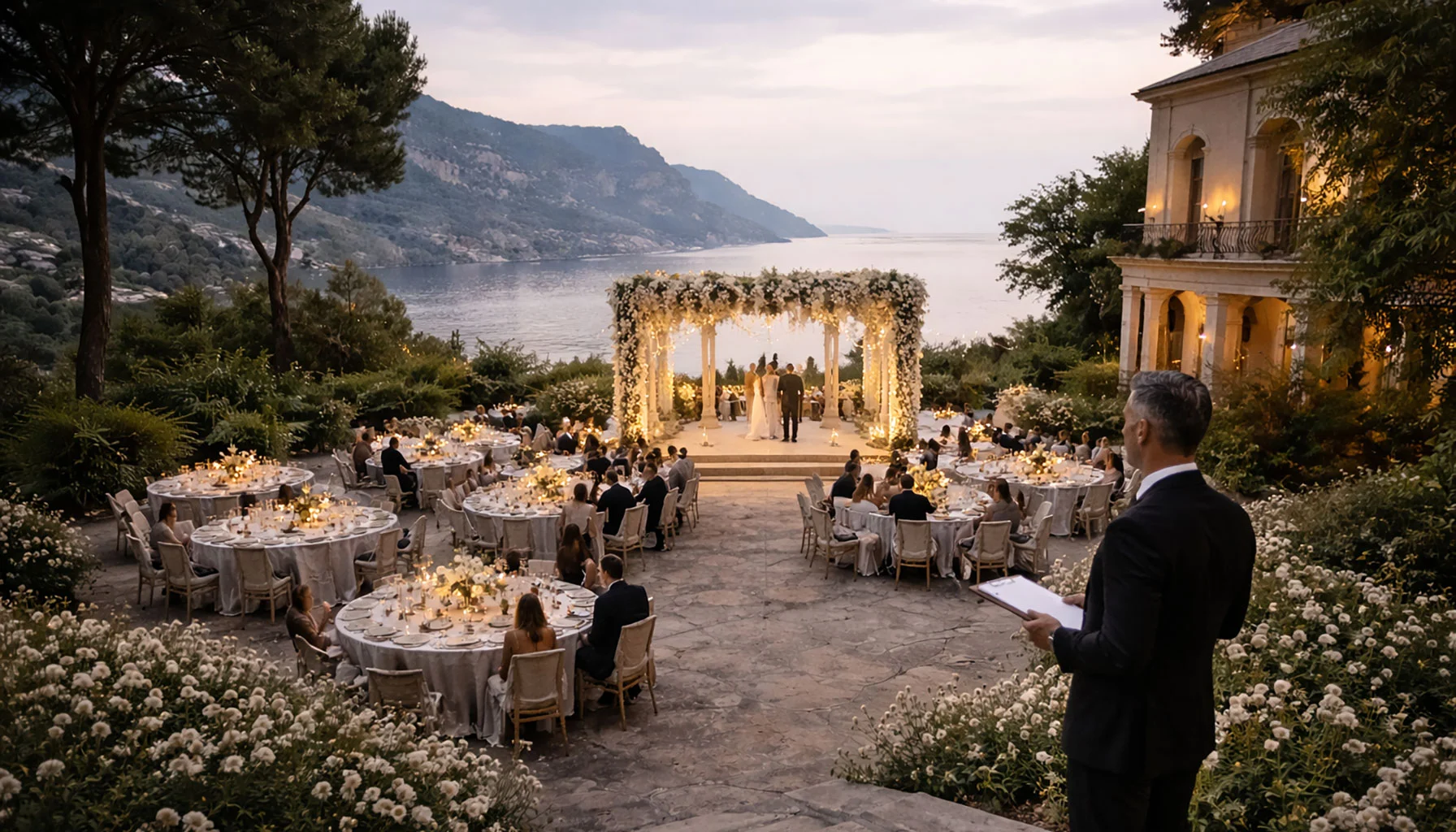
A Wedding Shaped by Quiet Alignment
This wedding was defined not by individual highlights, but by its steady flow. Planning, design, and service worked together without drawing attention to themselves. For guests, the day unfolded naturally and remained consistent, carried by a sense of calm, closeness, and continuity throughout.
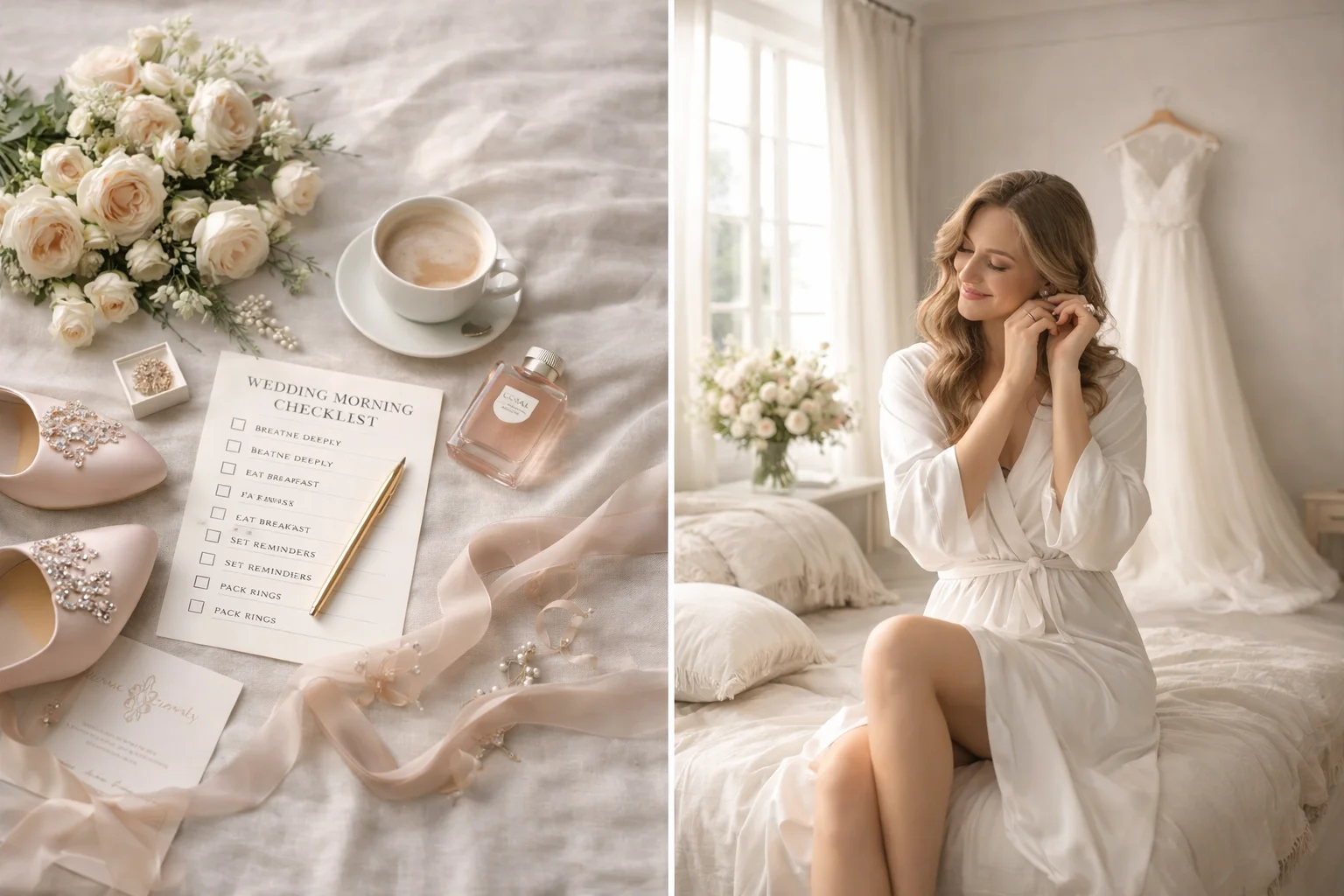
Wedding Morning Checklist: What Helps the First Hours Stay Calm
A wedding morning checklist helps protect the first hours of the day from avoidable stress. It keeps essential items, timing, room atmosphere, and communication clear, while leaving enough space for the morning to still feel calm and human.