
Civil Ceremonies Worldwide: Legal Requirements, Processes, Costs, and Cultural Differences
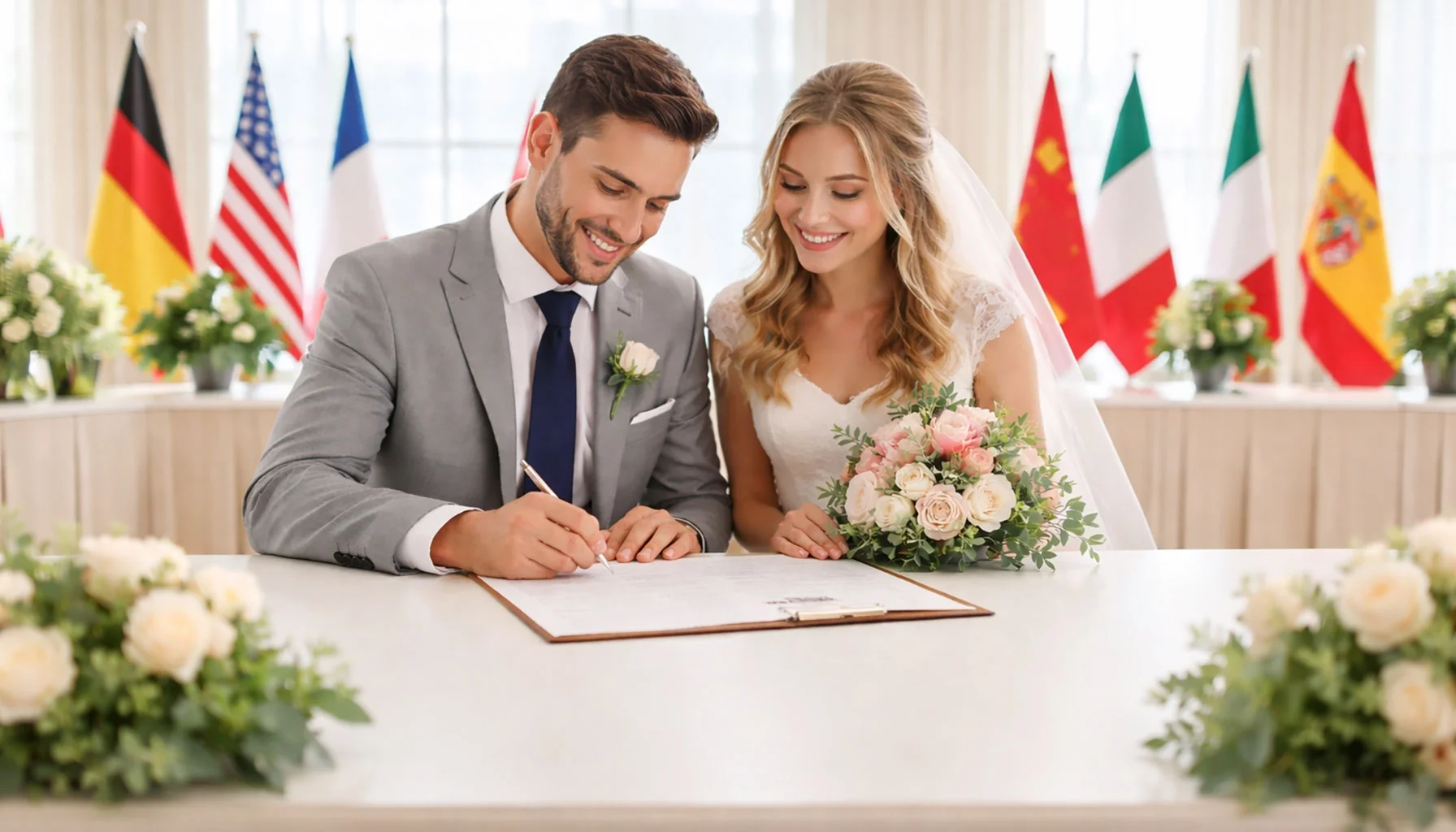
A civil ceremony establishes a marriage in the eyes of the state. It is handled by public authorities. No religious framework is involved. In many countries, this step is unavoidable, even when other celebrations follow later. The appeal is not dramatic. It is practical. People choose it because it works, because offices open on time, because documents are stamped and filed, and because the result holds across borders.
Across countries, the atmosphere is often similar. Neutral rooms. Flags, seals, desks. Sometimes a few flowers. The tone is calm. Rarely sentimental, yet not cold. What remains noticeable is relief. When the signatures are done, shoulders drop. Something essential has been settled. This is also why the subject belongs naturally to both Civil Ceremony and Silence. On Loving Rocks, civil ceremonies are already framed as clear, intimate, legally binding thresholds, while Silence is described as the space where meaning gathers before words, decisions, and rituals fully take shape. In practice, civil ceremonies often hold both at once: formal clarity and a quieter kind of release.
Civil CeremonyA legally binding wedding often marks the official beginning of married life. Civil ceremonies focus on the formal aspects of marriage while still allowing room for personal touches and meaningful moments. Whether simple or thoughtfully styled, this type of ceremony creates a clear, intimate framework for saying “yes” in a legally recognized way.
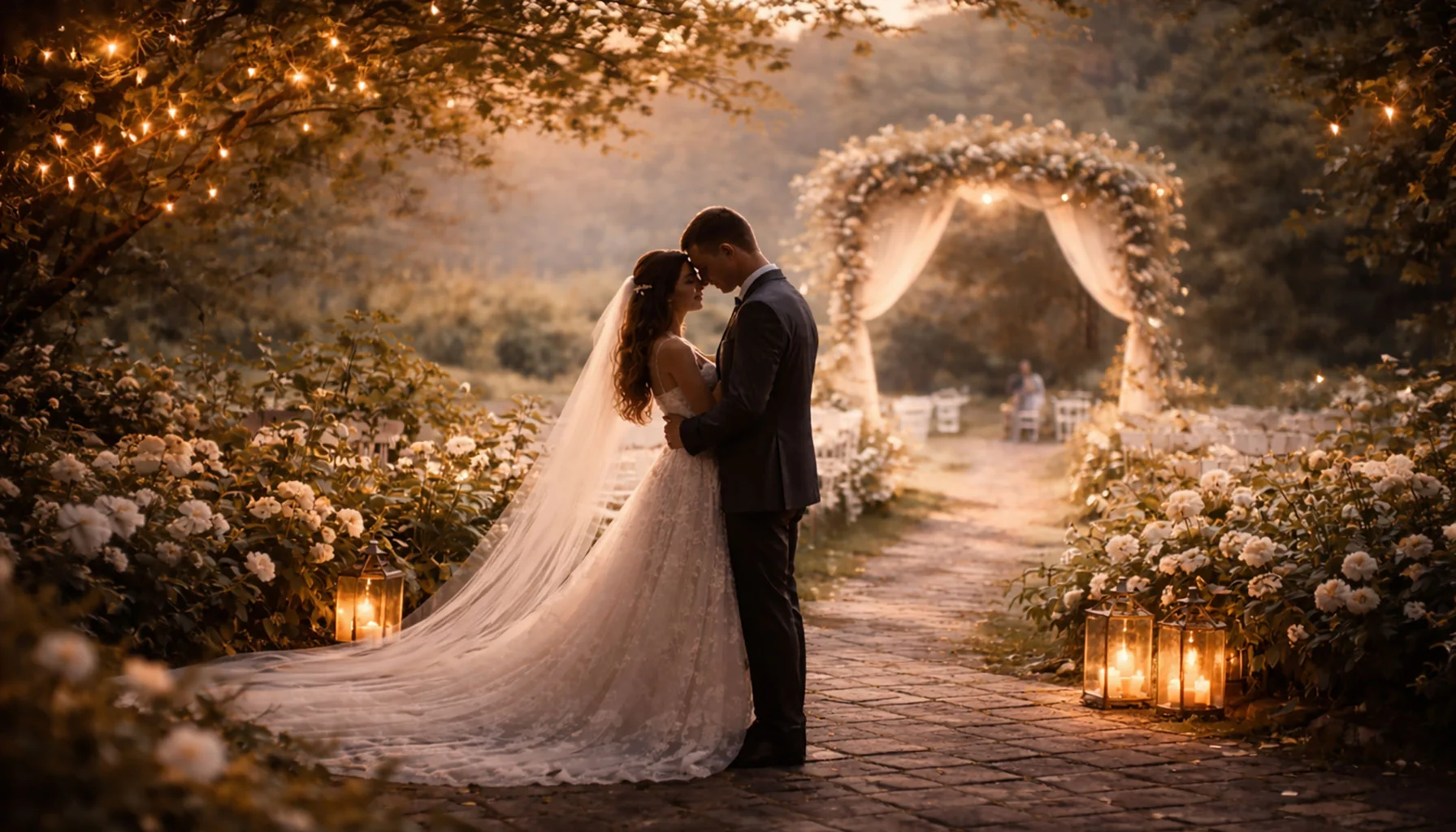
Silence is not absence. It is the space where meaning gathers before words, decisions, and rituals take shape.
Definition
A civil ceremony is a legally recognized marriage conducted by state authorities rather than a religious institution. Its primary purpose is legal certainty. Yet in practice it often becomes more than paperwork, because the moment of recognition creates a quiet threshold that many couples later remember with surprising clarity.
Observed Planning Requirements
- Clear legal eligibility: age, marital status, capacity
- Original documents, usually recent
- Certified translations for anything not in the local language
- Legalization or apostilles for foreign paperwork
- Appointments booked well in advance
- Witnesses and language support when required
Most difficulties do not arise from the ceremony itself. They come earlier. From assumptions. From believing one country behaves like another. From underestimating how literal administrations can be.
| Planning Area | What Is Usually Required | Observed Reason | Where Issues Appear |
|---|---|---|---|
| Eligibility | Proof of age and marital status | Authorities must remove legal doubt | Foreign rules assumed to apply locally |
| Documents | Originals or certified copies | Files must stand up to audits | Expired or unofficial copies |
| Translations | Certified, named translators | Language clarity is non-negotiable | Last-minute arrangements |
| Legalization | Apostille or consular stamps | Cross-border trust mechanism | Wrong form of legalization |
| Timing | Booked slots and waiting periods | Caseload management | Compressed travel plans |
Cost Ranges as Encountered
Costs tend to reflect administration, not romance. Fees are published. Extras are optional. The largest variations usually come from documents, translations, and chosen locations rather than the act of marrying itself.
| Cost Level | Typical Range | What Is Usually Covered | Seen In Practice |
|---|---|---|---|
| Low | USD 20–400 | Registry fees, basic certificates | China, France (standard town hall), Serbia |
| Mid | USD 200–1,200 | Administration plus documents | Germany, Spain, United States |
| Upper | USD 1,000+ | Premium venues, fast-tracking, planners | Italy, large US cities |
Country Observations
Germany. German civil ceremonies take place at the Standesamt. The process is structured. Documents are checked carefully. Appointments are punctual. Couples often remark that nothing feels rushed. Once approved, the ceremony itself is brief and orderly. Costs stay within a moderate range, with predictability valued more than flexibility. One couple put it this way: Everything was exact. No surprises. That was reassuring.
United States. In the United States, civil marriage depends heavily on state and county rules. Some offices process everything in a single visit. Others require short waiting periods. The tone is informal compared to Europe. Flexibility is noticeable, especially regarding location and officiants. One couple later said: It felt straightforward. Paperwork first, then freedom to celebrate our own way.
Serbia. Serbia is often chosen for its efficiency and accessibility. Registry offices are used to international couples. Translation requirements are clear. Timelines are shorter than in many EU countries. Costs remain restrained.
China. Marriage registration in China is administrative. There is no ceremony component built into the process. Certificates are often issued the same day. The experience feels procedural. The efficiency is striking.
Spain. Spanish civil ceremonies involve patience. Approval phases can extend over months. Once completed, the ceremony itself is calm and formal. Notary options exist and are frequently chosen when timelines matter.
France. In France, the civil ceremony is central, not optional. It takes place at the mairie. Public notice periods are observed. The setting is restrained. The authority of the act is unmistakable.
Italy. Italian civil ceremonies combine administration with place. Municipal offices and approved venues often carry historical weight. Preparation takes time. Costs rise with location, not with legal complexity.
Commonly Observed Missteps
- Outdated certificates
- Incorrect legalization format
- Assuming spoken understanding is enough
- Overly tight schedules
Conclusion
Civil ceremonies are not designed to impress. They are designed to endure. Across borders and systems, their strength lies in consistency. When handled with attention and time, they offer a quiet certainty. That certainty is often what couples remember most. This is also where civil ceremonies come closest to the logic of silence: not because they say little, but because once the legal form is completed, a different kind of calm becomes possible.
Related Articles

Wedding Guest Communication Checklist: What Guests Need to Know and When
Good wedding communication is not about sending guests everything at once. It is about giving the right information at the right moment, so the day feels clear without becoming overexplained. This article looks at what guests actually need to know, when they need to know it, and why silence still has a place in wedding planning.

Bloom by Design: Flowers and Florals for a Modern Perfect Wedding
Flowers rarely carry a wedding by themselves. What they do, when chosen well, is quieter and often more lasting. They soften transitions, give rhythm to rooms, and help guests feel oriented without ever being told where to look. This article looks at wedding flowers through atmosphere, restraint, and the silent structure they create across the day.

Why Notebooks Matter More Than You Think at Weddings
Notebooks at weddings are often treated as simple guest books, but their role goes deeper. They capture pauses, unfinished thoughts, and quiet moments that rarely surface in spoken form. This article explores how notebooks connect the visible ritual of a wedding with the invisible space of silence.

Where Love Meets the Table: Thoughtful Wedding Styling That Brings Guests Together
Wedding tables do more than organize a meal. They shape how guests arrive into conversation, how long they stay, and how easily the evening begins to feel shared. This article looks at thoughtful table styling not as decoration alone, but as a quiet form of structure: one that creates comfort, supports closeness, and helps the celebration unfold naturally around the people gathered there.
How Space Shapes Guest Behavior at Ceremonies
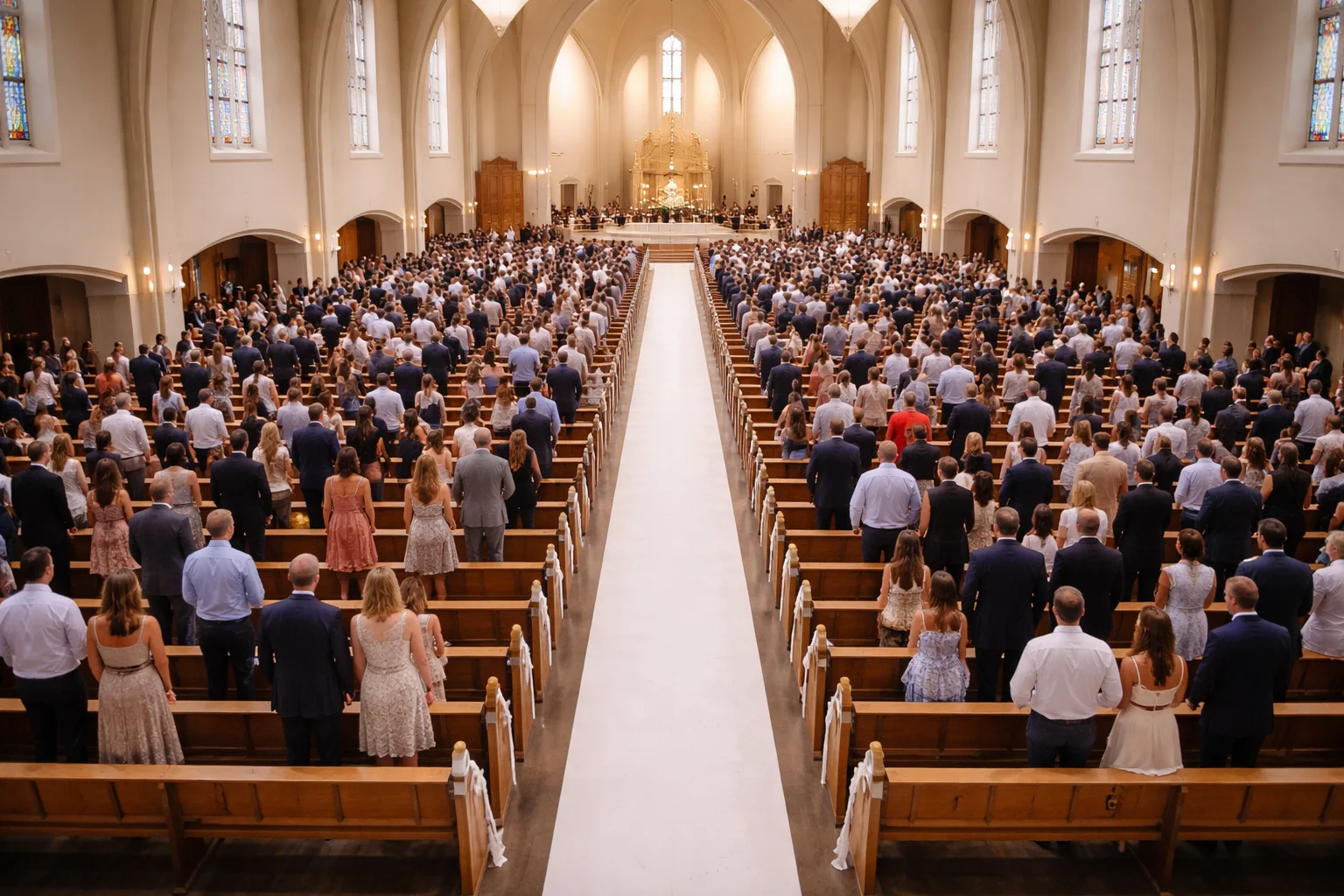
Large religious rooms tend to slow people down a bit. Not dramatically, just enough to notice. Guests enter, stop for a second too long, look around, then move again. It rarely looks planned. More like small corrections happening one after another.
Guest Comfort Checklist: Small Conditions That Change the Entire Atmosphere
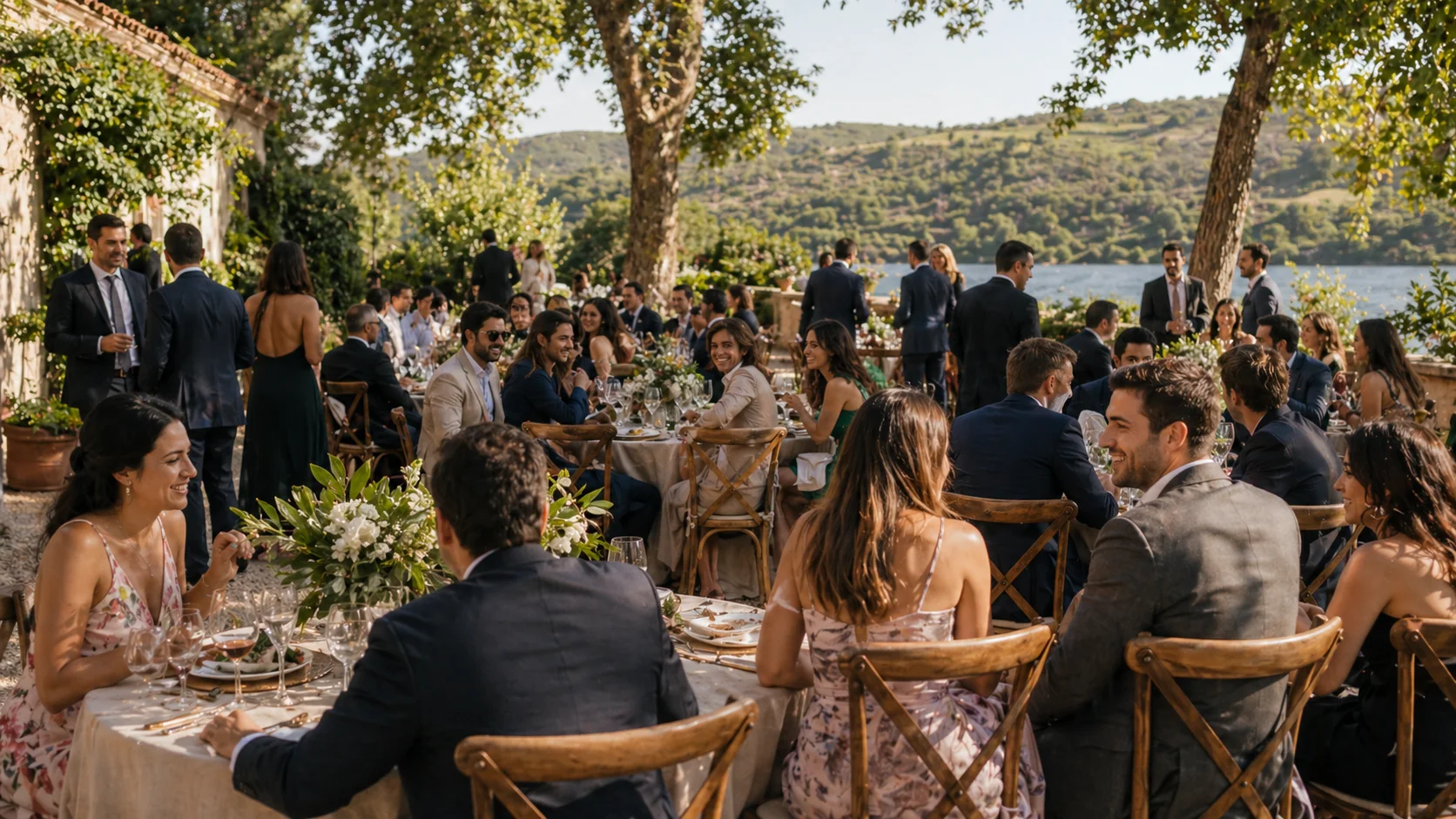
Guest comfort at weddings is shaped by small conditions long before anyone complains. This article looks at temperature, seating, sound, waiting areas, access, and quiet spaces of relief that change how the whole room feels.
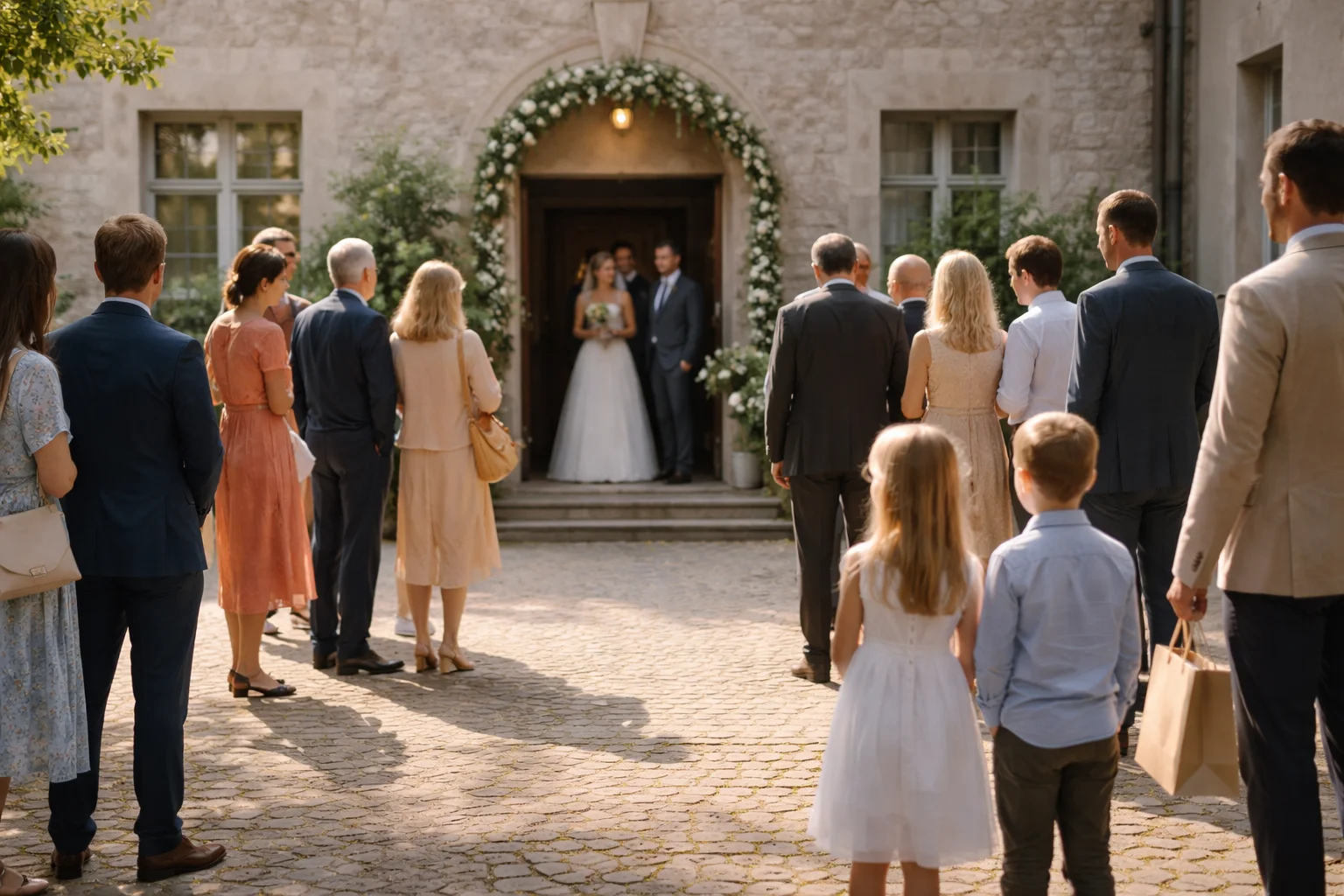
Arrival Before the Ceremony: How Guests Find Their Place Without Being Told
Arrival does not really start at one point. It leaks into the day. Some people are early without meaning to be. Others arrive exactly on time but still end up waiting. The space fills in patches. A few stand close to the entrance, others keep distance. No one explains it. It still settles somehow.
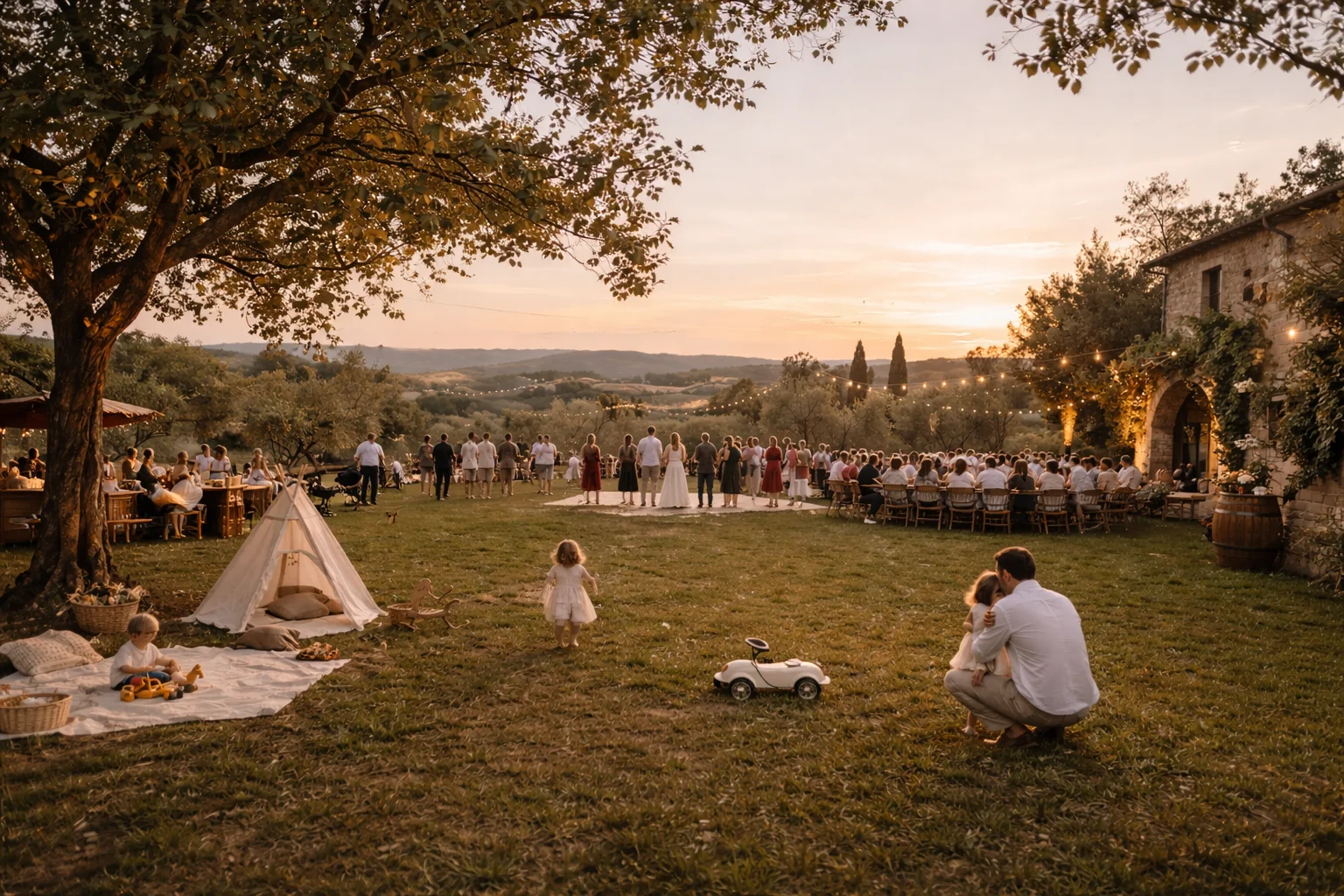
Nap Times, Early Goodbyes, and the Hidden Rhythm of Weddings With Small Children
Weddings with small children often follow two timelines at once: the visible schedule of ceremony, dinner, and dancing, and the quieter rhythm of naps, tiredness, comfort, and early departures. This article looks at how those hidden shifts shape the day in practical and emotional ways.
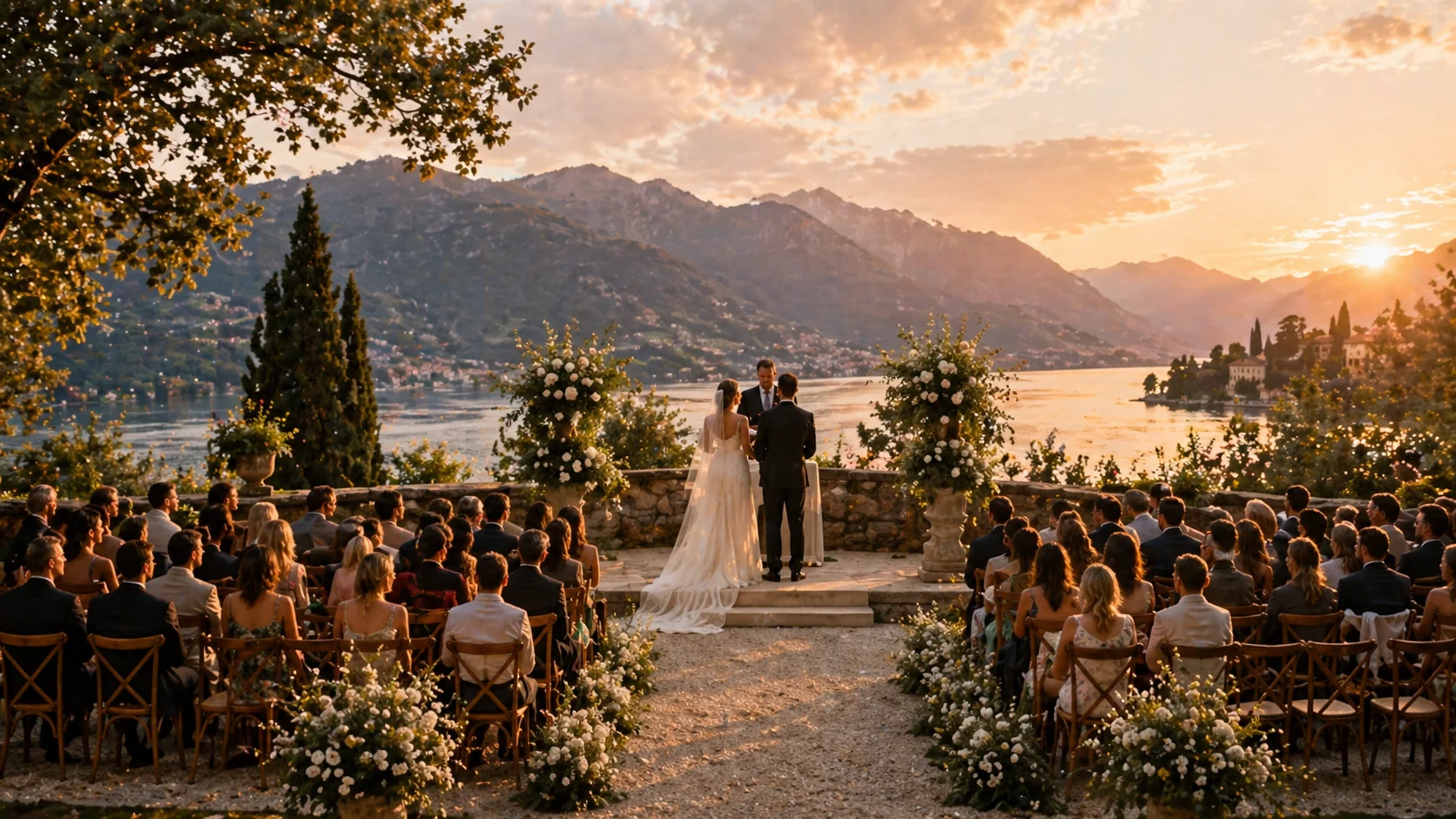
Ceremony Transition Checklist: What Should Be Ready Before Attention Has to Gather
Ceremony transitions often seem brief on paper, but they carry the difficult shift from movement into shared attention. This article looks at what needs to be ready before that moment arrives, from seating and sound to cues, stillness, and the quieter emotional readiness of the room.
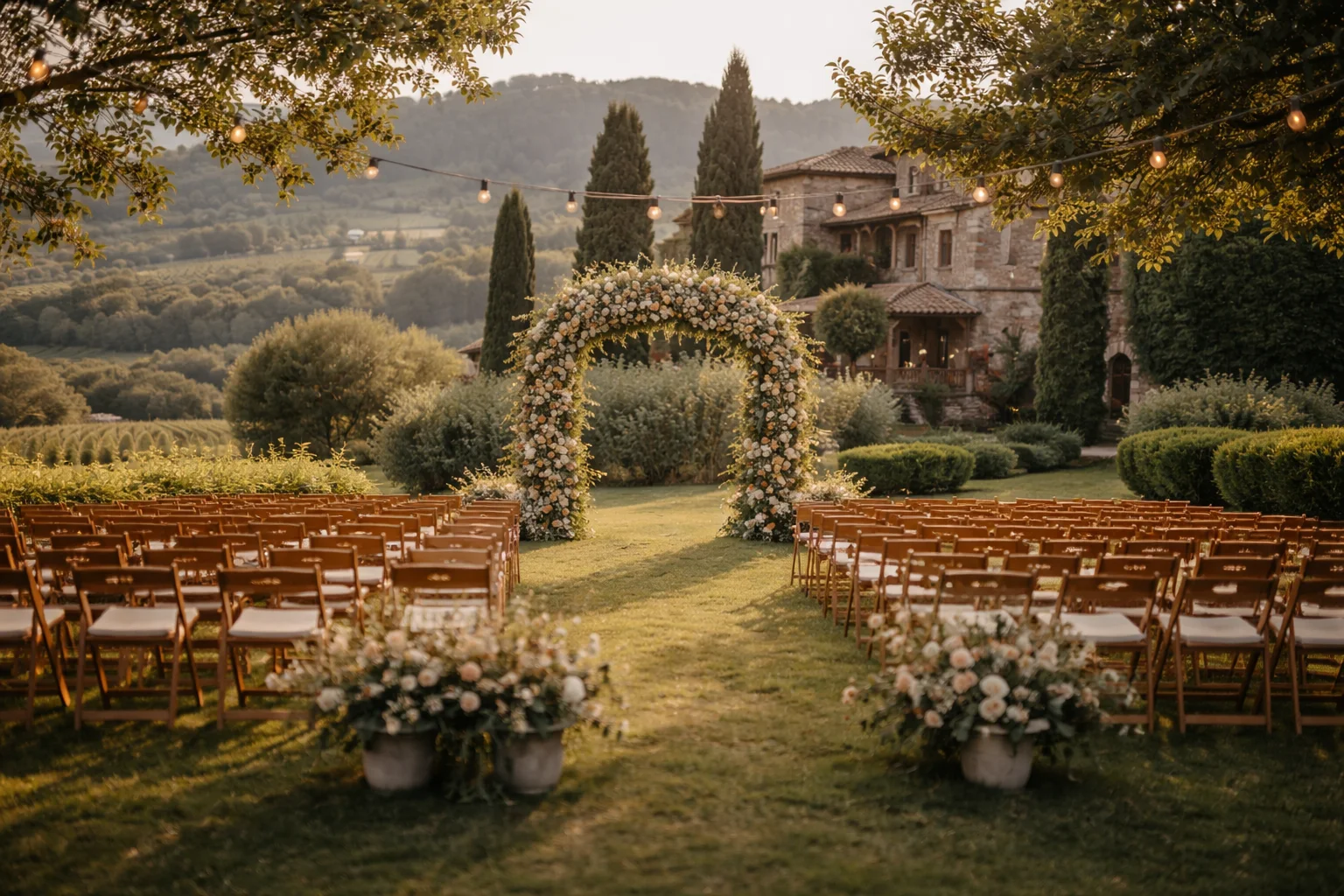
Quiet Observations on Wedding Locations and Gathering Spaces
Discussions about wedding venues often circle around style or decoration. In practice the location itself shapes the event long before flowers or lighting appear. The way guests arrive, how rooms connect, how sound travels in an old hall or across a garden terrace. These things quietly determine the rhythm of the day.
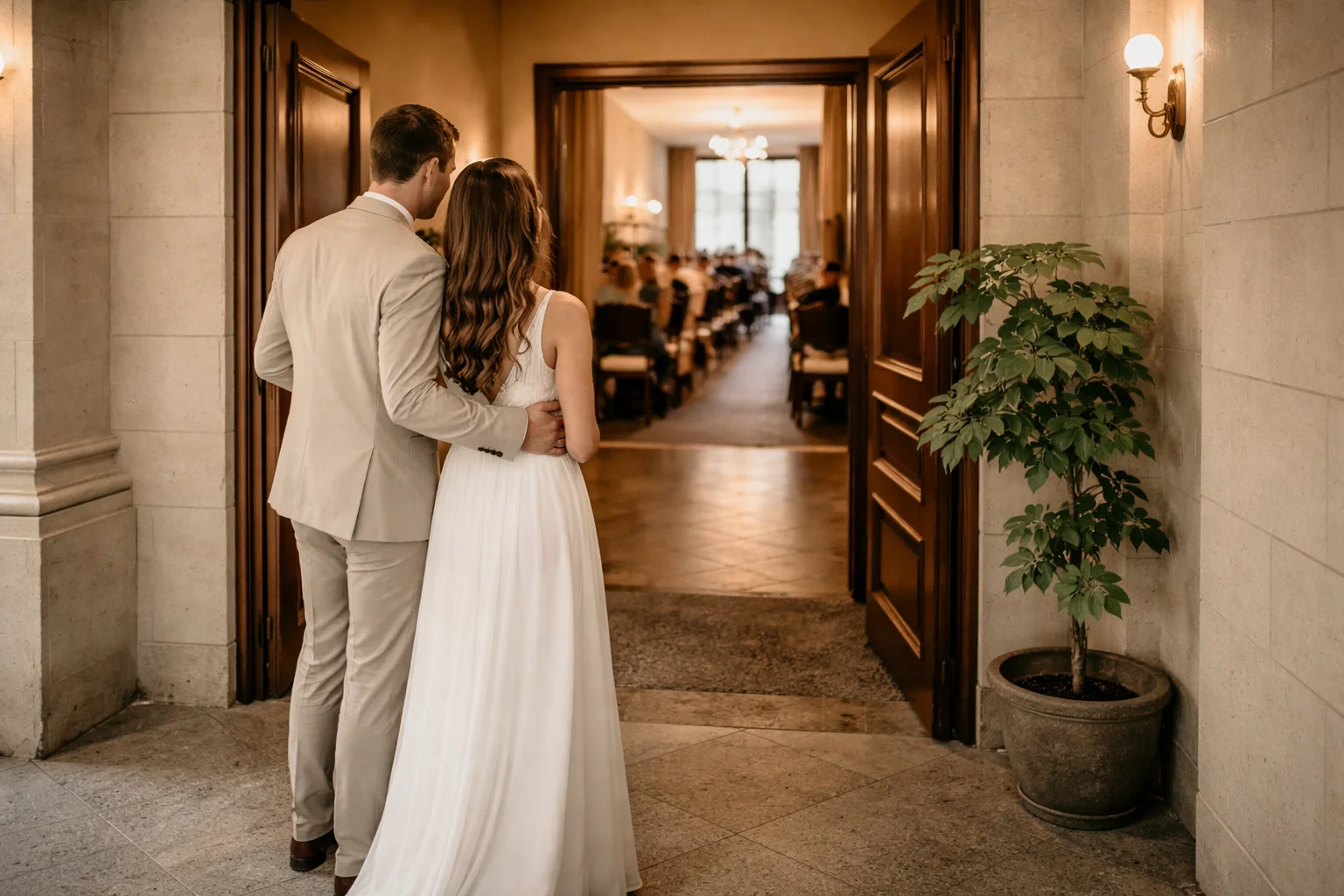
Waiting Before the Civil Ceremony: What the Minutes Outside the Room Actually Feel Like
Civil ceremonies are often described as brief, simple, and administrative. But anyone who has stood outside the room knows that the minutes before they begin can feel strangely dense. This article looks at what those minutes actually do to time, attention, behavior, and emotion, and how the legal ceremony becomes a real threshold between engagement and wedding.
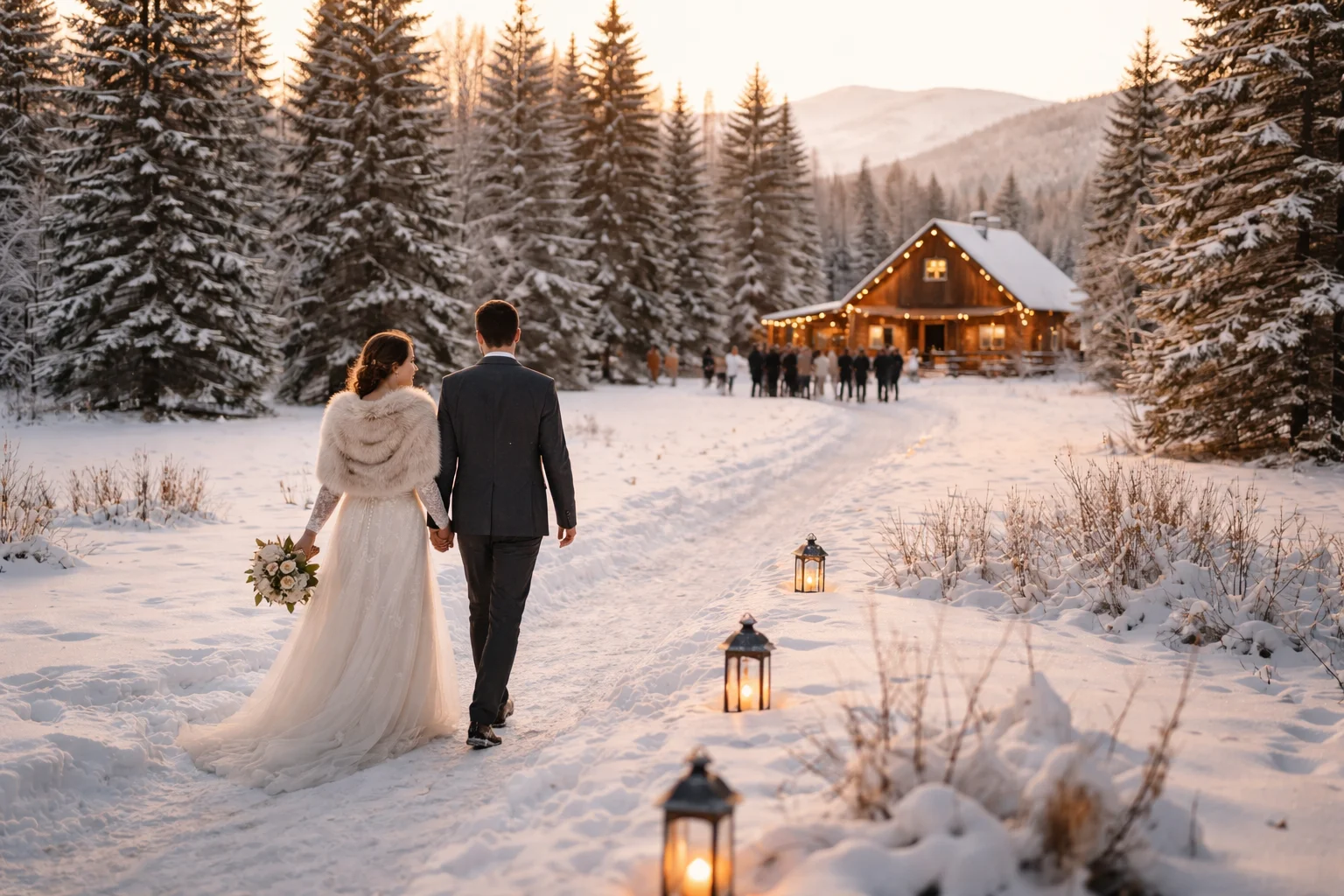
Winter Light and Compressed Timelines in Weddings
Winter weddings are shaped less by one obvious restriction than by a series of quieter adjustments. This article looks at how shorter days, colder air, and earlier shadows compress the timeline, tighten transitions, and give the day a more deliberate rhythm.