
Multilingual Wedding Communication: What Guests Need to Understand Without Constant Explanation
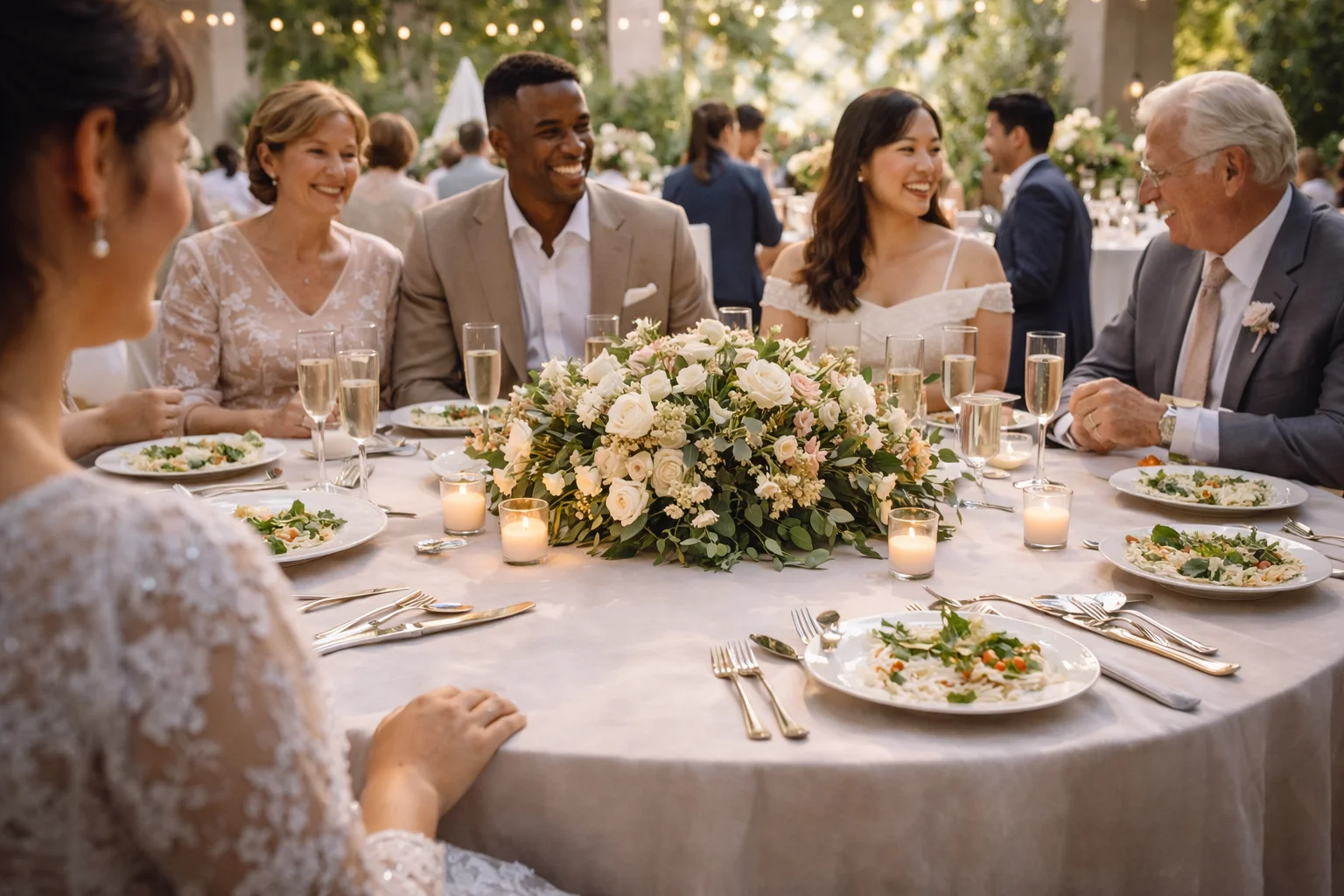
Multilingual weddings are often described as if their main difficulty were translation itself. In practice, the deeper challenge is proportion. Guests do not need every word in every language at every moment. They need enough understanding to move through the day without feeling lost, excluded, or dependent on whispered interpretation. When communication works, language difference does not disappear. It becomes legible enough that guests can relax inside it.
This is also where multilingual communication belongs naturally to silence. Loving Rocks describes silence not as emptiness but as the space where meaning gathers before language, action, or ritual takes shape. In an international wedding, that idea matters practically. Not everything has to be fully verbalized in every version. Some parts of a wedding can be understood through rhythm, gesture, sequence, and atmosphere. The task is to know which parts need words and which parts only need enough structure to be felt clearly.
loving.rockshttps://loving.rocks/category/international-weddings
loving.rockshttps://loving.rocks/silence/
Definition
Multilingual wedding communication is not the attempt to duplicate everything perfectly in every language. It is the art of deciding what guests must understand directly, what can be translated in condensed form, and what can be carried by the structure of the day itself. Good communication creates access without turning the wedding into continuous explanation.
What Guests Actually Need to Understand
Guests need orientation before they need nuance. They need to know where to go, when the key transitions happen, what kind of ceremony they are entering, whether there are moments of participation, and how the day is structured. They usually do not need full linguistic access to every speech, blessing, or private reference in order to feel included. Inclusion comes first through clarity of movement and social confidence, not through total verbal coverage.
Translation Works Best When It Is Layered
The most effective multilingual weddings use layers rather than repetition. A concise ceremony note, a bilingual printed program, selective spoken translation at key moments, clear signage, and one or two people who can quietly help when needed usually work better than translating every sentence live. Full duplication often slows the emotional flow of the ceremony. Layered guidance protects both understanding and atmosphere.
Some Things Should Be Explained Before the Ceremony
The moments most worth explaining are usually the ones that affect guest behavior. Where people sit, whether they stand, what a ritual action means, whether photographs are welcome, how dinner or transport works, and what transitions follow the ceremony. When these things are clarified beforehand, the ceremony itself can remain calmer and less interrupted. Guests feel more respected when explanation happens early enough that they do not have to decode basic logistics under social pressure.
Silence Helps When Structure Is Strong
Not every emotional moment needs to be translated aloud. Silence can support multilingual weddings when the form of the ceremony is clear enough to carry people through it. Music, gesture, sequencing, visual cues, and the behavior of other guests often communicate more than couples expect. But silence only helps when it is supported by structure. Without that structure, what should feel spacious quickly turns into uncertainty.
The Goal Is Not Perfect Symmetry
Many couples assume fairness means giving every language identical time and weight throughout the day. In practice, that can make the wedding feel overmanaged and heavy. The better goal is balanced dignity. Each side should feel seen, but not every element needs to be mirrored exactly. A multilingual wedding becomes more human when communication is shaped for real understanding rather than for visual equality alone.
Conclusion
Multilingual wedding communication works when guests understand enough to move, feel, and belong without requiring constant explanation. That means clear guidance where clarity matters, restraint where repetition would flatten the ceremony, and enough trust in form that not every meaningful thing has to be spoken twice. In international weddings, silence is not the enemy of understanding. It becomes part of what allows understanding to breathe.
Related Articles
Bloom by Design: Flowers and Florals for a Modern Perfect Wedding
Flowers rarely carry a wedding by themselves. What they do, when chosen well, is quieter and often more lasting. They soften transitions, give rhythm to rooms, and help guests feel oriented without ever being told where to look. This article looks at wedding flowers through atmosphere, restraint, and the silent structure they create across the day.
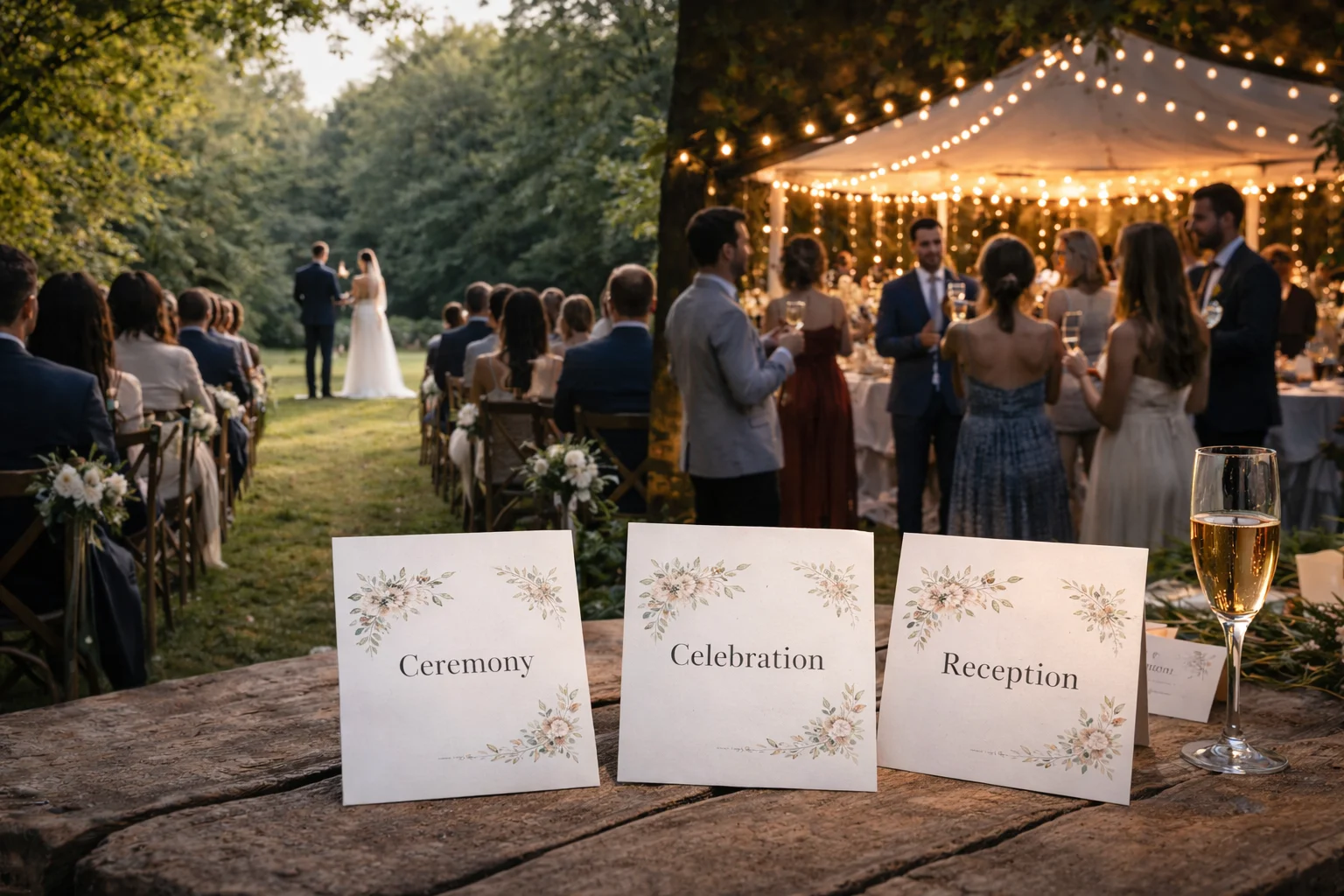
Who Is Invited to the Ceremony and Who Only to the Celebration
Not every wedding invitation has to include every part of the day. But the difference between being invited to the ceremony and being invited only to the celebration carries more meaning than many couples first assume. This article looks at how to make that distinction clearly, gracefully, and in a way that fits both the ritual weight of the ceremony and the social reality of the celebration.
Where Love Meets the Table: Thoughtful Wedding Styling That Brings Guests Together
Wedding tables do more than organize a meal. They shape how guests arrive into conversation, how long they stay, and how easily the evening begins to feel shared. This article looks at thoughtful table styling not as decoration alone, but as a quiet form of structure: one that creates comfort, supports closeness, and helps the celebration unfold naturally around the people gathered there.
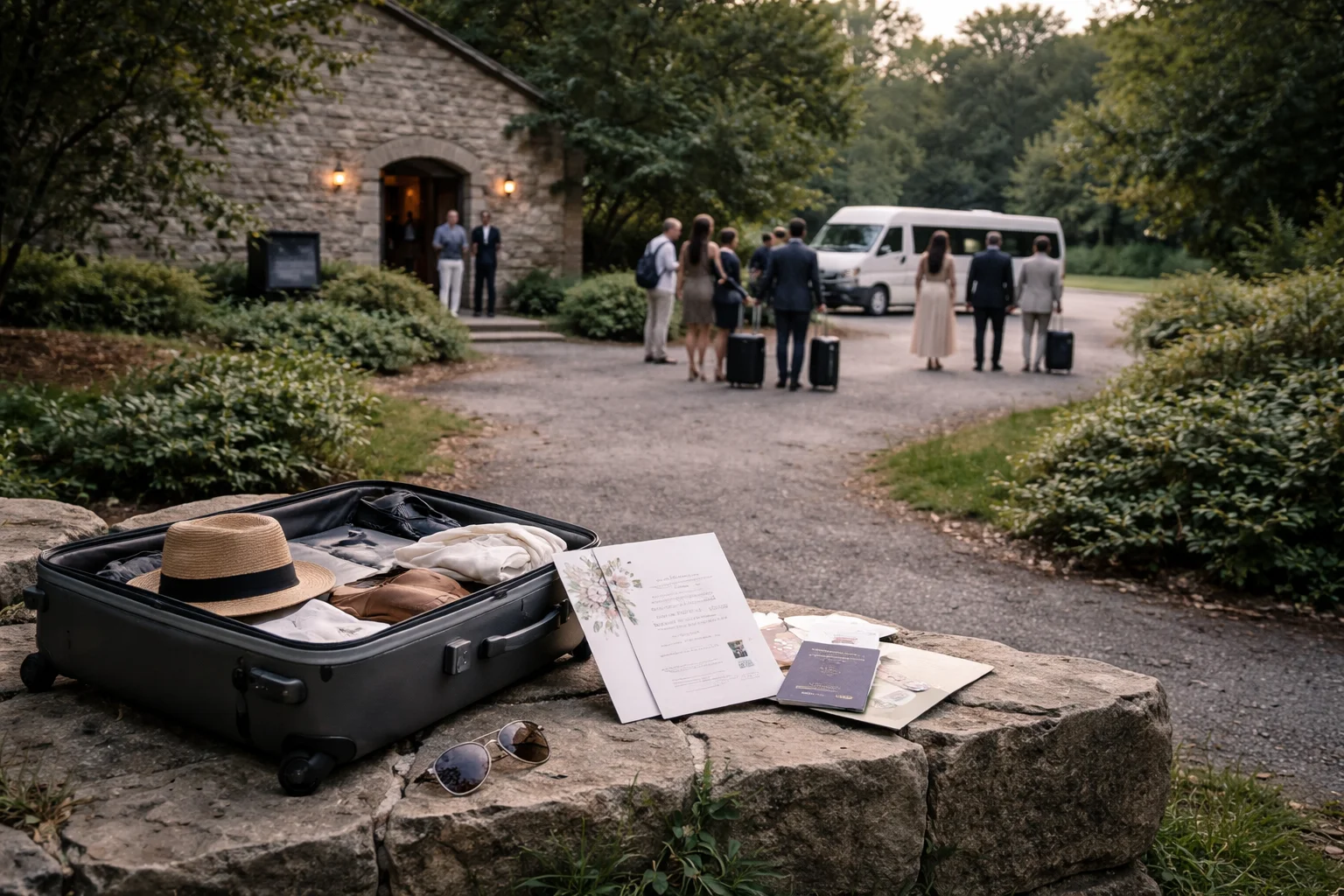
Guests Who Travel Far for the Wedding: What Invitation Means in Practice
A wedding invitation does not mean the same thing to every guest. For people traveling far, it quickly becomes more than a warm gesture. It becomes a practical commitment of time, money, planning, and emotional effort. This article looks at what invitation means in practice when guests come from far away, and why distance reveals the real weight of being included.
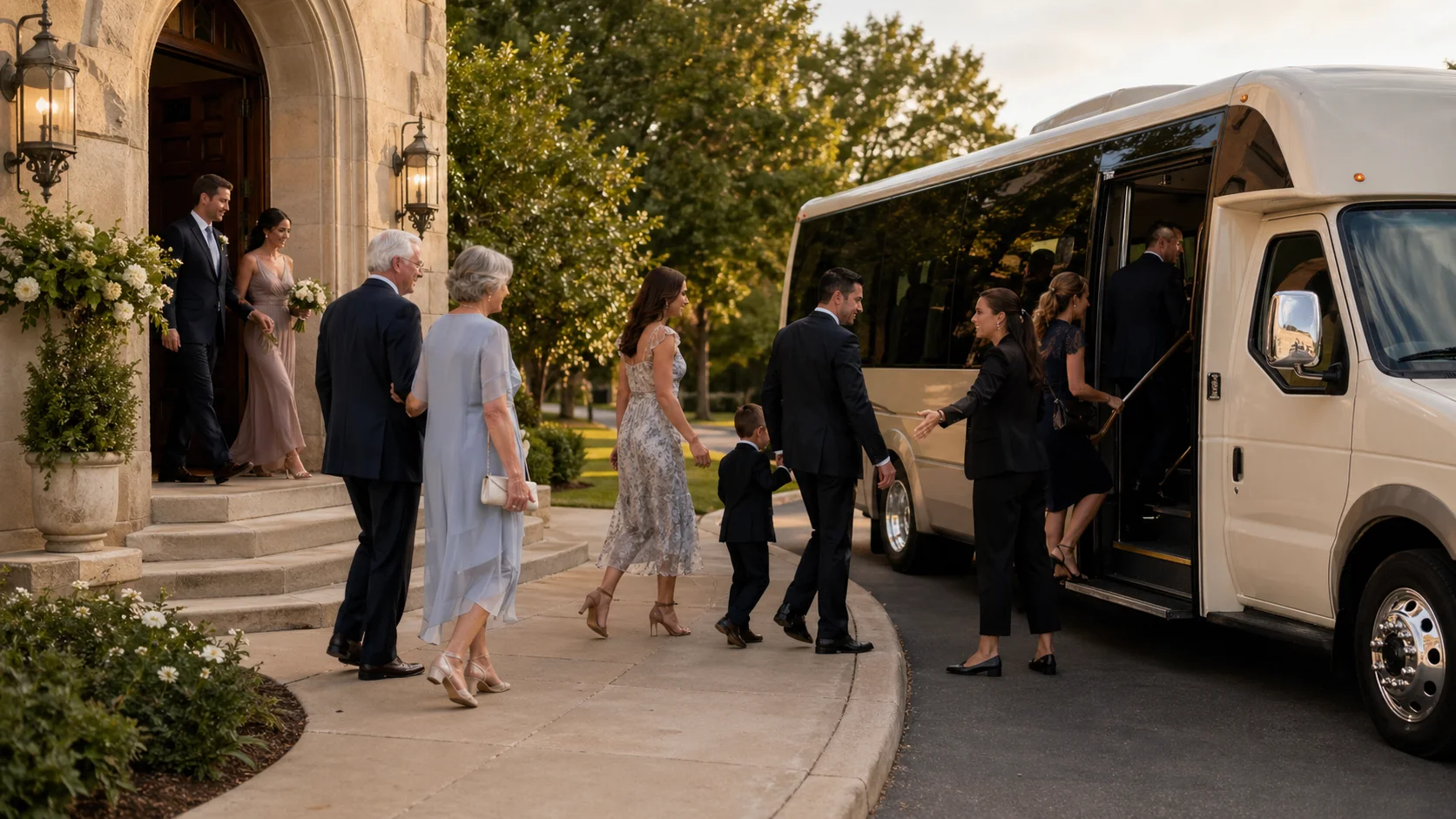
Transportation Checklist: How Not to Lose Time Between Wedding Locations
Wedding transportation is rarely only about the drive. This article looks at pickup points, buffers, driver contacts, guest movement, accessibility, and the pause between locations that either keeps the day together or quietly costs time.
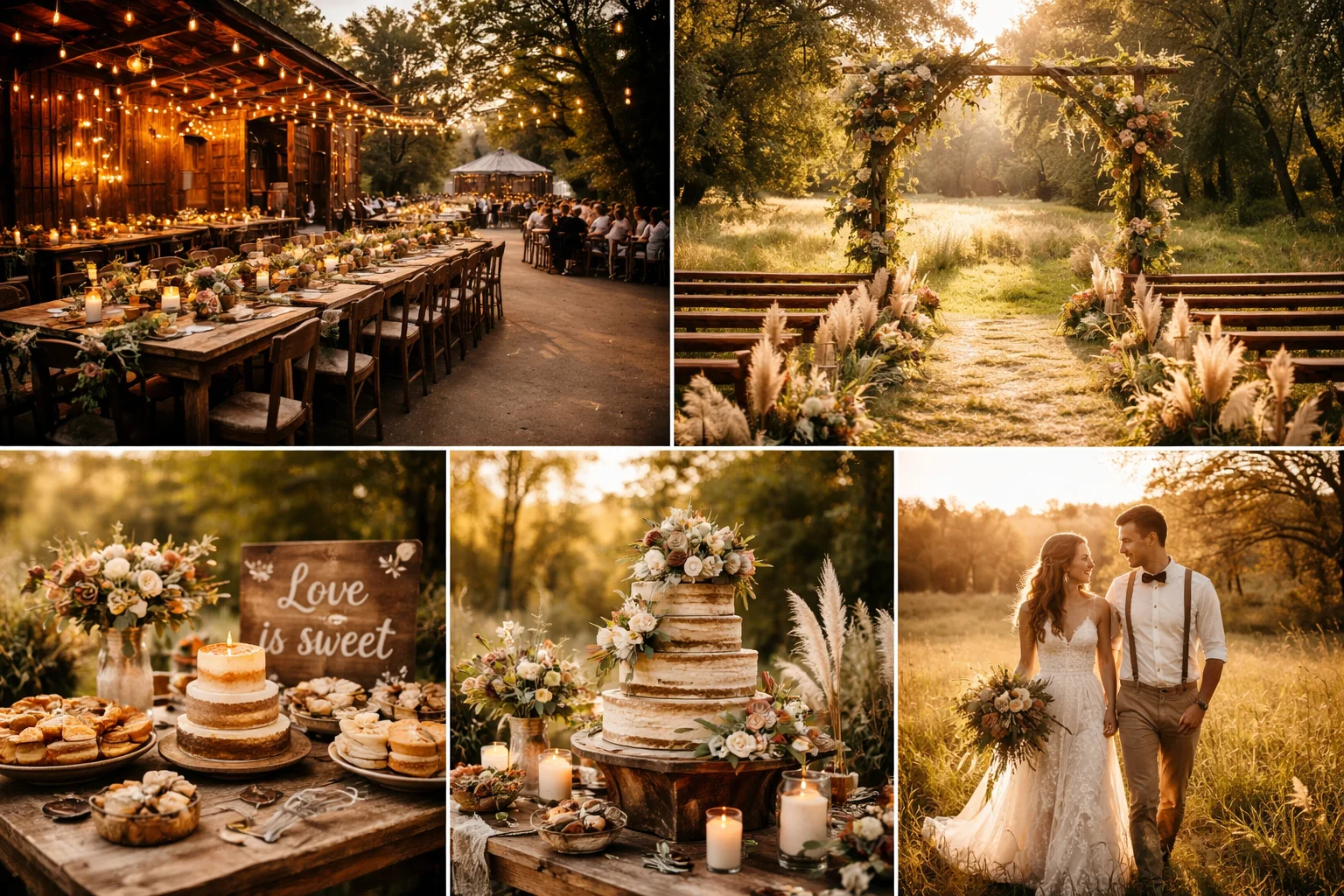
Rustic and Natural Wedding Celebrations: Timeless Love in Harmony with Nature
Rustic and natural weddings are often remembered less for decoration than for the way they let people settle. Wood, air, grass, uneven ground, soft light, and slower movement create a kind of calm that feels almost familiar from the start. This article looks at how rustic wedding settings shape atmosphere through simplicity, material honesty, and the quiet logic of place.
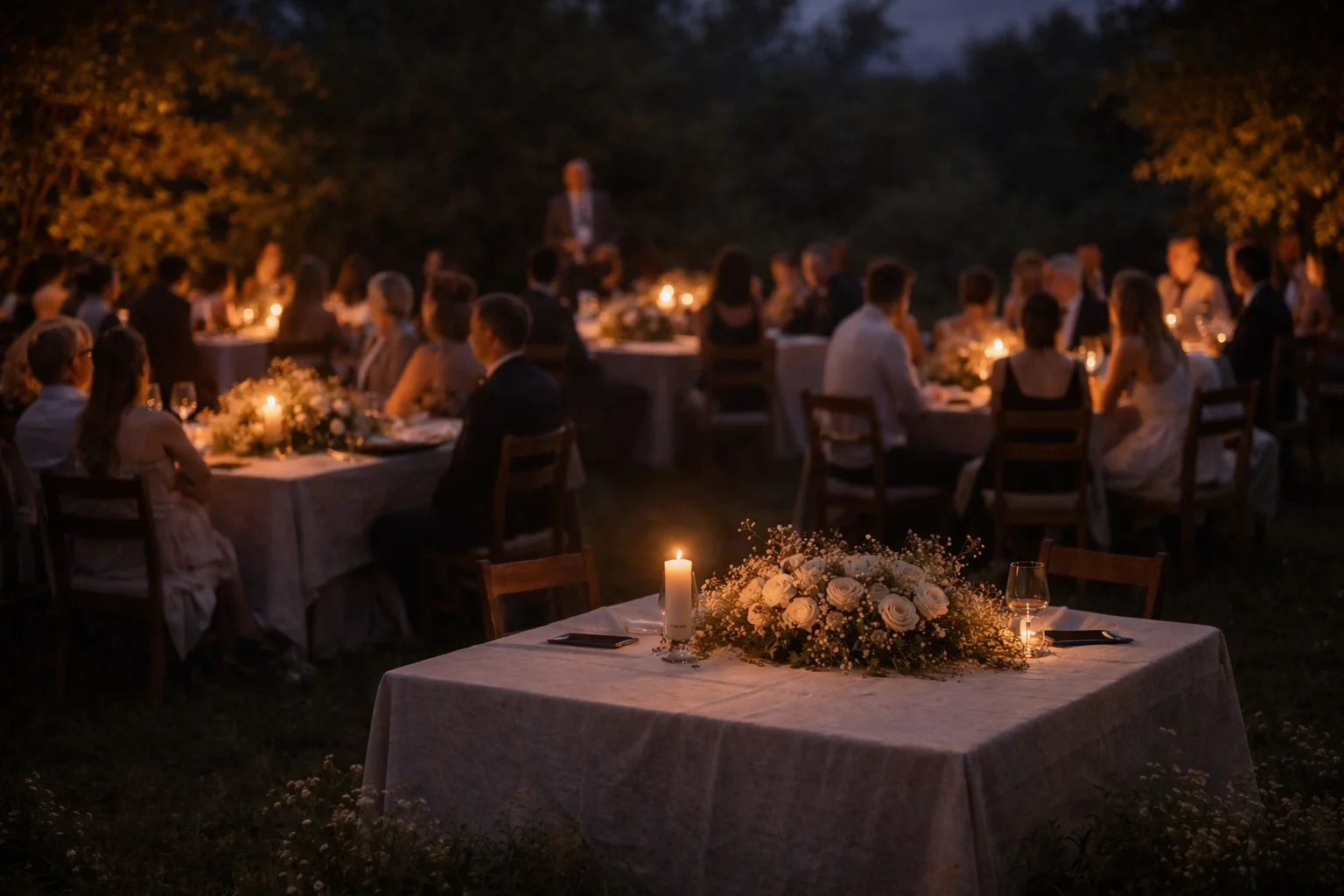
How to Make Wedding Lighting Feel Warmer and More Intentional
Lighting at weddings is often treated as a technical detail, but it defines how a space is felt before anything else is noticed. This article explores how to make light softer, calmer, and more intentional, and why what is not directly seen often matters most.
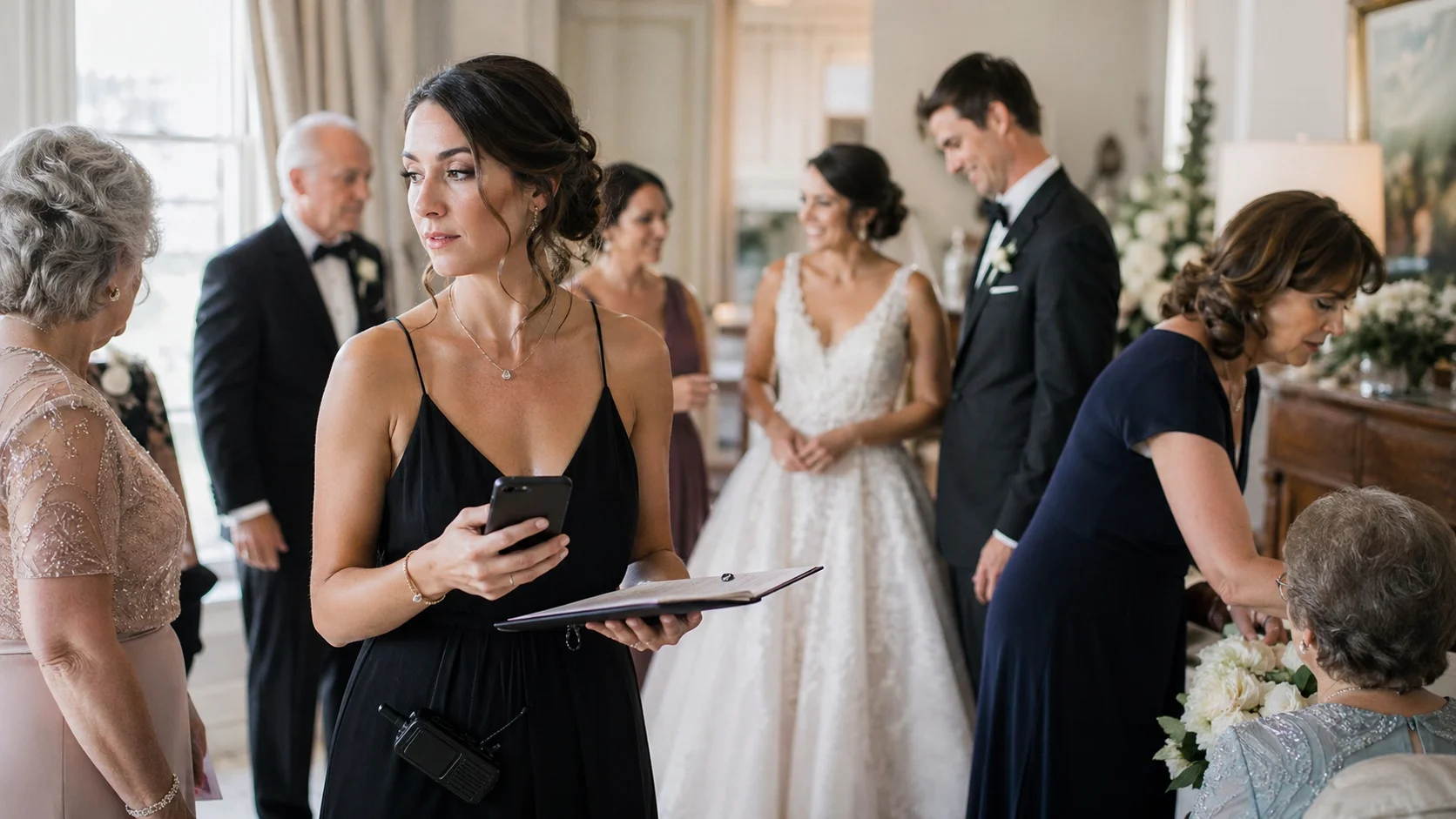
Emotional Load Checklist: Who Carries Too Much, and How to Notice It Early
Emotional load at weddings often hides behind competence. This article looks at who carries invisible responsibility, how to notice early signs of overload, and how to share care before one person quietly holds too much.
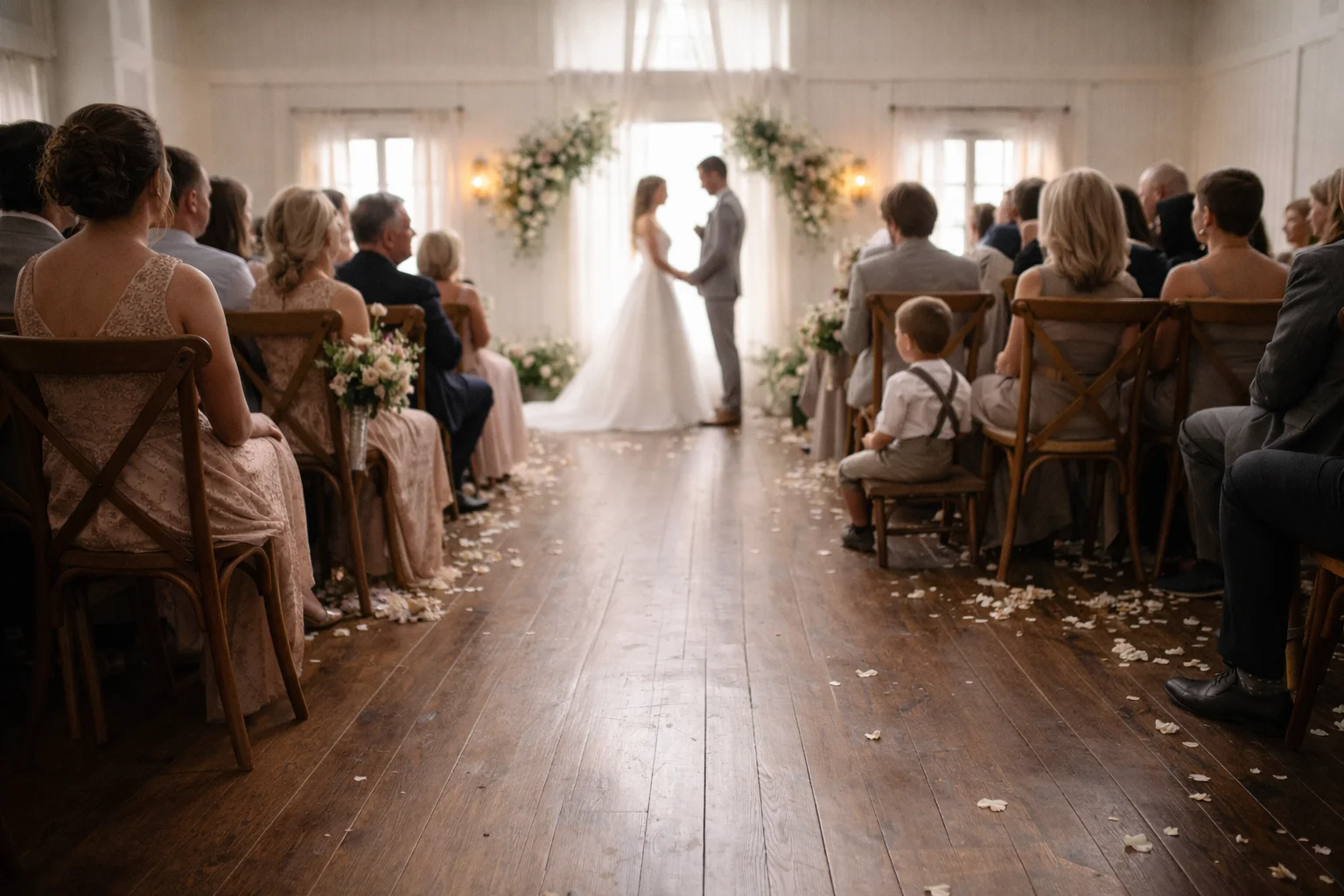
When Attention Shifts: Kids in Formal Wedding Situations
Children rarely stop a formal wedding moment outright, but they often redirect attention for a few seconds in ways adults immediately notice. This article looks at how those shifts happen, why they usually matter less than feared, and how weddings absorb different rhythms without losing their structure.
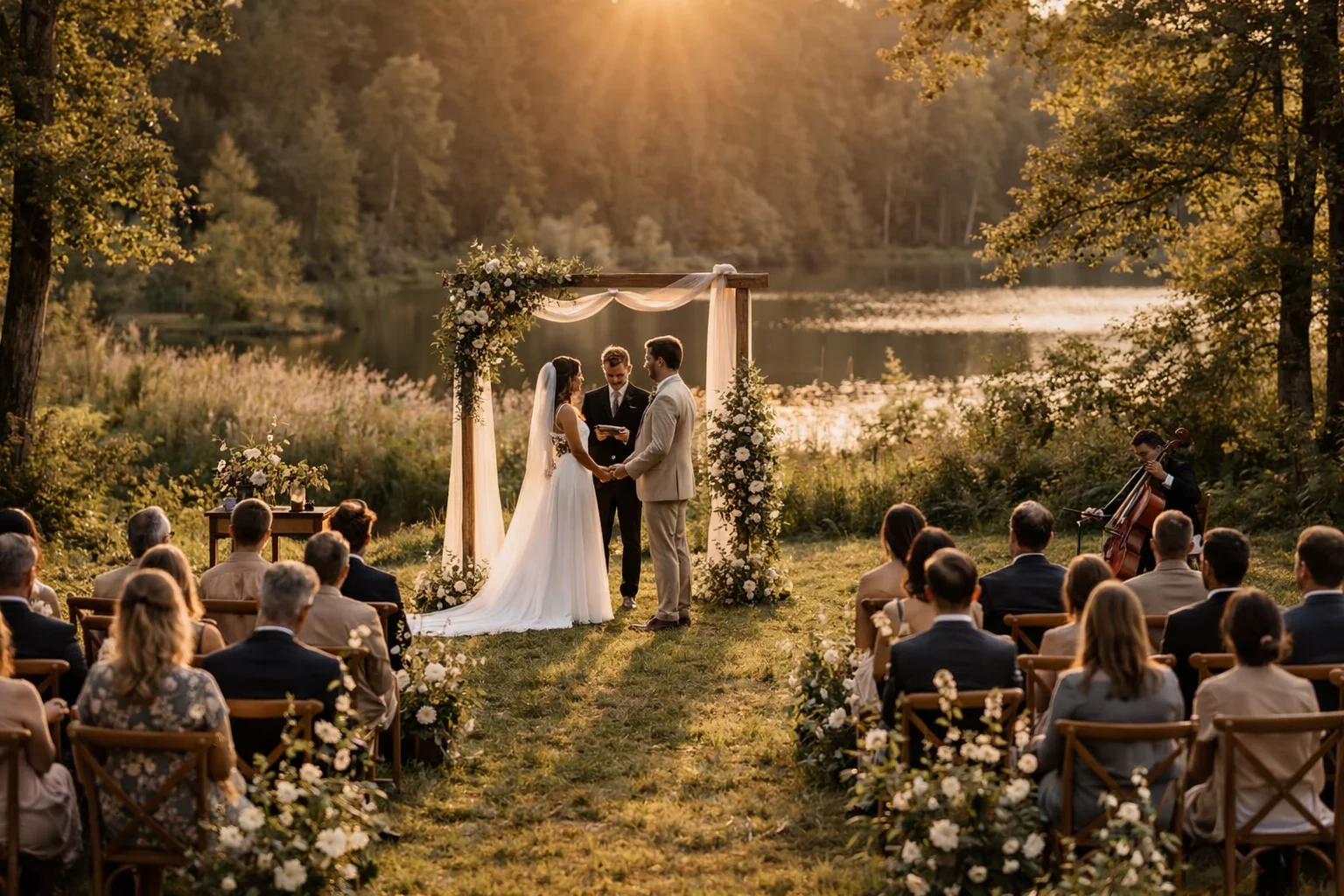
Where an Outdoor Wedding Finds Its Quiet Moments
Outdoor weddings are often chosen for what they seem to promise: openness, air, light, a sense that the ceremony is not confined but allowed to unfold in a wider space. There is movement in everything, from the wind in the trees to the shifting light across the day.
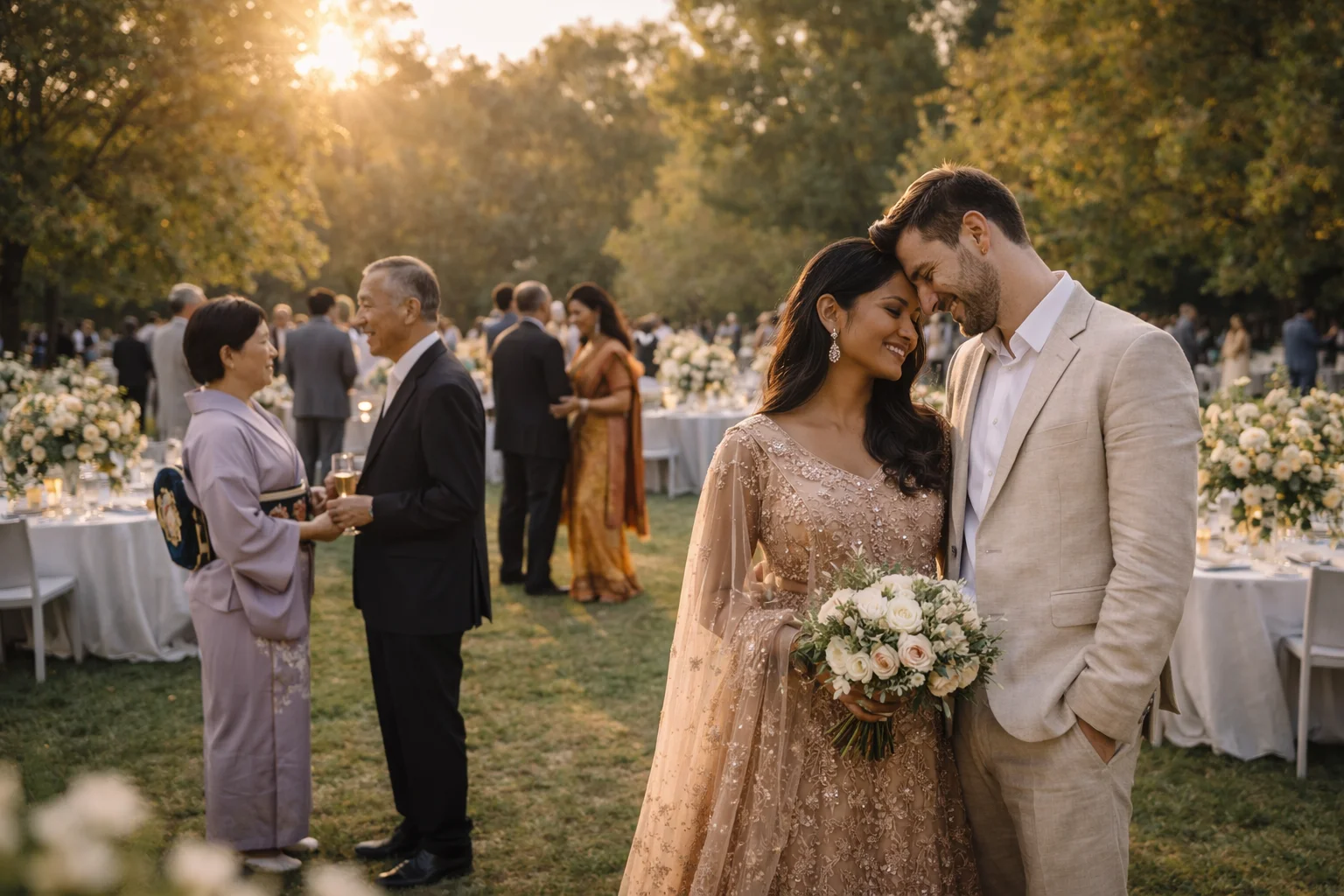
Mixed-Culture Weddings Without Performative Symbolism
A mixed-culture wedding does not become meaningful by displaying as many symbols as possible. It becomes meaningful when the symbols that appear are actually lived, understood, and emotionally carried by the couple and their families. This article looks at how international weddings can honor difference without turning culture into performance.

Meaning of Marriage and Love
Marriage and love are not built on constant passion or perfect moments. They survive because two people decide to stay, even when feelings change and life becomes difficult. Real love is quiet, steady, and intentional. It grows through honesty, shared responsibility, and the willingness to choose each other every day—not because it’s easy, but because it matters.