
When Attention Shifts: Kids in Formal Wedding Situations
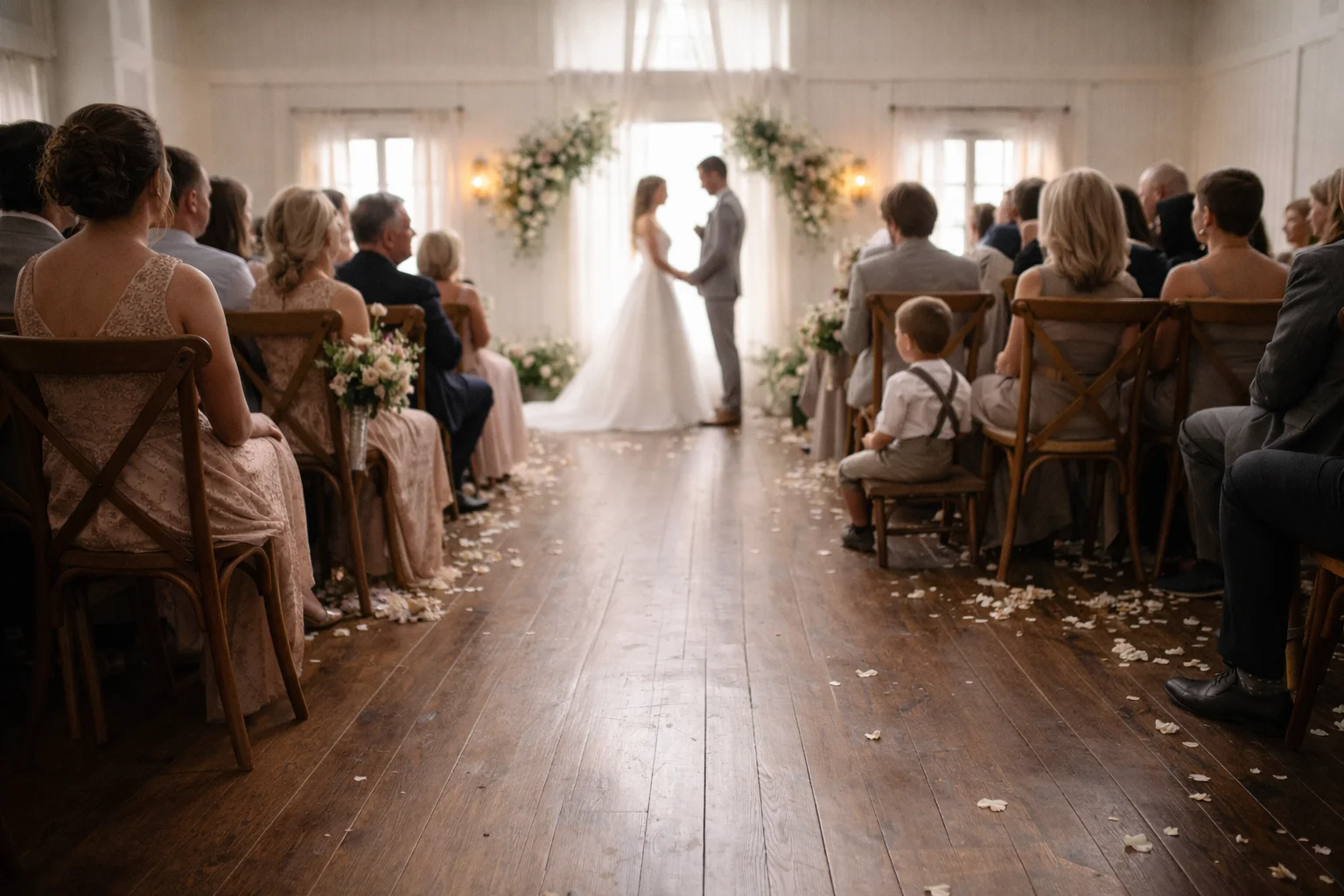
Formal wedding moments are usually built around shared attention. Guests look in one direction, wait for the right pause, lower their voices, and follow an understood rhythm without needing it explained. Children do not always move inside that same agreement. They react to tiredness, curiosity, boredom, light, sound, or a sudden urge to cross the room. What happens then is often less disruptive than adults fear. The structure remains. Attention simply shifts for a moment and then finds its way back.
That is especially true later in the day, when children are no longer moving through the wedding with early ceremonial energy. They begin to operate on a different rhythm from the adults around them. Shoes come off, postures collapse, questions arrive at ordinary volume, and movement ignores the neat timing of speeches, readings, or quieter transitions. The event does not stop because of this. It becomes slightly more layered.
Definition
A shift of attention caused by children during formal wedding moments describes unscripted actions, sounds, or movements that briefly redirect focus without undoing the event itself. The speech, ceremony, or formal sequence continues, but the room acknowledges another rhythm for a short time before returning to the original one.
Children Move According To Interest, Not Program
One reason these moments feel so visible is that children do not usually wait for permission from the structure around them. During a speech, a child crossing the room, kneeling beside a chair, or turning to stare at something entirely unrelated can redirect several lines of sight at once. Not everyone follows. Some guests remain fixed on the speaker, others glance away briefly, and that unevenness is what changes the feel of the moment. In weddings where kids are present throughout the day, this becomes part of the social fabric rather than a true surprise.
Sound Does Not Always Lower Just Because The Room Expects It To
Quiet formal moments depend on a shared idea of restraint. Children are not always participating in that idea, especially when they are tired, overstimulated, or simply still engaged with something adults have already moved beyond. A repeated word, an ordinary question, a brief protest, or a burst of laughter can enter the room at full natural volume. Often the speaker continues, a parent glances over, a few guests smile, and then the overlap passes. A wedding planner once described these moments as small acoustic folds in the event: noticeable, but rarely damaging.
Kids & Family – CategoryThoughtful entertainment helps families of all ages enjoy a wedding celebration together. Child-friendly activities, quiet play areas, and interactive moments allow younger guests to feel included while adults can relax and celebrate. Well-planned family entertainment creates a warm, welcoming atmosphere and ensures everyone feels comfortable throughout the day.
Late Hours Make Formality More Fragile
As the wedding moves further into the evening, children often stop behaving like ceremonial participants and start behaving like children again in a more visible way. They sit on floors, disappear under tables, lean against adults, reappear suddenly with a burst of energy, or fall silent in a way that looks almost total. Formal parts placed into these later hours are therefore surrounded by looser edges. They can still work well, but they rely more heavily on the room being tolerant of minor irregularity.
Parents Are Constantly Judging When To Intervene
One of the quieter dynamics in these scenes is the parental calculation happening underneath them. Some parents step in before the room has even registered anything as unusual. Others wait to see whether the child settles on their own, and often that instinct is correct. From the outside, both responses can look reasonable. What matters most is usually not speed, but proportion. Overcorrection can make a small moment feel larger than it was. Underreaction can leave a room hanging slightly too long. Most families find the balance in passing, without making it visible.
The Room Usually Returns To Itself Quietly
The most interesting part is often how little formal recovery these moments require. There is no reset, no announcement, no need to restore dignity in an exaggerated way. A few glances drift away, a few return, and the original focal point becomes active again. That is where the link to silence becomes meaningful. These shifts do not fully break the quiet structure of the room. They pass through it. The silence changes shape for a second, holds the new presence, and then settles back without needing to defend itself.
Silence is not absence. It is the space where meaning gathers before words, decisions, and rituals take shape.
Conclusion
When attention shifts because of children in formal wedding situations, the result is usually not disruption but a brief rebalancing of the room. Different rhythms overlap for a moment: the ceremonial one, the social one, and the child’s own. Then they separate again. Weddings that include children well are rarely the ones that eliminate these moments entirely. They are the ones that leave enough softness in the structure for them to happen without strain.
Related Articles

Some Things Only Work With Certain Guests
Wedding activities rarely work on format alone. They depend on guest chemistry, timing, shared ease, and the unspoken permissions already moving through the room before anyone fully names them.
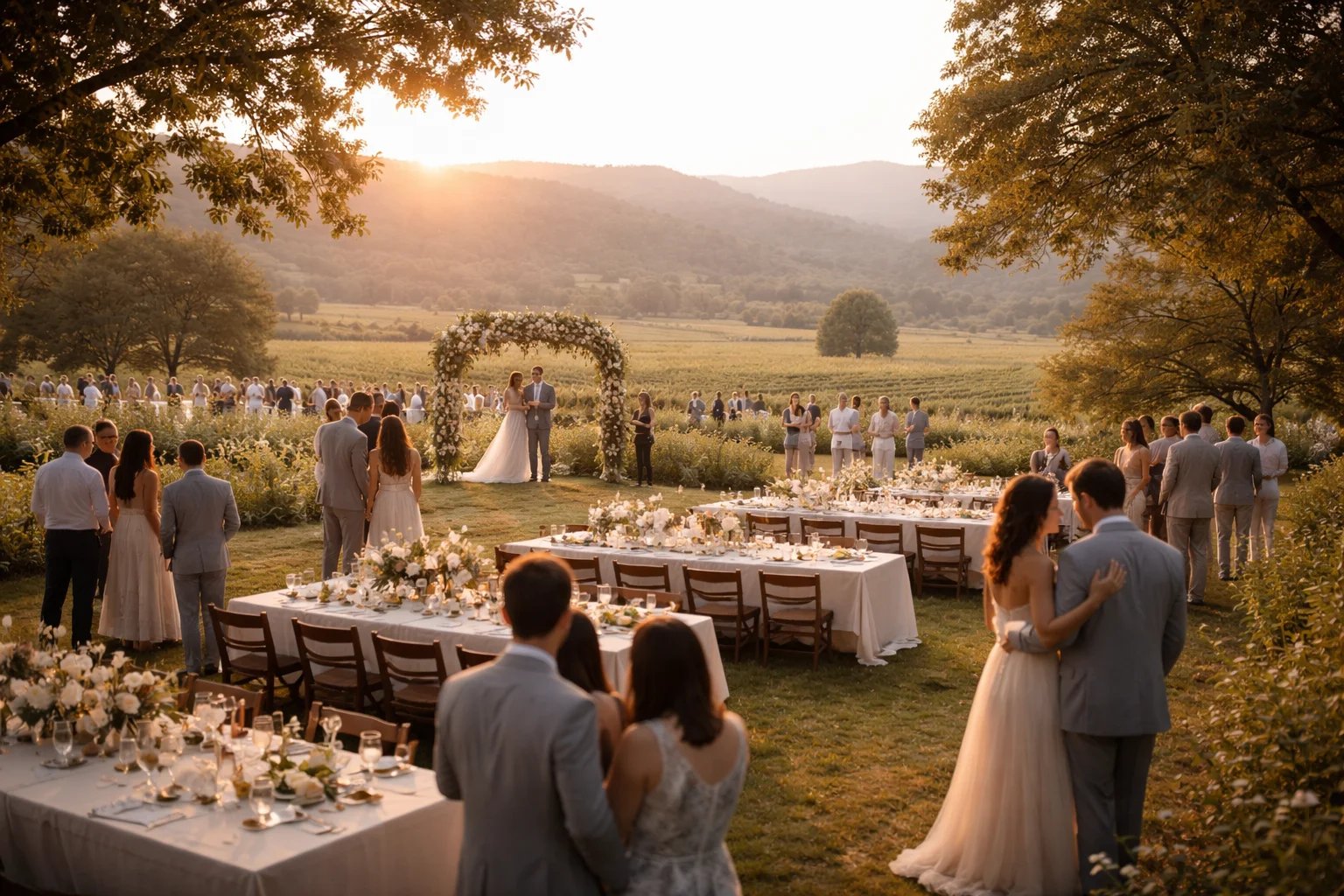
Light and Time at Weddings: How Daylight Subtly Shifts Flow and Perception
Daylight changes more than the look of a wedding. It shifts pacing, delays transitions, draws guests toward or away from certain spaces, and leaves behind some of the strongest visual impressions of the day.

How the Groom Stands Out Among the Groomsmen
When several men stand together at a wedding the clothing often looks almost identical at first. Same color range, similar jackets, same shoes in many cases. The group reads as one block. This is not accidental. Wedding styling usually leans toward visual unity for the wedding party.
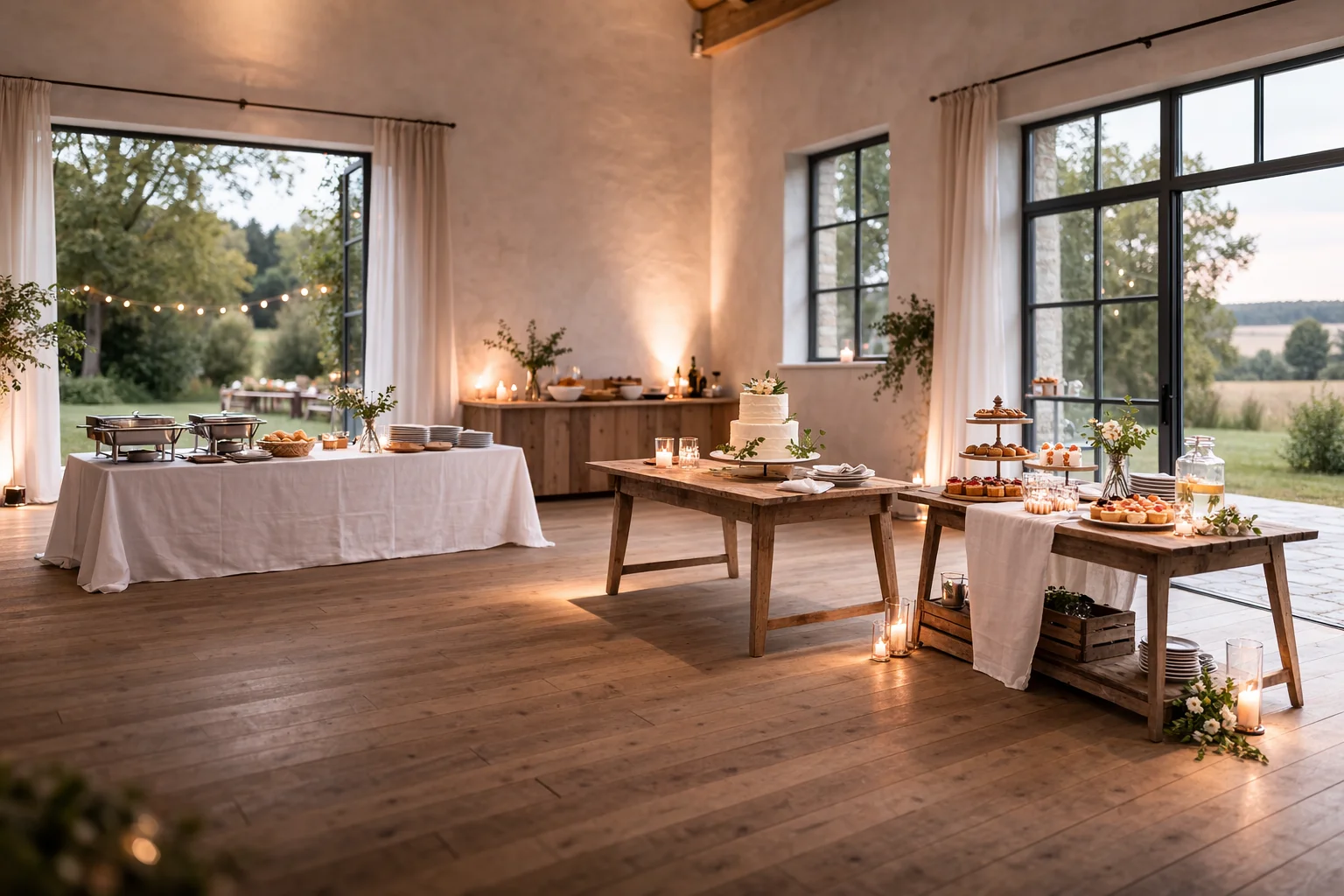
Flowers Near Food at Weddings: Buffet and Dessert Table Placement
Flowers sometimes end up close to food. Not always by clear decision. More because the rest of the room is already filled, and these zones remain. Then something gets added there too. It does not look unusual once it is in place.
Bridal Accessories in Interplay – A Silent Addition
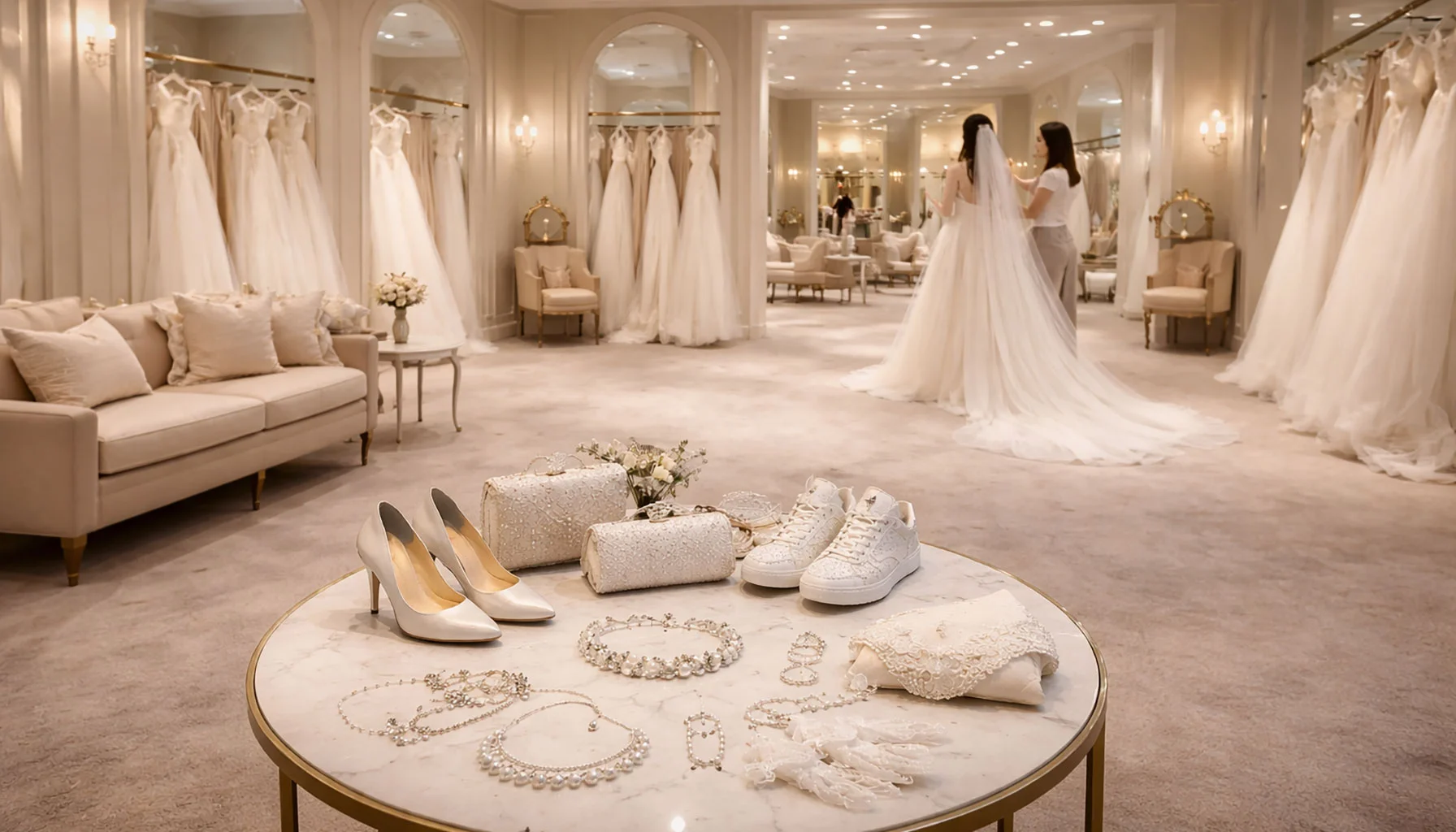
Accessories for the bride mostly remain in the background. They don't impose themselves and are rarely noticed first. In bridal shops, however, it repeatedly becomes apparent that precisely these pieces structure and round off the overall look. Veils, shoes, jewelry or small accessories do not change the dress, but rather the bride's effect. Observations from practice show how subtle decisions are made and why accessories are often chosen only late – and then stay.

Meaning of Marriage and Love
Marriage and love are not built on constant passion or perfect moments. They survive because two people decide to stay, even when feelings change and life becomes difficult. Real love is quiet, steady, and intentional. It grows through honesty, shared responsibility, and the willingness to choose each other every day—not because it’s easy, but because it matters.
Wedding Rings Between Decision and Everyday Life
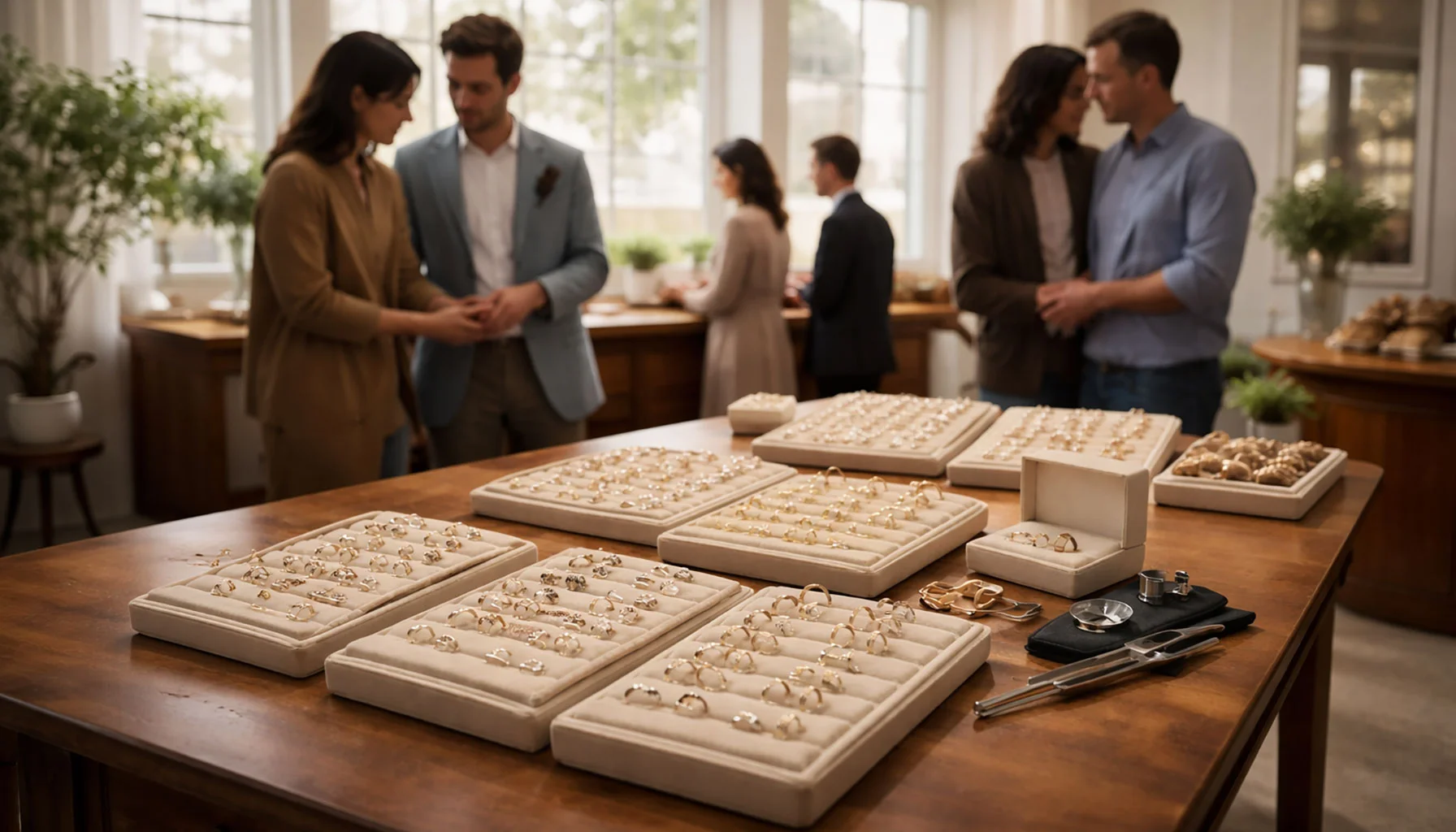
Wedding rings are rarely chosen as display objects. They are chosen for repetition, for wear, for the fact that they will remain present long after the ceremony itself has passed. This article looks at wedding rings through width, material, setting, and everyday use, while connecting them to the quieter emotional state of waiting that often surrounds such decisions.