
How the Groom Stands Out Among the Groomsmen
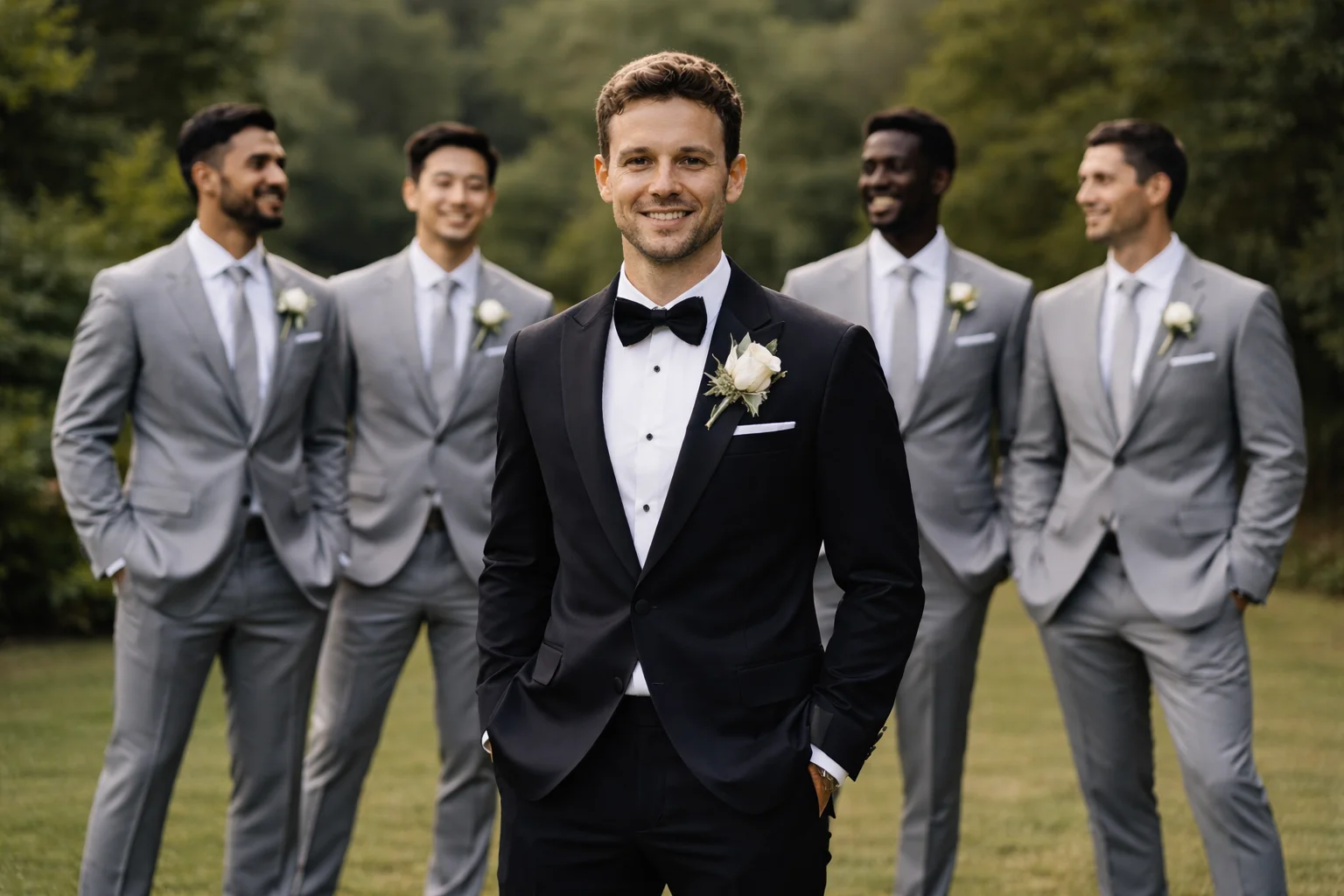
When several men stand together at a wedding the clothing often looks almost identical at first. Same color range, similar jackets, same shoes in many cases. The group reads as one block. This is not accidental. Wedding styling usually leans toward visual unity for the wedding party.
Still, the groom rarely disappears inside that group. Small adjustments tend to show up once people look twice. Nothing dramatic most of the time. A lapel detail, a different tie, a flower that stands out a little more. The outfit stays within the same frame but carries a slightly different weight. That is also why the topic belongs naturally to both Groom and Wedding Rituals. The groom has to remain part of the group, but his role also has to become visible inside the ritual form of the day.
Groom – CategoryStyle and confidence come together in the groom’s overall appearance on the wedding day. From the suit and shoes to accessories and grooming details, each element contributes to a polished and personal look. A well-chosen groom look complements the wedding style, reflects personality, and ensures the groom feels comfortable and self-assured throughout the celebration.
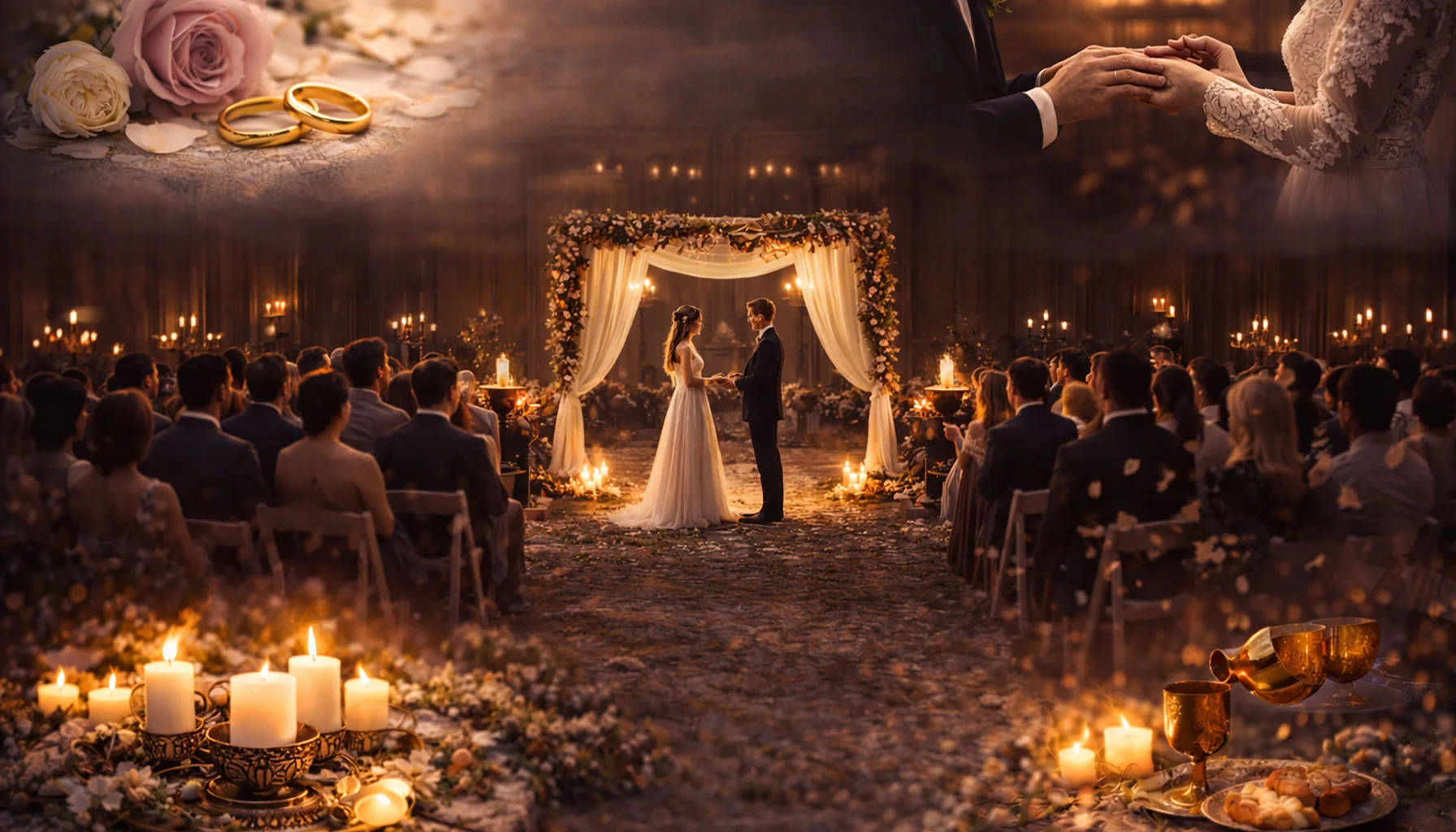
Wedding rituals are where private commitment meets public tradition. Symbols, gestures, and ceremonies attempt to hold what love alone cannot carry by itself.
Definition
The groom look usually differs from the groomsmen through subtle styling changes within the same formal outfit concept. The clothing stays coordinated with the group but includes small visual signals that identify the groom's role during the ceremony. In practice, the difference works best when it does not break the shared structure. It clarifies the role without dissolving the group.
A Different Jacket Within the Same Color Story
One common pattern appears in the jacket itself. Groomsmen may wear matching suits while the groom stands in a slightly different version. Sometimes the shade is a touch deeper. Sometimes the lapels change shape or material. The difference is noticeable but still calm. In photos the group remains visually connected. This matters because the groom does not usually need a separate style language. He needs a controlled variation inside the one already shared by the wedding party.
Boutonniere Details
Flowers often carry the clearest signal. The groomsmen may wear a smaller boutonniere or a simplified arrangement. The groom usually receives a fuller bloom or a flower that echoes the bridal bouquet more closely. Same position on the lapel, same general idea. Just slightly more presence. Because the boutonniere sits close to the face, guests often notice the difference without needing to identify it consciously.
Tie Variations
Neckwear changes appear frequently. A group might wear long ties while the groom uses a bow tie. In other weddings the opposite happens. Occasionally the fabric differs rather than the shape. Satin instead of matte silk, or a different shade that still sits inside the same color palette. The effect usually works because the shift is legible but restrained. The groom becomes easier to read without appearing detached from the group around him.
Pocket Squares and Small Accessories
Pocket squares, cufflinks, sometimes even suspenders add small variation. Groomsmen often share identical accessories while the groom carries one piece that shifts slightly in color or fold. Nothing loud. The effect is subtle, but when the group stands together the eye tends to land on the groom naturally. In many weddings this is where distinction works best: not through one large signal, but through several small elements that hold together without asking for attention.
Texture and Fabric Choices
Fabric texture also plays a role. A velvet jacket, satin lapels, or a slightly richer weave sometimes appear only on the groom. The rest of the party may wear simpler wool suits. The garments still belong to the same visual family, but the groom piece carries a bit more depth when light hits the fabric. This is one of the quietest ways to mark the role, because the distinction becomes visible through movement, light, and proximity rather than through contrast alone.
Why the Difference Usually Stays Small
In ritual terms, the groom does not need to stand outside the group to be recognized. He needs to remain readable within it. Wedding rituals depend on shared form as much as individual emphasis. The strongest groom looks respect that balance. Shared palette, similar tailoring, similar level of formality. Then one jacket detail, one flower, one tie variation, or one richer fabric carries the rest. Enough to mark the role, while the group still looks like a group.
Conclusion
In most weddings the groom does not dress in a completely separate style from the groomsmen. The structure stays shared. Same palette, similar tailoring, similar level of formality. The difference appears through smaller shifts inside that structure. A jacket detail, a flower, a tie variation. Enough to mark the role, while the group still looks like a group.
Related Articles
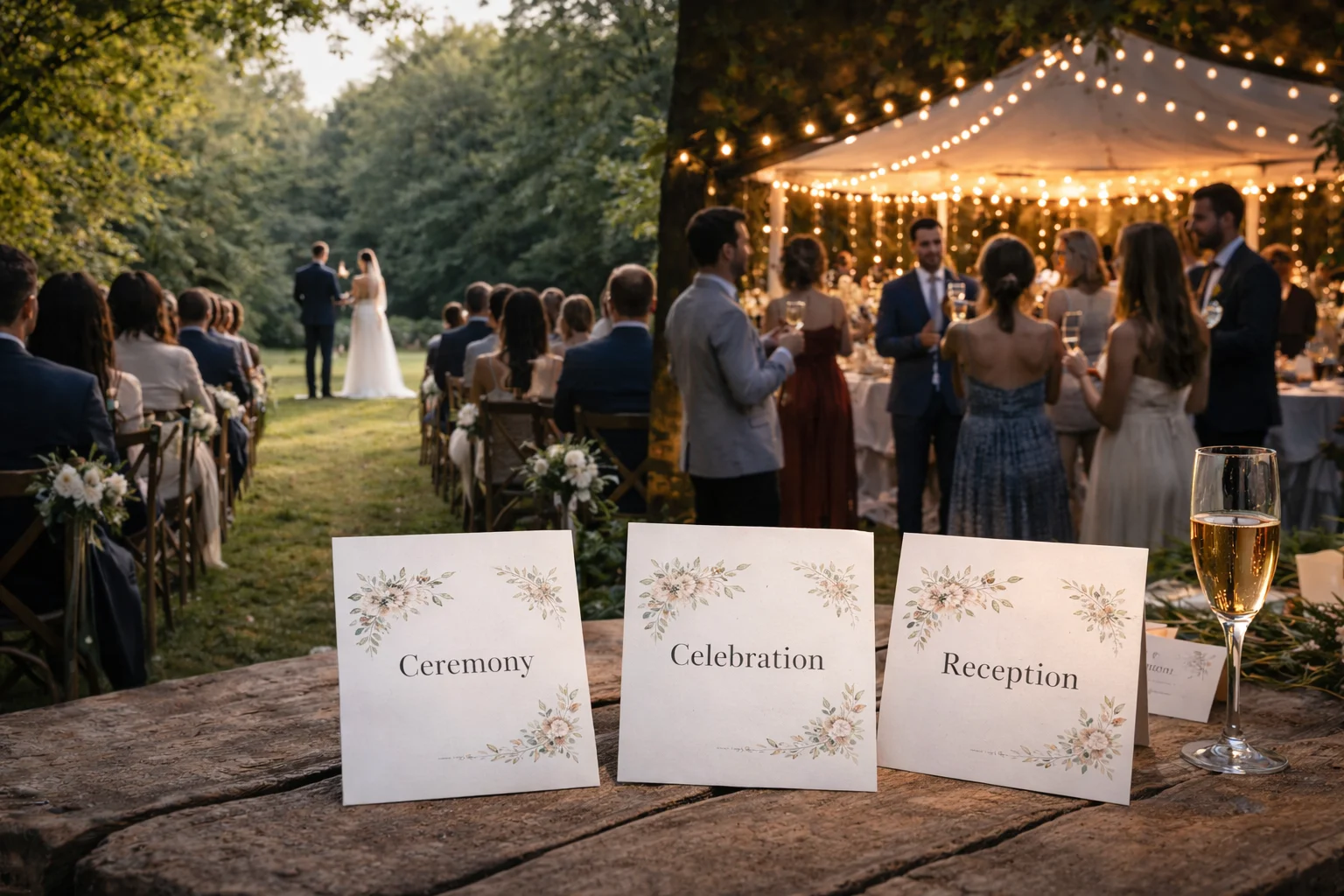
Who Is Invited to the Ceremony and Who Only to the Celebration
Not every wedding invitation has to include every part of the day. But the difference between being invited to the ceremony and being invited only to the celebration carries more meaning than many couples first assume. This article looks at how to make that distinction clearly, gracefully, and in a way that fits both the ritual weight of the ceremony and the social reality of the celebration.
Looking good on the wedding day – quiet preparation, visible effect
A good appearance on the wedding day rarely arises spontaneously. It is the result of time, attention, and recognizability. This text collects observations concerning bride and groom, without ideal images or instructions. It's about skin, hair, and posture, about preparation instead of change. And about what remains when nothing needs to be explained.
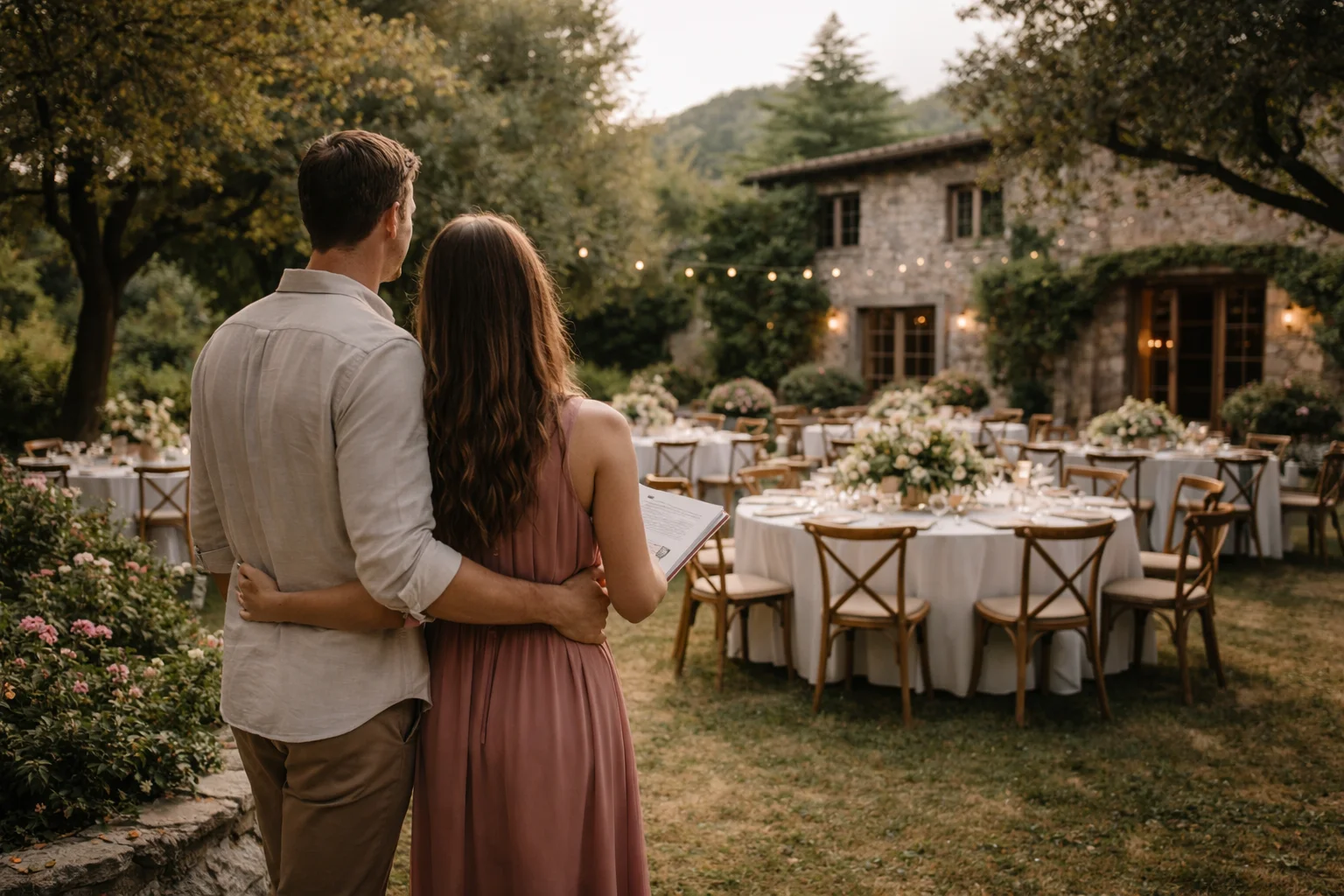
What Couples Notice Too Late About a Wedding Venue
Wedding venues are often chosen in a moment of projection. Couples imagine light, atmosphere, and feeling long before they understand flow, pressure points, and what the place is actually asking of the day. This article looks at what couples often notice too late about a venue, and why expectation and reality begin separating earlier than most people think.
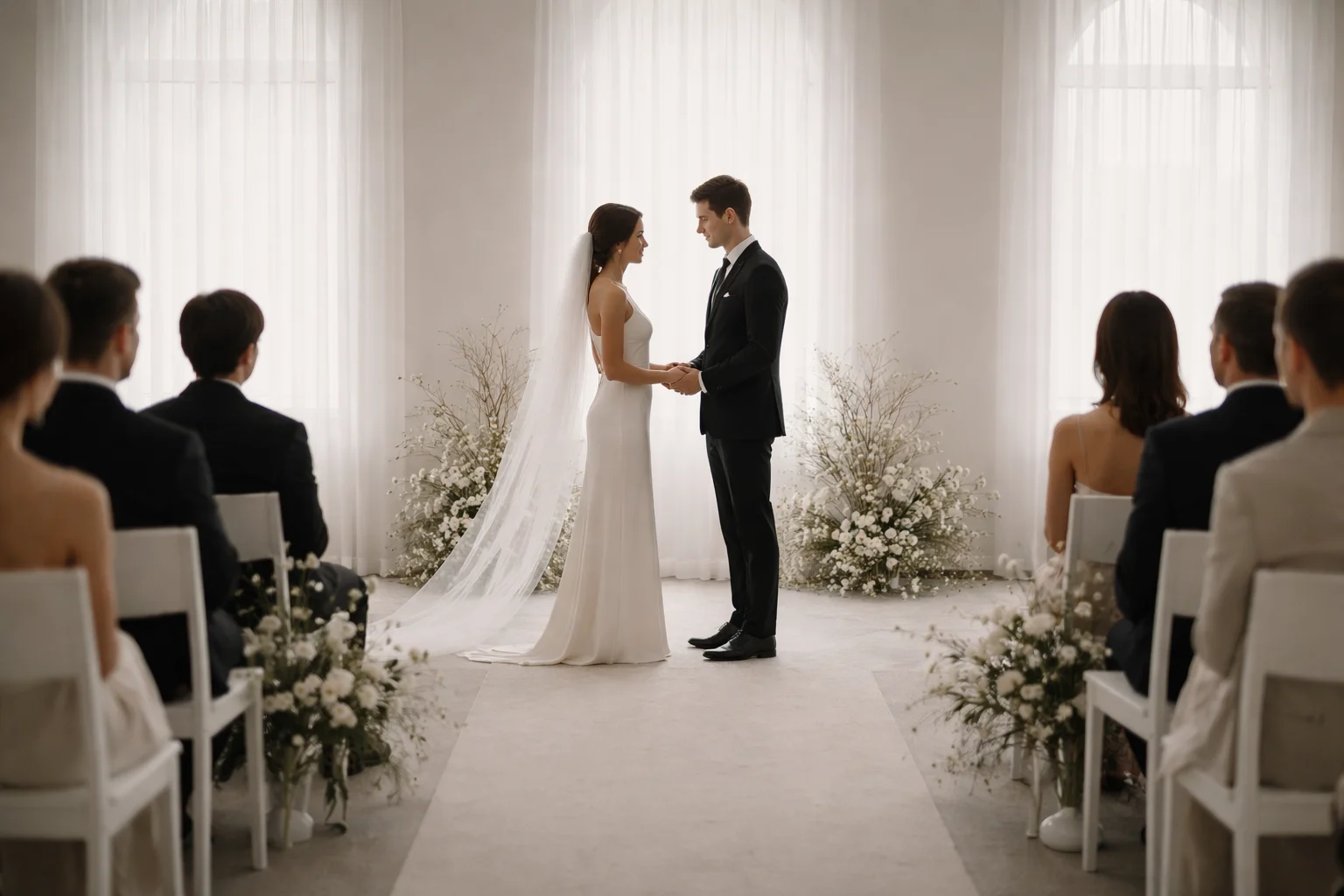
When Less Makes the Ceremony Clearer
Minimal weddings are often described as a reduction. Fewer elements, fewer decisions, fewer visible layers. Tables are cleared, colors are restrained, schedules are simplified. What remains can feel almost quiet in comparison to more elaborate celebrations.

Conversations Before Marriage – Life Questions That Clarify the Relationship
A marriage is not just about feelings, but also expectations, imprints, and ideas about everyday life. This text compiles central life questions that couples should clarify with each other before saying 'I do': regarding money, family, children, conflicts, division of tasks, and personal values. Grown from observations, objectively considered, and close to lived everyday life. Conversations that make differences visible – and thereby strengthen connection.
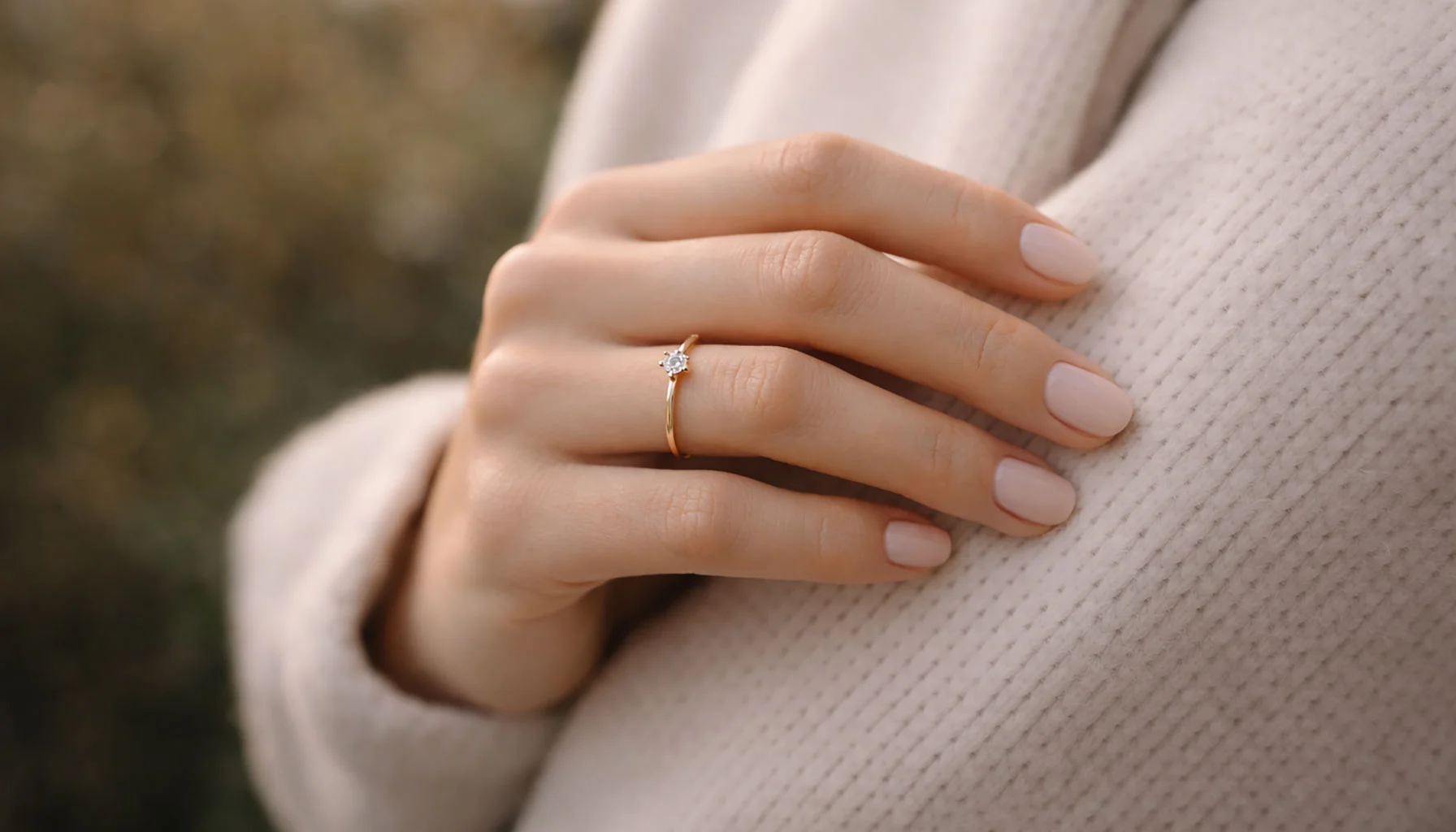
The engagement ring as a sign of a decision
The engagement ring stands on the edge of a big moment and remains present for a long time afterwards. It is part of everyday life, not just a memory of a proposal. This text describes what makes an engagement ring, how it is selected, and why decisions regarding shape, material, ring size, and wearing style mostly arise from observation. It is about common variants, the handling of diamonds and alternatives, as well as developments that have quietly established themselves. In the foreground are experiences, voices from practice, and the question of how a ring fits a person without defining them.
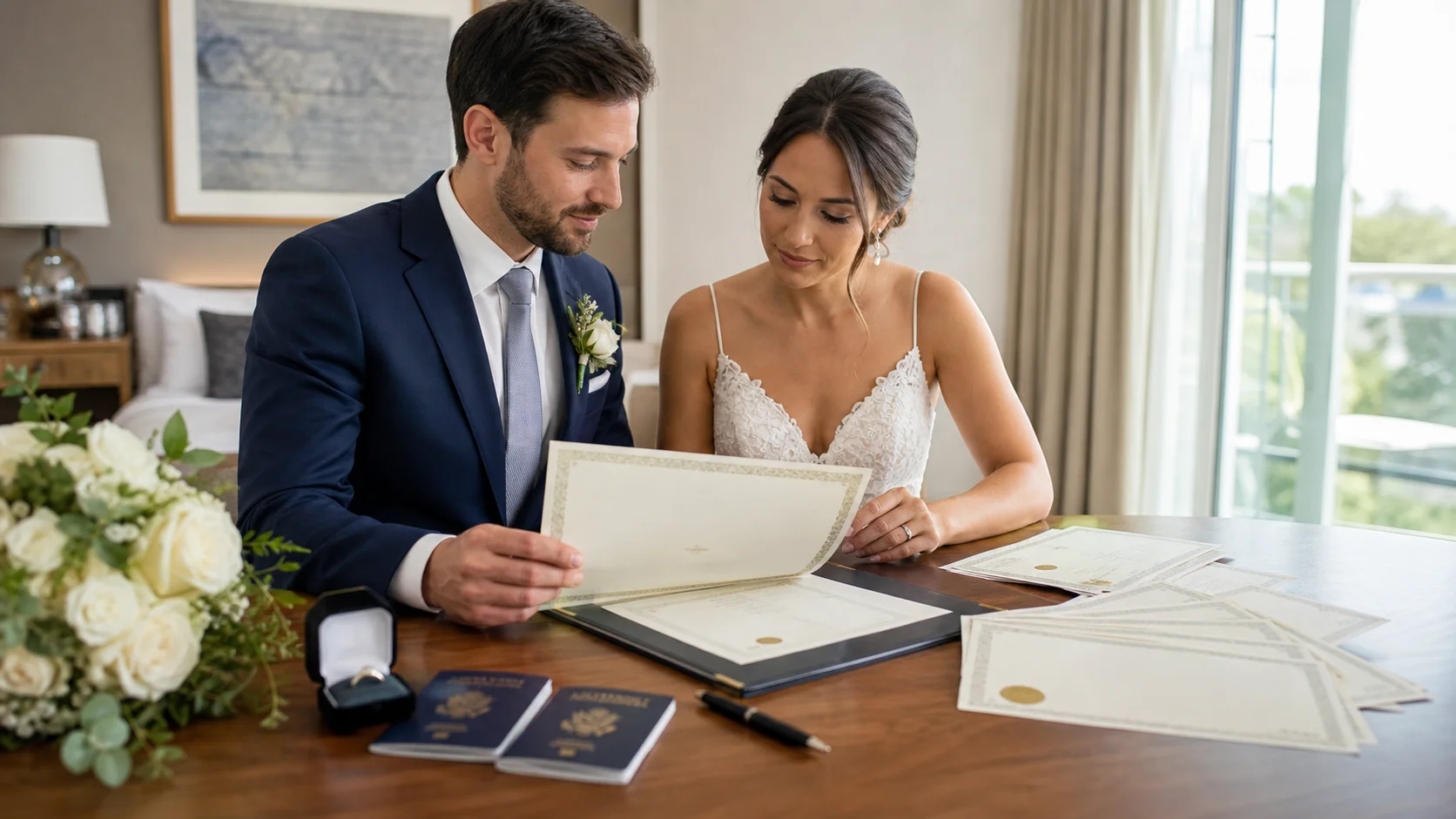
Marriage Certificate Checklist: Why One Document Keeps Returning After the Wedding
A marriage certificate often feels like the final paper of the wedding, but it keeps returning in ordinary life. This article looks at certified copies, scans, translations, apostilles, name changes, travel, banking, insurance, and the quiet imprint one document leaves after the celebration.

Bachelor Party – A Day Between Everyday Life and Wedding
A bachelor party is not a loud statement, but a quiet transition. People come together who have accompanied them on their journey so far. For a limited period, nothing is on the agenda except shared time. Planning provides stability, openness creates space. Whether for men or women: What's crucial is that the occasion suits the person. Then something unique emerges. Understated. Enduring.

The Groom’s Suit Guide: Planning, Fittings, Trends & Timeline
A wedding suit does not come from a single decision, but from alignment over time. Cut, fabric, and fit develop in relation to occasion, movement, and personality. When these elements settle into place, the suit supports the day quietly and allows the groom to remain fully present.
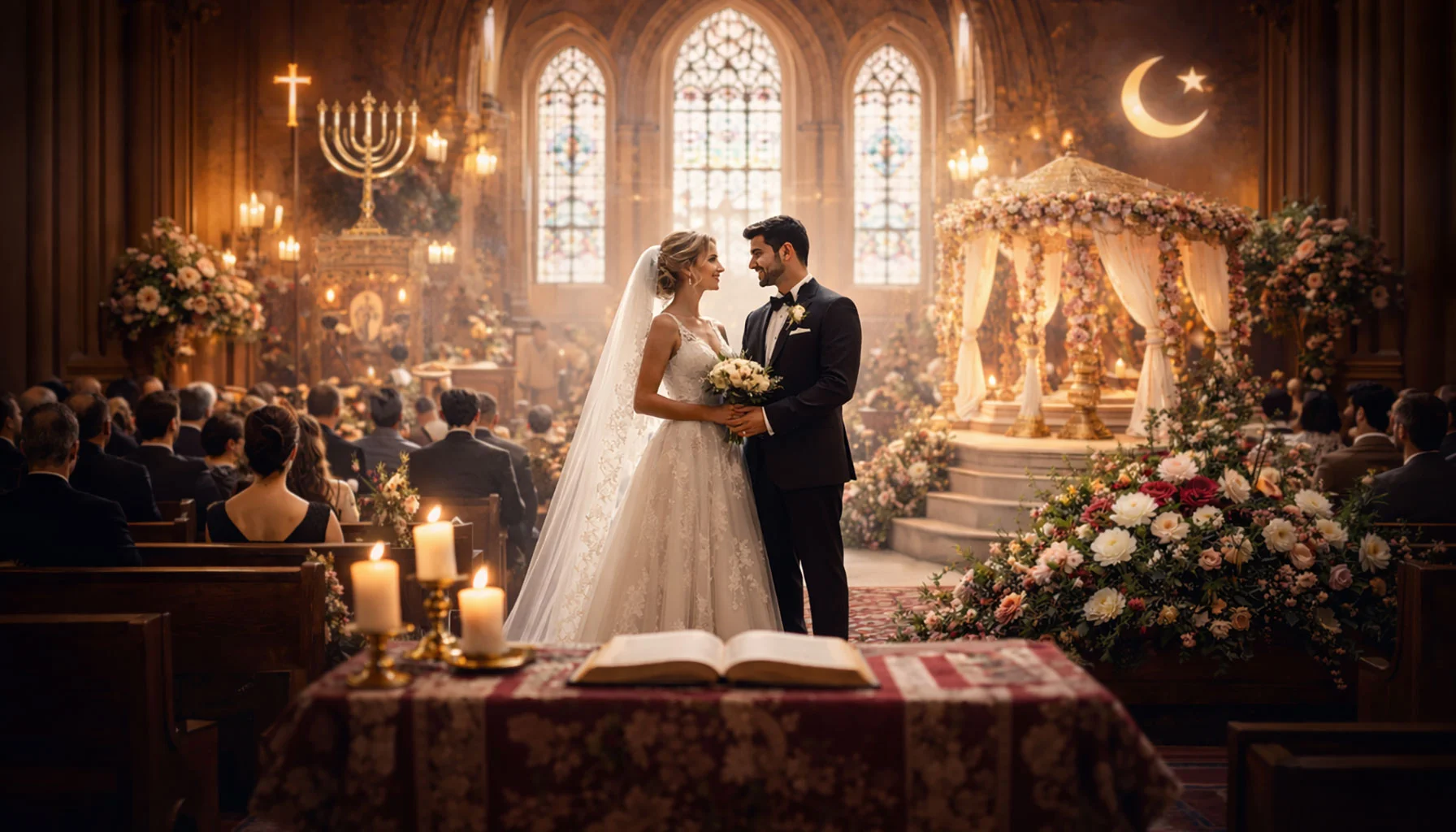
Religious Wedding Ceremonies: A Practical Overview
Religious wedding ceremonies are rarely designed around individual expression. They are shaped by inherited forms, religious authority, and symbolic acts that carry meaning through repetition. This article offers a practical overview of religious wedding ceremonies across countries and traditions while placing them within the wider logic of wedding rituals.
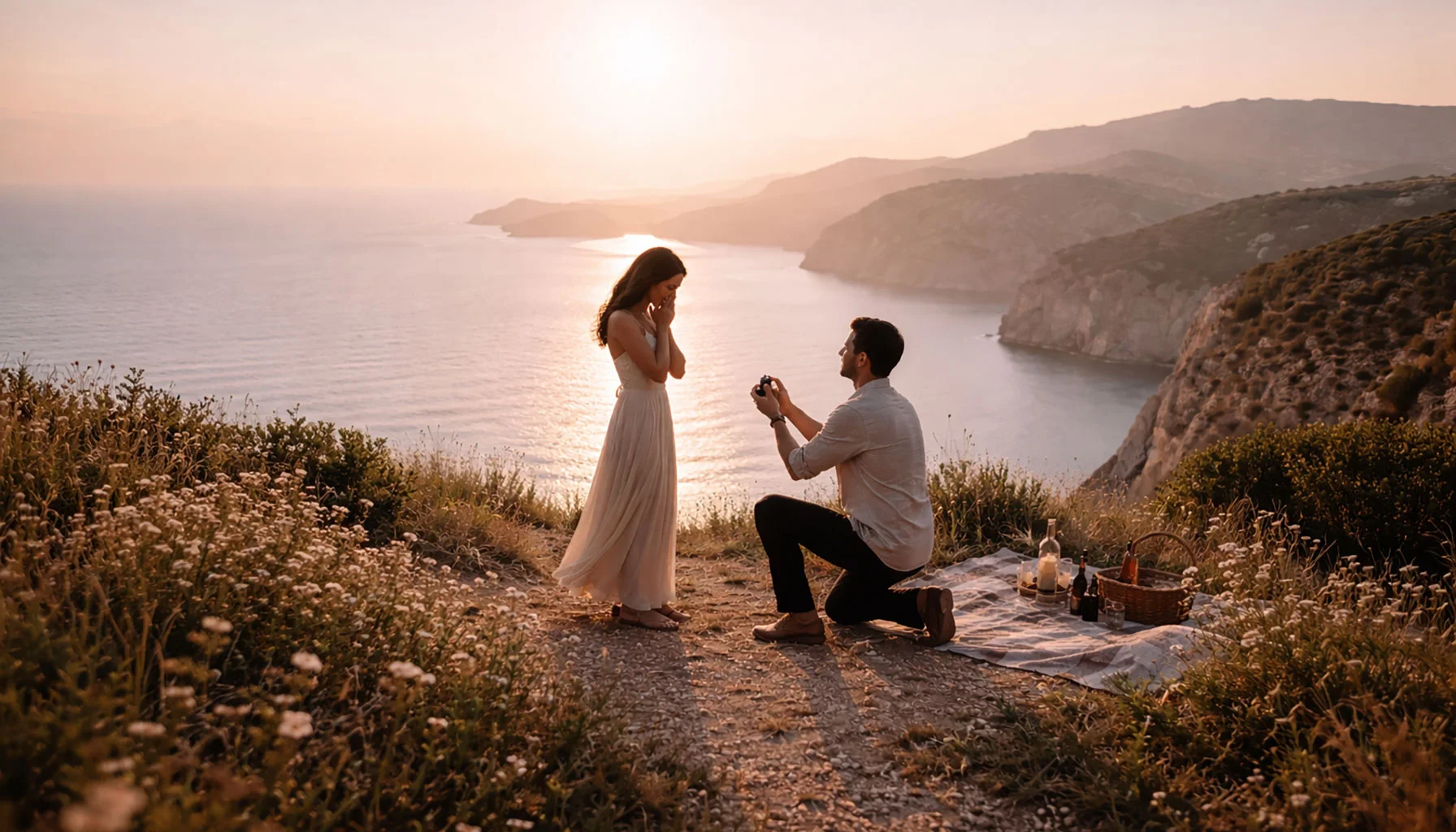
The Marriage Proposal: A Moment between Decision and Trust
A marriage proposal is rarely only a surprise. More often, it gathers what has already grown in conversations, decisions, and quiet alignment. This article looks at the proposal as a visible threshold between decision and trust, while keeping close to lived experience, ring choice, gesture, timing, and the open reality of what may follow.
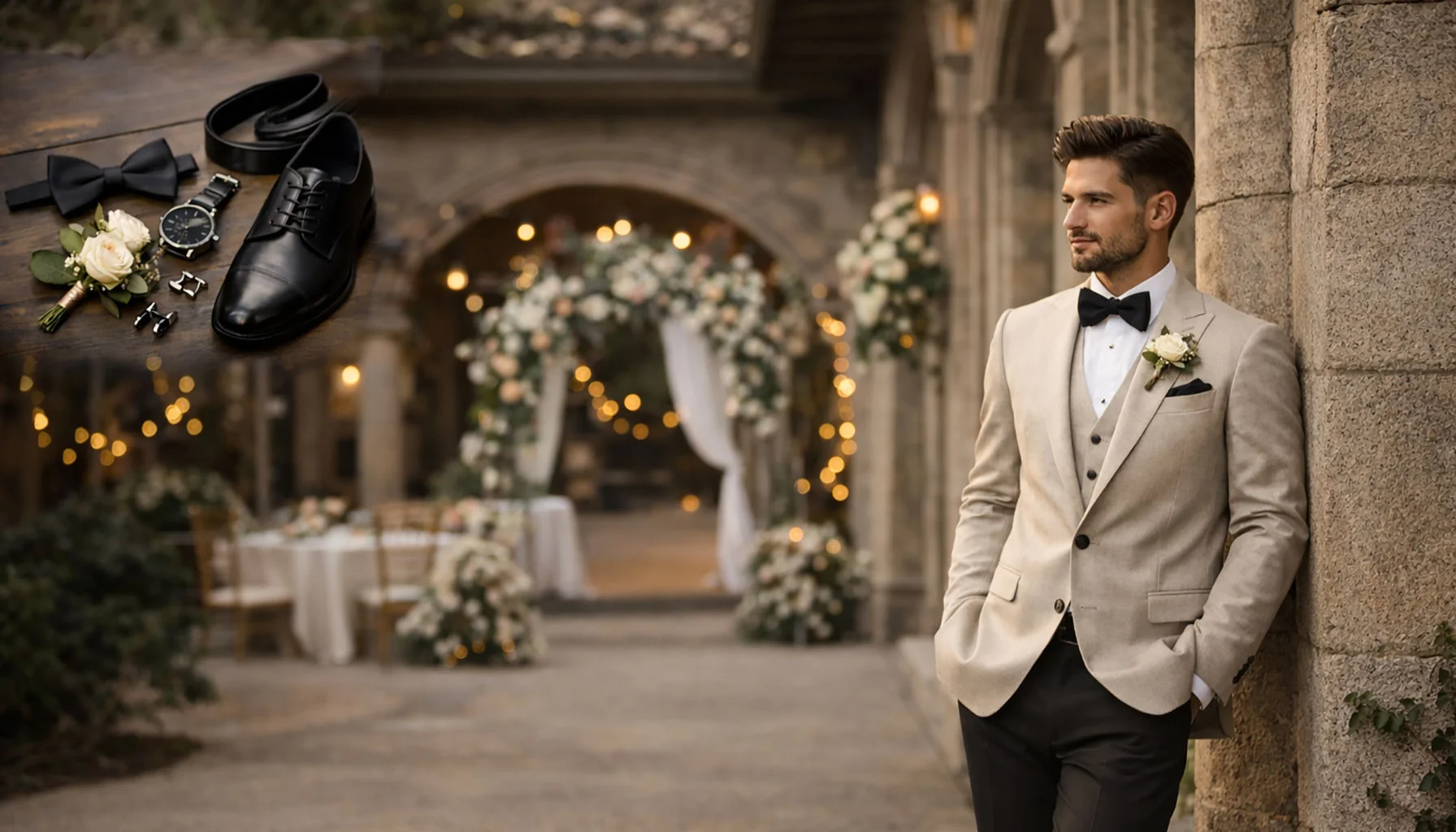
The Art of Groom’s Style – Timeless Elegance, Modern Trends & Personal Expression for an Unforgettable Wedding Day
Groom’s style has become a stable part of modern wedding design. It no longer follows a fixed formula, yet it also avoids constant reinvention. This article looks at groom style as a form of visual presence shaped by fit, material, context, and the ritual structure of the wedding day.