
Light and Time at Weddings: How Daylight Subtly Shifts Flow and Perception
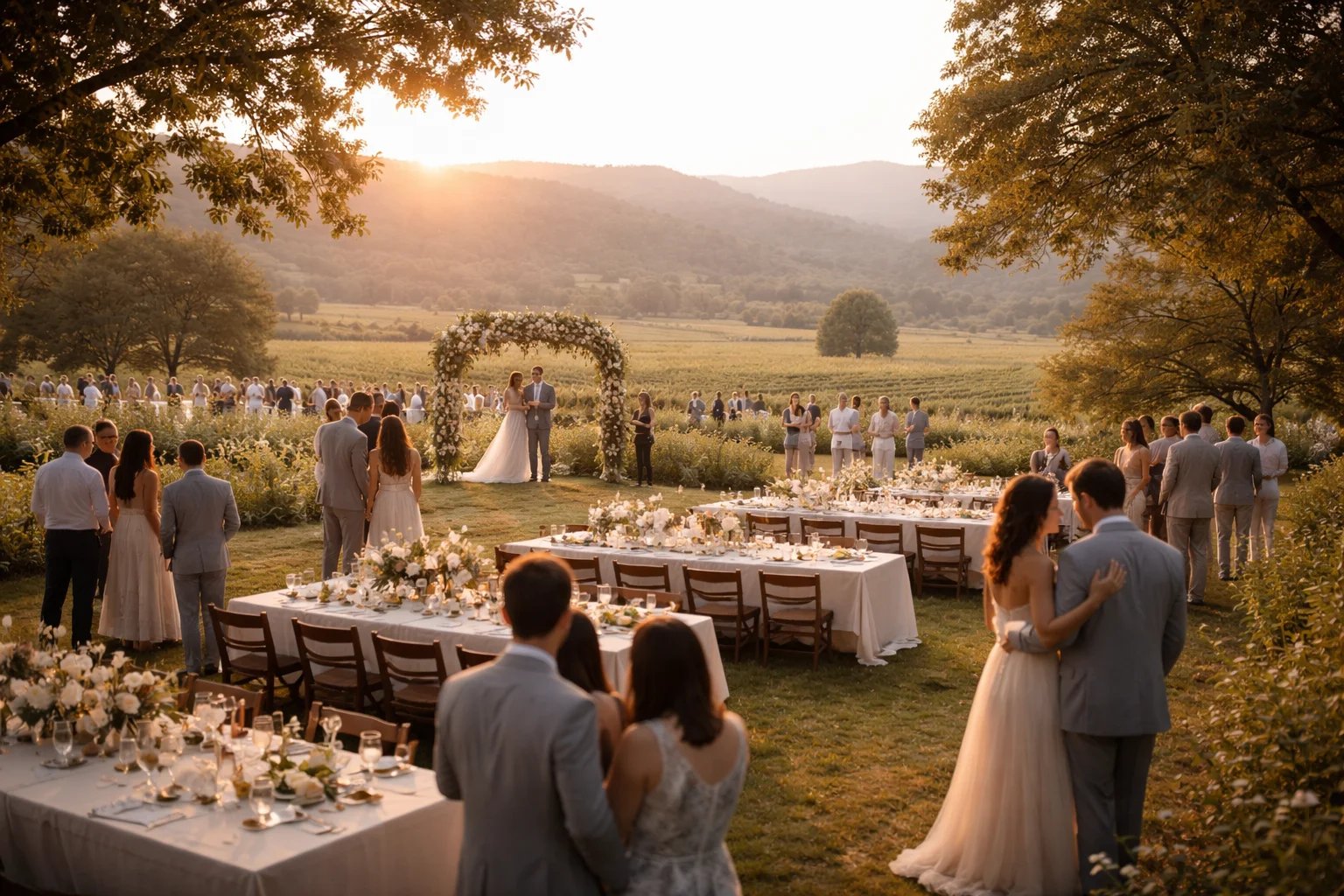
Wedding timelines are usually written as if time alone moves the day forward. In practice, light often does just as much. Guests react to brightness, shade, warmth, and the visible length of the afternoon long before they react to the printed schedule. A drinks reception stretches because the evening still feels open. Portraits tighten because the light is already dropping. Dinner starts on time, yet the room experiences it slightly differently than planned.
This is especially noticeable in warmer-season weddings, where daylight remains present for so long that it quietly competes with the intended rhythm of the event. Nothing collapses because of it. The structure still holds. But the day is rarely lived exactly as written. Small delays, soft compressions, and subtle reweighting happen all the time, often without anyone formally naming them.
Definition
Light and time at weddings describes the way natural daylight conditions shape not only appearance, but also pacing, movement, attention, and the lived sequence of the day. It includes brightness, shadow, heat, evening length, and the subtle adjustments these factors produce across ceremony, reception, dinner, and dancing.
Midday Light Can Make Everything Feel More Compressed
At midday, especially in outdoor summer settings, the light tends to flatten contrast rather than dramatize it. Faces, fabrics, tables, and surrounding landscape can appear evenly exposed, almost compressed into the same visual plane. People respond to this more instinctively than consciously. They move toward shade, cluster near trees or architecture, and avoid standing in open brightness for longer than necessary. A planner once remarked that midday does not slow a wedding down on paper, but it does change where the day wants to happen.
Long Evenings Delay The Feeling Of Transition
One of the clearest patterns in summer weddings is that late daylight keeps guests outside longer than the timeline expects. They do not feel urgency to move indoors while the air is still warm and the sky still active. Reception openings shift by a few minutes, sometimes more. Dinner begins, but the emotional peak of the evening arrives later because darkness has not yet drawn a visible line between one phase and the next. The result is often pleasant, but it changes the flow all the same.
Summer Wedding – CategorySummer weddings are filled with light, warmth, and a joyful sense of celebration. Long days, natural surroundings, and vibrant colors create the perfect setting for a relaxed and lively wedding atmosphere. With thoughtful planning around weather, timing, and guest comfort, summer weddings can feel effortless, romantic, and full of unforgettable moments.
Golden Hour Rarely Arrives At A Convenient Moment
Soft evening light is often treated as a visual gift, but it also creates small social asymmetries. It tends to arrive while dinner is underway, speeches are approaching, or guests have only just settled properly into the table. Some couples step away for portraits, others stay put and let the moment pass. Chairs empty and refill. Conversations pause and resume. None of this is disruptive in a major way, yet it slightly breaks the evenness of the meal. Photographers know this tension well: the most flattering light of the day often appears exactly when the schedule is least willing to release people into it.
Heat And Brightness Change Guest Behavior Before Anyone Says So
Warm air affects weddings less through drama than through posture, pace, and attention span. Outdoor ceremonies grow quieter because guests move less. Drinks are finished faster. Standing conversations shorten, then continue elsewhere. Even photographs can take on a softer, slightly diffused quality when heat shifts the air. A photographer who works frequent outdoor celebrations once described it as the atmosphere editing the edges for you. That softness may look beautiful later, but it also reflects a real slowing in how the day was physically inhabited.
Daylight Leaves Memory In Fragments Rather Than Whole Scenes
The deeper link to imprints lies in perception. Guests rarely remember a wedding day as one seamless visual narrative. They remember fragments shaped by light: a ceremony under hard noon brightness, a shoulder catching the last warm sun, glasses glowing during late drinks, the room changing almost imperceptibly once evening finally settles. These are not full summaries of the day. They are visual traces, and daylight is often what makes them distinct. It decides which moments stay flat, which glow, and which leave behind the clearest imprint.
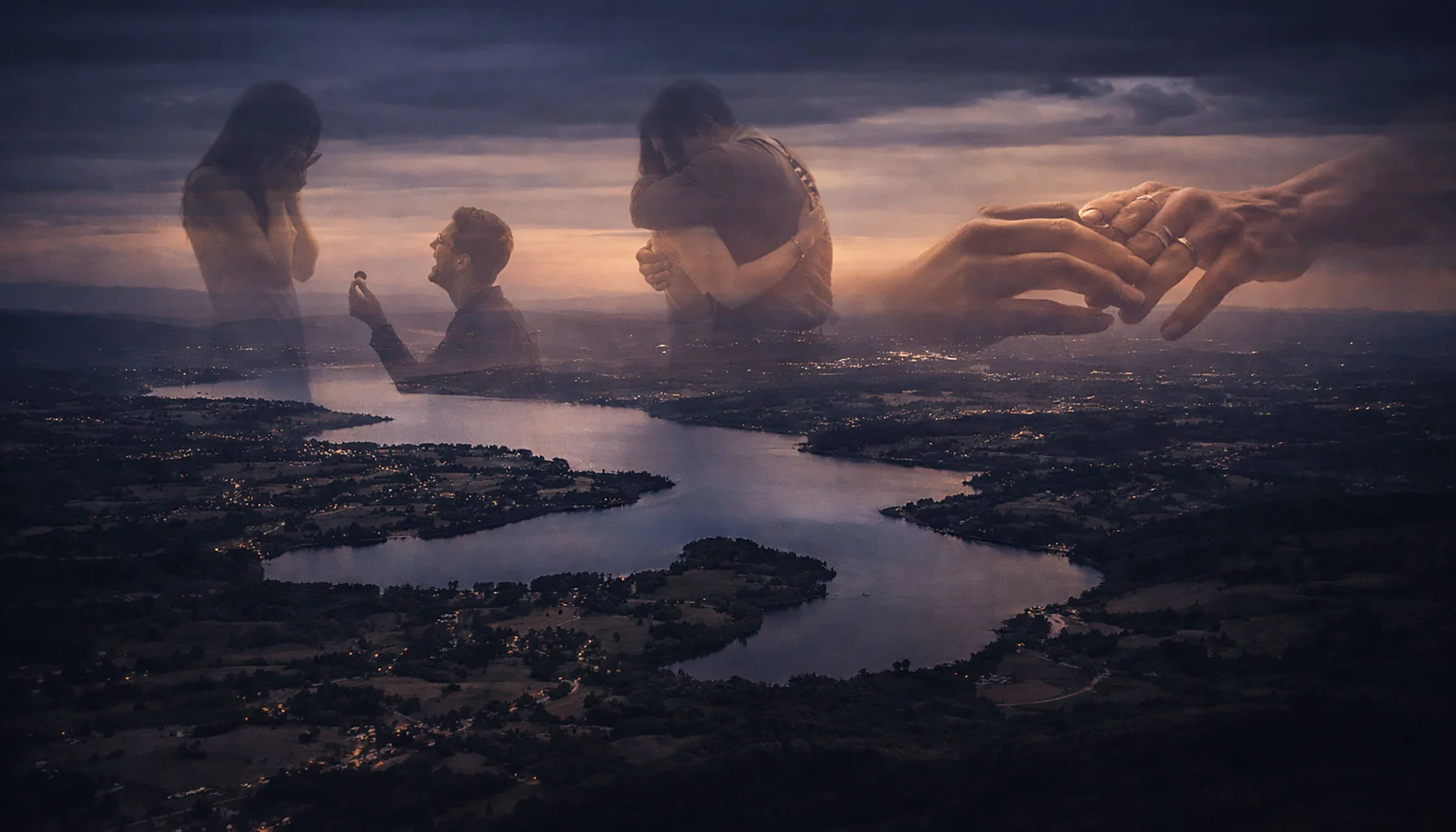
Some moments do not pass. They settle. Imprints are the emotional traces left by rituals, decisions, and answers that continue shaping relationships long after the moment is gone.
Conclusion
Daylight does not usually rewrite a wedding schedule in obvious ways. It adjusts the day more quietly than that, by stretching some moments, compressing others, and changing how guests feel the passage from one phase to the next. That is why light belongs not only to visual planning, but to timing itself. It shapes flow, influences behavior, and leaves behind many of the impressions people later mistake for memory alone.
Related Articles
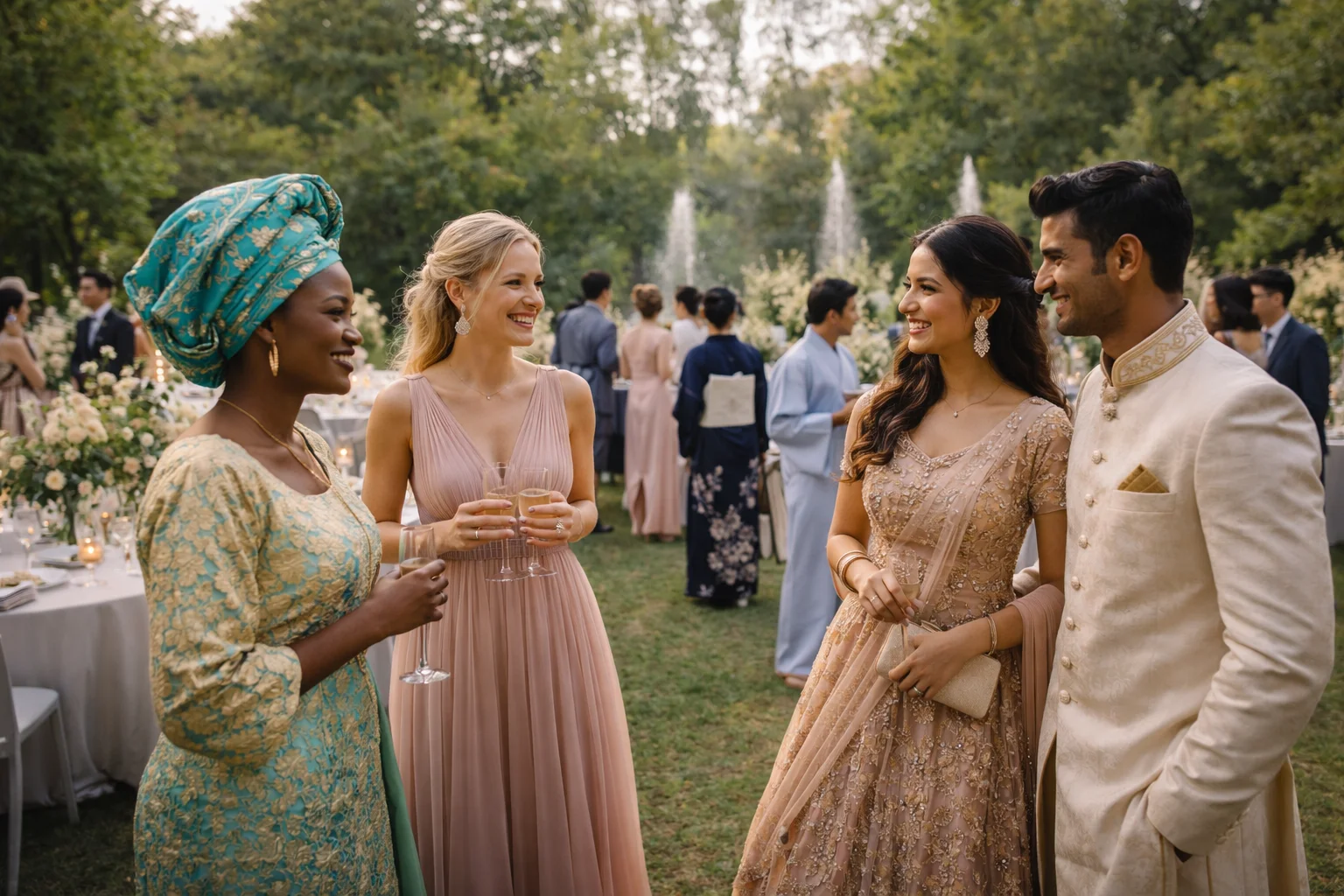
Dress Expectations at International Weddings: What Guests May Read Differently
Dress codes at international weddings are rarely just about clothing. Guests interpret formality, respect, family signals, and cultural meaning differently. This article looks at how attire is understood across contexts and why what seems obvious to one guest can feel unclear to another.
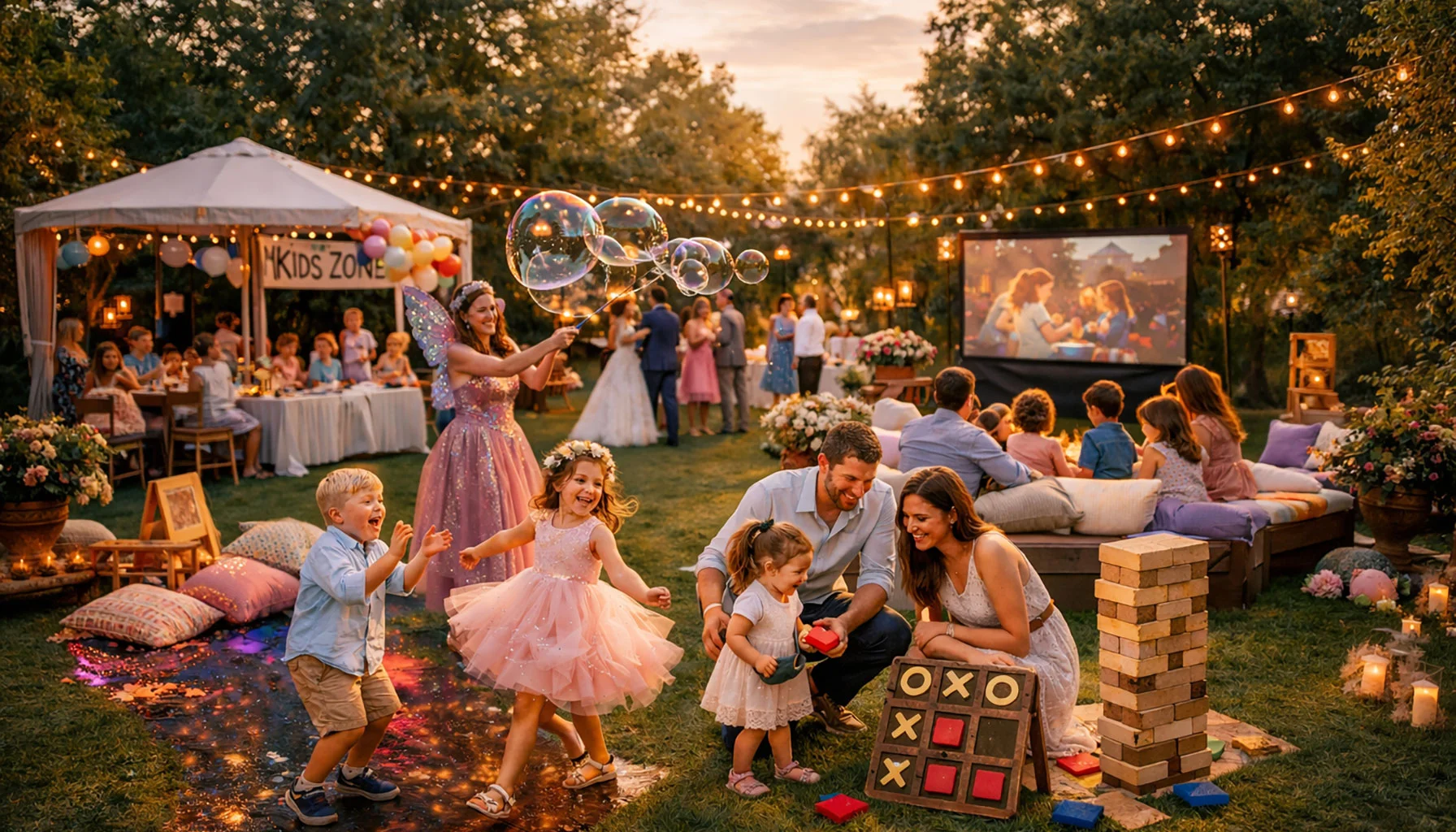
Creating Magical Moments for All Ages: Children and Family Entertainment at Modern Weddings
At weddings with children, the question is rarely whether entertainment exists. It emerges on its own the moment formal structure loosens. This article looks at family entertainment not as a side program, but as a quiet system of options that helps the day remain steady, generous, and memorable for guests of different ages.
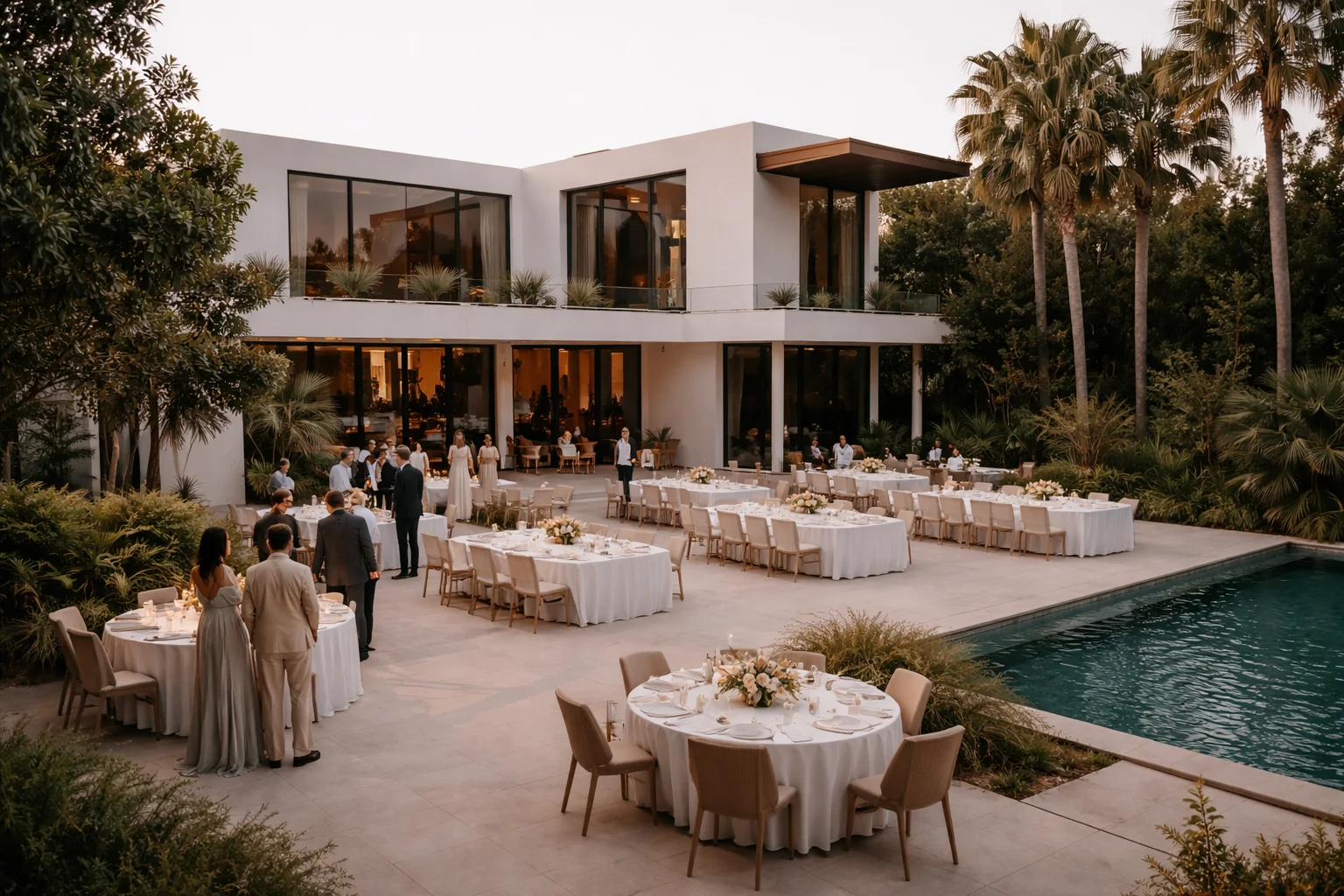
Venues & Concepts in Weddings
Wedding venues and wedding concepts are often treated as separate decisions. In practice, they rarely stay separate for long. The place changes the idea, the idea changes the place, and somewhere between the two an atmosphere begins to form that guests later remember more clearly than the plan itself.
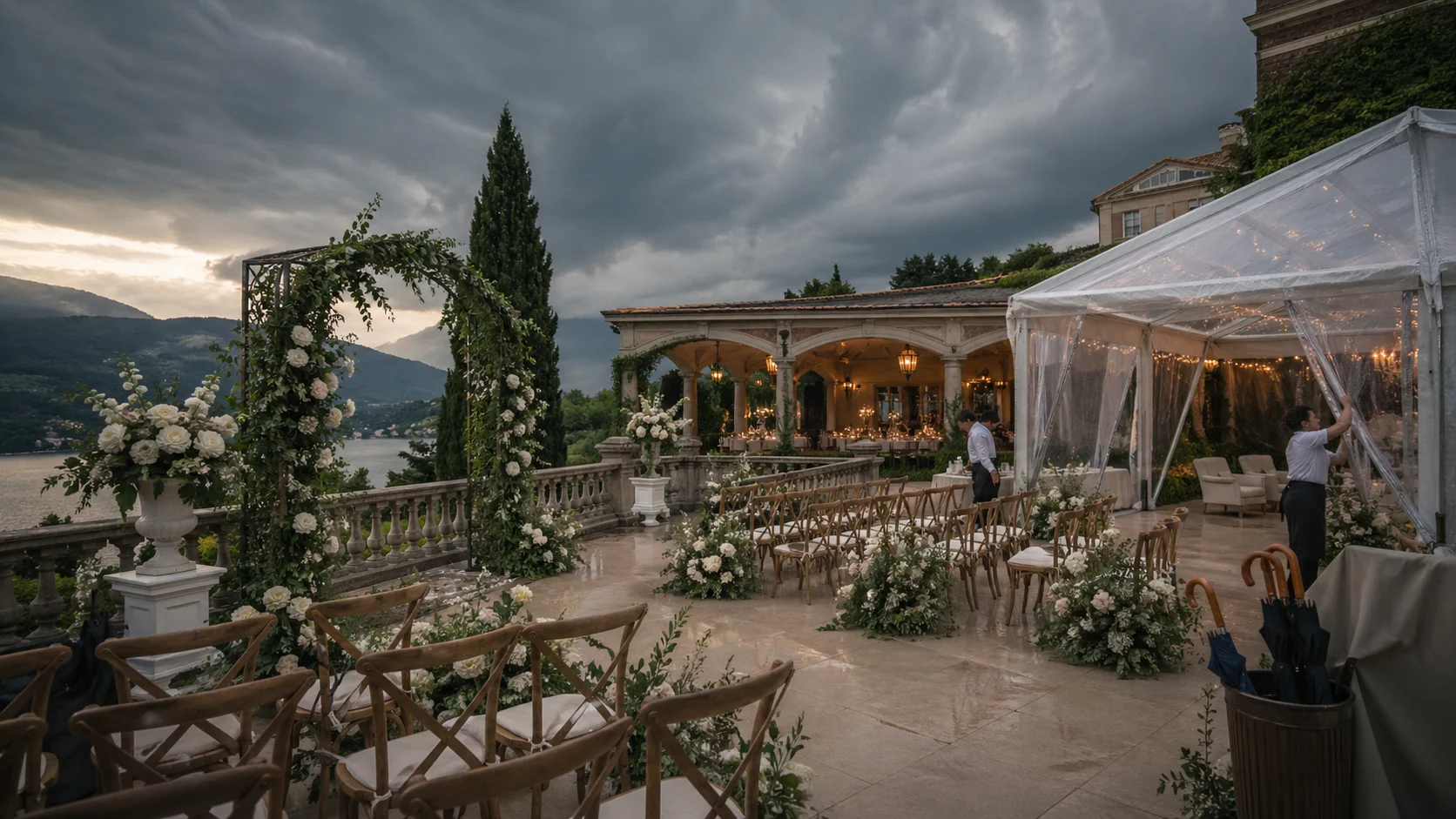
Rain Plan Checklist: What Needs Deciding Before Weather Becomes the Mood
A wedding rain plan is rarely just a backup for logistics. It also shapes whether weather stays manageable or quietly takes over the emotional tone of the day. This article looks at what needs to be decided early, so rain changes the setting without deciding the atmosphere.
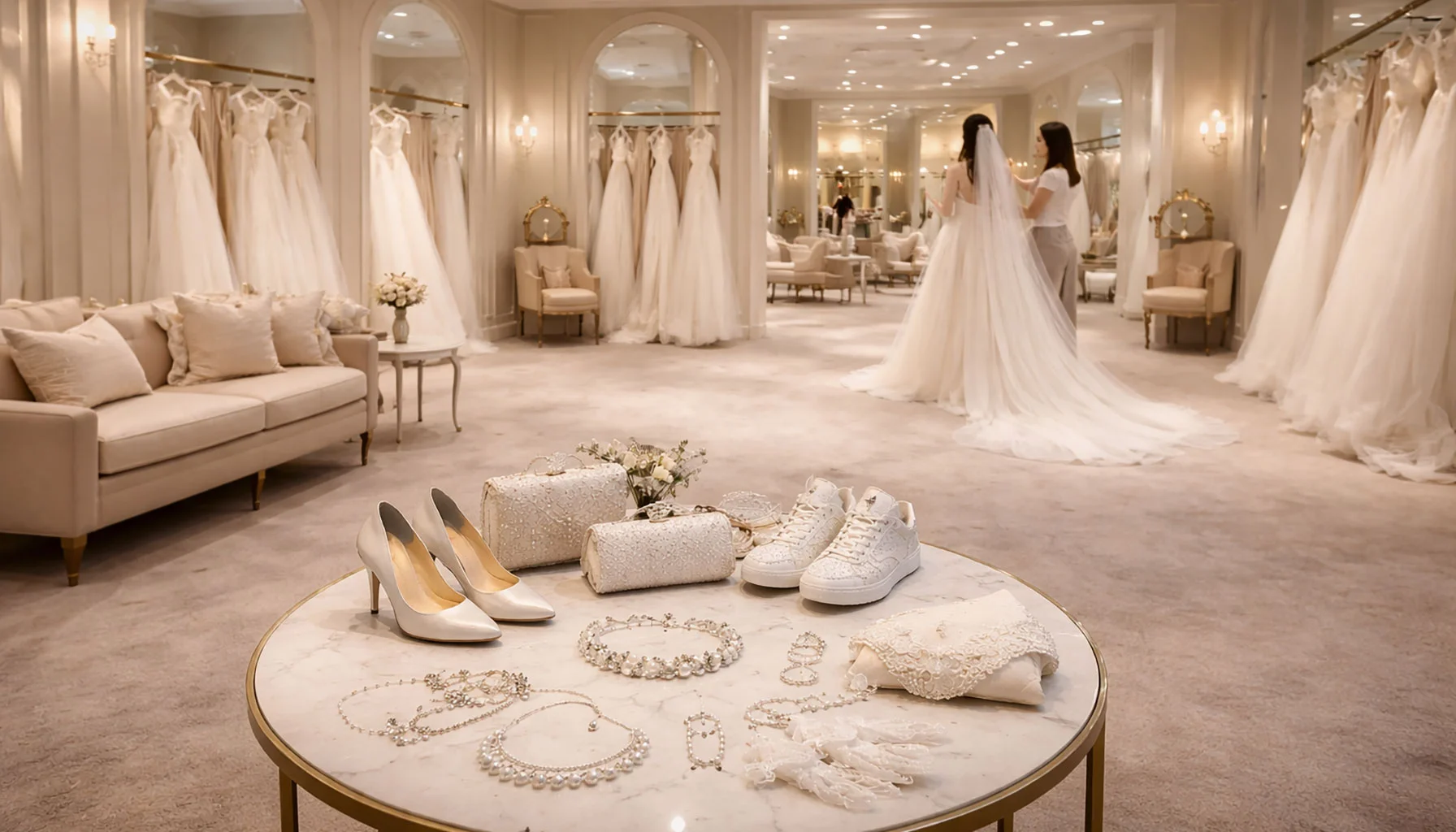
Bridal Accessories in Interplay – A Silent Addition
Accessories for the bride mostly remain in the background. They don't impose themselves and are rarely noticed first. In bridal shops, however, it repeatedly becomes apparent that precisely these pieces structure and round off the overall look. Veils, shoes, jewelry or small accessories do not change the dress, but rather the bride's effect. Observations from practice show how subtle decisions are made and why accessories are often chosen only late – and then stay.
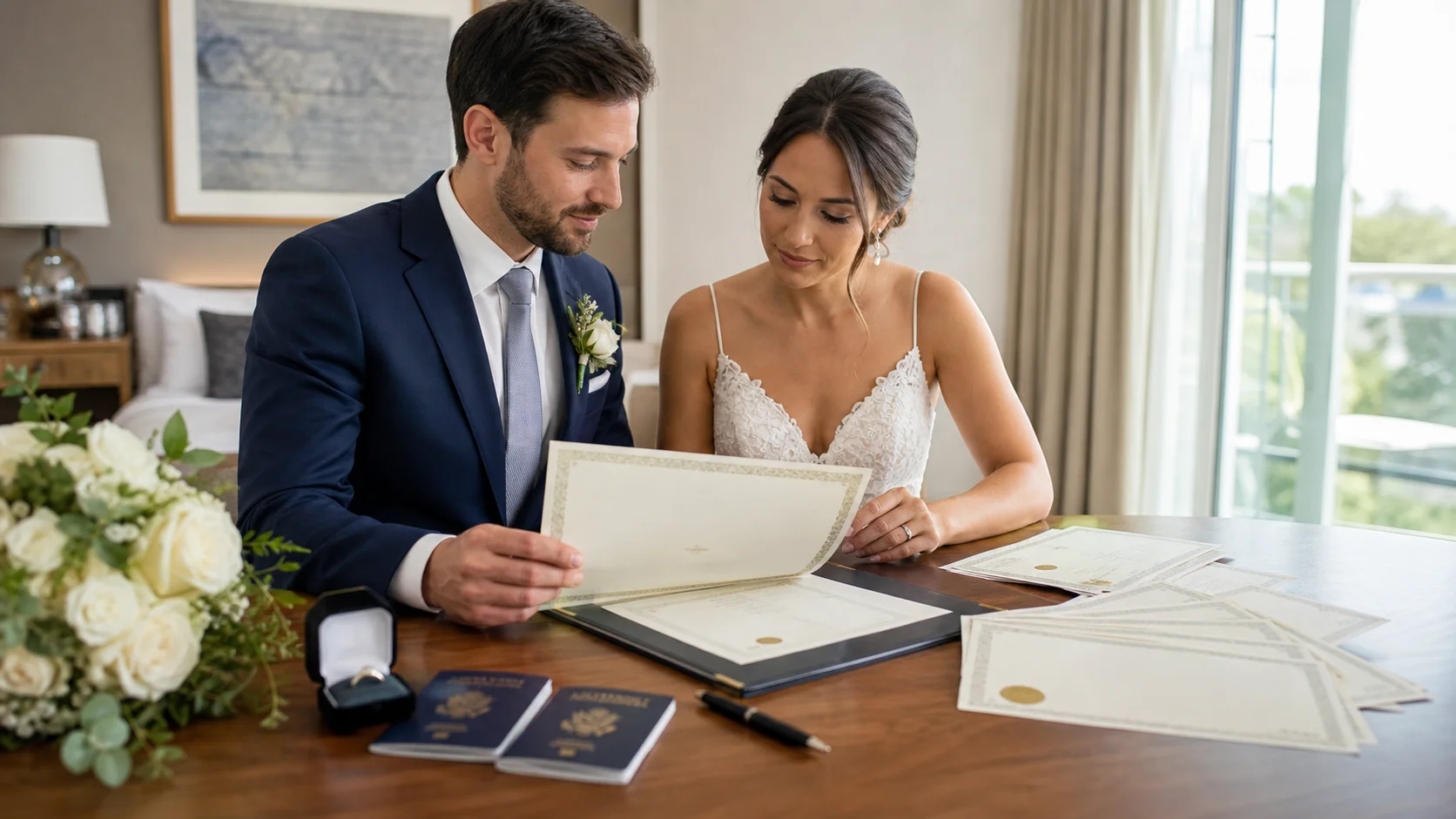
Marriage Certificate Checklist: Why One Document Keeps Returning After the Wedding
A marriage certificate often feels like the final paper of the wedding, but it keeps returning in ordinary life. This article looks at certified copies, scans, translations, apostilles, name changes, travel, banking, insurance, and the quiet imprint one document leaves after the celebration.
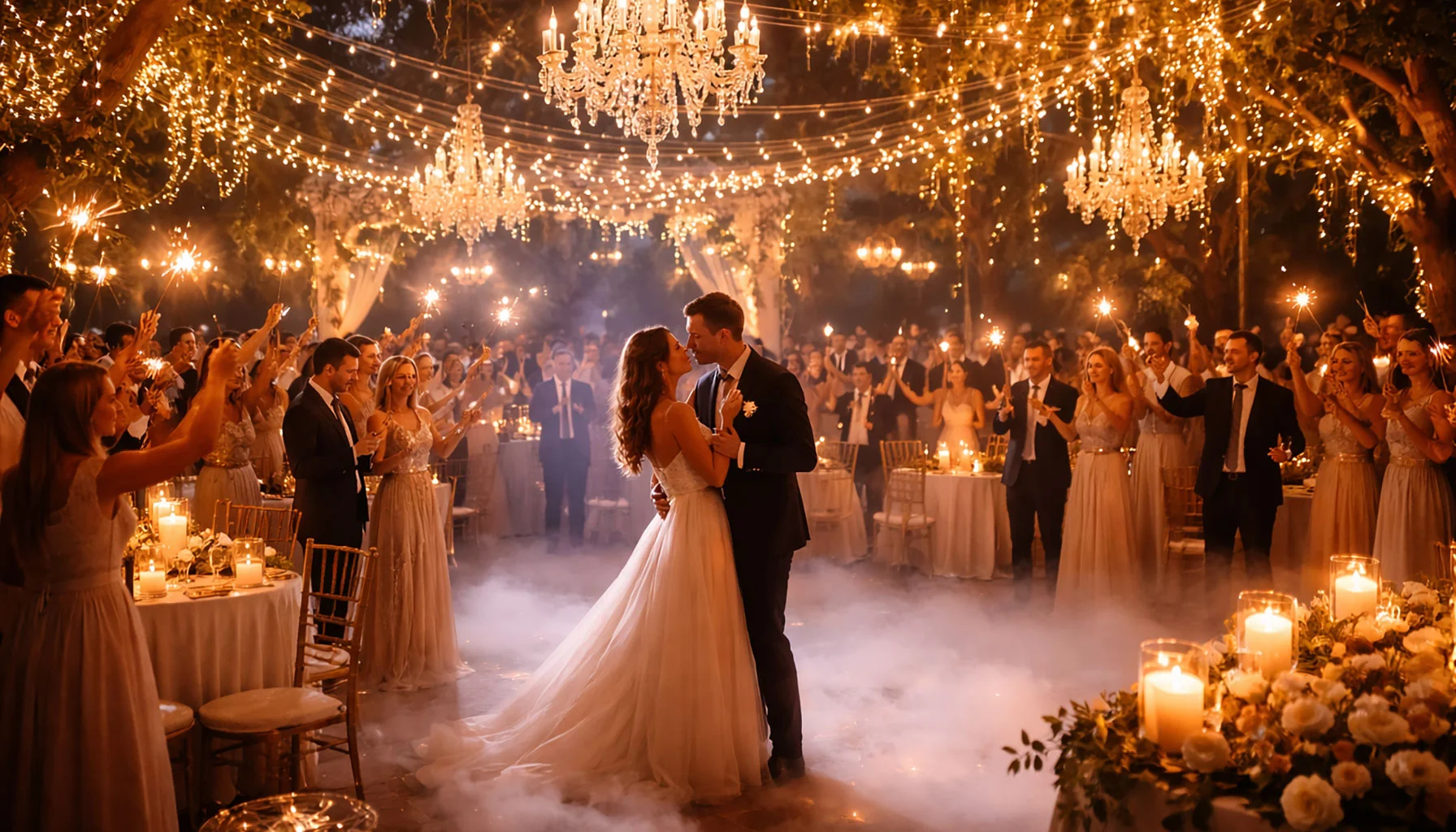
Wedding Lighting: Creating Atmosphere That Lasts
Wedding lighting is rarely remembered as equipment. What remains is how a room felt when people entered it, how the evening softened, and how different parts of the celebration seemed to belong together without visible effort. This article looks at wedding lighting as a quiet structure that shapes atmosphere and leaves a lasting imprint.
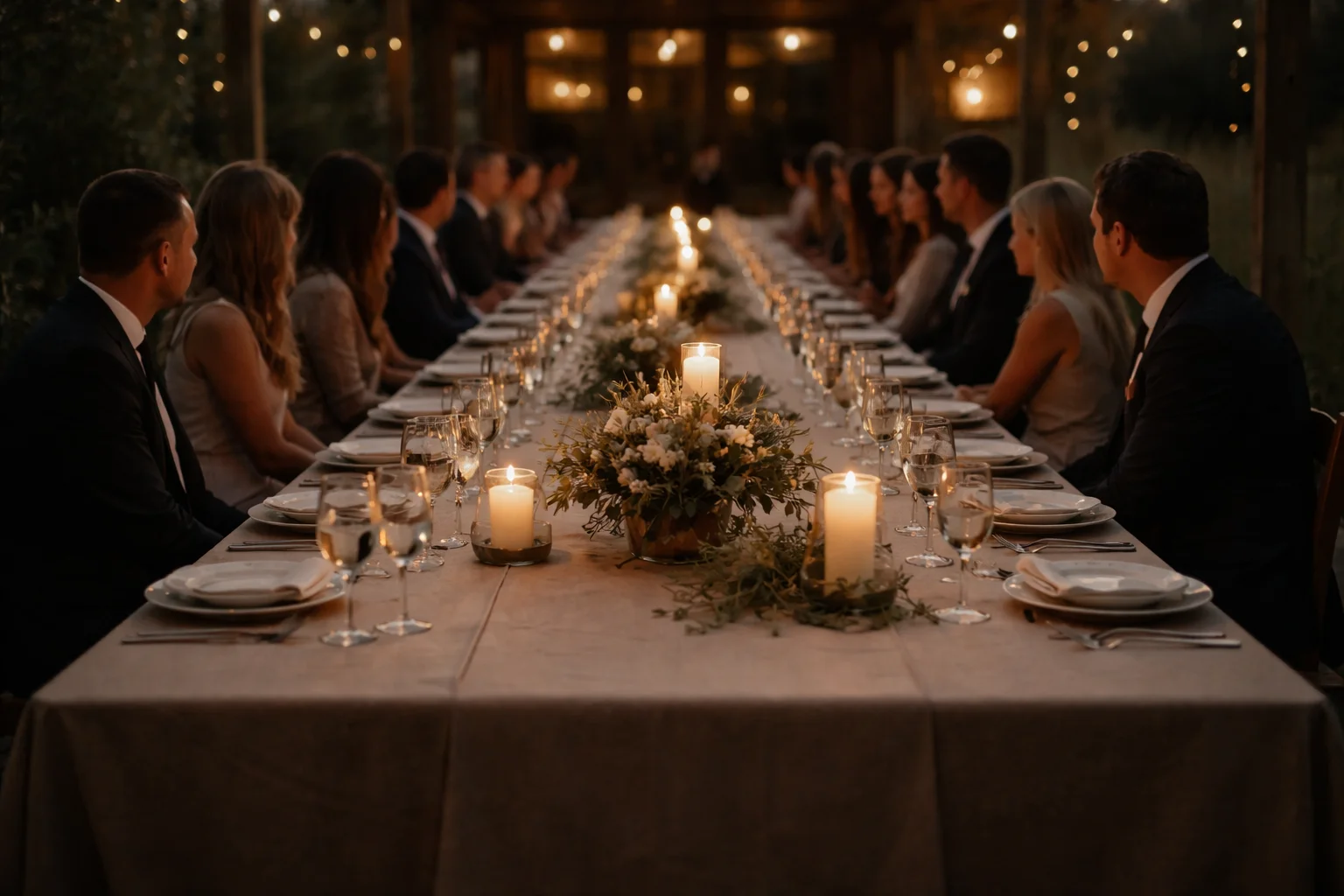
Candlelight at Wedding Tables: Local Light Zones
Candlelight at wedding tables rarely behaves as one smooth glow. It gathers in small zones, shifts across faces and objects, and leaves behind a more fragmentary, memorable atmosphere than even lighting ever could.
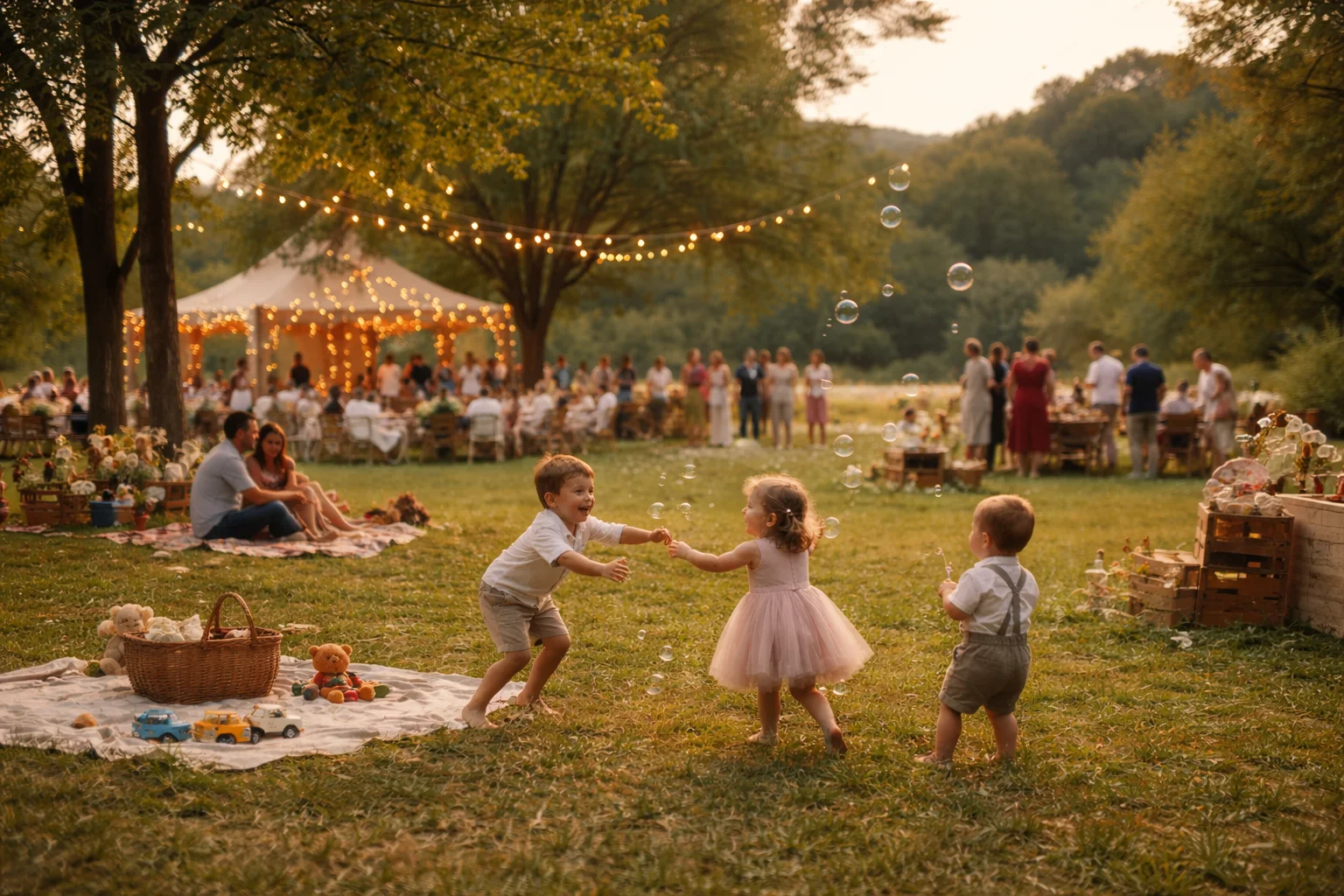
Outdoor Weddings With Children: Freedom, Boundaries, and Attention
Outdoor weddings often feel easier with children because there is more room to move, but that same openness changes how boundaries work and how attention is held. This article looks at how freedom, supervision, fatigue, and small shifting moments shape child-friendly outdoor celebrations.
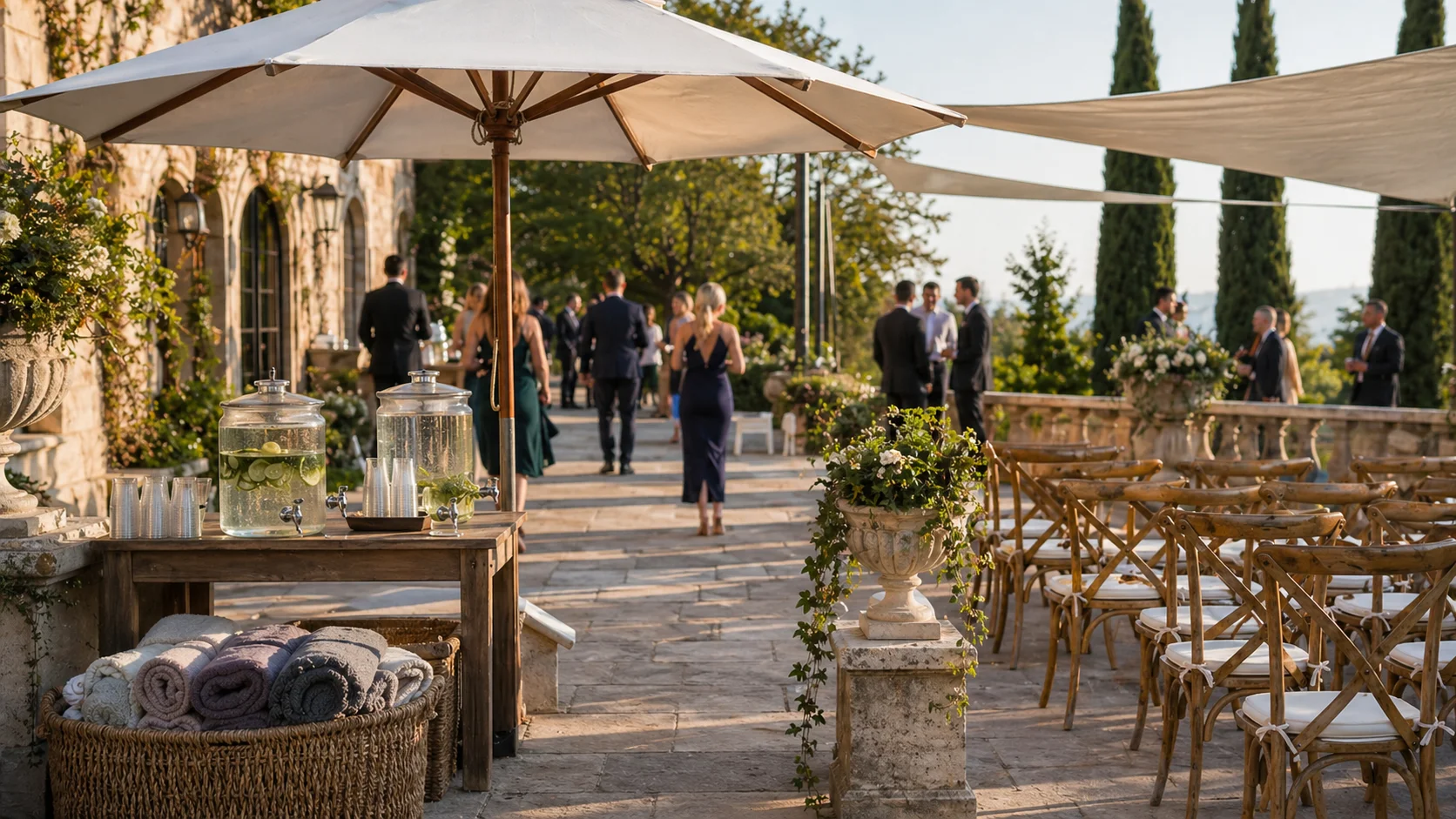
Backup Checklist for Outdoor Weddings: Shade, Wind, Cold, and the Things People Forget
Outdoor wedding backup plans are not only about rain. This article looks at shade, wind, cold, ground conditions, paths, loose details, guest comfort, and the small weather traces that shape how an outdoor celebration is remembered.
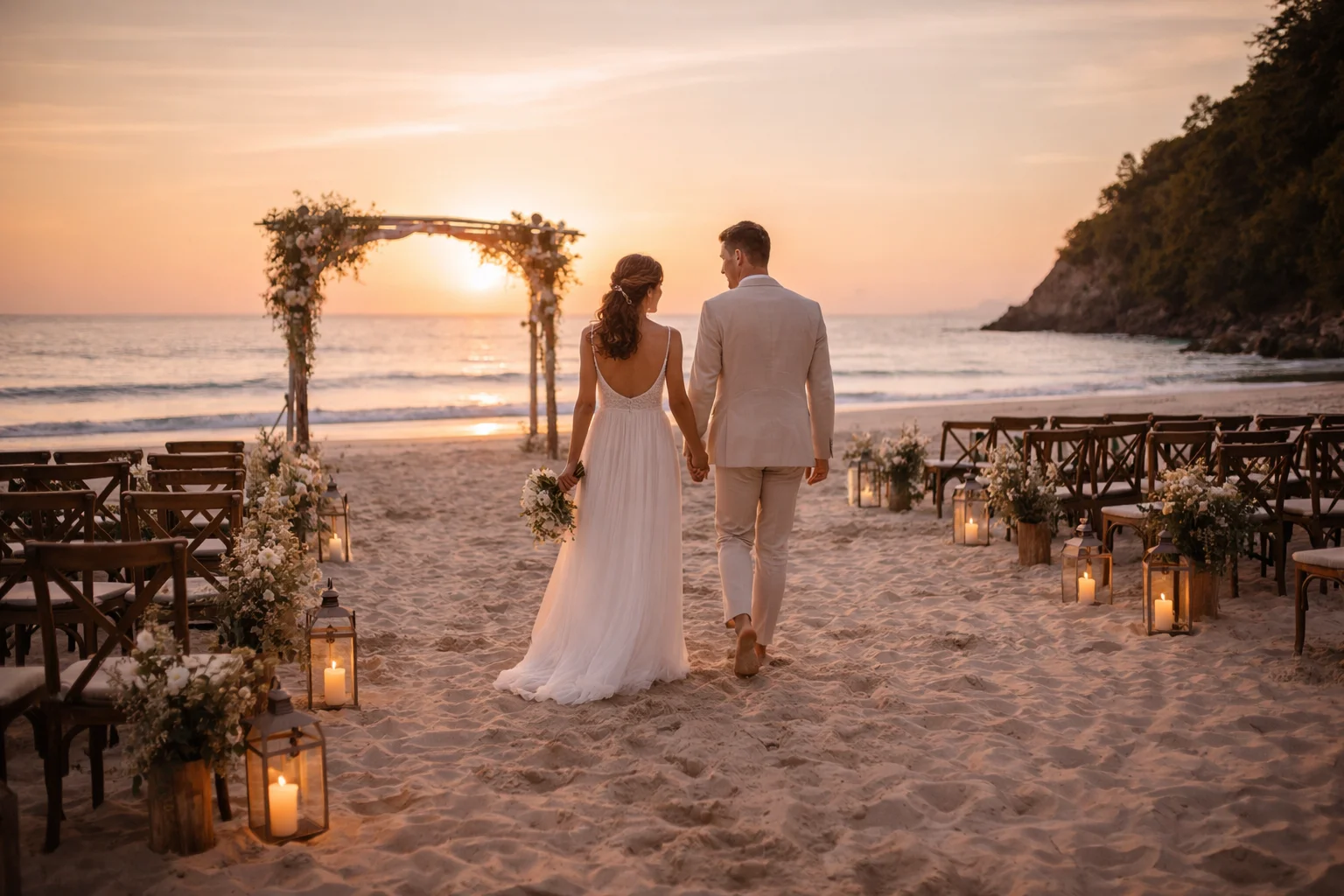
Where Summer Weddings Leave Space for What Is Not Said
Summer weddings are often described through what is visible. Long evenings, warm air, open spaces, movement that feels almost continuous. Guests arrive without coats, conversations stretch, the day seems to expand beyond its schedule. It is a season that suggests ease.
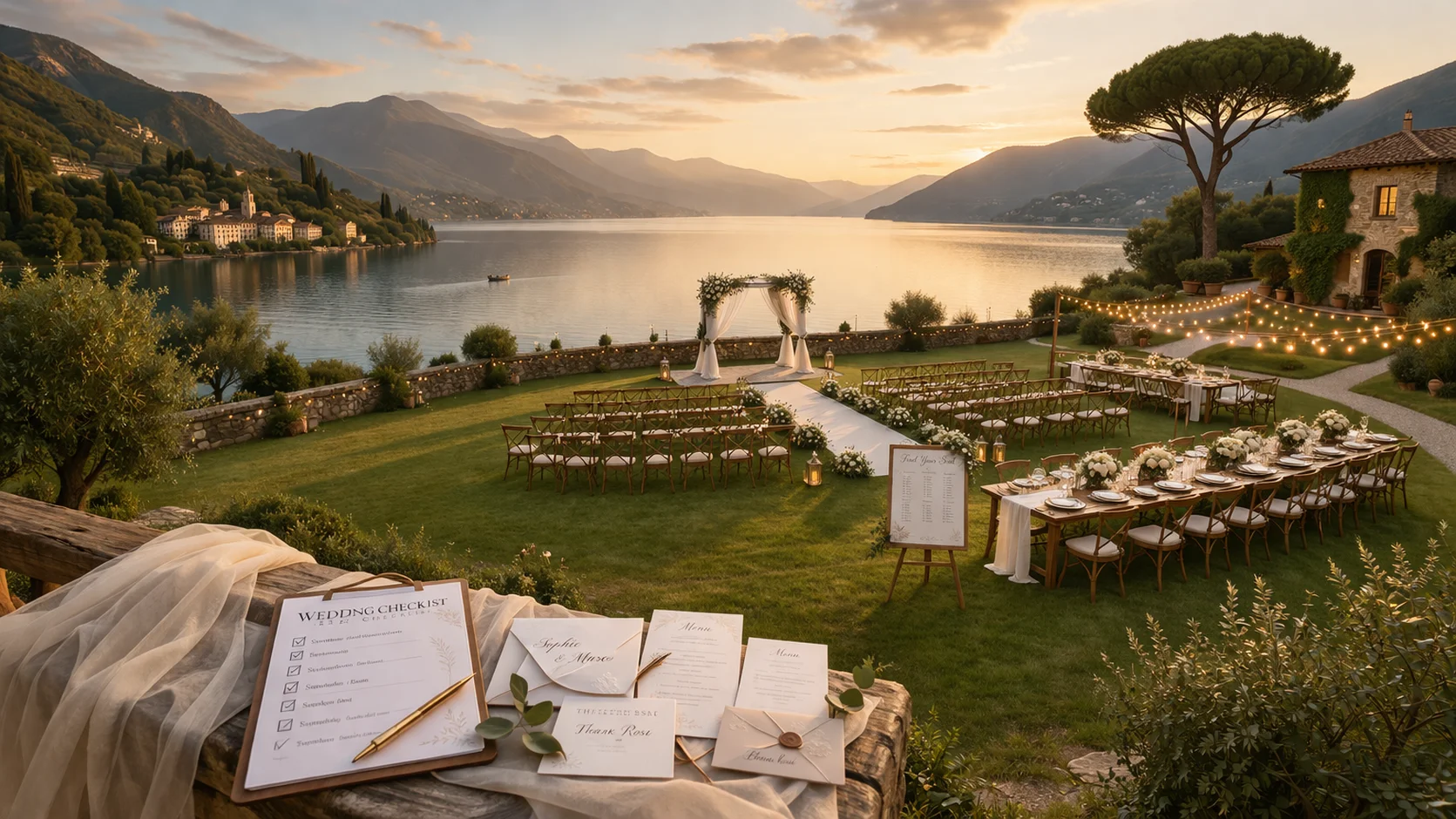
The Wedding Checklist That Grounds You: Turning Planning Into Something Meaningful
A wedding checklist isn’t just about tasks—it’s about clarity, intention, and trust. Here’s how to approach it in a way that feels calm, structured, and truly yours.