
Winter Weddings: Beautiful Locations, Planning Tips and Ideas
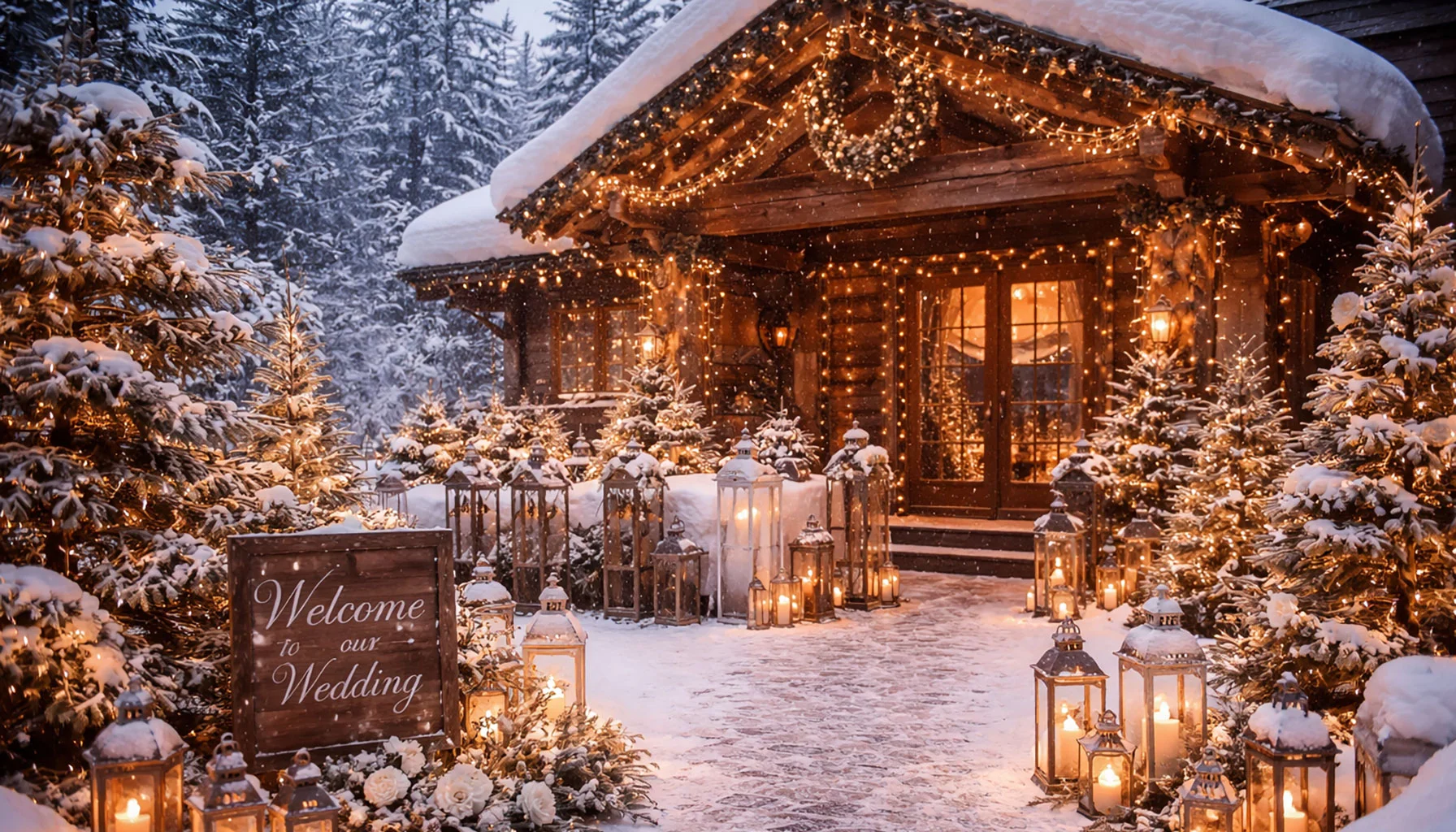
Winter weddings tend to unfold differently. The pace is slower. Rooms feel more contained. Light matters more. When celebrations take place during the colder months, attention shifts indoors almost on its own. Guests arrive earlier, stay closer together, and spend more time in conversation. The atmosphere often feels focused and deliberate, shaped as much by the season as by planning itself.
This is why the subject belongs naturally to both winter weddings and imprints. On Loving Rocks, winter weddings are described through light, warmth, closeness, and compressed transitions, while imprints are the emotional traces that remain active after a meaningful moment has passed. A winter celebration often leaves exactly that kind of trace. Guests may not remember every practical choice, but they remember how the warmth felt after the cold, how the room gathered, and how the day seemed to narrow into something more concentrated.
Winter WeddingWinter weddings offer a magical atmosphere filled with elegance, warmth, and seasonal charm. Soft lighting, rich textures, and cozy details create an intimate setting that feels romantic and timeless. With thoughtful planning around weather, décor, and comfort, a winter celebration can be both stylish and unforgettable.
Some moments do not pass. They settle. Imprints are the emotional traces left by rituals, decisions, and answers that continue shaping relationships long after the moment is gone.
Definition
A winter wedding is not only a wedding that happens in the colder months. It is a celebration shaped by early darkness, seasonal materials, contained movement, and the practical and emotional contrast between cold outside and warmth inside. Its character comes less from trend than from the way winter reorganizes attention, timing, and atmosphere.
The Season Changes How Space Feels
Winter creates a stronger boundary between outside and inside than most other seasons. Cold air, early darkness, quieter surroundings, and shorter paths between arrival and shelter make enclosed spaces feel more significant. Indoors, warmth is not decorative. It becomes structural. Candles, fireplaces, lamps, and indirect lighting help guide movement and settle the room, but their deeper effect is that they make people notice comfort more clearly than they would at another time of year.
Some Locations Already Know How to Hold Winter
Venue choice matters more in winter because the season exposes weak spaces quickly. Mountain lodges, chalets, alpine hotels, manor houses, castles, restaurants, inns, wineries, city hotels, and urban spaces with strong heating and clear circulation often work well because they already know how to host people in colder conditions. Thick walls, smaller rooms, defined transitions, nearby accommodation, and reliable shelter do not only solve practical problems. They shape the emotional steadiness of the wedding.
Planning Winter Means Planning Movement and Light
Winter planning becomes more convincing when it pays close attention to movement and timing. Travel routes, parking, accommodation, ceremony timing, photography windows, and the shift from daylight into evening all become more visible in winter. Good planning does not dramatize these limits. It absorbs them. When transitions are smooth, guests rarely experience them as constraints. They simply feel that the day holds together.
Materials, Food, and Clothing Carry the Season Quietly
Winter weddings are often strongest when seasonal decisions are felt more than announced. Wood, wool, linen, cotton, greenery, restrained color palettes, heavier fabrics, layered clothing, warm dishes, soups, shared starters, seasonal desserts, and hot drinks all help guests settle physically into the day. These are practical choices first. But because they are felt directly in the body, they become part of the wedding's atmosphere much faster than visual styling alone ever could.
Why Winter Weddings Leave a Particular Imprint
Winter celebrations often leave strong imprints because the season concentrates experience. Light is shorter, rooms are closer, warmth is more noticeable, and people become more aware of the contrast between exposure and shelter. Many winter wedding memories work in that register. Not only the look of the day, but the sensation of entering somewhere warm, sitting longer, speaking more quietly, and feeling the celebration gather rather than spread. That concentration is one of winter's quiet strengths.
Conclusion
Winter weddings are shaped by season rather than trend. When location, planning, materials, and guest comfort align, the celebration feels contained and intentional in a way that few other seasons create so naturally. The result is often a wedding remembered less as spectacle than as atmosphere: warm in tone, steady in pace, and still quietly active in memory after the day has ended.
Related Articles
Choose the Venue or the Wedding Colors First? A Decision Method
Your venue already has a color palette before you add a single flower. This guide shows when the venue should shape your wedding colors, when the palette should come first, and how to test the decision against lighting, photography, meaning, and real-world constraints.
Wedding Guest Activities That Create Lasting Memories
The wedding activities guests remember most are rarely the loudest. They are the ones that give people something gentle to enter, something quiet to touch, and something small to carry away afterward. This article looks at which kinds of wedding guest activities tend to stay with people and why they often leave a deeper imprint than more spectacular entertainment.
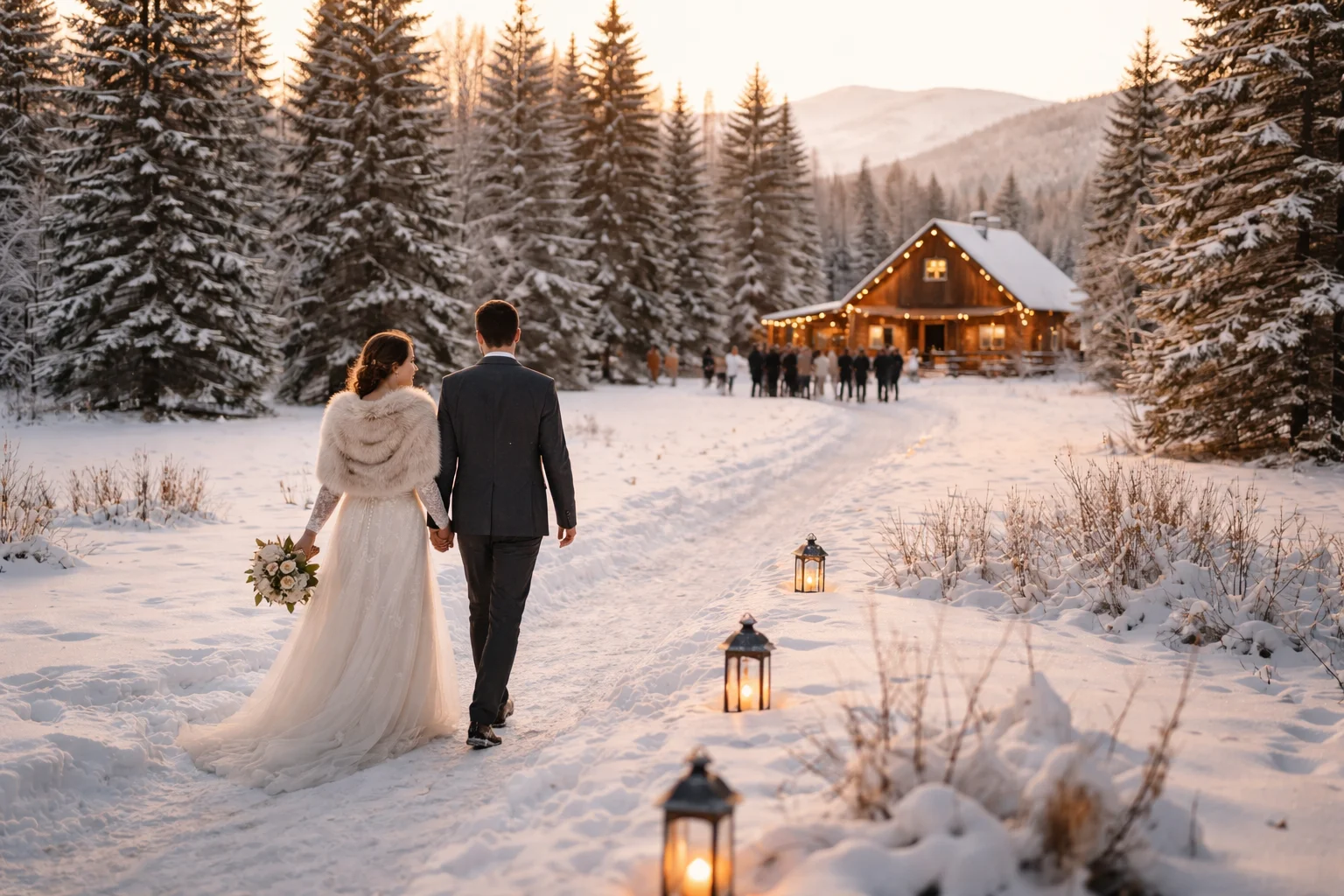
Winter Light and Compressed Timelines in Weddings
Winter weddings are shaped less by one obvious restriction than by a series of quieter adjustments. This article looks at how shorter days, colder air, and earlier shadows compress the timeline, tighten transitions, and give the day a more deliberate rhythm.
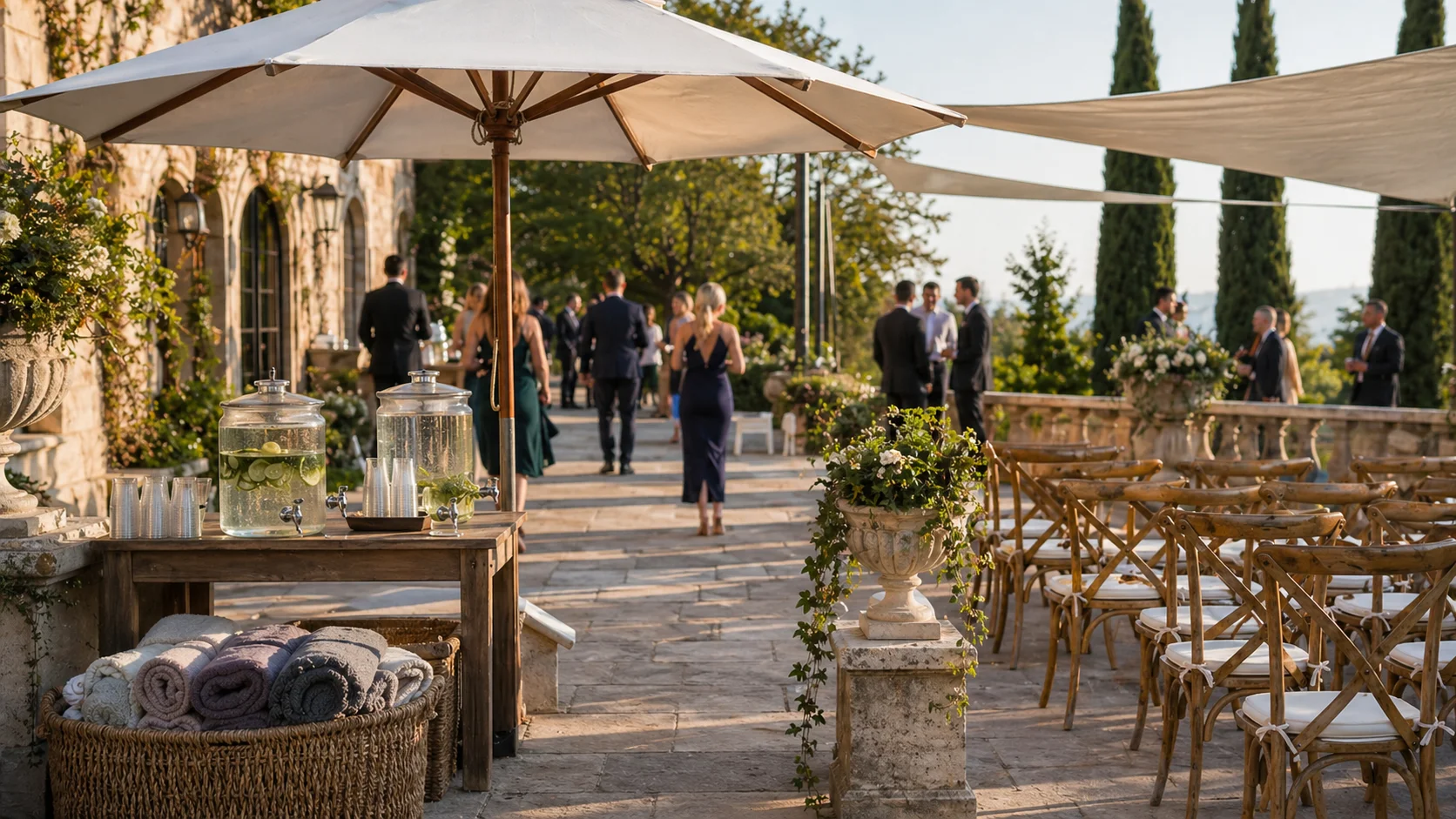
Backup Checklist for Outdoor Weddings: Shade, Wind, Cold, and the Things People Forget
Outdoor wedding backup plans are not only about rain. This article looks at shade, wind, cold, ground conditions, paths, loose details, guest comfort, and the small weather traces that shape how an outdoor celebration is remembered.
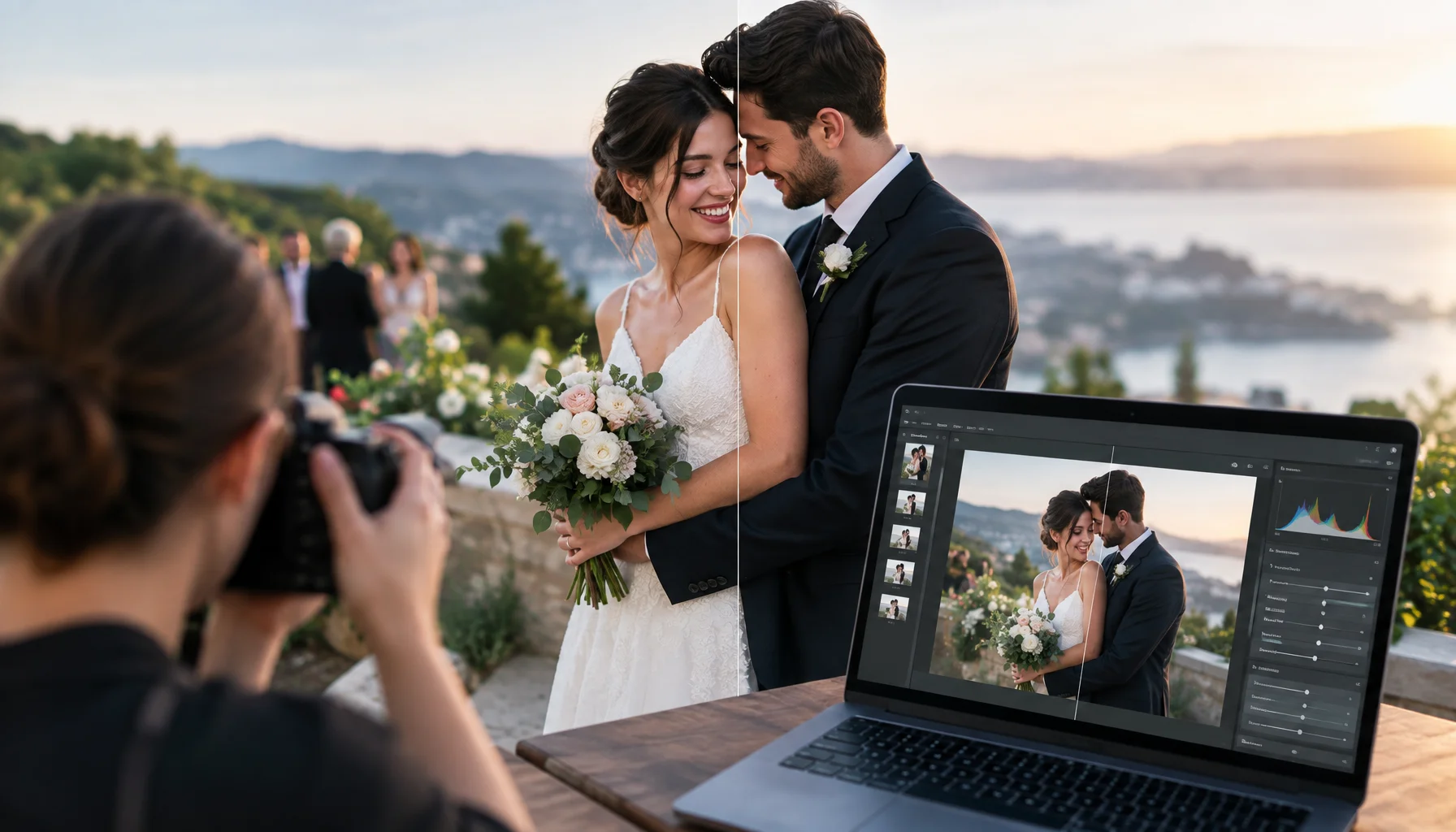
AI-Edited Wedding Photos in 2026: Where Should the Documentary Boundary Be?
Generative AI can now remove people, reconstruct missing details, replace backgrounds and create wedding images that look completely photographic. This guide helps couples decide which edits are normal photography, which cross into factual alteration, and what to agree with the photographer before the wedding.
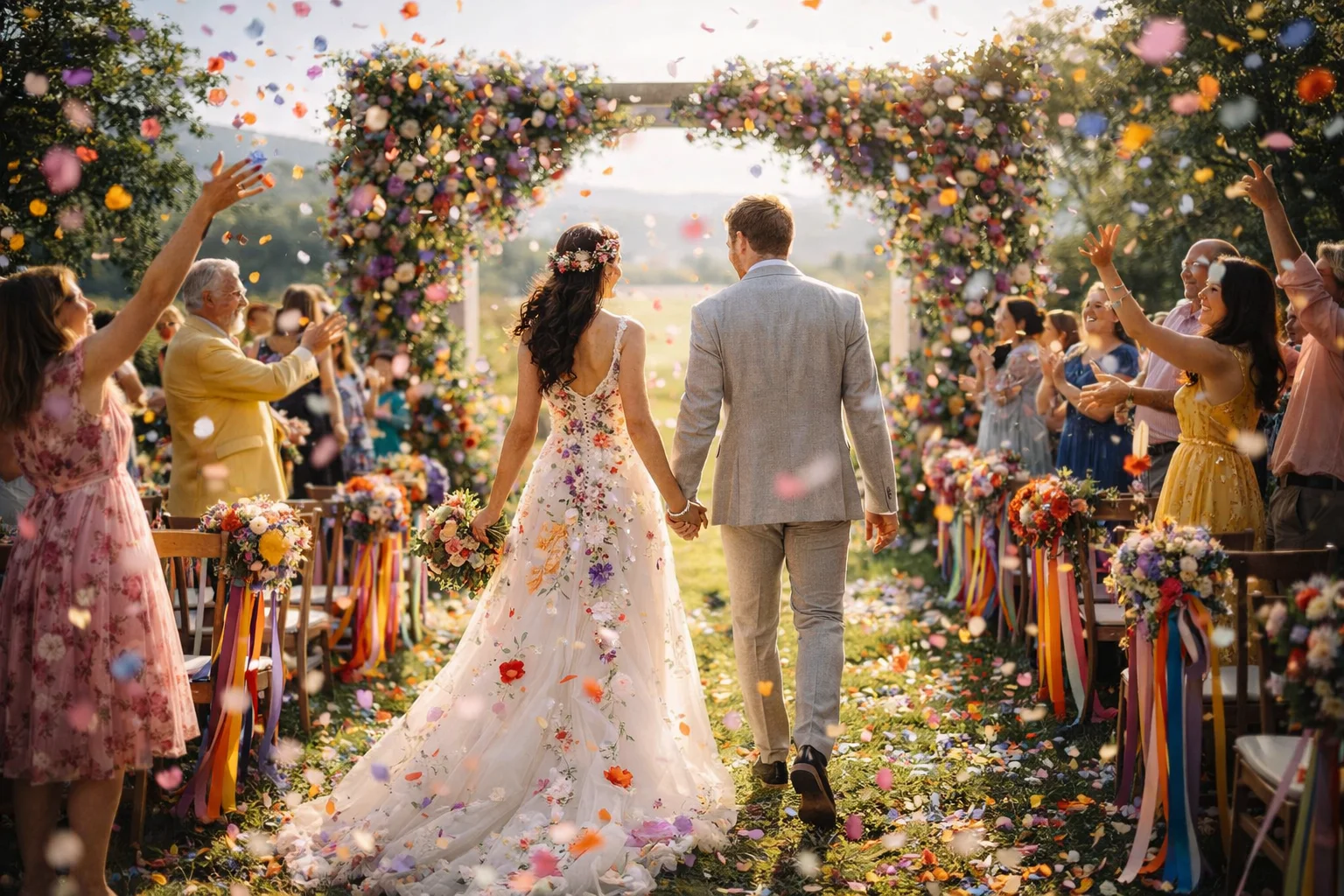
What Wedding Colors Leave Behind
Wedding colors are usually chosen for beauty, balance, or season. But they also leave a trace. Long after flowers fade and fabrics are packed away, certain tones remain attached to a promise, a room, a feeling. This article looks at wedding color not only as styling, but as part of the emotional imprint a ceremony leaves behind.
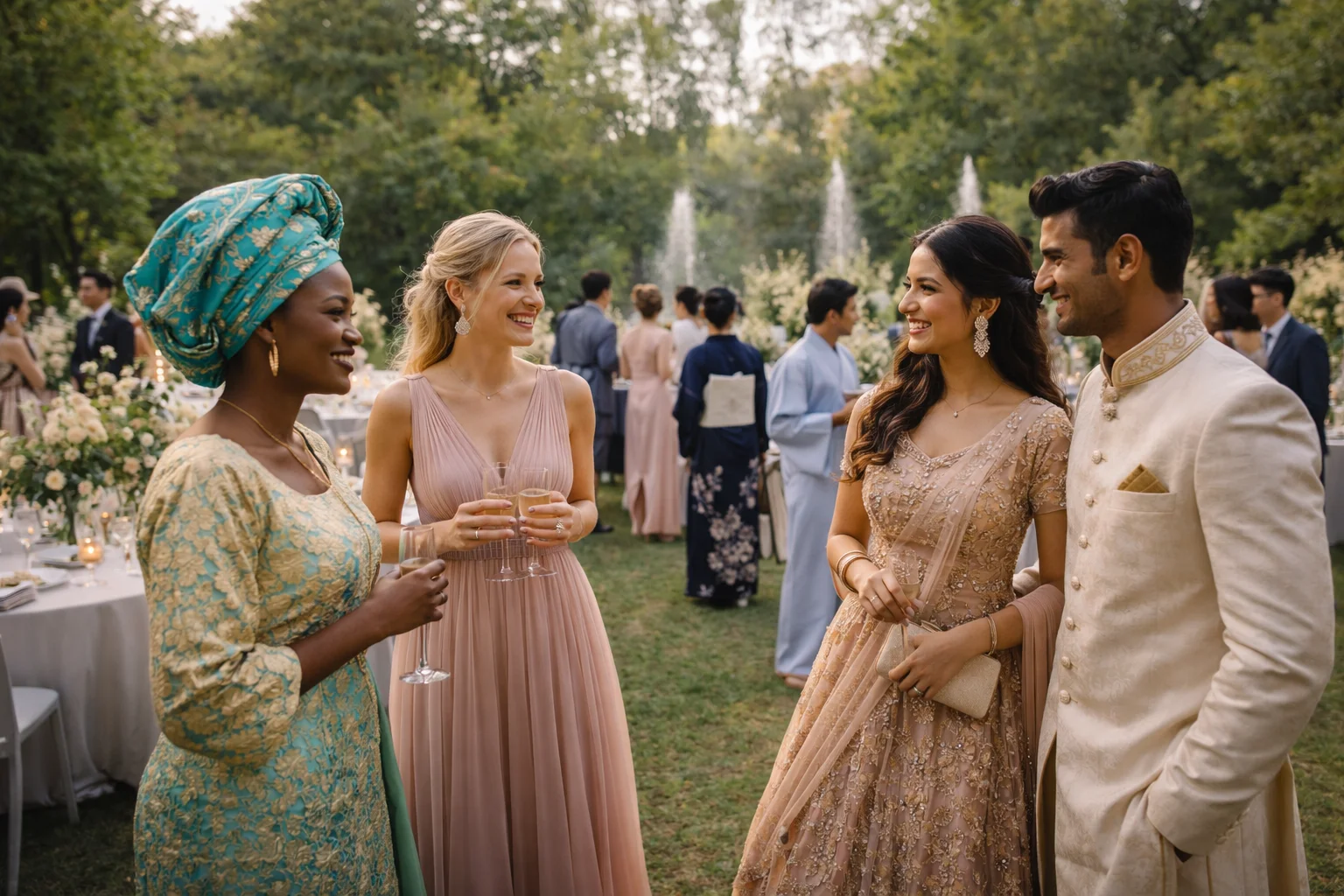
Dress Expectations at International Weddings: What Guests May Read Differently
Dress codes at international weddings are rarely just about clothing. Guests interpret formality, respect, family signals, and cultural meaning differently. This article looks at how attire is understood across contexts and why what seems obvious to one guest can feel unclear to another.
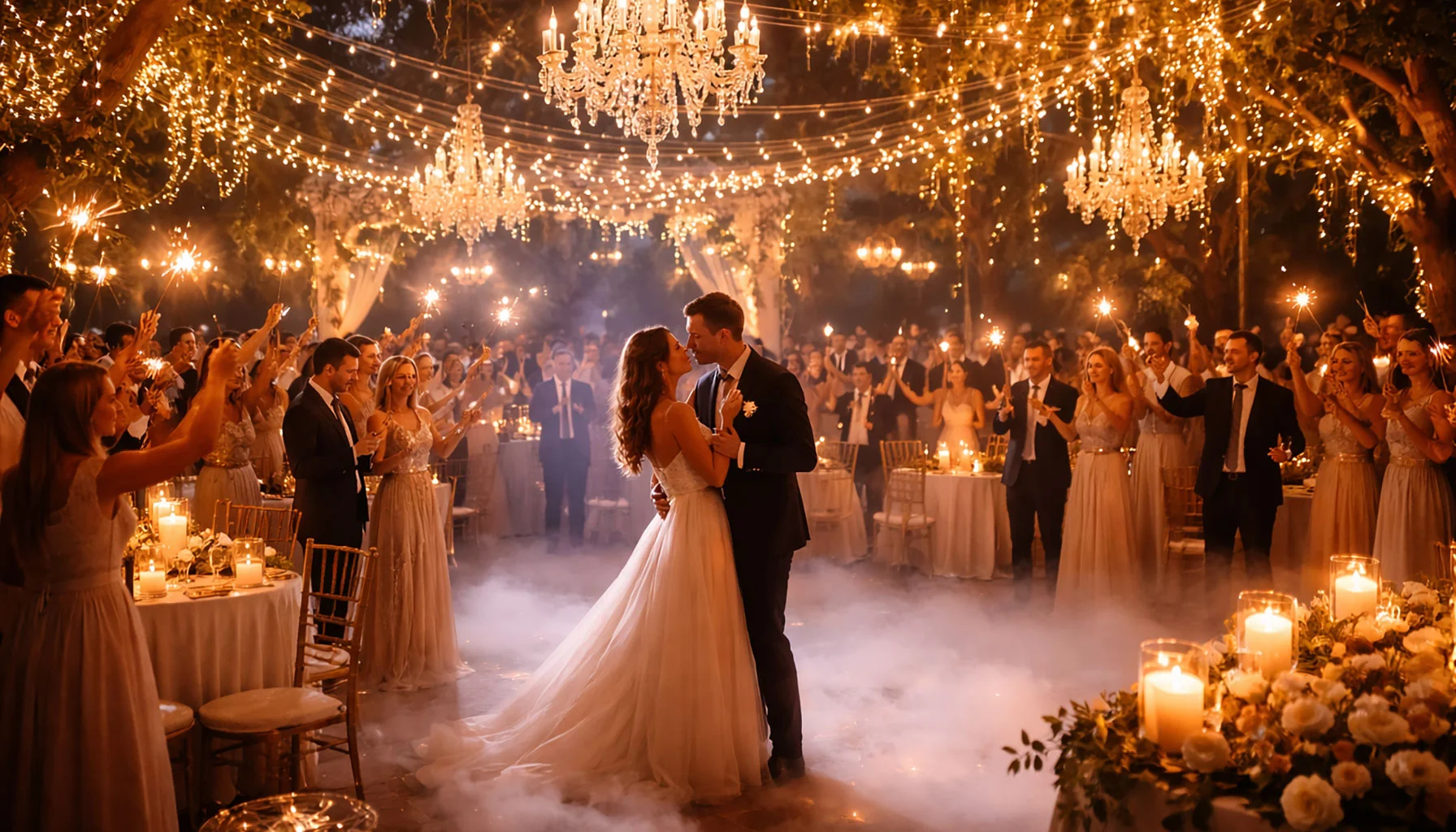
Wedding Lighting: Creating Atmosphere That Lasts
Wedding lighting is rarely remembered as equipment. What remains is how a room felt when people entered it, how the evening softened, and how different parts of the celebration seemed to belong together without visible effort. This article looks at wedding lighting as a quiet structure that shapes atmosphere and leaves a lasting imprint.
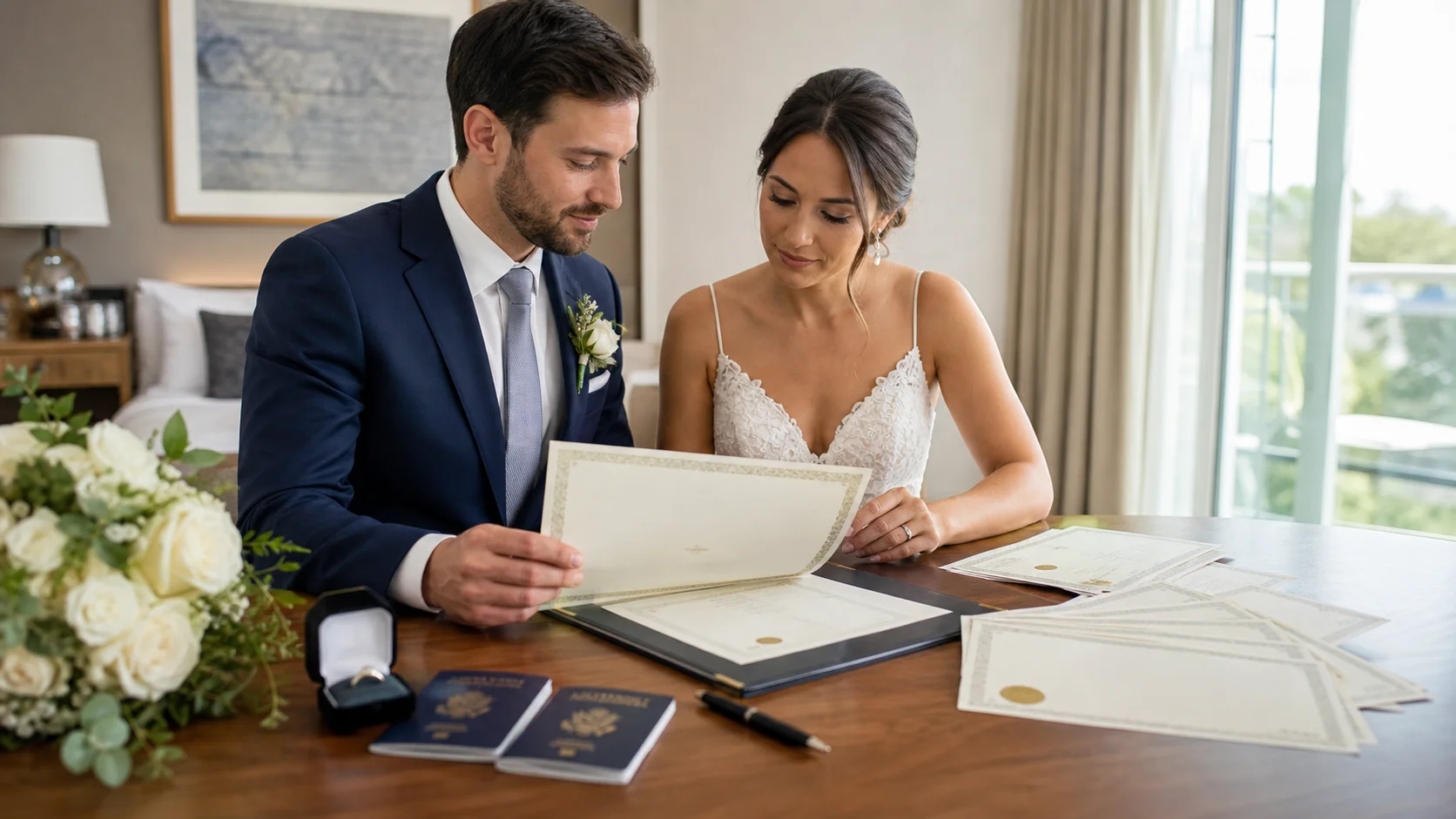
Marriage Certificate Checklist: Why One Document Keeps Returning After the Wedding
A marriage certificate often feels like the final paper of the wedding, but it keeps returning in ordinary life. This article looks at certified copies, scans, translations, apostilles, name changes, travel, banking, insurance, and the quiet imprint one document leaves after the celebration.
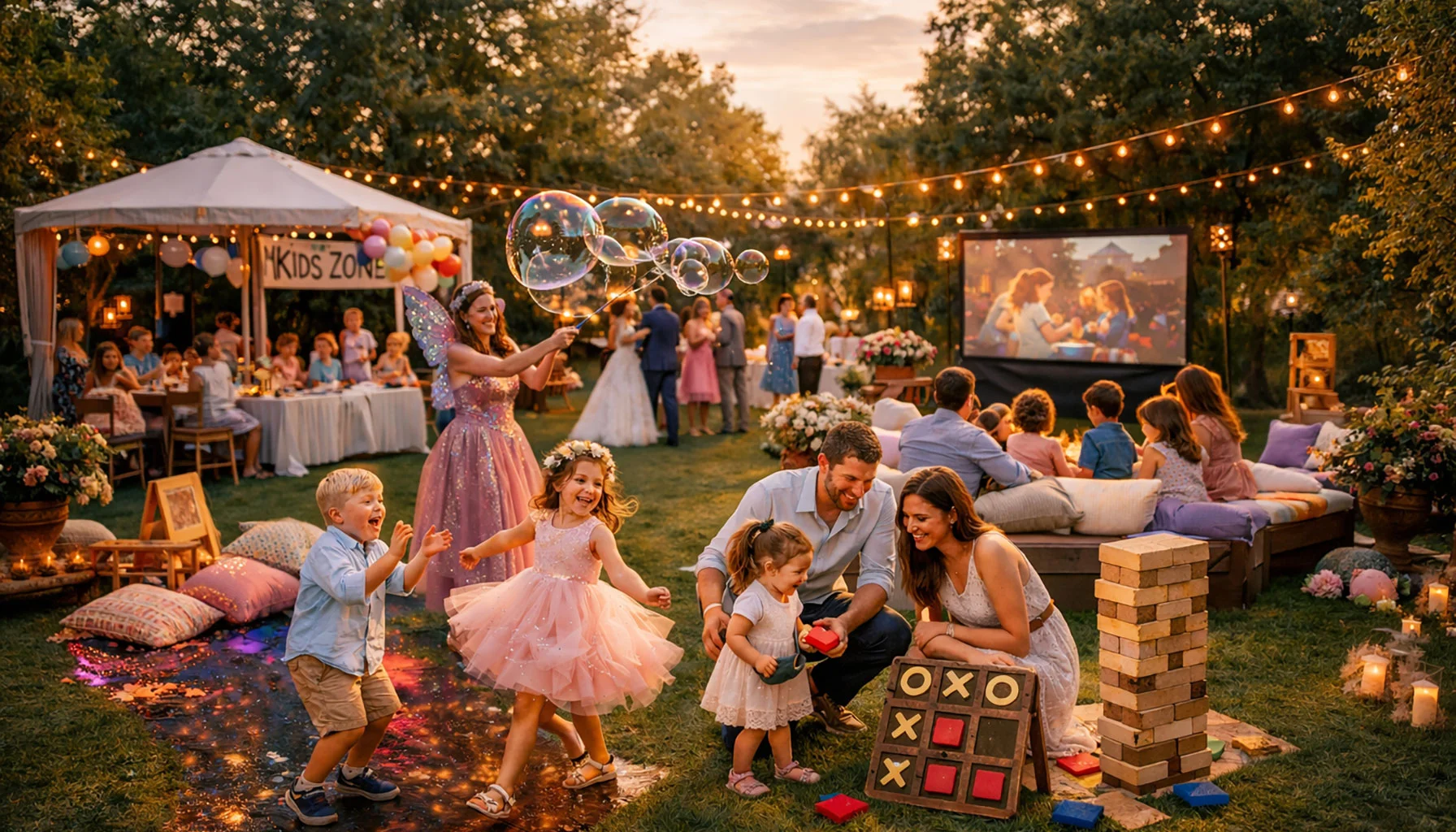
Creating Magical Moments for All Ages: Children and Family Entertainment at Modern Weddings
At weddings with children, the question is rarely whether entertainment exists. It emerges on its own the moment formal structure loosens. This article looks at family entertainment not as a side program, but as a quiet system of options that helps the day remain steady, generous, and memorable for guests of different ages.
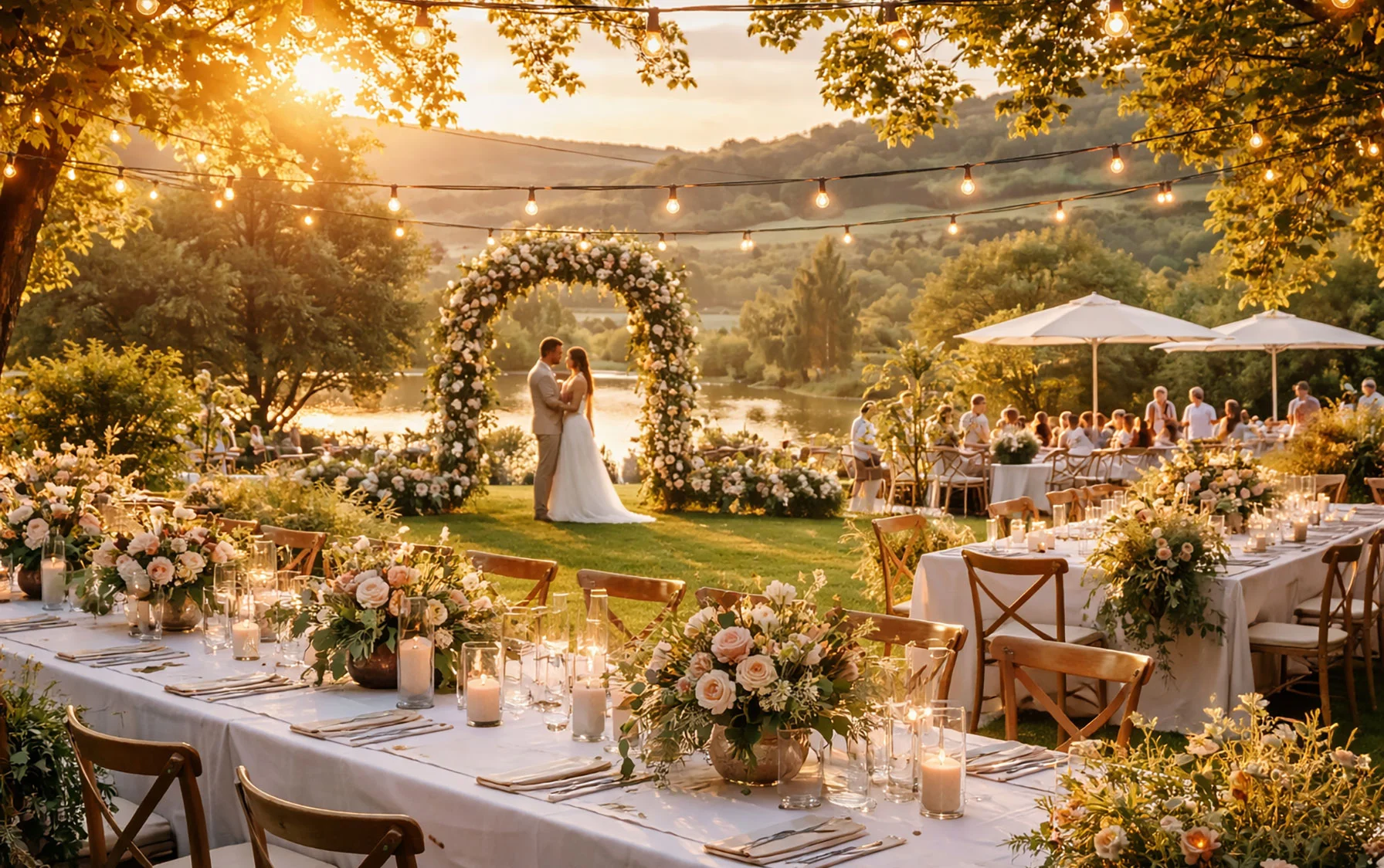
Sun-Kissed Celebrations: How to Plan a Beautiful Summer Wedding
Summer weddings often feel open before they feel formal. Light lasts longer, movement spreads outward, and the day seems able to hold more air, more time, and more ease. This article looks at summer weddings not only as a season of beauty, but as a form of celebration shaped by rhythm, weather, and the emotional trace a sunlit day leaves behind.
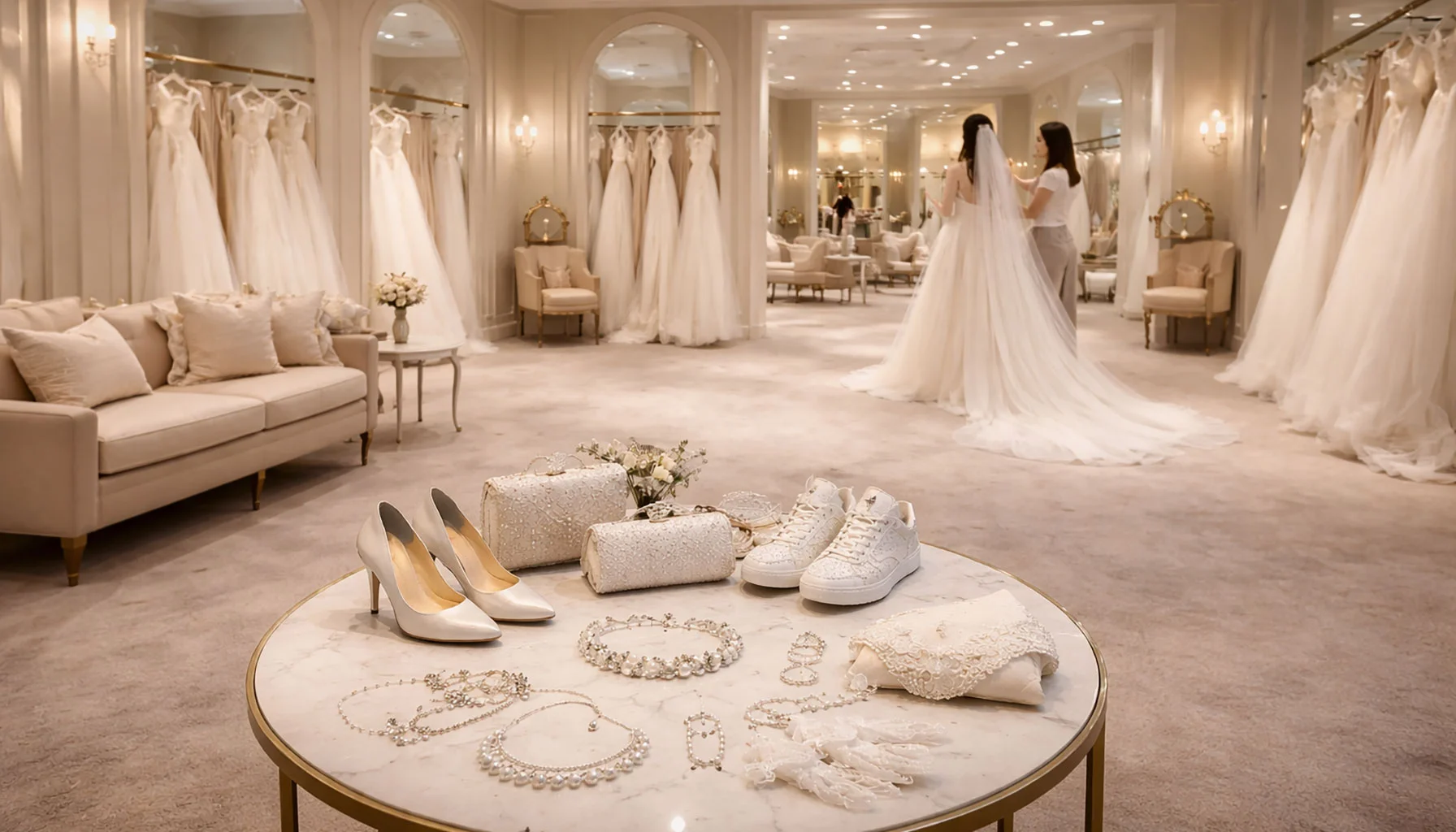
Bridal Accessories in Interplay – A Silent Addition
Accessories for the bride mostly remain in the background. They don't impose themselves and are rarely noticed first. In bridal shops, however, it repeatedly becomes apparent that precisely these pieces structure and round off the overall look. Veils, shoes, jewelry or small accessories do not change the dress, but rather the bride's effect. Observations from practice show how subtle decisions are made and why accessories are often chosen only late – and then stay.