
When Winter Weddings Return to the Beginning
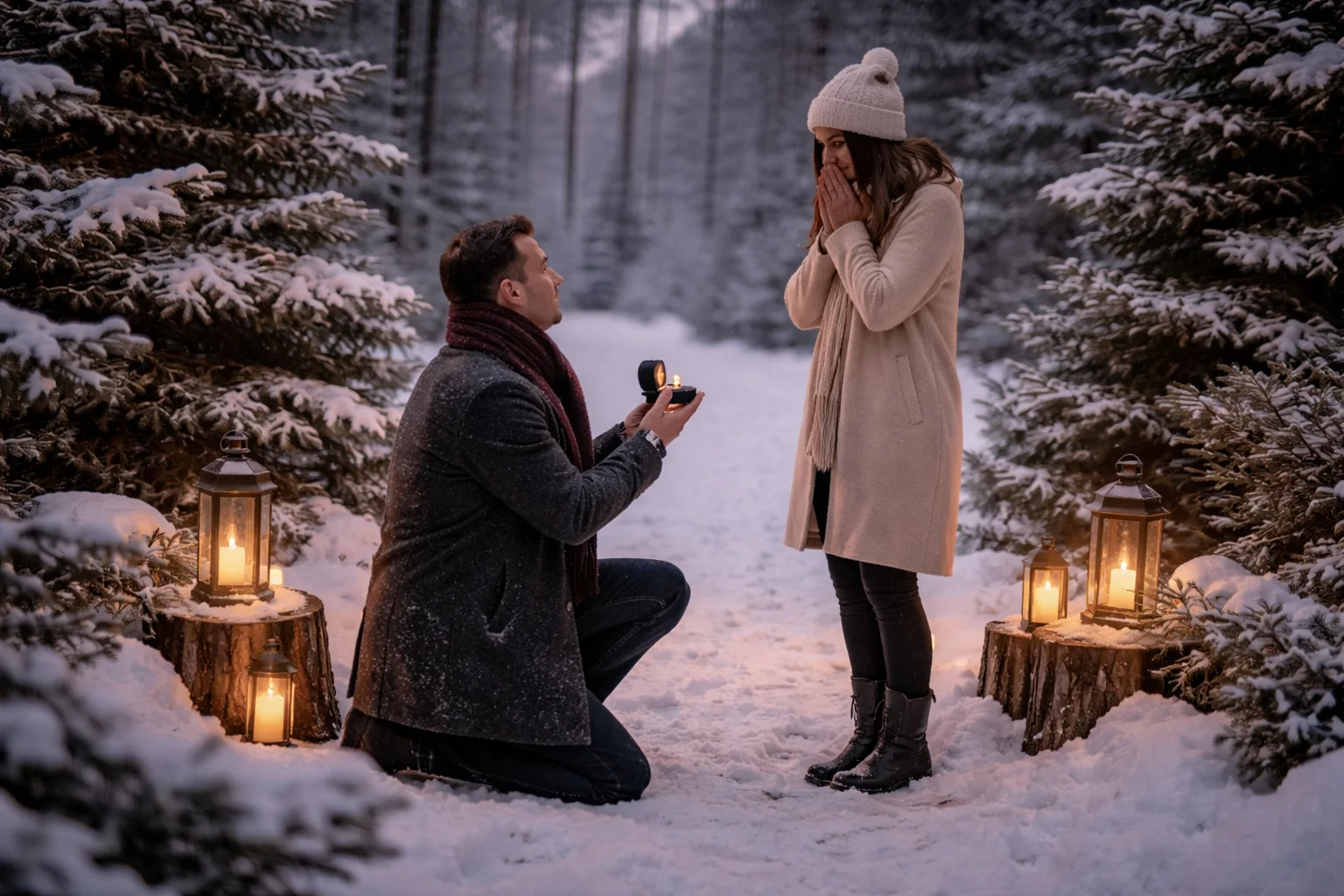
Winter Weddings and the Memory of the Proposal
What often returns in that stillness is the beginning. The proposal, sometimes months or years earlier, quietly shapes how the day is understood. The conditions may be different, but the intention remains connected.
Winter WeddingsPlanning ideas and considerations for weddings held in colder seasons.
ProposalAn exploration of how proposals shape the beginning of a marriage.
Definition
A winter wedding takes place during the colder months and often requires adjustments in timing, lighting, and logistics, while also creating a more contained and focused atmosphere for the ceremony.
A Season That Narrows the Focus
Winter reduces what is available. Fewer daylight hours, fewer outdoor options, fewer spontaneous shifts. What remains becomes more intentional. This can make planning clearer, but it also changes how the ceremony is experienced.
Remembering the First Question
The proposal is often more private than the wedding itself. It happens without an audience, without structure, sometimes without preparation. In winter weddings, that original moment can feel closer again, as if the quieter setting allows it to reappear.
Planning Around Conditions
Practical decisions matter more in colder seasons. Timing must account for light, movement between locations must be efficient, and comfort becomes part of the experience. These constraints do not limit the ceremony, but they shape it.
Atmosphere Without Excess
Winter settings often rely less on decoration and more on what is already present. The contrast of warmth and cold, the stillness of the environment, the contained space. These elements create atmosphere without needing to be added.
A Continuity Between Moments
A wedding does not begin on the day itself. It extends from earlier decisions, earlier words, earlier commitments. The proposal is one of those points, and in a winter setting, that connection can feel more visible.
Conclusion
A winter wedding brings structure and stillness together. It clarifies what matters by reducing what surrounds it. In that clarity, the beginning of the relationship, often quiet and unobserved, becomes part of the ceremony again.
Related Articles
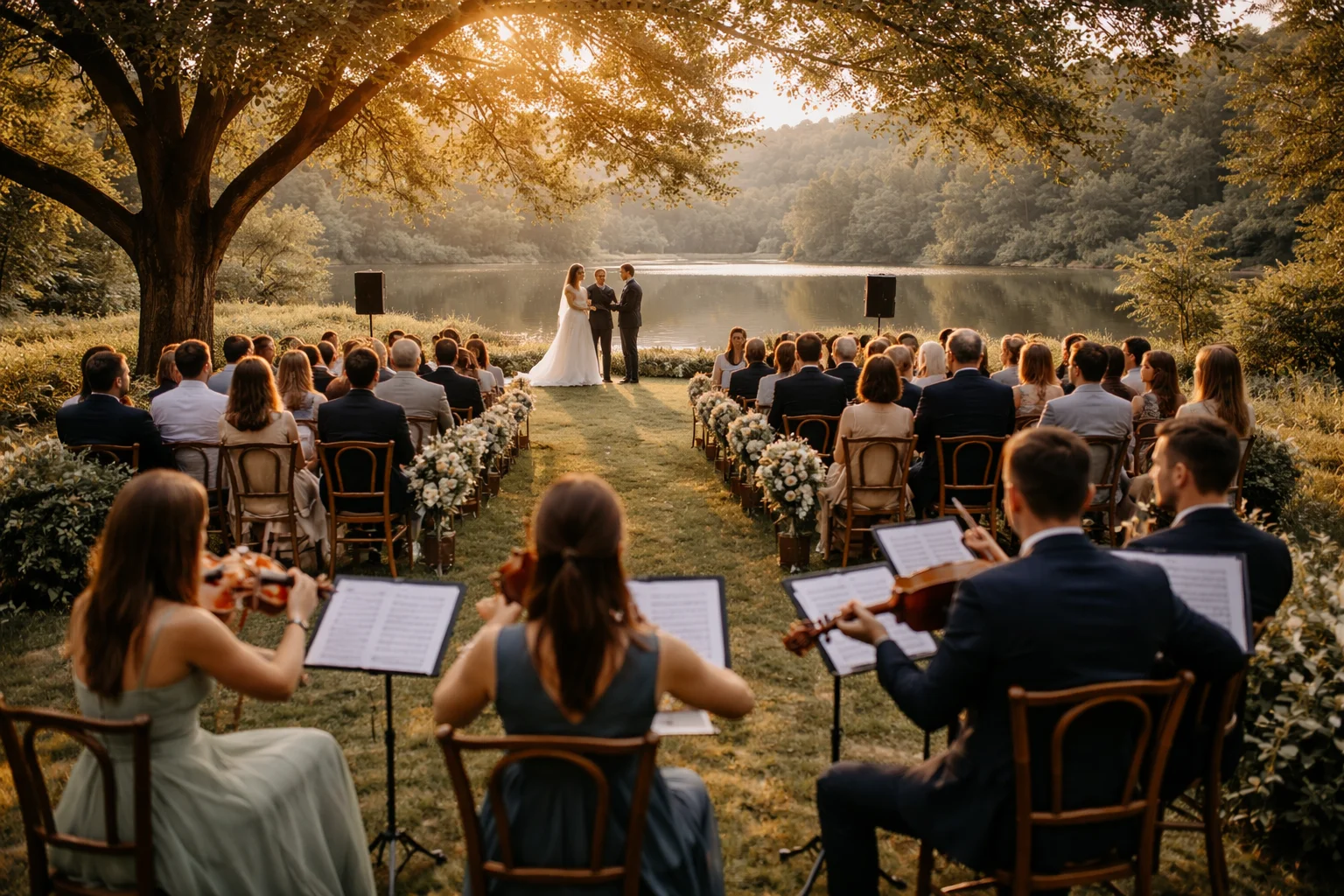
How Room and Situation Change Ceremony Music
Ceremony music is never only a matter of taste. It behaves differently in wind, in formal rooms, in small gatherings, in religious settings, and in very quiet weddings where every note becomes more exposed. This article looks at how space and situation change the effect of wedding ceremony music, and why placement matters as much as the music itself.
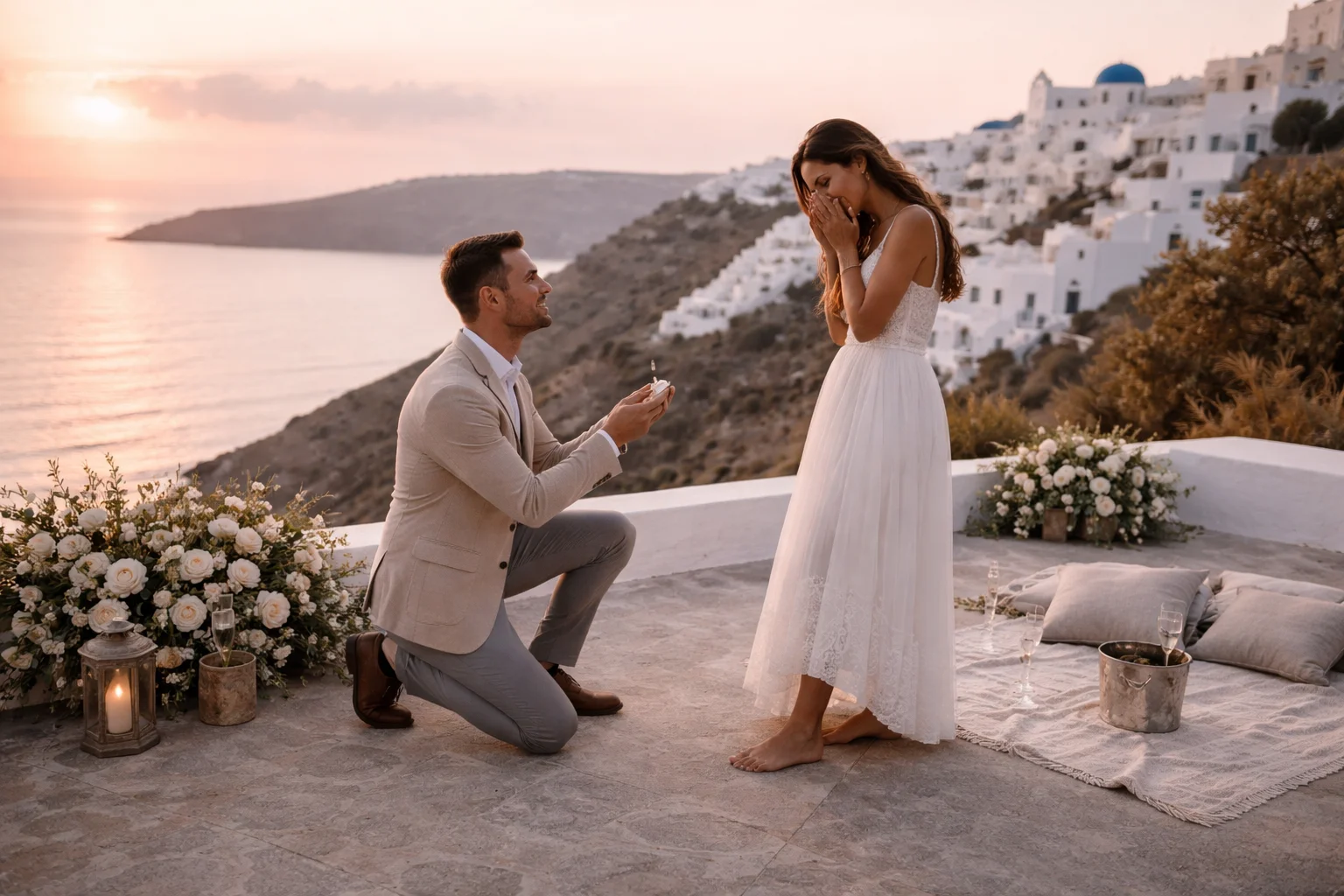
The Bride Look Begins Long Before the Dress
The bride look is often discussed as a final decision. A dress, a hairstyle, a set of details chosen close to the wedding day. It appears as something visual, something assembled. But in practice, it rarely starts there.
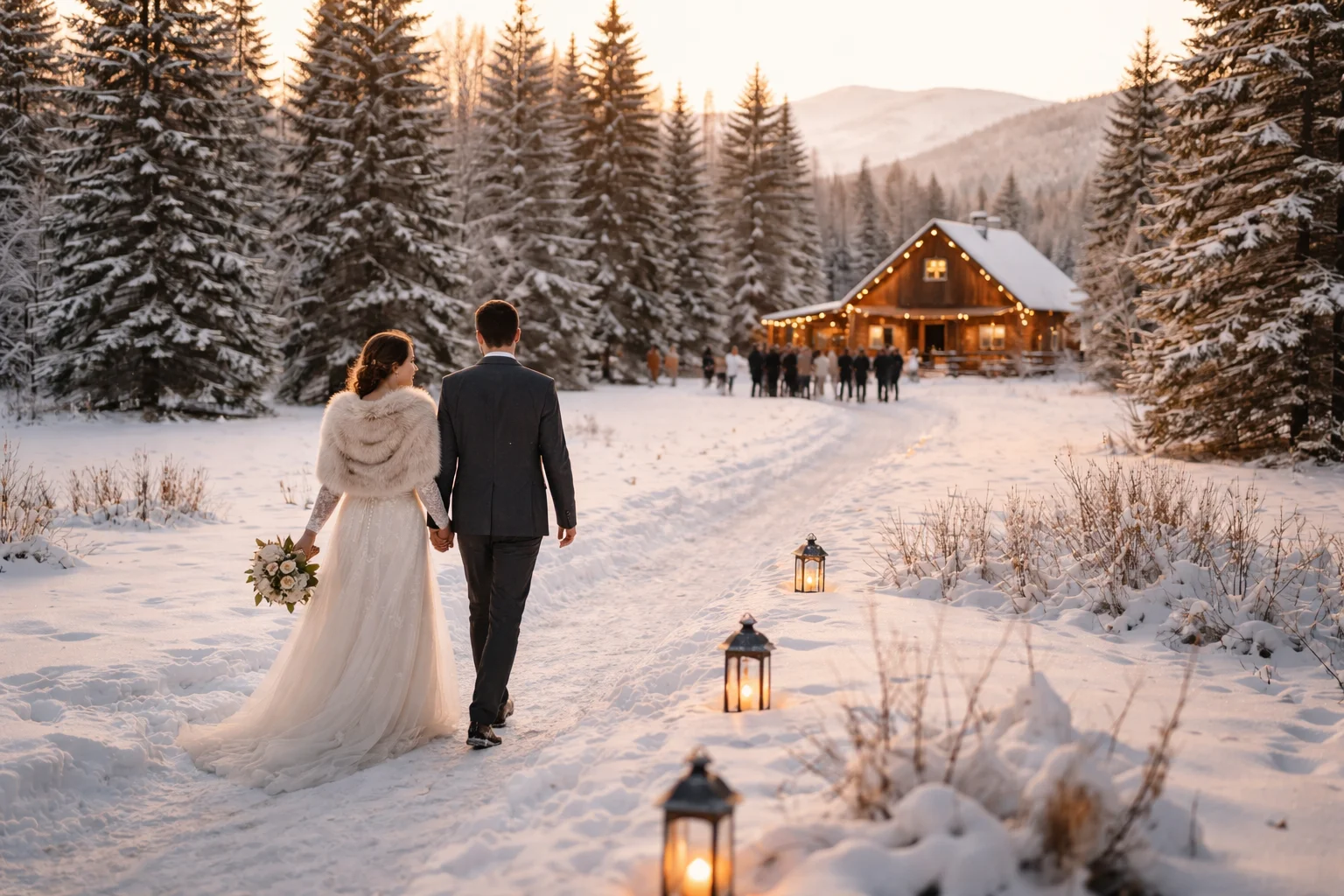
Winter Light and Compressed Timelines in Weddings
Winter weddings are shaped less by one obvious restriction than by a series of quieter adjustments. This article looks at how shorter days, colder air, and earlier shadows compress the timeline, tighten transitions, and give the day a more deliberate rhythm.
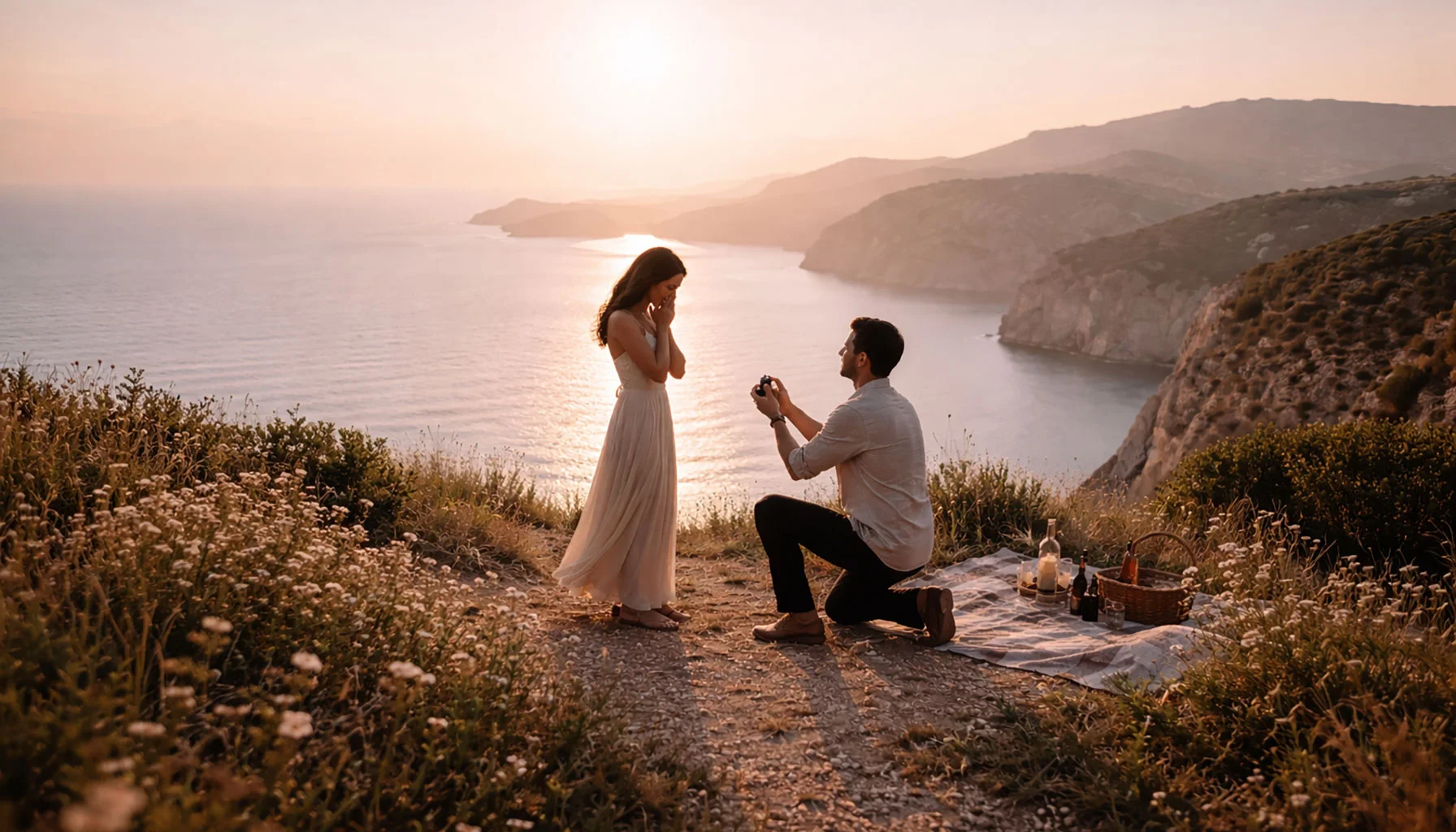
The Marriage Proposal: A Moment between Decision and Trust
A marriage proposal is rarely only a surprise. More often, it gathers what has already grown in conversations, decisions, and quiet alignment. This article looks at the proposal as a visible threshold between decision and trust, while keeping close to lived experience, ring choice, gesture, timing, and the open reality of what may follow.
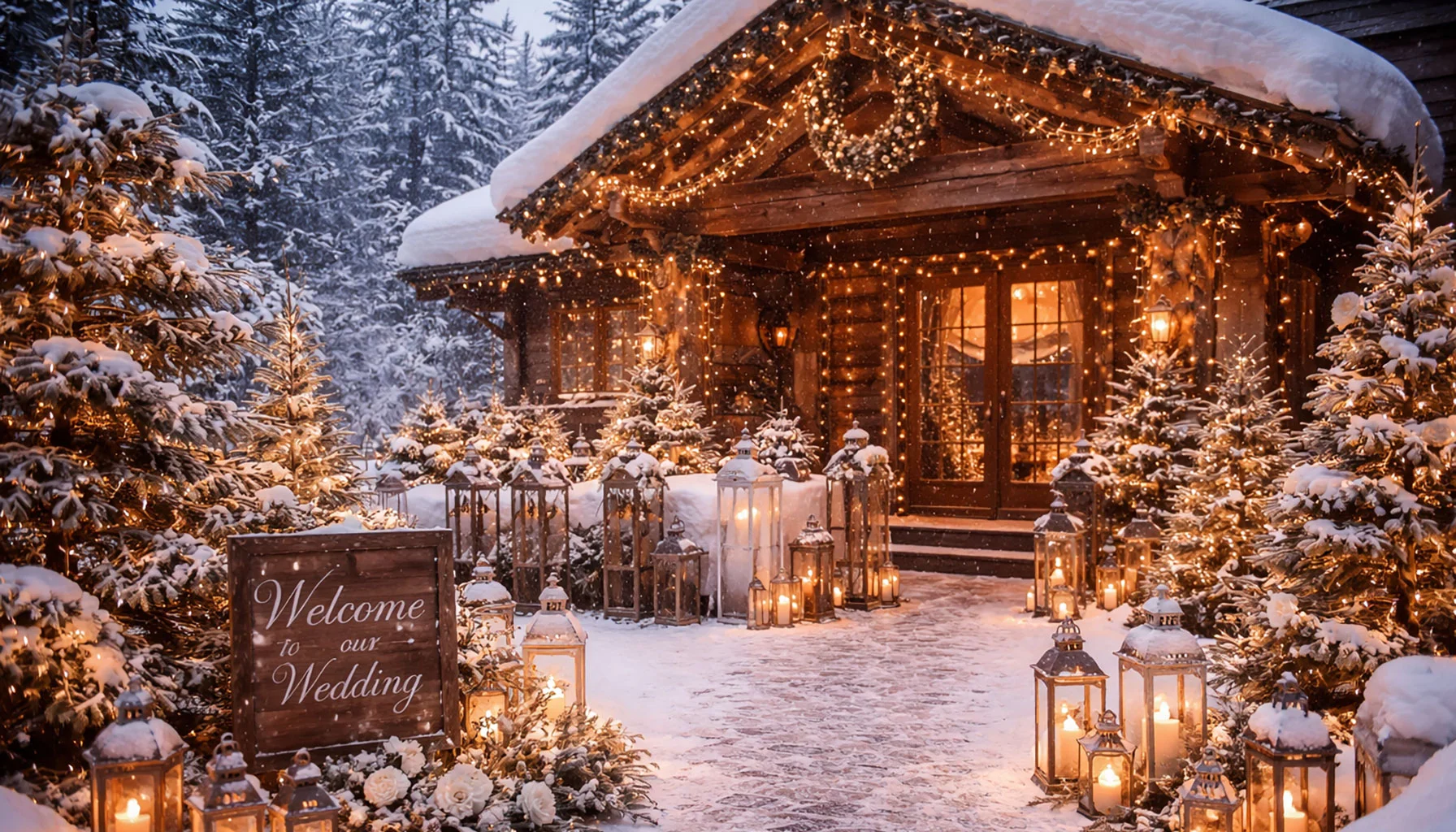
Winter Weddings: Beautiful Locations, Planning Tips and Ideas
Winter weddings move by a different clock. Light shortens, rooms gather people more closely, and warmth becomes part of the structure of the day. This article looks at winter weddings not only as a seasonal style, but as a form of celebration shaped by atmosphere, containment, and the emotional trace a winter setting leaves behind.