
Winter Light and Compressed Timelines in Weddings
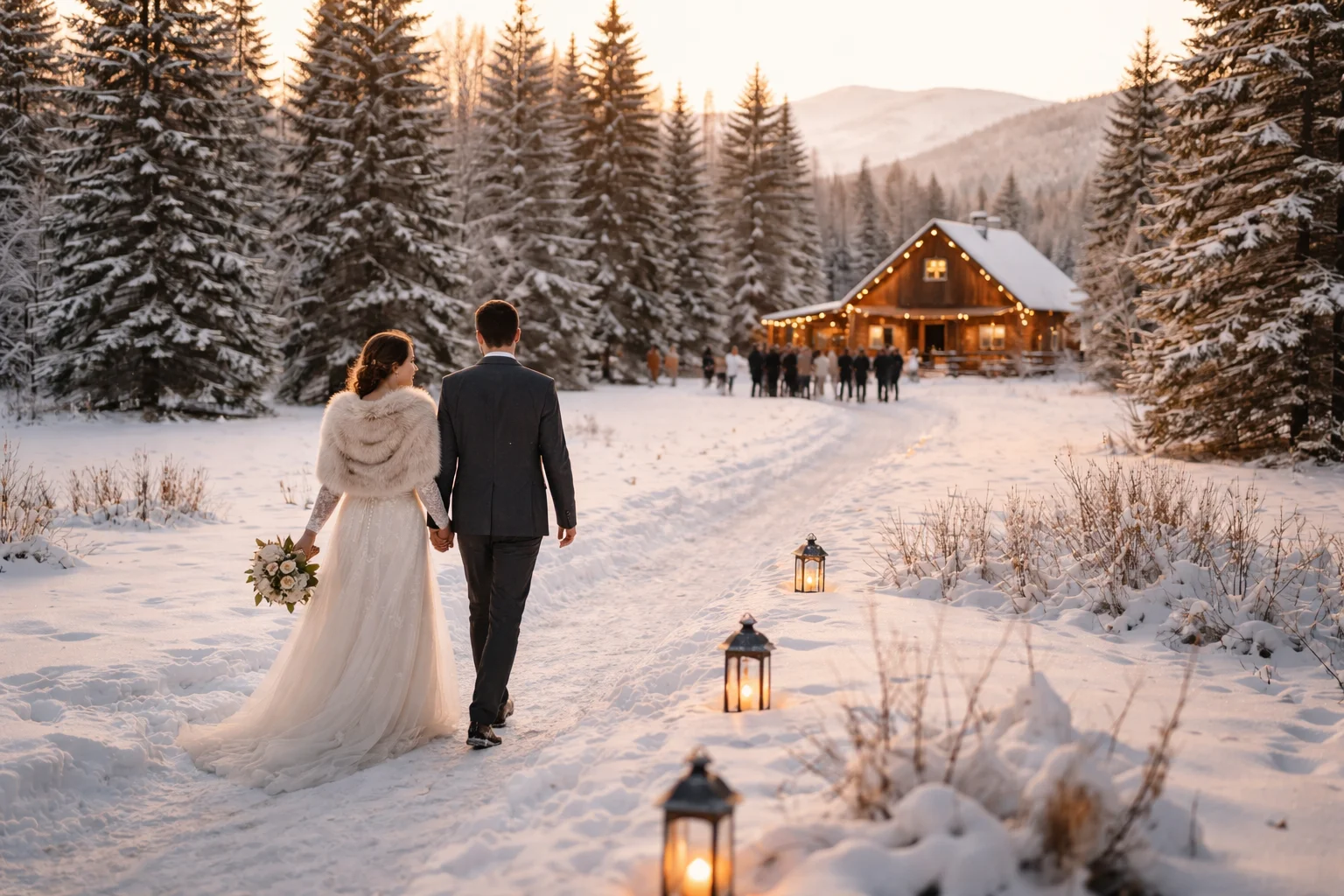
Winter weddings are rarely defined by one dramatic restriction. What changes the day is usually something quieter: the light begins to thin earlier than people feel ready for, and the timeline responds almost immediately. Ceremonies move forward, portraits tighten, outdoor pauses shorten, and transitions that might have stretched in another season begin to sit closer together.
None of this makes a winter wedding lesser. In many cases it makes the structure clearer. The day becomes more deliberate because there is less empty time to drift through. Couples often discover that winter does not remove moments so much as compress them, asking each part of the celebration to happen with slightly more intention than it might in spring or summer.
Definition
Compressed timelines in winter weddings describe the way reduced daylight and colder conditions shorten the usable span of the day, bringing key moments closer together and limiting how long guests, couples, and vendors can comfortably remain outside.
The Ceremony Often Moves Earlier Than Expected
One of the earliest adjustments in winter planning is the ceremony time. Even a modest shift forward changes the entire shape of the day. Guests arrive while the afternoon still feels open, but the available light is already more fragile than it looks. Planners often note that couples agree to an earlier ceremony without much resistance once they understand that winter daylight does not disappear gradually in the way they imagined. It seems present, then suddenly less usable.
Photography Has Less Margin For Delay
Portraits and group photographs are often where winter timelines feel most compressed in practice. There is less room for waiting, repeating, or moving between multiple outdoor spots without consequence. A photographer once described winter light as generous but brief: beautiful when it is there, unforgiving once it turns. That usually means a tighter sequence, clearer shot priorities, and less casual drift between one image and the next.
Winter Wedding – CategoryWinter weddings offer a magical atmosphere filled with elegance, warmth, and seasonal charm. Soft lighting, rich textures, and cozy details create an intimate setting that feels romantic and timeless. With thoughtful planning around weather, décor, and comfort, a winter celebration can be both stylish and unforgettable.
Cold Quietly Shortens Outdoor Phases
Even when a schedule technically allows for outdoor drinks, arrivals, or pauses between program points, winter air tends to reduce those moments on its own. Guests keep talking, but they move inside sooner. Hands fill with coats, scarves, or warm glasses. Conversations continue in motion rather than settling in place. This does not usually read as discomfort in a dramatic sense. It reads as a subtle loss of linger time, and that affects the pacing of the whole event.
Indoor Light Becomes The More Reliable Frame
As the afternoon drops, the wedding begins to depend more heavily on interiors. This shift can feel natural and even comforting when the venue is prepared for it. Candlelight, practical lighting, fireplaces, darker floral tones, and closer seating arrangements stop being background choices and become structural ones. A winter wedding tends to succeed when the inside is treated not as the fallback after daylight, but as the main frame waiting to take over smoothly.
Compression Can Make The Day Feel More Intentional
The quieter connection to silence lies here. Winter removes some of the looser edges that other seasons allow. There is less daylight to fill casually, fewer long outdoor intervals, less space for one part of the day to blur lazily into the next. That compression can produce a more concentrated atmosphere, one in which transitions feel marked without becoming loud. Several couples describe winter weddings in similar terms afterwards: not rushed, but gathered. The day seems to hold itself more tightly.
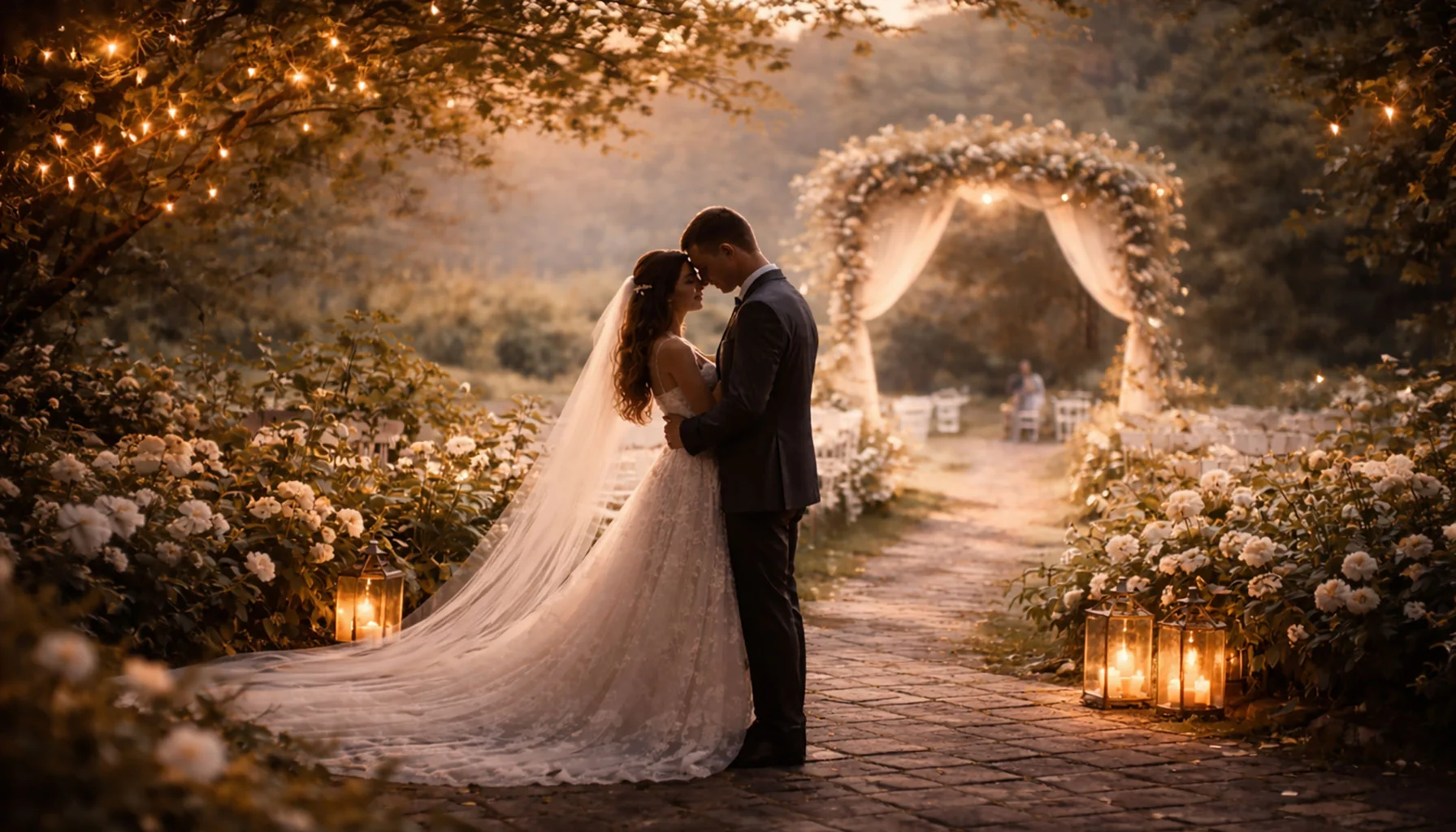
Silence is not absence. It is the space where meaning gathers before words, decisions, and rituals take shape.
Conclusion
Winter light does not usually dictate a wedding in a harsh way. It narrows the day, shapes the order of events, and asks for firmer decisions earlier. In return, it can give the celebration a kind of clarity that longer seasons sometimes diffuse. The timeline becomes denser, the movements more defined, and the shift indoors more meaningful. What looks at first like a limitation often becomes the form of the day itself.
Related Articles
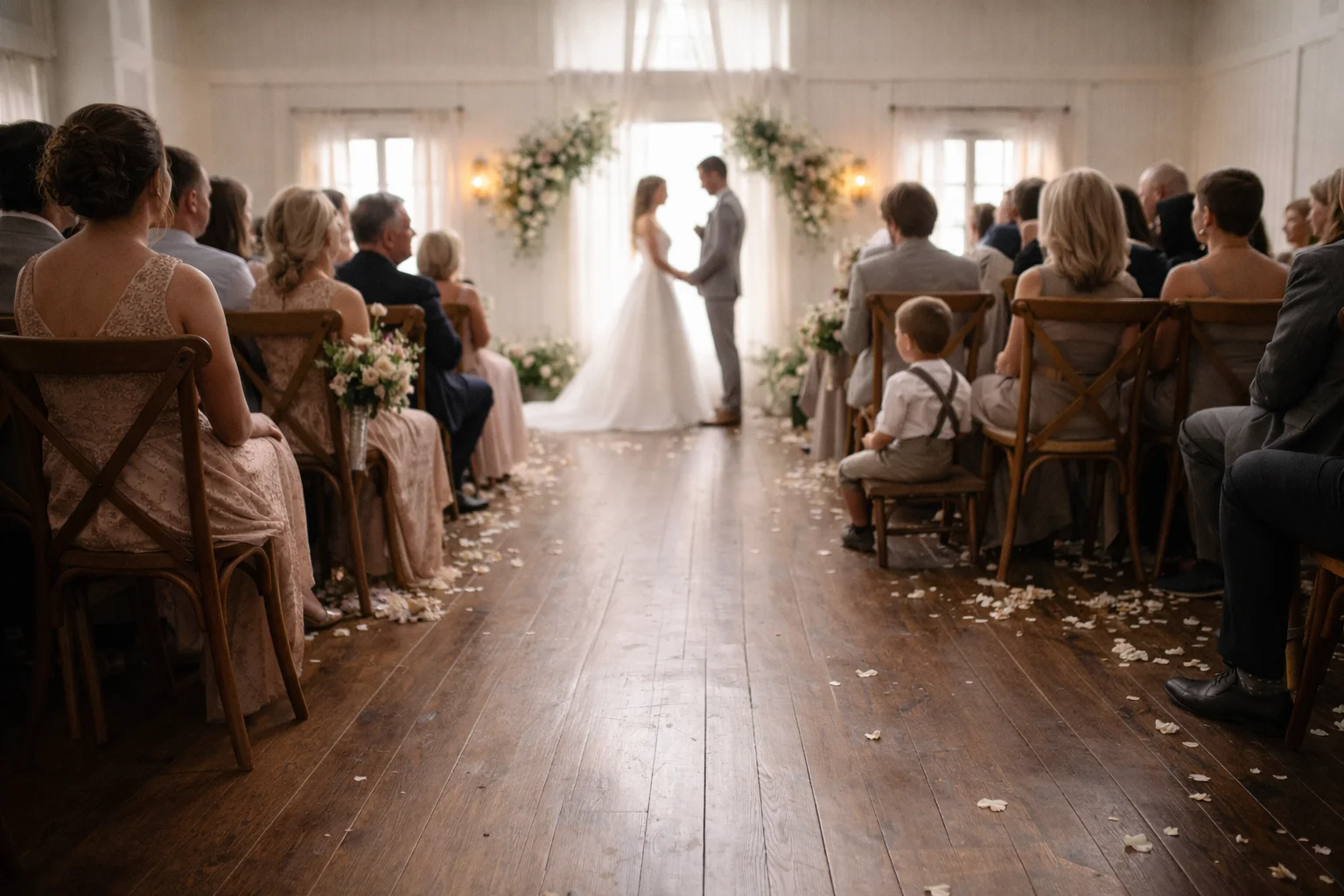
When Attention Shifts: Kids in Formal Wedding Situations
Children rarely stop a formal wedding moment outright, but they often redirect attention for a few seconds in ways adults immediately notice. This article looks at how those shifts happen, why they usually matter less than feared, and how weddings absorb different rhythms without losing their structure.
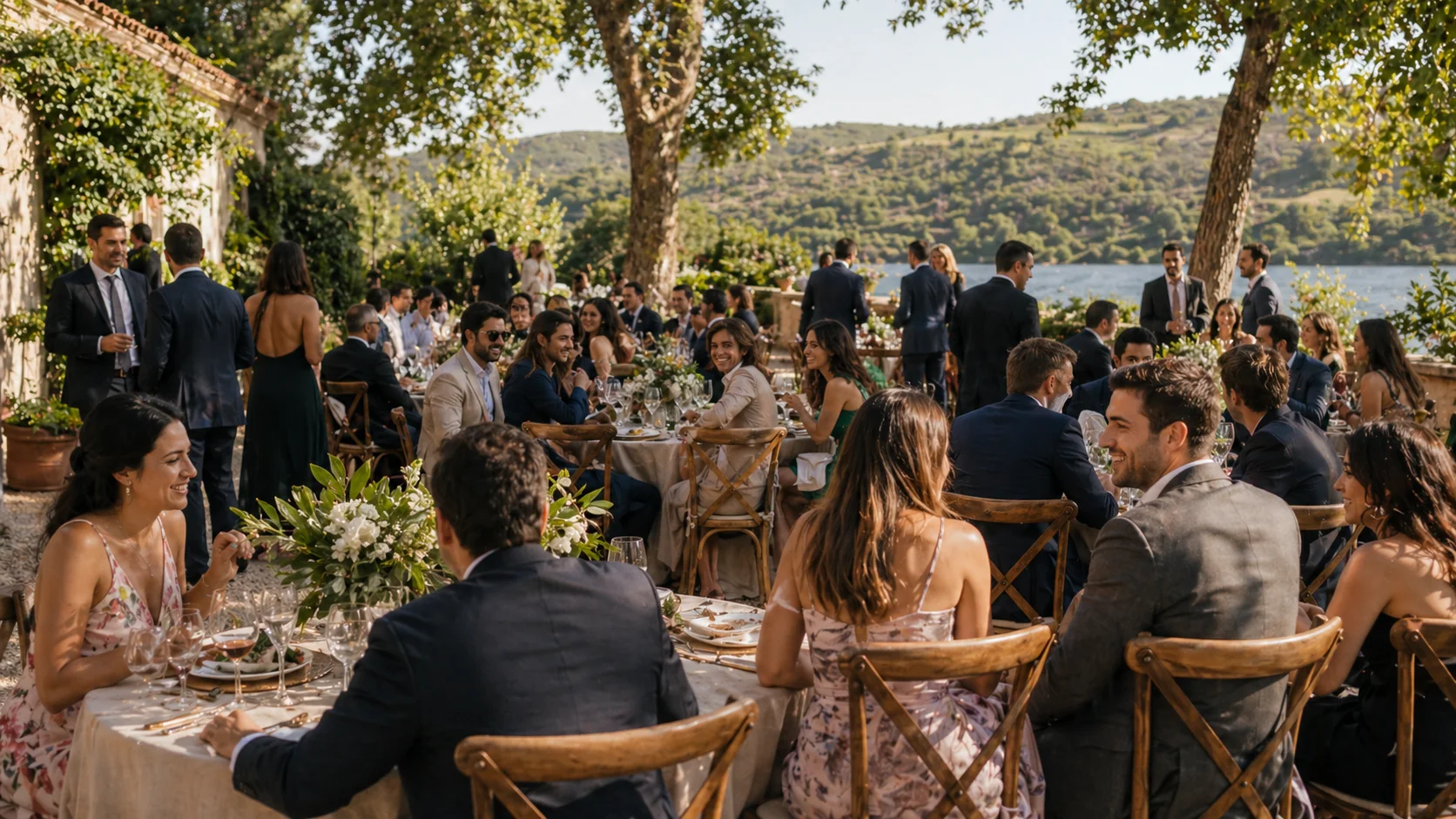
Guest Comfort Checklist: Small Conditions That Change the Entire Atmosphere
Guest comfort at weddings is shaped by small conditions long before anyone complains. This article looks at temperature, seating, sound, waiting areas, access, and quiet spaces of relief that change how the whole room feels.
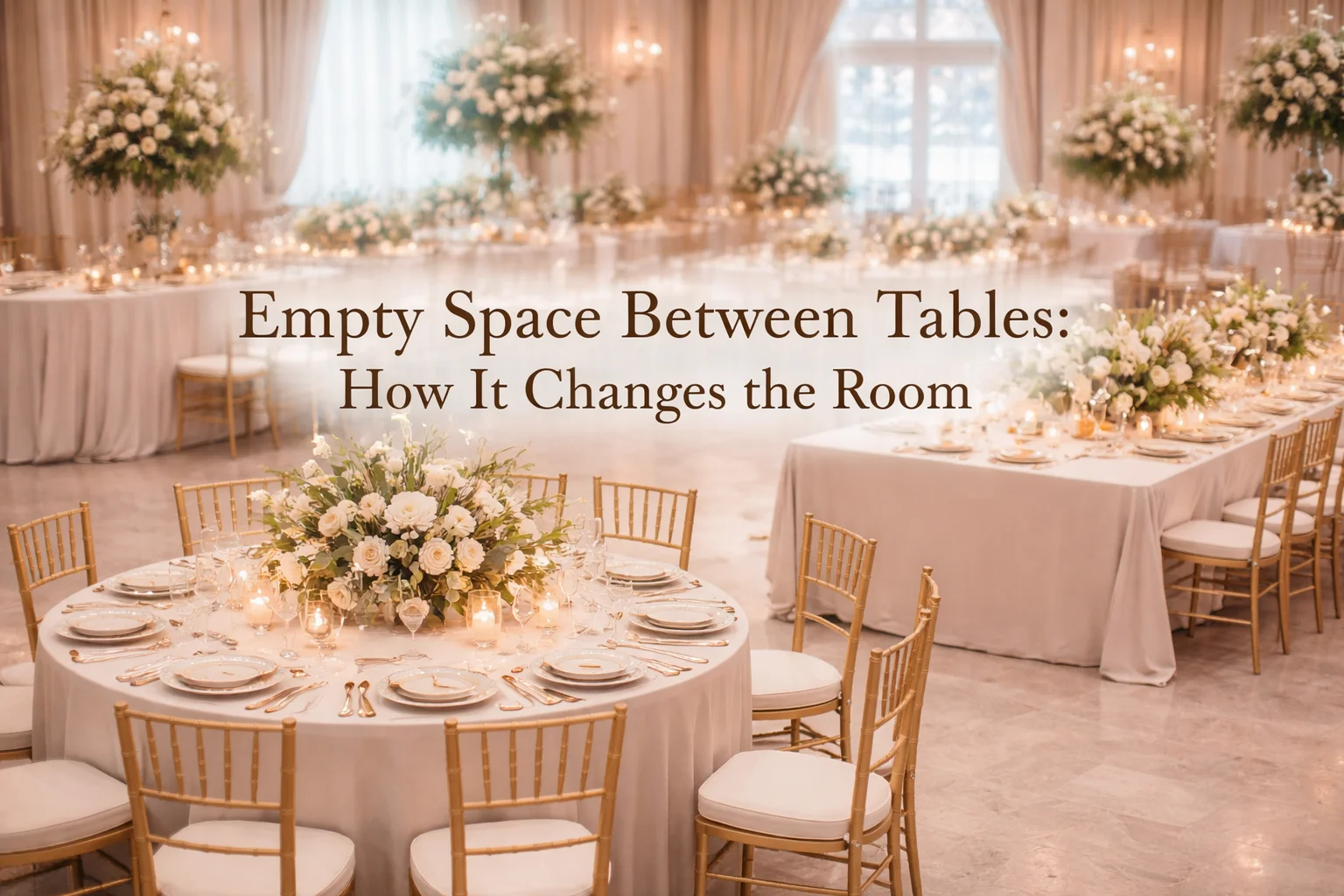
Empty Space Between Tables and How It Shapes the Room
Most layouts start with the tables themselves. Size, shape, how many fit. The areas in between are often adjusted at the end, sometimes just to make things work on paper. In the actual room, though, those leftover spaces do something. Not in a designed way. More like they shift how people move without anyone really pointing at it.
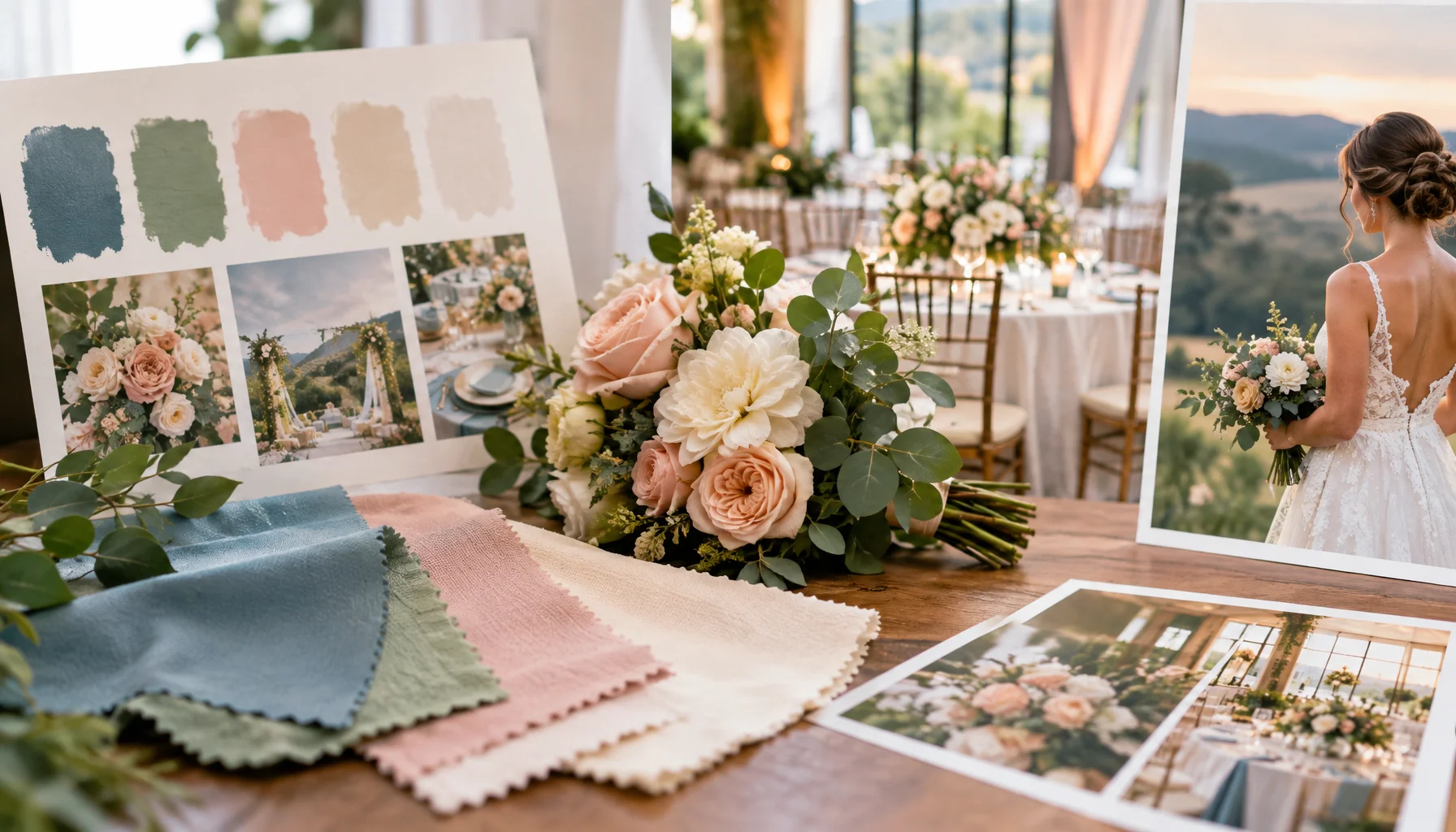
Will Your Wedding Colors Actually Photograph the Way You Imagine?
Wedding colors do not travel unchanged from a mood board to fabric, flowers, venue lighting and finished photographs. This guide explains why colors shift and gives couples a practical way to test whether their palette will remain recognizably itself throughout the day.
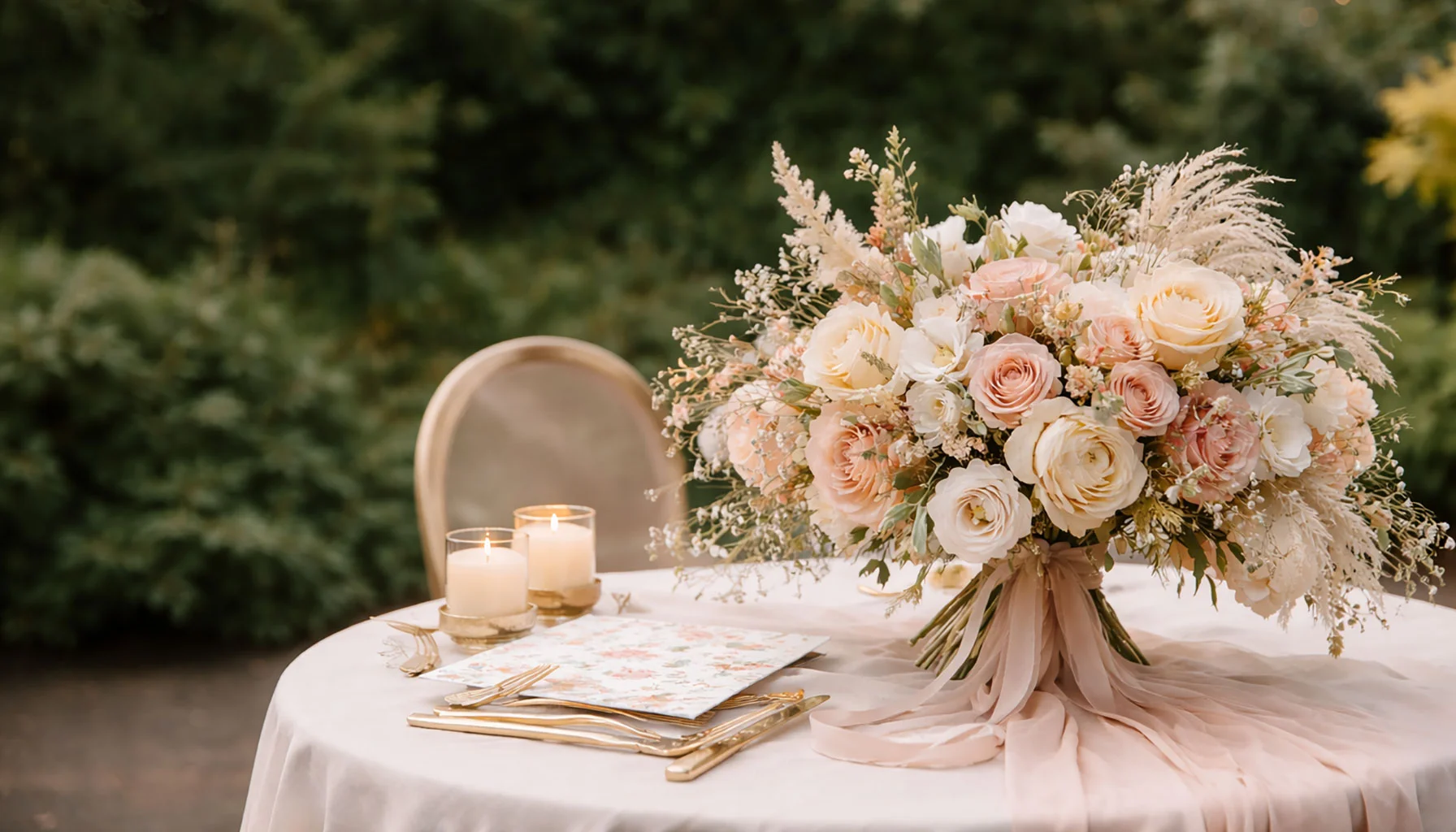
Bloom by Design: Flowers and Florals for a Modern Perfect Wedding
Flowers rarely carry a wedding by themselves. What they do, when chosen well, is quieter and often more lasting. They soften transitions, give rhythm to rooms, and help guests feel oriented without ever being told where to look. This article looks at wedding flowers through atmosphere, restraint, and the silent structure they create across the day.

Wedding Guest Communication Checklist: What Guests Need to Know and When
Good wedding communication is not about sending guests everything at once. It is about giving the right information at the right moment, so the day feels clear without becoming overexplained. This article looks at what guests actually need to know, when they need to know it, and why silence still has a place in wedding planning.
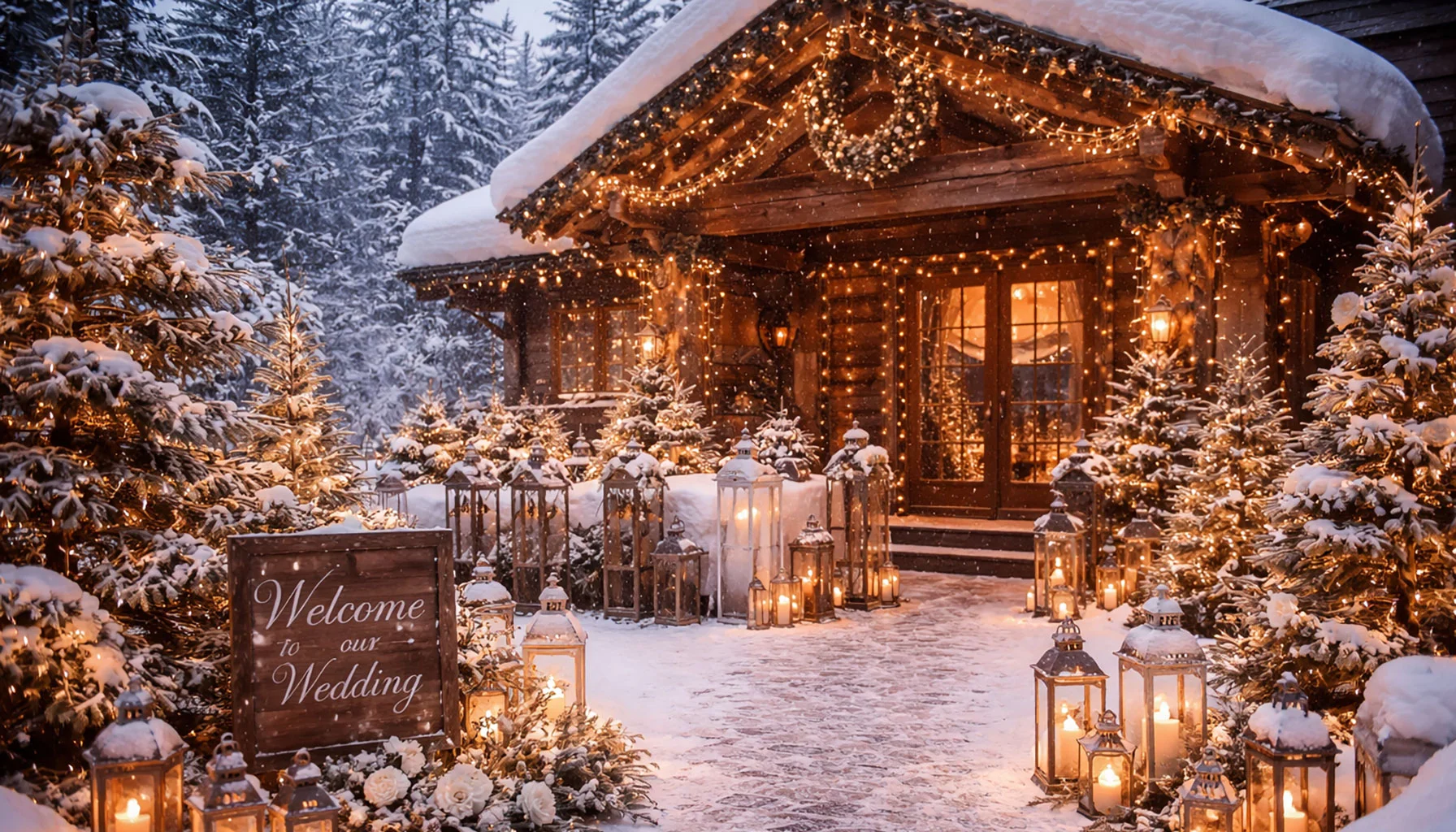
Winter Weddings: Beautiful Locations, Planning Tips and Ideas
Winter weddings move by a different clock. Light shortens, rooms gather people more closely, and warmth becomes part of the structure of the day. This article looks at winter weddings not only as a seasonal style, but as a form of celebration shaped by atmosphere, containment, and the emotional trace a winter setting leaves behind.
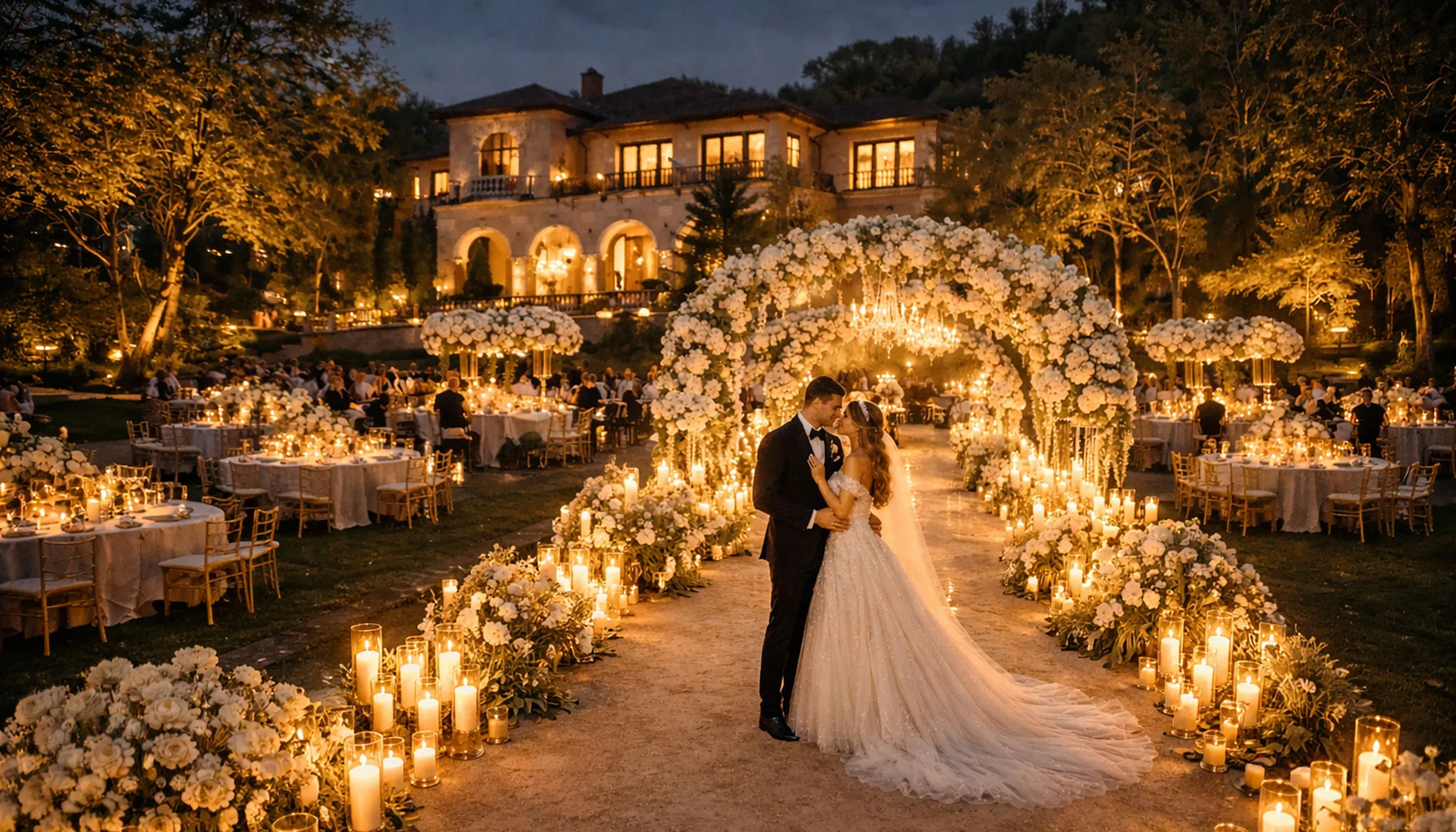
A day, carried by closeness
This wedding thrived on closeness and attention. Everything quietly intertwined and created a framework in which guests felt safe, welcome, and connected. From arrival to departure, a shared flow emerged that left room for conversations, laughter, and quiet togetherness. What remained was a feeling of warmth and cohesion that outlasted the day.
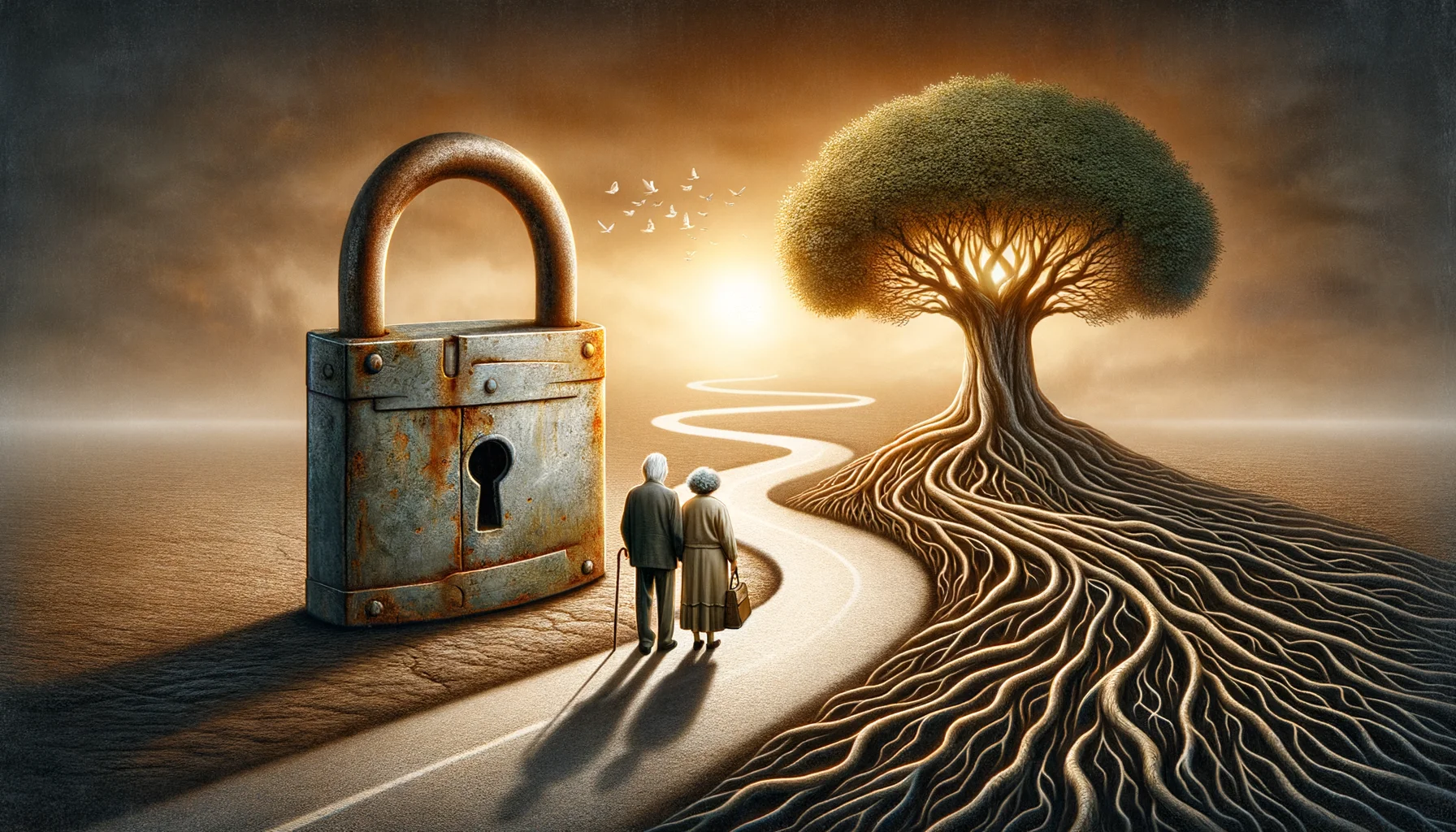
Meaning of Marriage and Love
Marriage and love are not built on constant passion or perfect moments. They survive because two people decide to stay, even when feelings change and life becomes difficult. Real love is quiet, steady, and intentional. It grows through honesty, shared responsibility, and the willingness to choose each other every day—not because it’s easy, but because it matters.
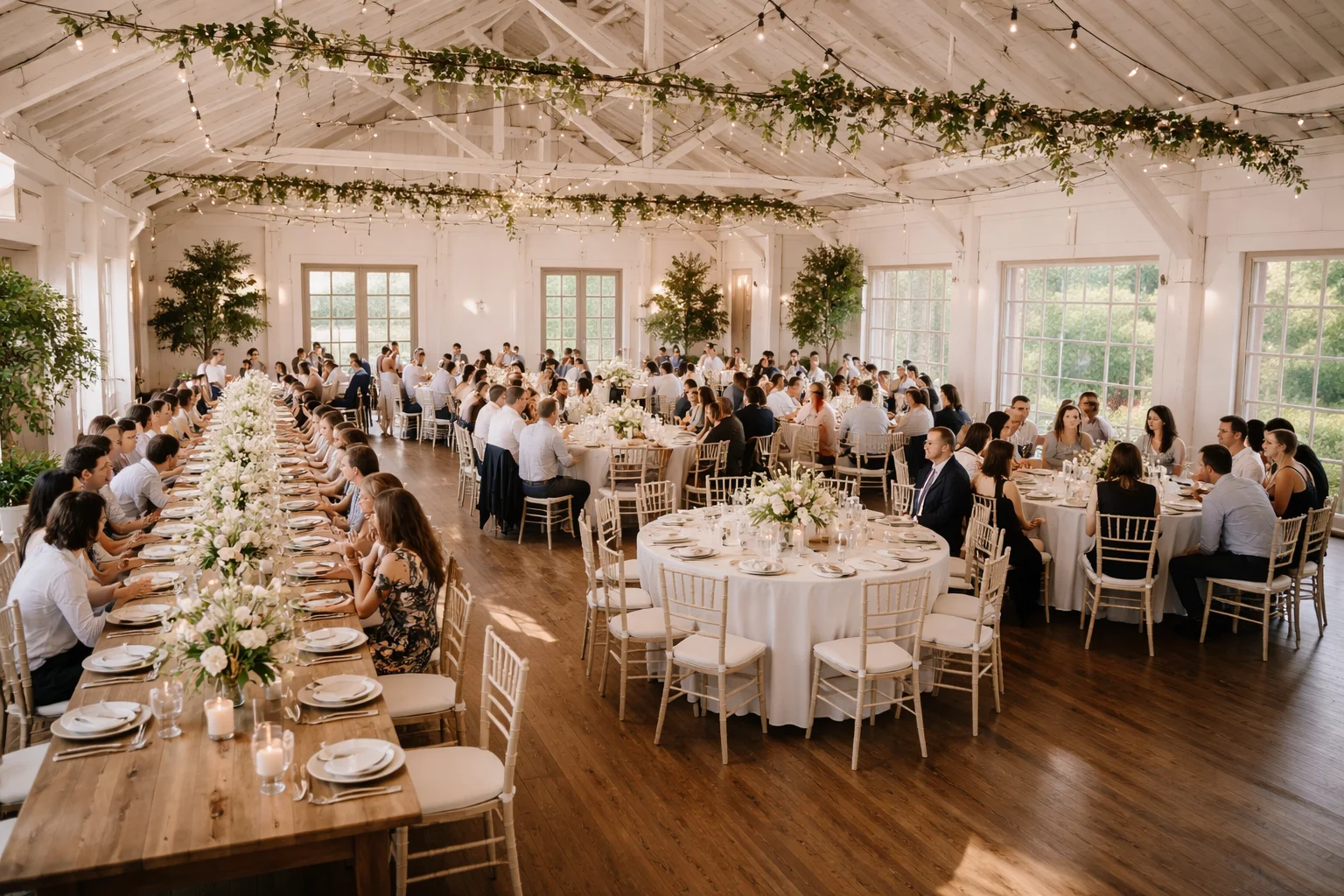
Long Tables vs Round Tables: Observed Use in Wedding Settings
The choice between long and round tables shows up early, often before other details are fixed. It looks like a visual decision at first. In actual setups, it shifts how the room settles once people sit down. Not dramatically, but enough to notice after a short time.
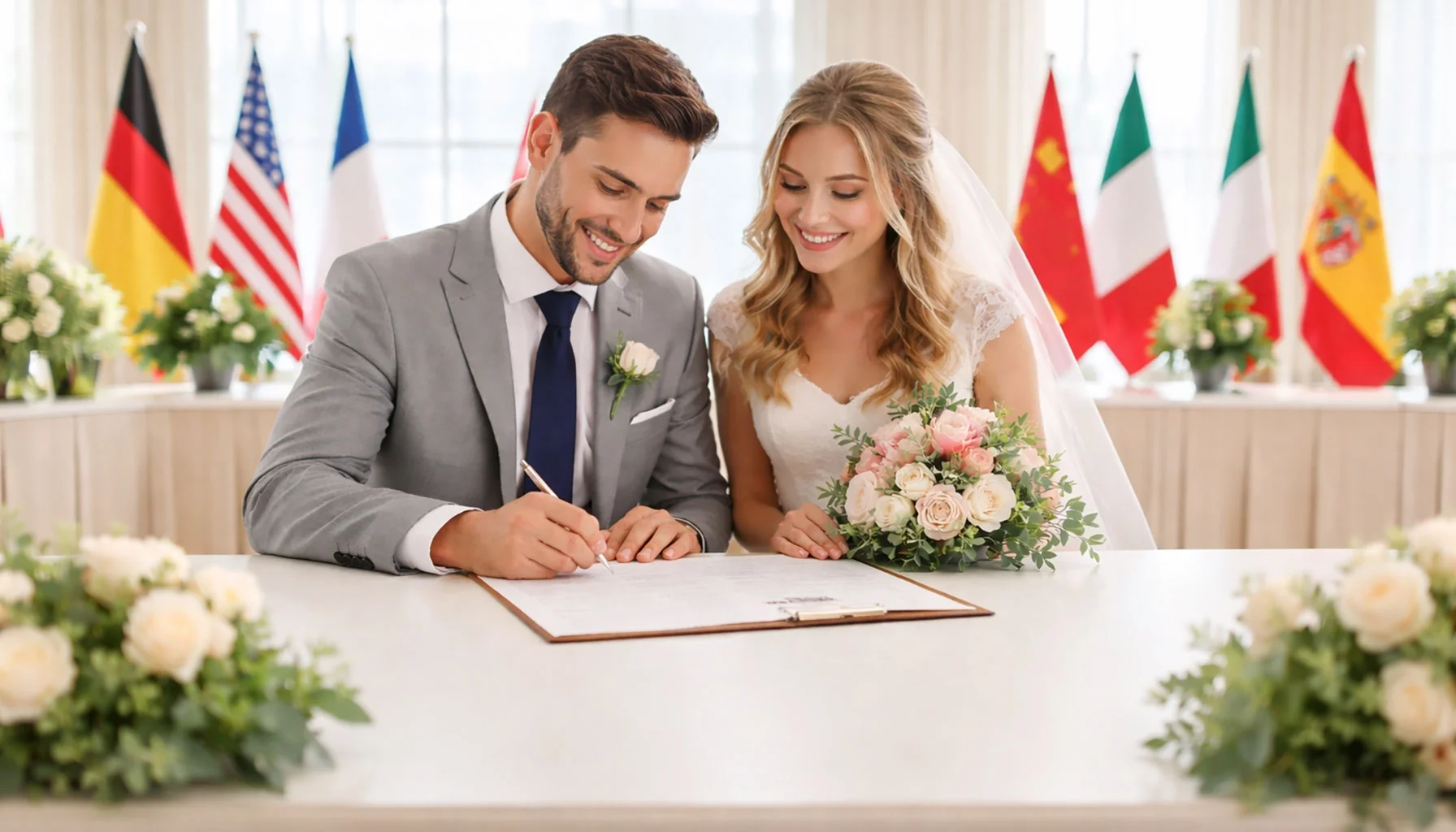
Civil Ceremonies Worldwide: Legal Requirements, Processes, Costs, and Cultural Differences
Civil ceremonies are rarely dramatic, yet they often carry one of the most decisive thresholds in a wedding journey. This article looks at civil marriage across countries through legal requirements, observed processes, cost ranges, and the quieter atmosphere that often surrounds the moment a marriage becomes official.
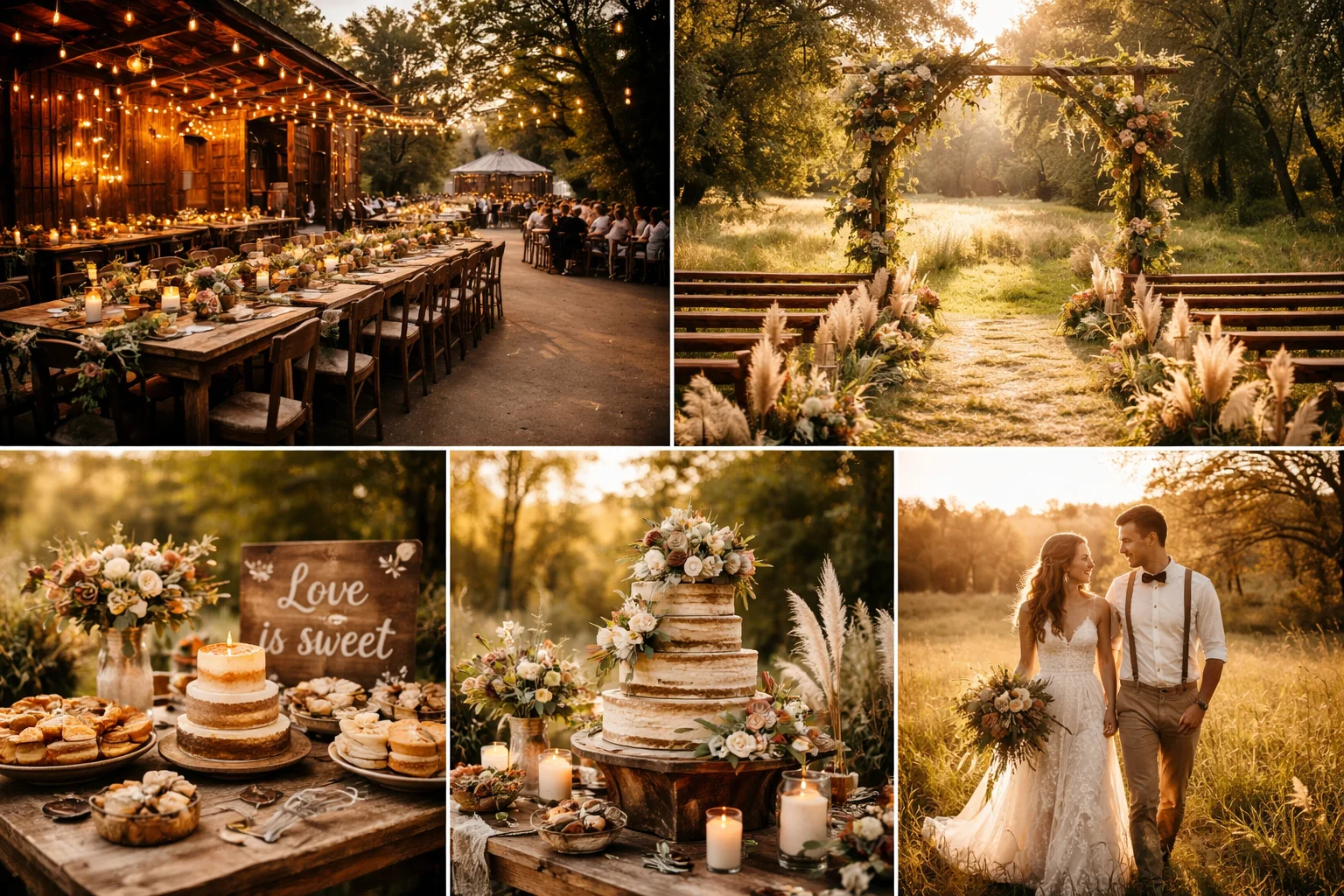
Rustic and Natural Wedding Celebrations: Timeless Love in Harmony with Nature
Rustic and natural weddings are often remembered less for decoration than for the way they let people settle. Wood, air, grass, uneven ground, soft light, and slower movement create a kind of calm that feels almost familiar from the start. This article looks at how rustic wedding settings shape atmosphere through simplicity, material honesty, and the quiet logic of place.