
Candlelight at Wedding Tables: Local Light Zones
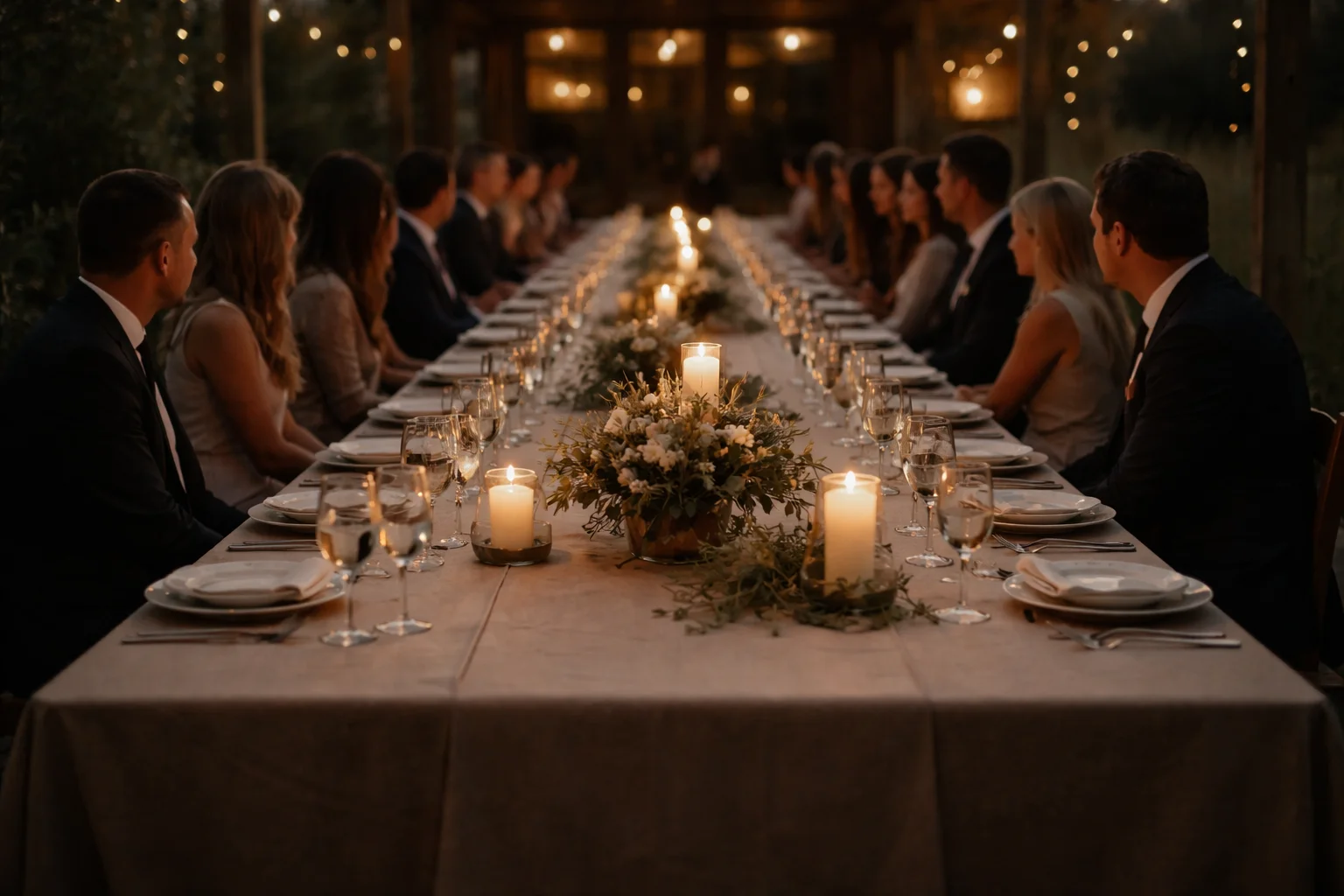
Candlelight rarely spreads across a wedding table as evenly as people imagine. Even when the number of candles seems generous, the light still gathers in certain places and falls away in others. One end of the table feels animated, another softer and more withdrawn. The difference is not dramatic enough to read as contrast, yet it shapes the table all the same.
That is part of why candles remain so useful in wedding lighting. They do not flood the table. They create pockets of attention. A hand near a glass becomes briefly brighter, a face turns into view, cutlery catches a short flash, then the moment is gone. The table is not lit as one surface, but as a sequence of small, shifting zones.
Definition
Local light zones are small, uneven areas of illumination created by candles placed across a wedding table. Instead of forming one continuous field of light, candles produce concentrated patches that fade quickly at the edges, leaving the surface irregularly lit and constantly changing as people and objects move through it.
Light Gathers Before It Connects
The first thing candlelight does is cluster. Two candles placed close together form one stronger area, while a small gap between them can already leave a visible drop in brightness. This is why tables with the same total number of candles can feel very different in practice. A planner once described it as the difference between a table that glows and a table that twinkles. Both can be beautiful, but they do not guide the eye in the same way.
Guests Sit Inside Different Atmospheres
At a long dinner table, candlelight is never distributed with perfect fairness. One guest may sit closer to a warmer pool of light, another just beyond it. Faces appear and soften depending on posture, conversation, and the exact angle of the flame. This unevenness is not a flaw. It is often what makes candlelit tables feel alive rather than staged. The room gains variation without needing stronger overhead lighting to announce it.
Lighting Concepts – CategoryThe right lighting transforms a wedding space and sets the emotional tone of the celebration. From soft ambient light to dramatic highlights, thoughtful lighting enhances décor, creates atmosphere, and guides guests through different moments of the day. Carefully planned lighting concepts bring warmth, elegance, and depth to every setting.
Objects Keep Rewriting The Table
Candles do not work alone. Glassware reflects them, bottles interrupt them, polished cutlery catches quick highlights, and matte plates absorb more than they return. A moved water glass can brighten one small corner and dim another. That is why good lighting at weddings is never only about fixture count or flame count. It is also about the materials placed into that light and how often those materials shift during the meal.
Height Adds Layers, Not Uniformity
Couples sometimes assume that mixing tall tapers with lower votives will smooth the table into one consistent glow. Usually it does not. Taller flames stretch light farther outward, while low candles hold it tighter to the surface. The result is richer, but still uneven. Florists and stylists often like this because it prevents the table from becoming visually flat. A lighting designer once put it very plainly: candlelight works best when it behaves more like conversation than wallpaper.
What The Light Leaves Behind
The link to imprints is quieter, but real. Local light zones do not just illuminate the table in the moment. They create traces in memory. Guests often remember a wedding table less as a complete image and more as fragments: the shine on a glass, the warmth near folded hands, the candle at the edge of a conversation. These are small visual imprints rather than full scenes. Candlelight is particularly good at producing them because it never shows everything at once.
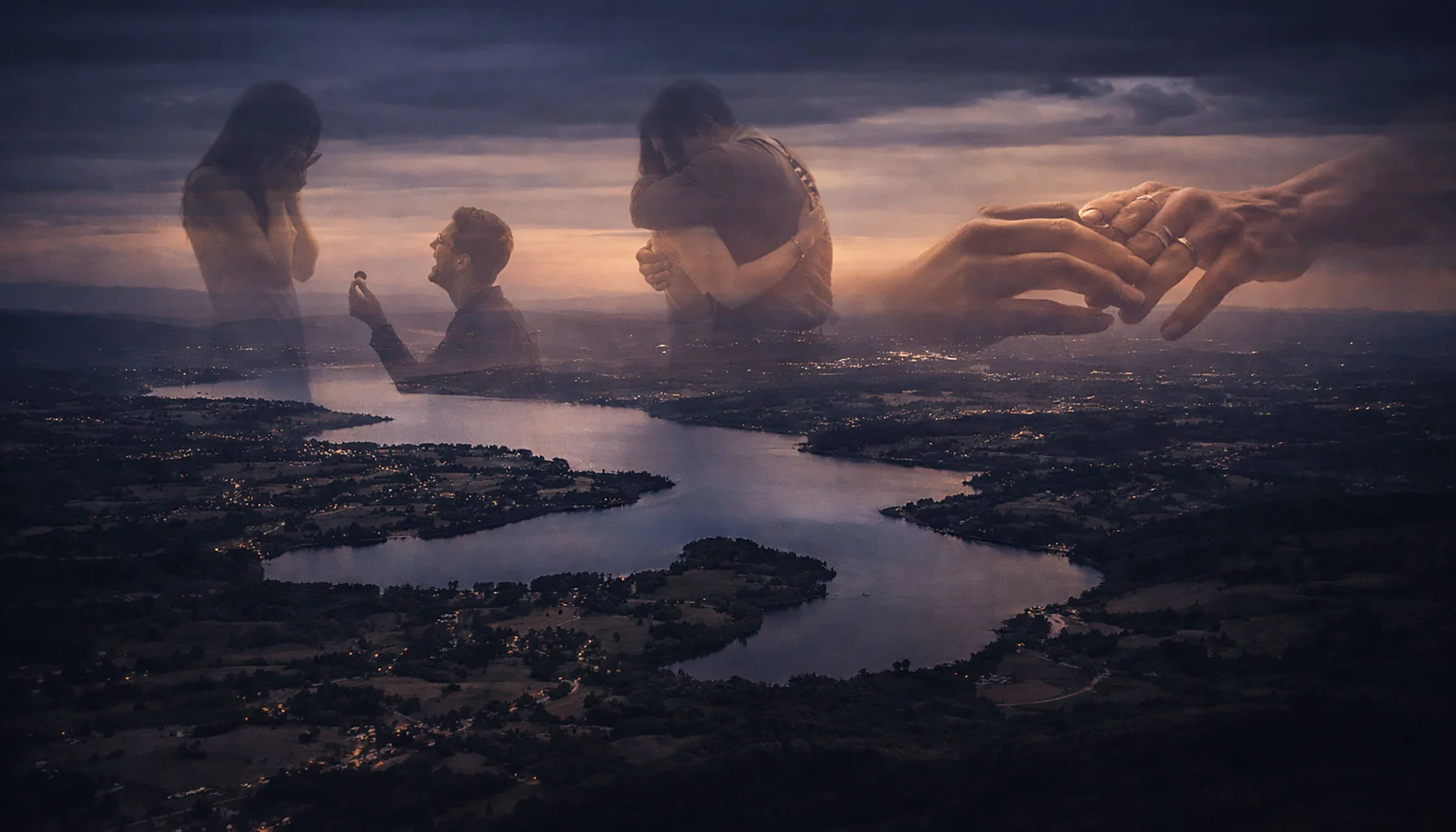
Some moments do not pass. They settle. Imprints are the emotional traces left by rituals, decisions, and answers that continue shaping relationships long after the moment is gone.
Conclusion
Candlelight at wedding tables does not create one even surface of visibility. It settles into local zones, small areas of brightness that gather, shift, and dissolve over the course of dinner. That unevenness is not something to correct. It is one of the reasons candlelit tables feel intimate, layered, and memorable. The light does not cover everything. It touches certain things more closely, and those are often the details people carry away.
Related Articles
How to Make Wedding Lighting Feel Warmer and More Intentional
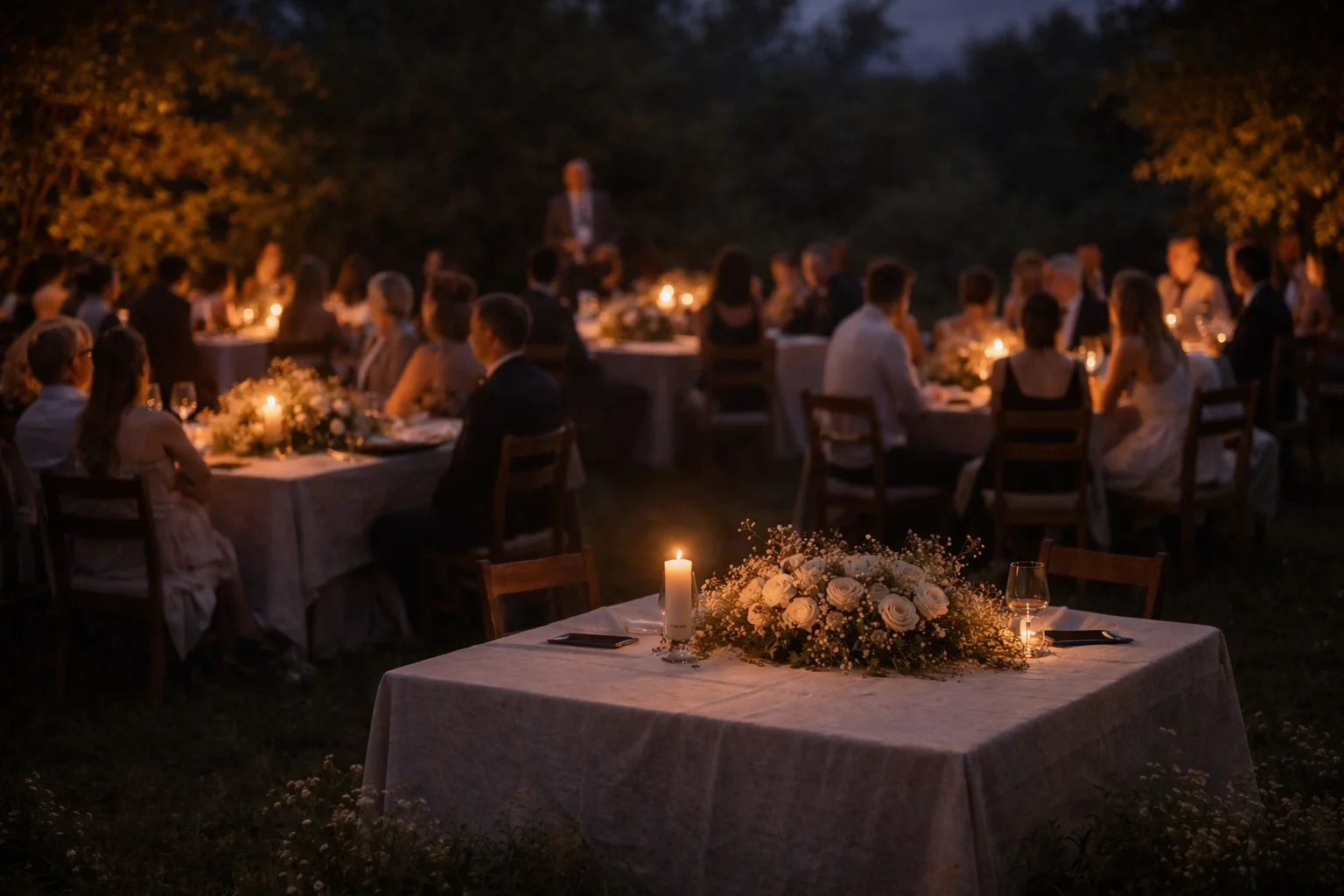
Lighting at weddings is often treated as a technical detail, but it defines how a space is felt before anything else is noticed. This article explores how to make light softer, calmer, and more intentional, and why what is not directly seen often matters most.
Winter Weddings: Beautiful Locations, Planning Tips and Ideas
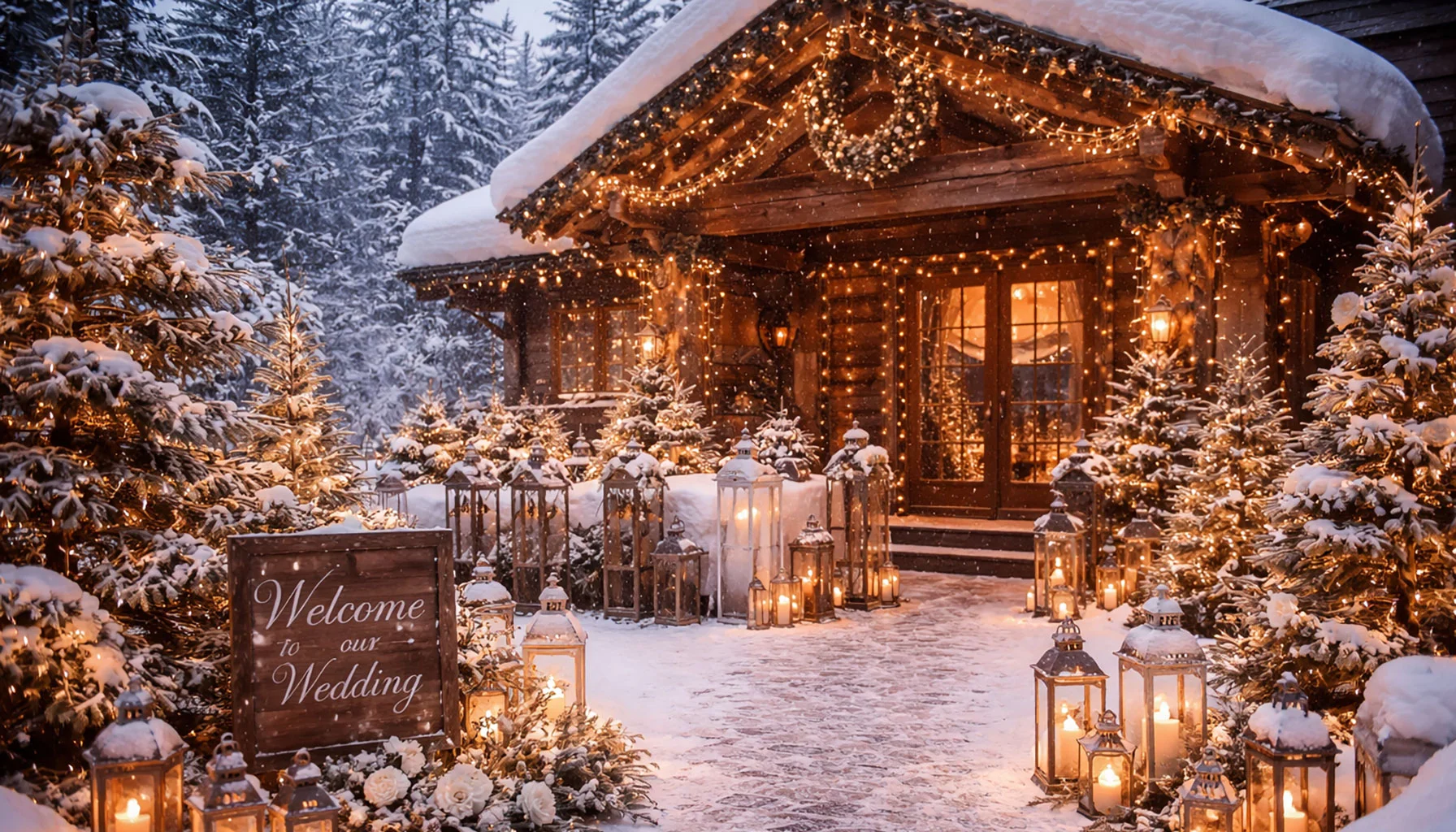
Winter weddings move by a different clock. Light shortens, rooms gather people more closely, and warmth becomes part of the structure of the day. This article looks at winter weddings not only as a seasonal style, but as a form of celebration shaped by atmosphere, containment, and the emotional trace a winter setting leaves behind.
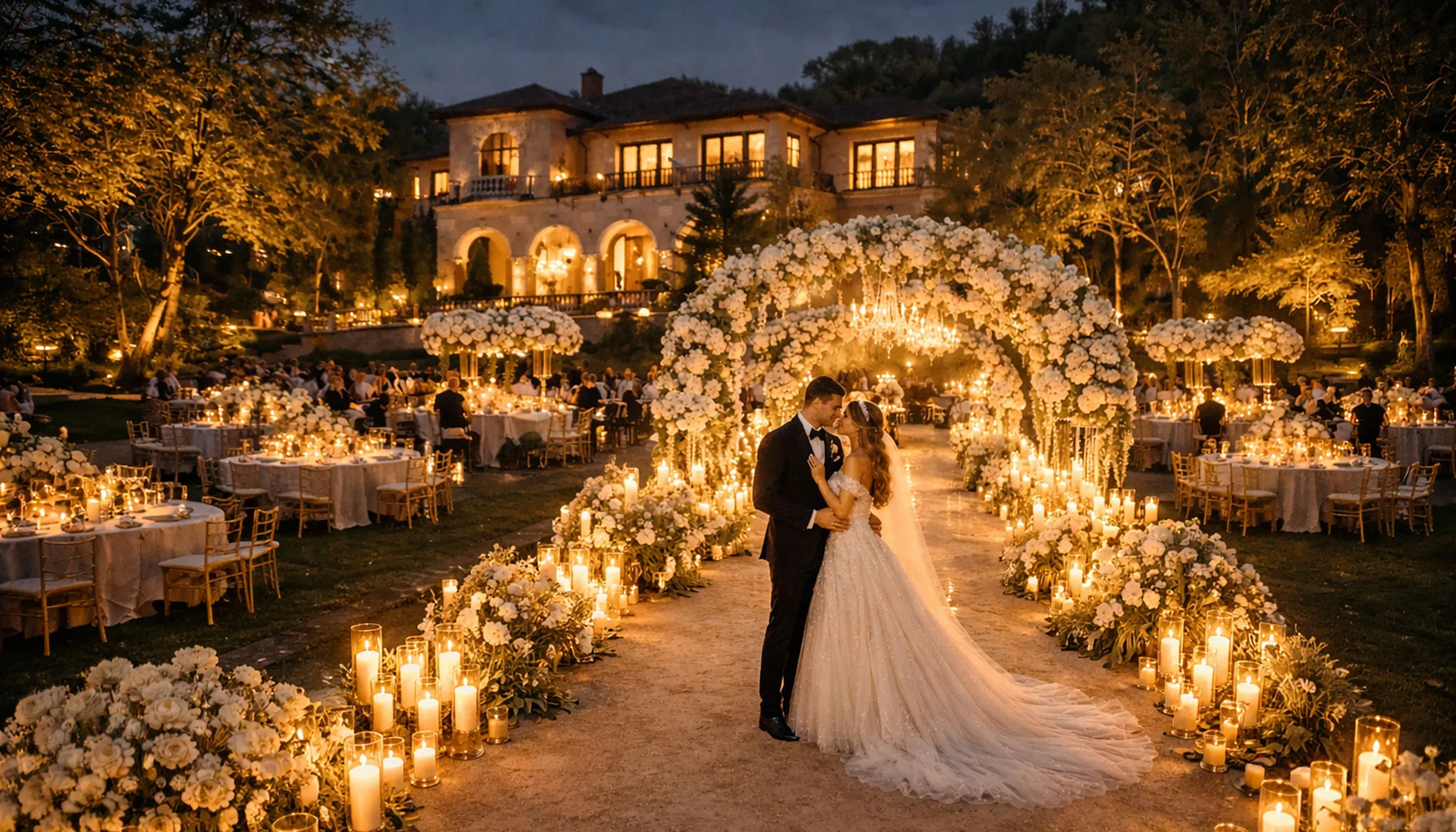
A day, carried by closeness
This wedding thrived on closeness and attention. Everything quietly intertwined and created a framework in which guests felt safe, welcome, and connected. From arrival to departure, a shared flow emerged that left room for conversations, laughter, and quiet togetherness. What remained was a feeling of warmth and cohesion that outlasted the day.
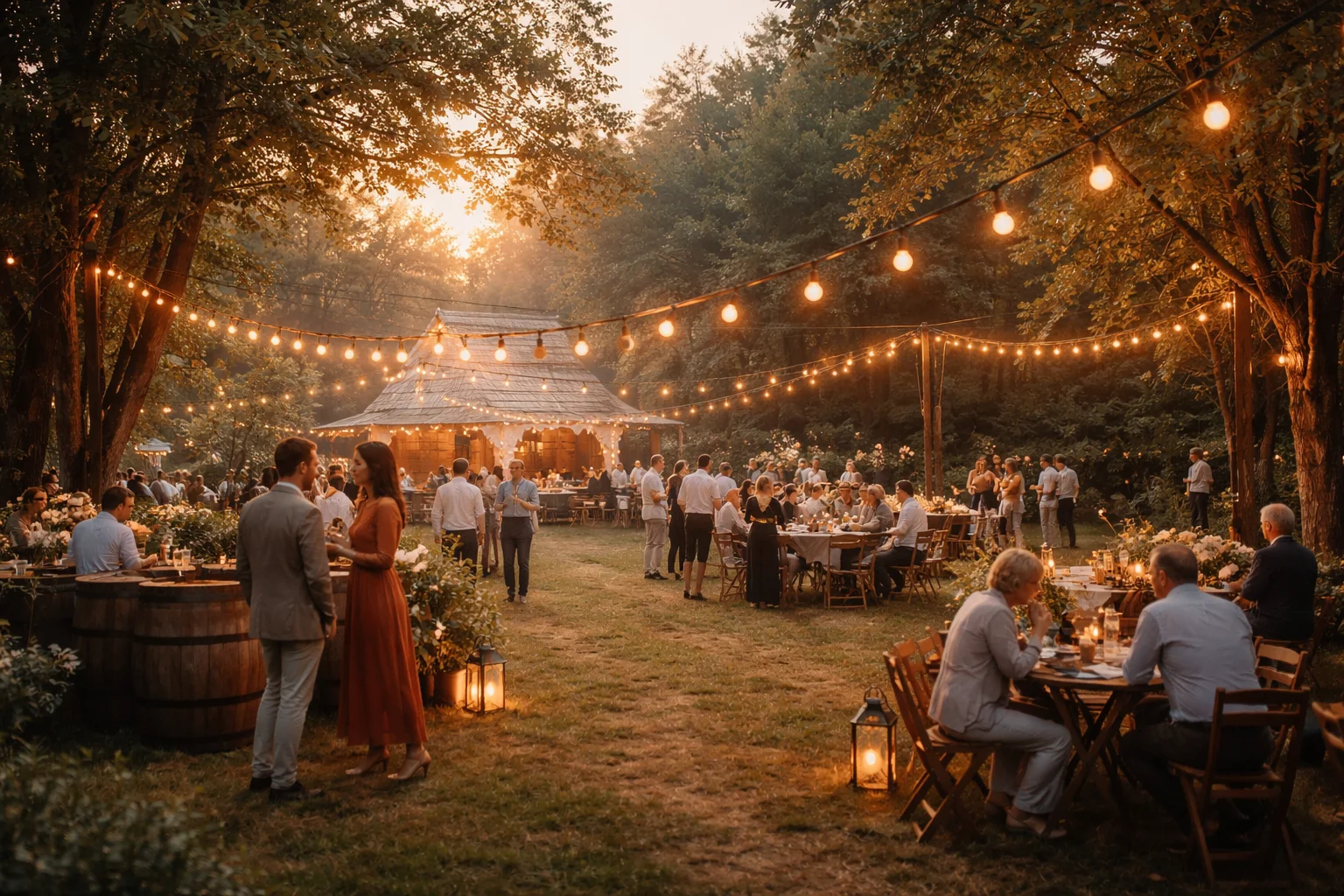
When the Day Builds Itself in Small Moments
Some weddings are held together less by formal program points than by short, unplanned interactions that quietly take over the day. This article looks at how micro-moments shape flow, attention, memory, and atmosphere, especially in smaller celebrations.
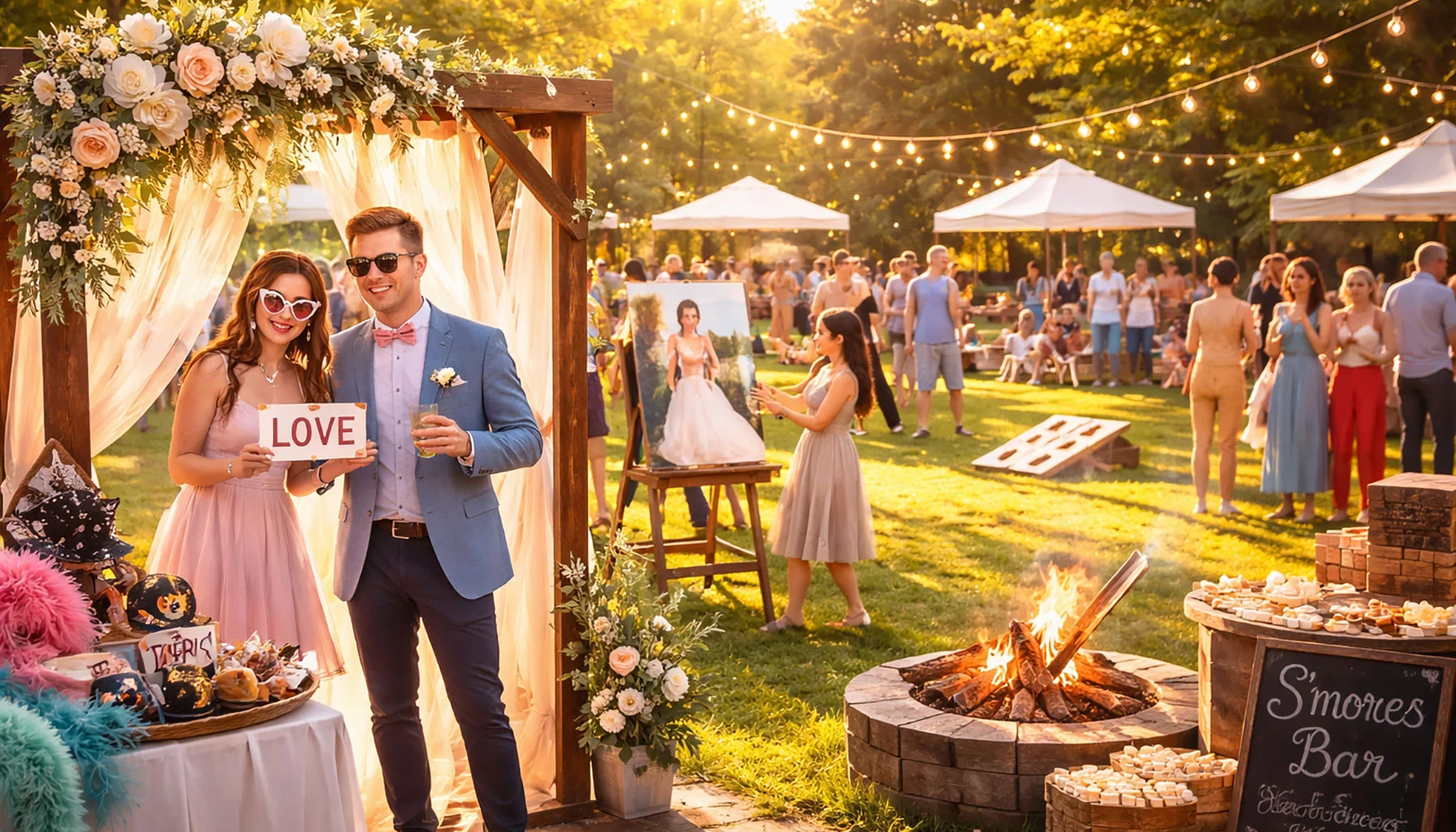
Wedding Guest Activities That Create Lasting Memories
The wedding activities guests remember most are rarely the loudest. They are the ones that give people something gentle to enter, something quiet to touch, and something small to carry away afterward. This article looks at which kinds of wedding guest activities tend to stay with people and why they often leave a deeper imprint than more spectacular entertainment.
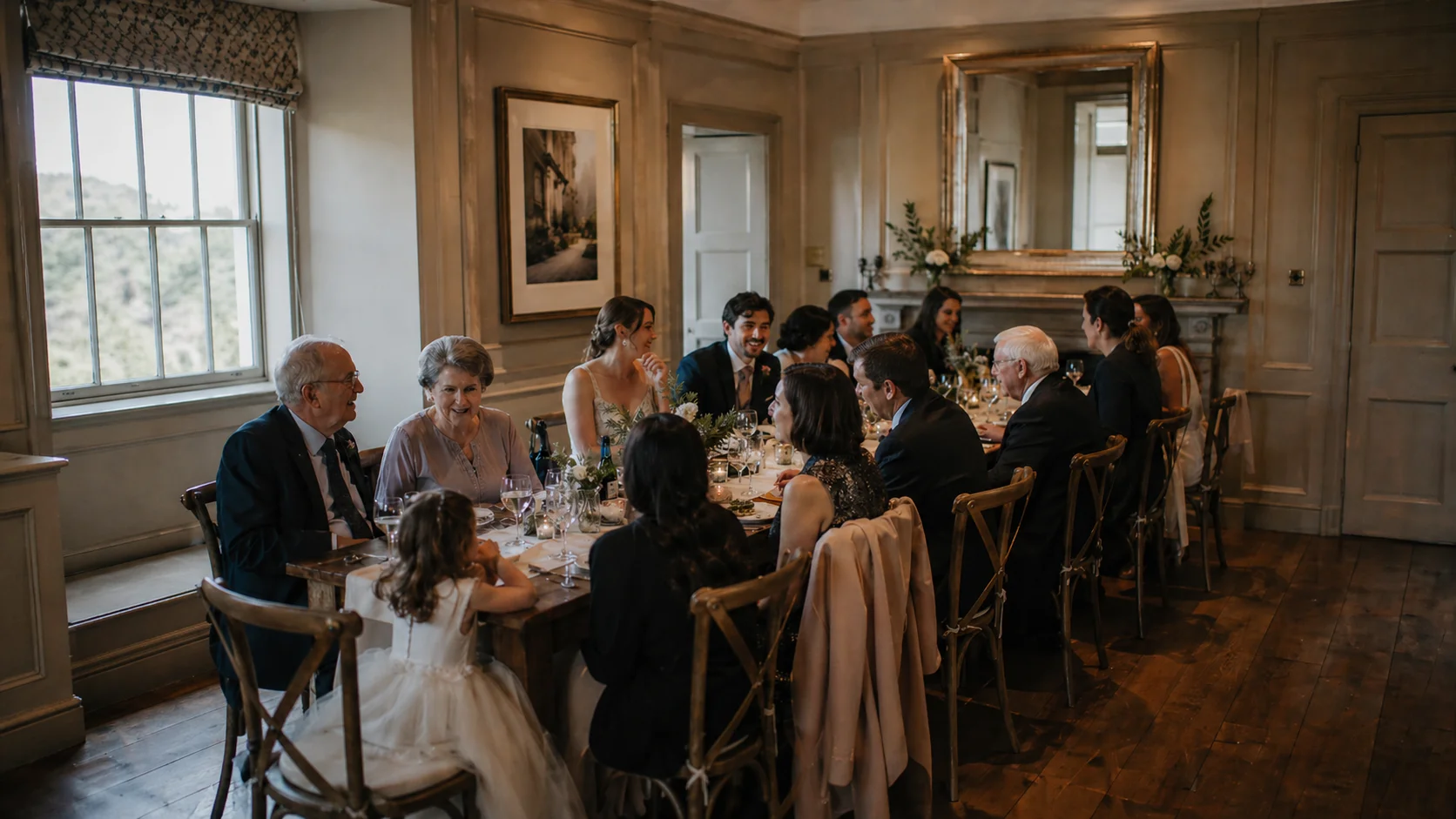
Family Table Checklist: What Helps Mixed Generations Sit More Easily Together
Family tables at weddings rarely depend on seating order alone. They work better when physical comfort, conversational balance, newer relationships, and older family stories are all considered before dinner begins.
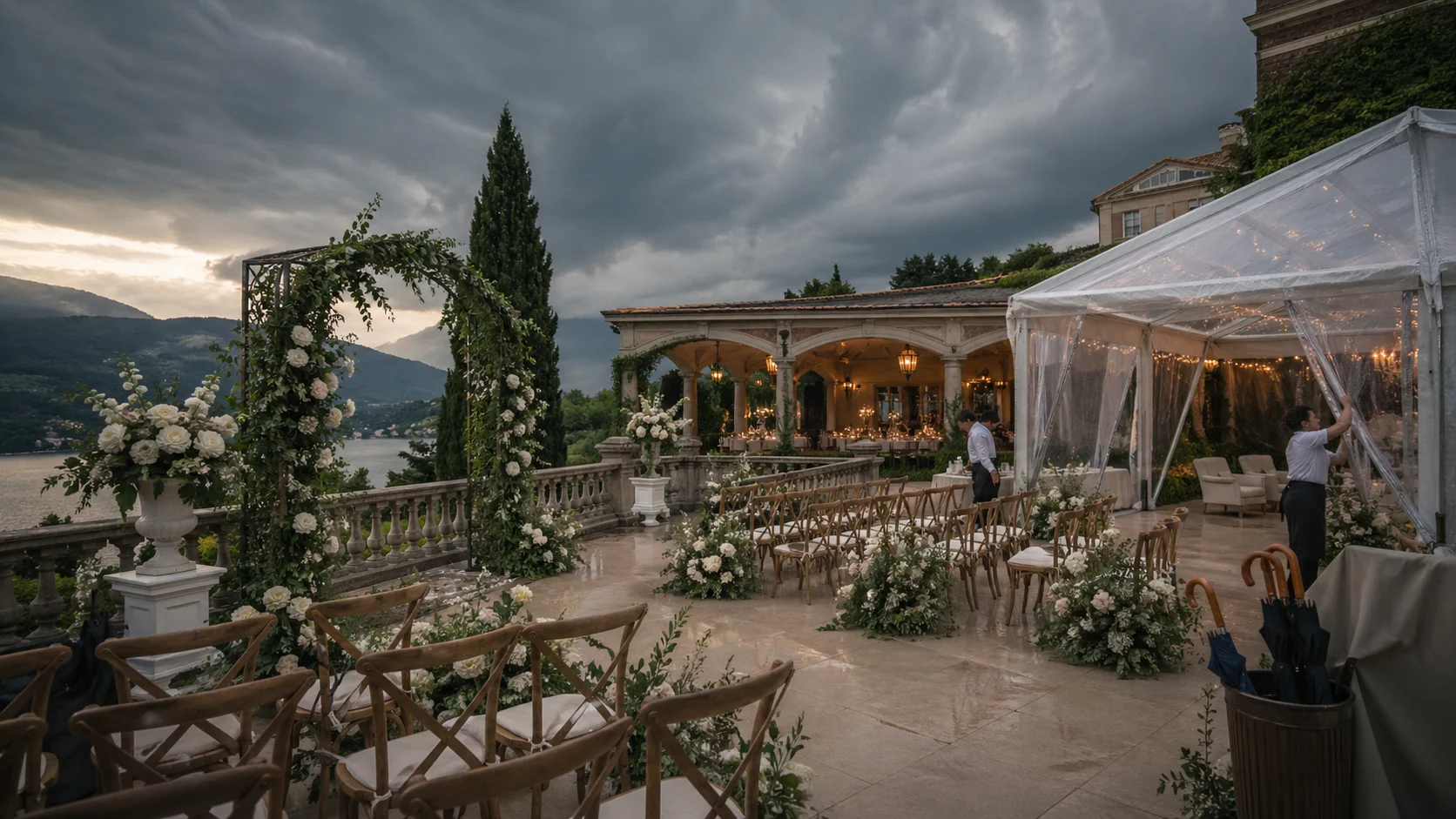
Rain Plan Checklist: What Needs Deciding Before Weather Becomes the Mood
A wedding rain plan is rarely just a backup for logistics. It also shapes whether weather stays manageable or quietly takes over the emotional tone of the day. This article looks at what needs to be decided early, so rain changes the setting without deciding the atmosphere.
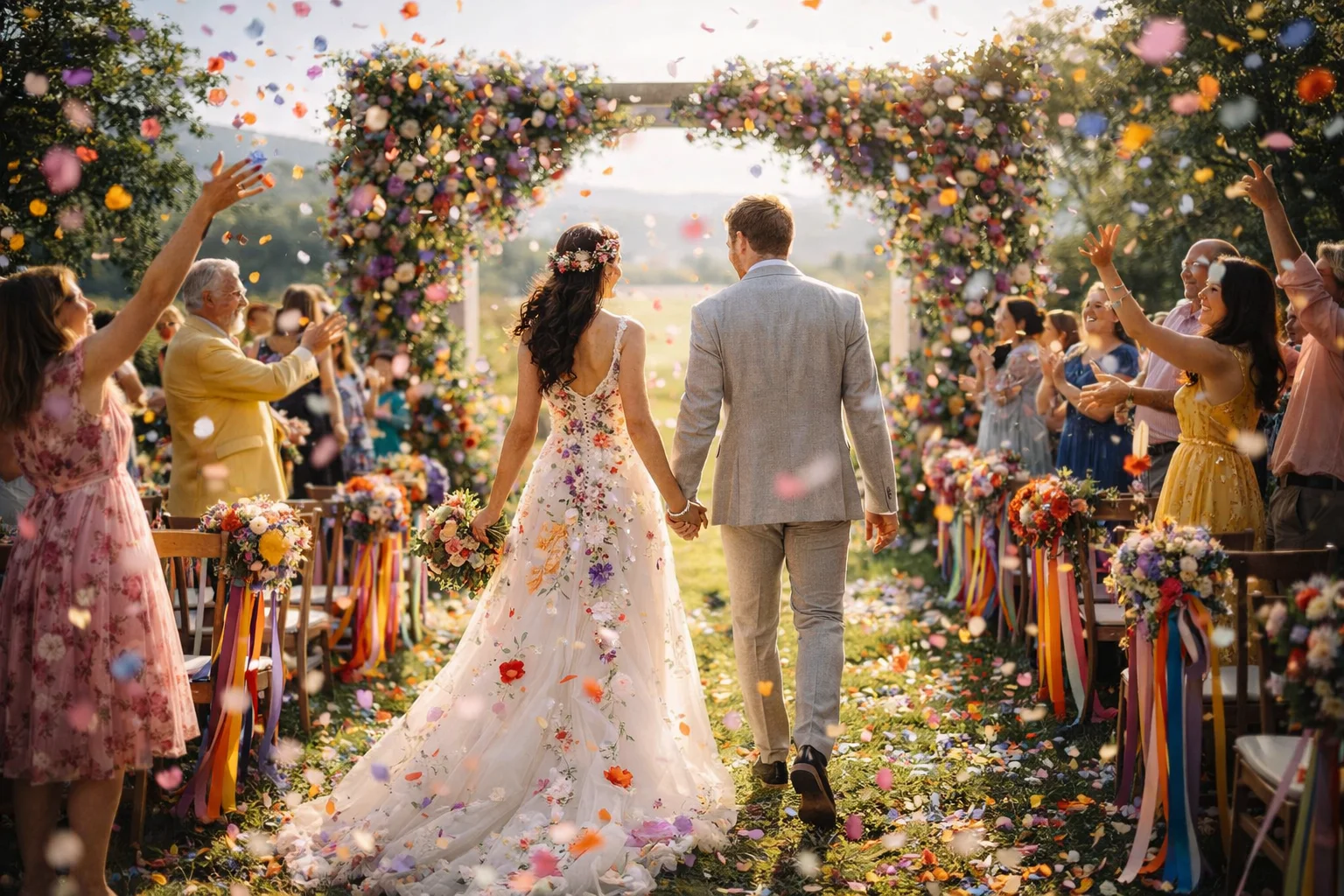
What Wedding Colors Leave Behind
Wedding colors are usually chosen for beauty, balance, or season. But they also leave a trace. Long after flowers fade and fabrics are packed away, certain tones remain attached to a promise, a room, a feeling. This article looks at wedding color not only as styling, but as part of the emotional imprint a ceremony leaves behind.
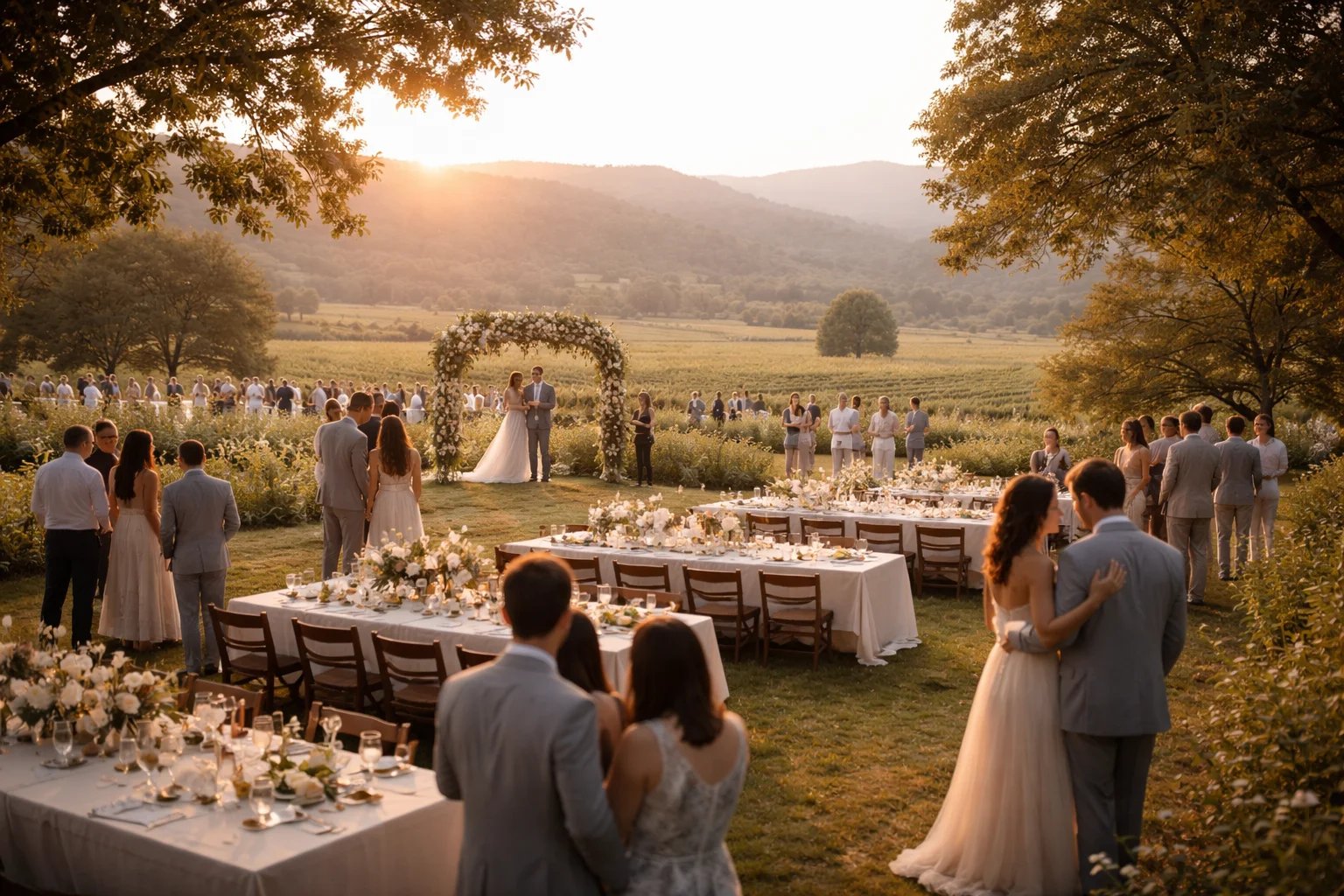
Light and Time at Weddings: How Daylight Subtly Shifts Flow and Perception
Daylight changes more than the look of a wedding. It shifts pacing, delays transitions, draws guests toward or away from certain spaces, and leaves behind some of the strongest visual impressions of the day.
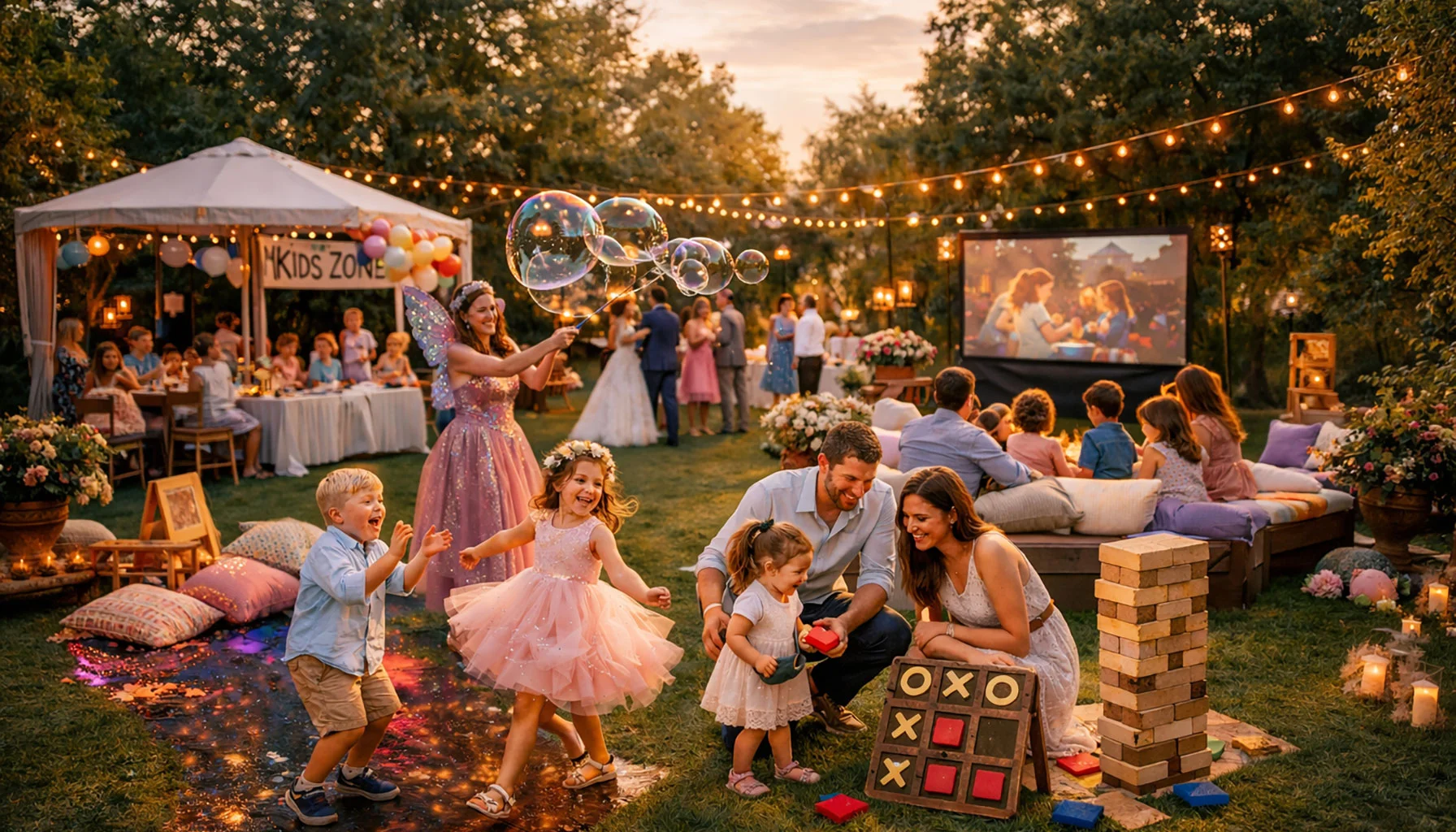
Creating Magical Moments for All Ages: Children and Family Entertainment at Modern Weddings
At weddings with children, the question is rarely whether entertainment exists. It emerges on its own the moment formal structure loosens. This article looks at family entertainment not as a side program, but as a quiet system of options that helps the day remain steady, generous, and memorable for guests of different ages.
Venues & Concepts in Weddings
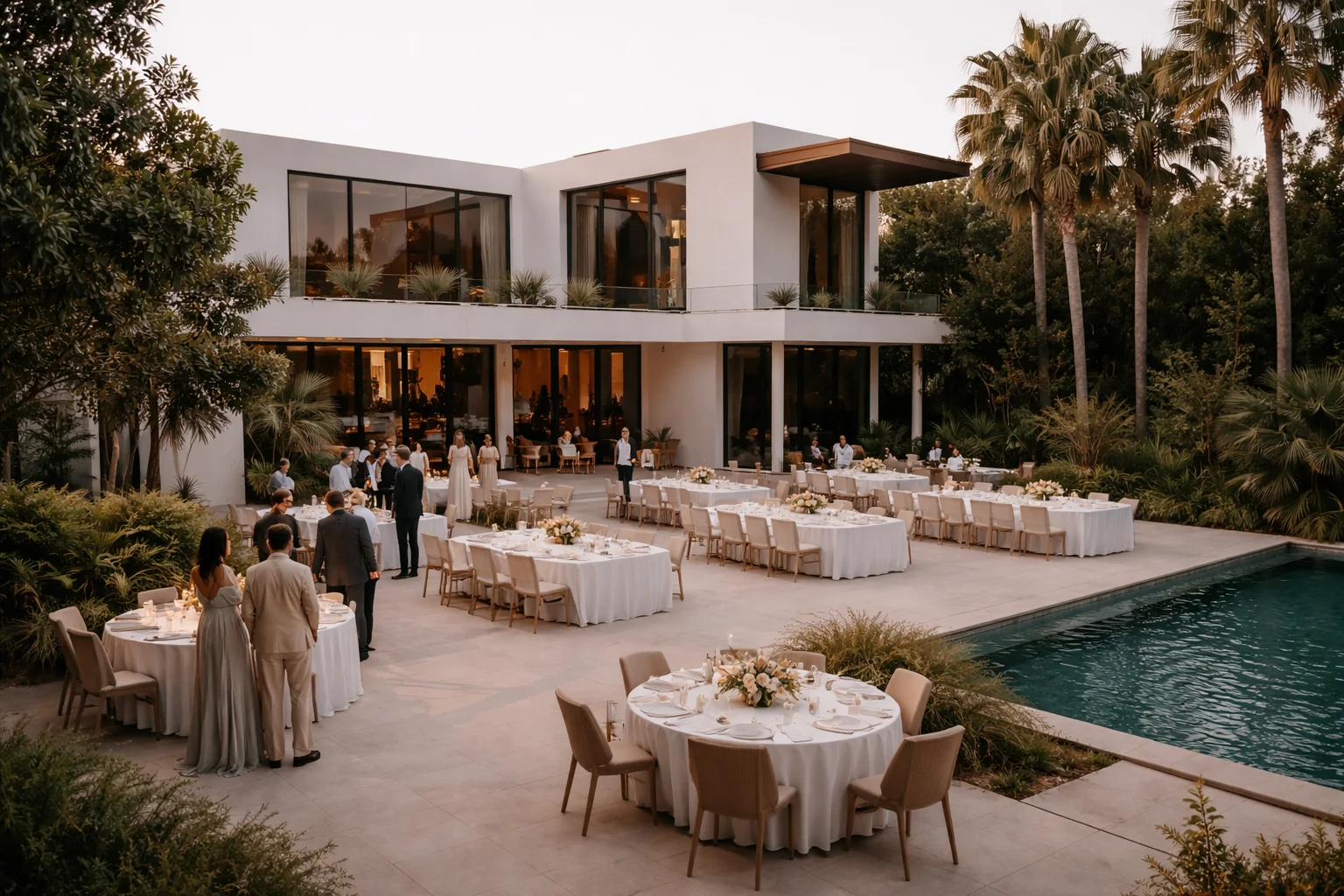
Wedding venues and wedding concepts are often treated as separate decisions. In practice, they rarely stay separate for long. The place changes the idea, the idea changes the place, and somewhere between the two an atmosphere begins to form that guests later remember more clearly than the plan itself.
Wedding Lighting: Creating Atmosphere That Lasts
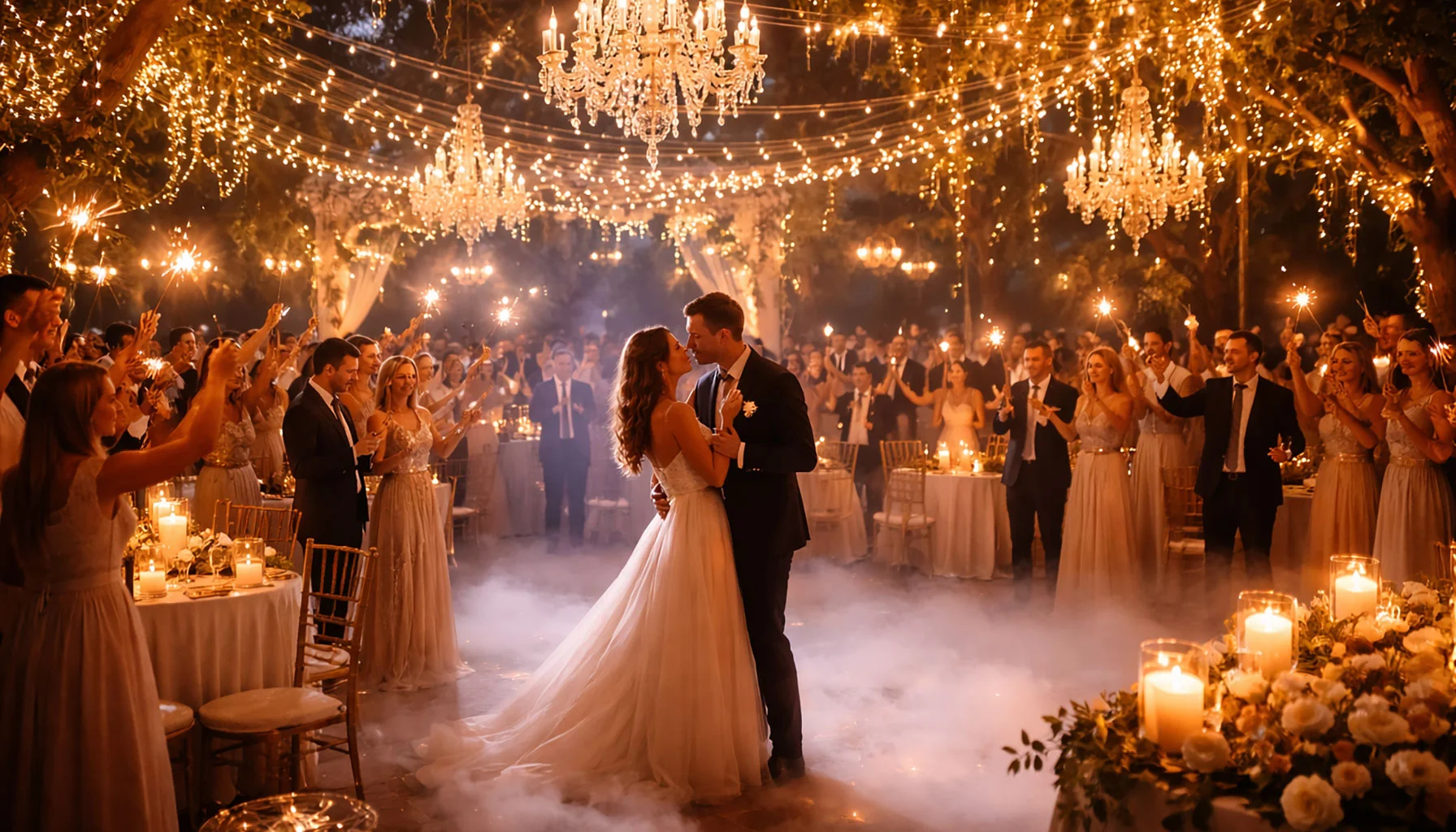
Wedding lighting is rarely remembered as equipment. What remains is how a room felt when people entered it, how the evening softened, and how different parts of the celebration seemed to belong together without visible effort. This article looks at wedding lighting as a quiet structure that shapes atmosphere and leaves a lasting imprint.