
Why Notebooks Matter More Than You Think at Weddings
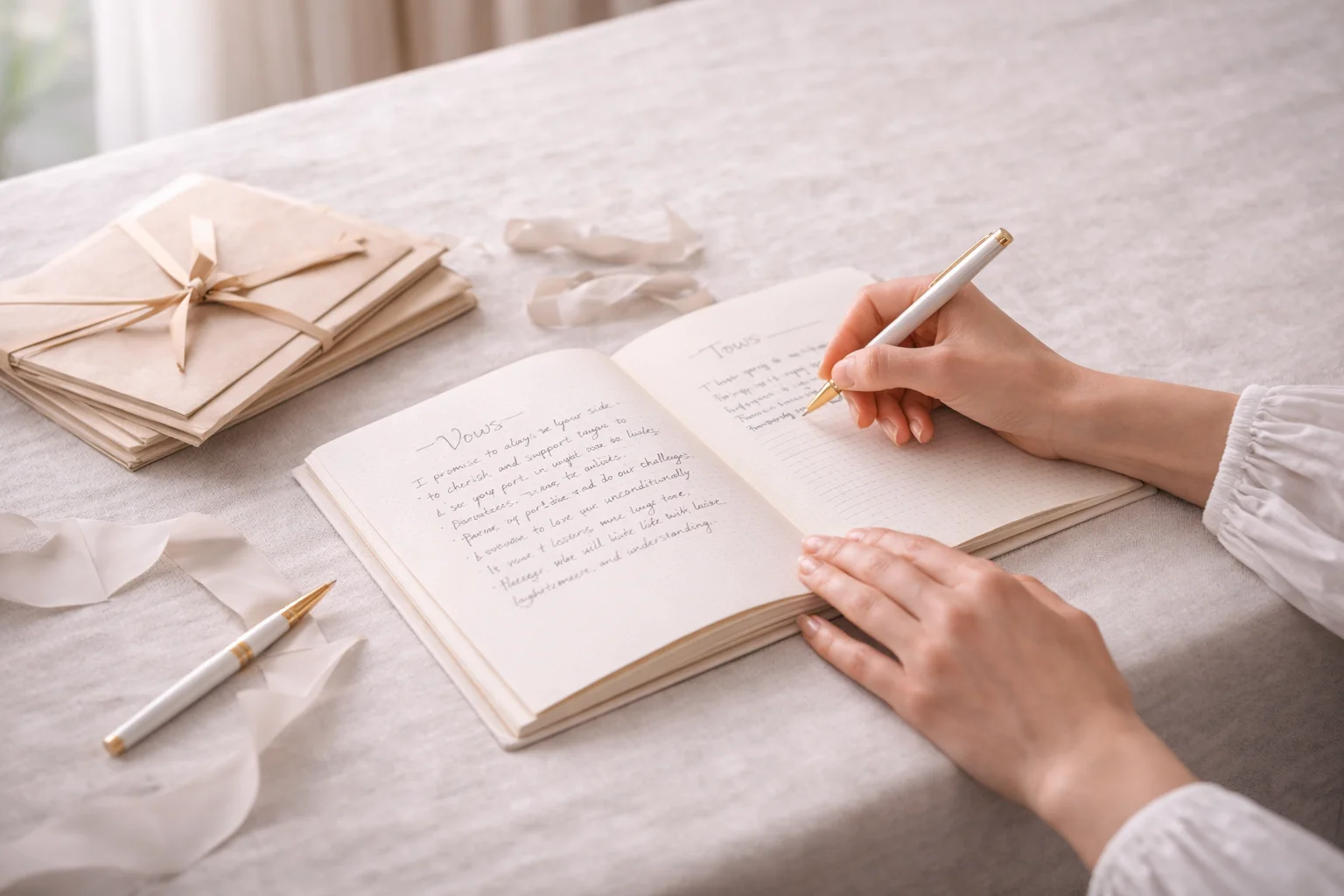
Notebooks at weddings are usually introduced quietly. A table near the entrance, a pen placed carefully beside them, maybe a small sign that explains their purpose. Guests recognize them immediately as part of wedding stationery, but they rarely stop to consider what they actually hold. A notebook is not decoration. It is an invitation to pause and translate a feeling into something tangible.
Unlike speeches or conversations, writing happens in a different rhythm. It slows people down. It removes the pressure of immediate response. In that slowed moment, something more precise can appear. This is where notebooks begin to connect with silence. They create a space where thoughts do not need to be performed, only noticed.
Invitations & StationeryThe first impression of a wedding is often created through printed details. From save-the-dates to menus and place cards, paper elements communicate the style and mood of the celebration. Thoughtful design choices in typography, colors, and materials help create a cohesive look that guides guests through the wedding day with elegance and personality.
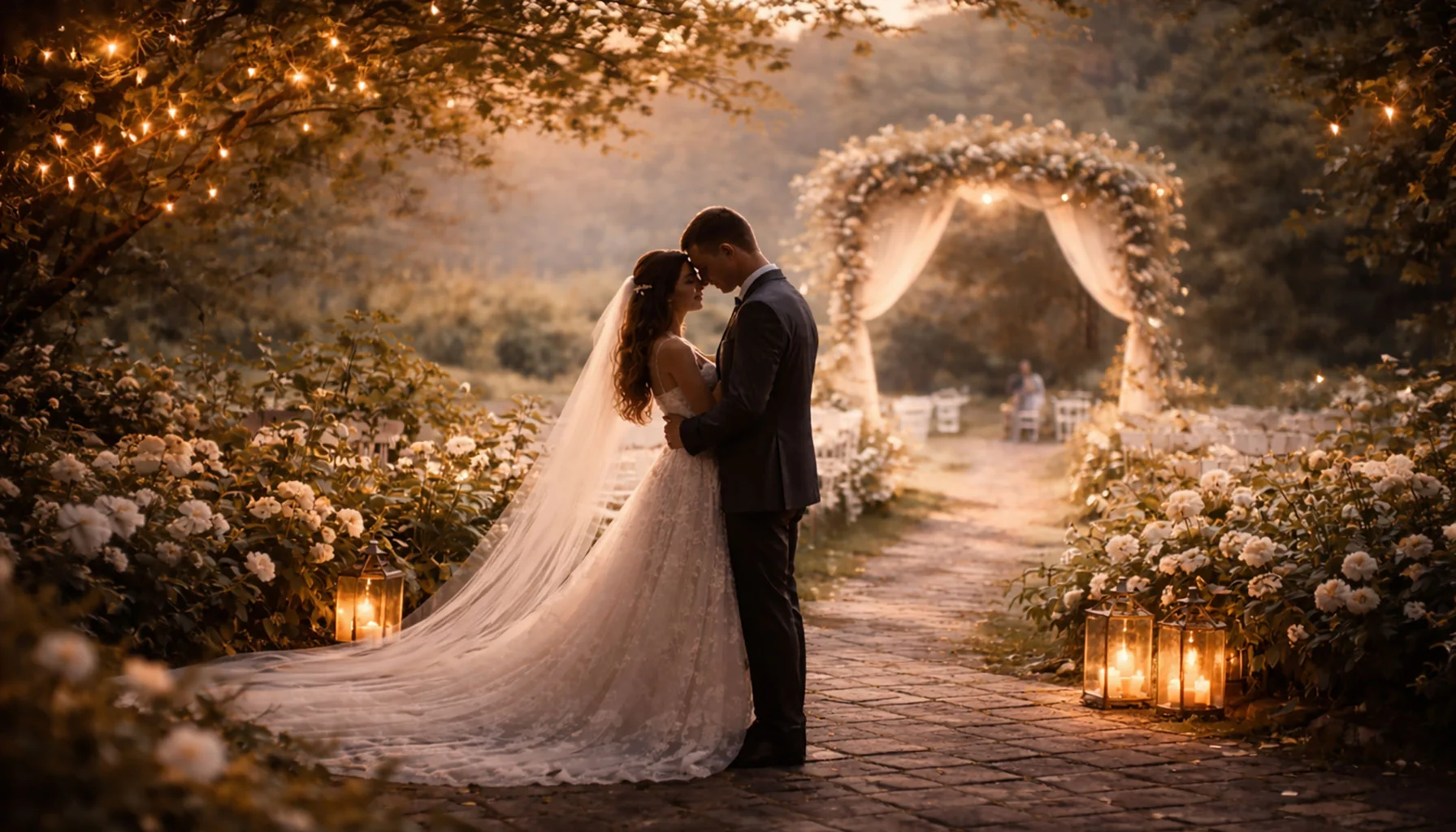
Silence is not absence. It is the space where meaning gathers before words, decisions, and rituals take shape.
Definition
A wedding notebook is more than a guest book. It is a structured space for reflection within a highly structured event. It allows guests to step briefly outside the flow of the ceremony and leave behind something considered rather than spontaneous.
Writing Slows the Moment
Most parts of a wedding move quickly. People greet each other, transitions happen, music shifts the atmosphere. Writing interrupts that speed. It creates a small pocket of stillness. Guests sit, think, hesitate, cross out words, start again. That process is not inefficiency. It is attention.
What People Write Is Rarely What They Say
Spoken congratulations often follow familiar patterns. Written messages do not. In a notebook, people tend to be more precise, sometimes more honest, occasionally more uncertain. That difference matters. It creates a second layer of the wedding that exists parallel to the visible celebration.
Material Influences Meaning
The physical presence of a notebook changes how it is used. Thick paper invites slower writing. A soft cover feels more personal than a rigid one. Even the weight of the pen affects how people engage with the page. These details belong to stationery, but they directly shape emotional outcome.
Notebooks Hold What Stays Unsaid
There are always things that remain unspoken at weddings. Not because they are hidden, but because they do not fit into conversation. A notebook becomes the place where those thoughts can exist without explanation. It allows presence without performance.
After the Wedding, the Notebook Changes
During the wedding, the notebook is part of the setting. Afterward, it becomes something else entirely. It is read slowly, often in private, sometimes much later. The meaning of what was written shifts over time. What felt small in the moment can become central later.
Conclusion
Notebooks at weddings are easy to overlook because they do not demand attention. But that is exactly their strength. They create a quiet structure within a loud event. They allow people to slow down, to notice, and to leave something behind that does not need to be spoken to be real.
Related Articles
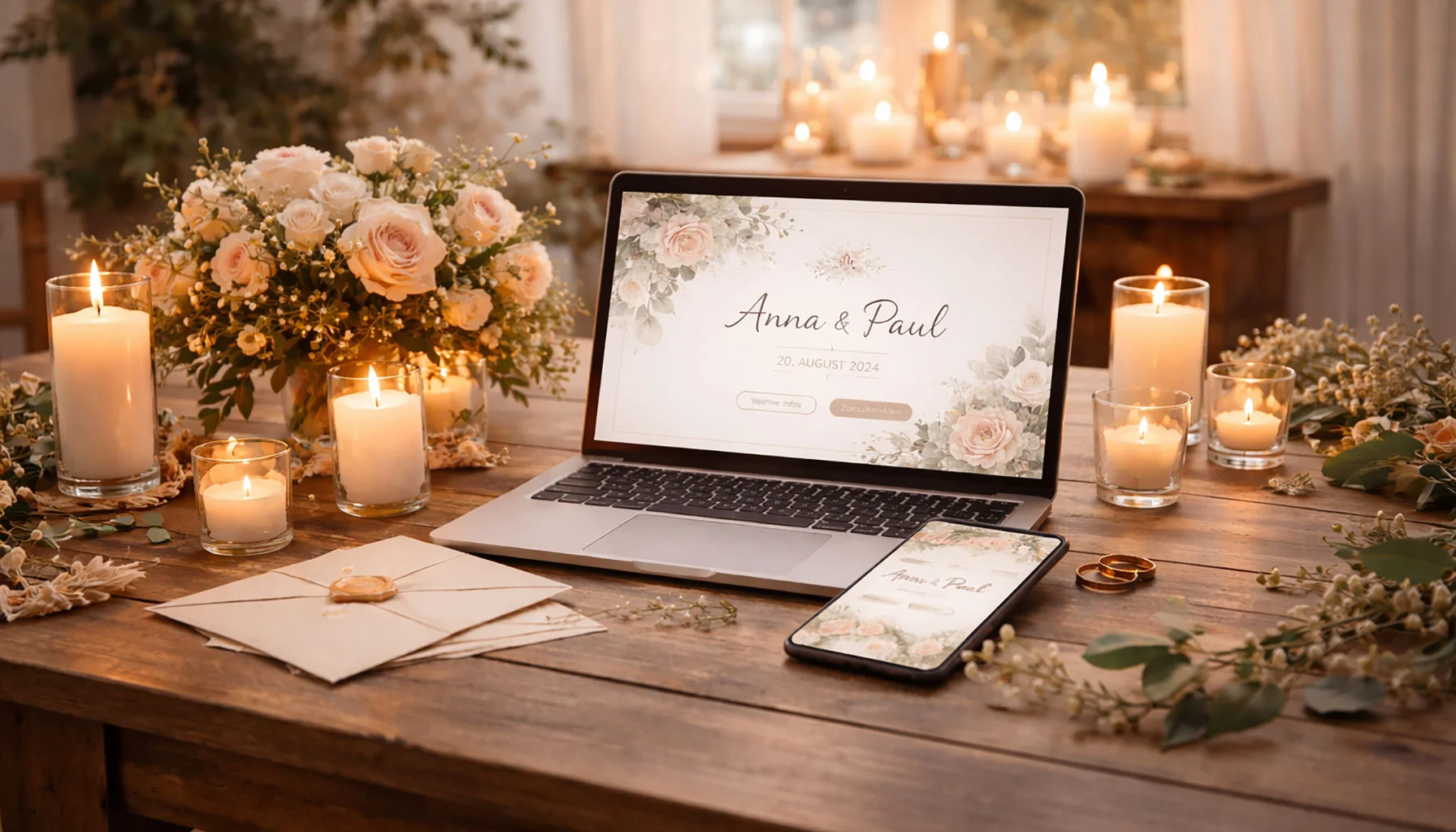
Wedding invitation online – Clearly organized, personally connected
Digital wedding invitations have established themselves in practice as a reliable organizational tool. They consolidate information, facilitate feedback, and connect guests regardless of their location. A wedding website provides clarity, reduces coordination effort, and allows for flexible adjustments to the schedule. Key are clear content, an uncluttered design, and a personal approach. This turns a technical solution into a fitting start for a shared day.
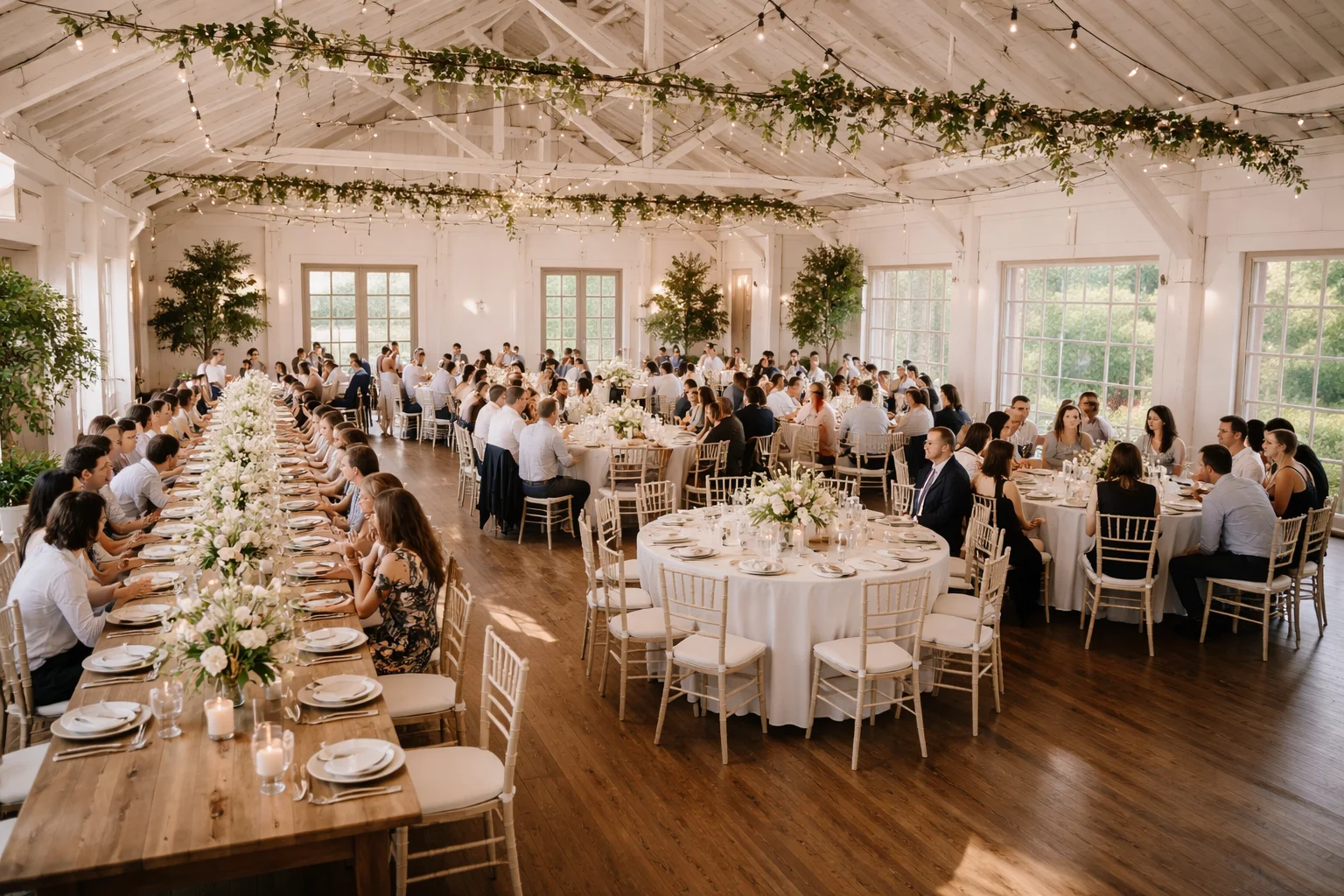
Long Tables vs Round Tables: Observed Use in Wedding Settings
The choice between long and round tables shows up early, often before other details are fixed. It looks like a visual decision at first. In actual setups, it shifts how the room settles once people sit down. Not dramatically, but enough to notice after a short time.
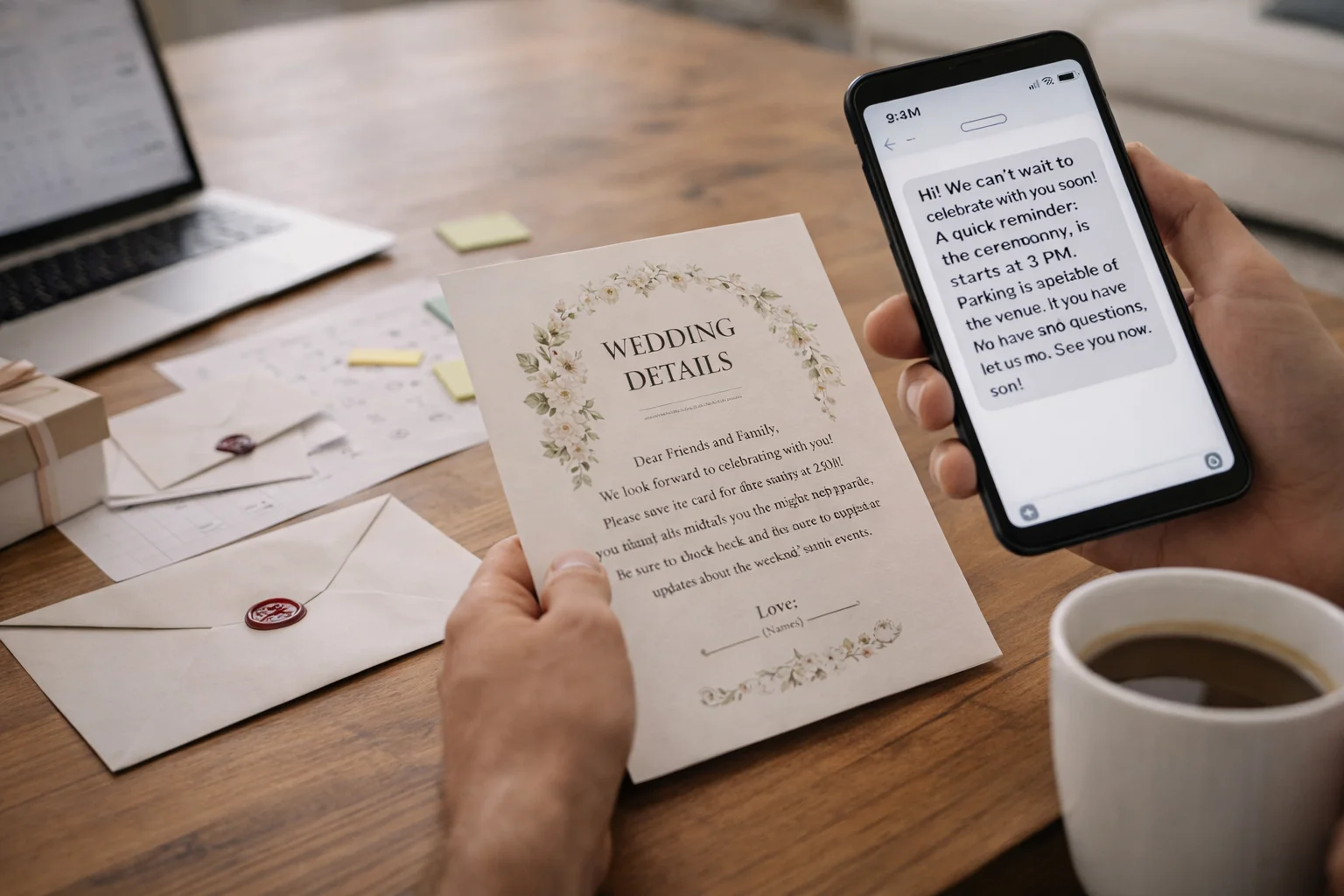
Wedding Guest Communication Checklist: What Guests Need to Know and When
Good wedding communication is not about sending guests everything at once. It is about giving the right information at the right moment, so the day feels clear without becoming overexplained. This article looks at what guests actually need to know, when they need to know it, and why silence still has a place in wedding planning.
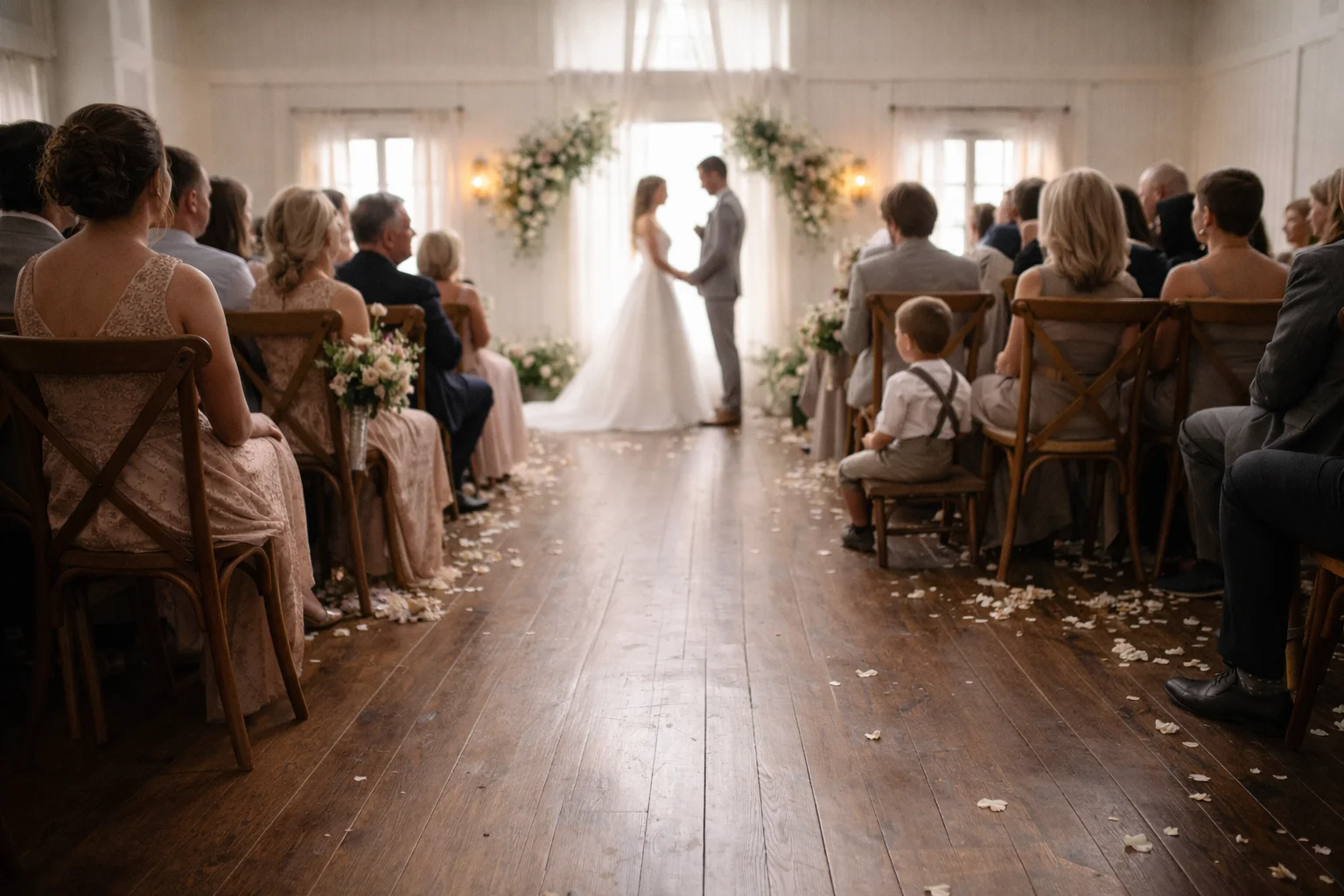
When Attention Shifts: Kids in Formal Wedding Situations
Children rarely stop a formal wedding moment outright, but they often redirect attention for a few seconds in ways adults immediately notice. This article looks at how those shifts happen, why they usually matter less than feared, and how weddings absorb different rhythms without losing their structure.
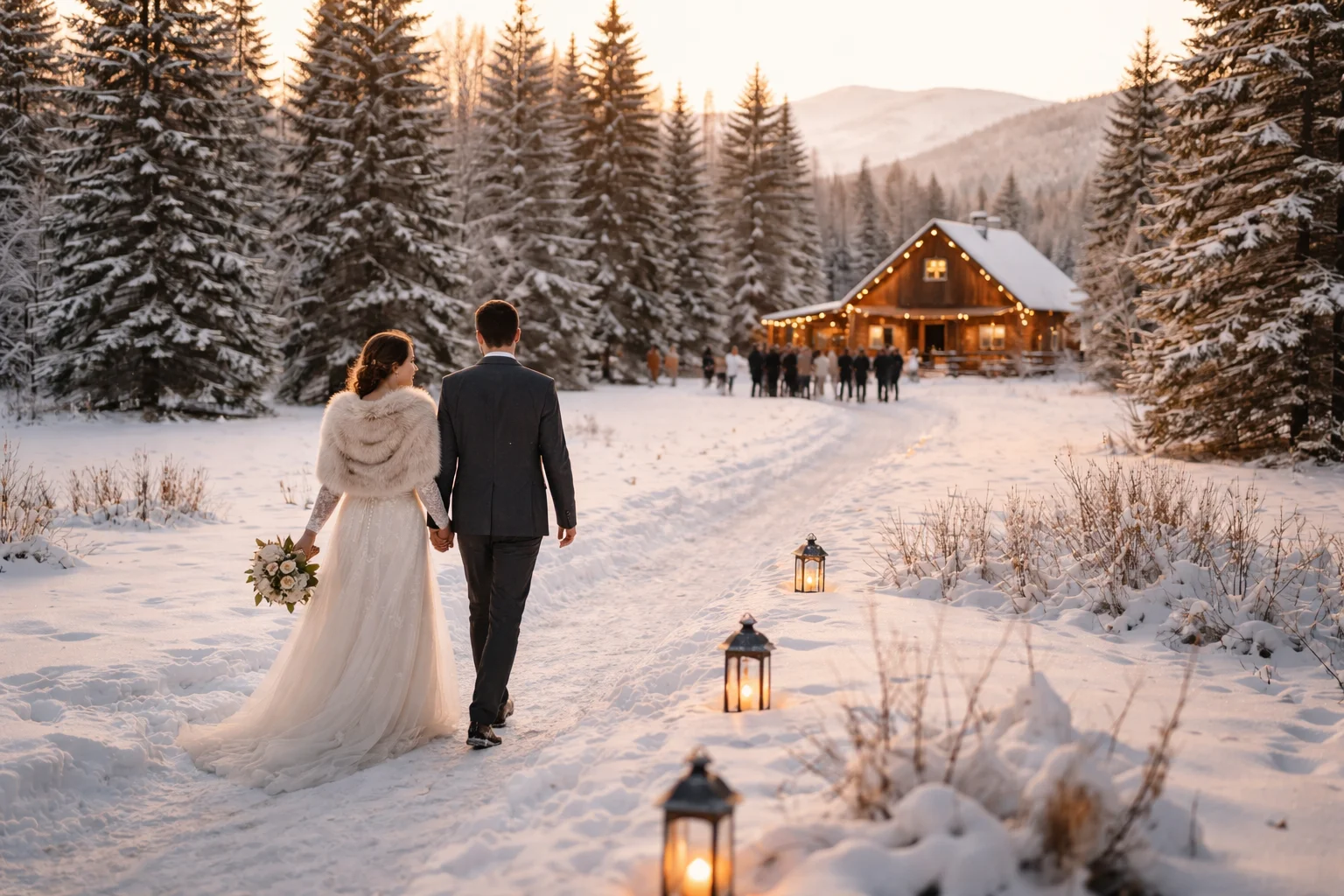
Winter Light and Compressed Timelines in Weddings
Winter weddings are shaped less by one obvious restriction than by a series of quieter adjustments. This article looks at how shorter days, colder air, and earlier shadows compress the timeline, tighten transitions, and give the day a more deliberate rhythm.
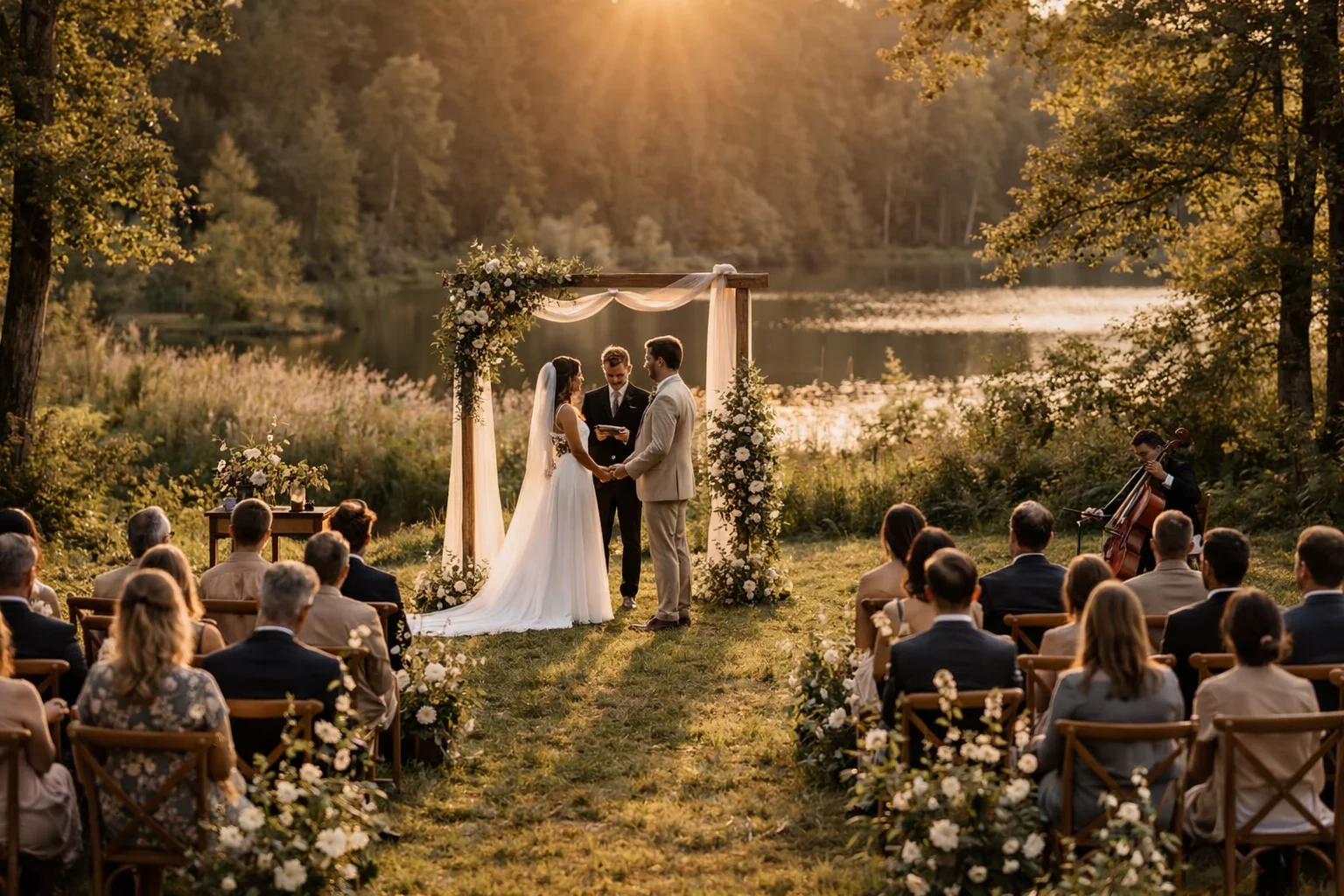
Where an Outdoor Wedding Finds Its Quiet Moments
Outdoor weddings are often chosen for what they seem to promise: openness, air, light, a sense that the ceremony is not confined but allowed to unfold in a wider space. There is movement in everything, from the wind in the trees to the shifting light across the day.

Meaning of Marriage and Love
Marriage and love are not built on constant passion or perfect moments. They survive because two people decide to stay, even when feelings change and life becomes difficult. Real love is quiet, steady, and intentional. It grows through honesty, shared responsibility, and the willingness to choose each other every day—not because it’s easy, but because it matters.
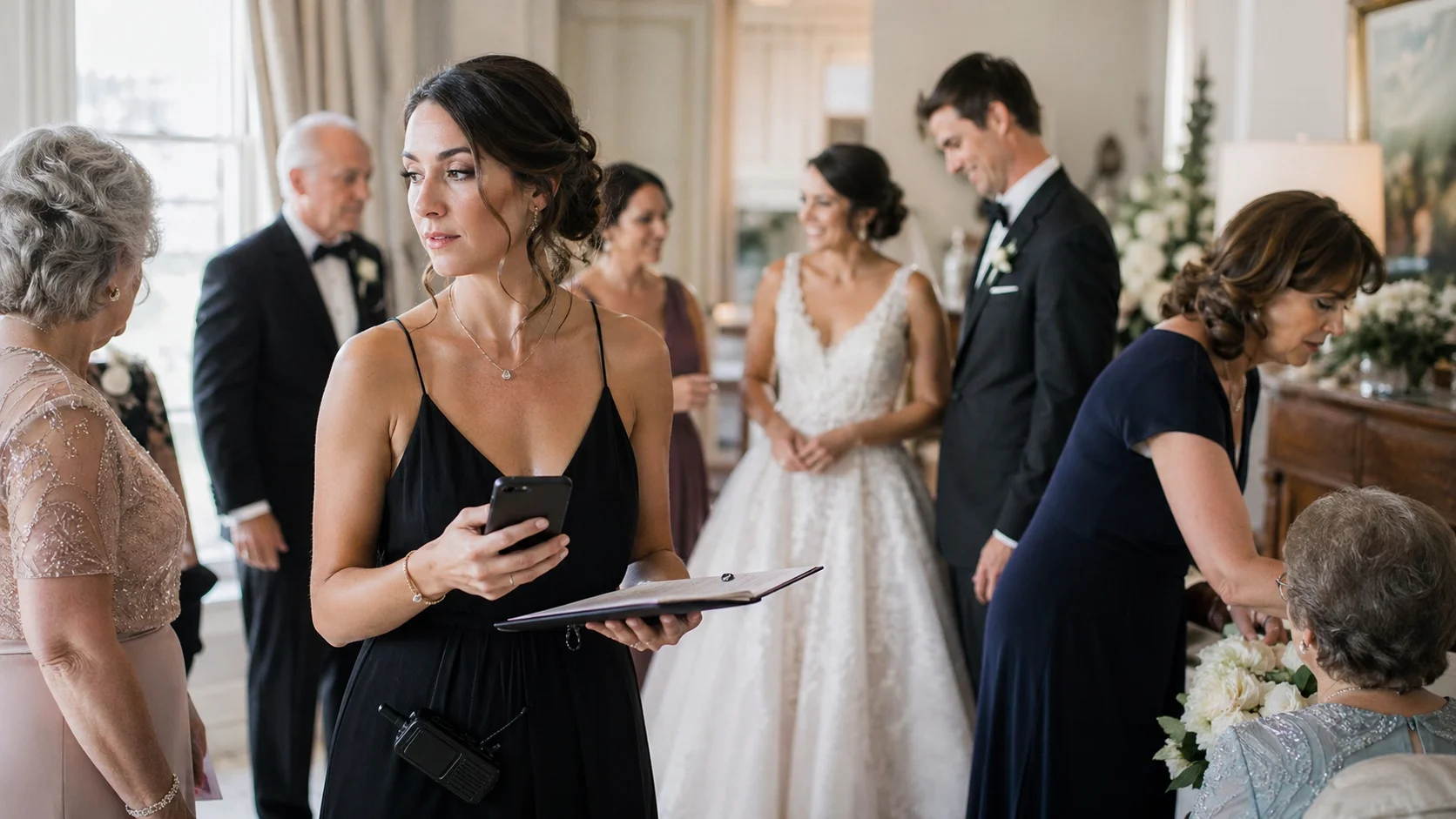
Emotional Load Checklist: Who Carries Too Much, and How to Notice It Early
Emotional load at weddings often hides behind competence. This article looks at who carries invisible responsibility, how to notice early signs of overload, and how to share care before one person quietly holds too much.
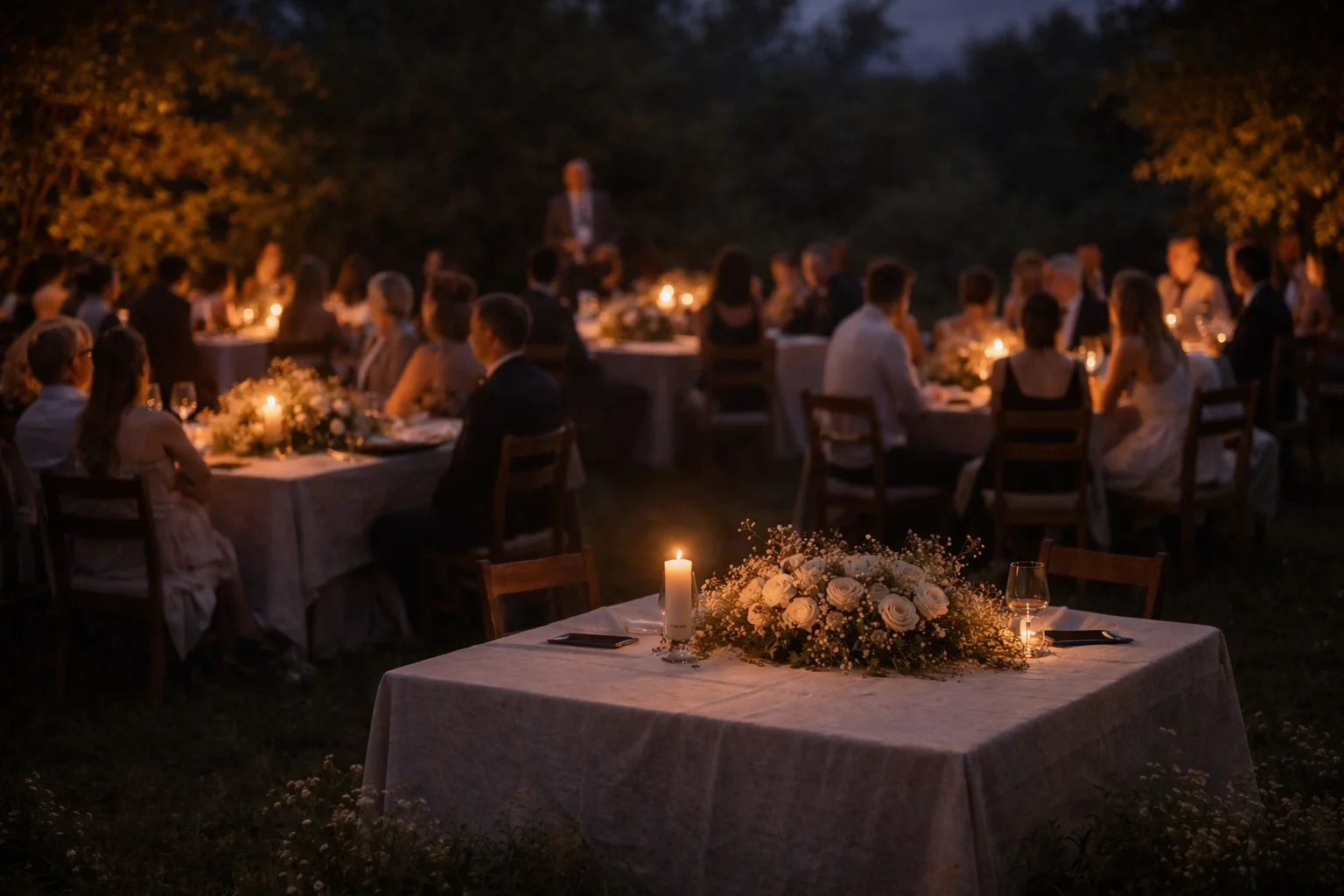
How to Make Wedding Lighting Feel Warmer and More Intentional
Lighting at weddings is often treated as a technical detail, but it defines how a space is felt before anything else is noticed. This article explores how to make light softer, calmer, and more intentional, and why what is not directly seen often matters most.
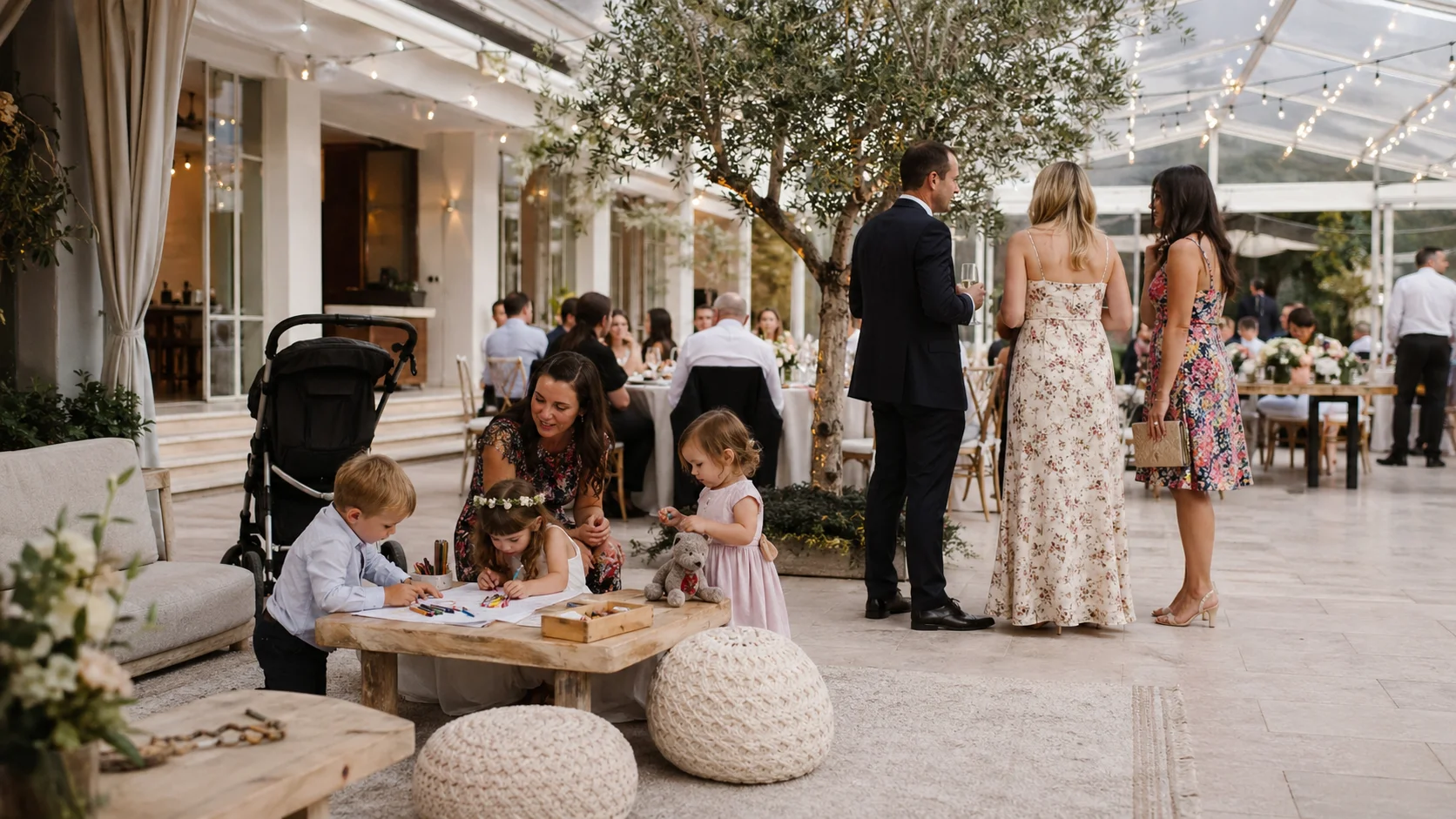
Kids at Weddings Checklist: What Helps Families Stay Longer Without Strain
Families with children usually leave weddings early for a series of small reasons rather than one big one. This article looks at what helps them stay longer with less strain, from food timing and retreat spaces to quieter transitions and the simple need for relief.
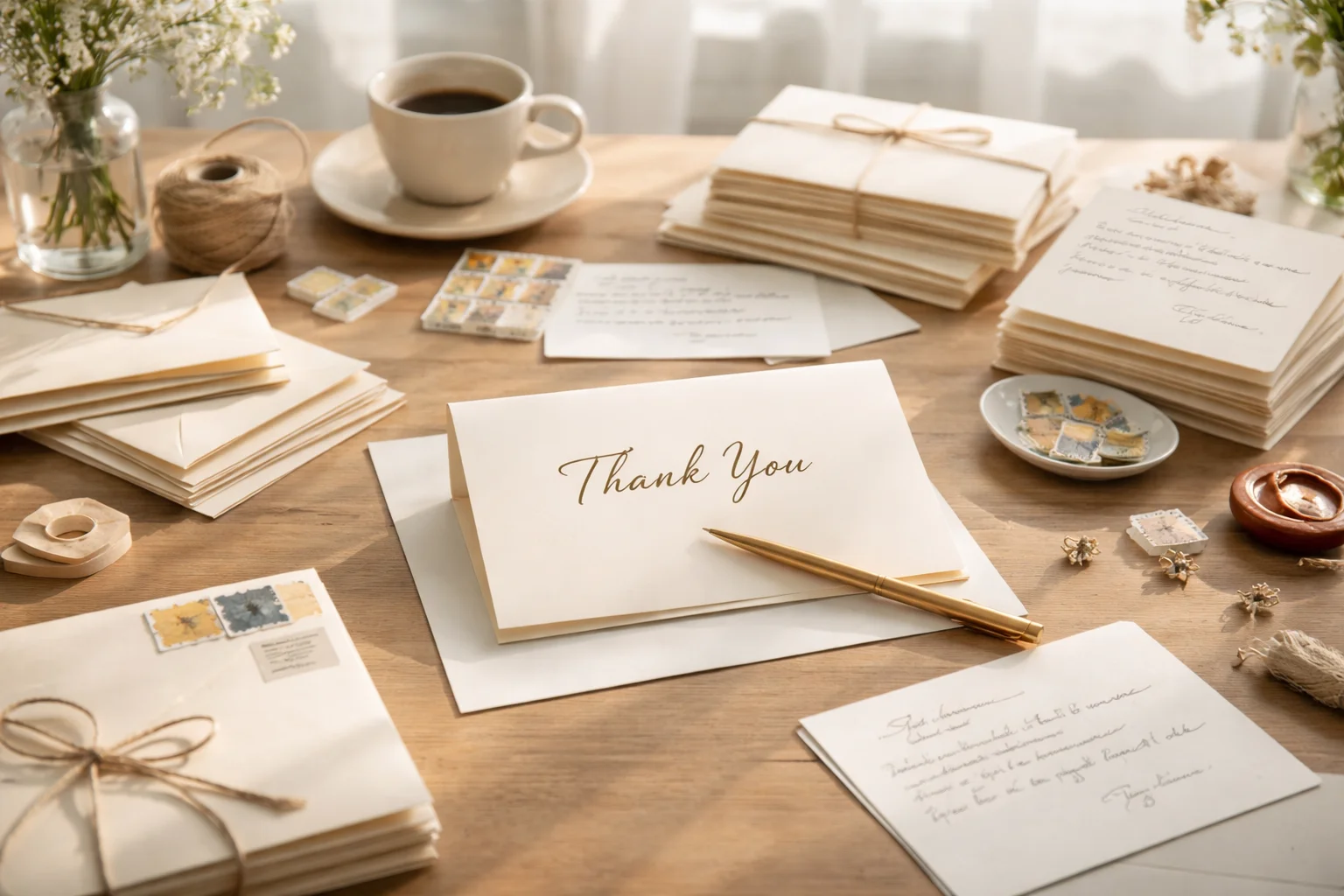
Thank-You Cards After the Wedding: Tone, Timing, Format
Thank-you cards arrive after the wedding has already shifted into memory, which is exactly why they matter. This article looks at how tone, timing, and format shape the gesture, and why a brief, well-judged card often says more than a longer, more polished one.
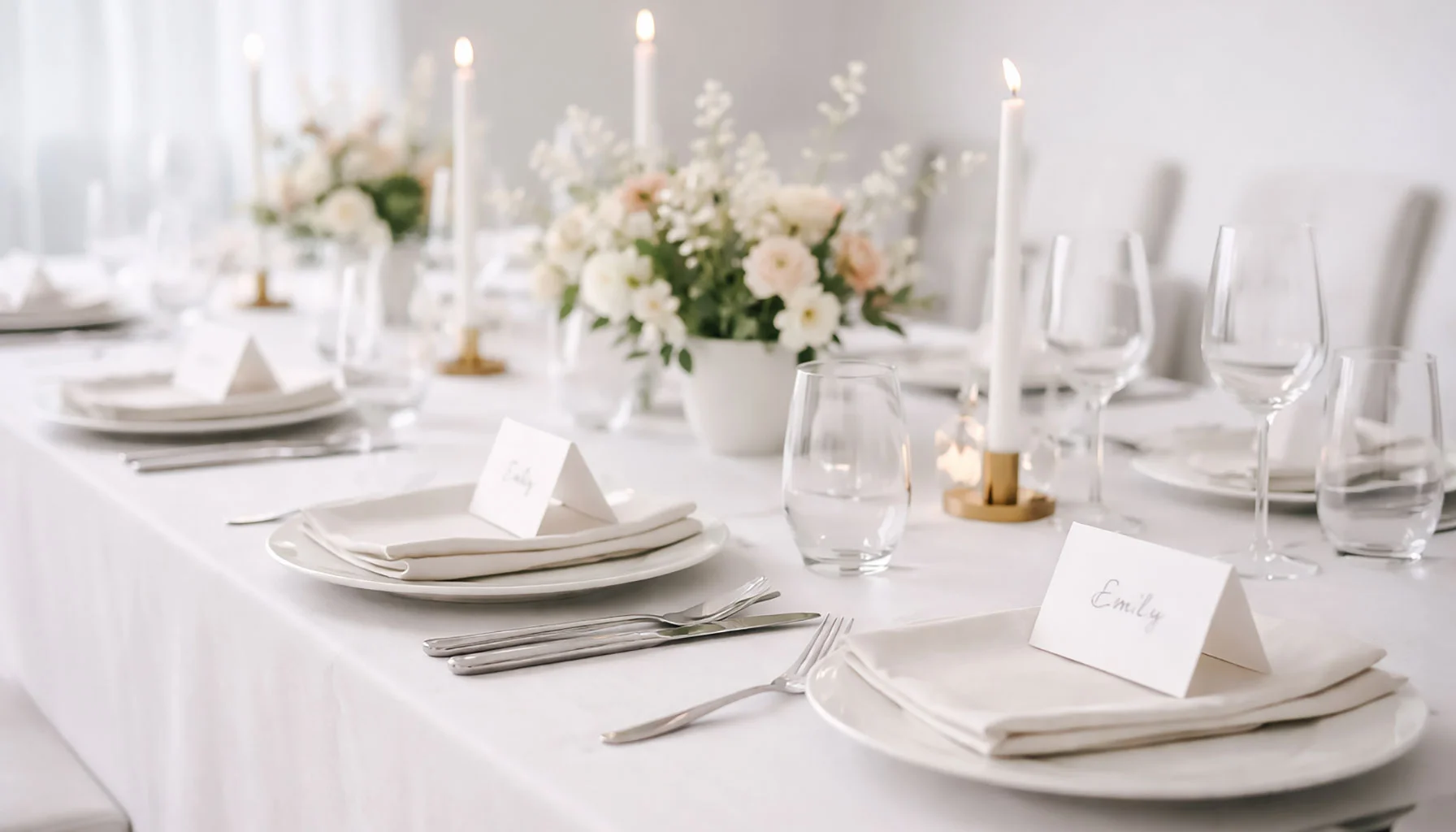
Where Love Meets the Table: Thoughtful Wedding Styling That Brings Guests Together
Wedding tables do more than organize a meal. They shape how guests arrive into conversation, how long they stay, and how easily the evening begins to feel shared. This article looks at thoughtful table styling not as decoration alone, but as a quiet form of structure: one that creates comfort, supports closeness, and helps the celebration unfold naturally around the people gathered there.