
An Invitation to Remember: Creating Wedding Invitations That Set the Tone and Last Forever
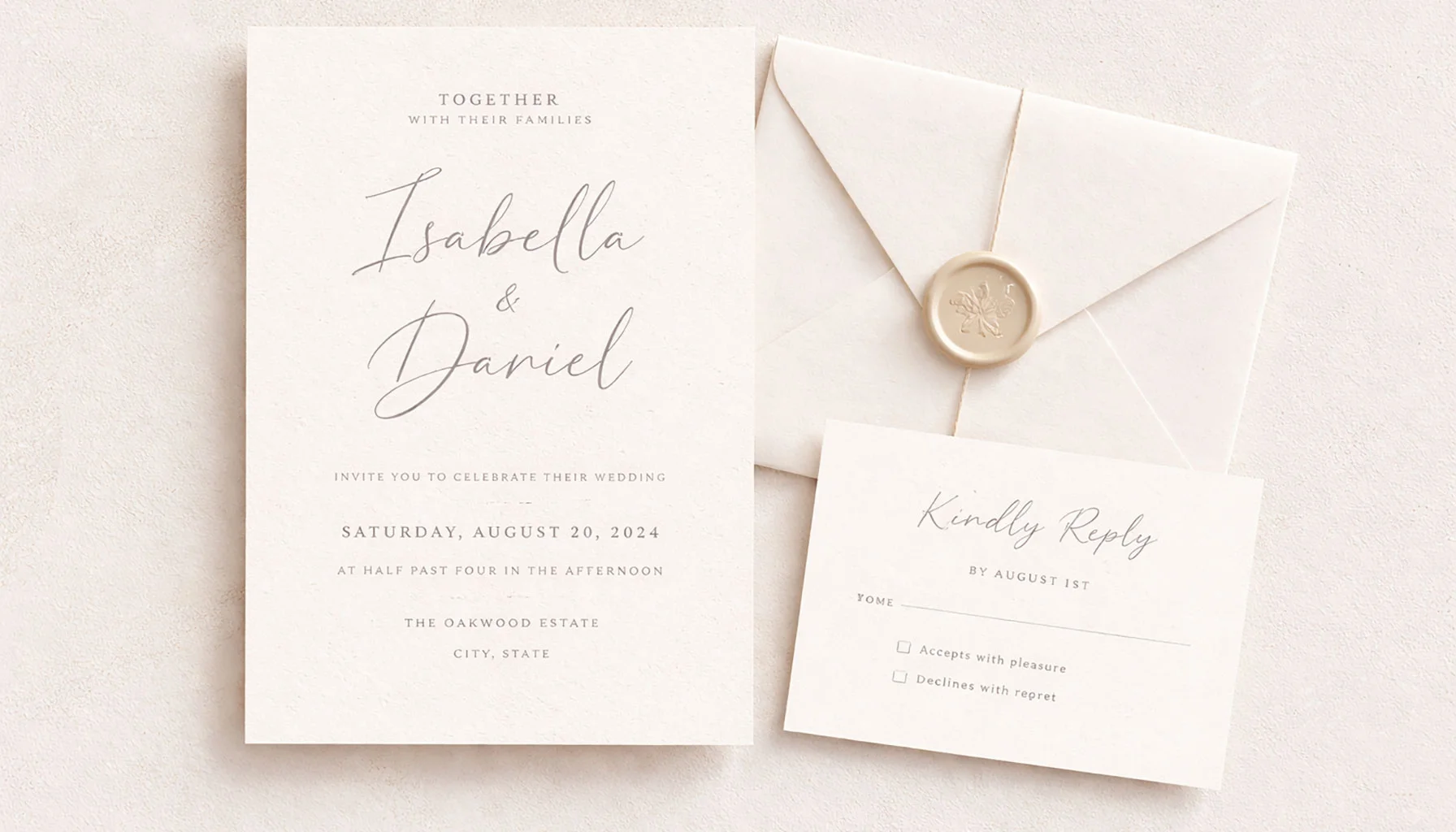
A wedding invitation is often the first real contact guests have with a celebration. It arrives quietly. It is opened at a kitchen table, on a train, sometimes late in the evening. Long before the day itself, it communicates what kind of gathering this will be. Not loudly. Through paper, wording, spacing. A good invitation does not explain the wedding. It prepares people for it.
This is why the subject belongs naturally to both Invitations and Stationery and Waiting. The stationery category on Loving Rocks already treats printed pieces as the first visible layer of a wedding, while Waiting describes the emotional state in which something important is known to be coming but has not yet taken form. A wedding invitation works exactly in that space. It gives shape to anticipation without resolving it.
Invitations & StationeryThe first impression of a wedding is often created through printed details. From save-the-dates to menus and place cards, paper elements communicate the style and mood of the celebration. Thoughtful design choices in typography, colors, and materials help create a cohesive look that guides guests through the wedding day with elegance and personality.
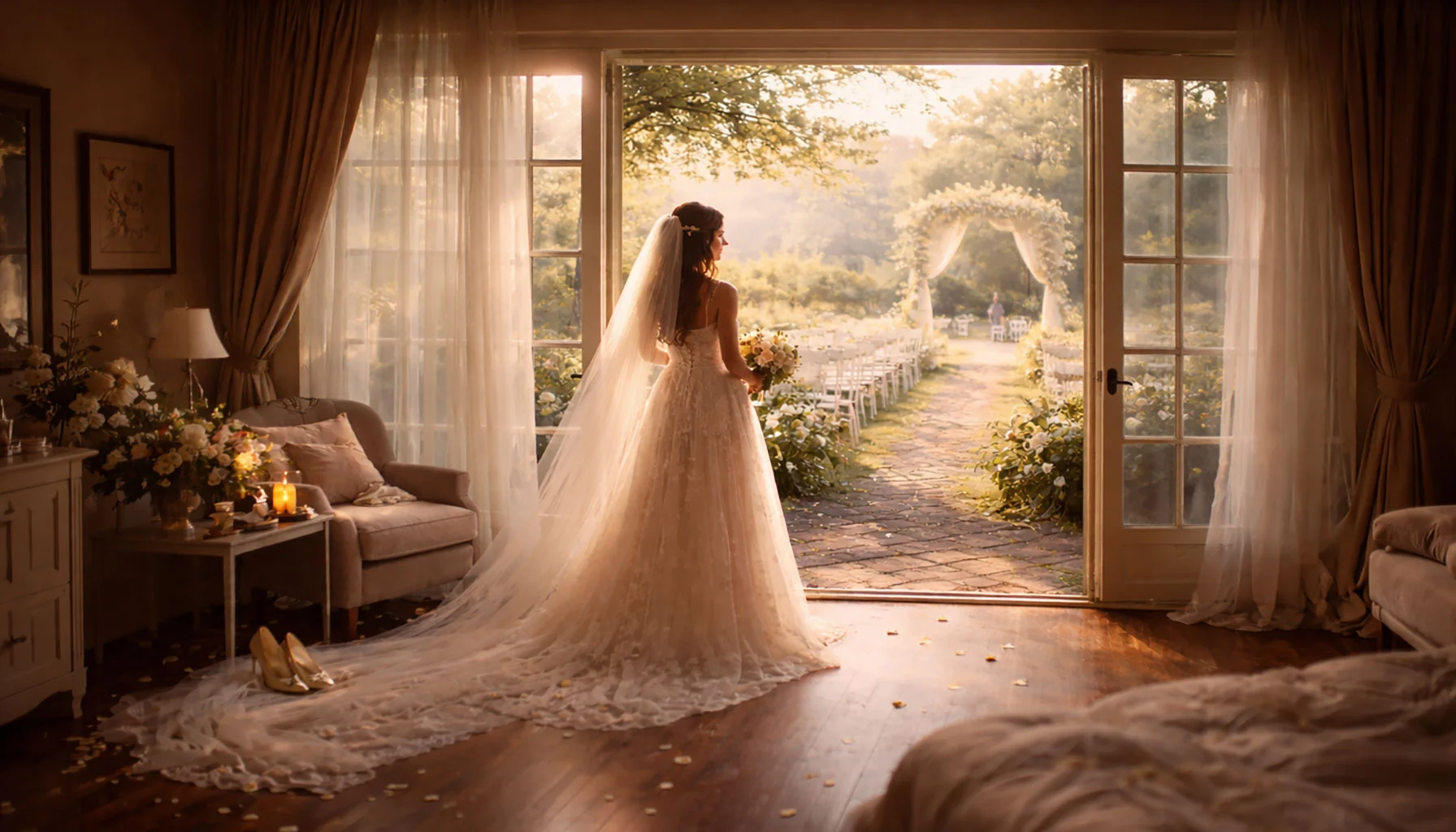
Waiting is not inactivity. It is the emotional state of knowing that something will happen, without knowing when or how.
Definition
A wedding invitation is not only an informational object. It is the first quiet form of the wedding itself. Through material, tone, design, and timing, it gives guests an early sense of scale, atmosphere, and expectation. It does not need to describe the whole celebration. It only needs to make the waiting feel meaningful and clear enough to hold.
Paper Is the First Signal
Before any text is read, the material is felt. Weight, surface, temperature. Thicker paper is often read as calm and deliberate. Soft textures suggest care and time spent on choices. Smooth finishes tend to feel contemporary and clear. Natural or recycled paper signals restraint and awareness. Muted colors age quietly and rarely feel out of place. Guests often comment on paper later rather than immediately, which is usually a sign that the choice has settled rather than announced itself.
Design Holds Trust Through Restraint
Clear typography supports trust and readability. Spacing matters as much as decoration. Details work best when they are few and intentional. Embossing, foil, or seals feel strongest when understated. Design that holds back tends to remain in memory longer than design that insists on being noticed, because it leaves enough room for guests to imagine the day instead of consuming it too early.
Information Should Be Complete but Quiet
Guests want to know where to be and when. Everything else is secondary. The names of the couple, date, time, ceremony location, and what follows need to be easy to find. Dress guidance, RSVP clarity, accommodation notes, or a wedding website can support this without crowding the invitation. When information is complete and calm, guests arrive more relaxed because the practical side of waiting is already held.
Timing Shapes the Waiting Around the Wedding
Save the dates give orientation, not obligation. Invitations sent with enough distance allow planning without pressure. Clear deadlines help everyone involved. Well timed communication reduces follow up questions, but its deeper effect is emotional. It allows waiting to become anticipation rather than low level uncertainty. Couples often notice this only afterward, once guests arrive already settled into the rhythm the invitation began.
What Makes an Invitation Feel Personal
Format matters less than tone. Respect and clarity translate across paper, digital formats, or carefully used video messages. What makes an invitation feel personal is usually something smaller: language that sounds like the couple, small handwritten elements, design choices that reflect shared values, and communication that informs without managing too much. One guest once said the invitation already felt like the wedding. That tends to happen when choices are made carefully enough that the object begins carrying atmosphere instead of only information.
Conclusion
Wedding invitations do not need to impress. They need to be clear, honest, and considered. When material, design, wording, and timing align, the invitation becomes part of the memory rather than a formality. Guests arrive with a sense of what awaits them. Often, that feeling stays because the invitation has already done the quiet work of giving waiting a shape.
Related Articles

The Wedding Guest List and the Quiet Art of Waiting
A guest list is one of the most practical parts of wedding planning, but it is also where uncertainty shows itself most clearly. Decisions about who will stand near the ceremony often unfold slowly, in pauses, hesitations, and unfinished conversations.
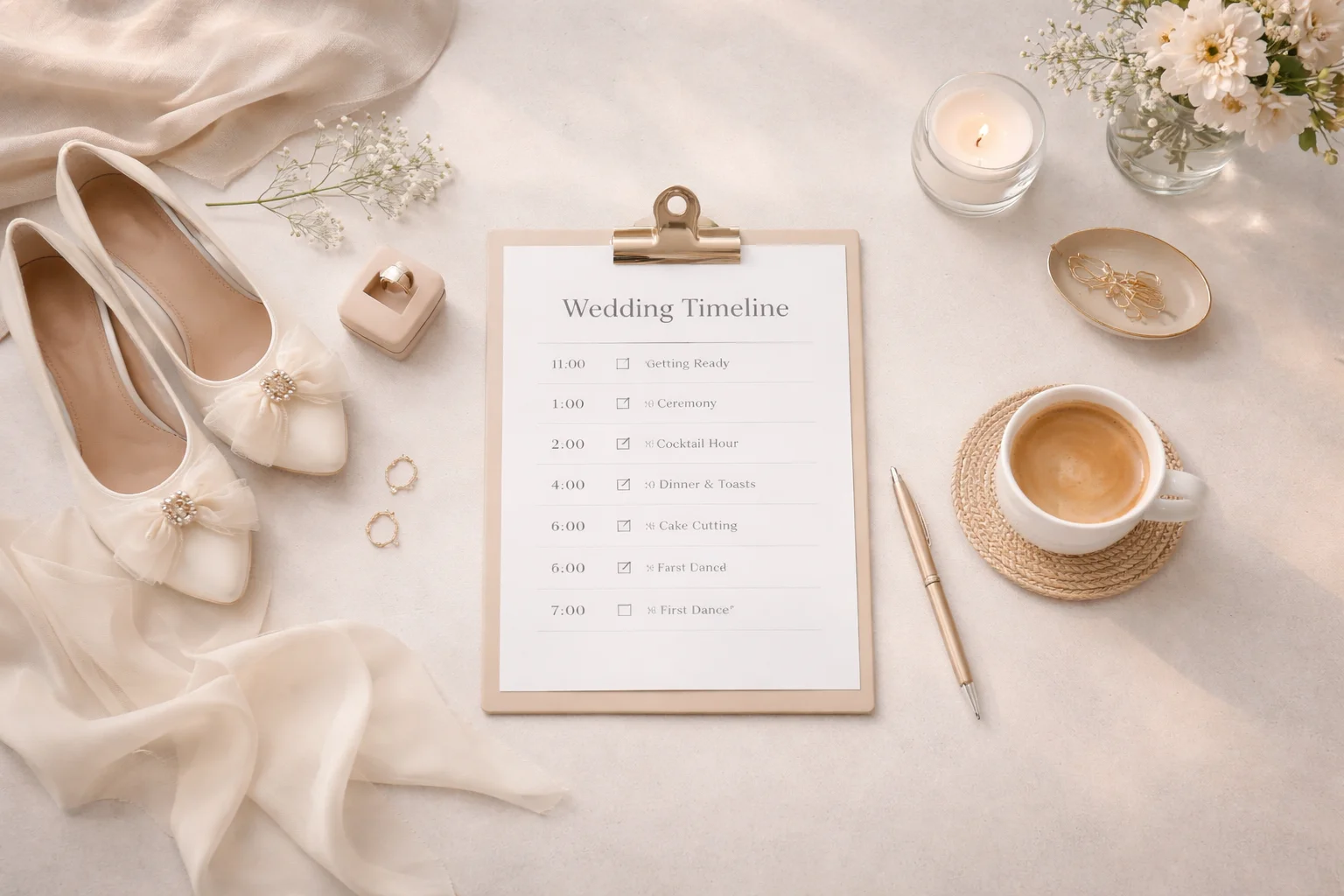
Minimal Wedding Timeline Checklist: How to Leave Space Without Losing Structure
A minimal wedding does not need to fill every moment too early. This checklist helps couples create a calm celebration with space, timing, and intentional restraint, while recognizing that waiting itself can shape the emotional atmosphere of the day.
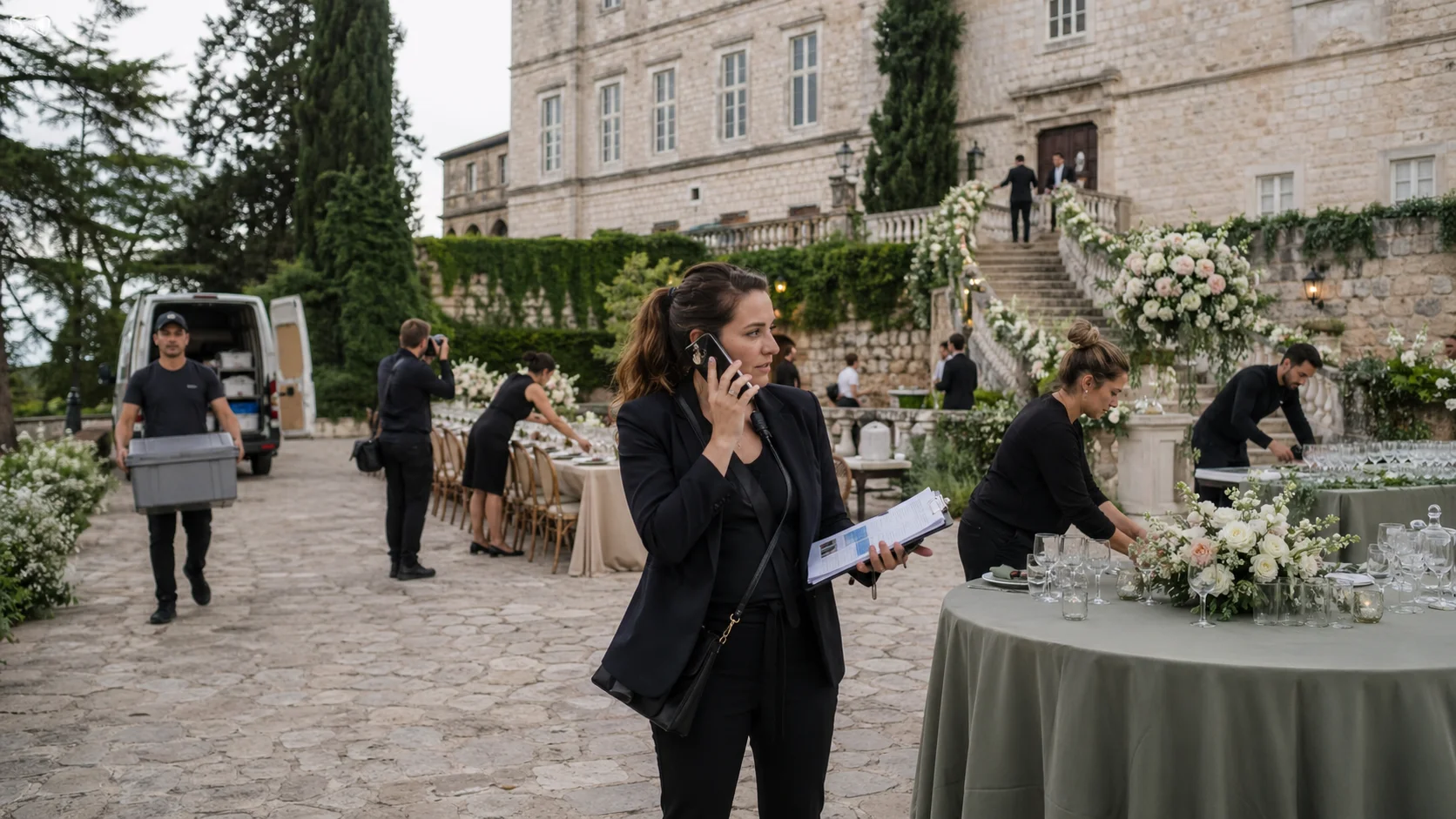
Vendor Contact Checklist: Who Needs to Reach Whom When the Day Starts Moving
A wedding contact list is not the same thing as a wedding communication plan. Once the day starts moving, what matters is not only who is involved, but who should contact whom, for what reason, and at which moment.
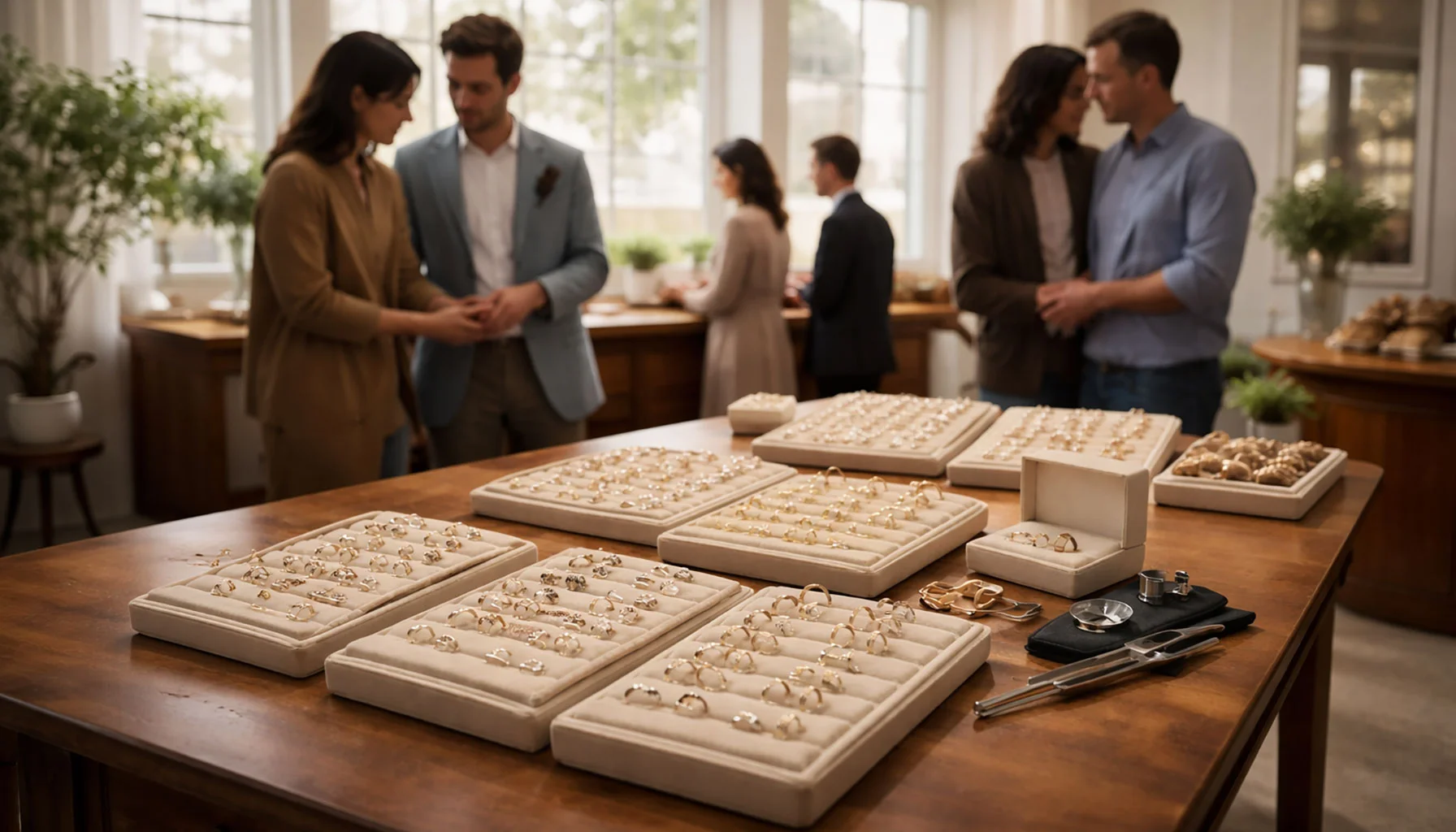
Wedding Rings Between Decision and Everyday Life
Wedding rings are rarely chosen as display objects. They are chosen for repetition, for wear, for the fact that they will remain present long after the ceremony itself has passed. This article looks at wedding rings through width, material, setting, and everyday use, while connecting them to the quieter emotional state of waiting that often surrounds such decisions.
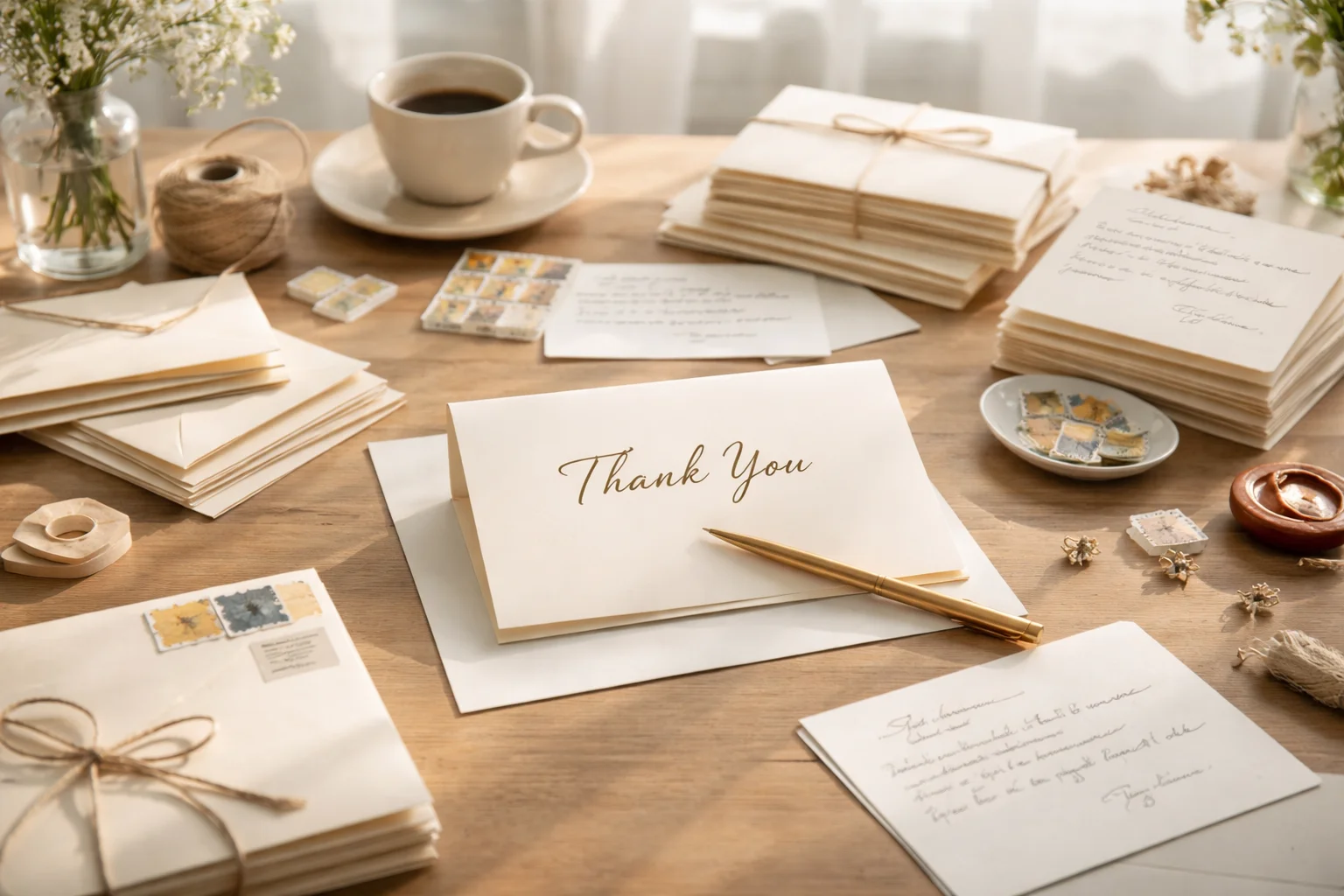
Thank-You Cards After the Wedding: Tone, Timing, Format
Thank-you cards arrive after the wedding has already shifted into memory, which is exactly why they matter. This article looks at how tone, timing, and format shape the gesture, and why a brief, well-judged card often says more than a longer, more polished one.
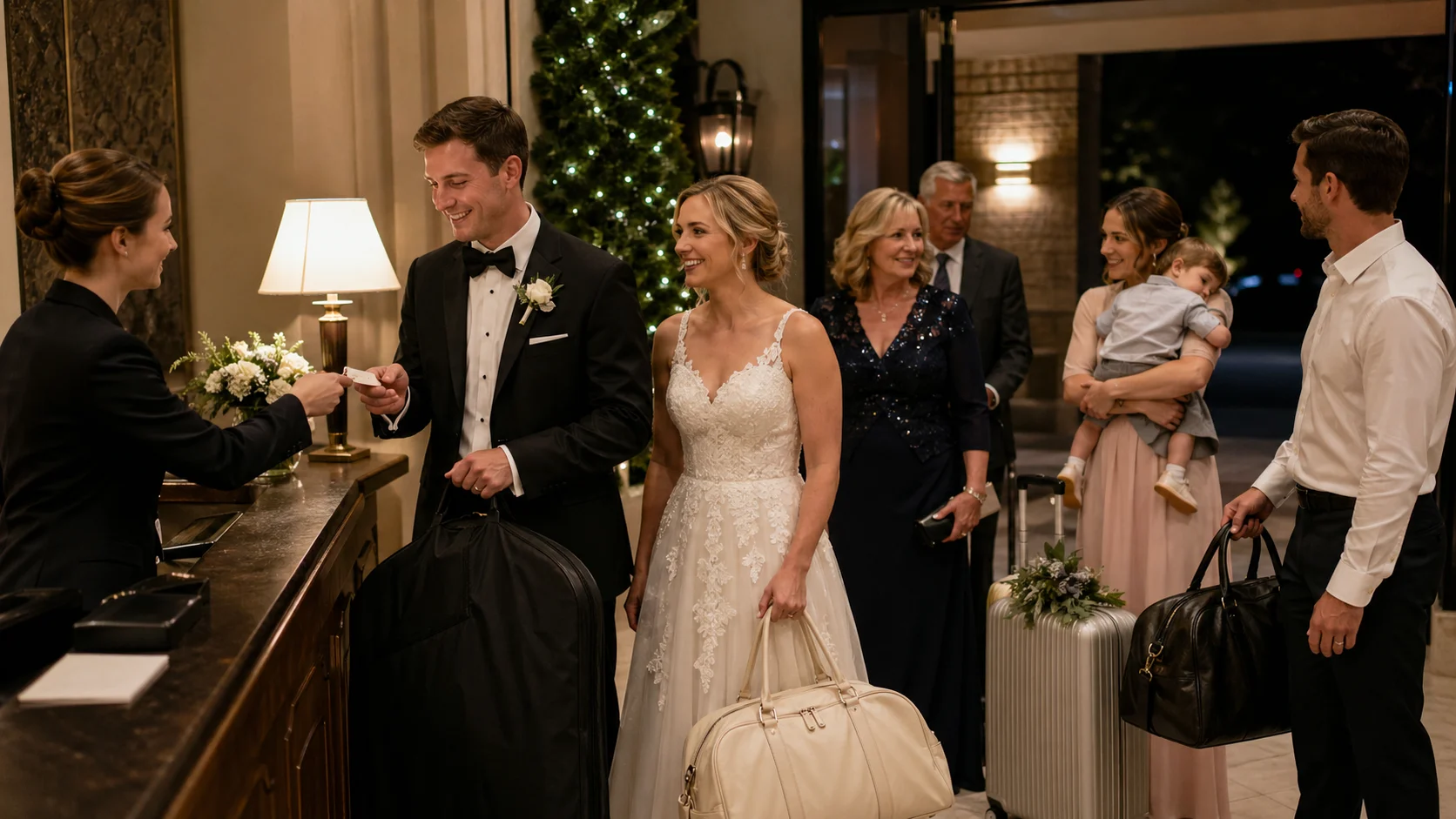
Overnight Stay Checklist: What Couples and Guests Often Realize Too Late
Overnight stays around weddings often seem solved once rooms are booked. This article looks at room access, bags, keys, transport, breakfast, checkout, and the late-night waiting moments couples and guests usually notice too late.
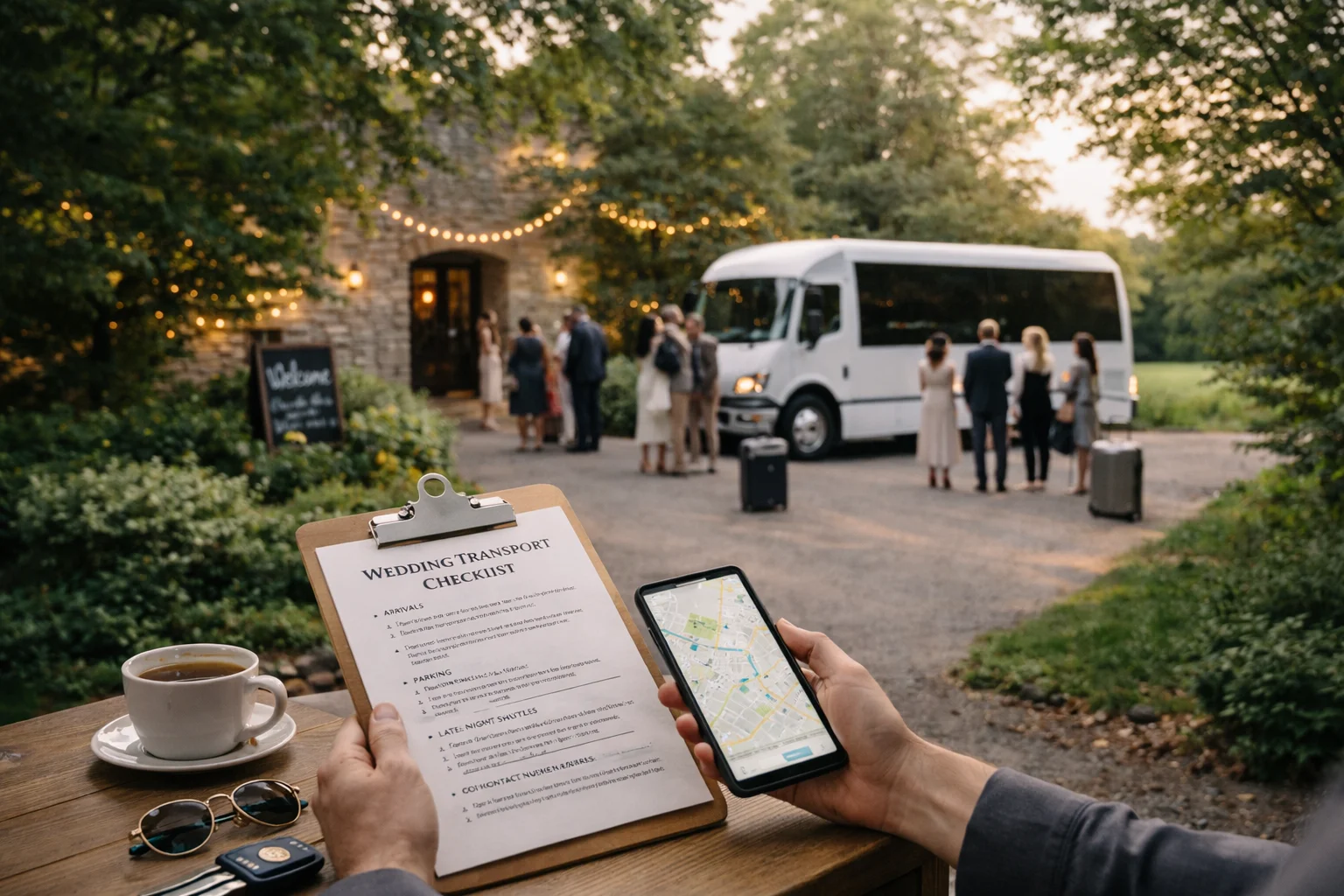
Wedding Transport Checklist: Arrivals, Transfers, Parking, and Late-Night Returns
Wedding transport is rarely remembered when it works, but it shapes the day long before the ceremony begins and long after the central moment has passed. This article looks at what still needs to be planned around arrivals, transfers, parking, and late-night returns, and why movement and waiting belong more closely together than many couples expect.
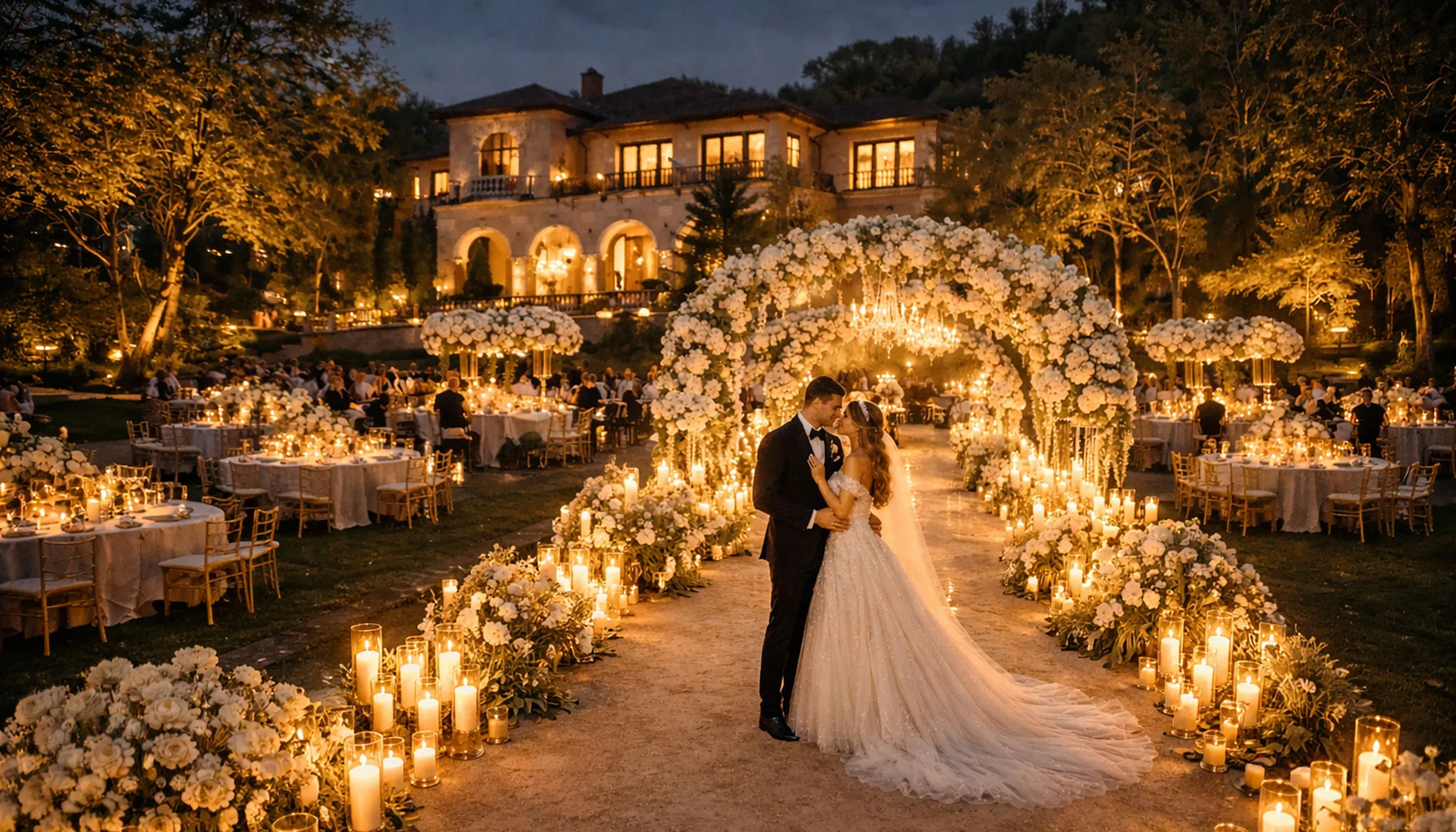
A day, carried by closeness
This wedding thrived on closeness and attention. Everything quietly intertwined and created a framework in which guests felt safe, welcome, and connected. From arrival to departure, a shared flow emerged that left room for conversations, laughter, and quiet togetherness. What remained was a feeling of warmth and cohesion that outlasted the day.

Why Notebooks Matter More Than You Think at Weddings
Notebooks at weddings are often treated as simple guest books, but their role goes deeper. They capture pauses, unfinished thoughts, and quiet moments that rarely surface in spoken form. This article explores how notebooks connect the visible ritual of a wedding with the invisible space of silence.
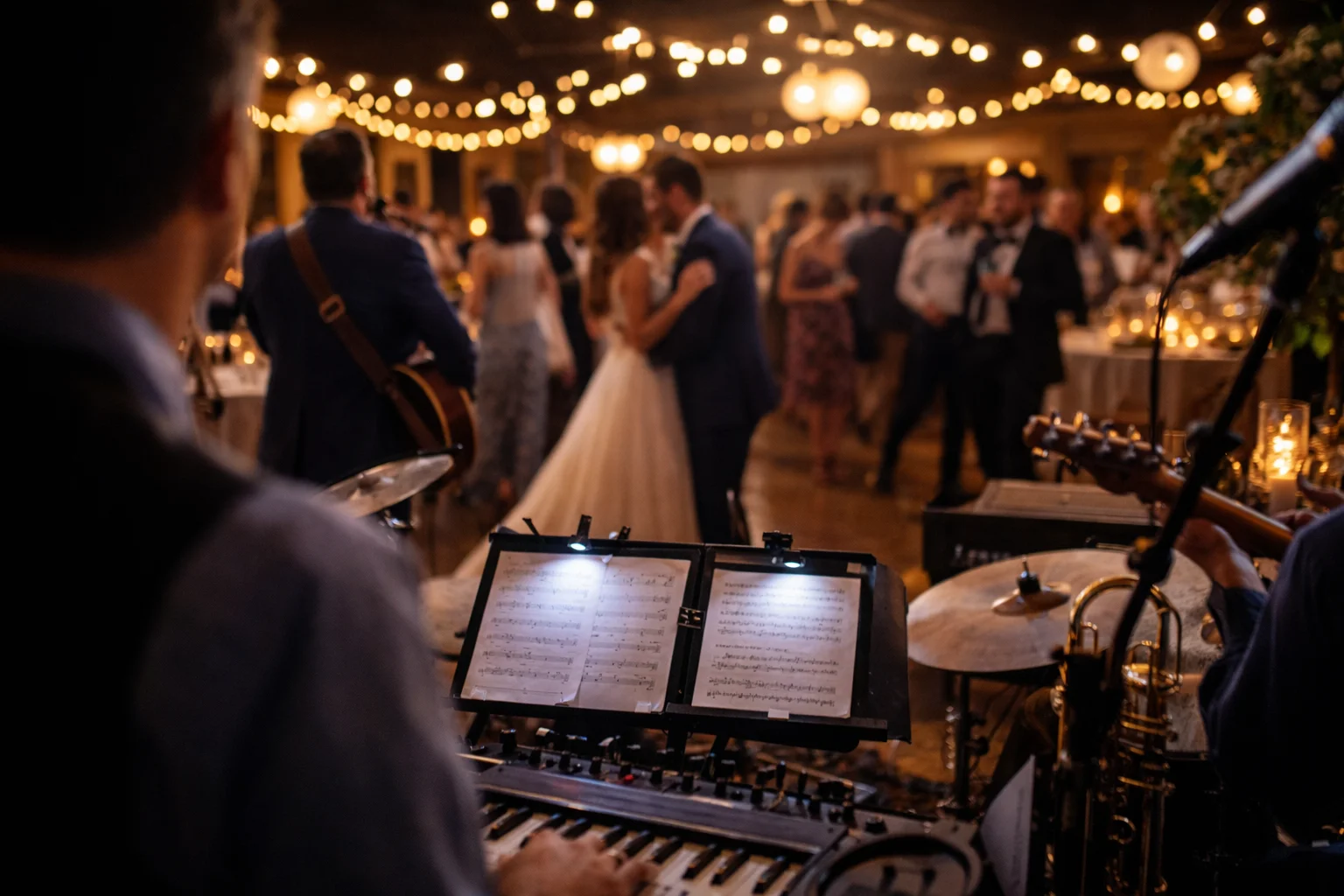
Situational Playlists at Weddings: Real Moments, Small Shifts
The best wedding playlists are rarely built around genres alone. They respond to hesitation, momentum, waiting, release, and the subtle changes that happen across a real evening, often through small song choices rather than big musical statements.
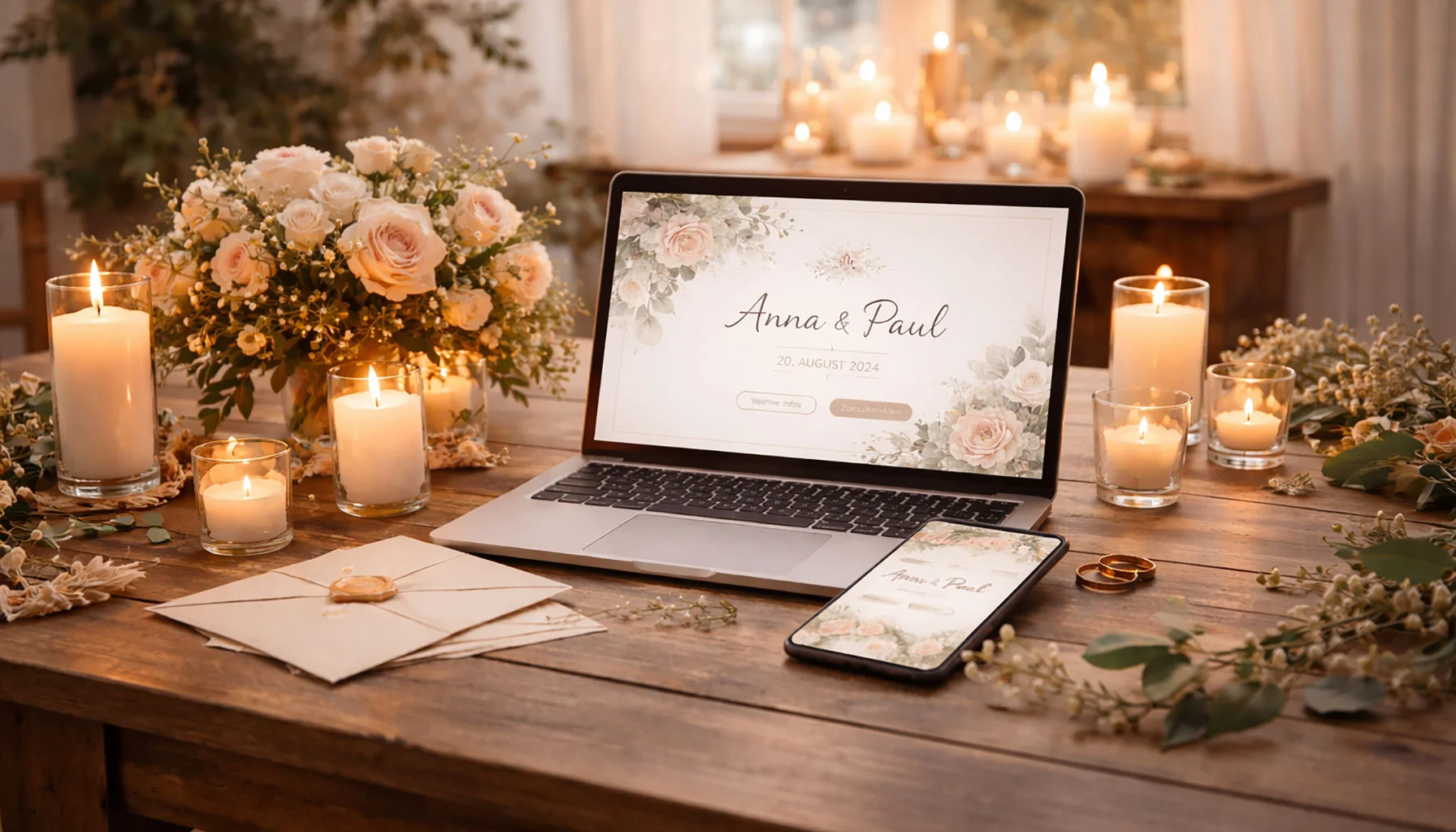
Wedding invitation online – Clearly organized, personally connected
Digital wedding invitations have established themselves in practice as a reliable organizational tool. They consolidate information, facilitate feedback, and connect guests regardless of their location. A wedding website provides clarity, reduces coordination effort, and allows for flexible adjustments to the schedule. Key are clear content, an uncluttered design, and a personal approach. This turns a technical solution into a fitting start for a shared day.