
Wedding invitation online – Clearly organized, personally connected

Online Wedding Invitation – Organization, Content, and Impact of a Digital Celebration Announcement
A wedding doesn't just begin with music or the first step to the altar. It begins with a message. In the past, it was a card in the mailbox. Today, it appears on the screen. The online wedding invitation is no longer a niche phenomenon. For many couples, it has become an integral part of their planning.
Various motivations are observed. Some couples live far apart from their guests across multiple countries. Others desire a clear, structured organization without stacks of paper on the kitchen table. Still others appreciate the ability to continuously update information. The digital invitation may initially seem sober. Yet, with the right design, it still fosters intimacy.
Organizing a Wedding Online
A wedding website bundles information in one place. Date, time, ceremony address, daily schedule. Directions, parking information, or accommodation suggestions are added. This creates clarity for guests and peace of mind for the couple. Responses are submitted directly via a form. RSVPs and declines are collected automatically. Meal preferences are recorded without getting lost between messages.
In practice, it shows: A clear structure is particularly helpful. Homepage with a personal greeting. Followed by the most important data. A dedicated section for the program and timeline. Optionally, a gallery with shared moments. No overloading, no technical gimmicks that distract from the essentials. Simple typography often has a stronger impact than elaborate animations.
Organizational details can also be integrated. Wish list, dress code, notes on children, or schedule changes. Adjustments are possible at any time. The couple doesn't have to print a new card. Changes are immediately visible. This saves time. And resources.
Advantages of Digital Wedding Invitations
Digital invitations reach guests within minutes. International shipping times are eliminated. Reminders can be kindly resent without pressure. Furthermore, ongoing communication is established. Questions are answered centrally. Information remains permanently accessible.
A conscious approach to budget and materials is also observed. Paper, printing, postage – all of this is significantly reduced. For some couples, this aspect is crucial. For others, the contemporary format is paramount. A wedding online doesn't seem distant if it's personally formulated. Words also travel through fiber optics.
“The responses came within two days. No one was lost, no one had to be called back. It felt calm.” – Couple from Hamburg
“Our families live on three continents. The website was our common meeting point before the celebration.” – Bride from Zurich
Content of an Online Wedding Invitation
A digital invitation should be clear and complete. Names of the couple. Date. Location of the ceremony and reception. Times. Notes on the schedule. Contact option for questions. An RSVP form significantly simplifies planning.
Additionally, information on accommodations, dress code, gift wishes, or contributions to the program are often added. Some couples briefly tell their story. Others stick to the essentials. Both feel coherent if the tone and design match.
Clear language is important. No long, convoluted sentences. No excessive effects. Guests are looking for orientation. They want to know when and where they are expected. Everything else can be personal, but not confusing.
Design and Atmosphere
Colors and fonts often align with the style of the celebration. A civil ceremony with a small circle of guests is often reflected in clear lines. A large summer wedding can appear more vibrant. Photos create intimacy if they are authentically chosen. No staged studio shots, but moments from everyday life together.
A mix of digital and analog is also observable. Some couples send a simple card with a link to the website. This preserves a haptic element, while the detailed organization takes place online. This combination appears balanced.
“Our grandparents received a printed summary. Everyone else used the website. It felt coherent.” – Groom from Vienna
Conclusion
The online wedding invitation is a factual tool with a personal impact. It organizes information, connects people across distances, and creates clarity in the process. What is crucial is not the medium, but the attitude behind it. If words are honestly formulated and the organization remains transparent, intimacy is created – even in the digital space. A wedding online then appears not technical, but calm and present. And it begins, like every celebration, with a clearly spoken 'Yes'.
Related Articles

Backup Checklist for Outdoor Weddings: Shade, Wind, Cold, and the Things People Forget
Outdoor wedding backup plans are not only about rain. This article looks at shade, wind, cold, ground conditions, paths, loose details, guest comfort, and the small weather traces that shape how an outdoor celebration is remembered.

Wedding Budget Conversations Checklist: What Should Be Said Before Money Turns Quiet
A wedding budget is rarely only about numbers. This checklist helps couples and families name financial expectations, priorities, and unspoken pressure before silence turns into confusion, tension, or unnecessary cost.
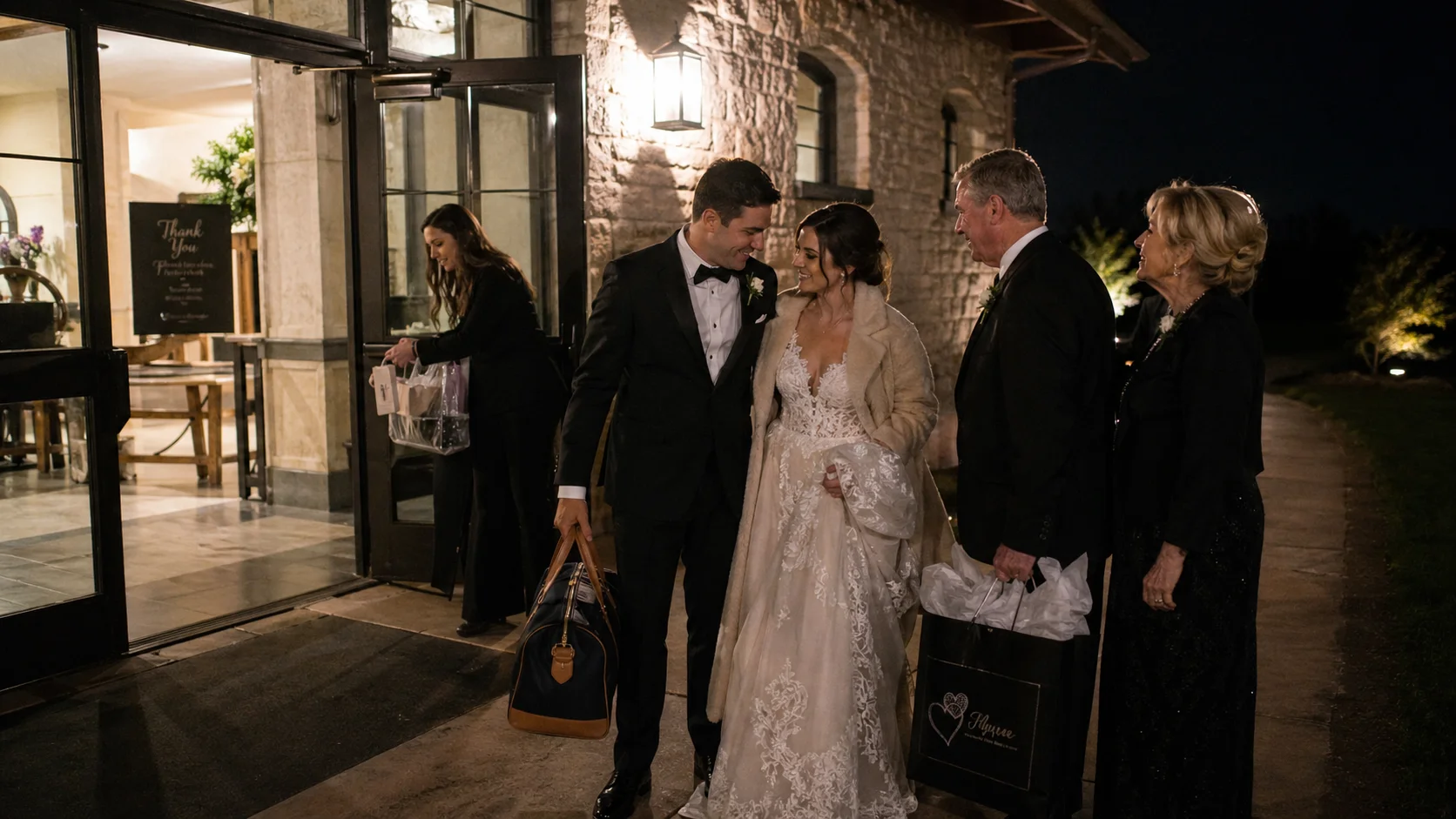
Exit Checklist: What Matters in the Last Thirty Minutes of a Wedding Night
The end of a wedding rarely happens in one clean moment. This article looks at the last thirty minutes of the night, from transport and personal items to final goodbyes, vendor handovers, and the quiet beginning of what comes after.

The Wedding Checklist That Grounds You: Turning Planning Into Something Meaningful
A wedding checklist isn’t just about tasks—it’s about clarity, intention, and trust. Here’s how to approach it in a way that feels calm, structured, and truly yours.

Guest Comfort Checklist: Small Conditions That Change the Entire Atmosphere
Guest comfort at weddings is shaped by small conditions long before anyone complains. This article looks at temperature, seating, sound, waiting areas, access, and quiet spaces of relief that change how the whole room feels.

Rain Plan Checklist: What Needs Deciding Before Weather Becomes the Mood
A wedding rain plan is rarely just a backup for logistics. It also shapes whether weather stays manageable or quietly takes over the emotional tone of the day. This article looks at what needs to be decided early, so rain changes the setting without deciding the atmosphere.

Bridal Getting-Ready Room Checklist: Light, Surfaces, Noise, and Movement
A bridal getting-ready room does more than hold hair, makeup, and dresses. This article looks at light, surfaces, noise, movement, privacy, and the quiet traces the room leaves on the morning before the ceremony.

A Wedding Shaped by Quiet Alignment
This wedding was defined not by individual highlights, but by its steady flow. Planning, design, and service worked together without drawing attention to themselves. For guests, the day unfolded naturally and remained consistent, carried by a sense of calm, closeness, and continuity throughout.
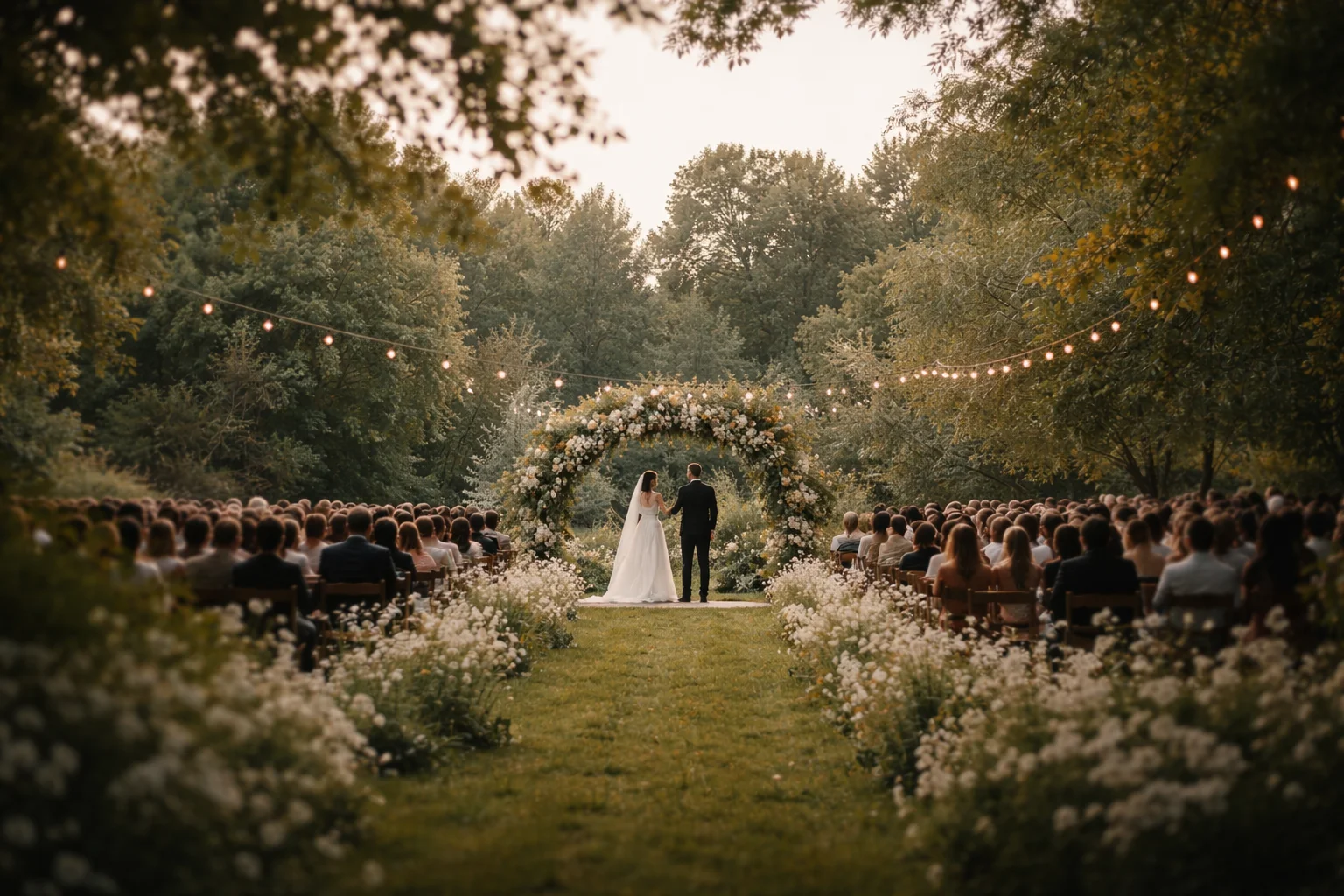
The Quiet Structure of a Wedding: How Checklists Become Rituals
Behind every calm, meaningful wedding lies a structure that no one notices. This piece explores how practical checklists and deeply felt rituals are not opposites, but partners in shaping a ceremony that feels grounded, intentional, and real.

Groom’s Morning Checklist: What Keeps the First Hours Clear and Unforced
The groom’s morning often looks simple from the outside, but it depends on small decisions made early. This article looks at clothing, food, rings, timing, communication, photography, transport, and the quiet rituals that keep the first hours clear without making them feel staged.

After-the-Wedding Checklist: What Still Needs to Be Returned, Paid, Thanked, or Closed
A wedding rarely ends when the last guest leaves. What follows is quieter, more practical, and often more emotionally mixed than couples expect. This article looks at what still needs to be returned, paid, thanked, or closed after the wedding, and why the days after the celebration are part of the wedding's meaning, not just its cleanup.
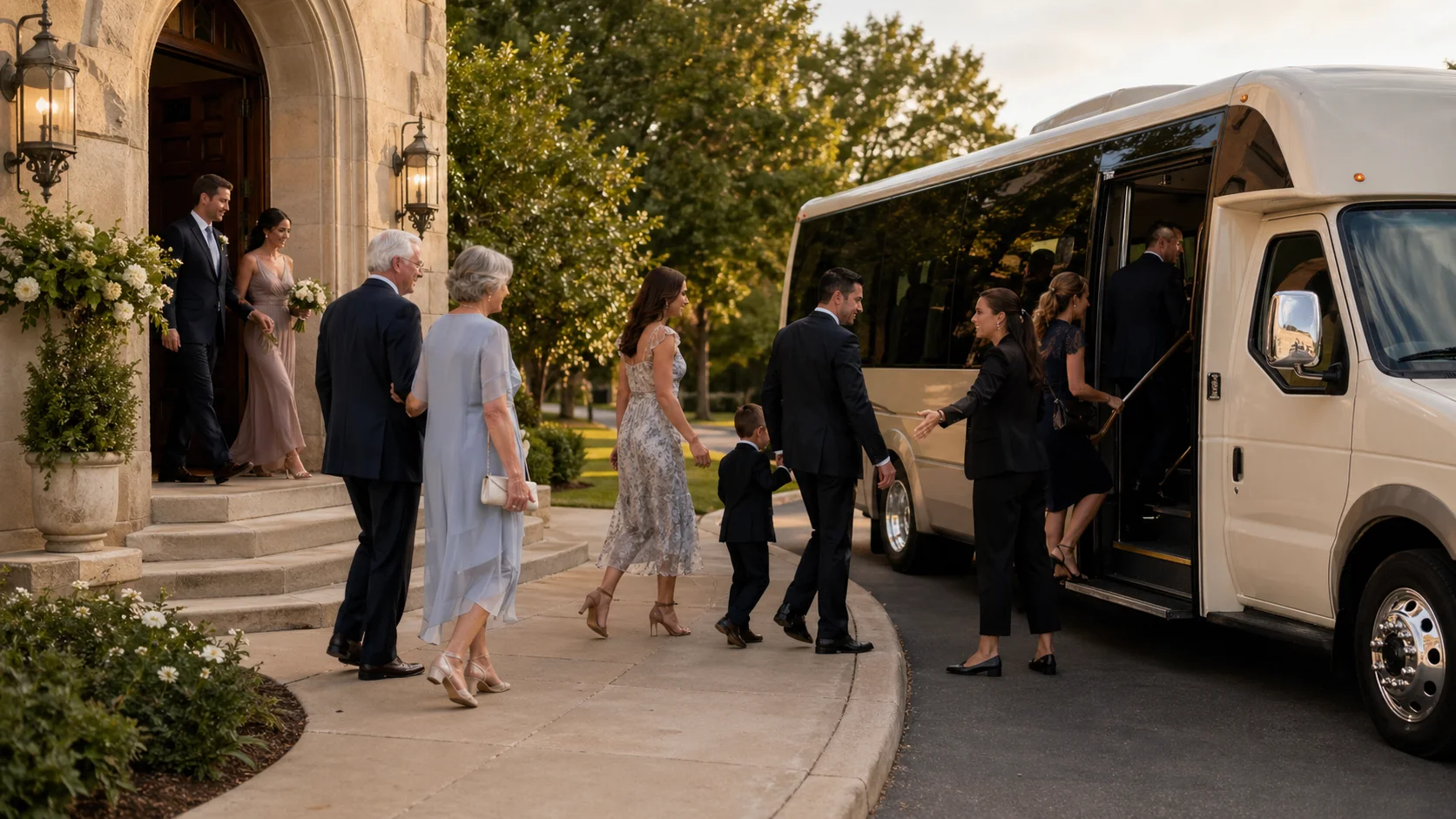
Transportation Checklist: How Not to Lose Time Between Wedding Locations
Wedding transportation is rarely only about the drive. This article looks at pickup points, buffers, driver contacts, guest movement, accessibility, and the pause between locations that either keeps the day together or quietly costs time.