
Thank-You Cards After the Wedding: Tone, Timing, Format
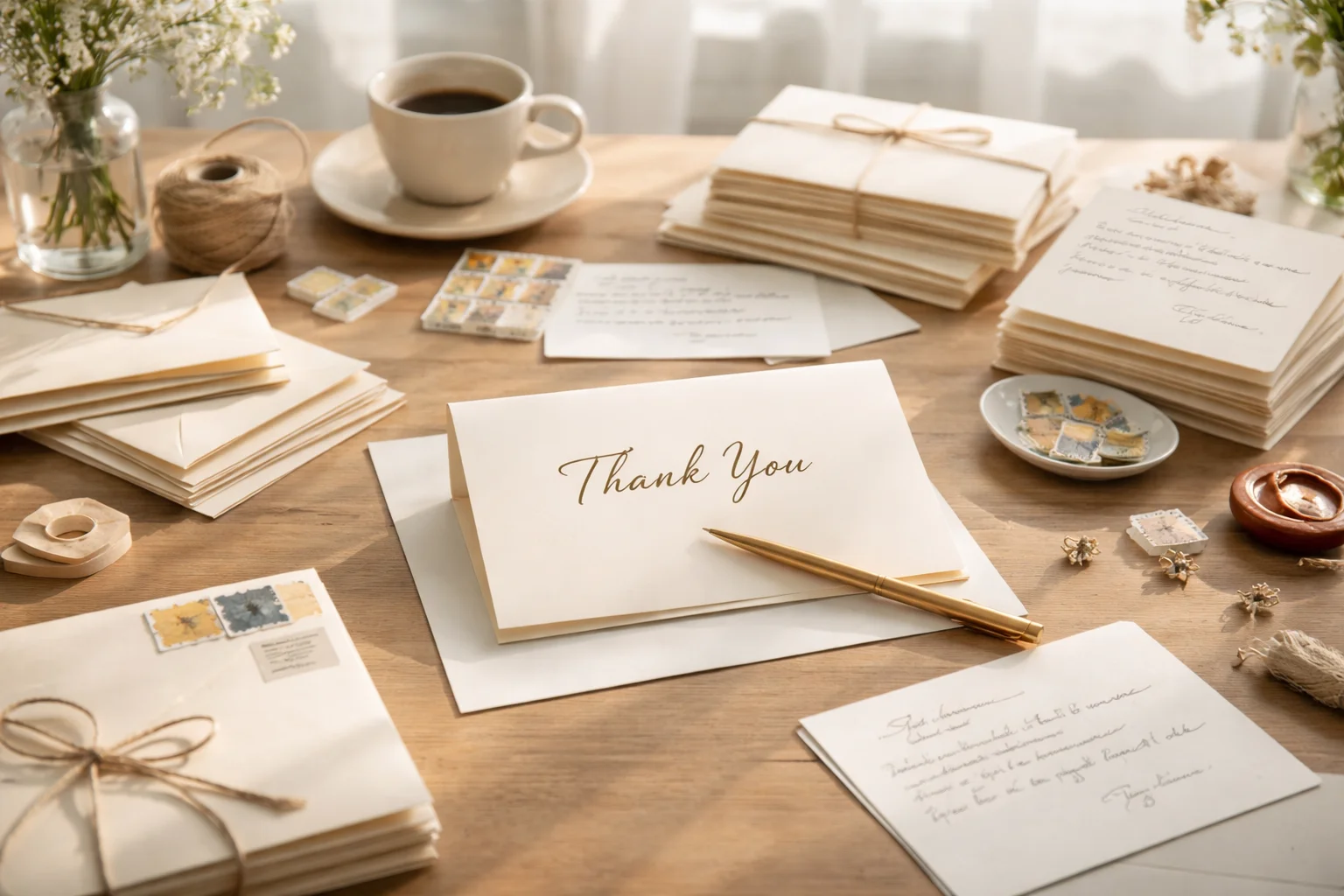
Thank-you cards are one of the last wedding details to arrive, which is part of why they matter. They do not belong to the ceremony itself, nor fully to the planning that came before it. They sit just after the event, when the noise has dropped, the timeline is gone, and memory starts replacing logistics. That position changes their tone. They feel less performative than most wedding communication and, when done well, more personal than many couples expect.
There is no single correct way to send them. Some couples write quickly while details are still vivid. Others need distance before they can return to the day in a calm way. Some choose fully handwritten cards, others a printed card with a smaller personal line. What tends to matter most is not perfection. It is whether the message sounds like the couple, arrives within a believable window, and feels proportionate to the relationship it acknowledges.
Definition
Thank-you cards after a wedding are written or printed follow-up messages sent to guests to acknowledge their presence, their gift, their effort, or a combination of these. They are usually brief, but they carry more weight than their size suggests because they close the public part of the wedding in a private voice.
Tone Should Sound Recognizable
The strongest thank-you cards usually sound like an extension of how the couple actually speaks, not like borrowed formal language. A very polished note can feel distant if the couple is normally warm and direct. The opposite is also true: an overly casual message can flatten a meaningful gesture. A good middle ground is simple, precise wording with one real detail. Thank the guest, mention the gift or their presence, and include a small observation that could only belong to that card. That is often enough to make gratitude feel specific instead of mass-produced.
Timing Matters, But Only Up To A Point
Cards sent within a few weeks usually feel prompt and easy. Cards sent later can still feel thoughtful, provided they do not sound rushed or apologetic. What weakens the gesture is not a modest delay in itself, but the impression that the card was treated as an obligation to clear. Couples often make this harder than necessary by waiting for the perfect moment to write them all at once. In practice, steady batches work better. The message keeps its sincerity, and the task stops becoming larger in the mind than it is on paper.
Invitations & Stationery – CategoryThe first impression of a wedding is often created through printed details. From save-the-dates to menus and place cards, paper elements communicate the style and mood of the celebration. Thoughtful design choices in typography, colors, and materials help create a cohesive look that guides guests through the wedding day with elegance and personality.
Format Shapes The Message Before It Is Read
In wedding stationery, format is never neutral. A folded card on textured stock carries a different signal from a flat printed note with two signatures added at the end. Neither is automatically better. The right format depends on scale, time, budget, and the tone of the wedding itself. Fully handwritten cards often feel most intimate, especially for smaller guest lists. Printed cards with handwritten additions can be the more sensible choice for larger weddings, as long as the personal line does real work and is not reduced to a name alone.
Specificity Matters More Than Length
Couples often assume a good thank-you card needs several sentences to feel generous. Usually it does not. A short note with one exact detail carries more emotional weight than a longer card built from generic appreciation. Mentioning that someone traveled a long way, stayed late to help, made the room feel calmer, or chose a gift that genuinely fits the couple gives the card shape. This is also where different guests may need different levels of detail. Close family, witnesses, and friends who played a visible role often merit a fuller note than a standard guest card.
A Final Gesture In The Aftermath
Thank-you cards belong naturally to the emotional territory of after. They are part of what remains once the wedding is over but not yet fully behind the couple. That is why their mood matters as much as their etiquette. They do not need to summarize the day or prove how grateful the couple is. They only need to acknowledge, clearly and without strain, that something was shared and is still being held in mind. In that sense, a good thank-you card feels less like administration and more like the last quiet sentence of the wedding.

After the ritual ends, life begins again. What remains is not ceremony, but habit, memory, and the quiet work of living with what was promised.
Conclusion
Thank-you cards do not need to be elaborate to feel right after a wedding. They need the correct proportions: a tone that sounds real, timing that still feels connected to the event, and a format that suits both the guest list and the couple. Once those parts align, even a brief card can do something lasting. It closes the wedding gently, without trying to repeat it.
Related Articles
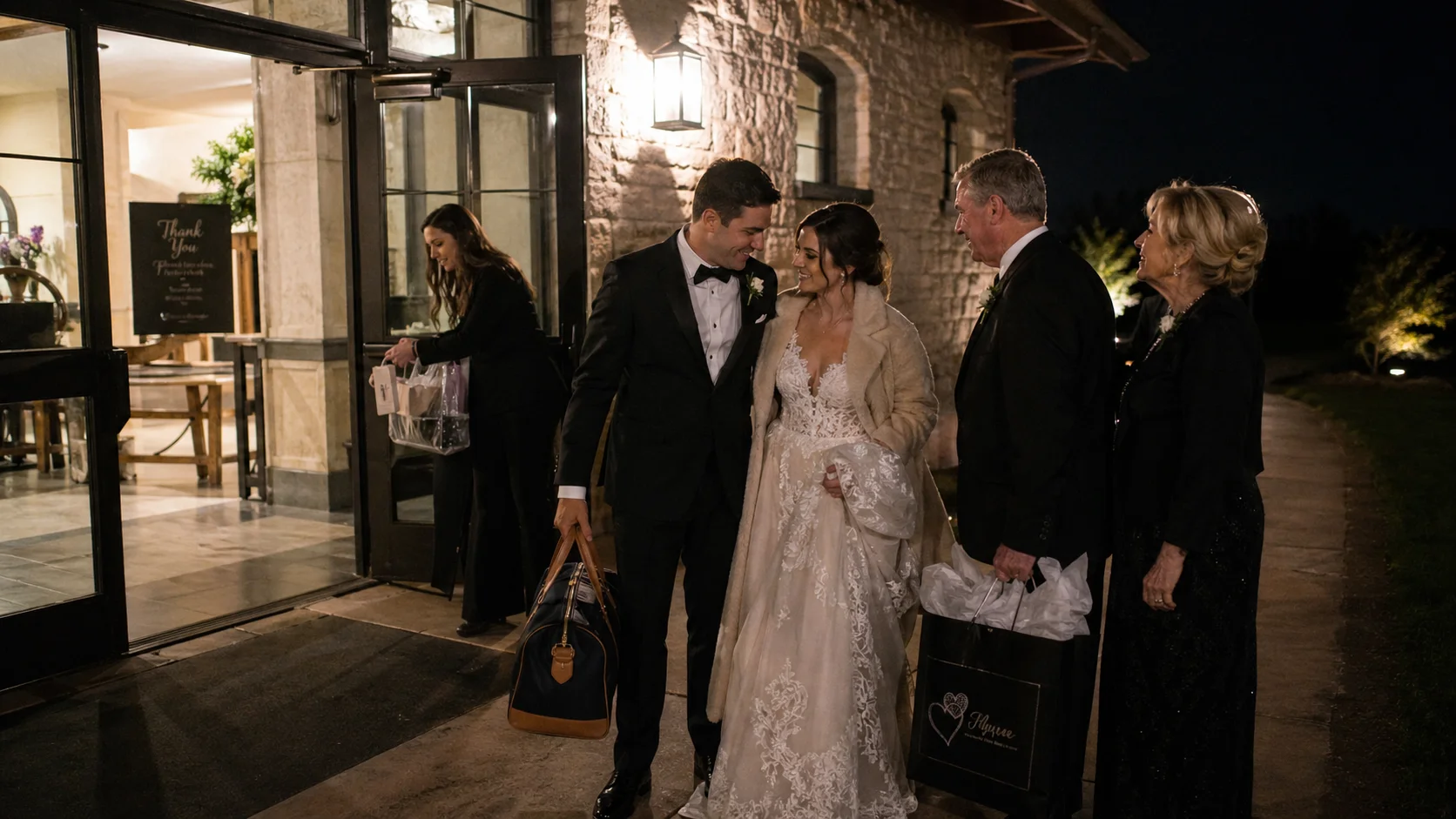
Exit Checklist: What Matters in the Last Thirty Minutes of a Wedding Night
The end of a wedding rarely happens in one clean moment. This article looks at the last thirty minutes of the night, from transport and personal items to final goodbyes, vendor handovers, and the quiet beginning of what comes after.
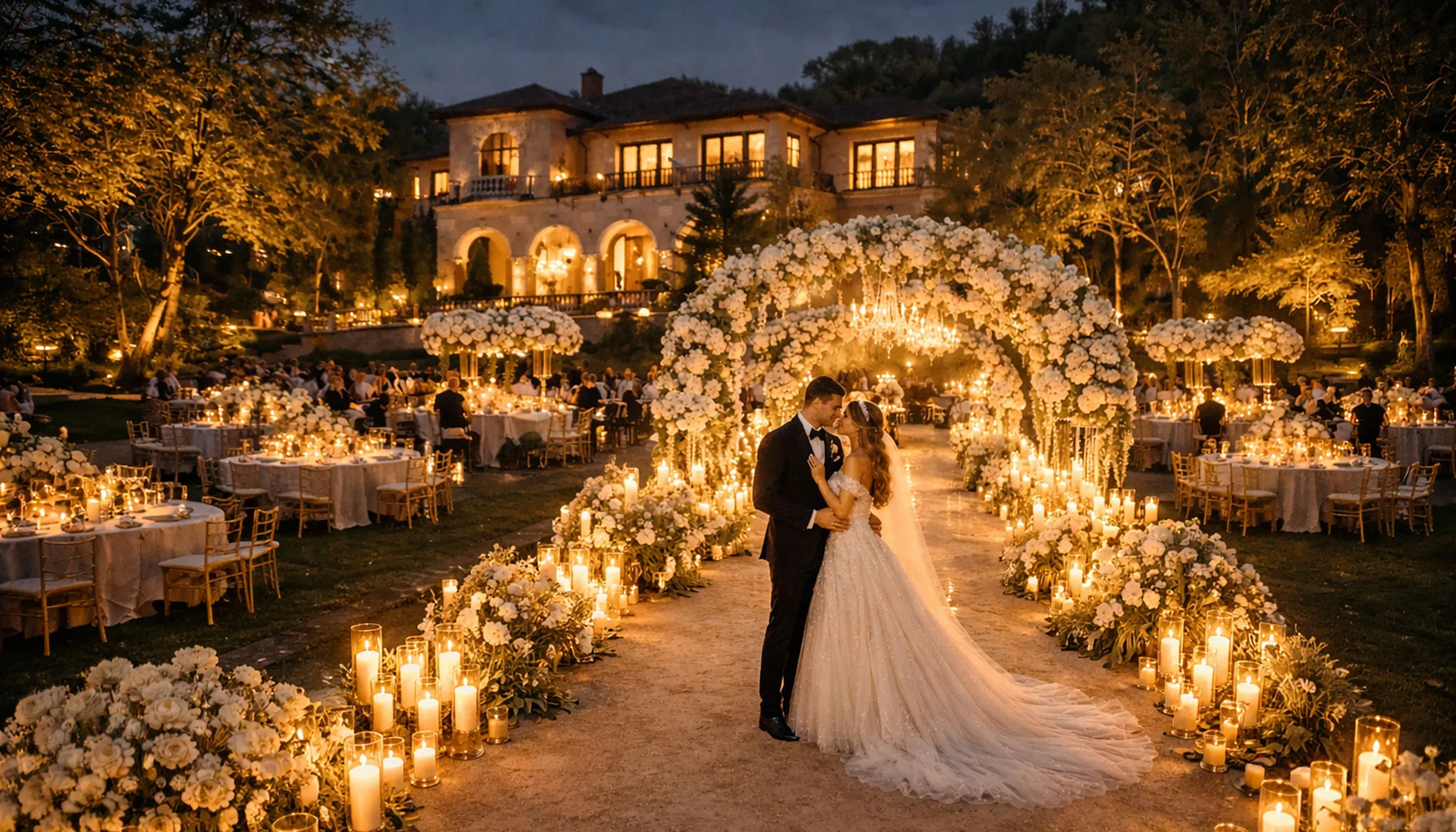
A day, carried by closeness
This wedding thrived on closeness and attention. Everything quietly intertwined and created a framework in which guests felt safe, welcome, and connected. From arrival to departure, a shared flow emerged that left room for conversations, laughter, and quiet togetherness. What remained was a feeling of warmth and cohesion that outlasted the day.

Why Notebooks Matter More Than You Think at Weddings
Notebooks at weddings are often treated as simple guest books, but their role goes deeper. They capture pauses, unfinished thoughts, and quiet moments that rarely surface in spoken form. This article explores how notebooks connect the visible ritual of a wedding with the invisible space of silence.
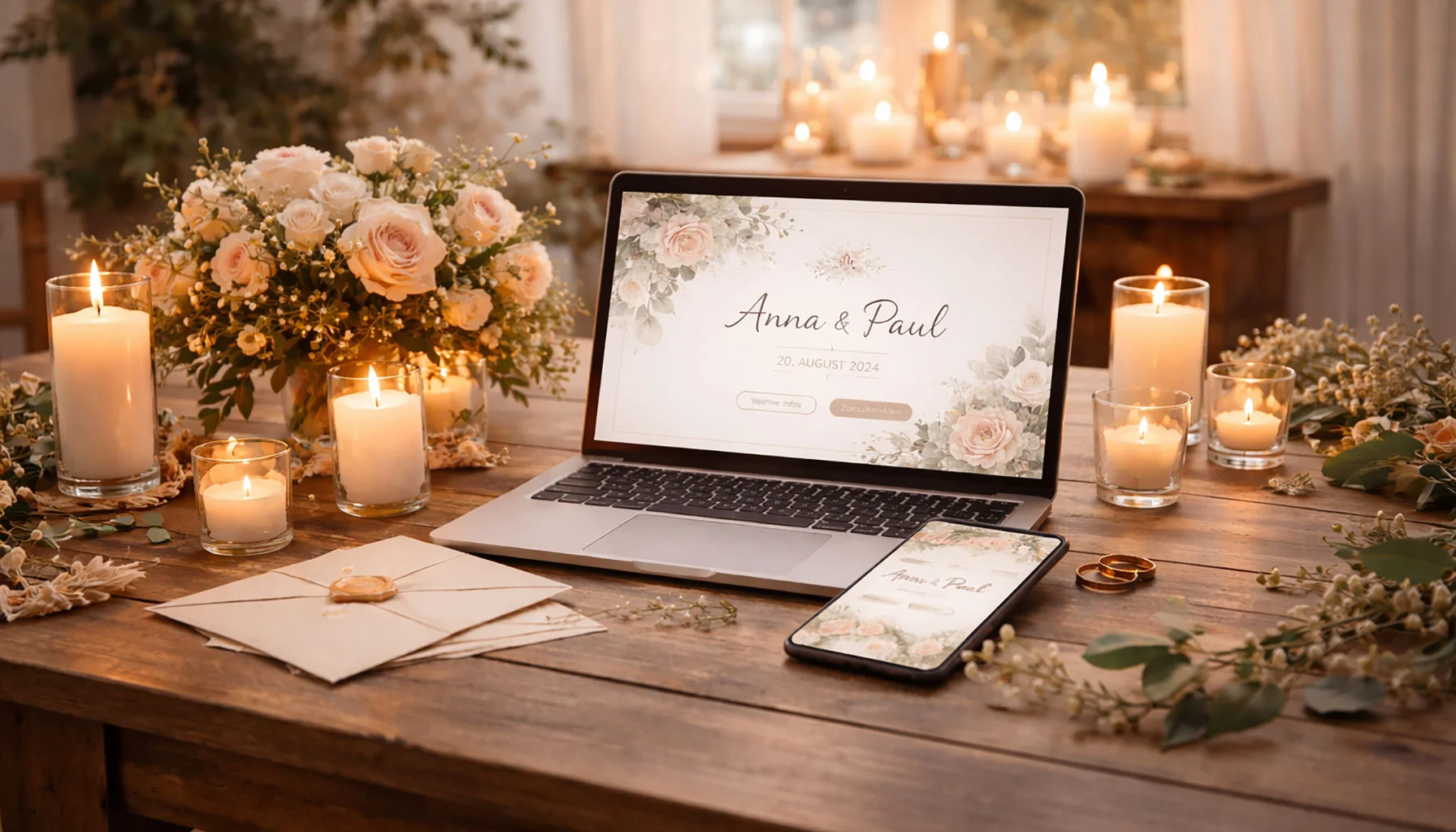
Wedding invitation online – Clearly organized, personally connected
Digital wedding invitations have established themselves in practice as a reliable organizational tool. They consolidate information, facilitate feedback, and connect guests regardless of their location. A wedding website provides clarity, reduces coordination effort, and allows for flexible adjustments to the schedule. Key are clear content, an uncluttered design, and a personal approach. This turns a technical solution into a fitting start for a shared day.
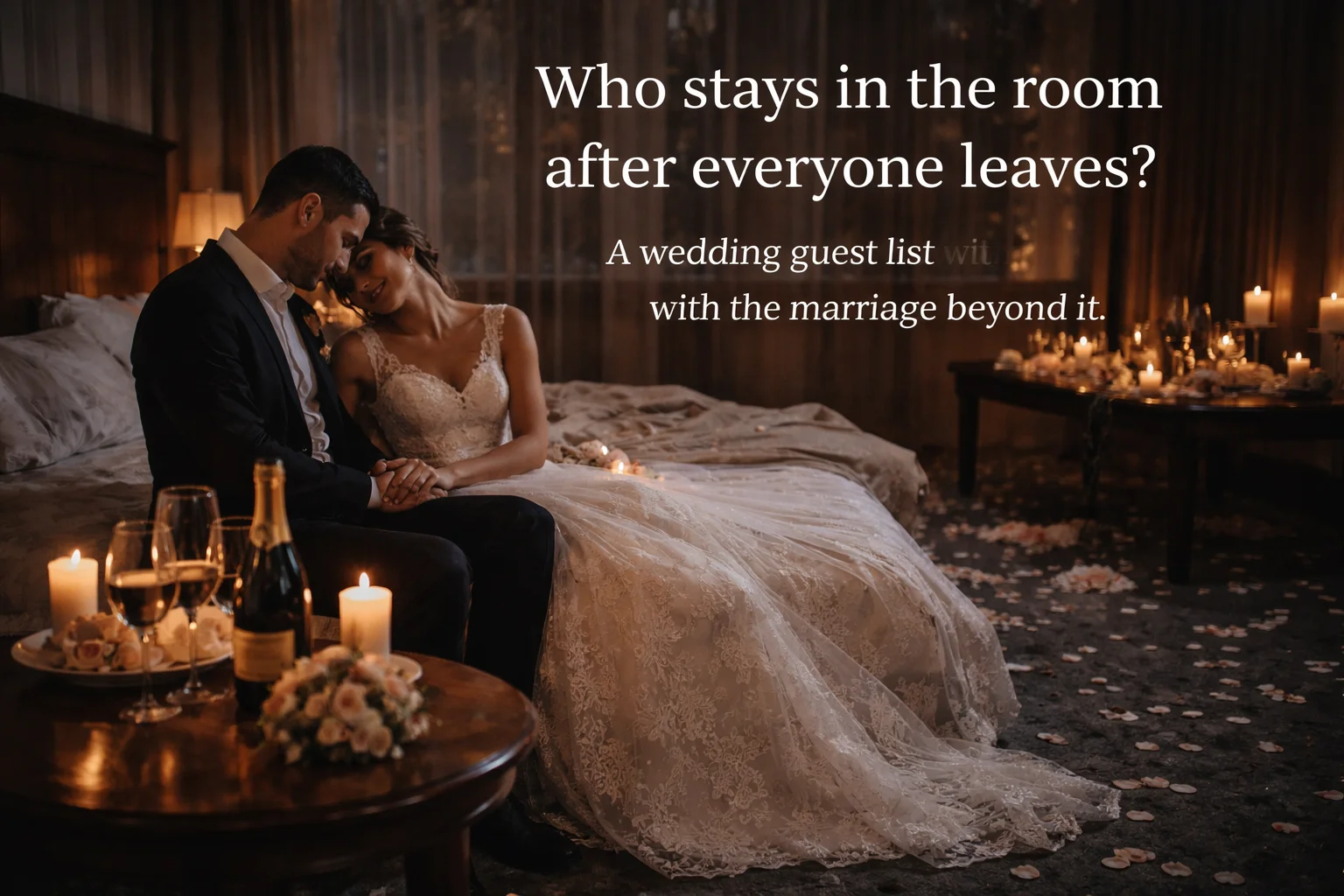
Who Stays in the Room After Everyone Leaves: A Wedding Guest List with the Marriage Beyond It
A wedding guest list is usually treated as a planning tool: numbers, families, tables, obligations. But it also shapes the emotional life that follows the ceremony. This article looks at how choosing who witnesses a marriage influences not only the day itself, but the quieter reality that begins after it.
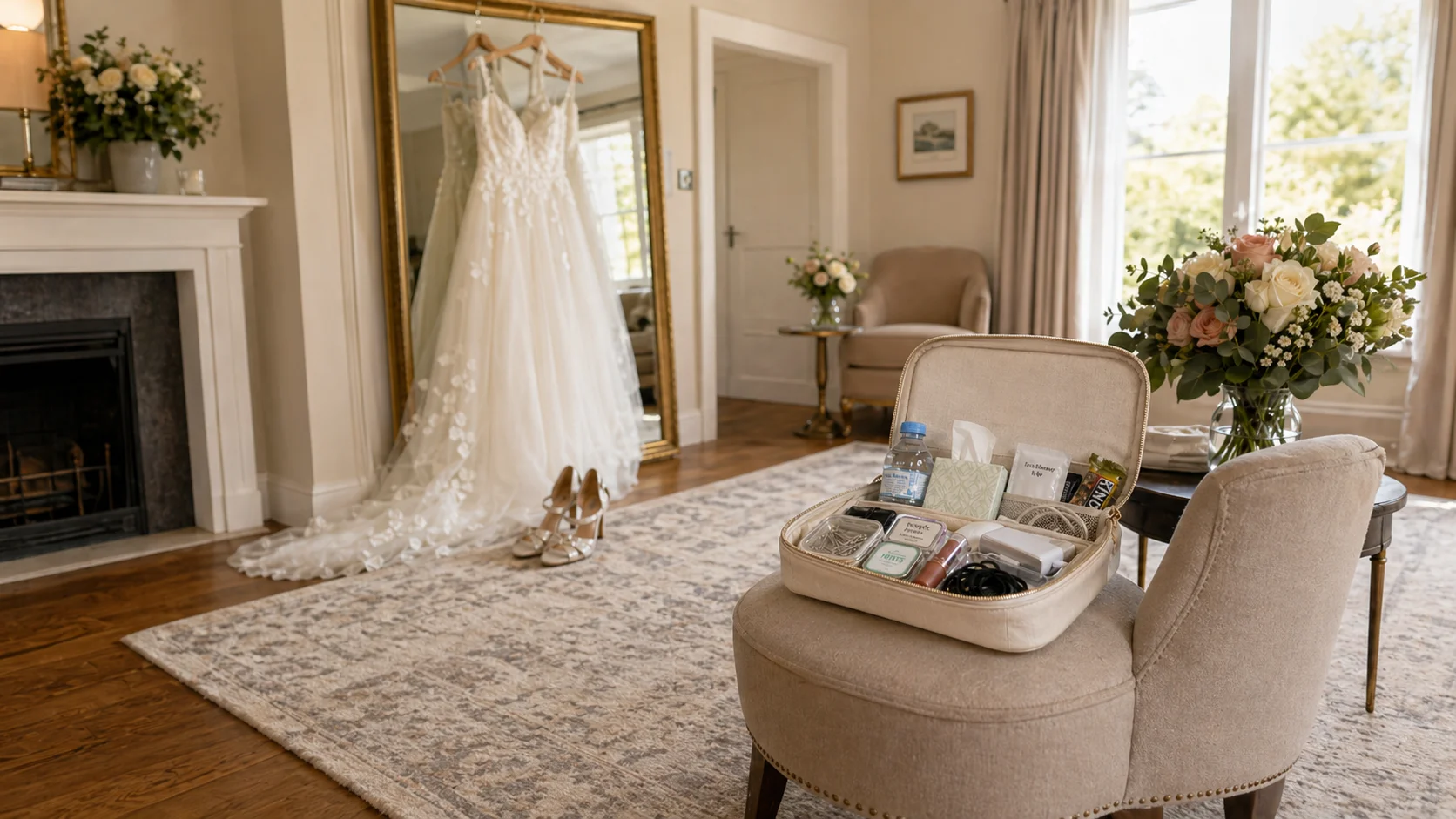
Wedding Bag Checklist: The Small Things That Quietly Save the Day
Wedding bags rarely draw attention, but they often carry the small items that keep the day from tightening around minor problems. This article looks at what to pack, who should hold it, and why the most useful things often matter most only in hindsight.
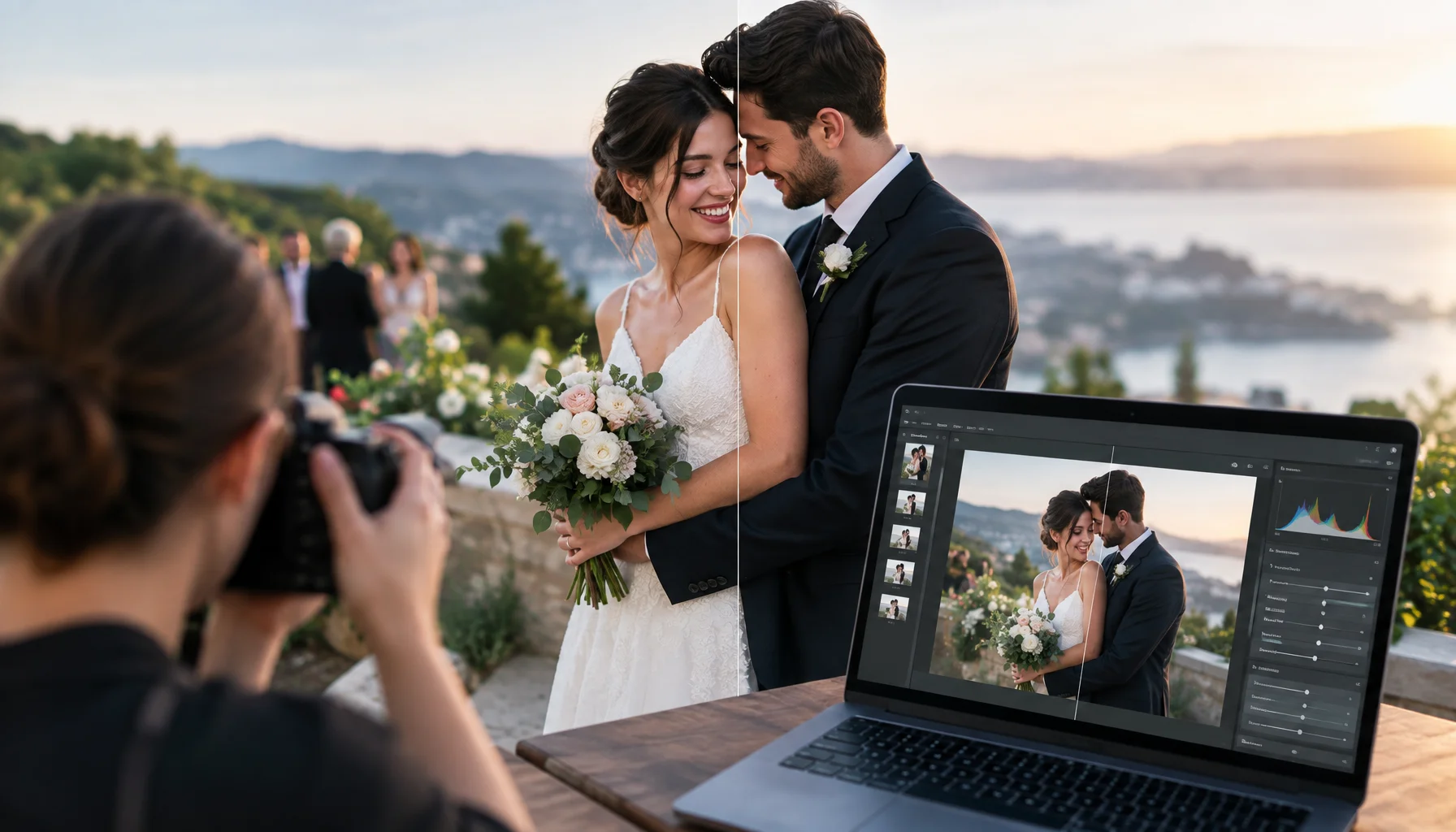
AI-Edited Wedding Photos in 2026: Where Should the Documentary Boundary Be?
Generative AI can now remove people, reconstruct missing details, replace backgrounds and create wedding images that look completely photographic. This guide helps couples decide which edits are normal photography, which cross into factual alteration, and what to agree with the photographer before the wedding.
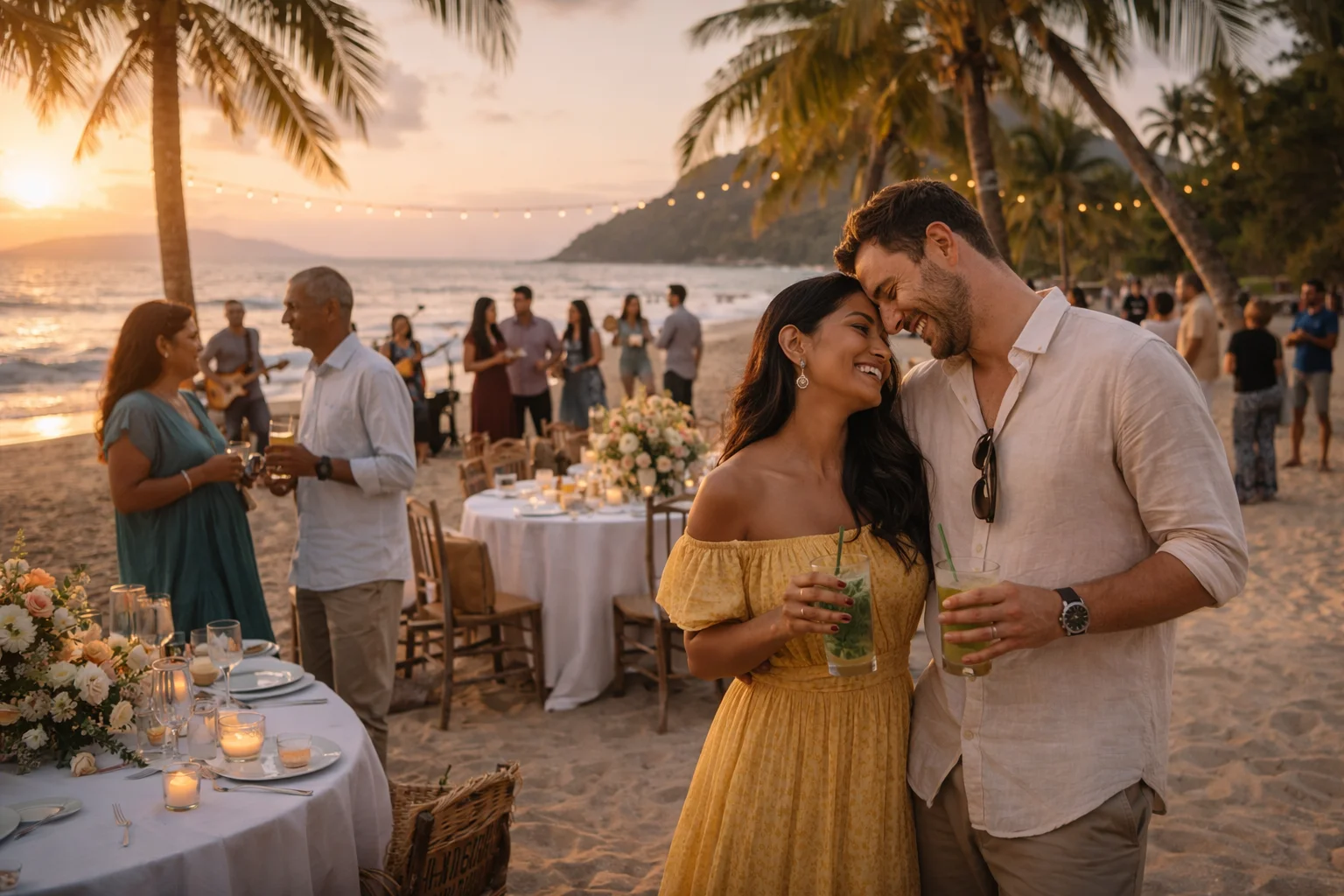
Post-Wedding Gatherings Across Countries: When the Celebration Continues Elsewhere
Some weddings do not end when the official day is over. They continue in another city, another country, another family home, or another social circle that could not be present the first time. This article looks at what post-wedding gatherings across countries actually mean and why they are often less like an encore than a second form of the wedding itself.
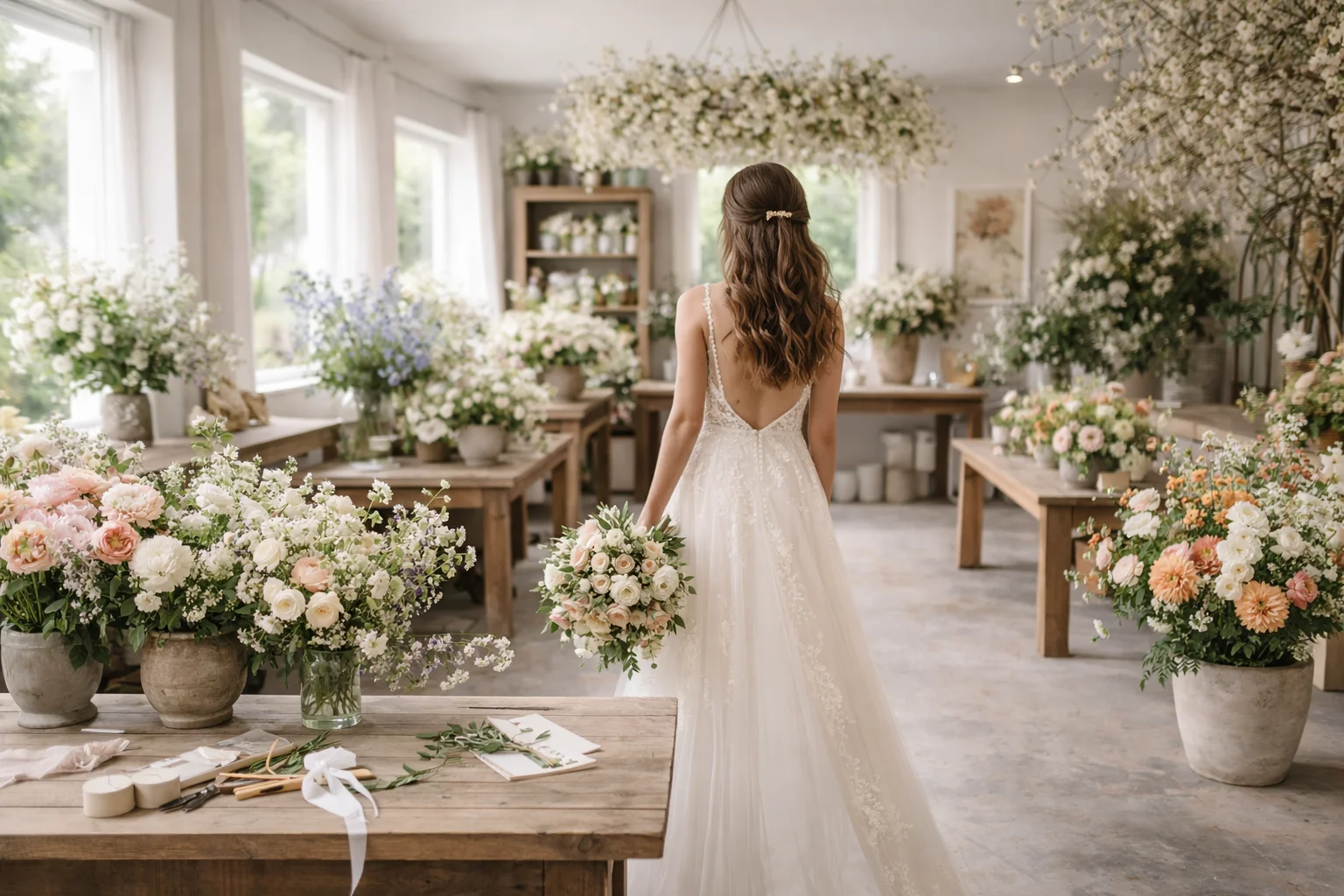
What Flower Shops Really Shape at Weddings
Wedding flowers are often reduced to color palettes and arrangements, but flower shops influence something deeper. They define how a ceremony feels, how space breathes, and what lingers after the moment has passed. This article looks at how florists shape both the visible and the emotional layer of a wedding.
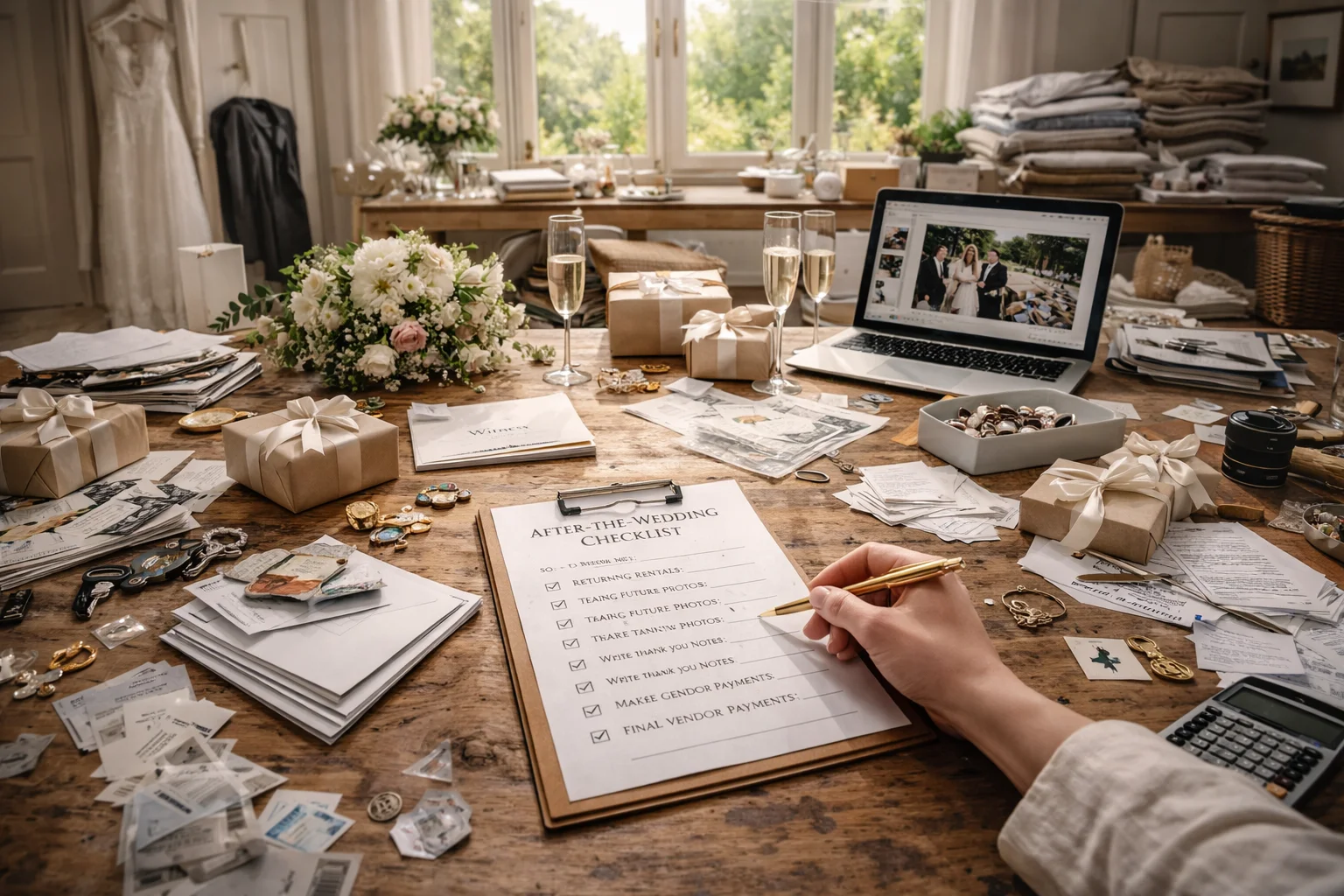
After-the-Wedding Checklist: What Still Needs to Be Returned, Paid, Thanked, or Closed
A wedding rarely ends when the last guest leaves. What follows is quieter, more practical, and often more emotionally mixed than couples expect. This article looks at what still needs to be returned, paid, thanked, or closed after the wedding, and why the days after the celebration are part of the wedding's meaning, not just its cleanup.
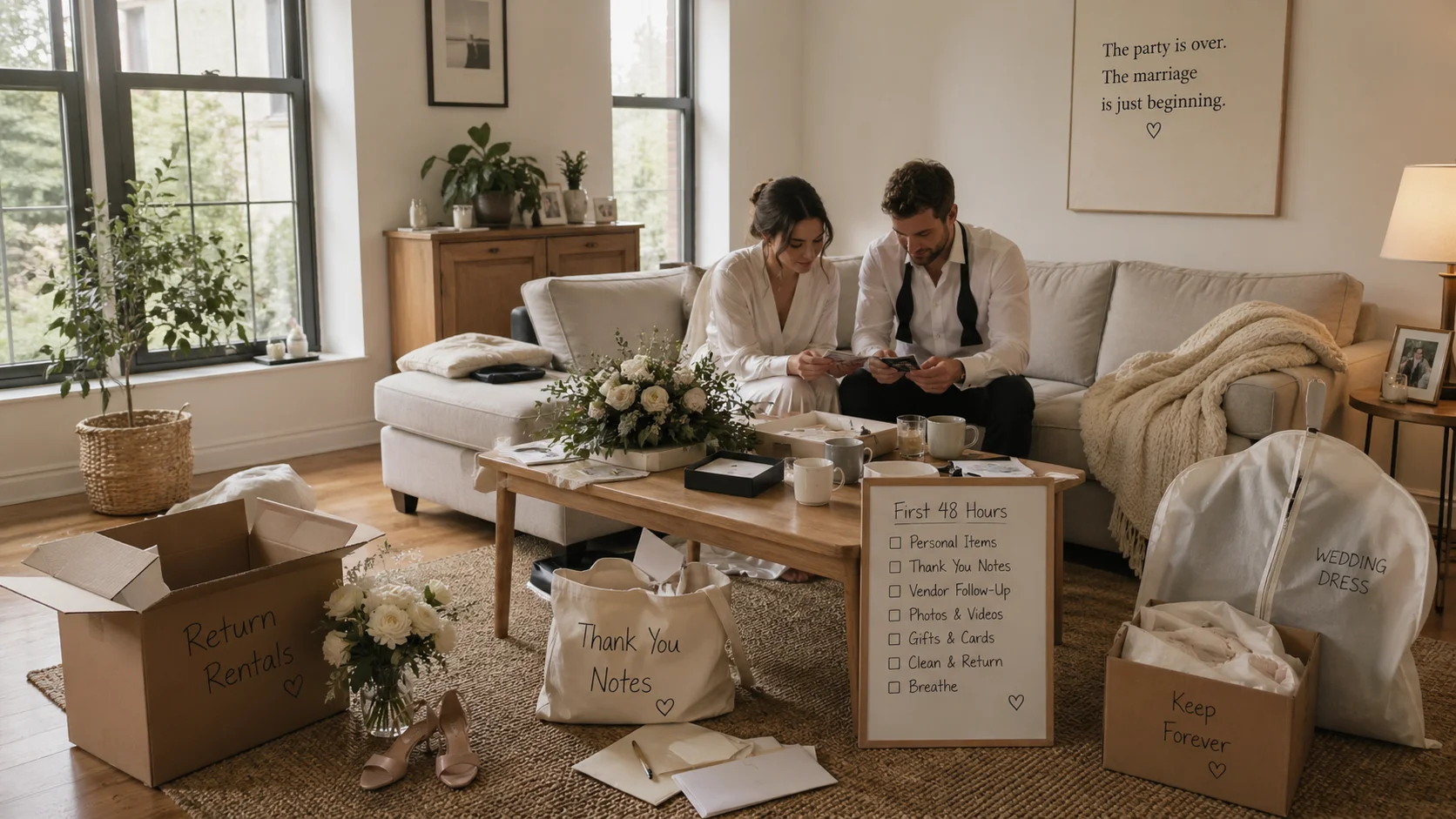
After-the-Wedding Checklist: What Needs Attention in the First 48 Hours
The first 48 hours after a wedding are quiet, practical, and easy to underestimate. This article looks at personal items, gifts, clothing, vendor closure, early photos, and the small tasks that help the after feel lighter instead of turning into scattered errands.

Name Change Checklist: What Couples Should Decide Before the Forms Decide It for Them
A name change after marriage is not only paperwork. This article looks at identity, travel, work, family communication, digital names, and the small everyday places where a new or unchanged name starts to matter after the wedding.