
After-the-Wedding Checklist: What Still Needs to Be Returned, Paid, Thanked, or Closed

Weddings create a strange illusion of finality. The ceremony ends, the music fades, the last glass is cleared, and for a moment it seems as if the whole structure of the event has closed behind itself. In reality, weddings usually leave a trail of unfinished practical things: rented pieces still out, borrowed items in the wrong car, final vendor balances, open accommodation questions, gifts still undocumented, thank-yous not yet written, family messages unanswered, and objects whose emotional charge has not caught up with their ordinary material form. The wedding may be over, but its edges usually are not.
This is exactly where the article belongs to the idea of after. Loving Rocks describes the after as the place where ritual disappears and life resumes, where meaning has to continue without witnesses and structure. That is also what post-wedding logistics reveal. Returning, paying, thanking, and closing are not separate from the wedding's meaning. They are part of how the wedding re-enters ordinary life. The practical remainder is one of the first ways the couple begins living with what the celebration has set in motion.
loving.rockshttps://loving.rocks/category/guest-list

https://loving.rocks/after/
Definition
An after-the-wedding checklist is a short post-event structure for what still needs to be returned, paid, thanked, documented, or emotionally concluded. Its purpose is not to extend stress, but to help the wedding settle into life without leaving unnecessary loose ends behind.
What Still Needs to Be Returned
The first post-wedding layer is physical. Rental pieces, borrowed clothing, family heirlooms, decor items, signage, leftover stationery, transport accessories, and overnight bags often end up scattered across cars, hotel rooms, guest homes, and venue storage. The simplest mistake after a wedding is assuming somebody else knows where everything went. Returns work best when one person gathers the inventory quickly and names clear responsibility before memory starts thinning out.
What Still Needs to Be Paid or Confirmed
Final balances, gratuities, deposit reconciliations, damage questions, transport extensions, overtime charges, and hotel follow-ups often arrive just after the emotional drop of the wedding. This is why post-wedding payment tasks feel heavier than they should. They belong to a day that seems finished, yet they still demand administrative attention. Couples usually move through this stage more calmly when they treat it as a closing phase rather than as an unpleasant surprise after the real event is over.
What Still Needs to Be Thanked
Thanking is often treated as etiquette, but after a wedding it is more than that. Guests, witnesses, family members, hosts, helpers, and people who traveled far all leave traces in the day that deserve acknowledgment. This is where the guest list returns in a quieter form. The wedding may have gathered people into one room, but the after asks the couple to recognize what each person actually carried into that gathering. Good thank-yous do not need to be elaborate. They need to be timely and specific enough to feel real.
What Still Needs to Be Closed
Some post-wedding tasks are not about objects or money, but about closure. Unanswered messages, family sensitivities, leftover misunderstandings, missing photo expectations, accommodation problems, or vague promises made in the blur of the day can keep the wedding emotionally open longer than couples expect. Not every small tension needs a formal conversation, but the ones that continue shaping the tone afterward are worth naming before they harden into memory.
The Checklist Should Be Shorter Than the Feeling
The mistake after a wedding is not forgetting that practical things remain. The mistake is letting every remaining thing feel equally urgent. A good after-the-wedding checklist should be shorter than the emotional complexity of the moment. It should cover only what truly needs resolution now: returns, payments, gratitude, documentation, and a few clear relational loose ends. The rest can settle more slowly, which is often how the after becomes bearable rather than bureaucratic.
Conclusion
After the wedding, life does not begin from nothing. It begins with leftovers: practical, emotional, social, and symbolic. Returning, paying, thanking, and closing are part of how the day leaves ritual form and becomes lived reality. That is why the after-the-wedding checklist matters. It does not reduce the meaning of the wedding to cleanup. It helps meaning survive its return to ordinary life.
Related Articles

AI Wedding Planning in 2026: What to Delegate, What to Verify, What to Keep Human
AI can organize checklists, compare vendor offers, summarize contracts, draft messages and model budgets—but not every wedding decision should be delegated. This guide defines a practical boundary between useful AI assistance, facts that require verification, and decisions that should remain human.
The Quiet Structure of a Wedding: How Checklists Become Rituals
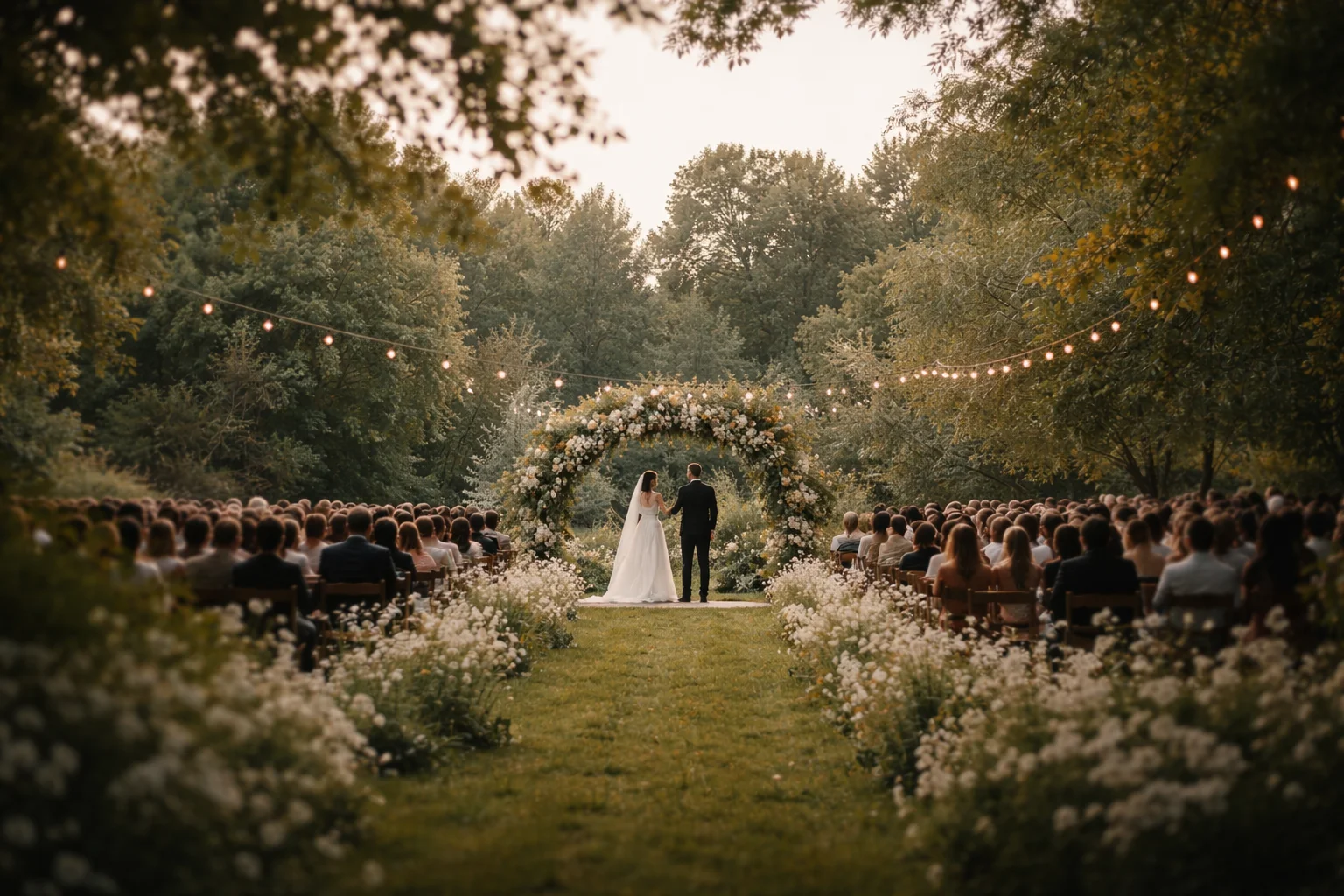
Behind every calm, meaningful wedding lies a structure that no one notices. This piece explores how practical checklists and deeply felt rituals are not opposites, but partners in shaping a ceremony that feels grounded, intentional, and real.

Conversations Before Marriage – Life Questions That Clarify the Relationship
A marriage is not just about feelings, but also expectations, imprints, and ideas about everyday life. This text compiles central life questions that couples should clarify with each other before saying 'I do': regarding money, family, children, conflicts, division of tasks, and personal values. Grown from observations, objectively considered, and close to lived everyday life. Conversations that make differences visible – and thereby strengthen connection.

The Wedding Dress During Pregnancy
A wedding dress chosen during pregnancy follows different rules, even when no one names them. The body leads. The day sets limits. Decisions are shaped by comfort, timing, and how the dress behaves over hours rather than moments. This text looks at maternity wedding dresses as they appear in fittings, ceremonies, and recollections afterward. Not as ideals, but as garments that had to work. The focus stays on what proved suitable, calm, and lasting, without dramatizing the process or framing it as exception.

Wedding Venue Visit Checklist: What to Observe During a Location Tour
Before a wedding location is booked, couples usually visit the place in person. These visits are often short, sometimes just an hour between other appointments. During that time many practical details appear: distances, lighting, sound, room flow, the way staff answer questions. Notes taken during such visits tend to be uneven. Some things seem obvious on site and disappear from memory later. A checklist helps structure the visit so that small but relevant observations are not lost.
Inviting with Intention: The People Who Accompany the Day
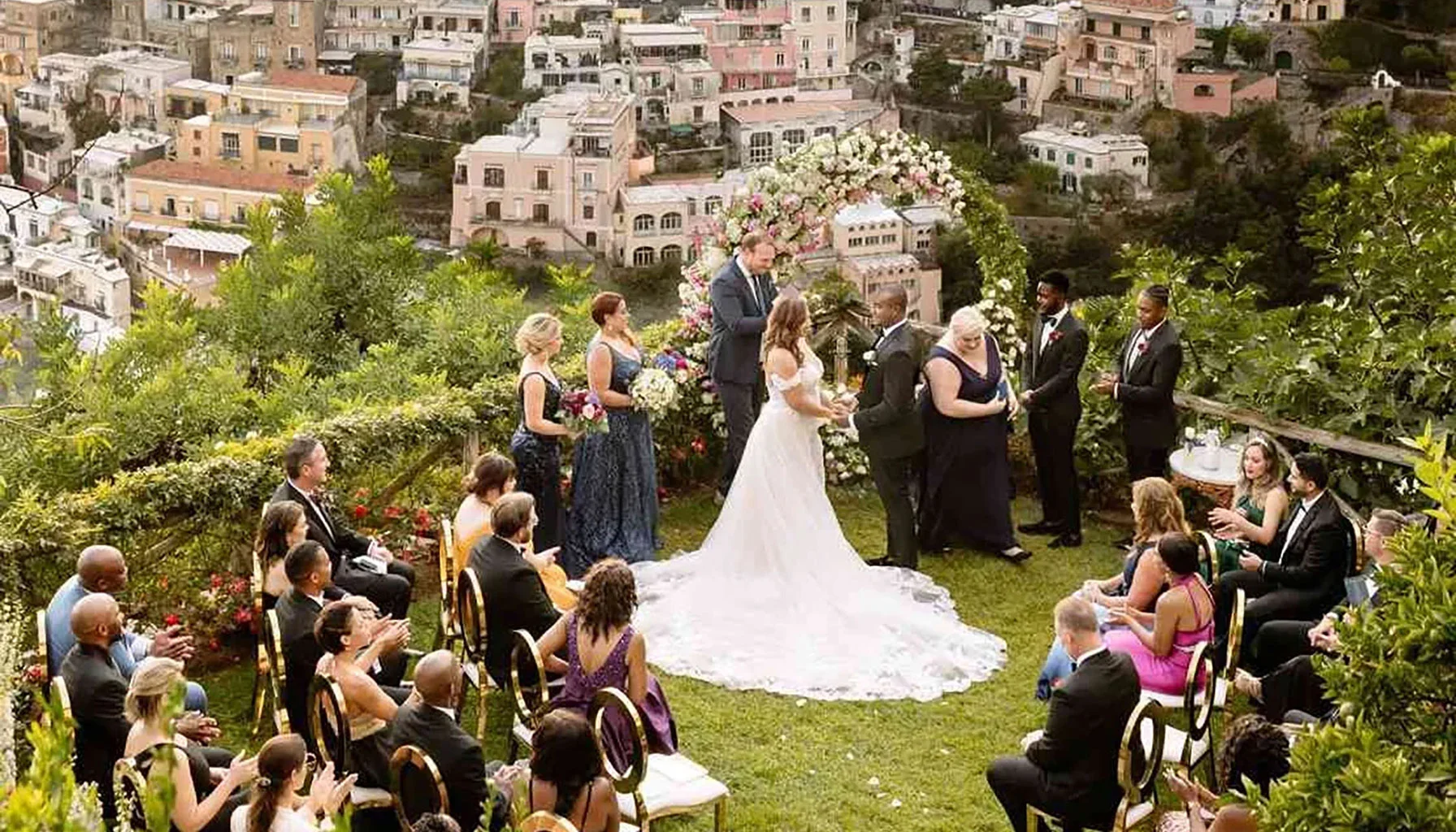
A thoughtfully curated guest list is the foundation of a meaningful and memorable wedding, shaping both the atmosphere and emotional depth of the celebration. By choosing guests with intention and hosting them with care before, during, and after the wedding, couples create an experience rooted in connection, comfort, and genuine appreciation.

Backup Checklist for Outdoor Weddings: Shade, Wind, Cold, and the Things People Forget
Outdoor wedding backup plans are not only about rain. This article looks at shade, wind, cold, ground conditions, paths, loose details, guest comfort, and the small weather traces that shape how an outdoor celebration is remembered.
Who Is Invited to the Ceremony and Who Only to the Celebration
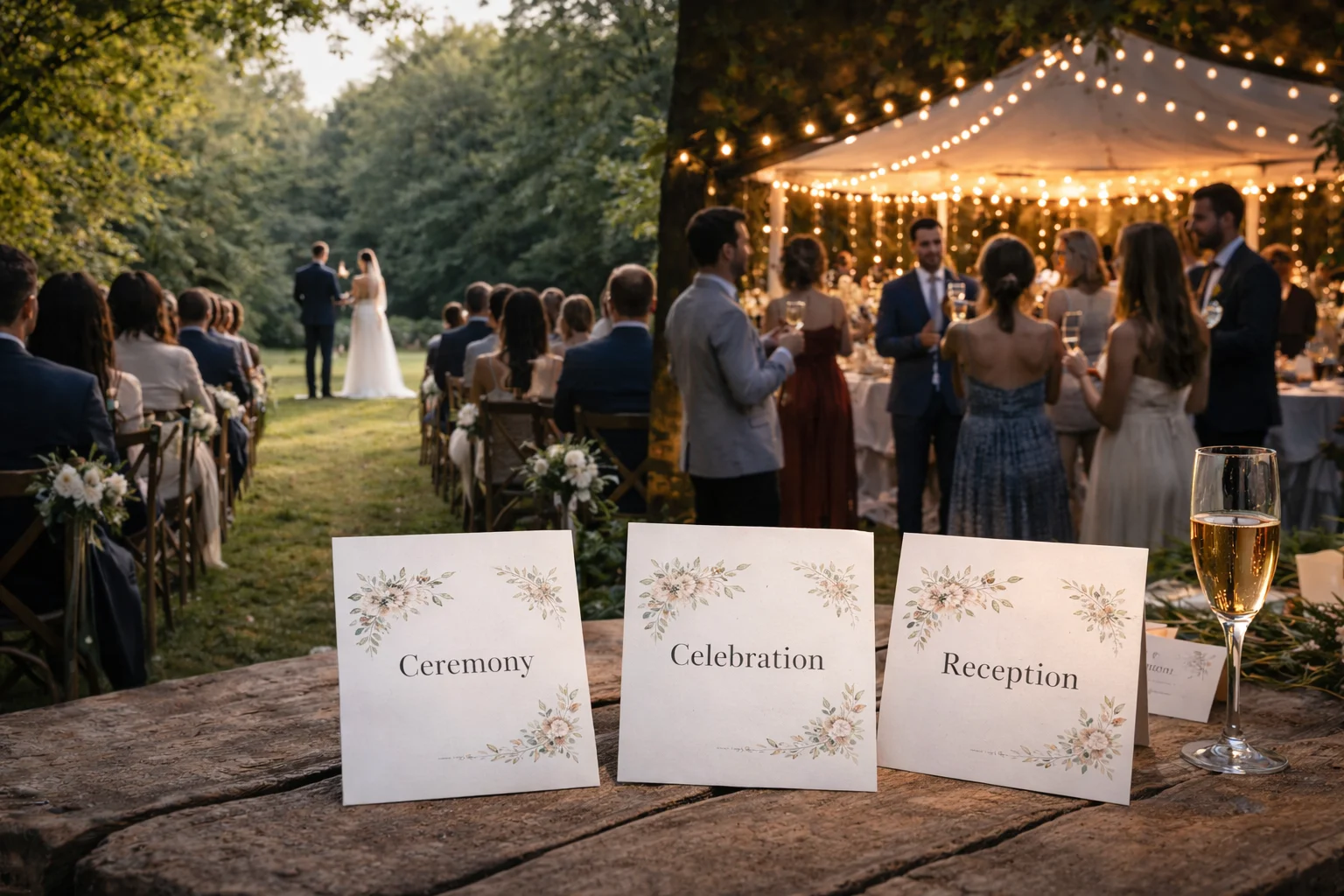
Not every wedding invitation has to include every part of the day. But the difference between being invited to the ceremony and being invited only to the celebration carries more meaning than many couples first assume. This article looks at how to make that distinction clearly, gracefully, and in a way that fits both the ritual weight of the ceremony and the social reality of the celebration.

Wedding Transport Checklist: Arrivals, Transfers, Parking, and Late-Night Returns
Wedding transport is rarely remembered when it works, but it shapes the day long before the ceremony begins and long after the central moment has passed. This article looks at what still needs to be planned around arrivals, transfers, parking, and late-night returns, and why movement and waiting belong more closely together than many couples expect.
Family Table Checklist: What Helps Mixed Generations Sit More Easily Together
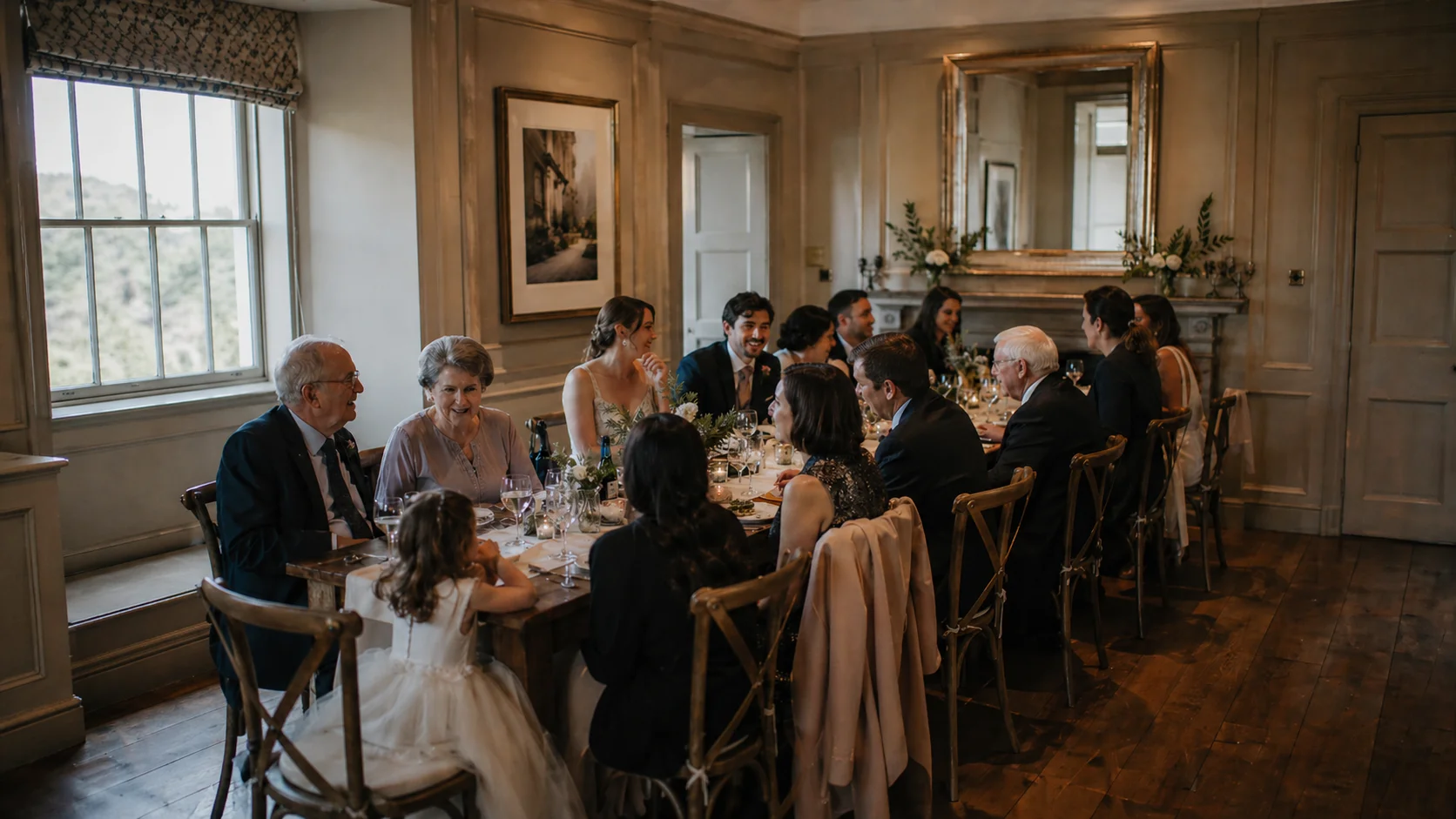
Family tables at weddings rarely depend on seating order alone. They work better when physical comfort, conversational balance, newer relationships, and older family stories are all considered before dinner begins.

Engagement Ring and Wedding Ring: Two Moments, One Commitment
Engagement ring and wedding ring mark different stages of the same decision. One appears at the beginning, often tied to a single moment. The other enters daily life and stays there. Their forms, materials, and proportions follow different needs, yet they are meant to exist together. Understanding how they differ helps explain why both matter, and why their combination often says more than either ring alone.
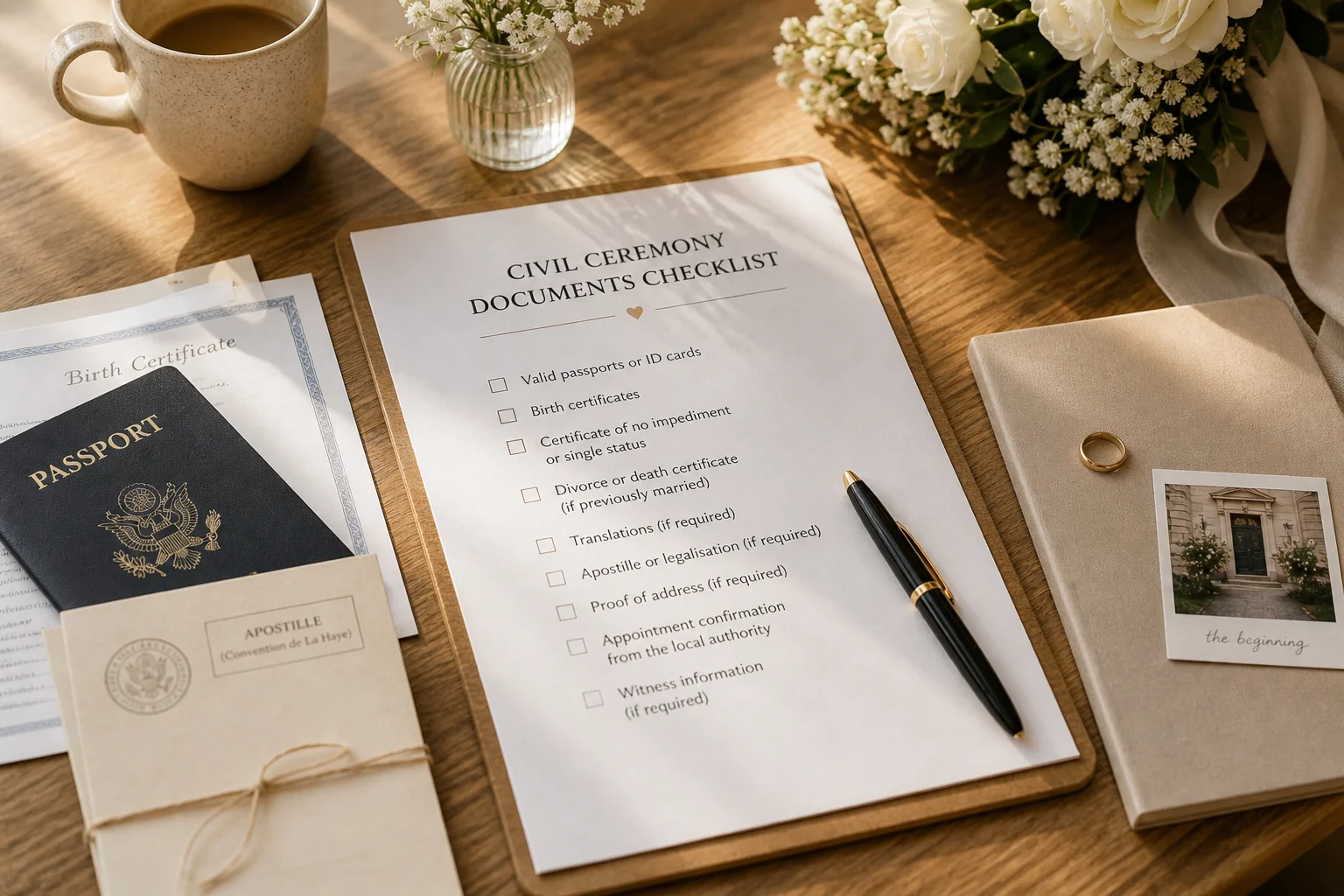
Civil Ceremony Documents Checklist: What Couples Usually Need Before the Wedding Can Happen
A civil ceremony may look simple, but it depends on documents being accepted before the public moment can begin. This article looks at identity records, marital status proof, translations, apostilles, witnesses, appointment rules, and the quiet legal threshold before the ceremony.