
Transportation Checklist: How Not to Lose Time Between Wedding Locations
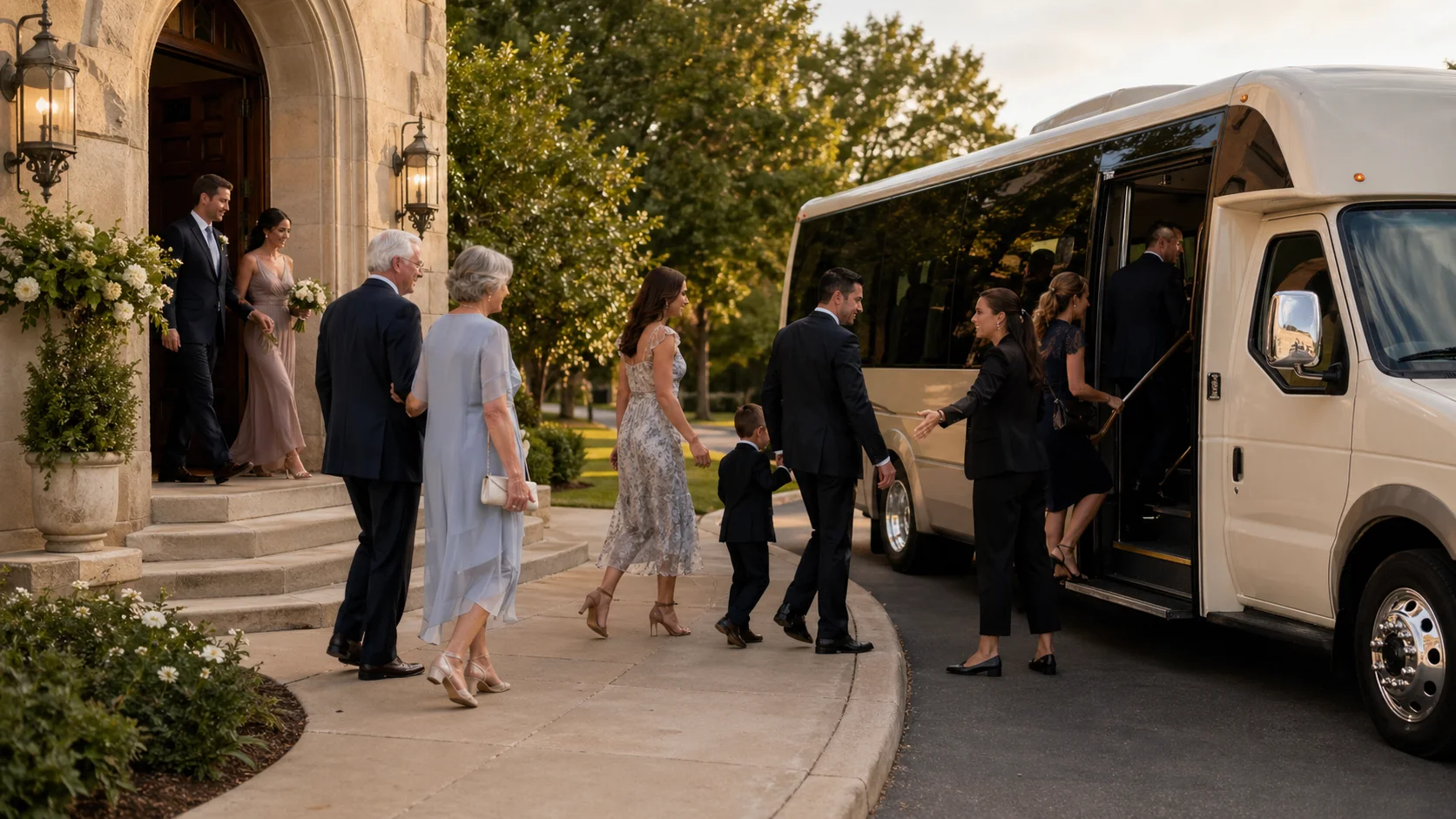
Wedding transportation looks simple when it is written into a timeline. Ceremony at one place, reception at another, guests move in between. On the day itself, it becomes less clean. Someone is still saying goodbye at the church door. A shuttle waits in the wrong lane. Grandparents need more time than expected. A driver calls the couple instead of the planner. Guests follow different map pins, and a ten-minute transfer quietly becomes twenty-five. The lost time is rarely one big mistake. It leaks out in small places.
A strong transportation checklist is not only about booking cars or buses. It is about protecting the pause between wedding locations. That pause can feel calm, almost useful, if people know where to go and what happens next. It can also become the part of the day where attention scatters, guests get unsure, and the couple arrives already slightly behind. The difference usually comes from small decisions made before anyone is standing outside with a phone in one hand and flowers in the other.
Definition
A wedding transportation checklist covers the practical movement between wedding locations. It includes departure times, pickup points, guest instructions, driver contacts, parking, luggage, accessibility, weather, route buffers, and the quiet handovers that keep travel from turning into uncertainty.
Pickup Points Need To Be Physical, Not Just Named
A pickup point should be something guests can actually recognize while dressed for a wedding and slightly distracted. Not just the front entrance, if there are three entrances. Not the lower car park, if the venue has two. A useful checklist names the exact door, driveway, gate, hotel lobby, bus bay, or side street. It also decides who stands there for the first few minutes, because signs and messages do not always replace a calm person pointing people in the right direction.
Buffers Should Belong To People, Not Only To Roads
Couples often add buffer time for traffic but forget the human parts of moving. Guests need to find coats, use the restroom, gather children, wait for relatives, say one more thing, fold umbrellas, collect bags, or walk slowly over gravel. A fifteen-minute drive may need forty minutes in the schedule, not because the road is long, but because people are not parcels. One venue coordinator described transport delays as mostly doorway delays. That is often true. The car is ready. The group is not.
Checklist – CategoryA wedding checklist helps you stay organized and ensures that no important detail is overlooked. From early planning steps to last-minute preparations, it provides a clear overview of what needs to be done and when. With a well-structured checklist, you can plan your wedding with confidence, reduce stress, and enjoy the journey toward your big day.
Driver Communication Should Never Depend On The Couple
The couple should not be solving transport while being photographed, greeted, or moved toward the next part of the day. Drivers need one operational contact, ideally someone who knows the route, pickup point, guest count, and timing. That person should also know what to do if a vehicle is early, late, blocked, or sent to the wrong entrance. The problem is not that drivers call. The problem is when the call lands on someone who cannot act without interrupting the couple. Clear contact routes save time because they save decision-making.
Different Guests Need Different Movement Speeds
Transportation planning becomes easier when guests are not treated as one moving block. Older relatives may need a closer pickup. Families with small children may need room for bags, strollers, or car seats. Out-of-town guests may need clearer instructions than local friends. Wedding party members may carry garments, flowers, emergency kits, or documents. A shared shuttle can work beautifully, but only if the slowest practical needs are built into it. Otherwise the schedule starts being pulled apart by the people it forgot to accommodate.
The Pause Between Locations Needs A Shape
The connection to the pause sits exactly here. Moving between wedding locations creates a gap in the day. That gap can reset the room, give guests a breath, and let the next location open with more attention. Or it can feel like a loose, unheld stretch where no one knows whether they are waiting, leaving, arriving, or already late. A good transport plan gives the pause a shape: where people stand, when they leave, who checks the last guests, what happens on arrival, and how the couple is protected from being caught in the middle of it.

A pause is a moment suspended between intention and action. It is where choice becomes visible.
Conclusion
A wedding transportation checklist is not mainly about vehicles. It is about keeping movement legible. Exact pickup points, human buffers, clear driver contacts, different guest needs, and a shaped pause between locations can protect the day from losing time in small, ordinary ways. Travel will never feel as elegant as the ceremony or the dinner. It does not need to. It just needs to carry people from one part of the wedding to the next without making the day feel thinner on the way.
Related Articles

Wedding Venue Visit Checklist: What to Observe During a Location Tour
Before a wedding location is booked, couples usually visit the place in person. These visits are often short, sometimes just an hour between other appointments. During that time many practical details appear: distances, lighting, sound, room flow, the way staff answer questions. Notes taken during such visits tend to be uneven. Some things seem obvious on site and disappear from memory later. A checklist helps structure the visit so that small but relevant observations are not lost.
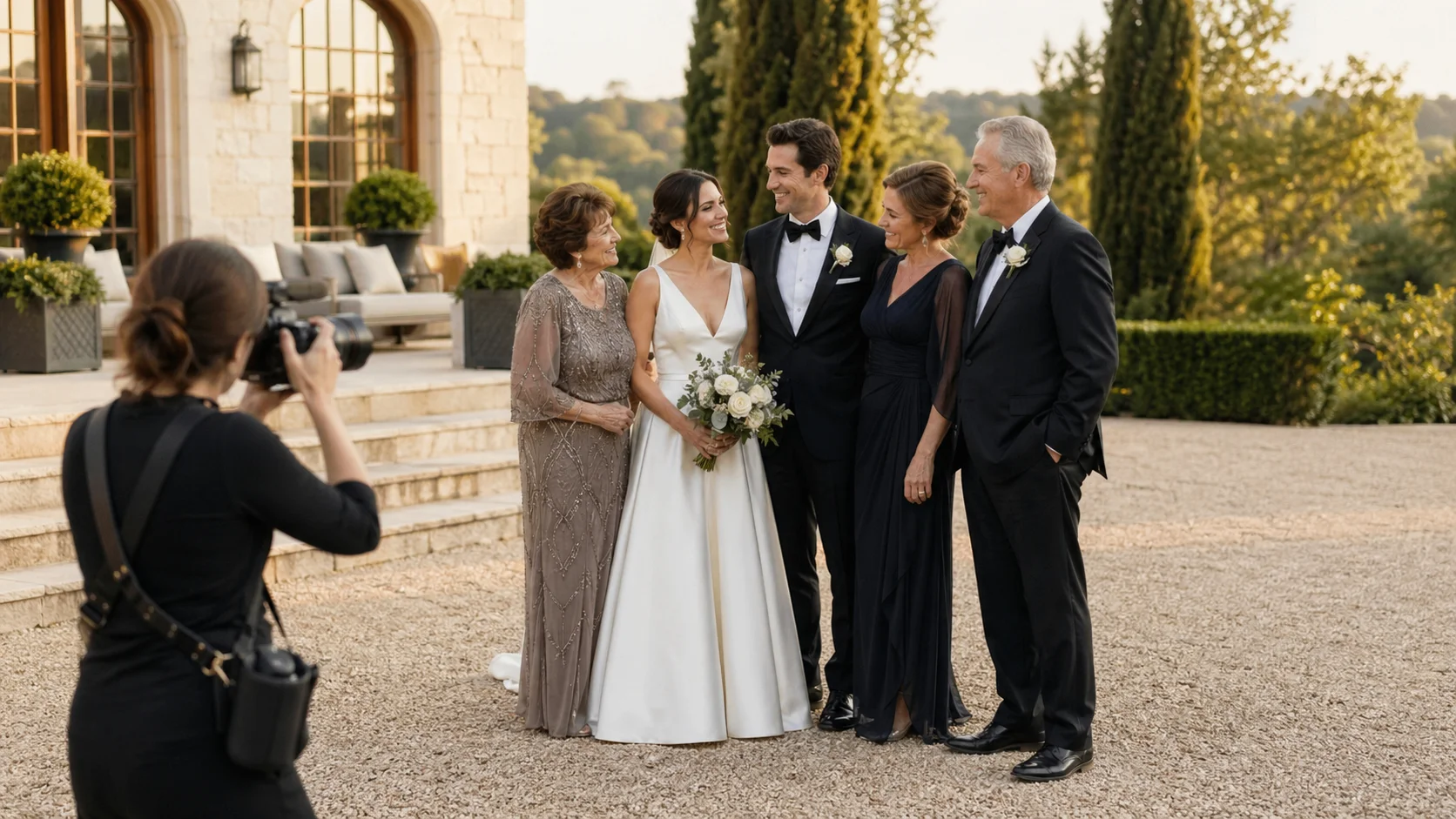
Photographer Coordination Checklist: What Helps Without Overdirecting the Day
Wedding photography needs enough coordination to protect the important images, but not so much direction that the day starts feeling staged. This article looks at shot priorities, family helpers, light windows, access, ceremony limits, and the space photographers need to notice real stories.

The Wedding Guest List and the Quiet Art of Waiting
A guest list is one of the most practical parts of wedding planning, but it is also where uncertainty shows itself most clearly. Decisions about who will stand near the ceremony often unfold slowly, in pauses, hesitations, and unfinished conversations.

Multilingual Wedding Communication: What Guests Need to Understand Without Constant Explanation
A multilingual wedding does not fail because different languages are present. It becomes difficult when guests are left unsure what they need to understand, what they can simply feel, and what requires translation in the moment. This article looks at how to create clarity in multilingual wedding communication without overexplaining every part of the day.
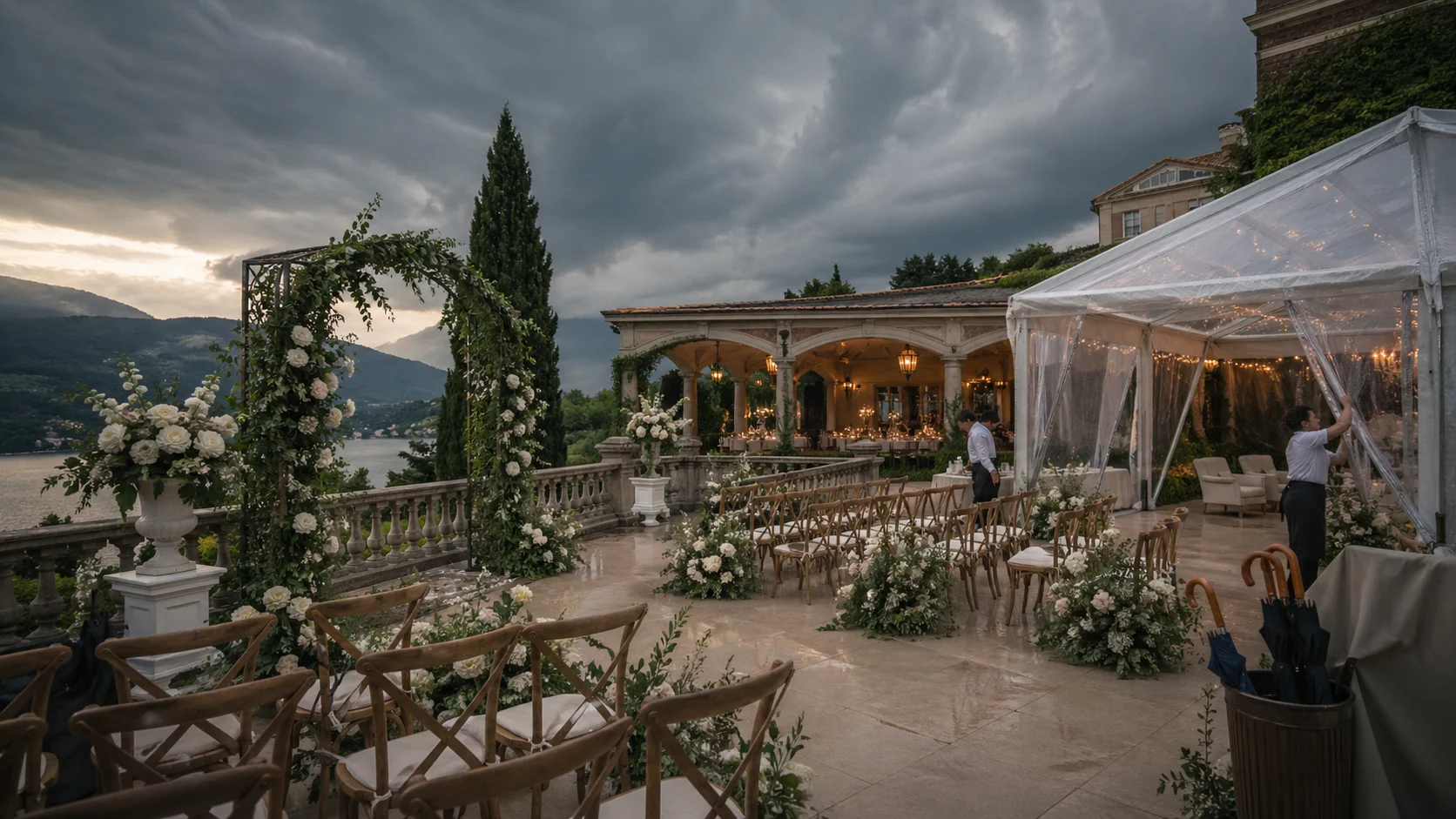
Rain Plan Checklist: What Needs Deciding Before Weather Becomes the Mood
A wedding rain plan is rarely just a backup for logistics. It also shapes whether weather stays manageable or quietly takes over the emotional tone of the day. This article looks at what needs to be decided early, so rain changes the setting without deciding the atmosphere.
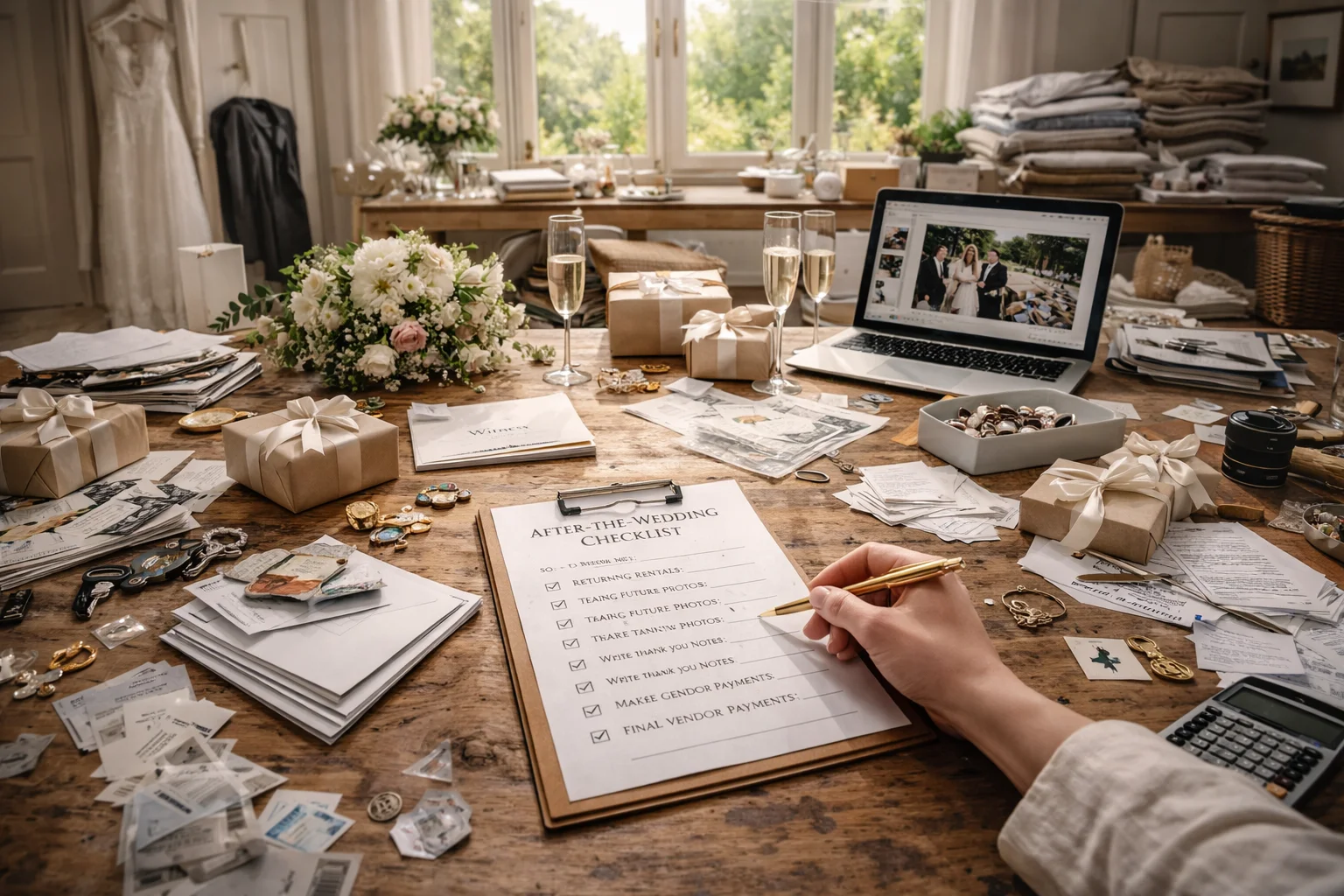
After-the-Wedding Checklist: What Still Needs to Be Returned, Paid, Thanked, or Closed
A wedding rarely ends when the last guest leaves. What follows is quieter, more practical, and often more emotionally mixed than couples expect. This article looks at what still needs to be returned, paid, thanked, or closed after the wedding, and why the days after the celebration are part of the wedding's meaning, not just its cleanup.

Beyond the Wedding Dress: What Truly Defines the Bridal Look and Experience
The bridal look is shaped long before the wedding day itself. It is created through thoughtful preparation, careful attention to detail, and a sense of inner calm that carries the bride through every moment. When styling, timing, and presence align naturally, beauty feels effortless rather than staged. Hair, makeup, accessories, and posture work together to support the bride rather than overshadow her. Yet what truly defines her appearance is how grounded and supported she feels. A bride who trusts her choices and releases the need for perfection radiates authenticity and quiet confidence. In this balance between outer expression and inner state, the bridal look becomes more than an image. It becomes an atmosphere — one that is felt, remembered, and carried far beyond the day itself.
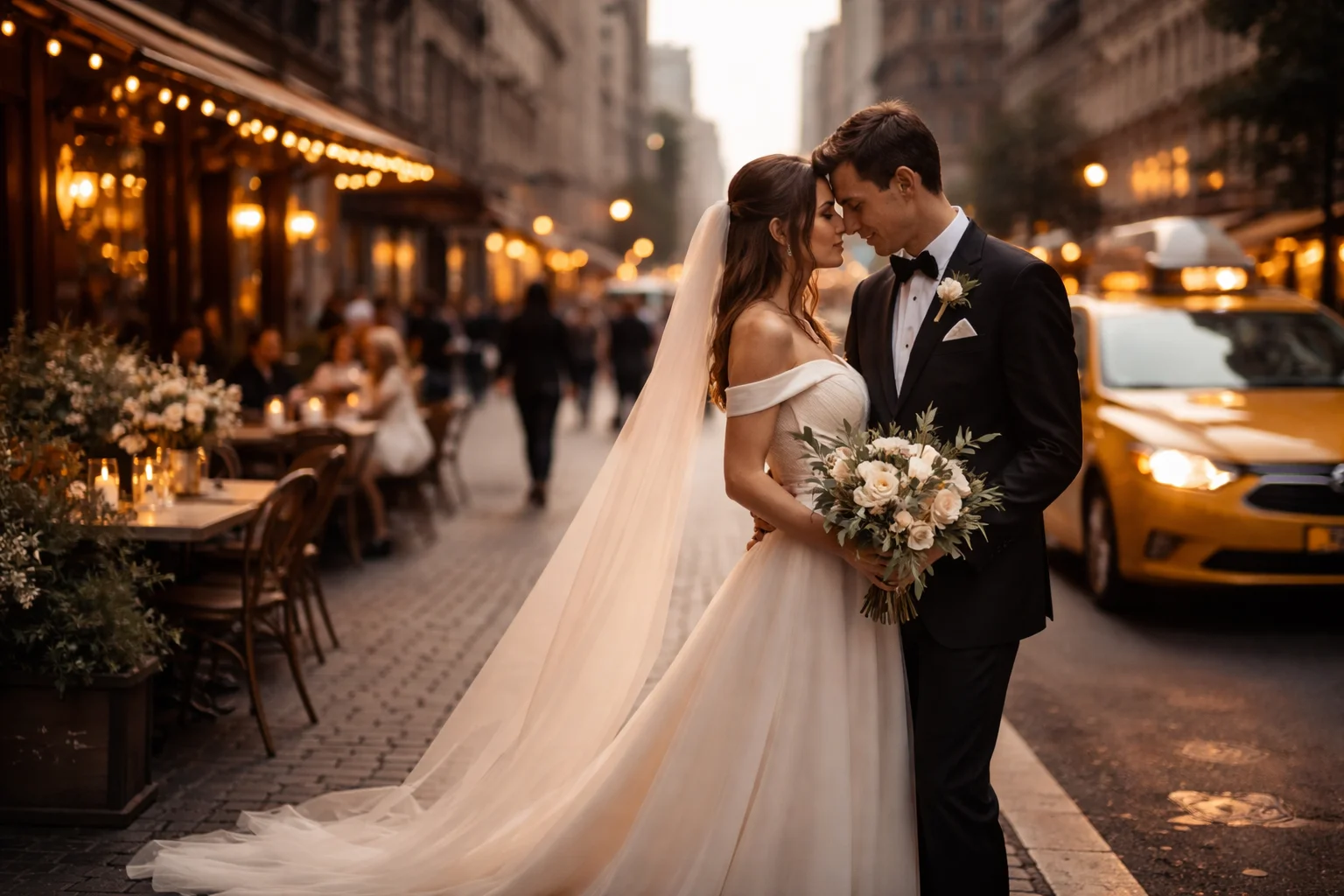
A City Wedding Moves Fast Until It Pauses
City weddings are shaped by movement. Traffic, schedules, tight timelines, elevators, crowded sidewalks, the constant awareness that everything is happening in the middle of something else. Planning one often means working with constraints rather than against them.
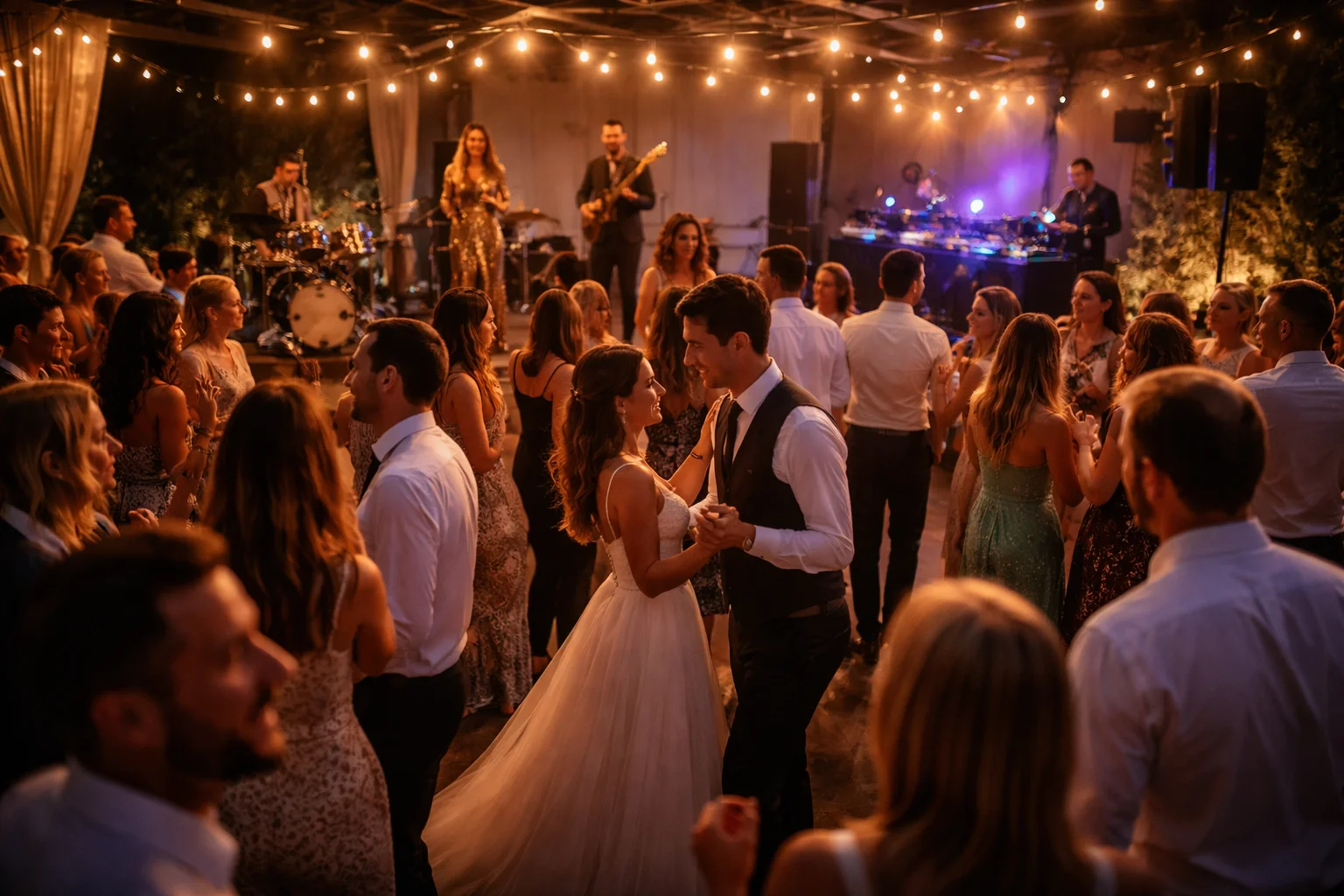
DJ or Live Band: What Actually Fills a Wedding Dance Floor
The choice between DJ and live band is often framed as a style decision, but at weddings it changes timing, energy, and how guests move through the night. This article looks at what really fills a dance floor, what guests actually want, and why the most important musical choice often happens before the first song begins.
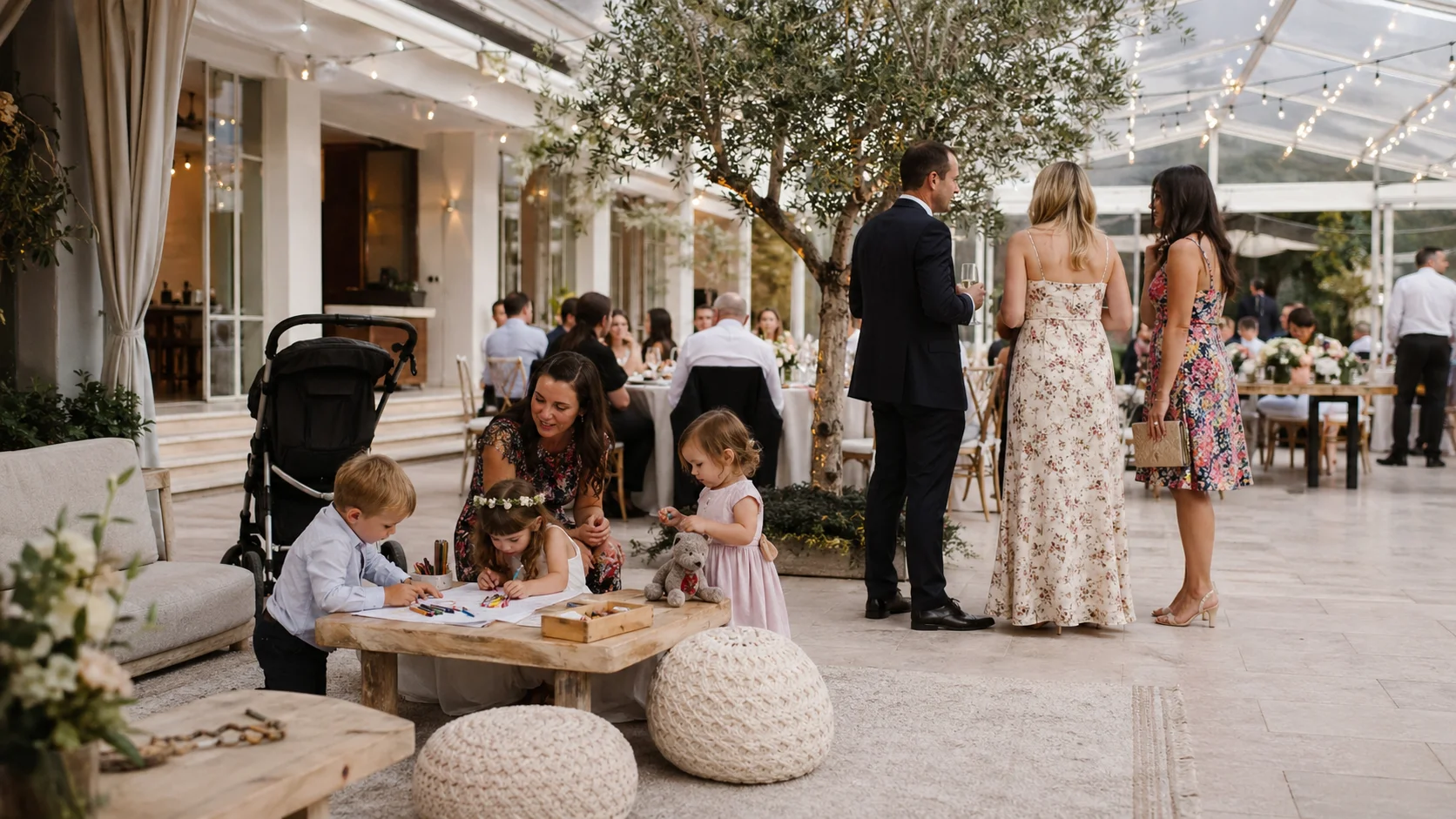
Kids at Weddings Checklist: What Helps Families Stay Longer Without Strain
Families with children usually leave weddings early for a series of small reasons rather than one big one. This article looks at what helps them stay longer with less strain, from food timing and retreat spaces to quieter transitions and the simple need for relief.

Post-Wedding Gatherings Across Countries: When the Celebration Continues Elsewhere
Some weddings do not end when the official day is over. They continue in another city, another country, another family home, or another social circle that could not be present the first time. This article looks at what post-wedding gatherings across countries actually mean and why they are often less like an encore than a second form of the wedding itself.

Wedding Guest Communication Checklist: What Guests Need to Know and When
Good wedding communication is not about sending guests everything at once. It is about giving the right information at the right moment, so the day feels clear without becoming overexplained. This article looks at what guests actually need to know, when they need to know it, and why silence still has a place in wedding planning.