
Wedding Dinner Flow Checklist: What Keeps the Room Together Between Courses
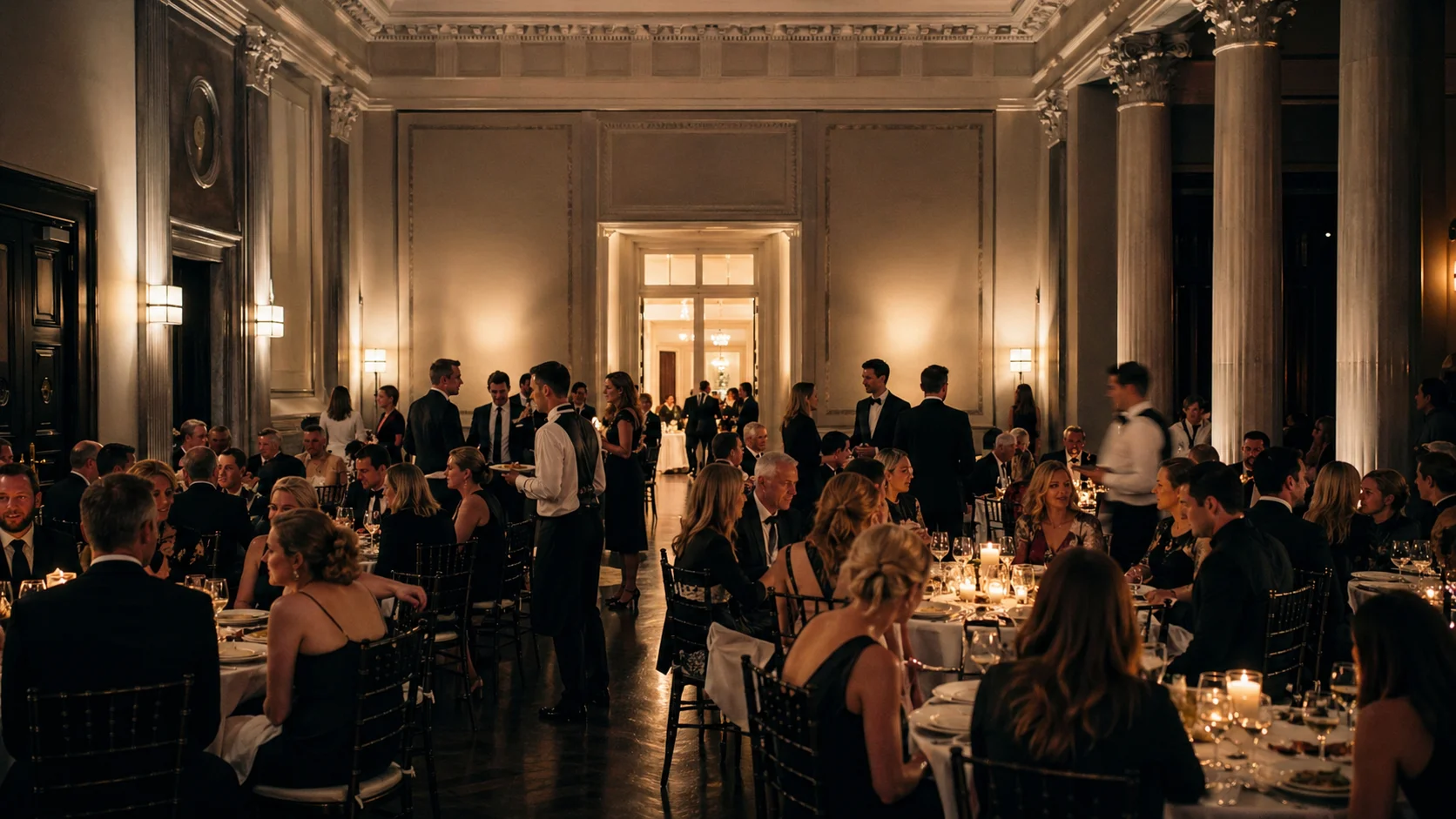
Wedding dinners rarely fall apart during the food itself. The more delicate part is what happens between courses, when attention loosens, service is in motion, chairs begin to shift, some guests stand, others keep talking, and the room has to remain one shared occasion without feeling tightly managed. These stretches are easy to underestimate because, on paper, they look like simple transitions. In practice, they shape whether dinner feels held or gradually scattered.
That is why a useful dinner flow checklist is not about menu timing alone. It is about maintaining social continuity while the formal structure briefly thins out. Guests do not need constant stimulation, but they do need a room that still knows what it is doing. Small pauses can feel generous and breathable. They can also become uncertain, noisy, or oddly flat when no one has really thought through how the evening moves once plates are lifted and nothing explicit has begun yet.
Definition
A wedding dinner flow checklist covers the conditions that keep the reception room coherent between courses. It includes service rhythm, room attention, speech timing, music level, guest movement, and the quieter decisions that help dinner remain socially connected while nothing formally central is happening.
Service Rhythm Has To Feel Like Part Of The Evening, Not An Interruption To It
The strongest dinner service at weddings is rarely the fastest. It is the service that moves with the room instead of against it. Plates are cleared without cutting through active attention, the next course arrives before the room goes flat, and staff movement does not create a second layer of urgency that guests begin reacting to unconsciously. A strong checklist therefore asks not only how long each course takes, but what the room is likely to feel like during the transitions between them.
Not Every Gap Needs Filling, But Every Gap Needs A Shape
One of the common mistakes in wedding dinner planning is assuming that every pause has to be actively filled. In reality, guests can carry a surprising amount of atmosphere on their own when the pause feels intentional. Soft music, a visible next step, low but steady energy, and no confusing overlap between speeches, staff movement, and table chatter are often enough. The problem is not emptiness. It is shapelessness. A room becomes uneasy when it cannot tell whether it is resting, waiting, or drifting.
Checklist – CategoryA wedding checklist helps you stay organized and ensures that no important detail is overlooked. From early planning steps to last-minute preparations, it provides a clear overview of what needs to be done and when. With a well-structured checklist, you can plan your wedding with confidence, reduce stress, and enjoy the journey toward your big day.
Speeches, Music, And Movement Should Not Compete For The Same Minute
Dinner starts scattering when too many different cues arrive at once. A speech begins while waitstaff are still crossing the room. Background music stays slightly too present. Guests are rising to greet someone just as the next dish appears. None of these things is disastrous on its own, but together they make the room feel less shared. A venue manager once said that wedding dinners become harder to hold when each layer behaves as if it is the main event. That is exactly the issue. Flow depends on sequence more than intensity.
Guests Need Permission To Move And A Reason To Return
Between courses, guests often stand, cross the room, step outside, check on children, or follow small social impulses that are entirely normal. The goal is not to prevent that. It is to keep those movements from becoming the new center of the evening. That usually means making return easy. The next course should not feel indefinite. The speech order should not be mysterious. The room should still suggest, gently, that dinner is continuing and that the table remains worth coming back to.
Stories Often Begin In The Parts Of Dinner That Look Least Eventful
The quieter connection to stories sits here. Wedding memories are not built only from speeches, vows, and first dances. They also come from the low-pressure intervals between formal moments: a table growing louder after the first glass of wine, two relatives finally speaking easily between courses, a parent stepping back into the room, a joke that lands while plates are being cleared, a look exchanged when nothing official is happening. These are often the moments guests remember later because they felt inhabited rather than announced. Good dinner flow protects exactly that kind of story from being flattened by poor timing.

Stories are where ideals meet reality. They do not explain love — they show how it is lived, carried, tested, and remembered over time.
Conclusion
A wedding dinner flow checklist is not really about preventing pauses. It is about making sure the pauses between courses still belong to the same evening. When service has rhythm, gaps have shape, cues arrive in sequence, and guest movement is allowed without becoming drift, the room stays together more easily. That is often enough to change the whole feeling of dinner. Not because more happens, but because what is already happening is allowed to hold.
Related Articles
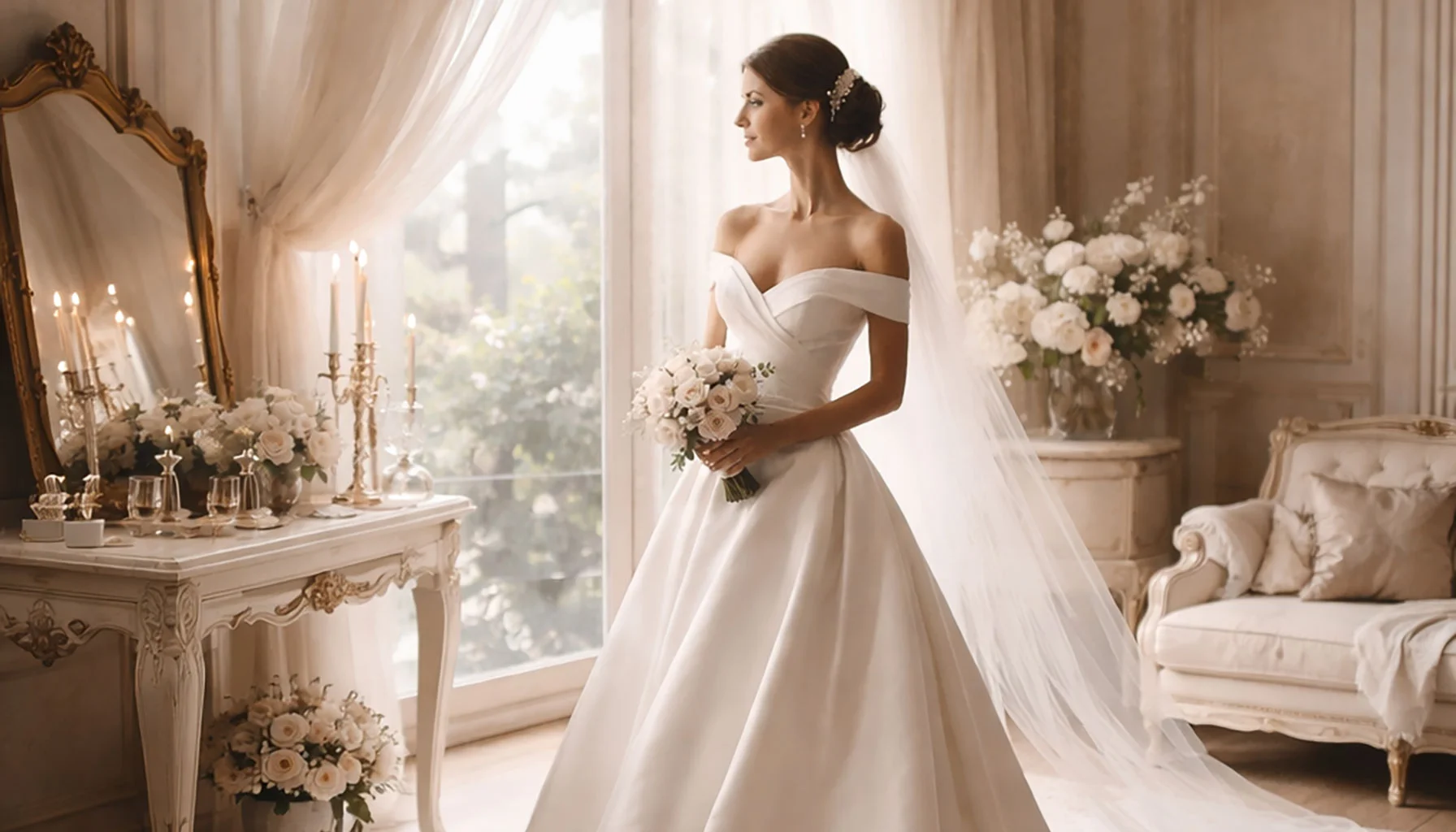
Beyond the Wedding Dress: What Truly Defines the Bridal Look and Experience
The bridal look is shaped long before the wedding day itself. It is created through thoughtful preparation, careful attention to detail, and a sense of inner calm that carries the bride through every moment. When styling, timing, and presence align naturally, beauty feels effortless rather than staged. Hair, makeup, accessories, and posture work together to support the bride rather than overshadow her. Yet what truly defines her appearance is how grounded and supported she feels. A bride who trusts her choices and releases the need for perfection radiates authenticity and quiet confidence. In this balance between outer expression and inner state, the bridal look becomes more than an image. It becomes an atmosphere — one that is felt, remembered, and carried far beyond the day itself.

Last-Week Wedding Checklist: What Still Needs Attention Shortly Before the Day
The last week before a wedding is rarely about major decisions. It is about clarifying what still has weight, what can no longer be improved by adding more, and what needs to be named before it starts shaping the day in silence. This article looks at what still deserves attention shortly before the wedding and why the unspoken layer often matters most at that stage.
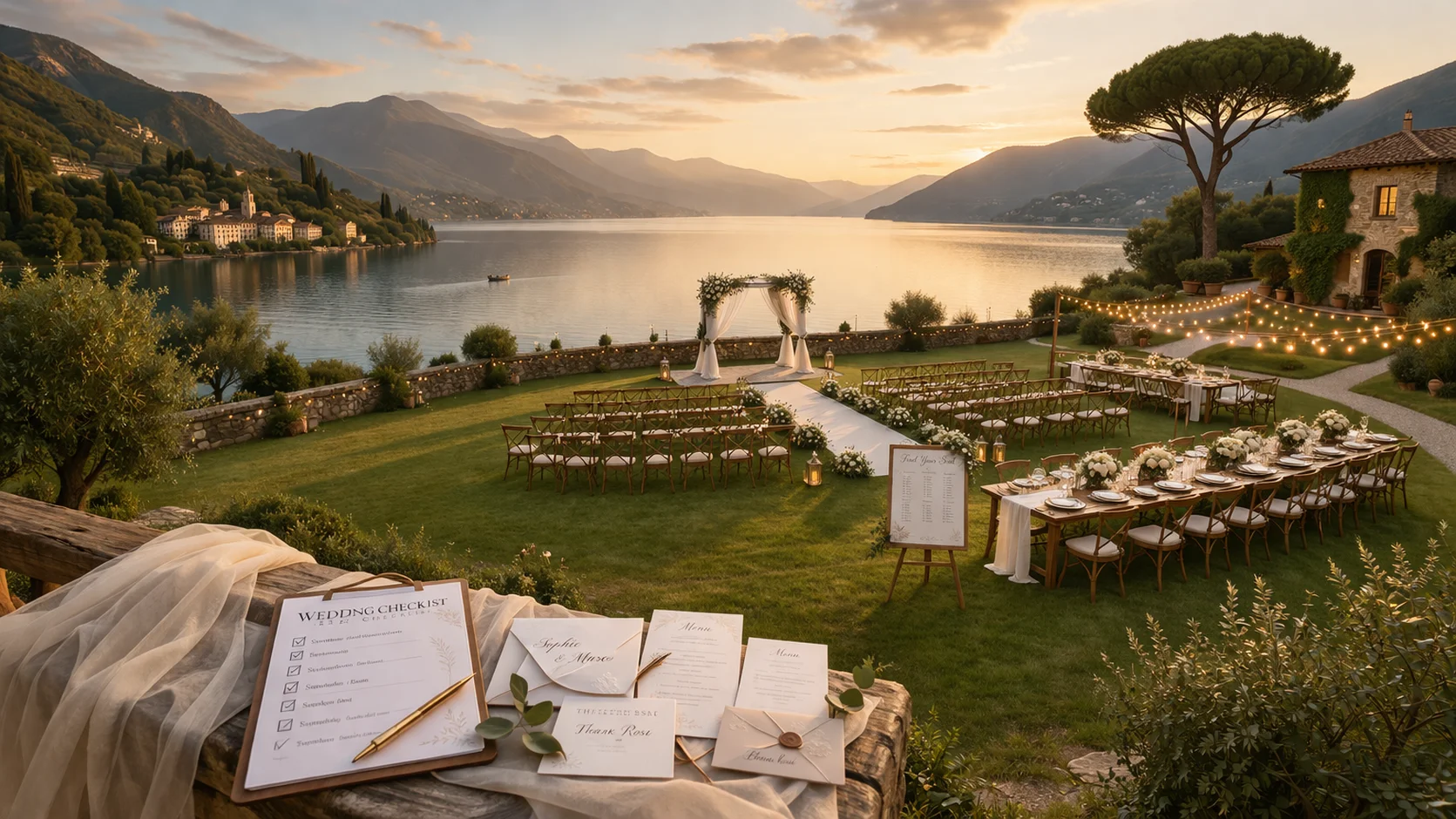
The Wedding Checklist That Grounds You: Turning Planning Into Something Meaningful
A wedding checklist isn’t just about tasks—it’s about clarity, intention, and trust. Here’s how to approach it in a way that feels calm, structured, and truly yours.
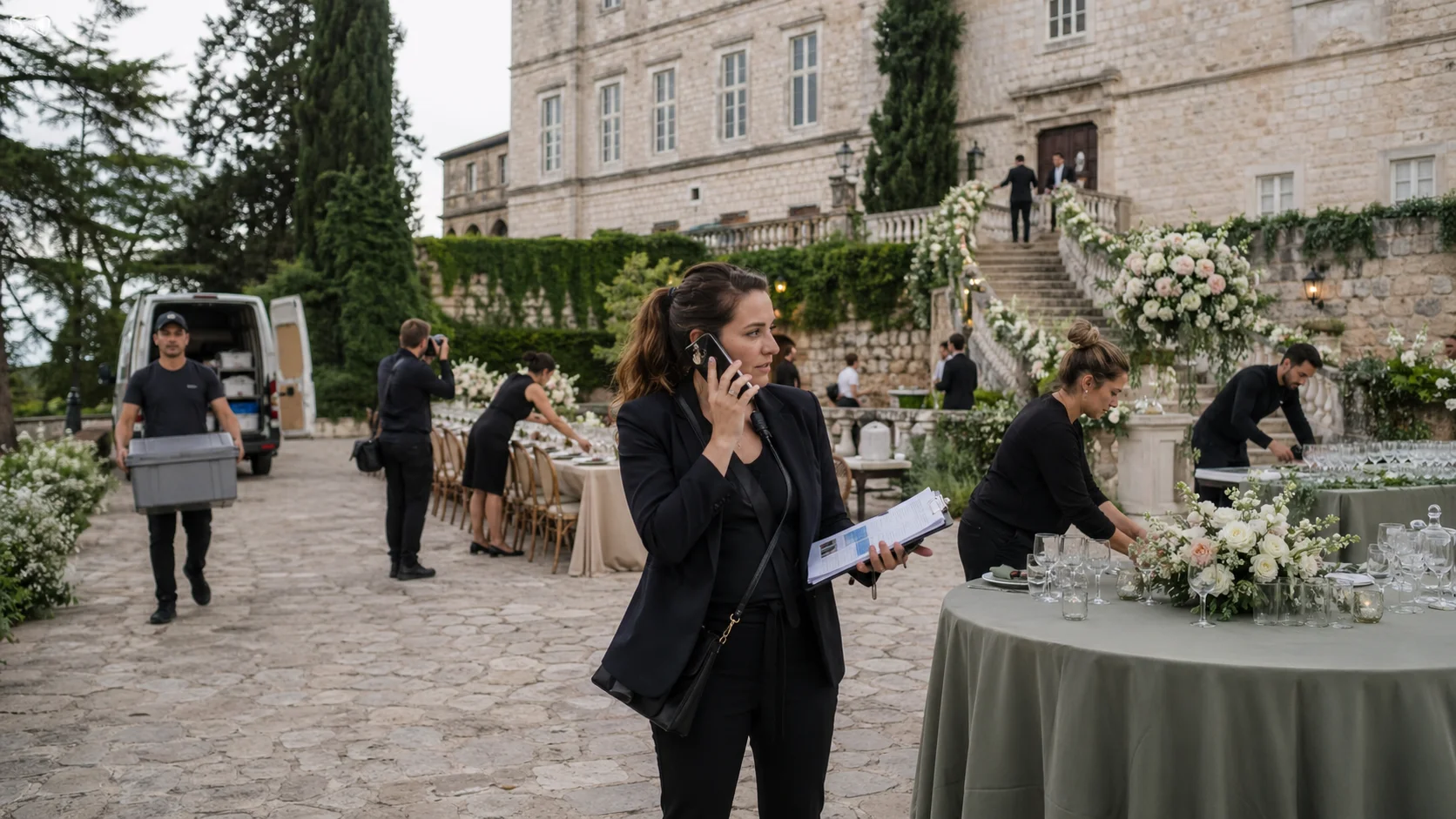
Vendor Contact Checklist: Who Needs to Reach Whom When the Day Starts Moving
A wedding contact list is not the same thing as a wedding communication plan. Once the day starts moving, what matters is not only who is involved, but who should contact whom, for what reason, and at which moment.
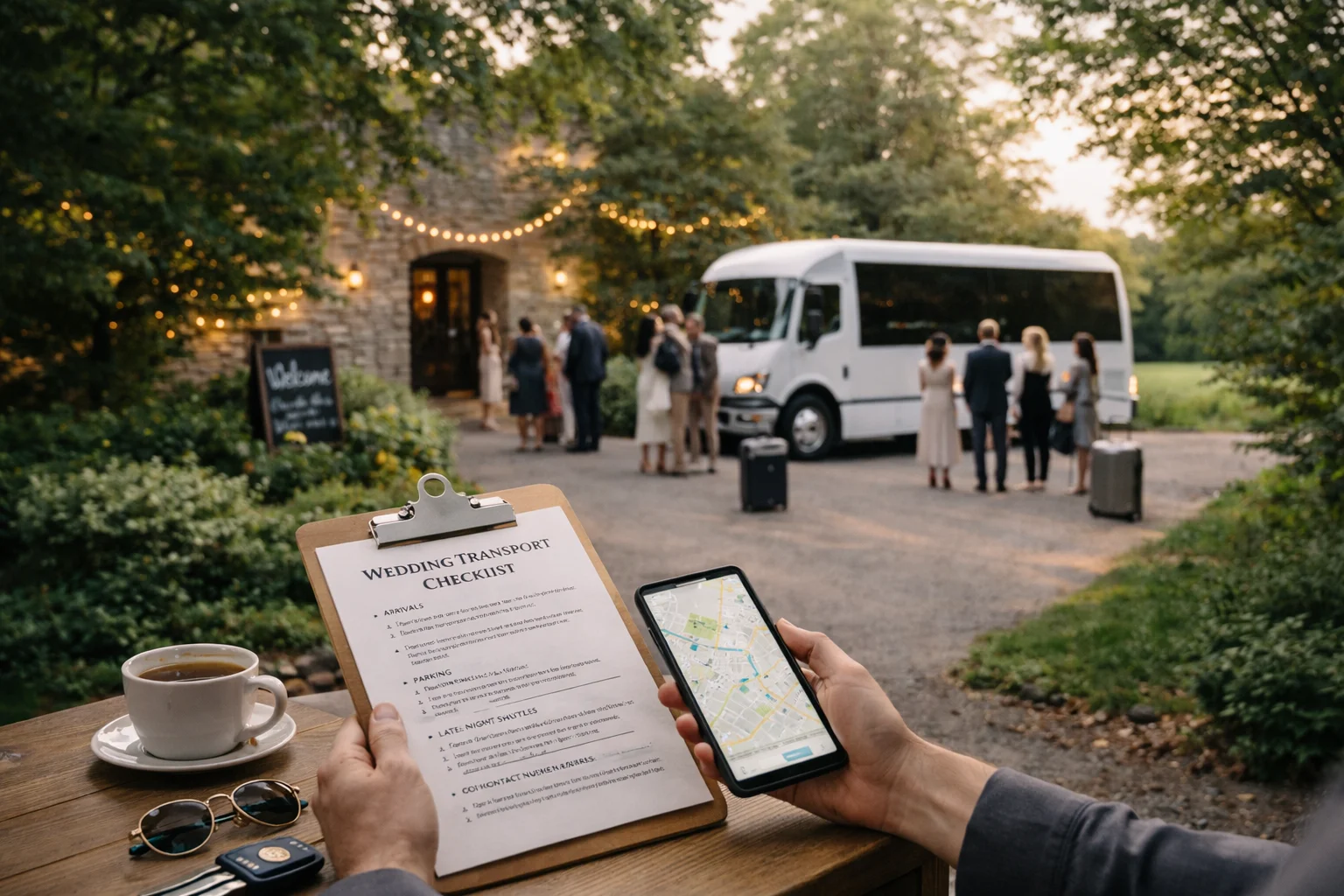
Wedding Transport Checklist: Arrivals, Transfers, Parking, and Late-Night Returns
Wedding transport is rarely remembered when it works, but it shapes the day long before the ceremony begins and long after the central moment has passed. This article looks at what still needs to be planned around arrivals, transfers, parking, and late-night returns, and why movement and waiting belong more closely together than many couples expect.
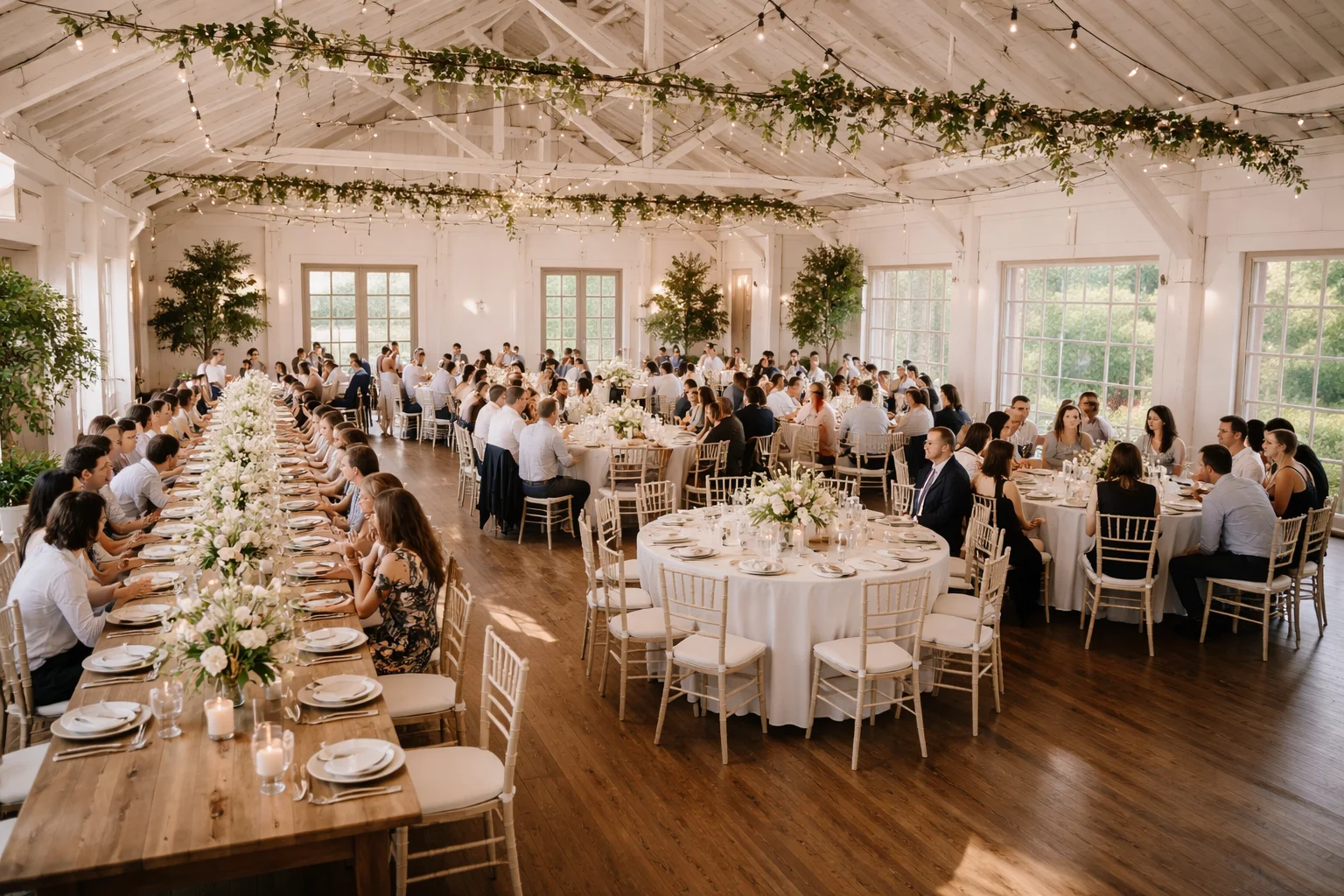
Long Tables vs Round Tables: Observed Use in Wedding Settings
The choice between long and round tables shows up early, often before other details are fixed. It looks like a visual decision at first. In actual setups, it shifts how the room settles once people sit down. Not dramatically, but enough to notice after a short time.
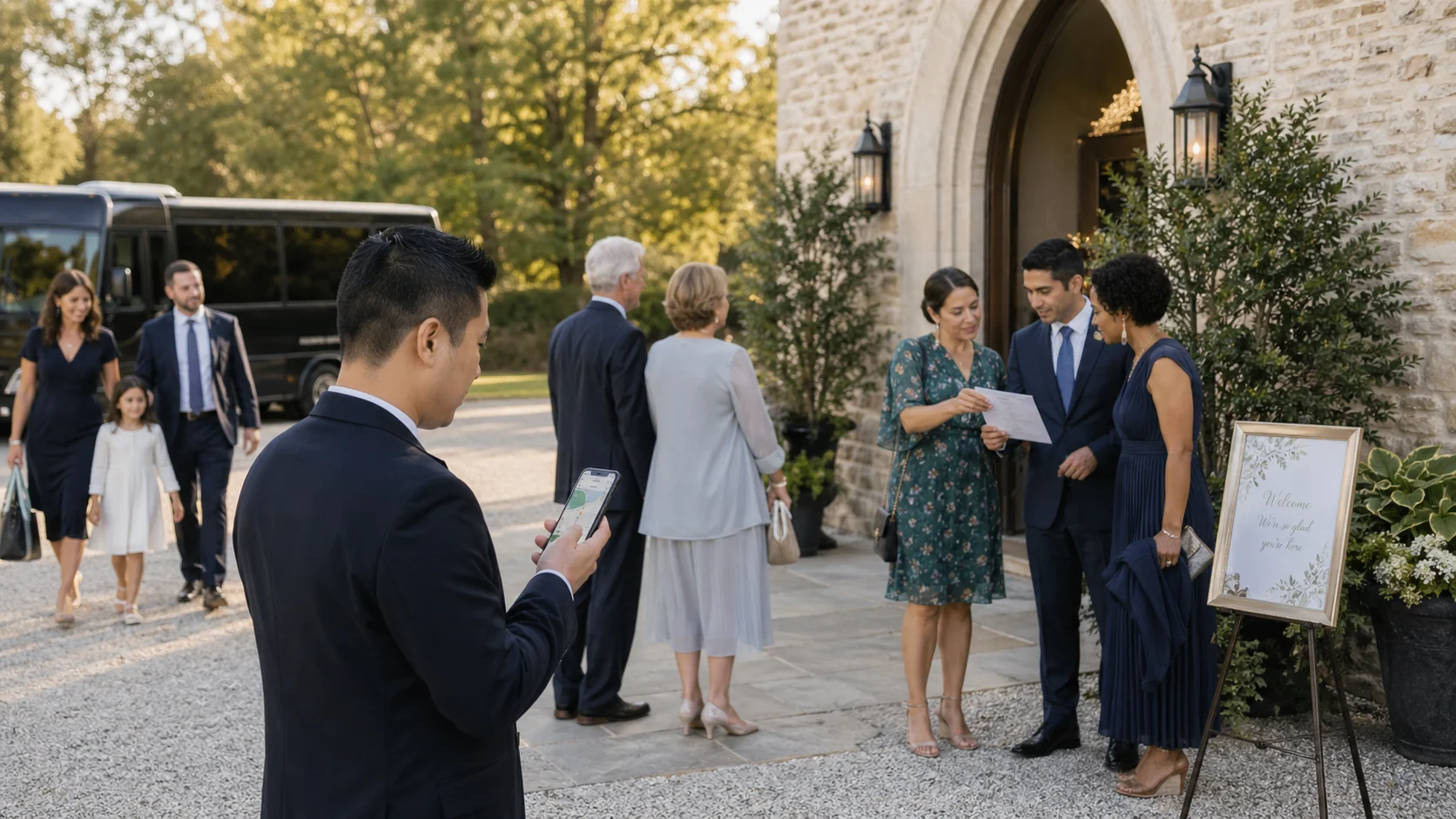
Wedding Website Checklist: What Guests Actually Need, and What They Ignore
Wedding websites work best when they reduce uncertainty instead of filling space. This article looks at what guests actually need to find quickly, what they usually ignore, and which unspoken questions a good website can answer before they become messages to the couple.
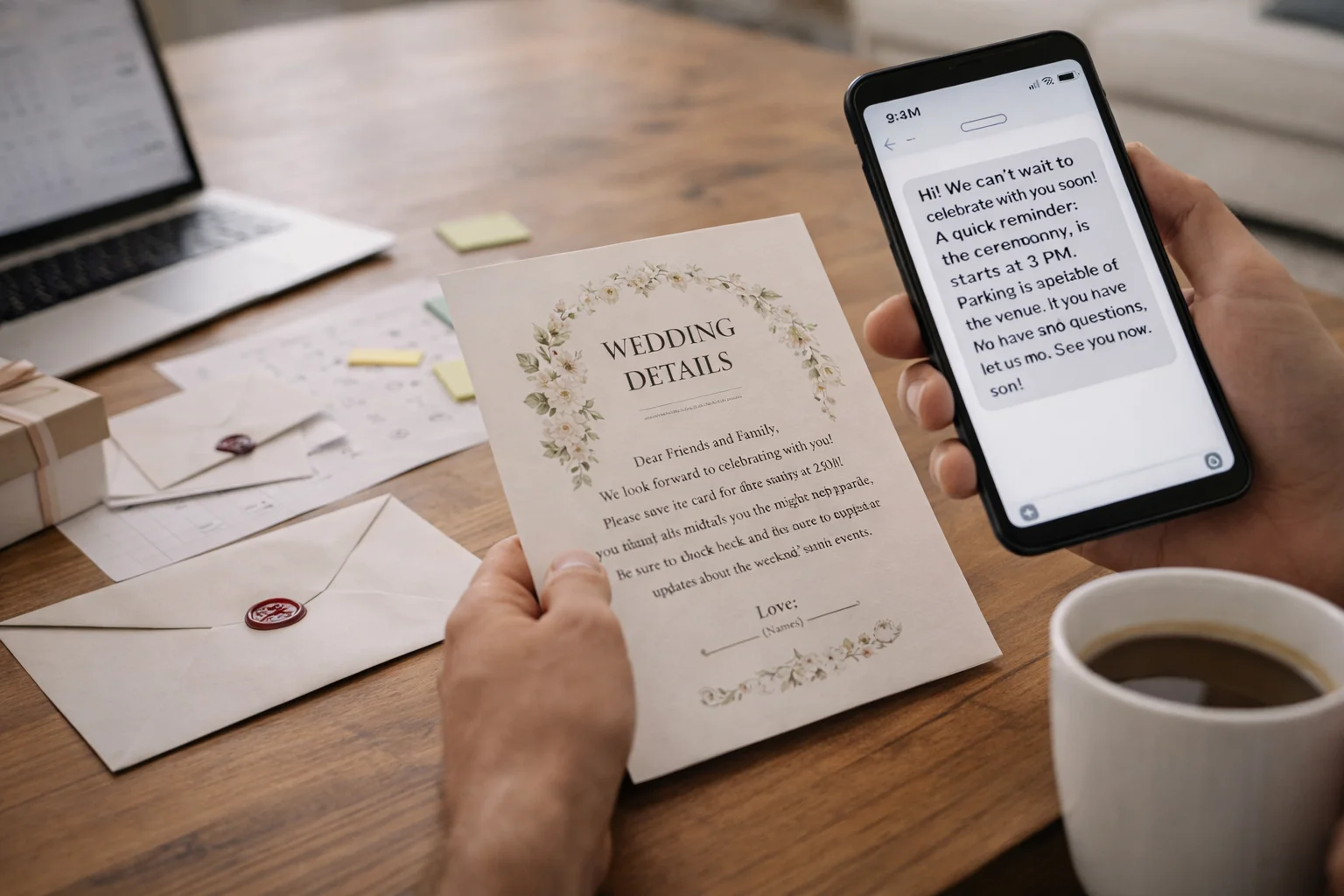
Wedding Guest Communication Checklist: What Guests Need to Know and When
Good wedding communication is not about sending guests everything at once. It is about giving the right information at the right moment, so the day feels clear without becoming overexplained. This article looks at what guests actually need to know, when they need to know it, and why silence still has a place in wedding planning.
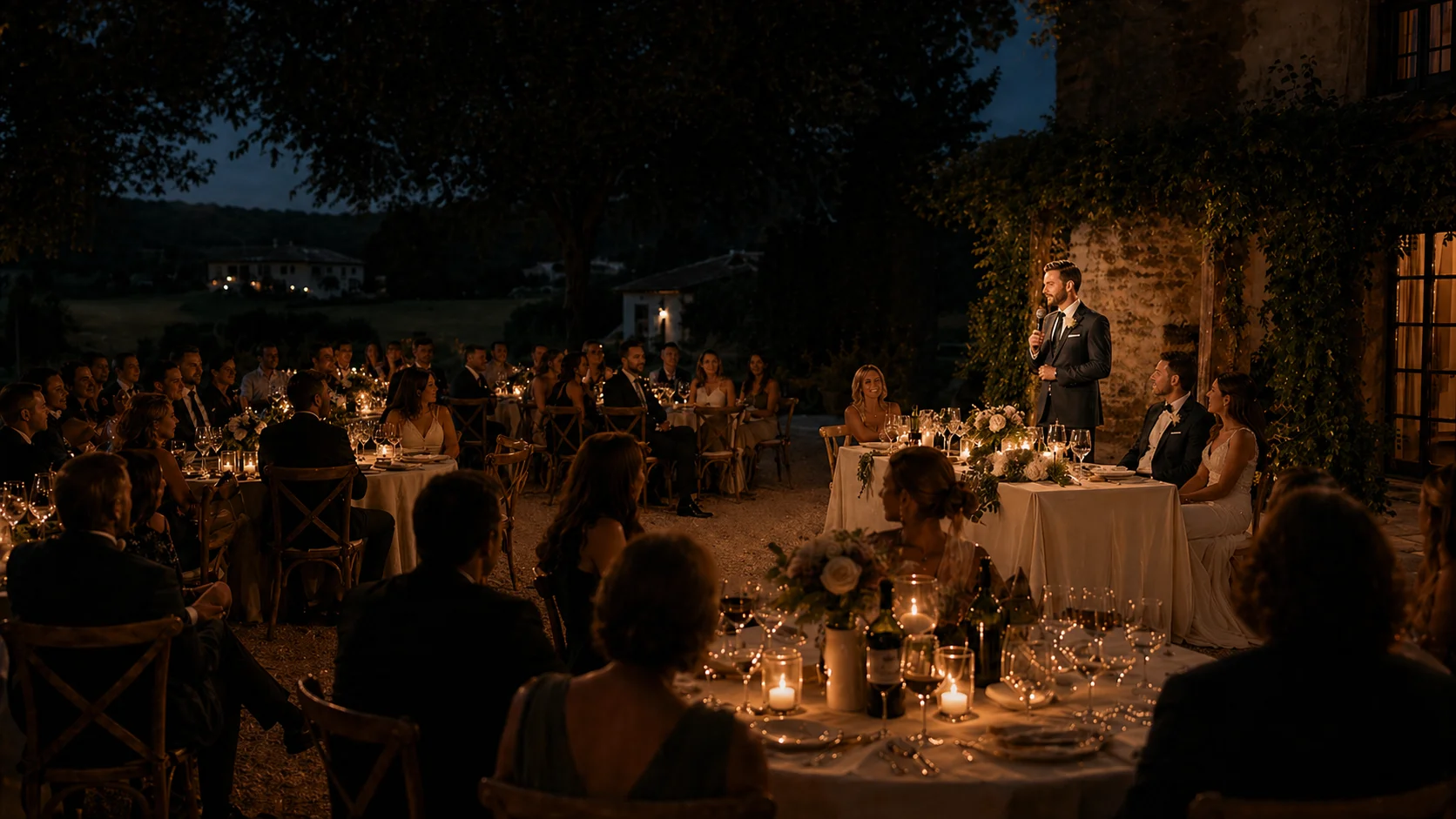
Speech Moment Checklist: What Makes a Toast Feel Held, Not Exposed
A wedding toast depends on more than good writing. It lands differently depending on attention, sound, timing, room tone, and the unspoken signals that tell a speaker whether the moment is carrying them or leaving them alone.
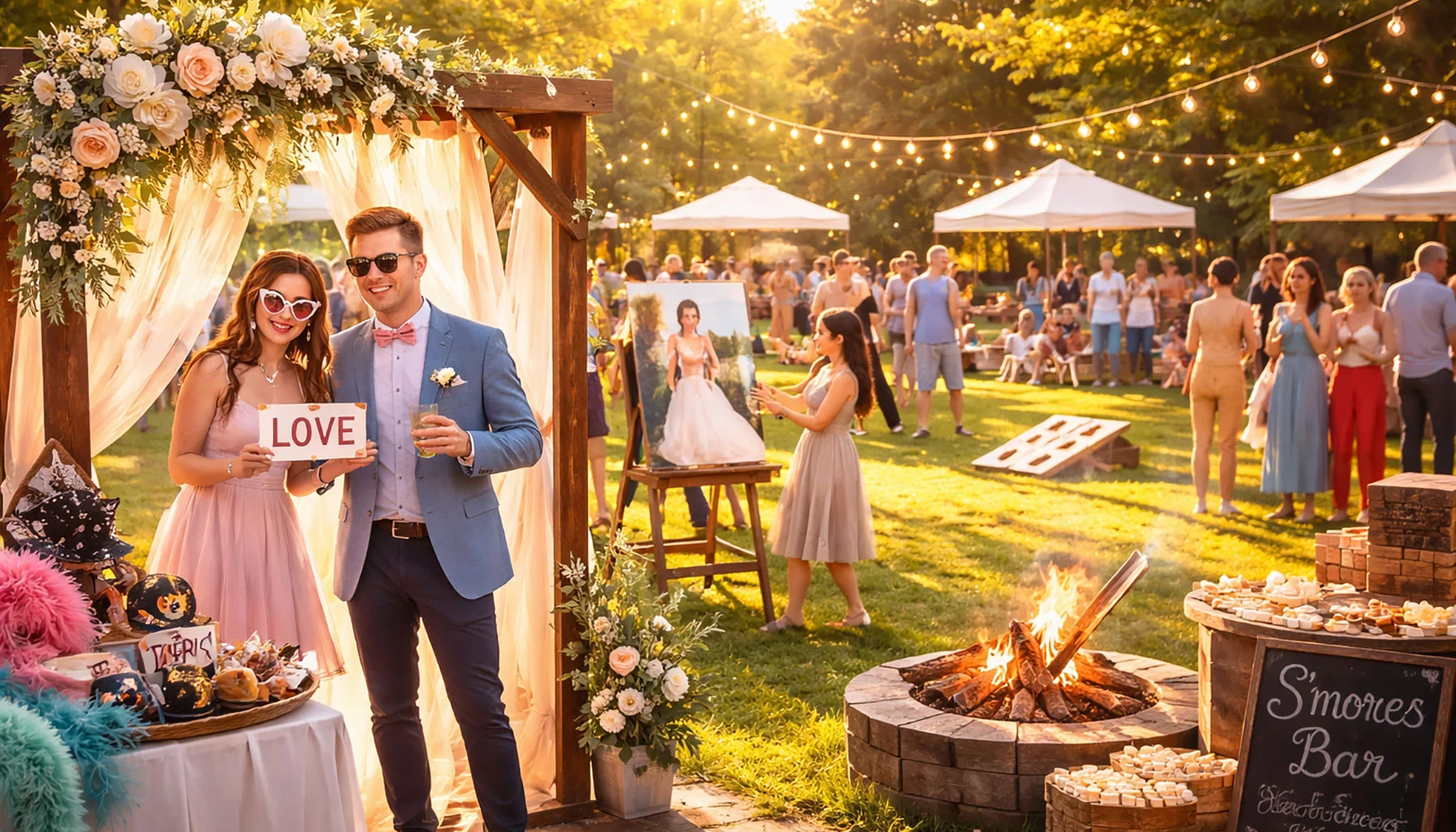
Wedding Guest Activities That Create Lasting Memories
The wedding activities guests remember most are rarely the loudest. They are the ones that give people something gentle to enter, something quiet to touch, and something small to carry away afterward. This article looks at which kinds of wedding guest activities tend to stay with people and why they often leave a deeper imprint than more spectacular entertainment.
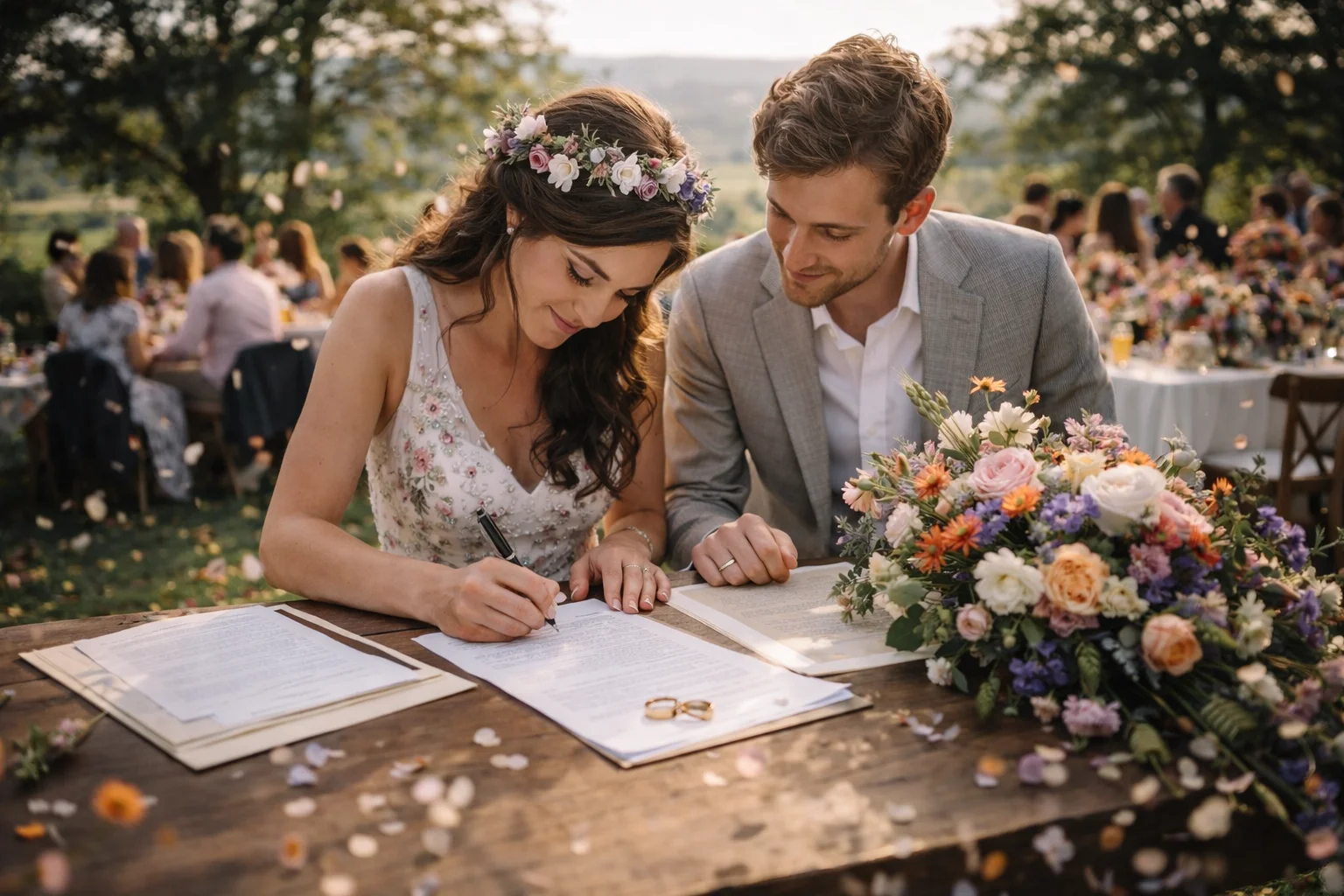
What Legal Documents Know, and What Marriage Learns Later
A wedding can be filed, certified, and recorded, but that is only one version of what has happened. The legal documents matter because they give the marriage standing in the world, while the story begins in the quieter space that no form can fully describe.

Wedding Morning Checklist: What Helps the First Hours Stay Calm
A wedding morning checklist helps protect the first hours of the day from avoidable stress. It keeps essential items, timing, room atmosphere, and communication clear, while leaving enough space for the morning to still feel calm and human.