
Wedding Transport Checklist: Arrivals, Transfers, Parking, and Late-Night Returns
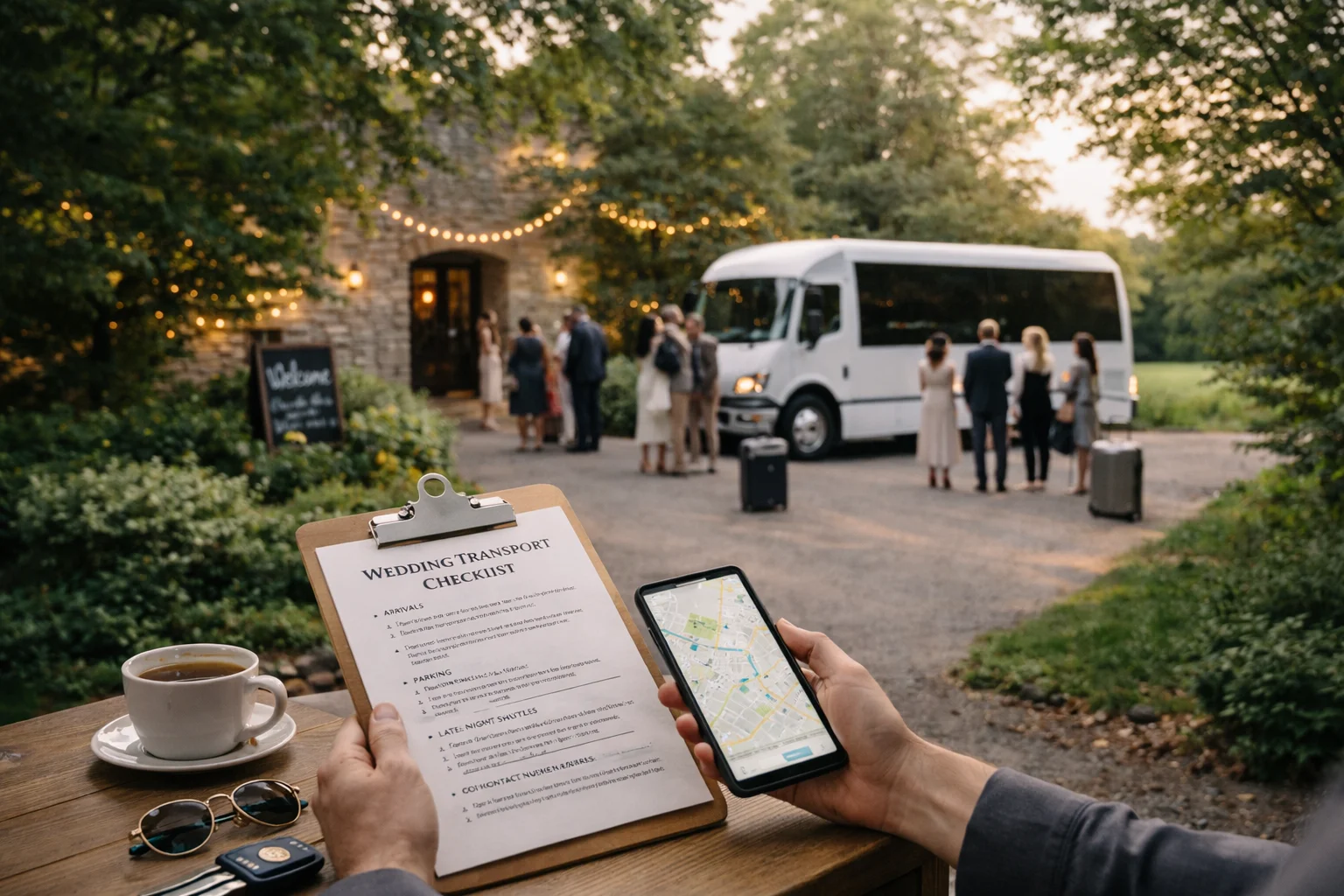
Transport is one of the least romantic parts of wedding planning, which is exactly why it is often underestimated. Couples spend time on vows, flowers, music, and seating because those things seem visibly part of the day. Arrivals, transfers, parking, and late-night returns look secondary until movement starts shaping the atmosphere more than decoration does. A delayed shuttle changes how guests enter the ceremony. Confusing parking changes how they arrive in their bodies. An unclear late-night return changes how freely they stay, drink, linger, or leave. Transport rarely looks emotional on paper, but it becomes emotional in practice very quickly.
This is also why transport planning connects naturally to waiting. Weddings are full of waiting states that do not look important until they begin to accumulate. Waiting for the right car, waiting for a transfer that seems close but is not there yet, waiting at the edge of a venue without knowing where to go, waiting late at night to get home after the formal part is over. These are not empty gaps around the wedding. They are part of how the day is actually lived. In a free ceremony especially, where the emotional frame is often more open and deliberately shaped, the quality of arrival and departure matters more than many couples first assume.
Free CeremonyLove takes center stage in a ceremony shaped entirely by emotion and intention. Free from formal rules, couples can create a moment that reflects their journey, their promises, and their connection. Personal vows, symbolic rituals, and heartfelt words turn the ceremony into an intimate expression of love that feels deeply authentic and unforgettable.

Waiting is not inactivity. It is the emotional state of knowing that something will happen, without knowing when or how.
Definition
A wedding transport checklist is not only a list of vehicles or routes. It is a planning tool for how people move into, between, and out of the wedding day. Good transport planning reduces friction, protects timing, and shapes the emotional tone of arrival and departure without calling attention to itself.
Arrivals Need Clarity Before They Need Elegance
The first transport question is not what looks impressive, but whether people can arrive calmly. Guests need one clear answer to where they go, when they should leave, how long it really takes, and what happens if they are slightly early or slightly late. Couples often overfocus on the symbolic arrival of a few key people while underplanning the practical arrival of everyone else. The wedding feels steadier when ordinary guest movement has been thought through first.
Transfers Only Help When They Remove Uncertainty
Shuttles, shared cars, venue transfers, and hotel routes work best when they reduce mental load instead of adding another schedule guests have to decode. The key details are simple: departure point, real departure time, approximate travel duration, who the service is for, and what happens after the ceremony or dinner ends. Transfers fail less because the vehicle is wrong and more because the expectation around it was unclear.
Parking Shapes Mood More Than Couples Expect
Parking is often treated as an afterthought, but it quietly affects timing, dress comfort, stress level, and first impression. Guests need to know whether parking is on site, nearby, limited, muddy, paid, or likely to involve a walk. This matters even more at free ceremonies in open or private locations, where the emotional tone depends heavily on how naturally people settle into the setting. Confused parking rarely stays practical. It becomes part of the room before anyone has even entered it.
Late-Night Returns Decide How Free the Evening Feels
Guests stay differently when they trust the way home. If late-night returns are vague, the celebration narrows earlier than couples expect. People leave before they want to, watch the clock instead of relaxing, or avoid drinking because they are silently calculating the end of the night. A wedding often feels more generous when return options are simple, named, and repeated clearly enough that nobody has to keep carrying them in the back of their mind.
Waiting Is Part of the Transport Design
No transport plan removes waiting entirely. What matters is whether waiting feels held or exposed. A short wait with direction, shelter, light, and clear sequencing can feel calm. The same number of minutes without orientation can feel disorderly and much longer. This is especially true before a ceremony, when attention is already sharpened. Transport planning becomes better once couples stop imagining waiting as empty time and start recognizing it as part of the emotional architecture of the day.
Conclusion
Wedding transport planning works when it quietly supports arrival, movement, and release without becoming a visible problem. That means clear instructions, realistic timing, dependable returns, and an honest understanding that waiting is never just a gap between events. It is one of the ways guests actually experience the wedding.
Related Articles

The Wedding Dress During Pregnancy
A wedding dress chosen during pregnancy follows different rules, even when no one names them. The body leads. The day sets limits. Decisions are shaped by comfort, timing, and how the dress behaves over hours rather than moments. This text looks at maternity wedding dresses as they appear in fittings, ceremonies, and recollections afterward. Not as ideals, but as garments that had to work. The focus stays on what proved suitable, calm, and lasting, without dramatizing the process or framing it as exception.
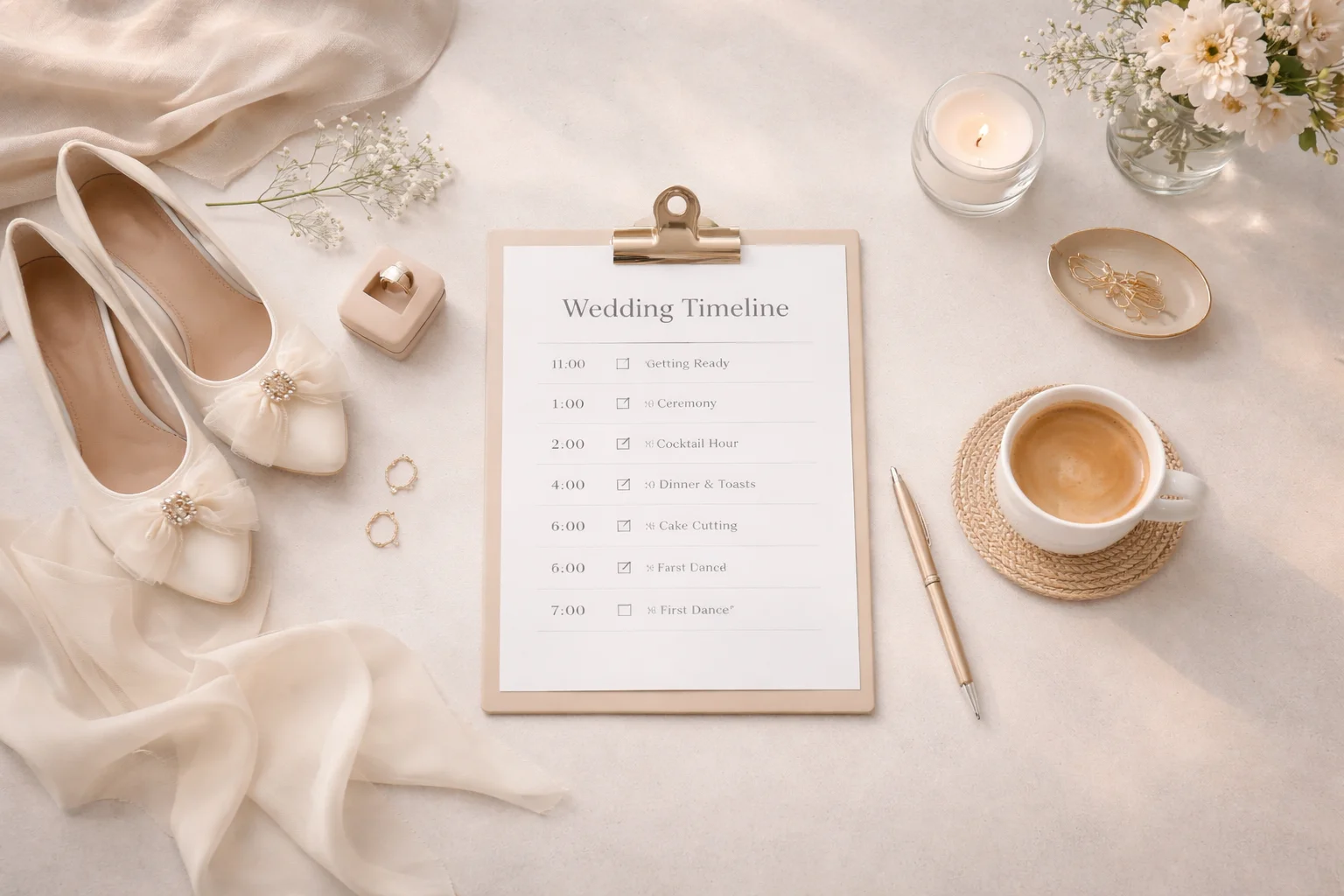
Minimal Wedding Timeline Checklist: How to Leave Space Without Losing Structure
A minimal wedding does not need to fill every moment too early. This checklist helps couples create a calm celebration with space, timing, and intentional restraint, while recognizing that waiting itself can shape the emotional atmosphere of the day.

Conversations Before Marriage – Life Questions That Clarify the Relationship
A marriage is not just about feelings, but also expectations, imprints, and ideas about everyday life. This text compiles central life questions that couples should clarify with each other before saying 'I do': regarding money, family, children, conflicts, division of tasks, and personal values. Grown from observations, objectively considered, and close to lived everyday life. Conversations that make differences visible – and thereby strengthen connection.
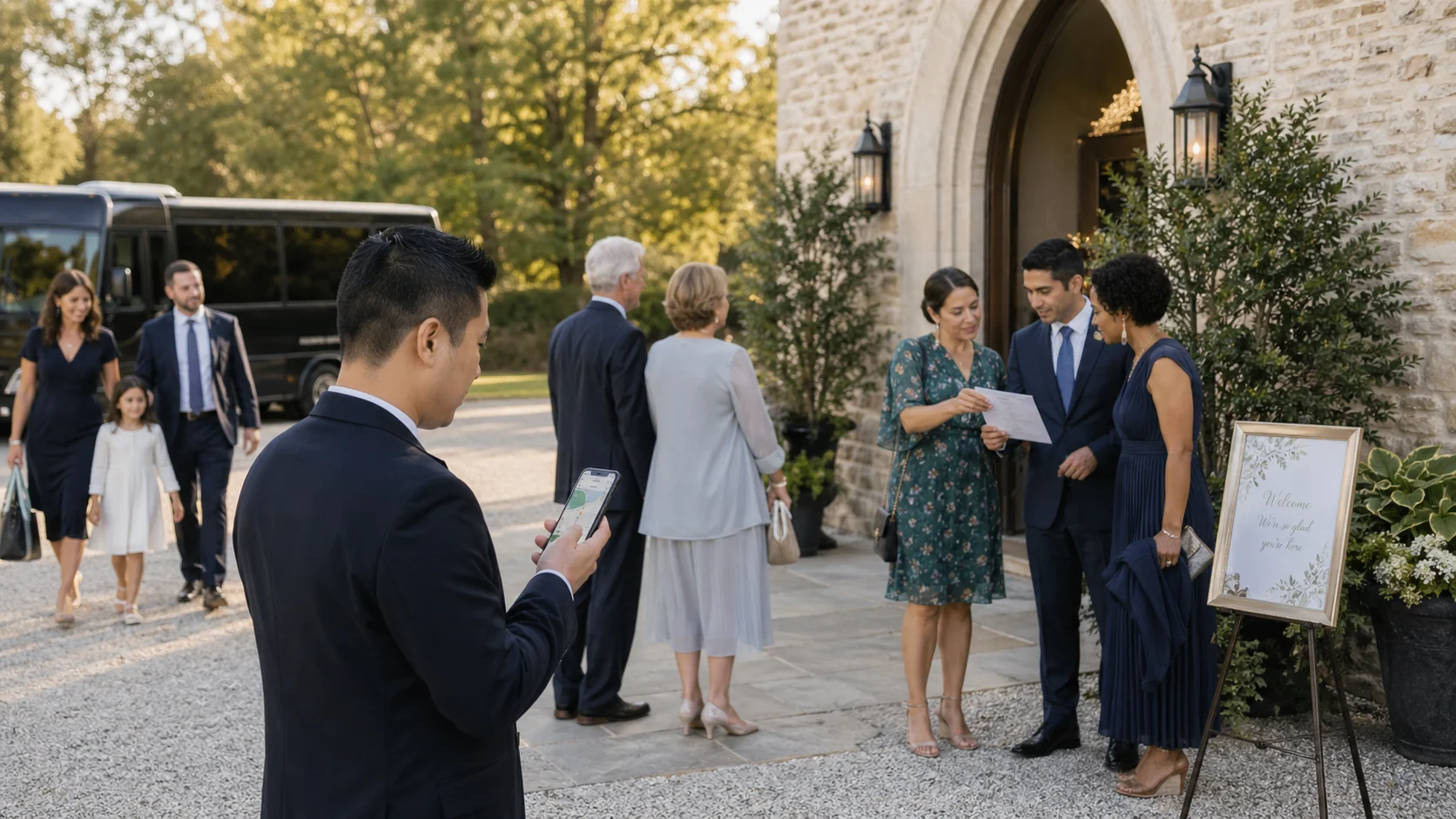
Wedding Website Checklist: What Guests Actually Need, and What They Ignore
Wedding websites work best when they reduce uncertainty instead of filling space. This article looks at what guests actually need to find quickly, what they usually ignore, and which unspoken questions a good website can answer before they become messages to the couple.
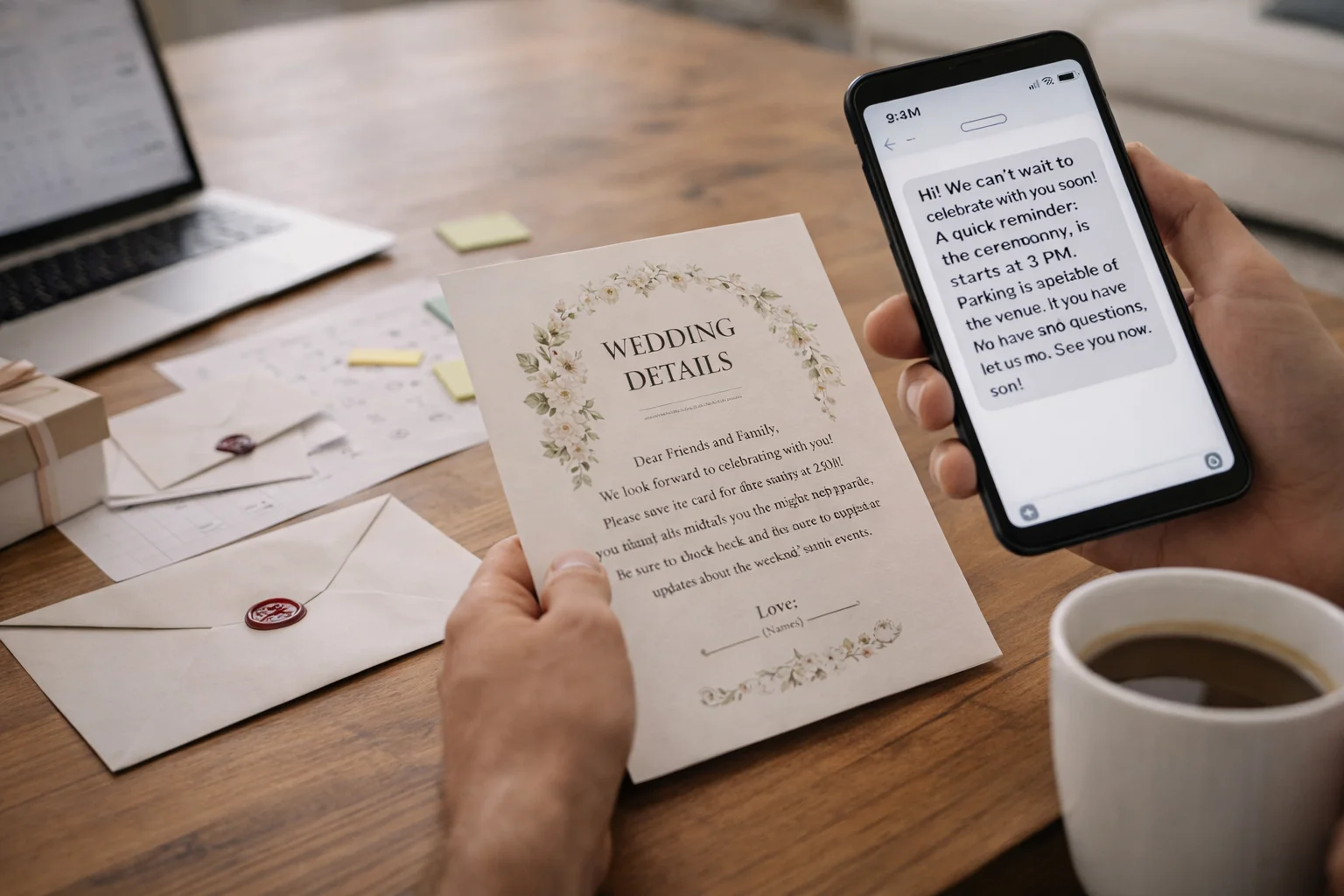
Wedding Guest Communication Checklist: What Guests Need to Know and When
Good wedding communication is not about sending guests everything at once. It is about giving the right information at the right moment, so the day feels clear without becoming overexplained. This article looks at what guests actually need to know, when they need to know it, and why silence still has a place in wedding planning.
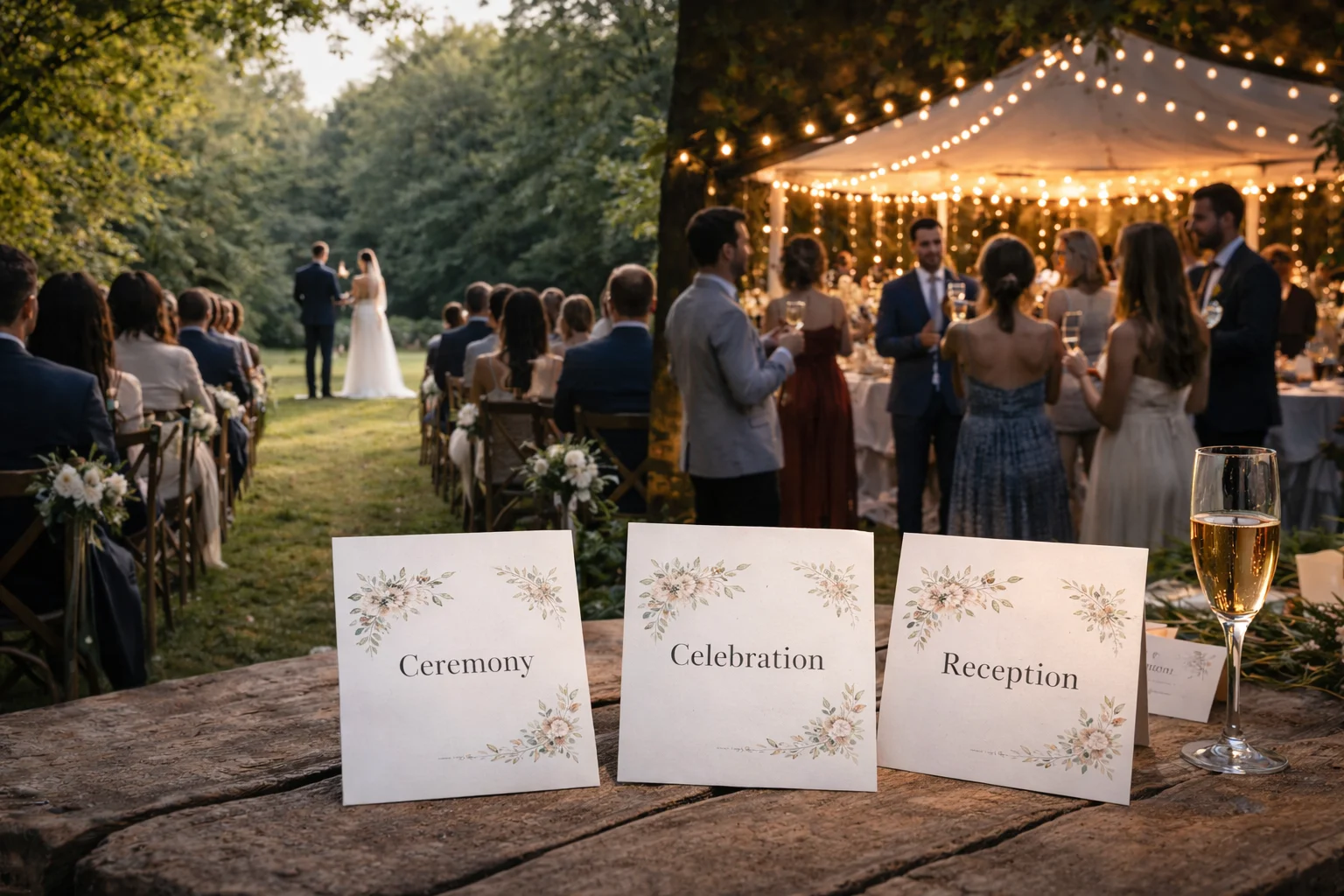
Who Is Invited to the Ceremony and Who Only to the Celebration
Not every wedding invitation has to include every part of the day. But the difference between being invited to the ceremony and being invited only to the celebration carries more meaning than many couples first assume. This article looks at how to make that distinction clearly, gracefully, and in a way that fits both the ritual weight of the ceremony and the social reality of the celebration.

The Bridal Hairstyle as a Quiet Part of the Whole
A bridal hairstyle supports the entire look. It frames the face, works with the dress, and needs to hold throughout the day. In practice, the most convincing results come from aligning hair texture, proportion, and the flow of the wedding day. Less display. More coherence.
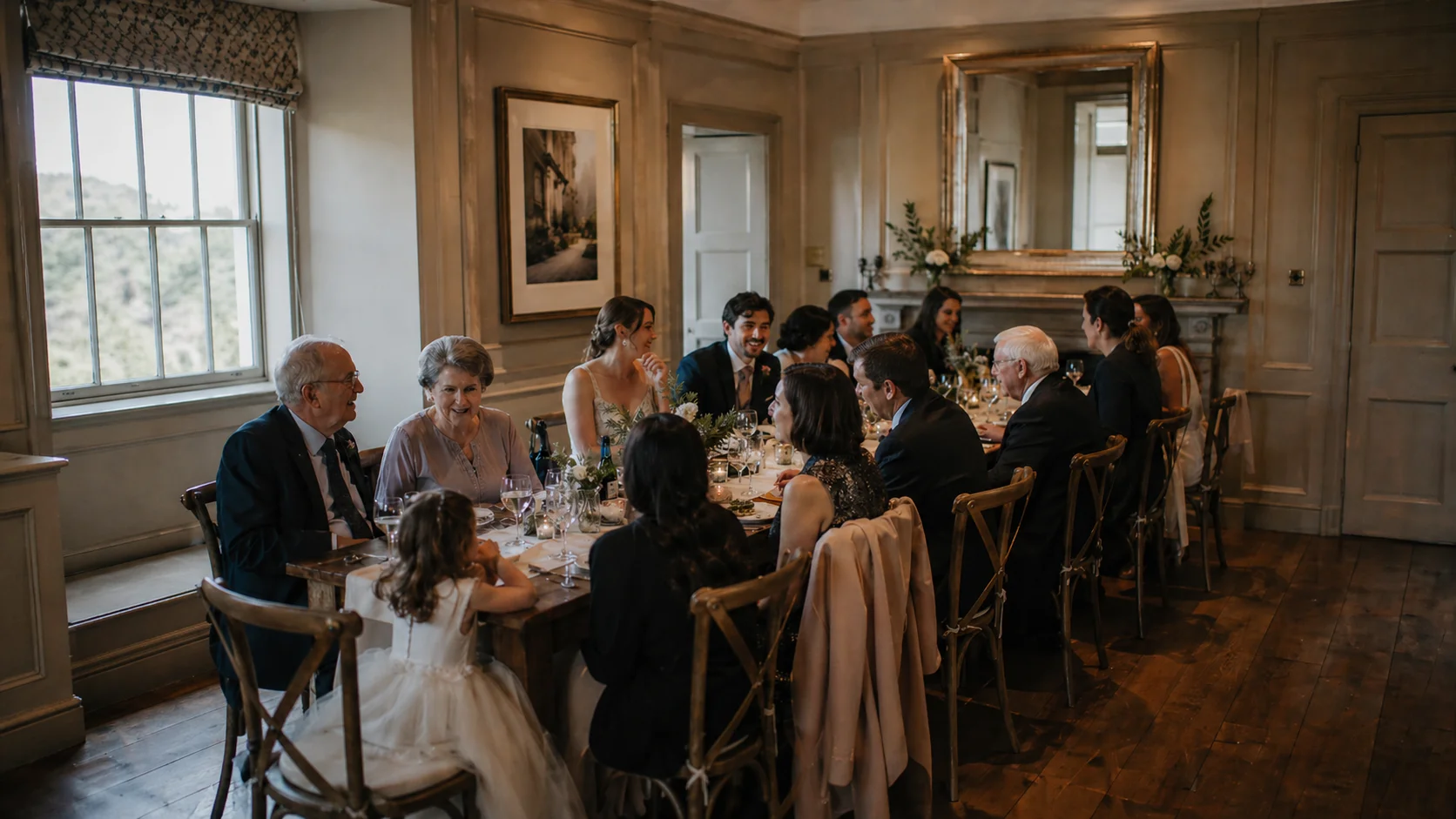
Family Table Checklist: What Helps Mixed Generations Sit More Easily Together
Family tables at weddings rarely depend on seating order alone. They work better when physical comfort, conversational balance, newer relationships, and older family stories are all considered before dinner begins.
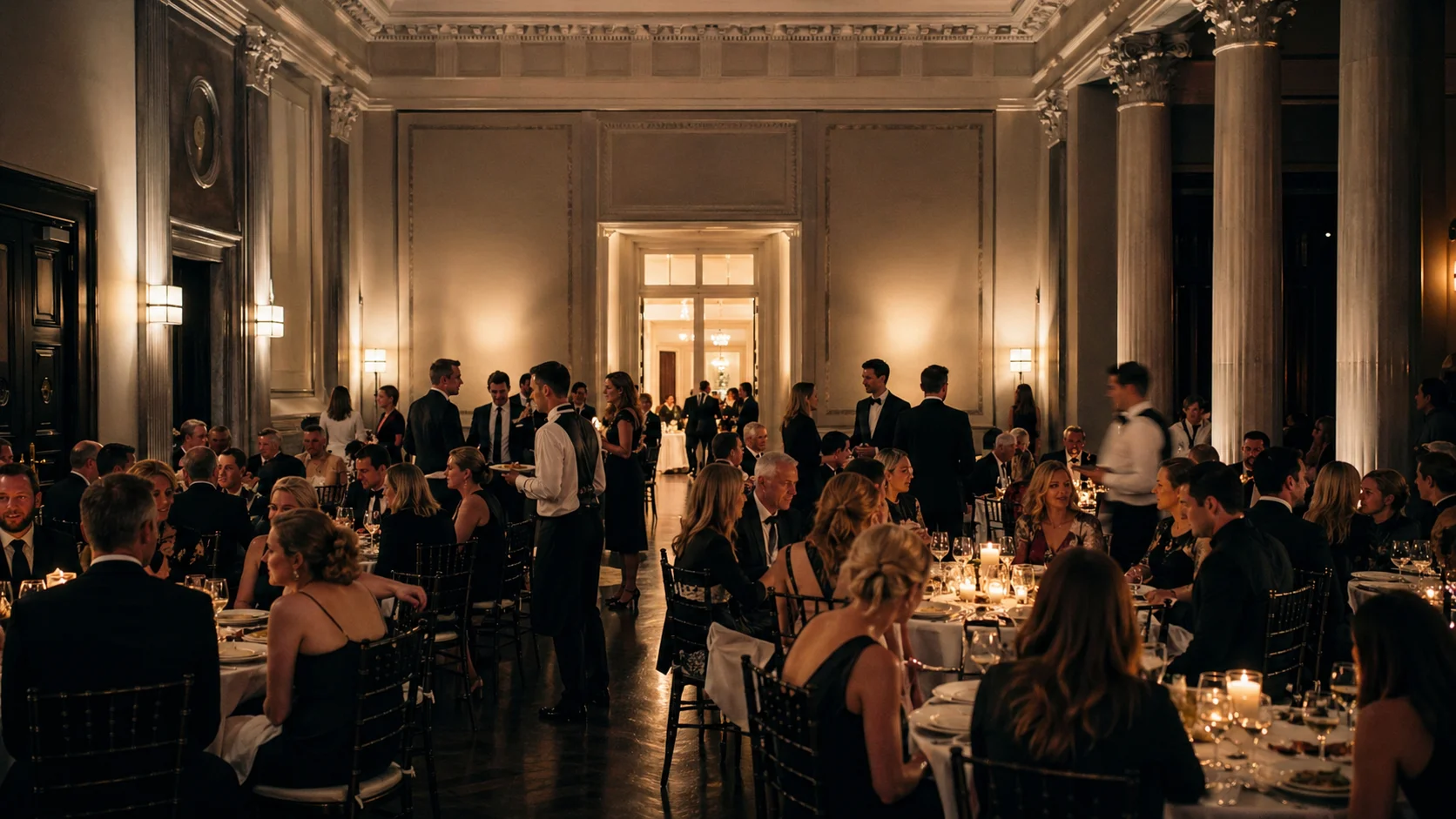
Wedding Dinner Flow Checklist: What Keeps the Room Together Between Courses
Wedding dinners usually drift or hold together in the moments between courses, not during the food itself. This article looks at service rhythm, guest movement, music, speeches, and the small in-between conditions that keep the room socially connected.
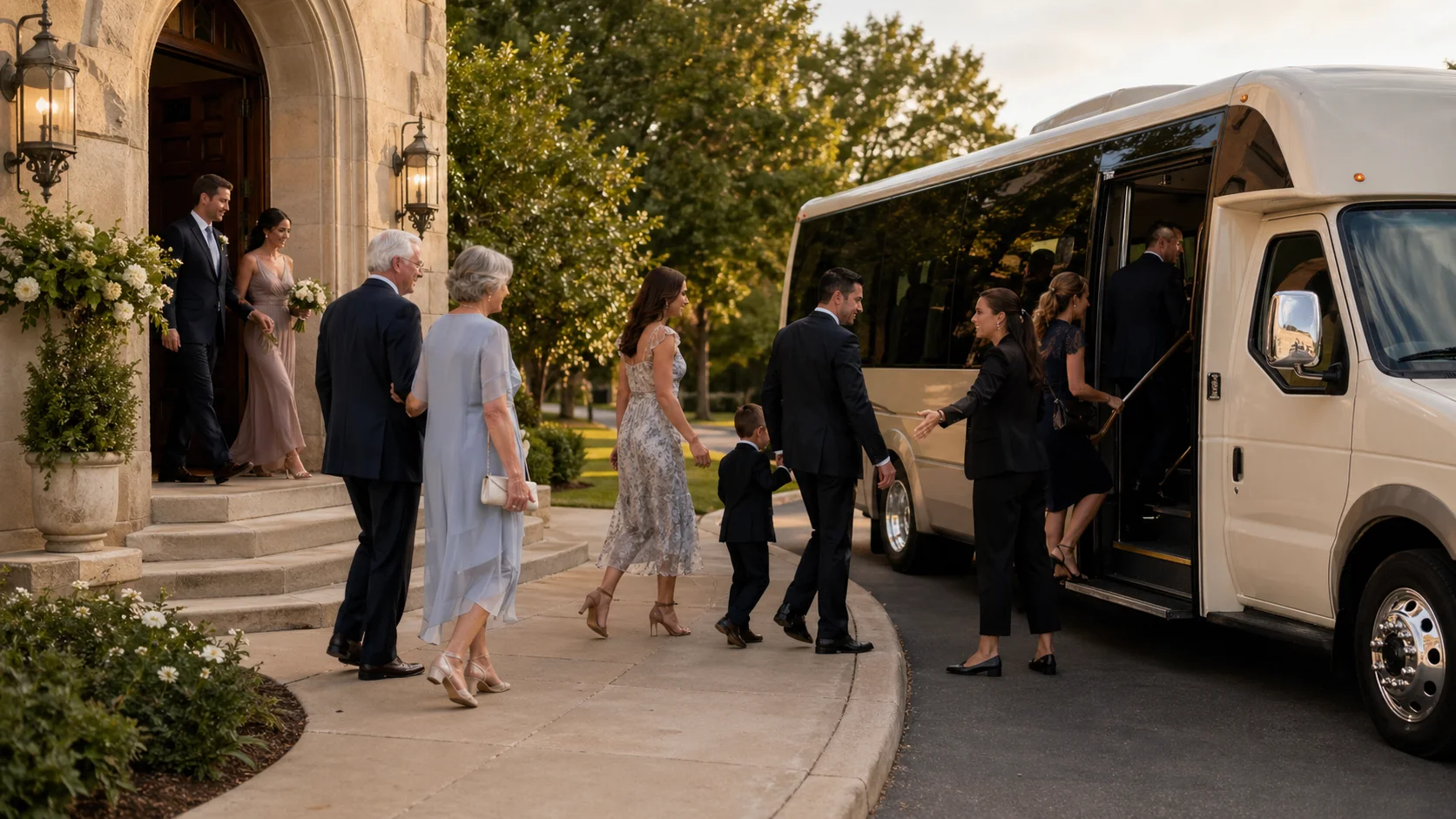
Transportation Checklist: How Not to Lose Time Between Wedding Locations
Wedding transportation is rarely only about the drive. This article looks at pickup points, buffers, driver contacts, guest movement, accessibility, and the pause between locations that either keeps the day together or quietly costs time.
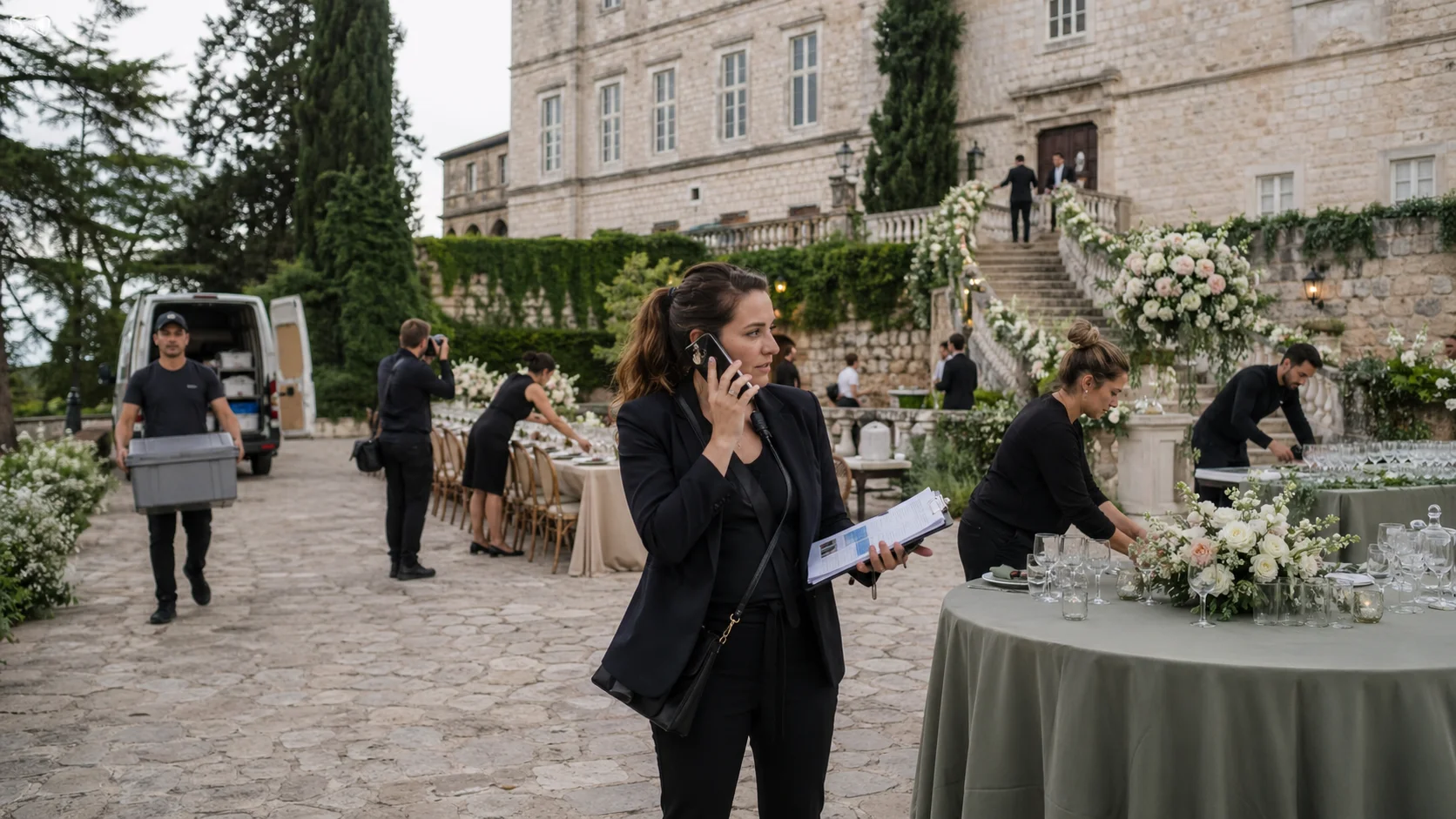
Vendor Contact Checklist: Who Needs to Reach Whom When the Day Starts Moving
A wedding contact list is not the same thing as a wedding communication plan. Once the day starts moving, what matters is not only who is involved, but who should contact whom, for what reason, and at which moment.
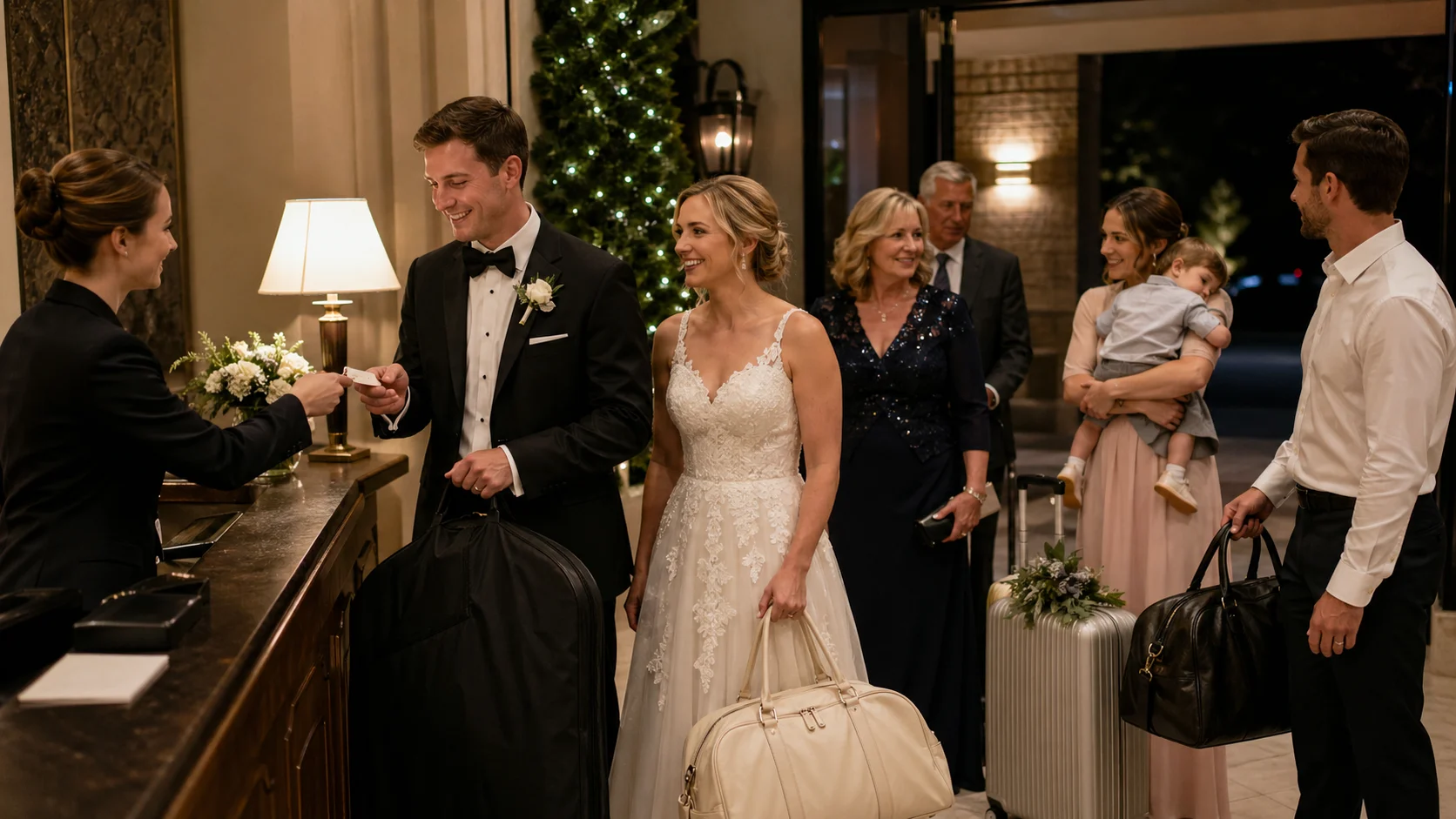
Overnight Stay Checklist: What Couples and Guests Often Realize Too Late
Overnight stays around weddings often seem solved once rooms are booked. This article looks at room access, bags, keys, transport, breakfast, checkout, and the late-night waiting moments couples and guests usually notice too late.