
A Wedding Shaped by Quiet Alignment
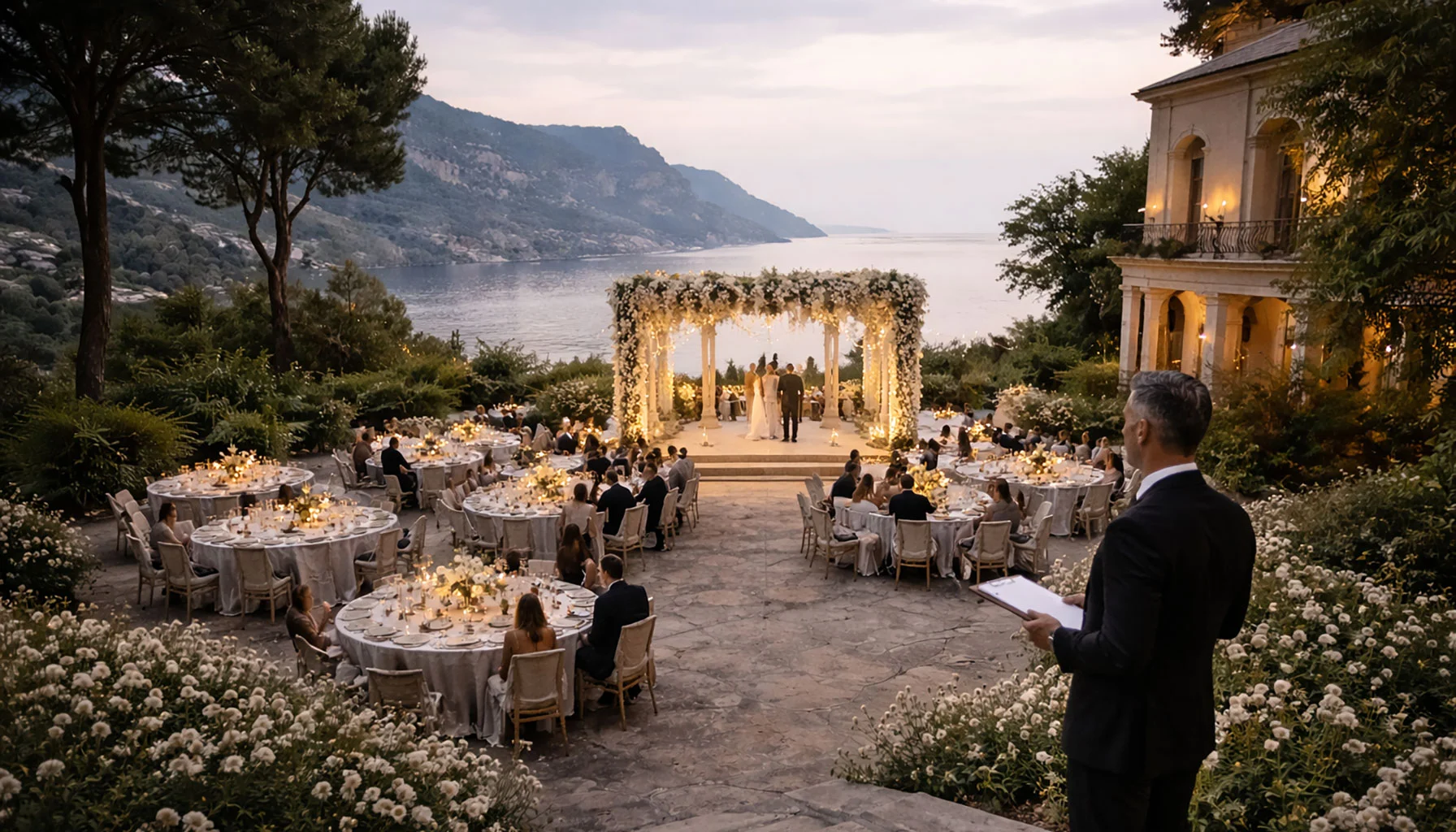
A Wedding Shaped by Precision and Care
Some weddings are remembered for individual details. Others are remembered for how they felt as a whole. This celebration belonged to the latter. What guests described afterward as calm and effortless was the result of careful preparation and coordinated work carried out quietly in the background.
Each service involved followed a shared understanding: quality reveals itself through timing, alignment, and restraint. Nothing was added without purpose. Nothing asked for attention. The experience unfolded steadily.
Planning and Overall Direction
Planning provided structure without visibility. Transitions happened smoothly. Decisions were made early and held consistently. The team responsible for coordination remained present but unobtrusive, allowing the day to move forward without interruption.
“Everything felt settled. There was no sense of rushing or waiting.”— Guest
This level of preparation is rarely noticed in the moment. It is felt instead, through ease and continuity.
Venue and Spatial Structure
The venue supported the flow of the day rather than shaping it. Access routes, acoustics, lighting conditions, and movement between spaces were considered from the start. The result was a setting that adapted naturally to each phase of the celebration.
“Every space felt easy to move through. Nothing pulled focus.”— Guest
Hospitality and Catering
Hospitality was defined by awareness rather than display. Service followed the rhythm of conversations. Courses arrived without announcement. Staff remained attentive without intruding. Guests experienced care without having to ask for it.
“It felt personal, not managed.”— Guest
Music and Atmosphere
Music adjusted to the room rather than directing it. Tempo and volume shifted gradually. Conversation and sound coexisted. The atmosphere evolved without clear breaks, allowing guests to remain present instead of responding to cues.
“The mood changed naturally throughout the day. Nothing felt forced.”— Guest
Photography and Documentation
Photography focused on observation rather than direction. Moments were recorded as they occurred. Cameras stayed close but discreet. Guests remained engaged with each other, often unaware of when images were taken.
“Later, the images felt familiar. Nothing looked staged.”— Guest
Coordination as a Quiet Standard
Coordination connected all services without drawing attention to itself. Timelines held. Adjustments were made without announcement. The day progressed without visible correction.
“It felt like everything was already taken care of.”— Guest
Closing
The strength of this wedding lay in alignment. Each service supported the next. No element stood alone. What remained with guests was not a single feature, but a steady sense of ease that carried from beginning to end.
Related Articles

The Bridal Hairstyle as a Quiet Part of the Whole
A bridal hairstyle supports the entire look. It frames the face, works with the dress, and needs to hold throughout the day. In practice, the most convincing results come from aligning hair texture, proportion, and the flow of the wedding day. Less display. More coherence.
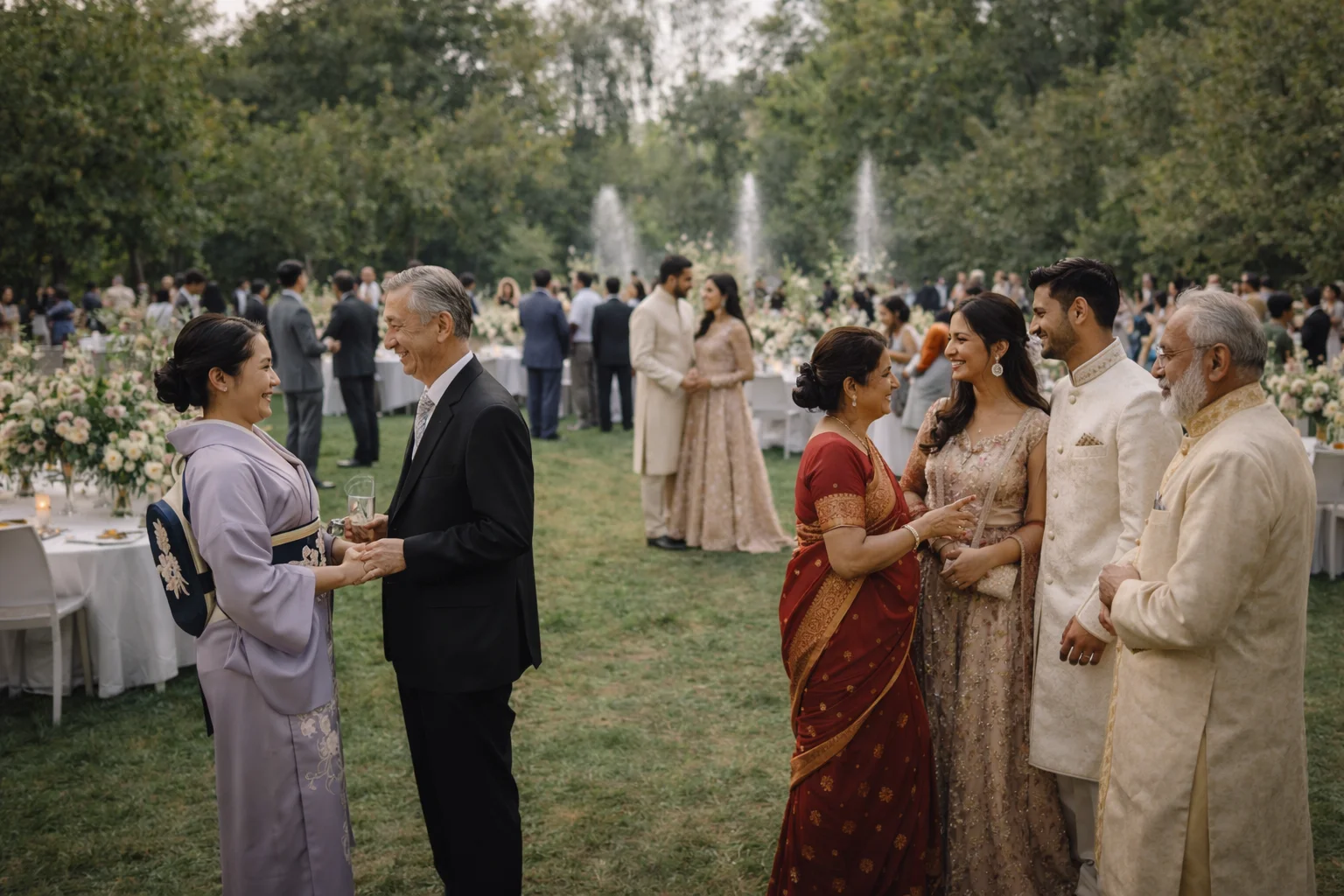
Two Families, Two Cultural Rhythms: How International Weddings Balance Different Social Expectations
International weddings do not only bring together two languages or two traditions. They often bring together two different social rhythms: different ideas of hospitality, family presence, punctuality, emotional expression, ritual weight, and what a wedding is supposed to feel like. This article looks at how couples balance those differences without flattening either side.

Engagement Ring and Wedding Ring: Two Moments, One Commitment
Engagement ring and wedding ring mark different stages of the same decision. One appears at the beginning, often tied to a single moment. The other enters daily life and stays there. Their forms, materials, and proportions follow different needs, yet they are meant to exist together. Understanding how they differ helps explain why both matter, and why their combination often says more than either ring alone.

Wedding invitation online – Clearly organized, personally connected
Digital wedding invitations have established themselves in practice as a reliable organizational tool. They consolidate information, facilitate feedback, and connect guests regardless of their location. A wedding website provides clarity, reduces coordination effort, and allows for flexible adjustments to the schedule. Key are clear content, an uncluttered design, and a personal approach. This turns a technical solution into a fitting start for a shared day.
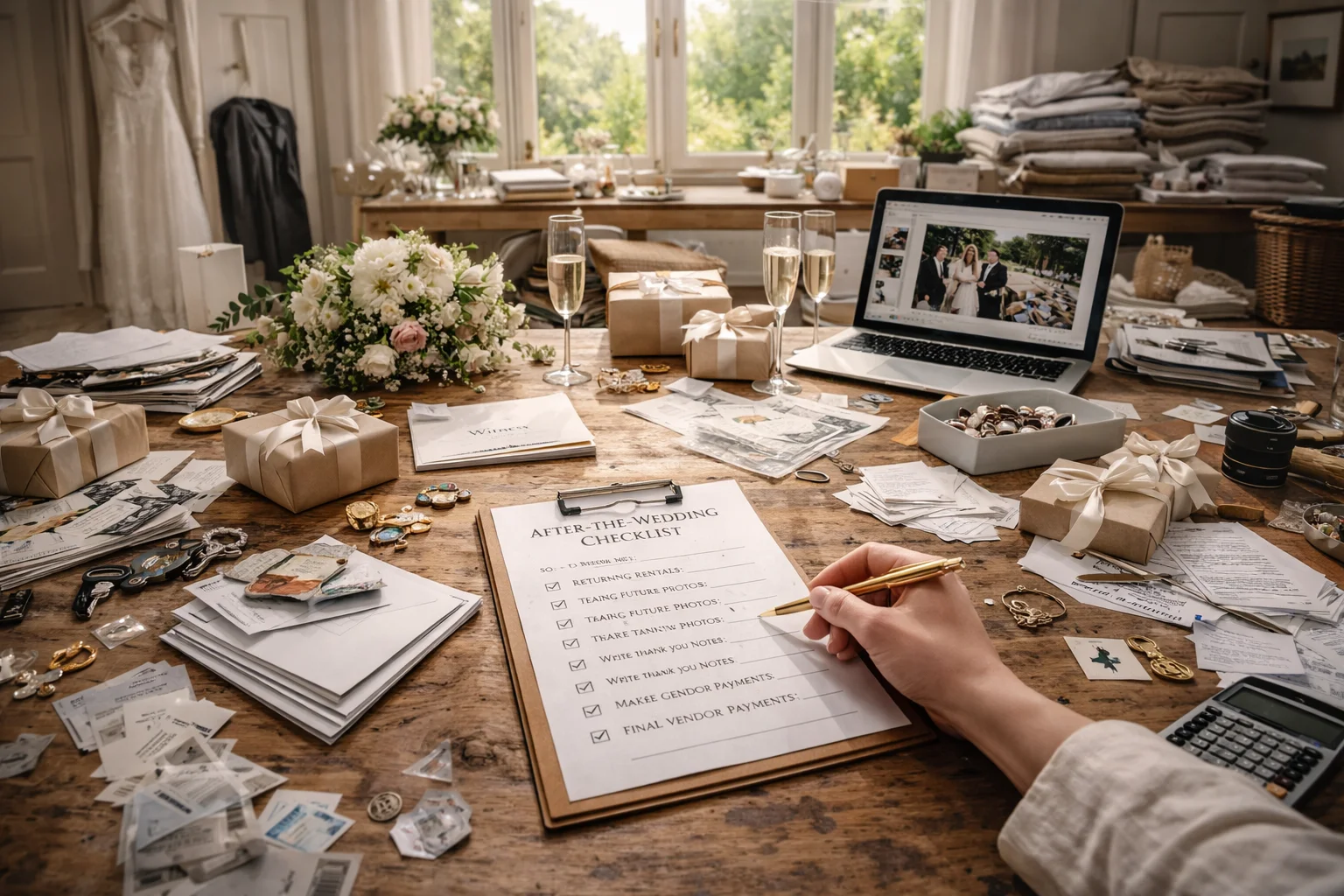
After-the-Wedding Checklist: What Still Needs to Be Returned, Paid, Thanked, or Closed
A wedding rarely ends when the last guest leaves. What follows is quieter, more practical, and often more emotionally mixed than couples expect. This article looks at what still needs to be returned, paid, thanked, or closed after the wedding, and why the days after the celebration are part of the wedding's meaning, not just its cleanup.

AI Wedding Scams in 2026: How to Verify a Vendor Before You Pay
Wedding payments create ideal conditions for impersonation fraud: long vendor threads, deposits, changing balances and last-minute urgency. This guide shows couples how to verify payment changes, detect trust-reset events and protect themselves against spoofed emails, fake invoices and AI-cloned voices.
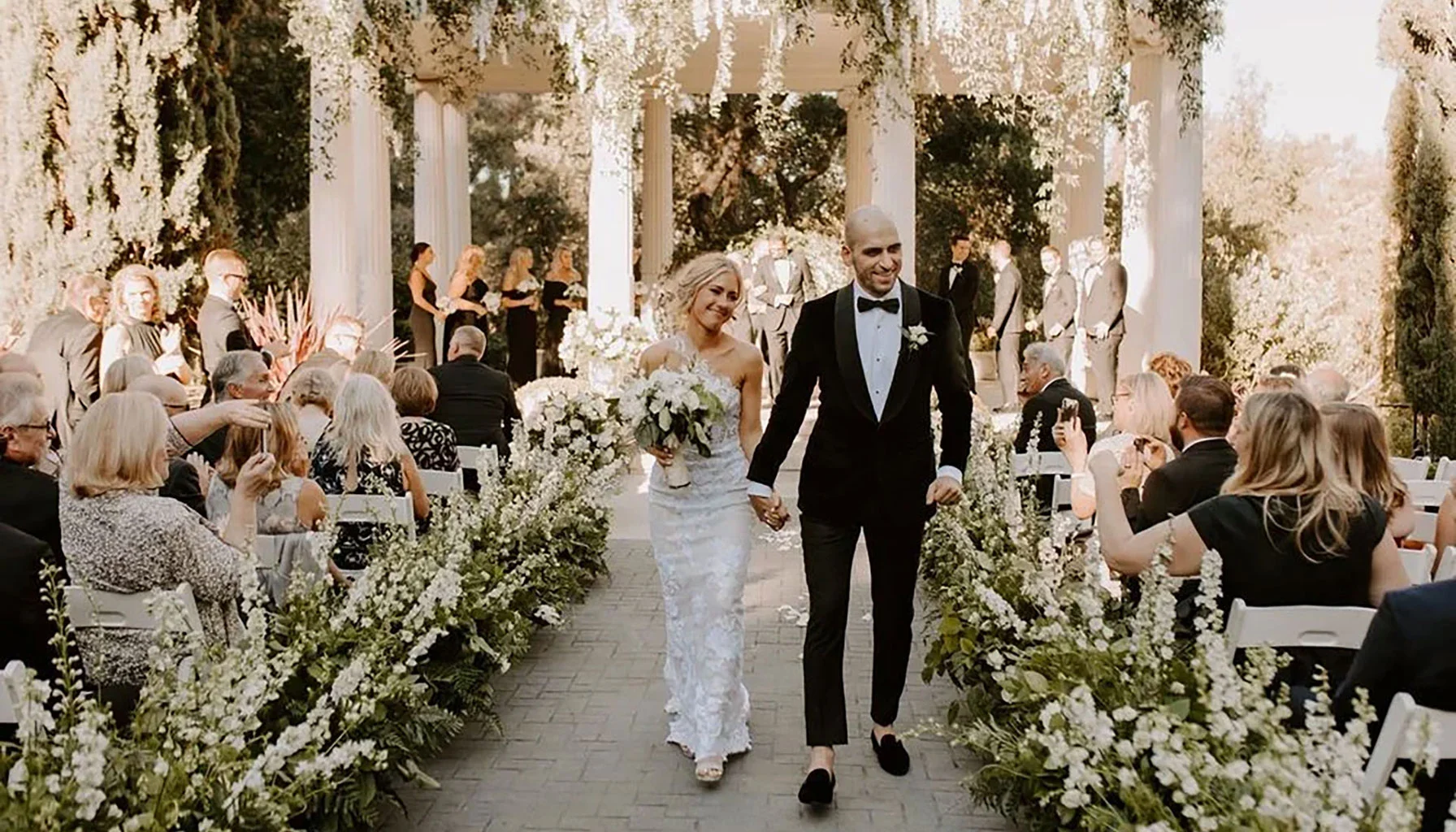
A Calm Structure for Wedding Planning
The text follows wedding planning as it usually takes shape. Not in a straight line, but with continuity. Decisions emerge, shift, and settle. The overview provides a calm structure that supports the process without directing it, leaving room for individual choices.
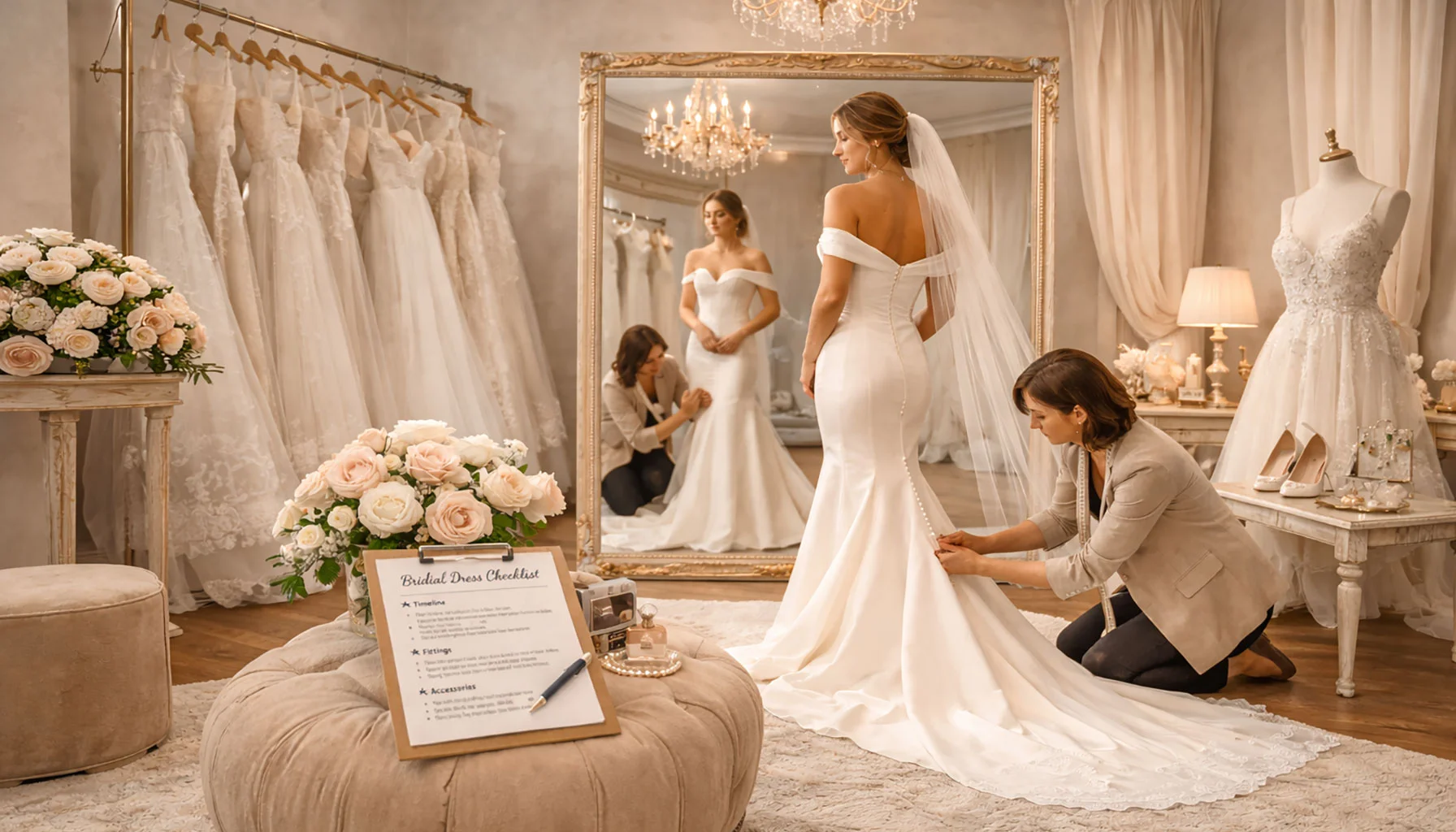
The Bridal Dress in Balance
A bridal dress does not come together in a single moment. Selection, fitting, and preparation build on each other over time. When cut, fabric, and movement align, the dress supports the day quietly and allows the bride to remain present and at ease.
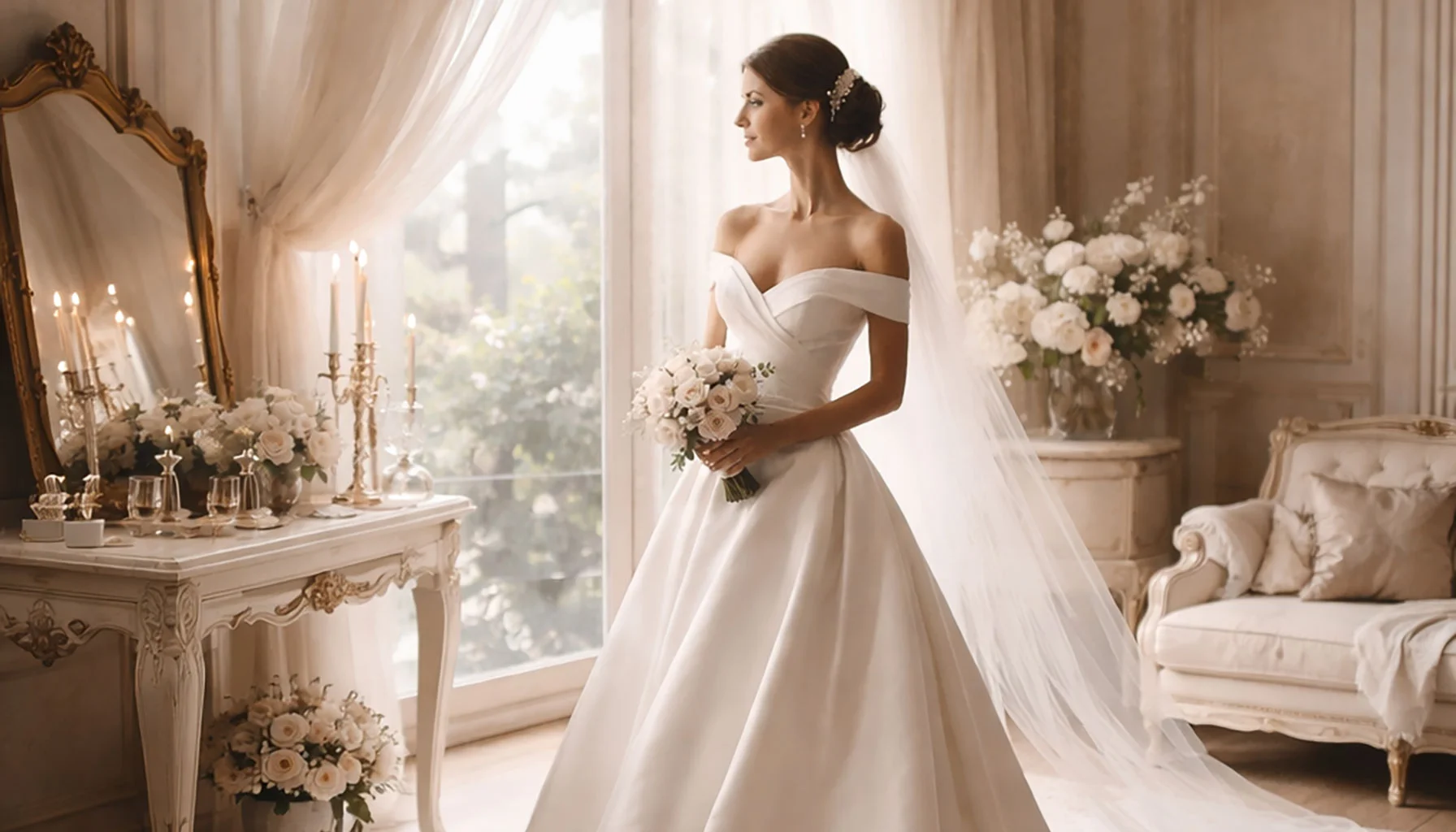
Beyond the Wedding Dress: What Truly Defines the Bridal Look and Experience
The bridal look is shaped long before the wedding day itself. It is created through thoughtful preparation, careful attention to detail, and a sense of inner calm that carries the bride through every moment. When styling, timing, and presence align naturally, beauty feels effortless rather than staged. Hair, makeup, accessories, and posture work together to support the bride rather than overshadow her. Yet what truly defines her appearance is how grounded and supported she feels. A bride who trusts her choices and releases the need for perfection radiates authenticity and quiet confidence. In this balance between outer expression and inner state, the bridal look becomes more than an image. It becomes an atmosphere — one that is felt, remembered, and carried far beyond the day itself.
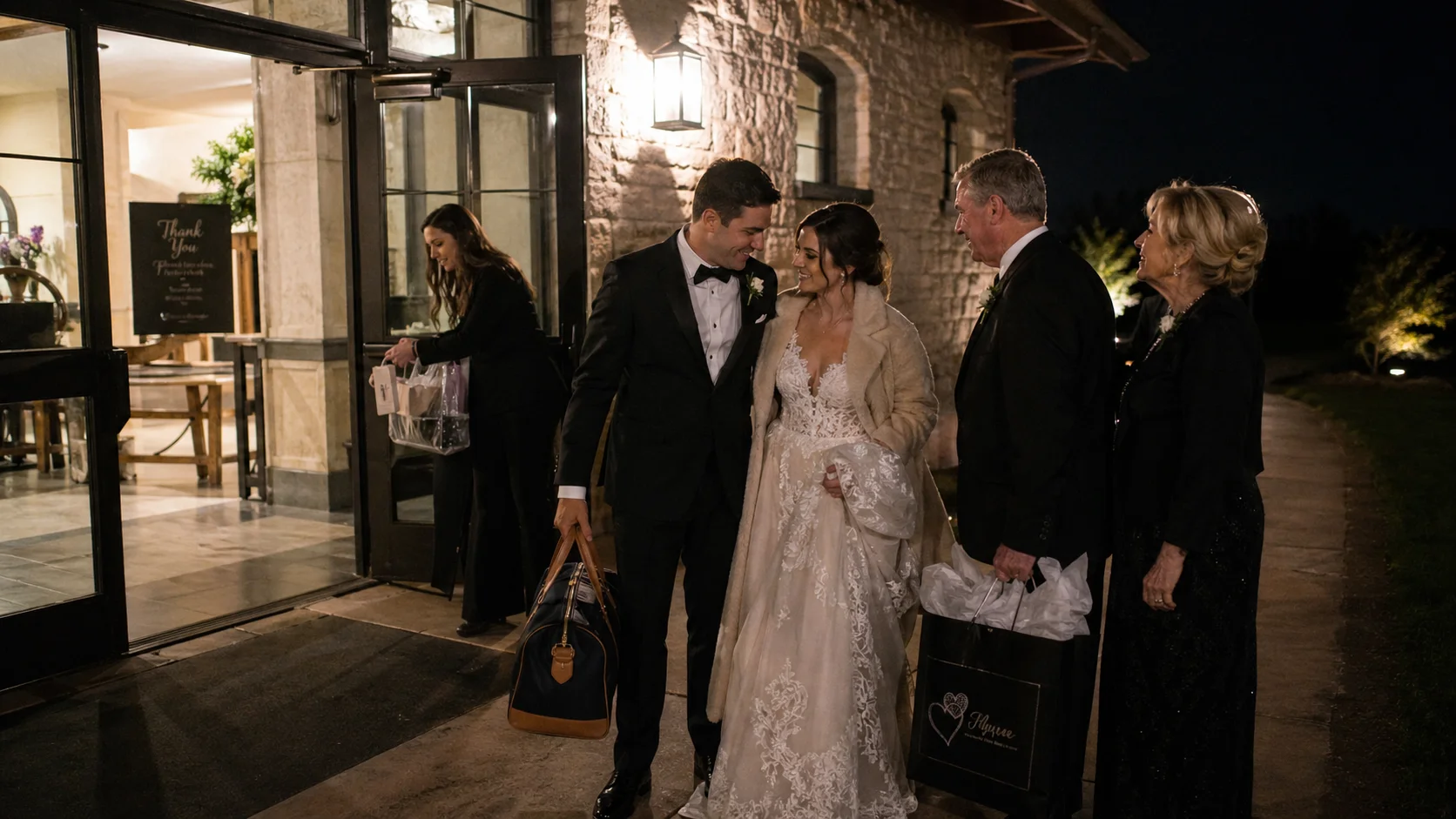
Exit Checklist: What Matters in the Last Thirty Minutes of a Wedding Night
The end of a wedding rarely happens in one clean moment. This article looks at the last thirty minutes of the night, from transport and personal items to final goodbyes, vendor handovers, and the quiet beginning of what comes after.
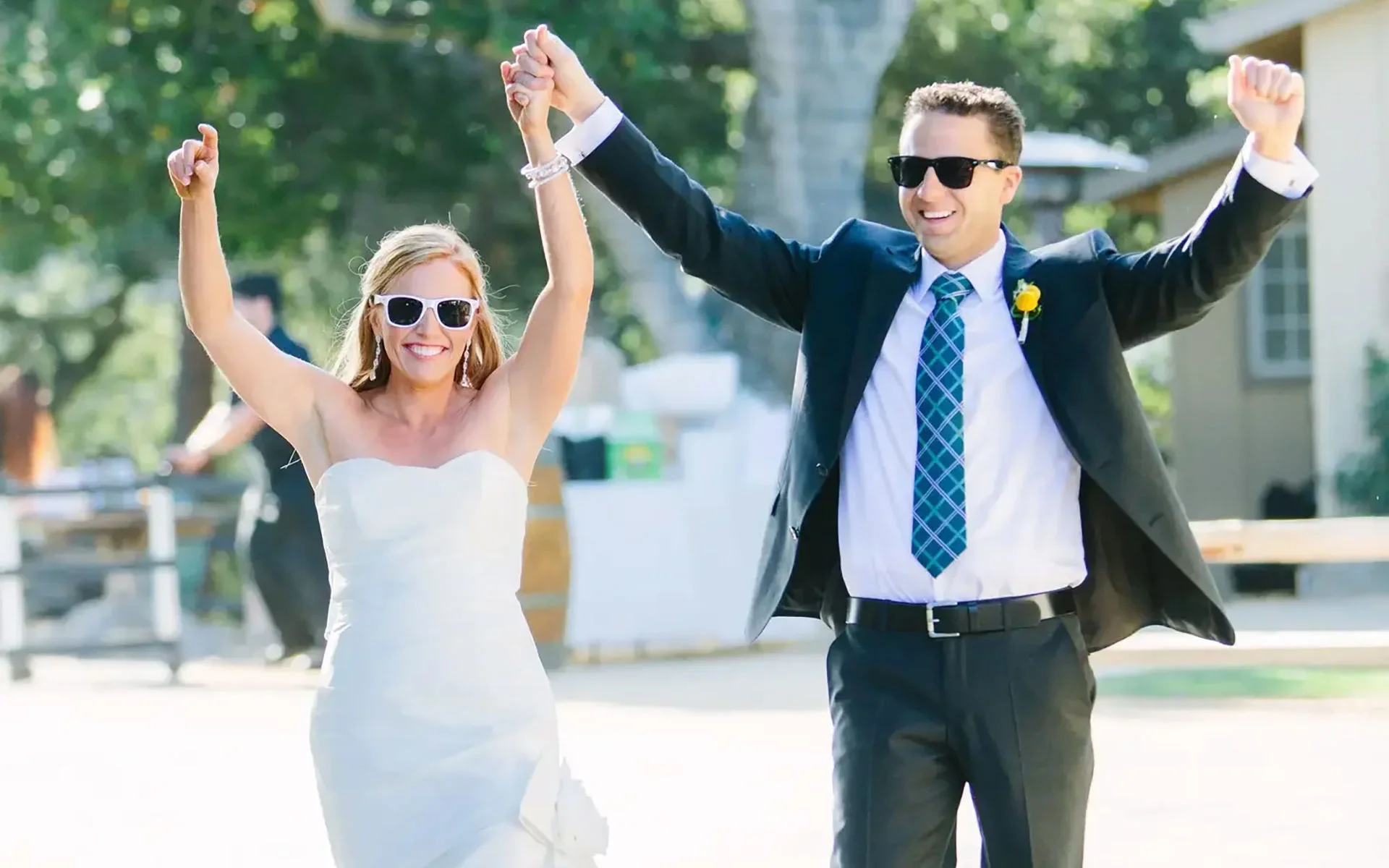
Weddings in Comparison
This text brings together impressions from weddings in different countries and social settings. It describes how rituals, timing, and atmosphere appear in practice, without explanation or judgment. The focus is on closeness, structure, and the way community becomes visible during a public moment.
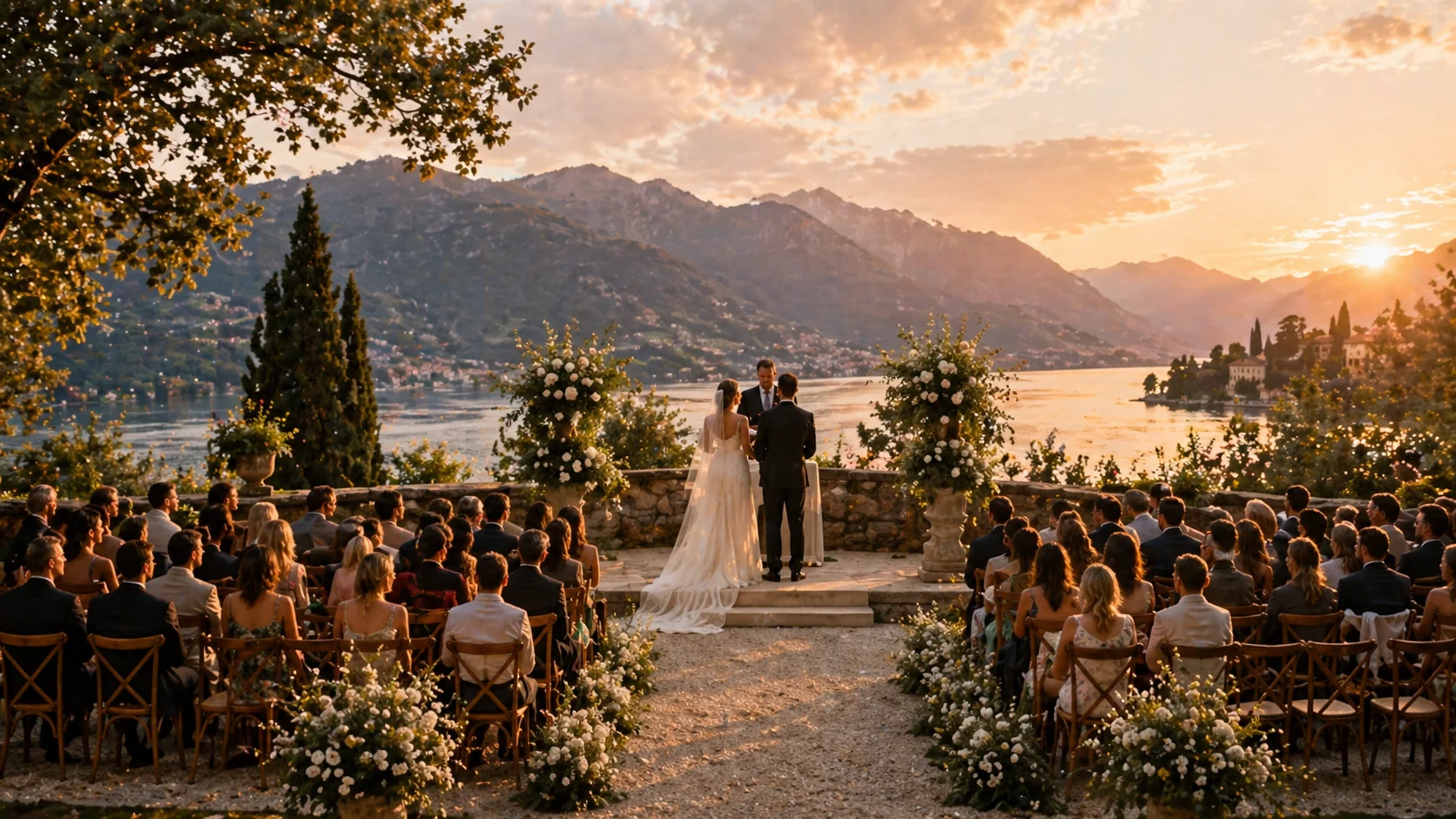
Ceremony Transition Checklist: What Should Be Ready Before Attention Has to Gather
Ceremony transitions often seem brief on paper, but they carry the difficult shift from movement into shared attention. This article looks at what needs to be ready before that moment arrives, from seating and sound to cues, stillness, and the quieter emotional readiness of the room.