
The Groom’s Suit Guide: Planning, Fittings, Trends & Timeline

The Groom’s Suit: A Practical Path from Idea to Wedding Day
A groom’s suit rarely begins with fabric or color. It usually begins with a sense of how the day should feel. Calm. Appropriate. Personal. What follows is a sequence of decisions made over time, often adjusted quietly as the wedding takes shape. When done well, the suit disappears into the day and supports it without effort.
This checklist reflects how suits are actually chosen and prepared. Through fittings, conversations with tailors, and real use. Not as a style exercise, but as a process that balances appearance, comfort, and timing.
Observed Suit Directions
- Tailored fits that allow movement rather than restrict it
- Three-piece suits used for flexibility across the day
- Textured fabrics that hold their shape over hours
- Colors chosen for context rather than trend
- Personal details kept subtle and consistent
- Accessories selected with restraint
Across different weddings, one pattern repeats. The suits that work best reflect the groom’s normal posture and habits. They do not try to change them.
Key Decisions That Shape the Suit
- Overall formality of the day
- Venue and climate
- Fabric weight and structure
- Jacket length and shoulder line
- Trouser break and shoe choice
- Level of coordination with partner and wedding party
Most corrections later in the process trace back to one of these decisions being rushed or unclear at the start.
Timing and Preparation
Suit preparation usually starts earlier than expected. Six to eight months before the wedding allows space for adjustments without pressure. Shoes are often chosen sooner than planned, simply because they influence proportion more than most grooms anticipate.
Later fittings refine balance rather than reinvent the suit. Small changes at this stage make a visible difference, especially in photographs and posture.
The Fitting Experience
Good fittings focus first on shoulders and stance. Comfort follows. Sleeves and trousers are adjusted gradually. The final fitting confirms that the suit holds its shape while sitting, walking, and standing for long periods.
“Once I stopped noticing the suit, I knew it was right.”— Groom
Movement and Wear
- Ease when sitting and standing
- No pulling at the shoulders or back
- Trousers that remain stable when walking
- Jacket that closes naturally without tension
Suits that feel correct in stillness can behave differently after several hours. This is usually noticed only when tested early enough.
Who Attends the Appointments
Most grooms benefit from one or two trusted voices. Large groups tend to slow decisions. The strongest fittings happen when feedback is clear and limited.
Real Examples Seen Often
Formal ceremonies often settle on darker tones and structured jackets. City weddings lean toward simpler combinations with fewer layers. Outdoor summer celebrations favor lighter fabrics that remain composed in heat.
“It felt like myself, just more composed.”— Groom
Conclusion
A groom’s suit is not defined by statement pieces. It is defined by consistency. When fit, fabric, and timing align, the suit supports the day quietly. It allows the groom to move, greet, and remain present. That is usually what guests remember.
Related Articles
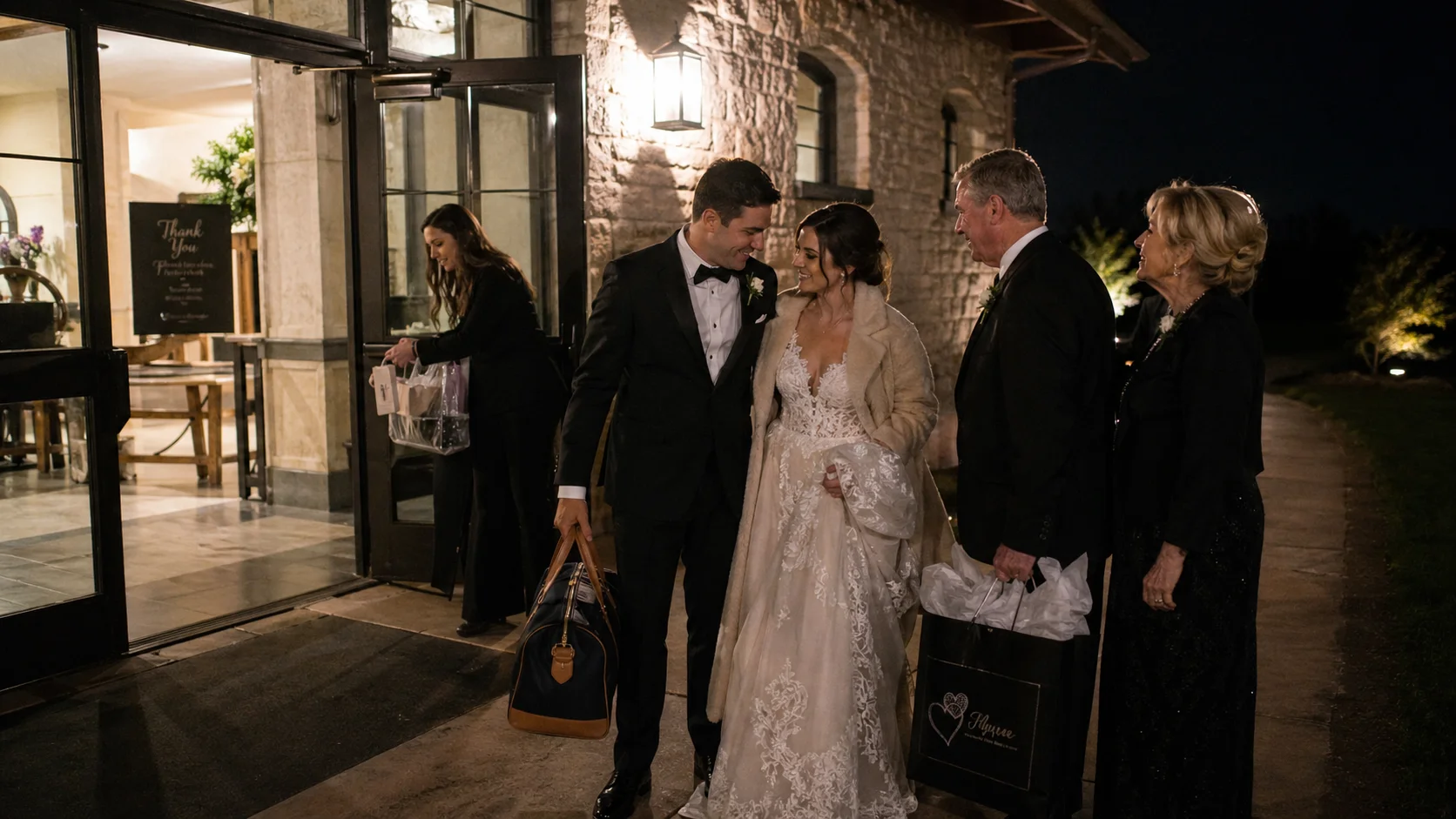
Exit Checklist: What Matters in the Last Thirty Minutes of a Wedding Night
The end of a wedding rarely happens in one clean moment. This article looks at the last thirty minutes of the night, from transport and personal items to final goodbyes, vendor handovers, and the quiet beginning of what comes after.
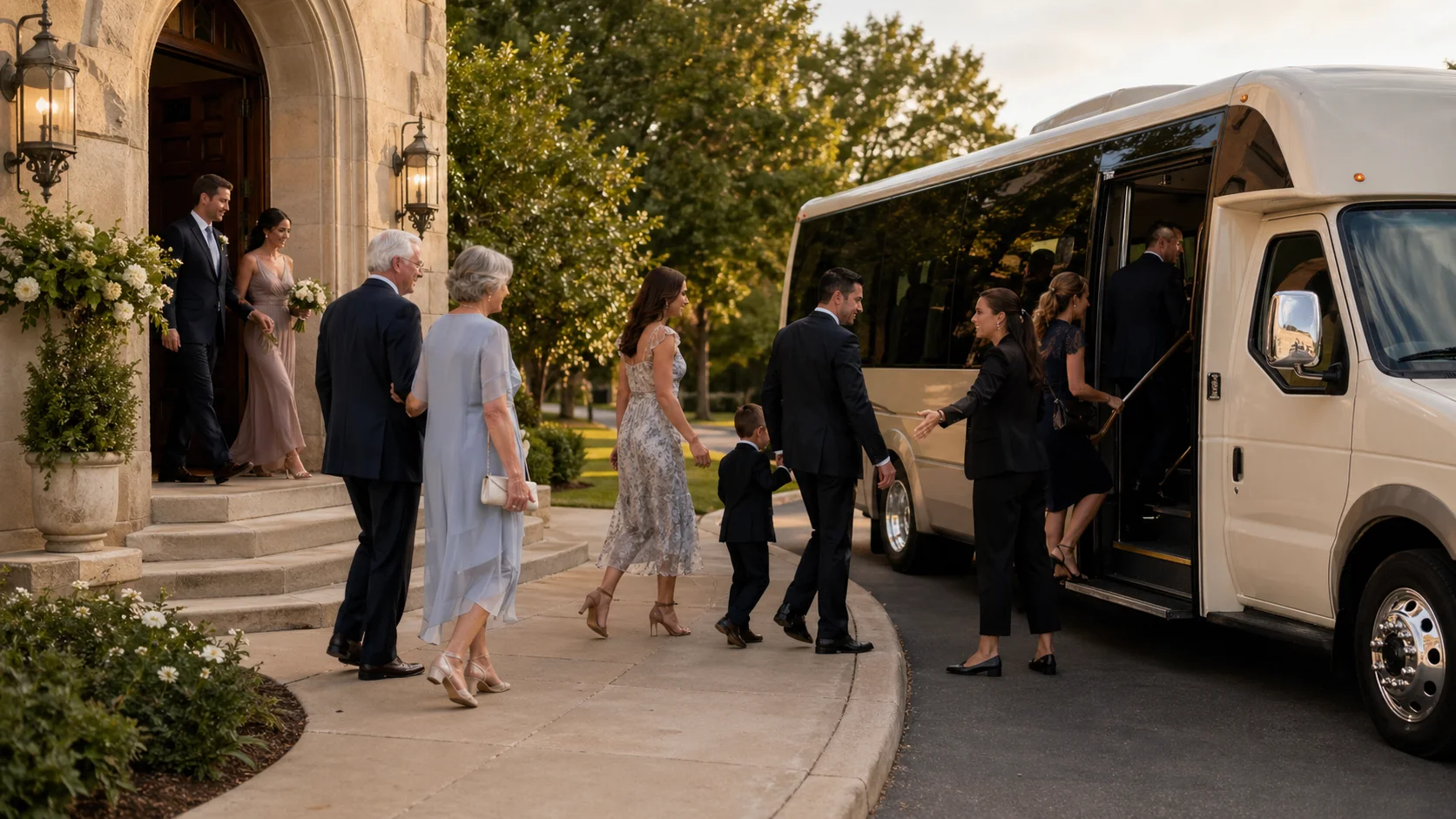
Transportation Checklist: How Not to Lose Time Between Wedding Locations
Wedding transportation is rarely only about the drive. This article looks at pickup points, buffers, driver contacts, guest movement, accessibility, and the pause between locations that either keeps the day together or quietly costs time.
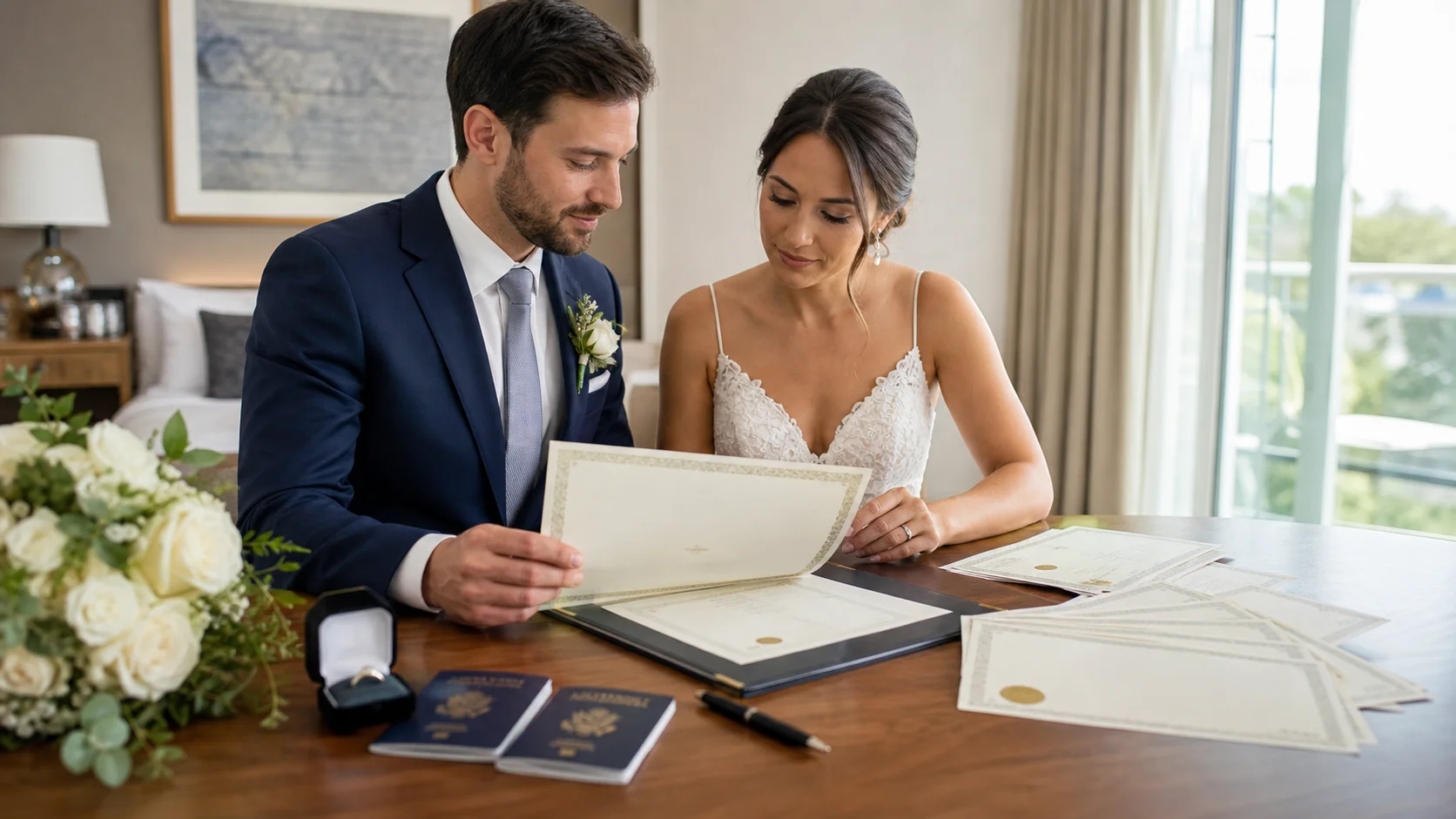
Marriage Certificate Checklist: Why One Document Keeps Returning After the Wedding
A marriage certificate often feels like the final paper of the wedding, but it keeps returning in ordinary life. This article looks at certified copies, scans, translations, apostilles, name changes, travel, banking, insurance, and the quiet imprint one document leaves after the celebration.
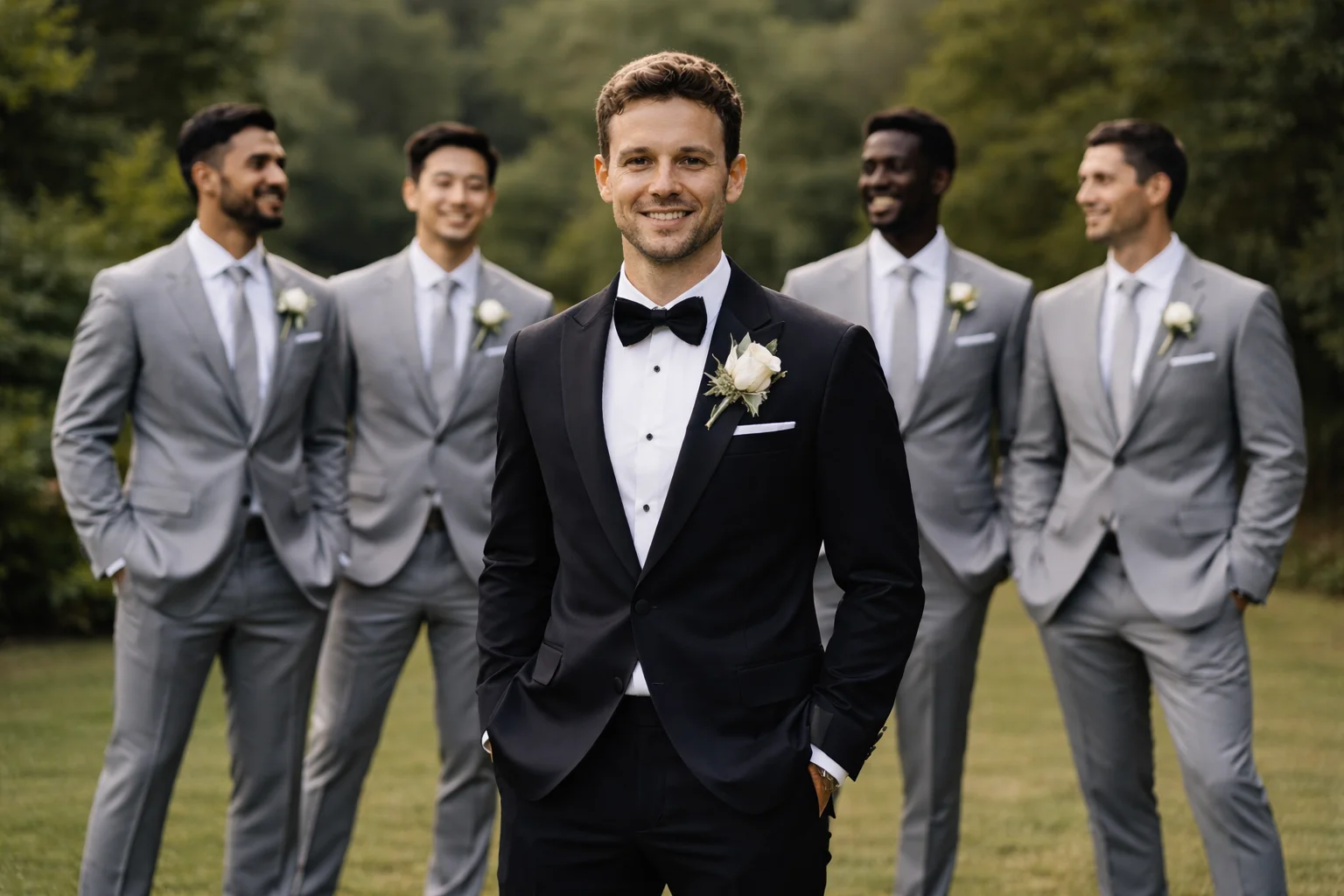
How the Groom Stands Out Among the Groomsmen
When several men stand together at a wedding the clothing often looks almost identical at first. Same color range, similar jackets, same shoes in many cases. The group reads as one block. This is not accidental. Wedding styling usually leans toward visual unity for the wedding party.
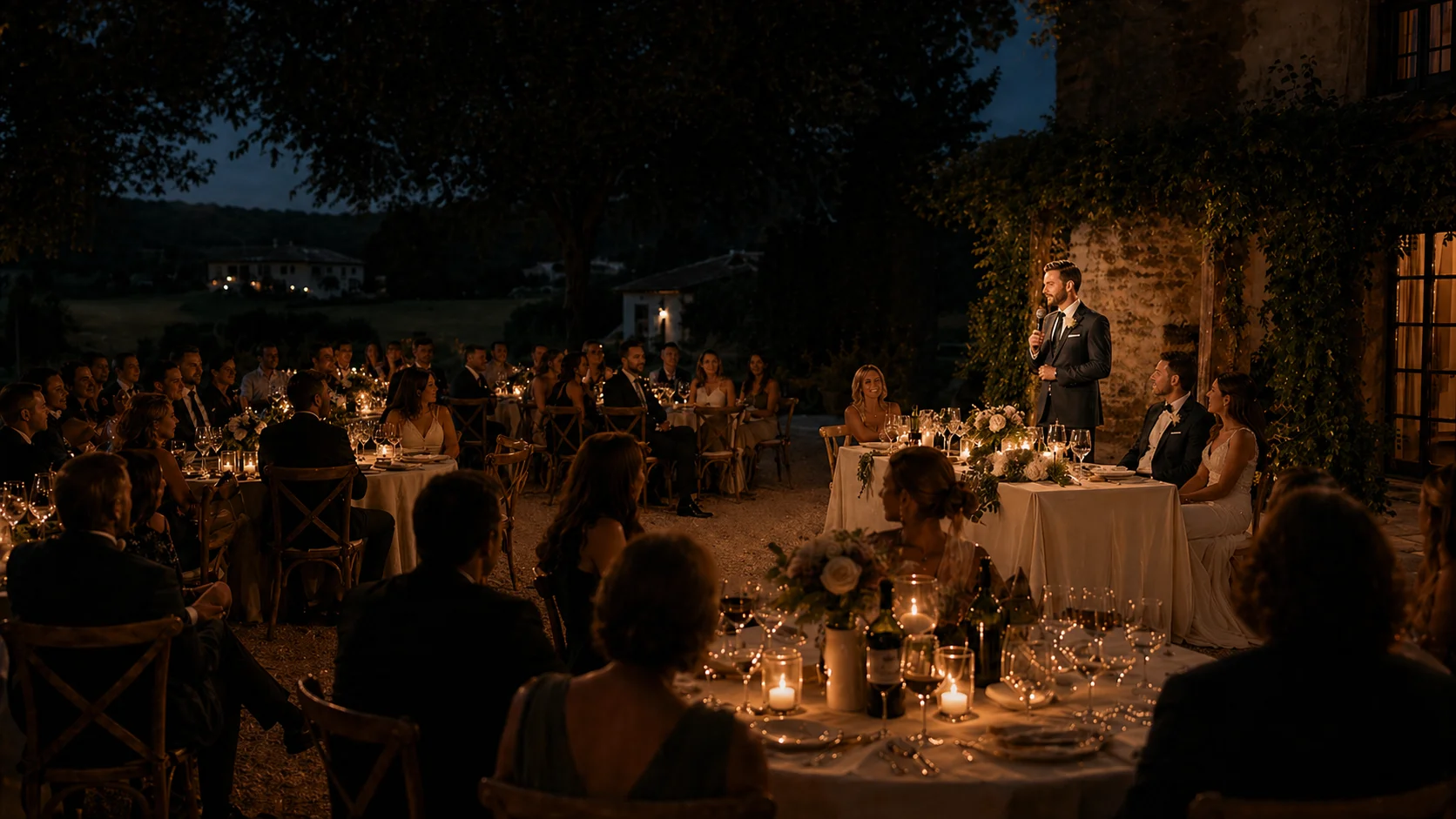
Speech Moment Checklist: What Makes a Toast Feel Held, Not Exposed
A wedding toast depends on more than good writing. It lands differently depending on attention, sound, timing, room tone, and the unspoken signals that tell a speaker whether the moment is carrying them or leaving them alone.
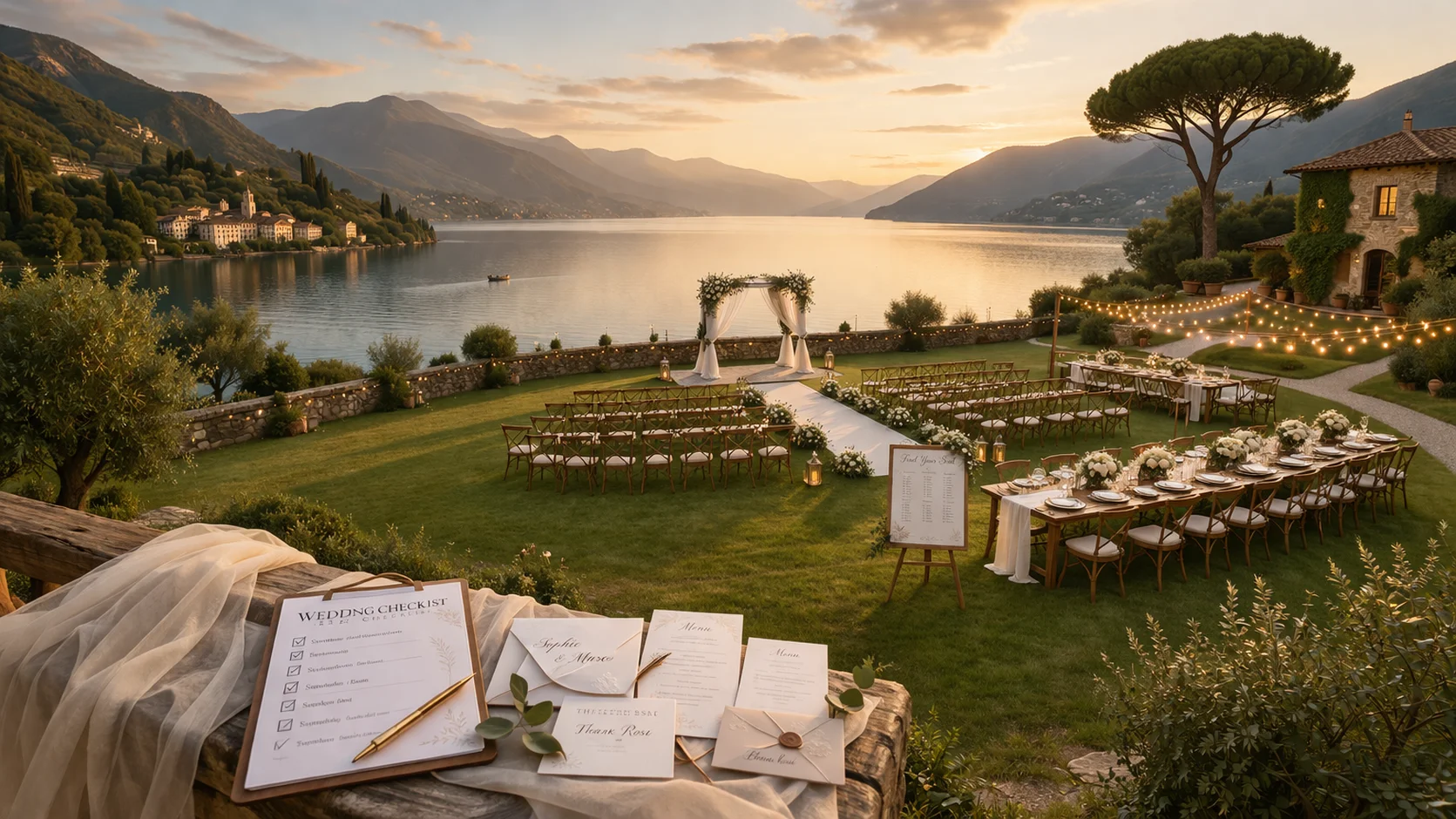
The Wedding Checklist That Grounds You: Turning Planning Into Something Meaningful
A wedding checklist isn’t just about tasks—it’s about clarity, intention, and trust. Here’s how to approach it in a way that feels calm, structured, and truly yours.
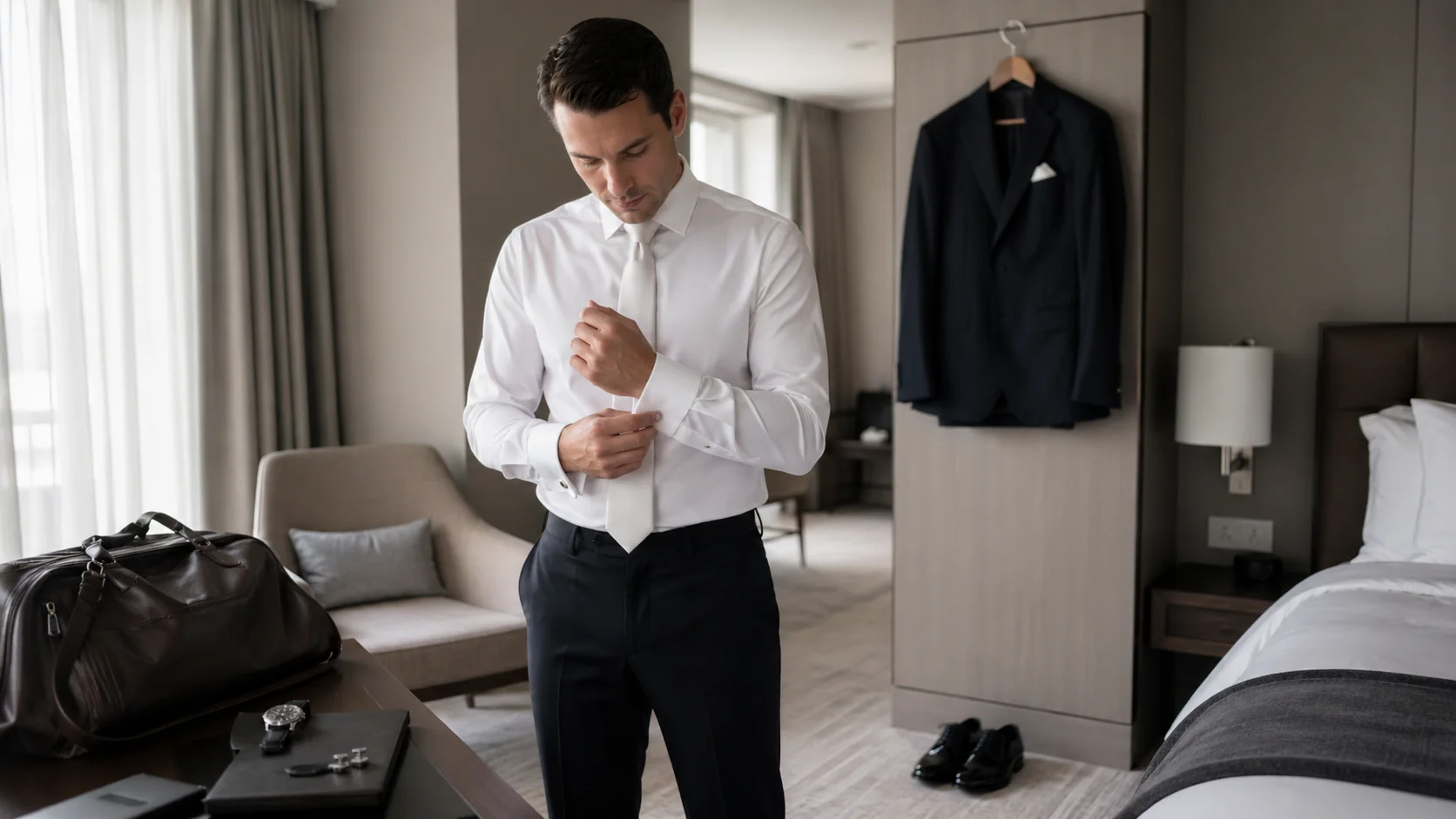
Groom’s Morning Checklist: What Keeps the First Hours Clear and Unforced
The groom’s morning often looks simple from the outside, but it depends on small decisions made early. This article looks at clothing, food, rings, timing, communication, photography, transport, and the quiet rituals that keep the first hours clear without making them feel staged.
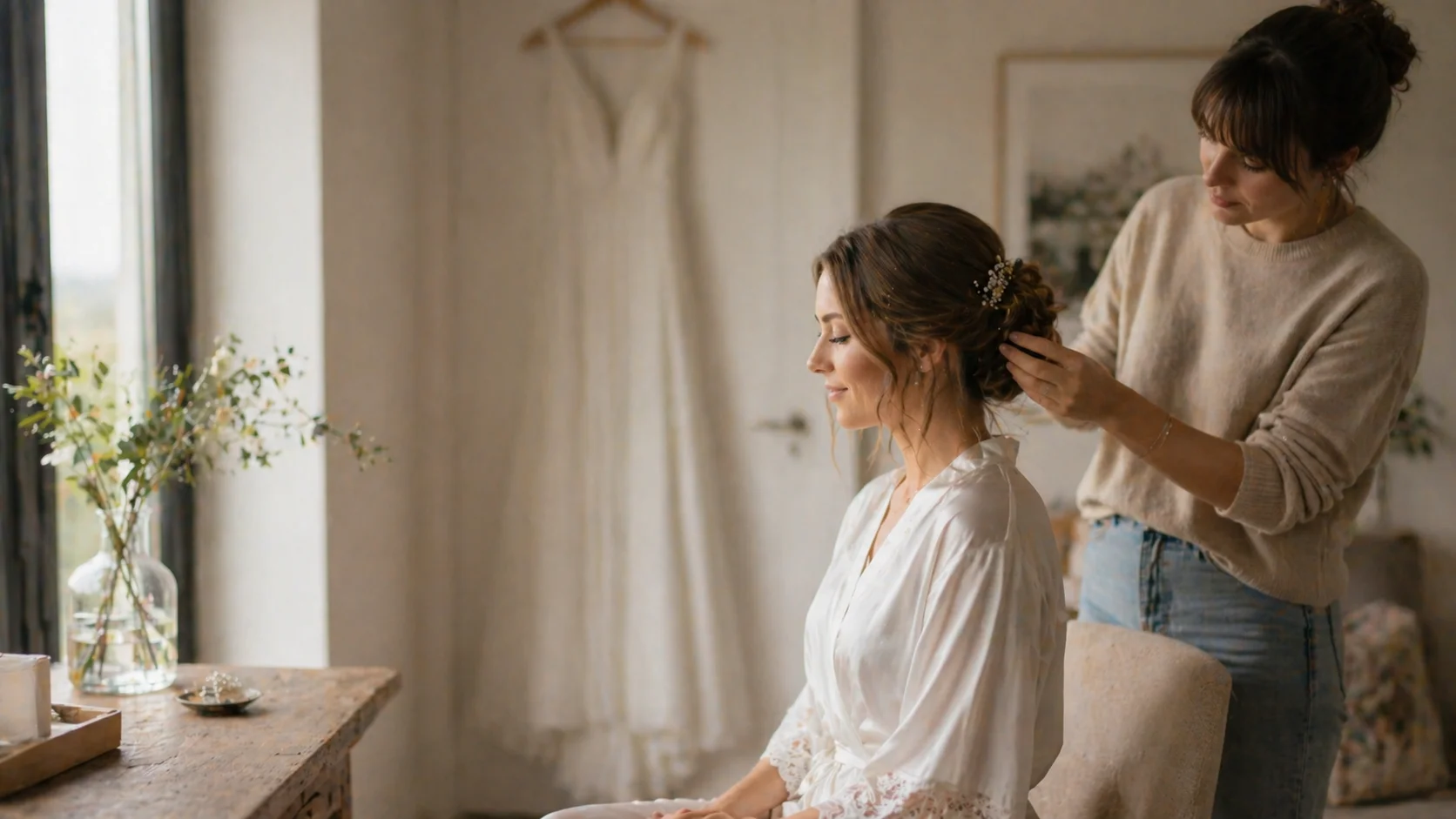
Bridal Getting-Ready Room Checklist: Light, Surfaces, Noise, and Movement
A bridal getting-ready room does more than hold hair, makeup, and dresses. This article looks at light, surfaces, noise, movement, privacy, and the quiet traces the room leaves on the morning before the ceremony.
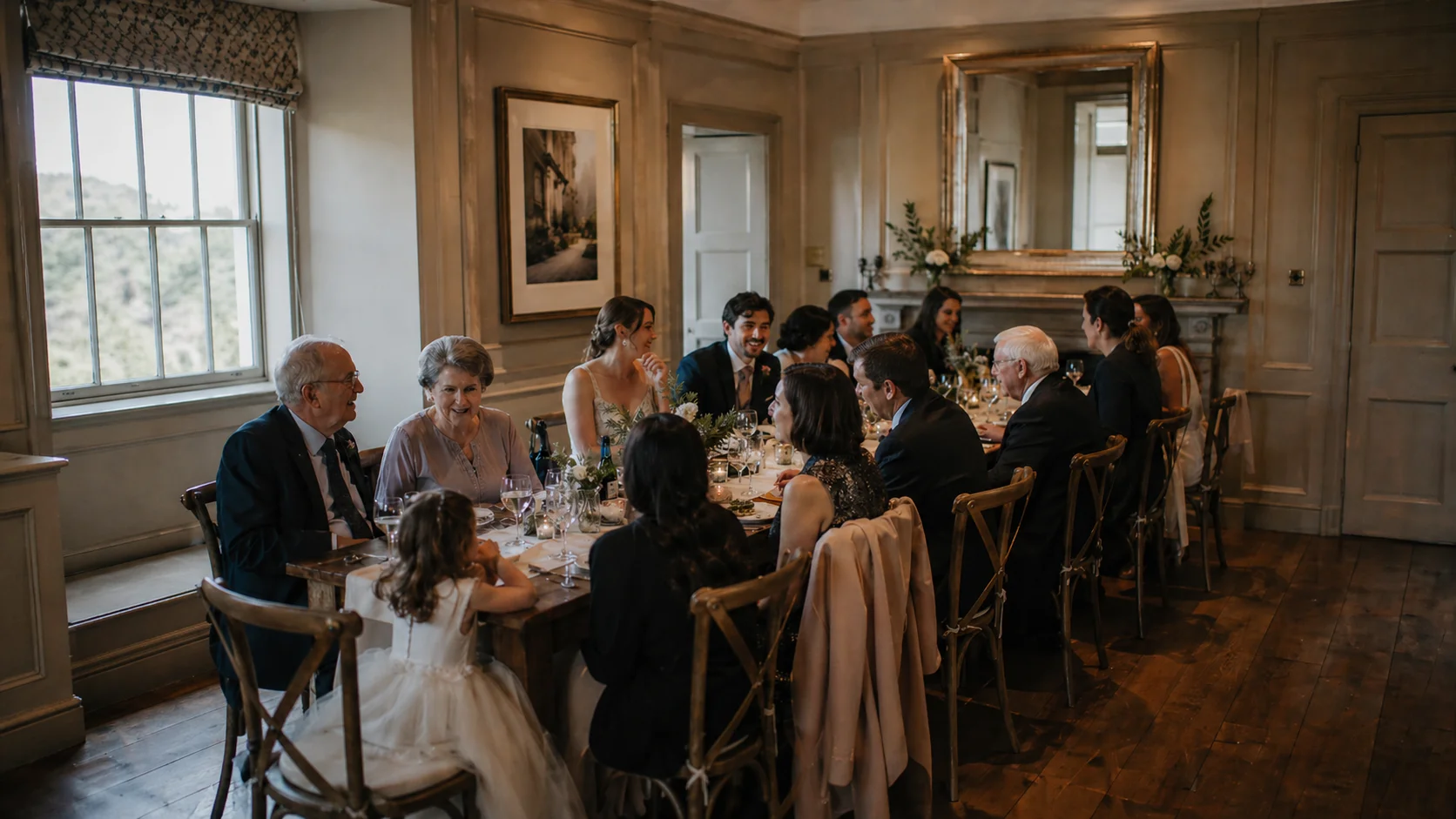
Family Table Checklist: What Helps Mixed Generations Sit More Easily Together
Family tables at weddings rarely depend on seating order alone. They work better when physical comfort, conversational balance, newer relationships, and older family stories are all considered before dinner begins.

Bachelor Party – A Day Between Everyday Life and Wedding
A bachelor party is not a loud statement, but a quiet transition. People come together who have accompanied them on their journey so far. For a limited period, nothing is on the agenda except shared time. Planning provides stability, openness creates space. Whether for men or women: What's crucial is that the occasion suits the person. Then something unique emerges. Understated. Enduring.

The engagement ring as a sign of a decision
The engagement ring stands on the edge of a big moment and remains present for a long time afterwards. It is part of everyday life, not just a memory of a proposal. This text describes what makes an engagement ring, how it is selected, and why decisions regarding shape, material, ring size, and wearing style mostly arise from observation. It is about common variants, the handling of diamonds and alternatives, as well as developments that have quietly established themselves. In the foreground are experiences, voices from practice, and the question of how a ring fits a person without defining them.
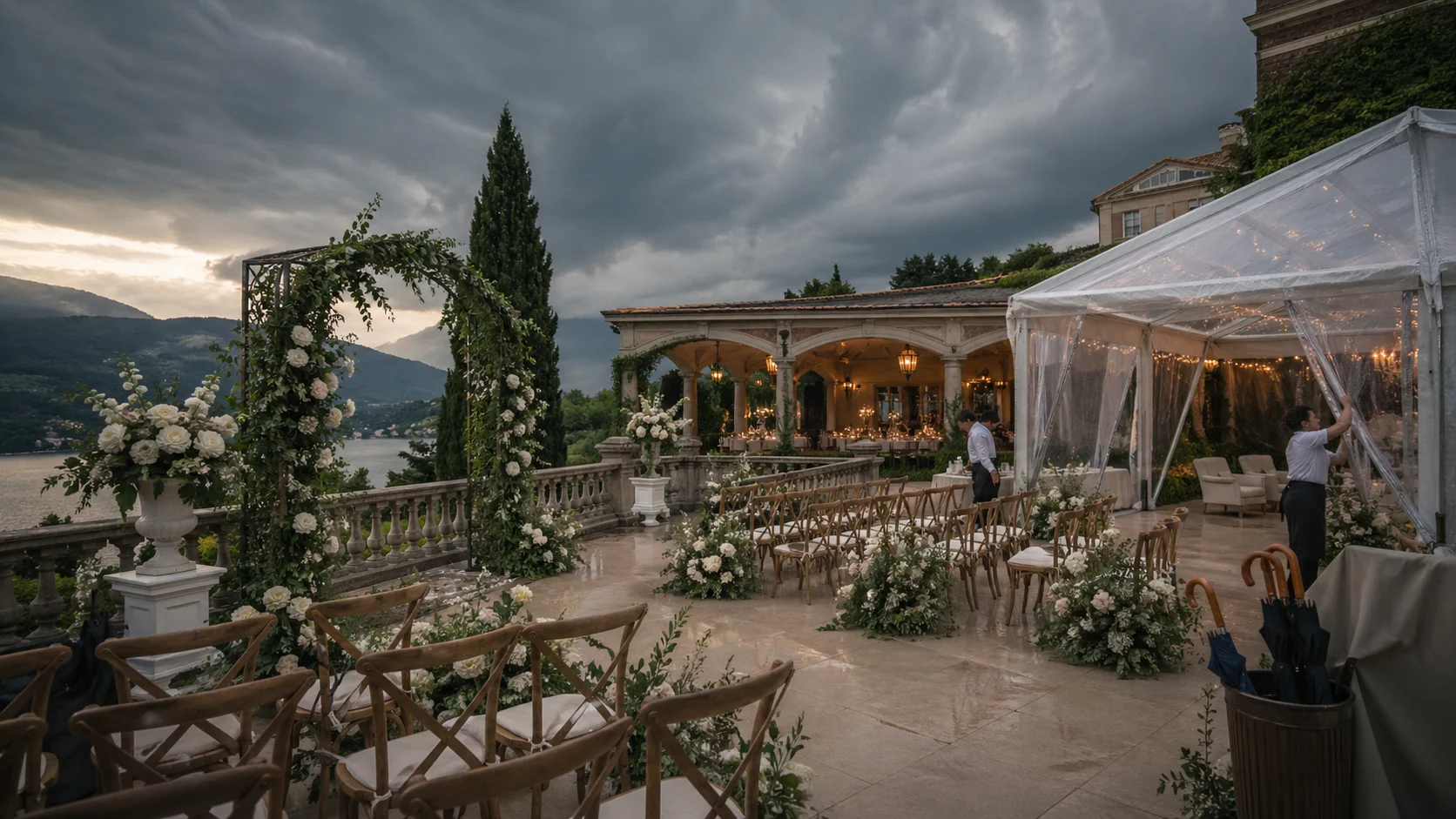
Rain Plan Checklist: What Needs Deciding Before Weather Becomes the Mood
A wedding rain plan is rarely just a backup for logistics. It also shapes whether weather stays manageable or quietly takes over the emotional tone of the day. This article looks at what needs to be decided early, so rain changes the setting without deciding the atmosphere.