
The engagement ring as a sign of a decision
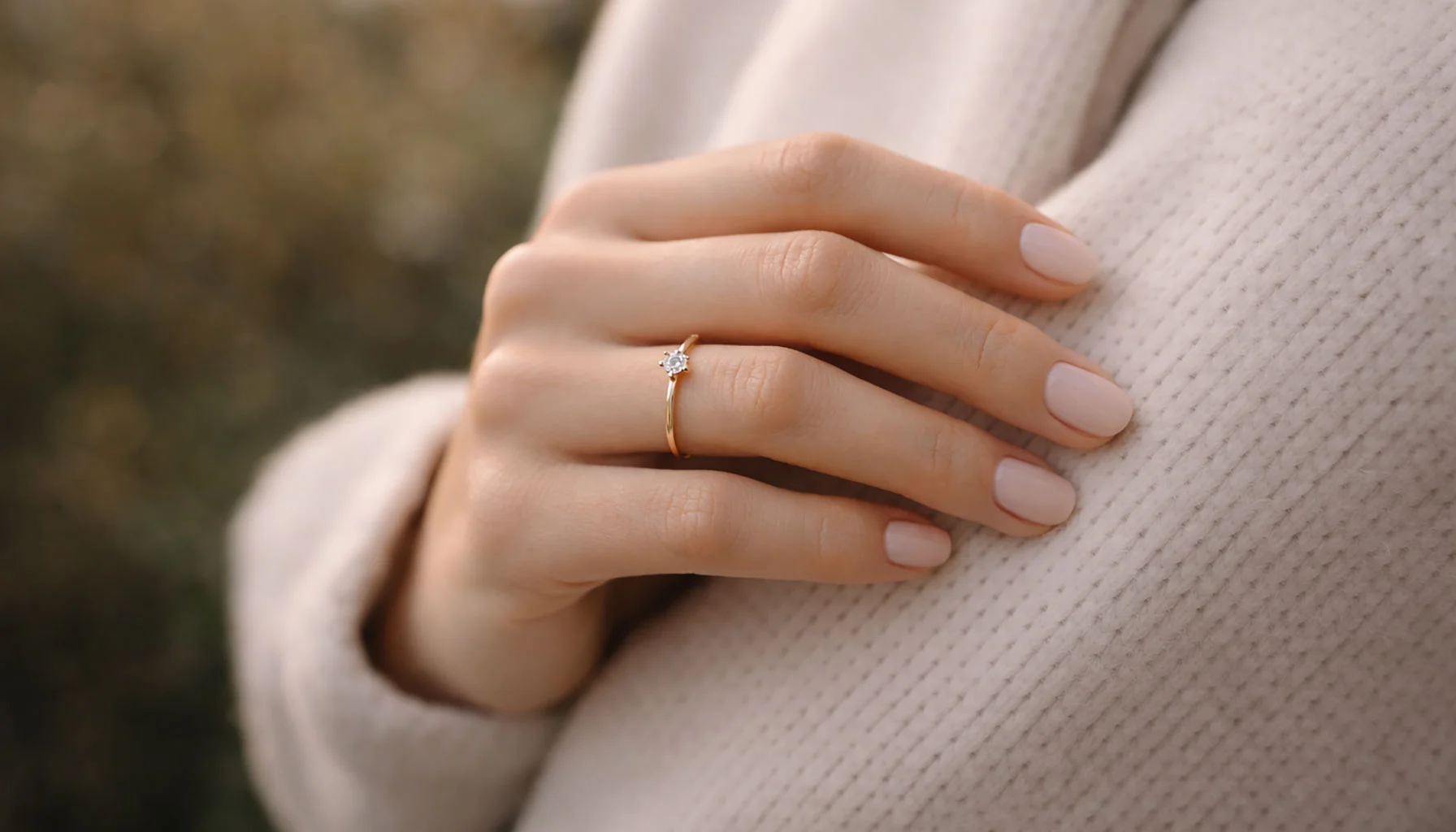
An engagement ring is not a piece of jewelry in the classic sense. It usually appears quietly. It is worn, looked at, turned again. In conversations, it is mentioned, sometimes casually, sometimes with a pause before it. Its meaning does not arise from material or cut, but from the moment it is presented and the time thereafter.
It is observable that the ring rarely stands alone. It belongs to a decision that has already been made. The ring makes it visible. It marks a transition without explaining it. This is why the subject belongs naturally to both Groom and Engagement Ring Symbolism. On Loving Rocks, the ring already appears inside the groom context as part of the visible language around proposal and wedding preparation, while Engagement Ring Symbolism defines the ring as a visible sign of an invisible promise. This article sits exactly between those two readings: object and meaning, decision and everyday life.
GroomStyle and confidence come together in the groom’s overall appearance on the wedding day. From the suit and shoes to accessories and grooming details, each element contributes to a polished and personal look. A well-chosen groom look complements the wedding style, reflects personality, and ensures the groom feels comfortable and self-assured throughout the celebration.

An engagement ring is a small object asked to carry a large promise. Its meaning is not in the material, but in what it represents, repeats, and quietly announces.
What an Engagement Ring Is
In many cultures, the engagement ring is presented before marriage. It outwardly shows that two people are pursuing a common endeavor. Unlike the later wedding ring, it is not standardized. It does not follow a fixed set of rules. This is precisely where its special quality lies.
In practice, it is noticeable that engagement rings are often more filigree. They feature a single stone or a subtle arrangement of small stones. They do not appear loud. They stay close to the hand.
The Path to the Right Ring
The right ring is rarely found at a glance. It emerges from observation. From what is worn daily. From colors that are chosen repeatedly. From shapes that seem familiar. People who take their time often opt for simpler variants in the end.
It is striking that while trends are noticed, the decision usually deviates from them. The ring is meant to last. For years. Therefore, the choice often falls on models that do not evoke a specific season.
Shapes and Designs
- Solitaire rings with a single diamond
- Rings with side accent stones
- Narrow ring bands with subtle settings
- Vintage-inspired models with fine details
- Modern settings with clean lines
Regardless of the design, it becomes clear: The ring becomes part of everyday life. It must move with you. It must not be bothersome. These aspects are often only described as crucial in retrospect.
The Ring Size
Determining the ring size usually happens discreetly. Through existing rings. Through small notes. Through conversations with trusted individuals. Exact measurements are possible, but in reality, adjustments are often made. A ring can be changed. The moment cannot.
Which Hand, Which Finger
In German-speaking regions, the engagement ring is often worn on the left hand. Sometimes also on the right. There is no fixed rule. After marriage, the ring occasionally moves or continues to be worn alongside the wedding ring. Both variants are observed.
Men are also increasingly wearing engagement rings. Usually simpler. Without a stone. Often made of the same material as the partner's ring. This development is quiet, without much announcement.
Diamonds and Alternatives
The diamond remains the most common stone. Its selection is based on criteria such as cut, clarity, and color. However, in conversations, it becomes apparent that these terms are often secondary. What is crucial is how the stone appears in the ring. In the light. In motion.
Besides diamonds, other gemstones are also chosen. Sapphires, champagne diamonds, or simple metal settings without a stone. These decisions arise not from differentiation, but from personal connection.
Observable Developments
Currently, narrow rings are in demand. Materials like yellow gold and rose gold are appearing more frequently again. Settings appear more open. Overall, there is a return to clarity. Without overload.
Voices from Practice
Bride, 32: The ring was different than expected. And exactly right. It suits me, not an image.
Groom, 35: It was important that it could be worn every day. The rest just happened.
Bride, 29: The ring does not remind me of the proposal. It reminds me of what came after.
Concluding Observation
An engagement ring is not a promise in the material sense. It is a symbol that grows with you. Its meaning changes. With time. With the relationship. This is precisely where its quiet strength lies.
Related Articles

Bachelor Party – A Day Between Everyday Life and Wedding
A bachelor party is not a loud statement, but a quiet transition. People come together who have accompanied them on their journey so far. For a limited period, nothing is on the agenda except shared time. Planning provides stability, openness creates space. Whether for men or women: What's crucial is that the occasion suits the person. Then something unique emerges. Understated. Enduring.
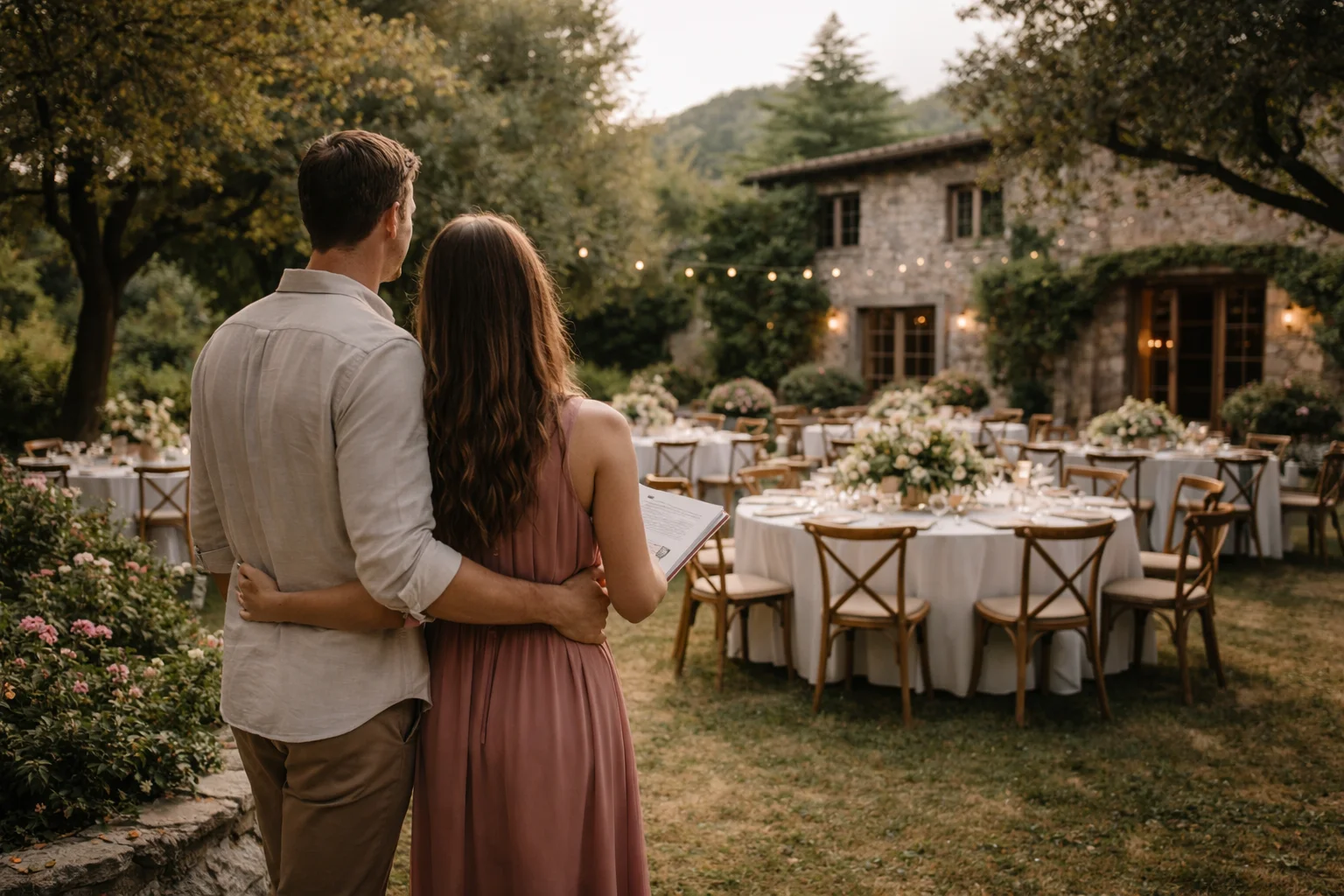
What Couples Notice Too Late About a Wedding Venue
Wedding venues are often chosen in a moment of projection. Couples imagine light, atmosphere, and feeling long before they understand flow, pressure points, and what the place is actually asking of the day. This article looks at what couples often notice too late about a venue, and why expectation and reality begin separating earlier than most people think.
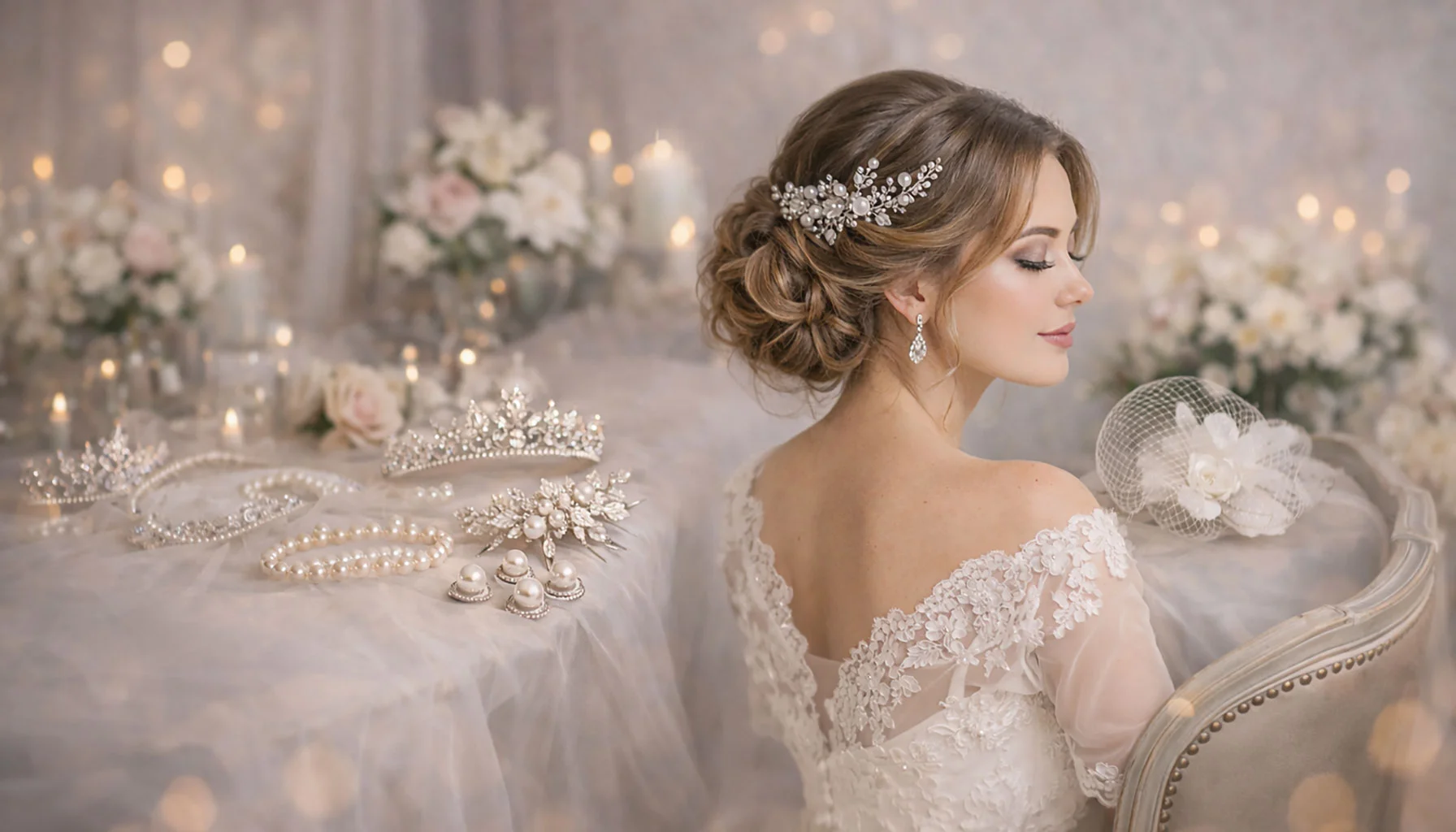
The Bridal Hairstyle as a Quiet Part of the Whole
A bridal hairstyle supports the entire look. It frames the face, works with the dress, and needs to hold throughout the day. In practice, the most convincing results come from aligning hair texture, proportion, and the flow of the wedding day. Less display. More coherence.
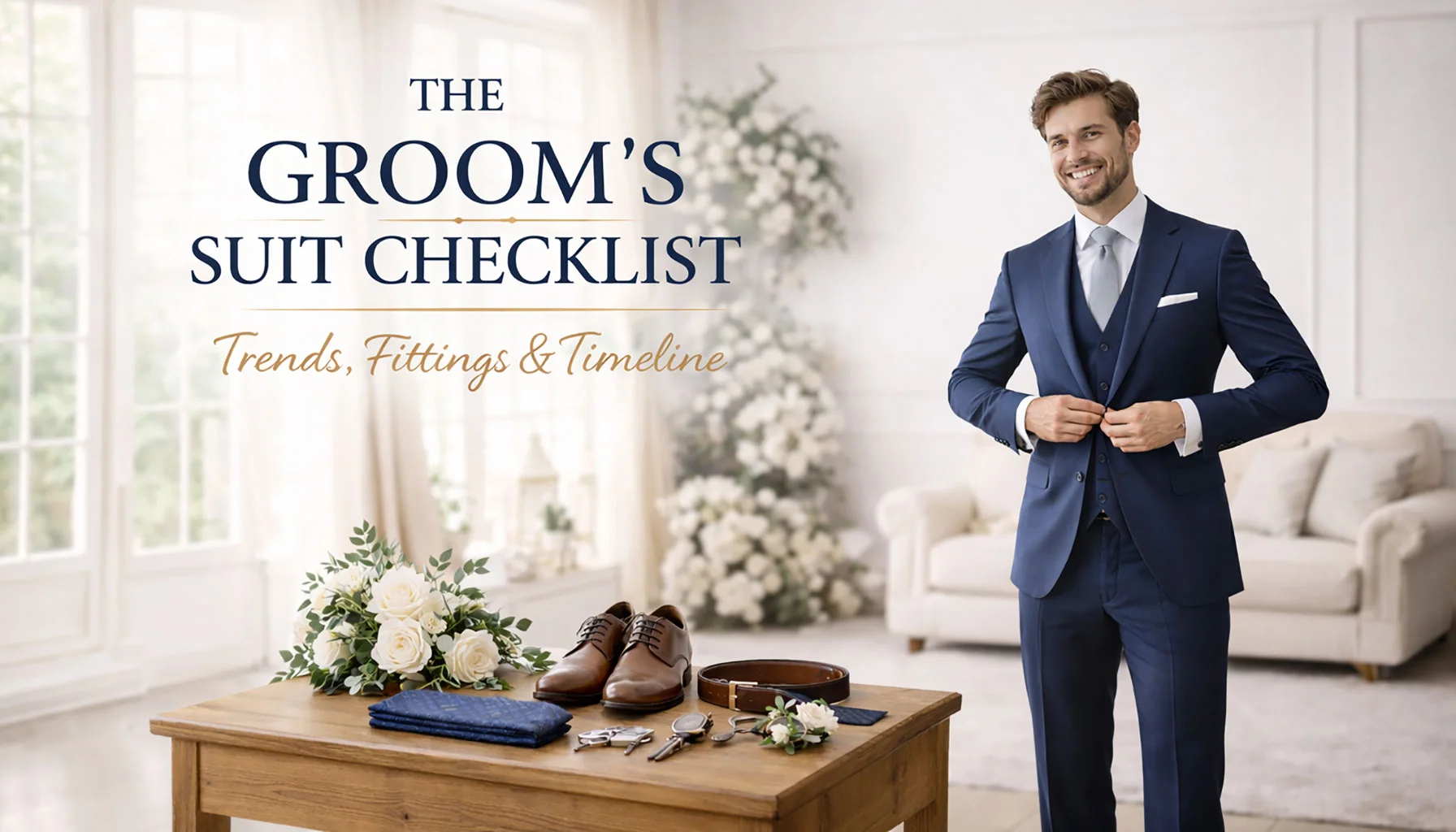
The Groom’s Suit Guide: Planning, Fittings, Trends & Timeline
A wedding suit does not come from a single decision, but from alignment over time. Cut, fabric, and fit develop in relation to occasion, movement, and personality. When these elements settle into place, the suit supports the day quietly and allows the groom to remain fully present.
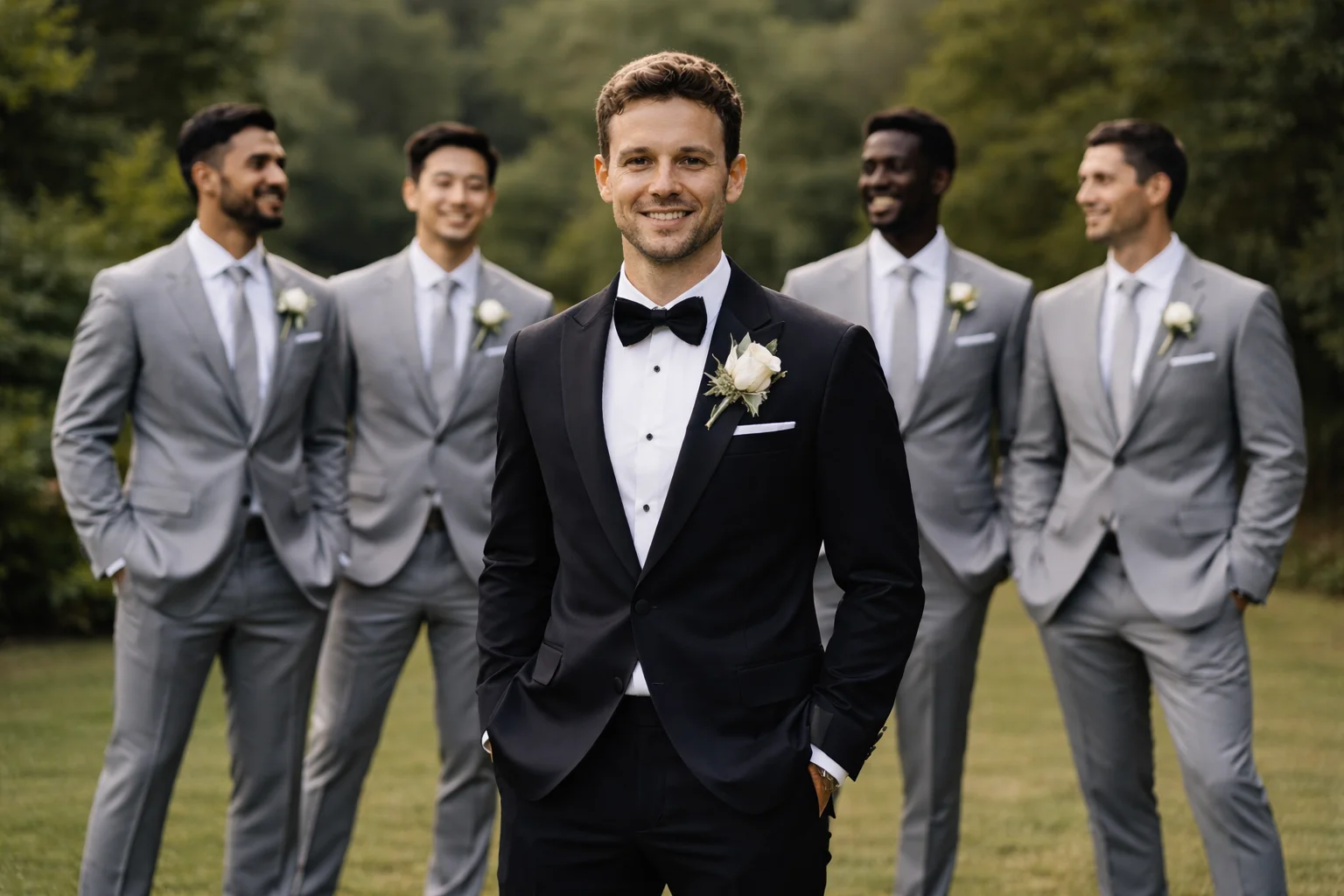
How the Groom Stands Out Among the Groomsmen
When several men stand together at a wedding the clothing often looks almost identical at first. Same color range, similar jackets, same shoes in many cases. The group reads as one block. This is not accidental. Wedding styling usually leans toward visual unity for the wedding party.
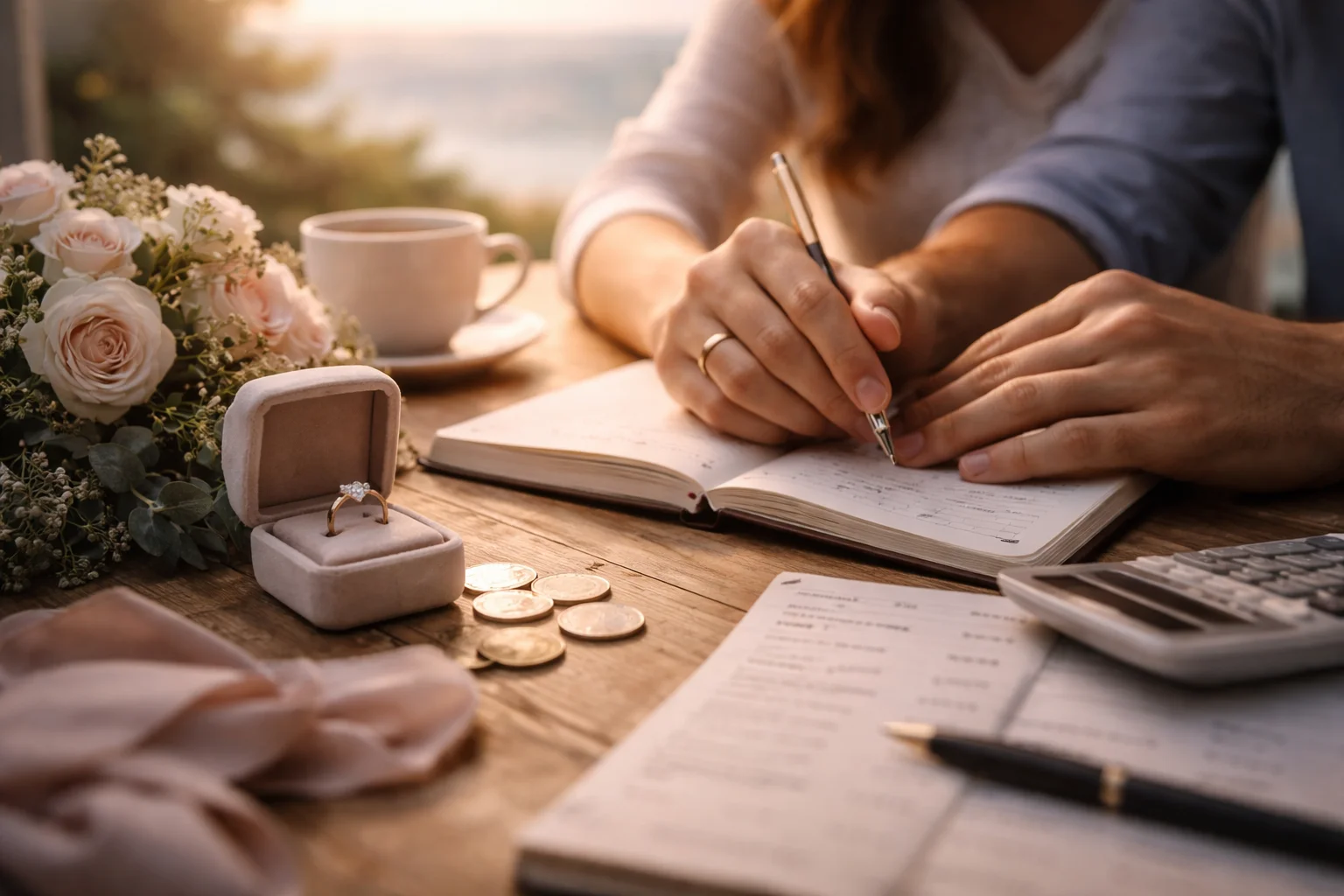
What a Budget Decides, What a Ring Still Means
A wedding budget is built on numbers, but its direction is often set much earlier. The engagement ring carries a meaning that quietly shapes how couples think about value, cost, and what is truly worth keeping as they begin planning.
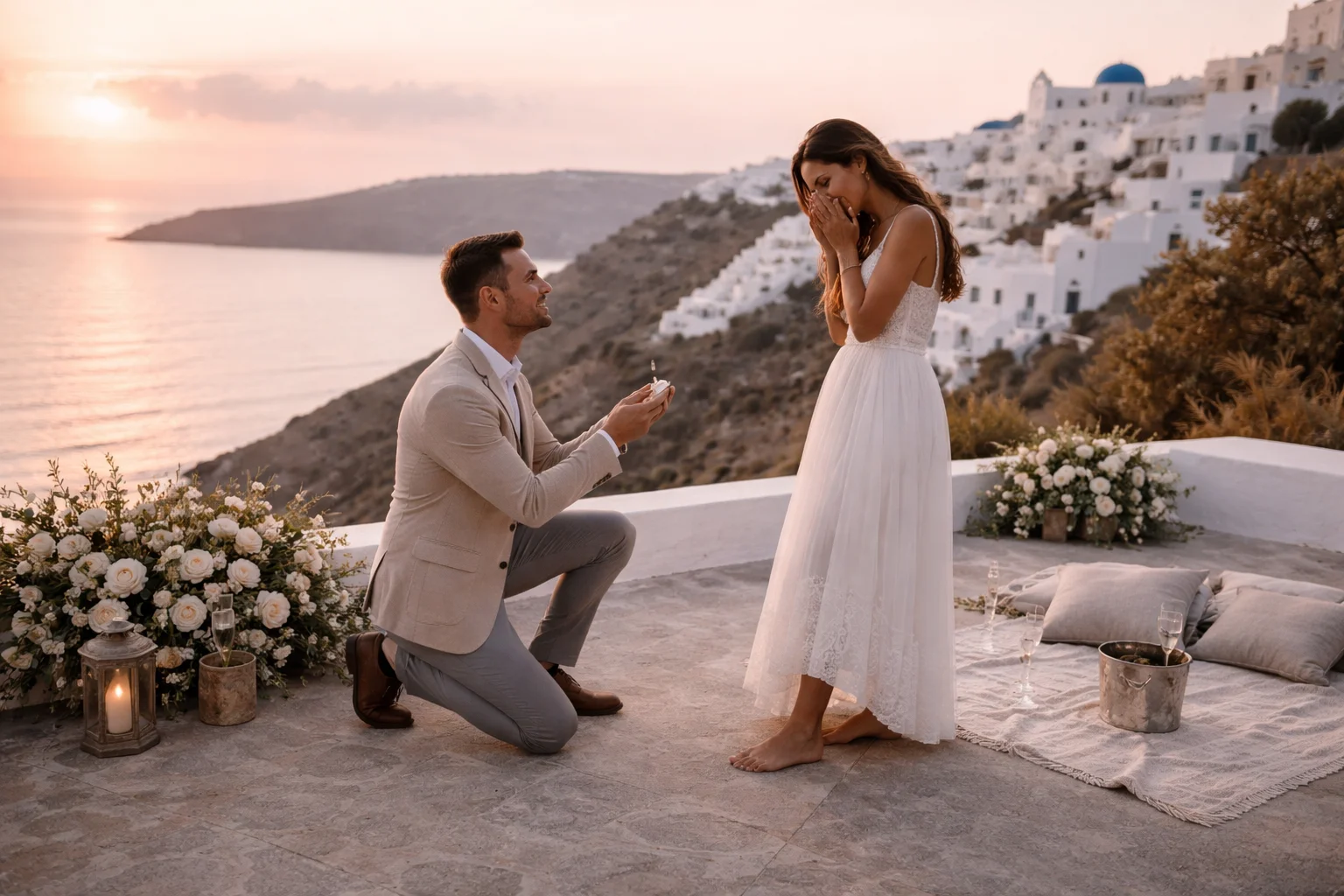
The Bride Look Begins Long Before the Dress
The bride look is often discussed as a final decision. A dress, a hairstyle, a set of details chosen close to the wedding day. It appears as something visual, something assembled. But in practice, it rarely starts there.
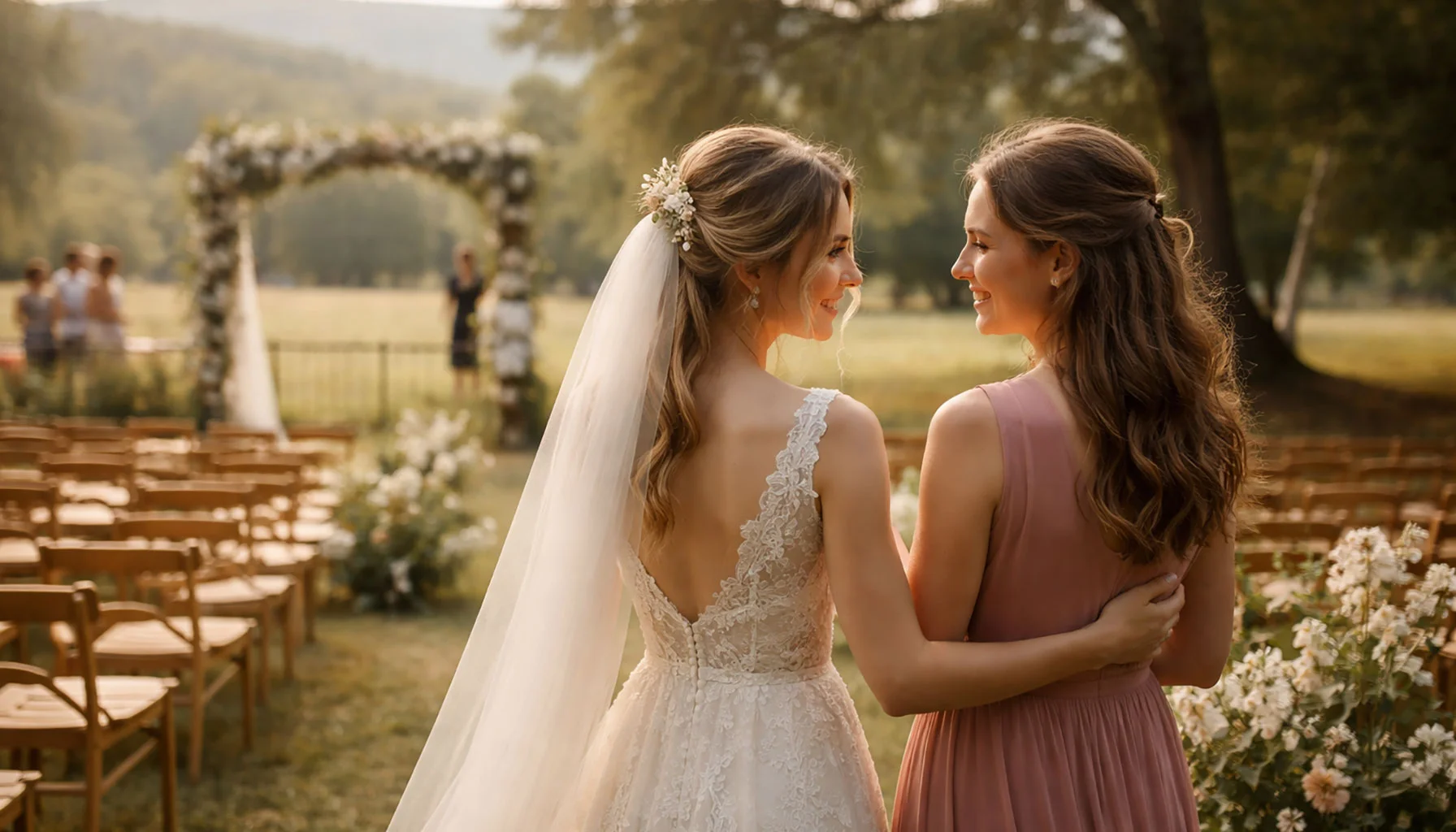
The Maid of Honor at the Wedding
How bridesmaids are chosen, what tasks they perform, and why their presence often remains quiet. A text from observations of weddings, conversations, and moments away from the center.
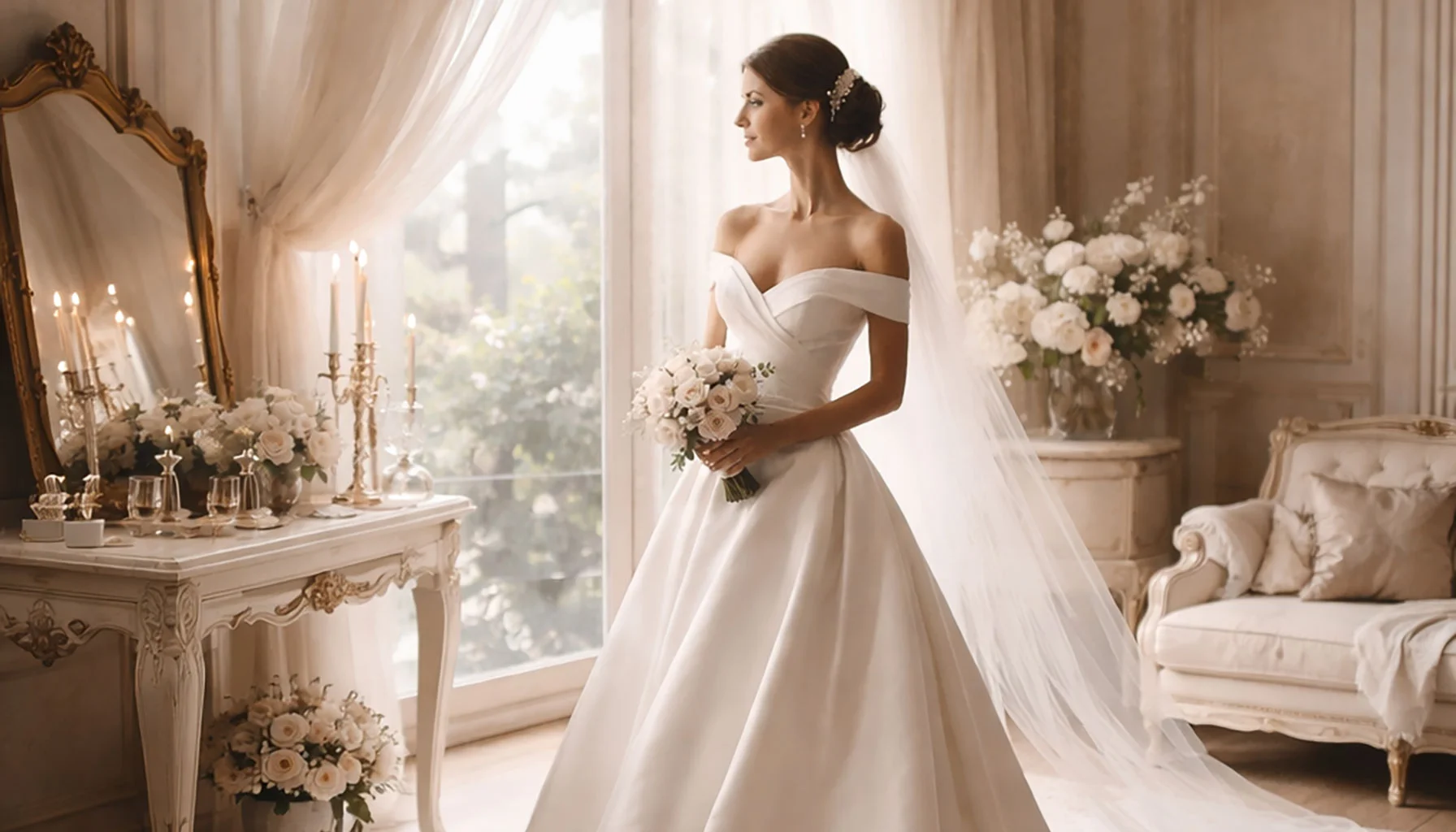
Beyond the Wedding Dress: What Truly Defines the Bridal Look and Experience
The bridal look is shaped long before the wedding day itself. It is created through thoughtful preparation, careful attention to detail, and a sense of inner calm that carries the bride through every moment. When styling, timing, and presence align naturally, beauty feels effortless rather than staged. Hair, makeup, accessories, and posture work together to support the bride rather than overshadow her. Yet what truly defines her appearance is how grounded and supported she feels. A bride who trusts her choices and releases the need for perfection radiates authenticity and quiet confidence. In this balance between outer expression and inner state, the bridal look becomes more than an image. It becomes an atmosphere — one that is felt, remembered, and carried far beyond the day itself.
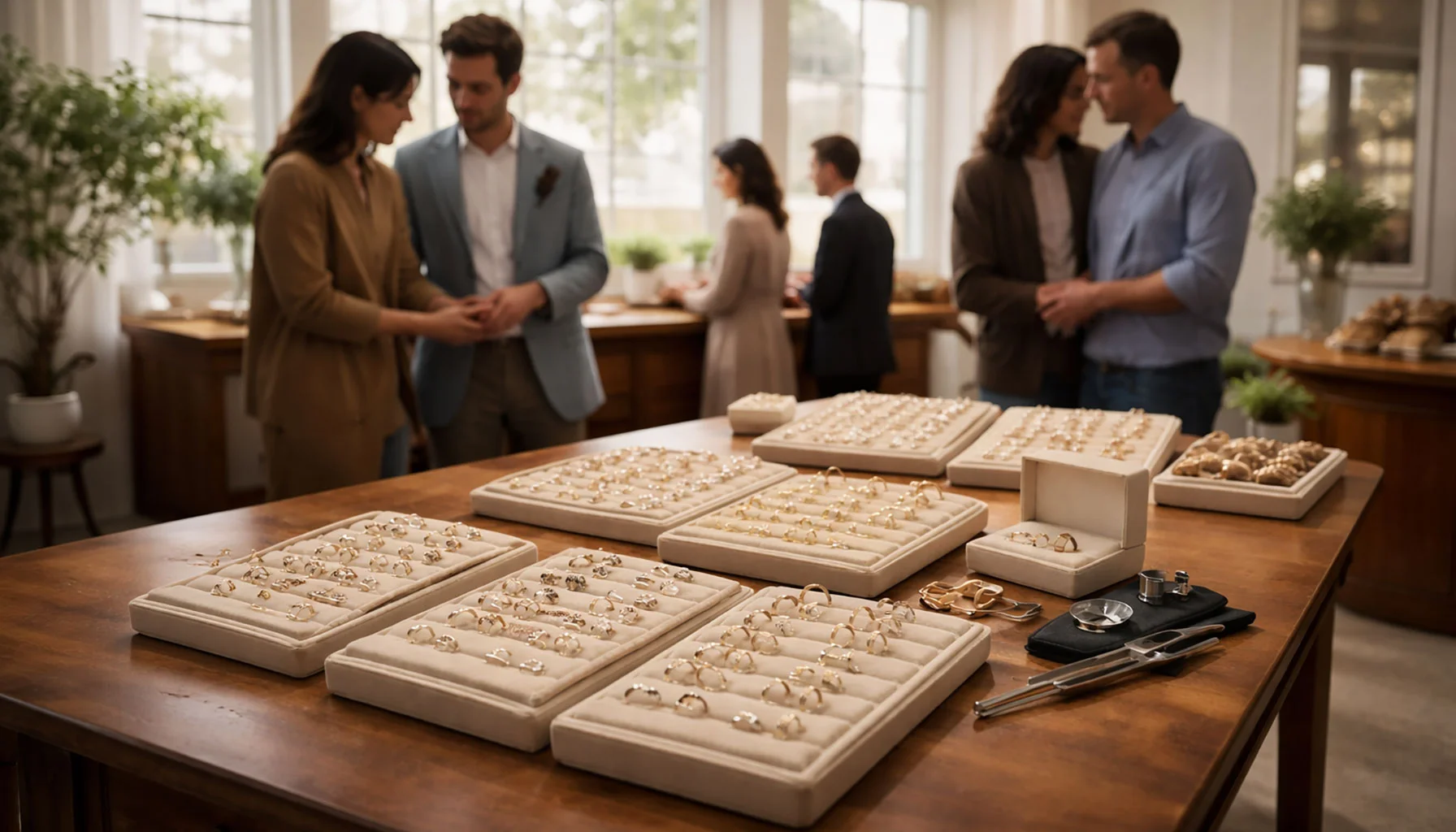
Wedding Rings Between Decision and Everyday Life
Wedding rings are rarely chosen as display objects. They are chosen for repetition, for wear, for the fact that they will remain present long after the ceremony itself has passed. This article looks at wedding rings through width, material, setting, and everyday use, while connecting them to the quieter emotional state of waiting that often surrounds such decisions.
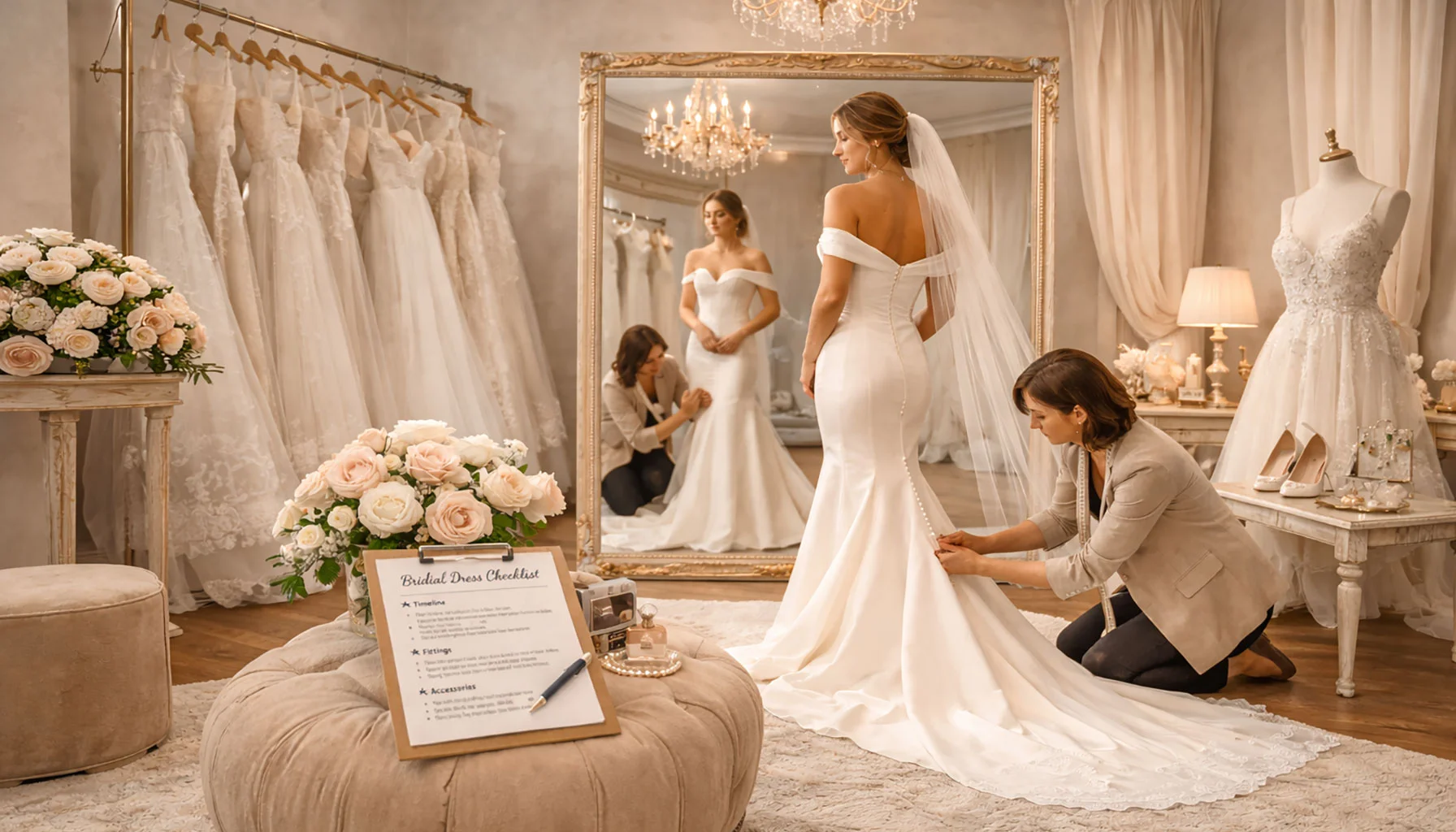
The Bridal Dress in Balance
A bridal dress does not come together in a single moment. Selection, fitting, and preparation build on each other over time. When cut, fabric, and movement align, the dress supports the day quietly and allows the bride to remain present and at ease.
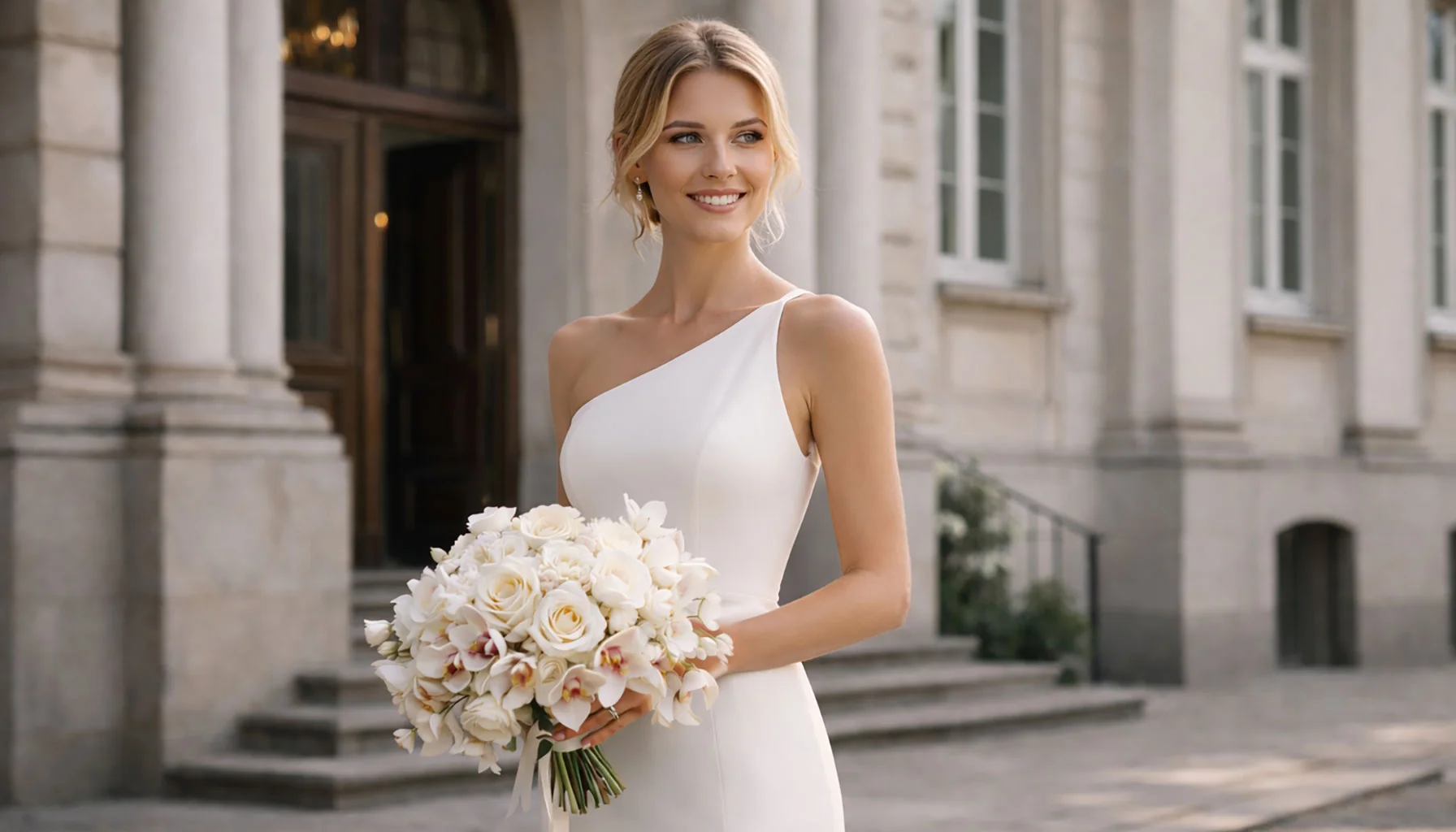
A Love Made Official: A Bridal Look for the Civil Ceremony
Civil ceremonies tend to be focused and quiet. The setting is smaller, the attention sharper. In this context, the bridal look does not perform. It supports. Fabric, cut, and proportion matter more than embellishment. What remains is a look that fits the moment, allows presence, and feels appropriate long after the ceremony ends.