
What Couples Notice Too Late About a Wedding Venue
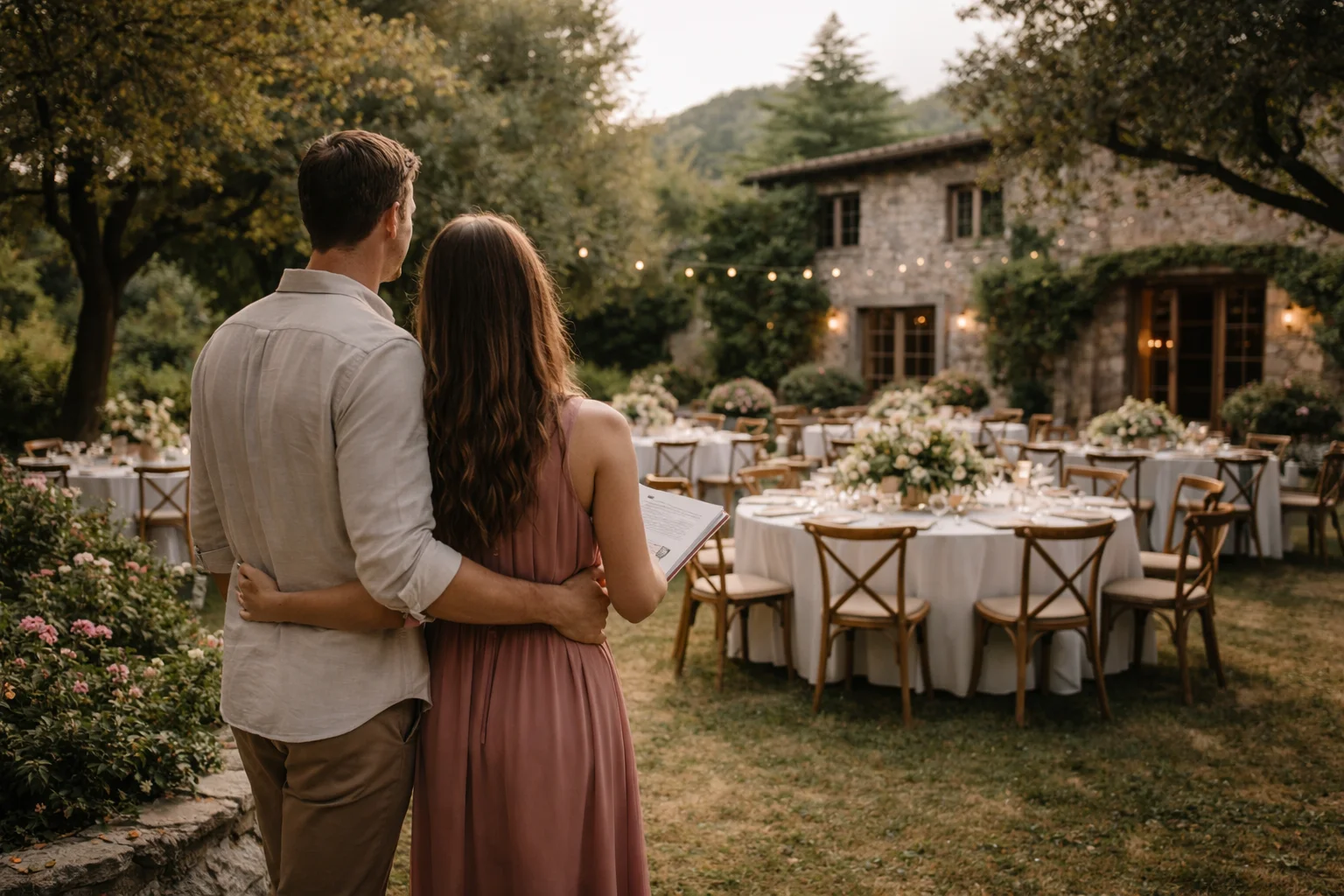
Most couples choose a wedding venue while standing inside an imagined version of the day. They see the view, the architecture, the emotional promise of the place, and they begin filling in the rest. That is not a mistake. It is part of how wedding decisions work. But it also means the venue is often chosen through projection first and function second. The gap between those two usually stays hidden until planning becomes specific.
This is where a venue unexpectedly connects to the moment of asking. A proposal often lives in one concentrated instant, but weddings turn that instant into space, timing, and sequence. The venue is where the emotional idea of the relationship has to hold up in real life. It reveals whether the feeling that began in one private or decisive moment can actually move through arrivals, waiting, transitions, weather, sound, and people. That is why expectation versus reality matters so much here. A place is never only a backdrop. It is a test of the idea placed inside it.
PlacesGood places for weddings are usually simple spaces that allow people to gather comfortably. Gardens, historic houses, restaurants, or open event halls often appear in this context because they handle groups and movement naturally. In the end, the location mostly works as a quiet frame around the celebration, giving the day a place to unfold.
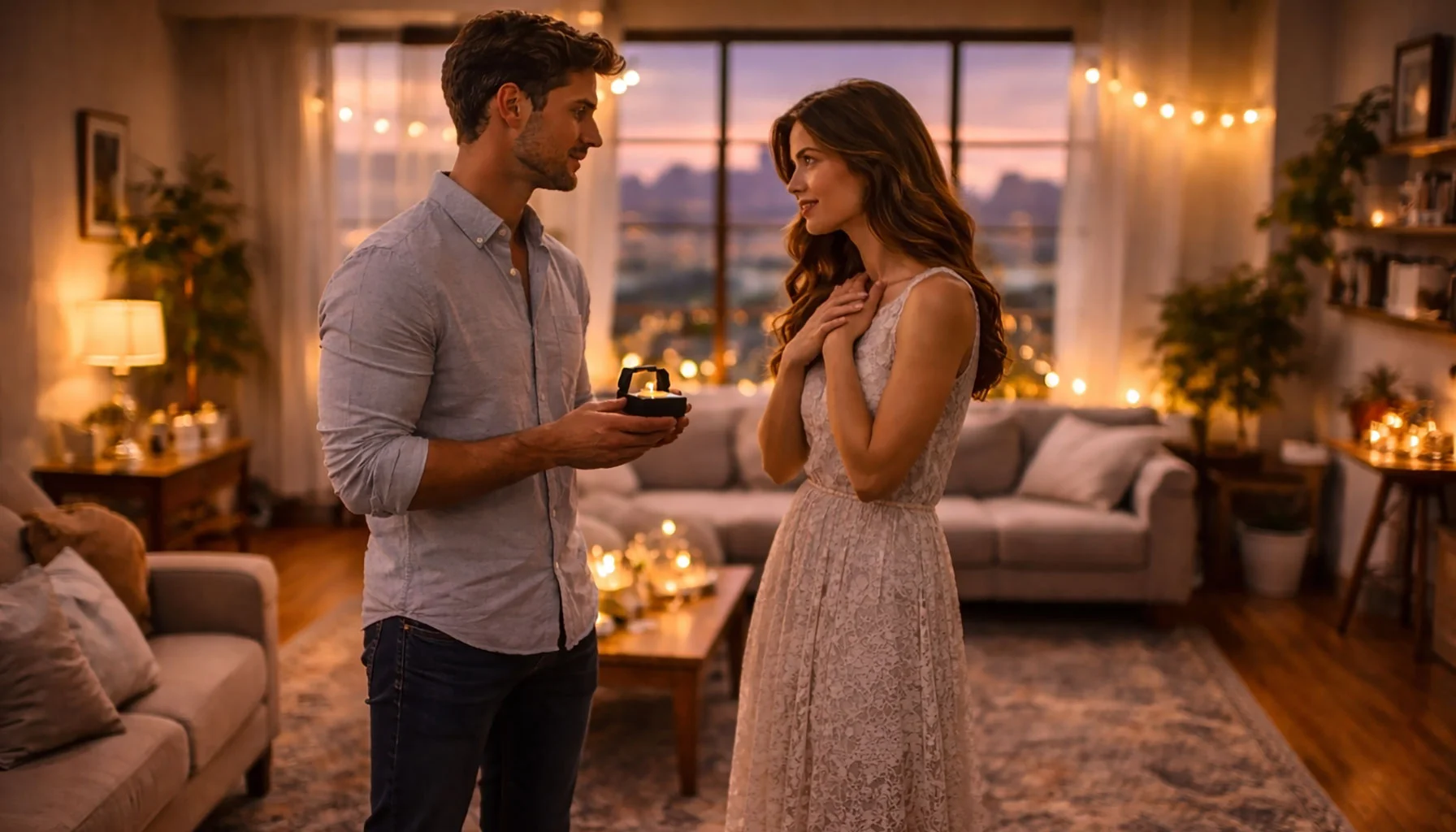
Before the question is spoken, there is a pause. The moment of asking carries fear, hope, and vulnerability at once — a threshold where commitment becomes real.
Definition
A wedding venue is not only a location. It is a system of movement, atmosphere, logistics, and emotional framing. Couples often notice too late that the venue does not simply hold the wedding. It actively shapes how the day feels, flows, and fails or succeeds under pressure.
The Beautiful View Does Not Solve the Flow
One of the most common late realizations is that a stunning place can still move badly. Guests do not experience a venue as a photograph. They experience walking distances, bottlenecks, waiting zones, unclear gathering points, and transitions that either feel natural or awkward. A place may look calm and still create friction all day if movement has not been thought through.
Atmosphere Changes Once the Room Fills
Couples often fall in love with a venue while it is empty, quiet, and under perfect viewing conditions. But weddings are not experienced in empty rooms. Sound rises, furniture compresses space, staff activity becomes visible, and guest behavior changes the scale of everything. A venue that feels poetic in a visit can feel crowded, loud, or strangely flat once it is actually in use.
Weather Exposure Feels Different in Real Time
Outdoor promise is one of the biggest expectation traps in wedding planning. Wind, glare, cold, heat, insects, damp ground, and awkward cover plans rarely feel urgent during a beautiful site visit. They feel urgent when people are dressed formally, waiting, and already emotionally stretched. Couples often notice too late that a venue was chosen for a weather fantasy rather than a usable weather range.
Privacy Is Often Less Real Than It Looks
A venue can look intimate and still feel exposed on the day itself. Nearby hotel guests, public sightlines, parallel events, visible service areas, or ceremony spaces too close to circulation routes can weaken the emotional concentration of key moments. This becomes especially noticeable when couples want the wedding to preserve something of the feeling that existed in the proposal or engagement phase. Intimacy depends less on style than on controlled boundaries.
The Best Question Comes Too Late for Many Couples
The question many couples ask too late is not whether the venue is beautiful, but whether it supports the exact version of the wedding they are actually going to have. How does it behave when guests arrive unevenly, when the schedule slips, when sound carries badly, when older relatives need shorter routes, when weather shifts, or when one emotional moment needs privacy instead of spectacle. The earlier that question is asked, the more realistic the choice becomes.
Conclusion
What couples notice too late about a wedding venue is usually not one flaw. It is the difference between imagined atmosphere and lived reality. The strongest venue choices are not only beautiful in principle. They remain believable once the day becomes physical, social, and slightly unpredictable. That is when a place stops being a projection and starts becoming the real setting of the wedding.
Related Articles
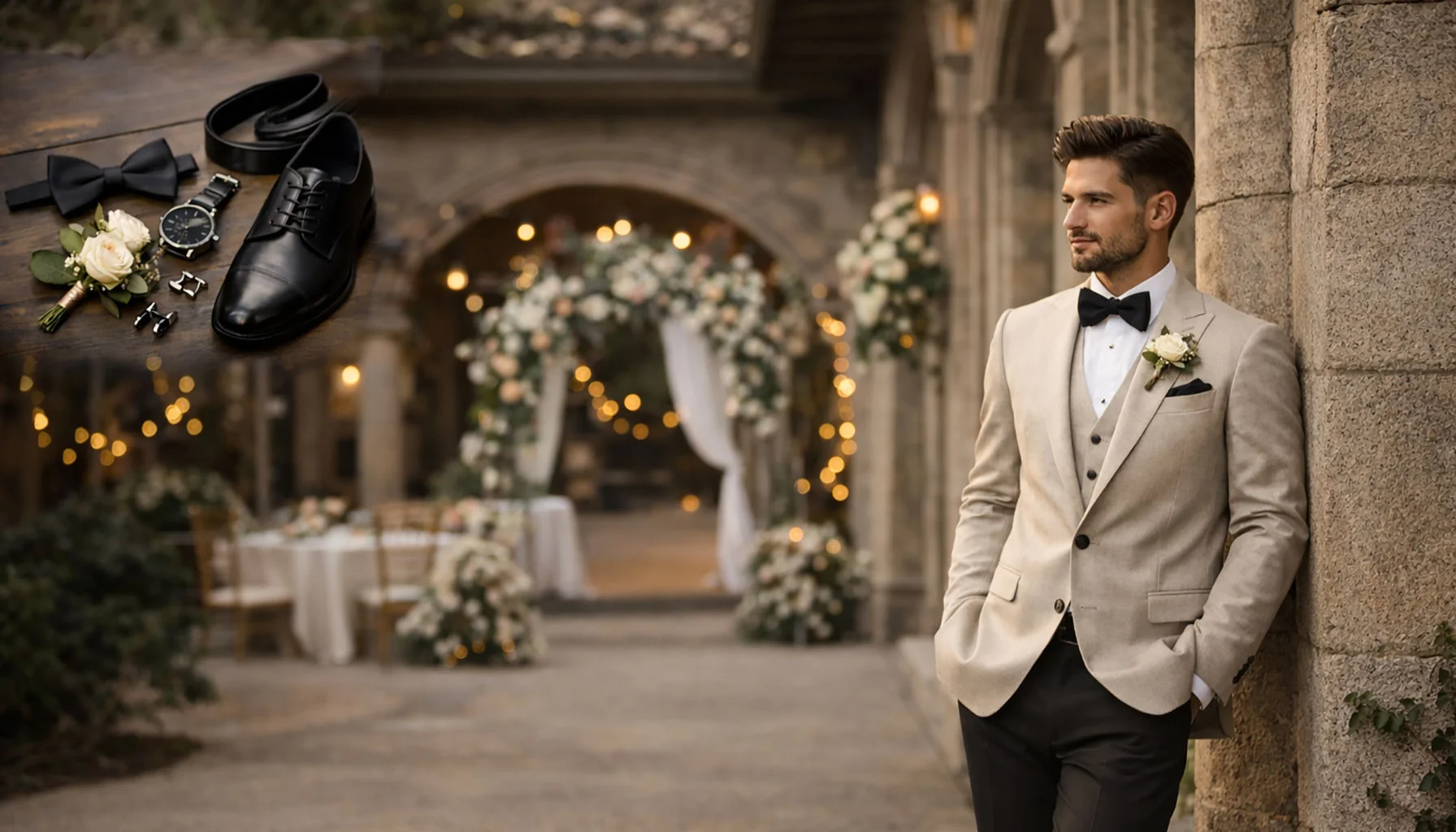
The Art of Groom’s Style – Timeless Elegance, Modern Trends & Personal Expression for an Unforgettable Wedding Day
Groom’s style has become a stable part of modern wedding design. It no longer follows a fixed formula, yet it also avoids constant reinvention. This article looks at groom style as a form of visual presence shaped by fit, material, context, and the ritual structure of the wedding day.
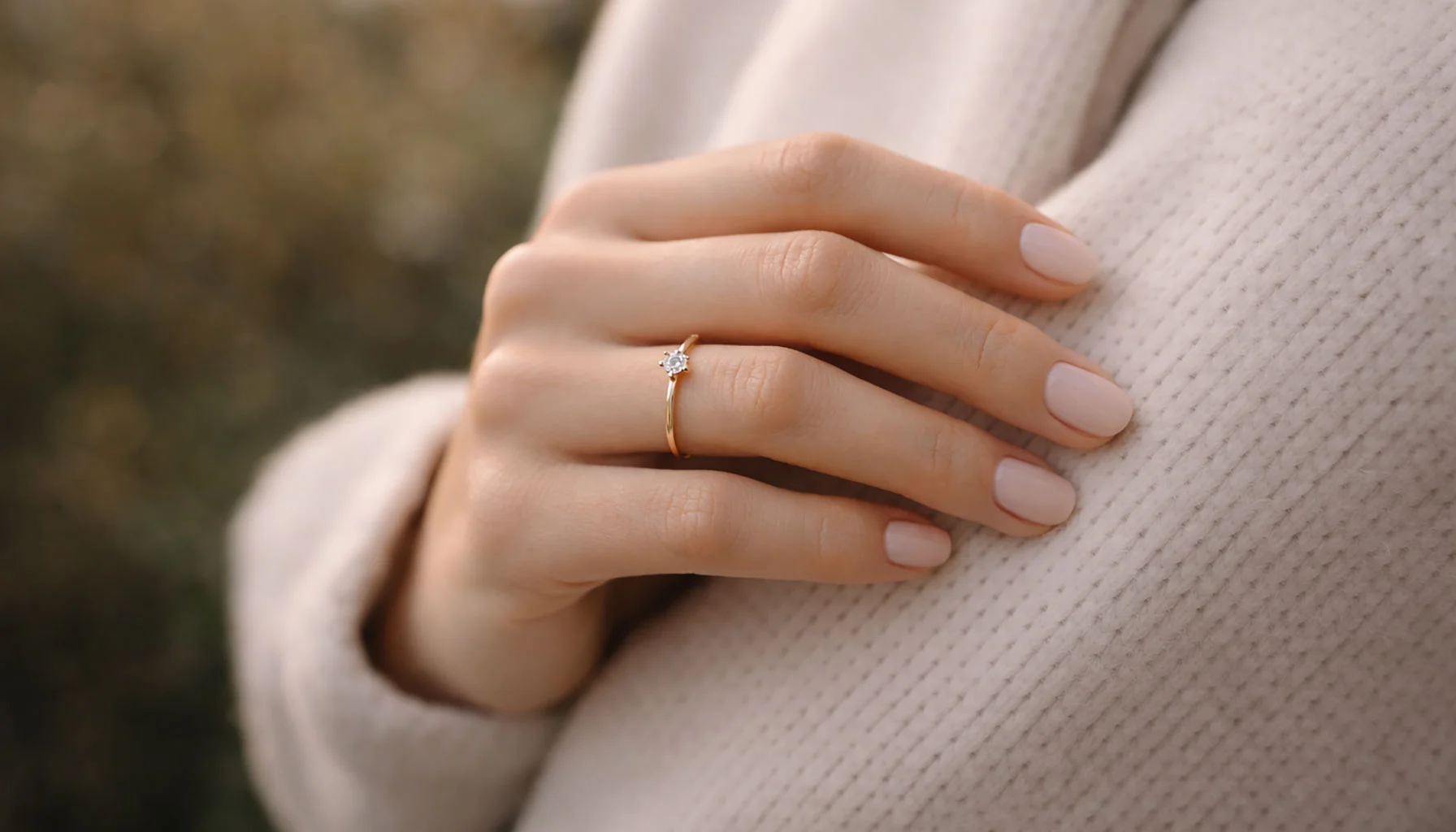
The engagement ring as a sign of a decision
The engagement ring stands on the edge of a big moment and remains present for a long time afterwards. It is part of everyday life, not just a memory of a proposal. This text describes what makes an engagement ring, how it is selected, and why decisions regarding shape, material, ring size, and wearing style mostly arise from observation. It is about common variants, the handling of diamonds and alternatives, as well as developments that have quietly established themselves. In the foreground are experiences, voices from practice, and the question of how a ring fits a person without defining them.
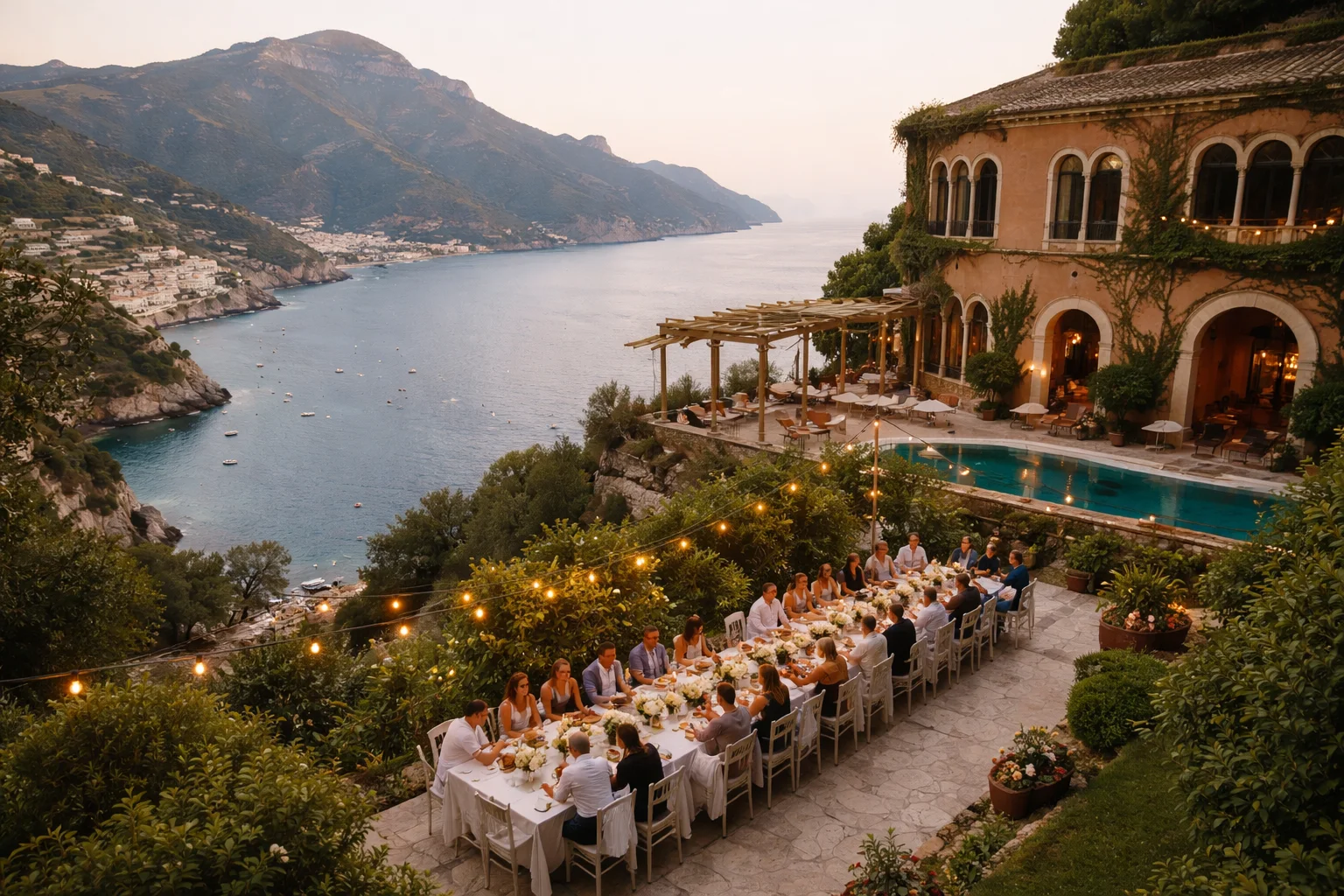
Exclusive Wedding Locations Abroad: Quiet Observations on Distant Celebration Spaces
Exclusive wedding locations abroad are often chosen for beauty, privacy, or distance from everyday life. But what they actually change is subtler than that. They alter arrival, pacing, social concentration, and the strange pause that appears when a celebration happens far from home.
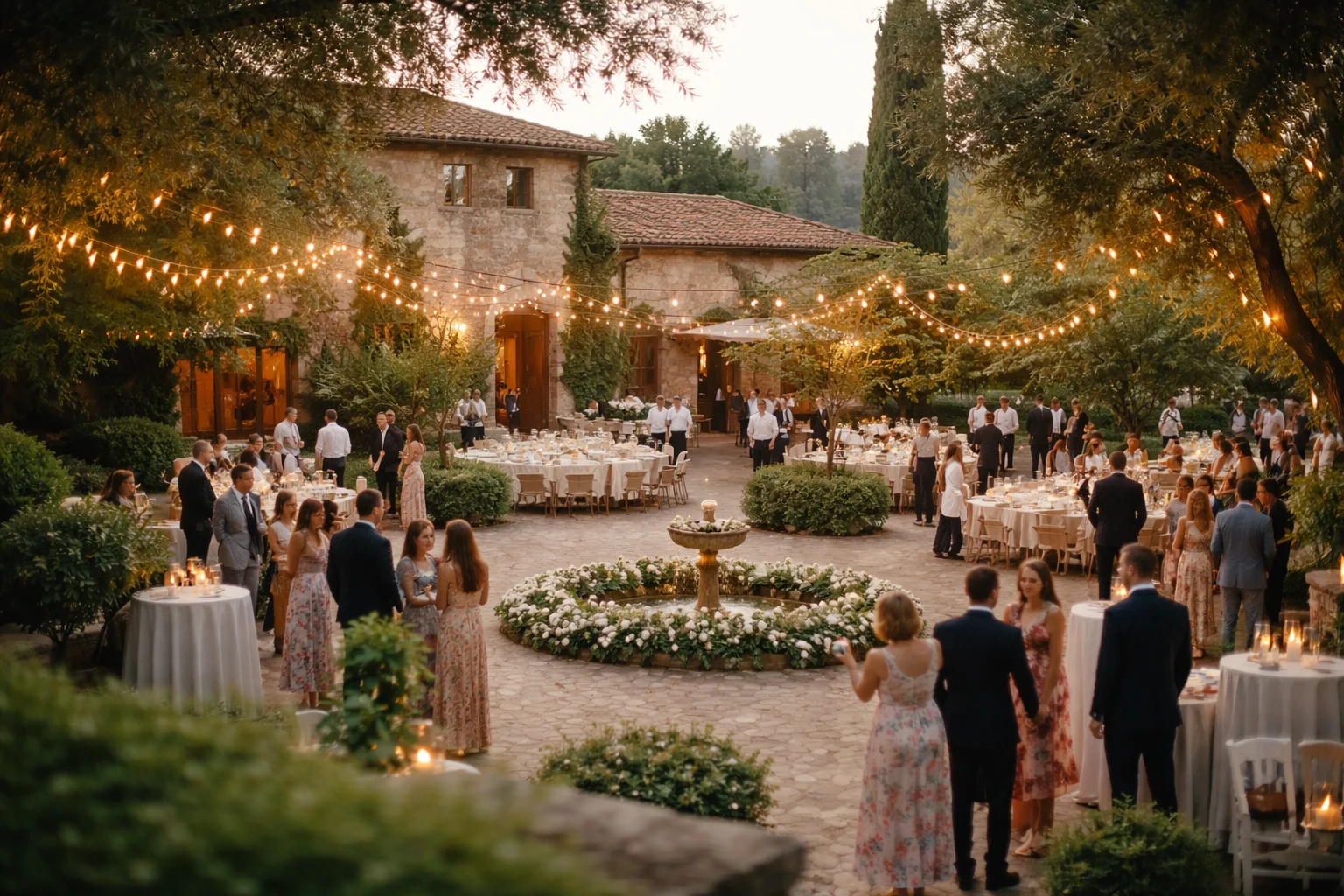
Location vs Expectation: How Wedding Spaces Actually Feel on the Day
A location is usually known before the day. Seen in photos, maybe visited once, talked through. It already exists in a certain way. Then the wedding happens inside it. People arrive, move, wait. The space stays the same, but it starts to read differently.

Bachelor Party – A Day Between Everyday Life and Wedding
A bachelor party is not a loud statement, but a quiet transition. People come together who have accompanied them on their journey so far. For a limited period, nothing is on the agenda except shared time. Planning provides stability, openness creates space. Whether for men or women: What's crucial is that the occasion suits the person. Then something unique emerges. Understated. Enduring.
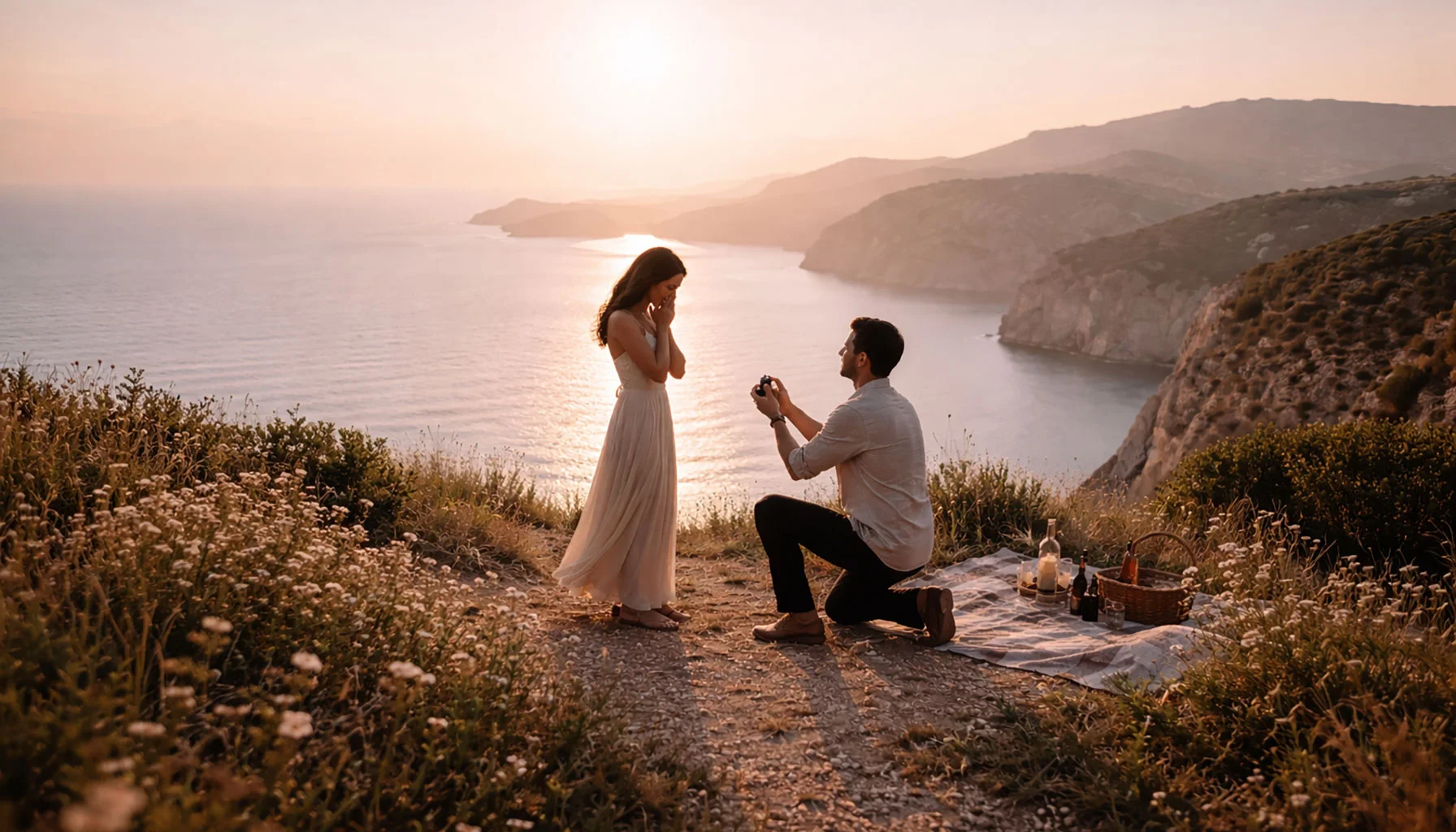
The Marriage Proposal: A Moment between Decision and Trust
A marriage proposal is rarely only a surprise. More often, it gathers what has already grown in conversations, decisions, and quiet alignment. This article looks at the proposal as a visible threshold between decision and trust, while keeping close to lived experience, ring choice, gesture, timing, and the open reality of what may follow.

Conversations Before Marriage – Life Questions That Clarify the Relationship
A marriage is not just about feelings, but also expectations, imprints, and ideas about everyday life. This text compiles central life questions that couples should clarify with each other before saying 'I do': regarding money, family, children, conflicts, division of tasks, and personal values. Grown from observations, objectively considered, and close to lived everyday life. Conversations that make differences visible – and thereby strengthen connection.
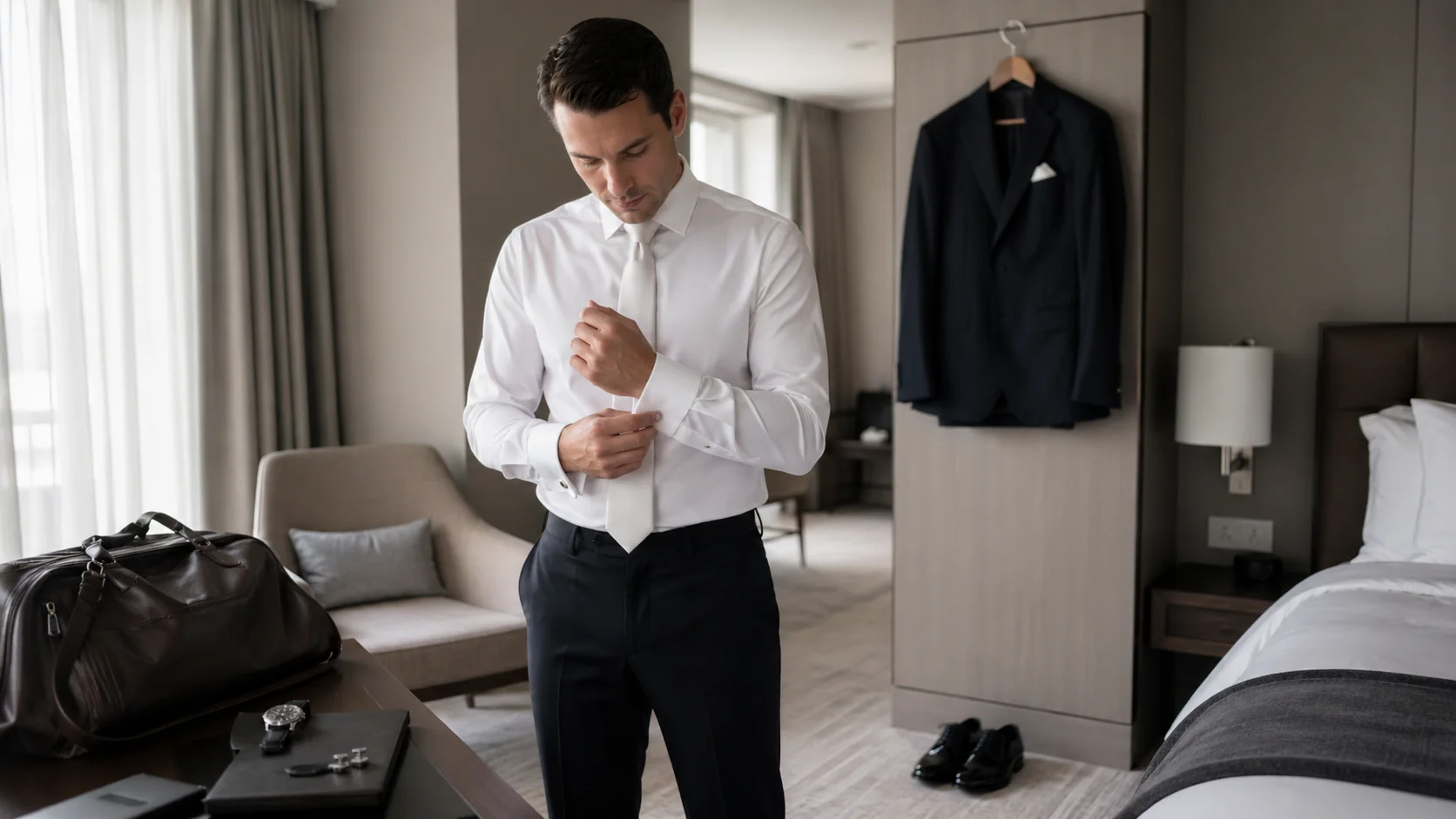
Groom’s Morning Checklist: What Keeps the First Hours Clear and Unforced
The groom’s morning often looks simple from the outside, but it depends on small decisions made early. This article looks at clothing, food, rings, timing, communication, photography, transport, and the quiet rituals that keep the first hours clear without making them feel staged.

The Groom’s Suit Guide: Planning, Fittings, Trends & Timeline
A wedding suit does not come from a single decision, but from alignment over time. Cut, fabric, and fit develop in relation to occasion, movement, and personality. When these elements settle into place, the suit supports the day quietly and allows the groom to remain fully present.
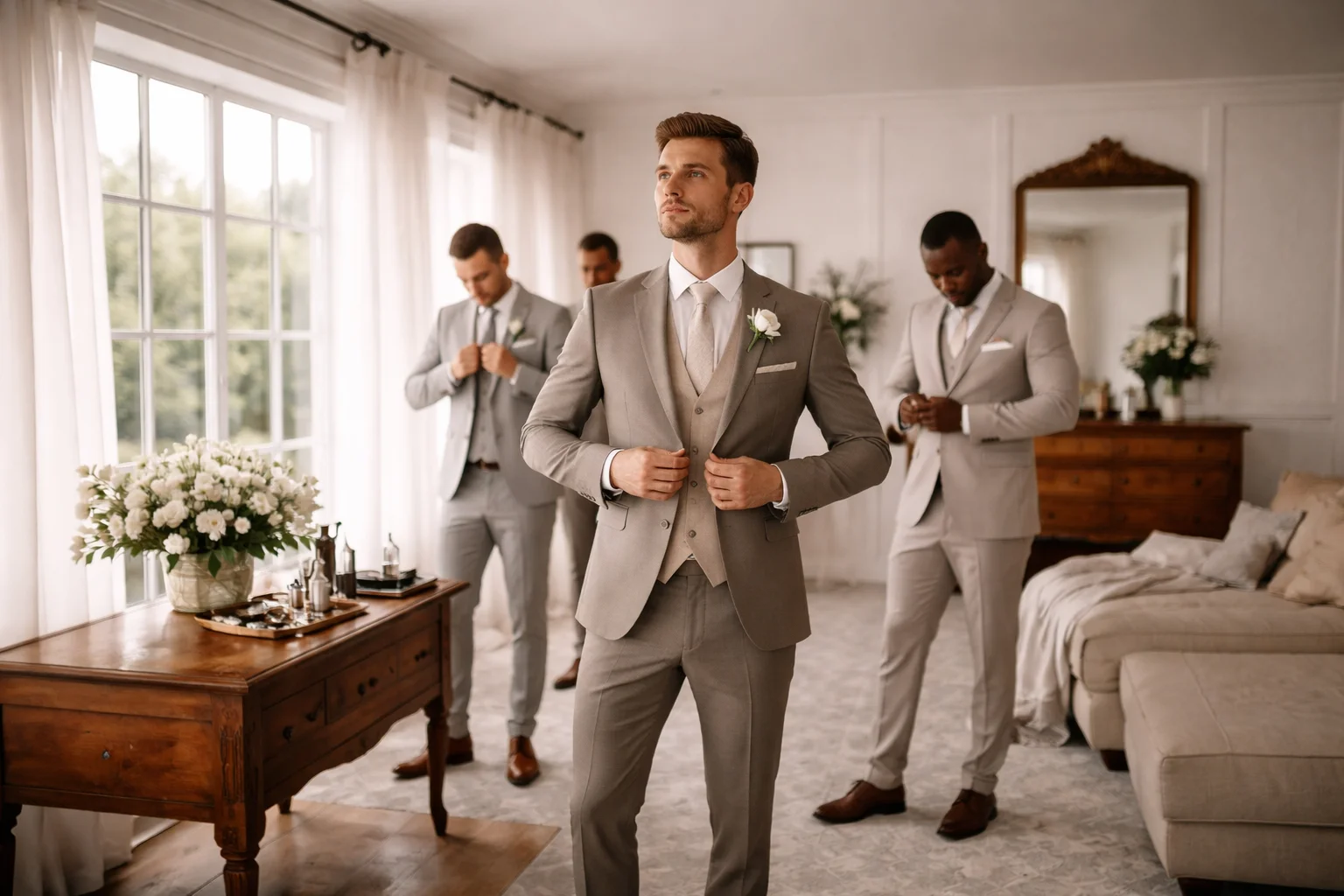
How the Groom Look Becomes Part of the Ceremony
The groom look is often treated as a matter of style. Suit, fabric, fit, color. Decisions that seem practical, sometimes secondary. Yet on the day itself, what the groom wears becomes part of something more structured, more intentional.
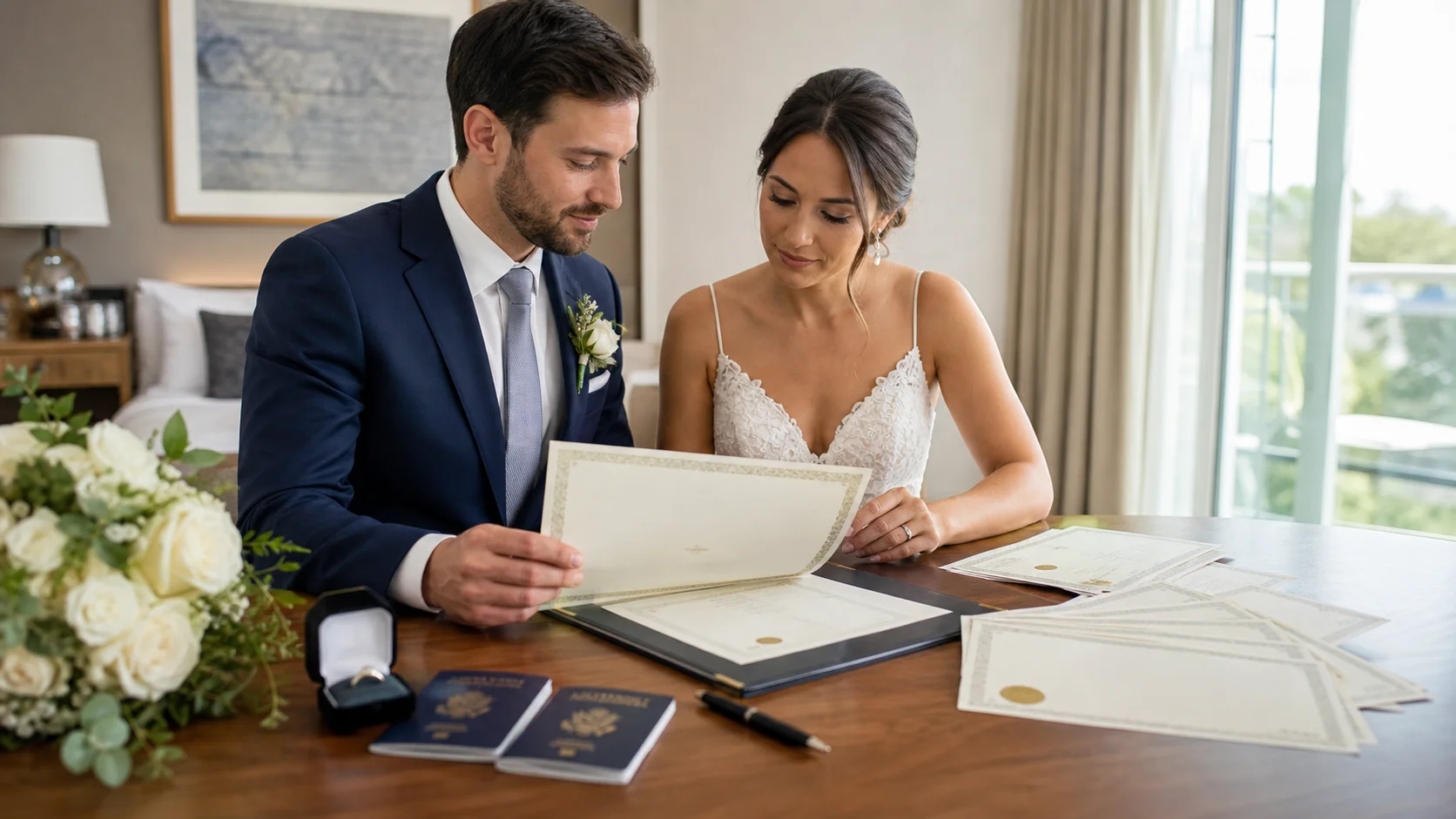
Marriage Certificate Checklist: Why One Document Keeps Returning After the Wedding
A marriage certificate often feels like the final paper of the wedding, but it keeps returning in ordinary life. This article looks at certified copies, scans, translations, apostilles, name changes, travel, banking, insurance, and the quiet imprint one document leaves after the celebration.
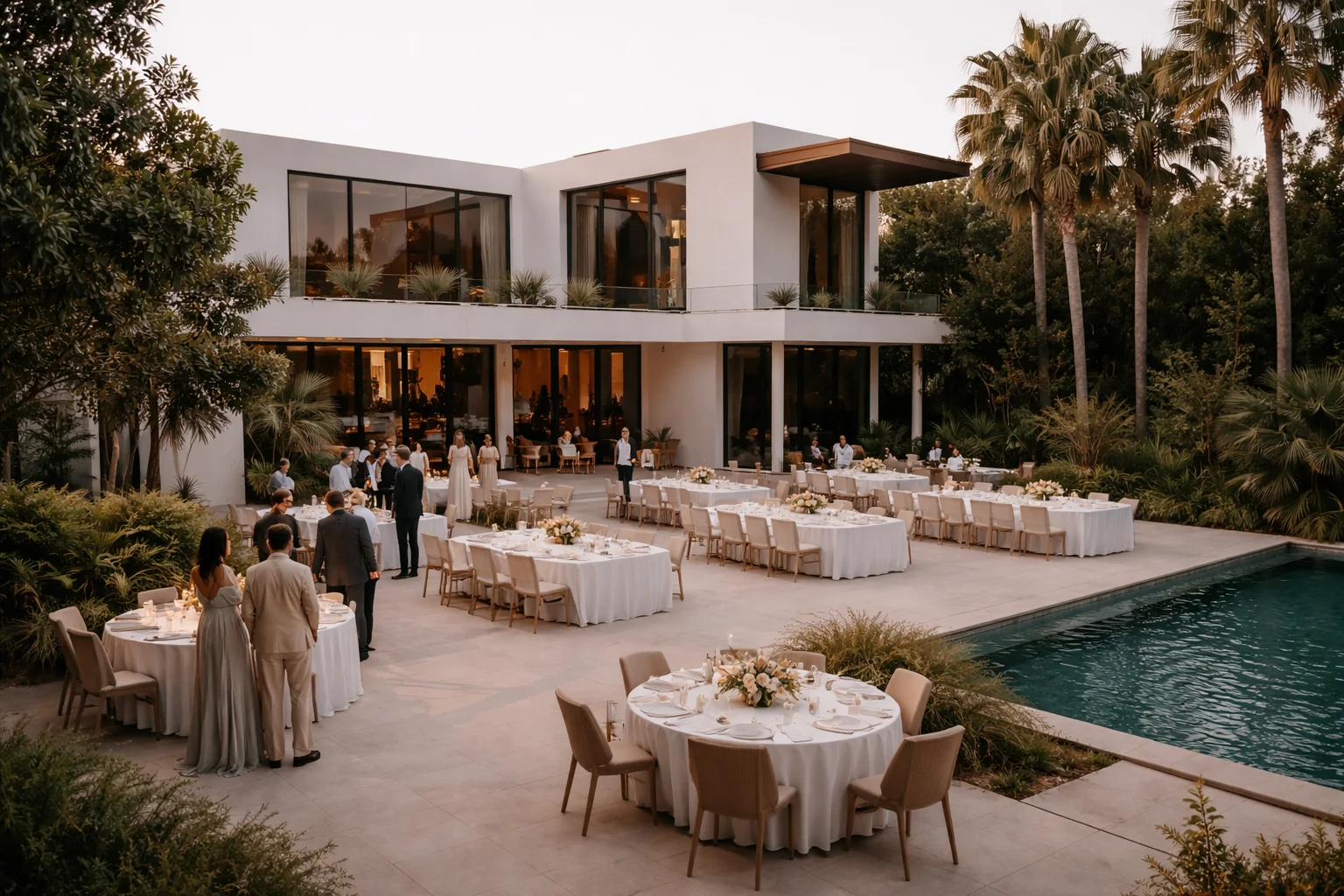
Venues & Concepts in Weddings
Wedding venues and wedding concepts are often treated as separate decisions. In practice, they rarely stay separate for long. The place changes the idea, the idea changes the place, and somewhere between the two an atmosphere begins to form that guests later remember more clearly than the plan itself.