
Exclusive Wedding Locations Abroad: Quiet Observations on Distant Celebration Spaces
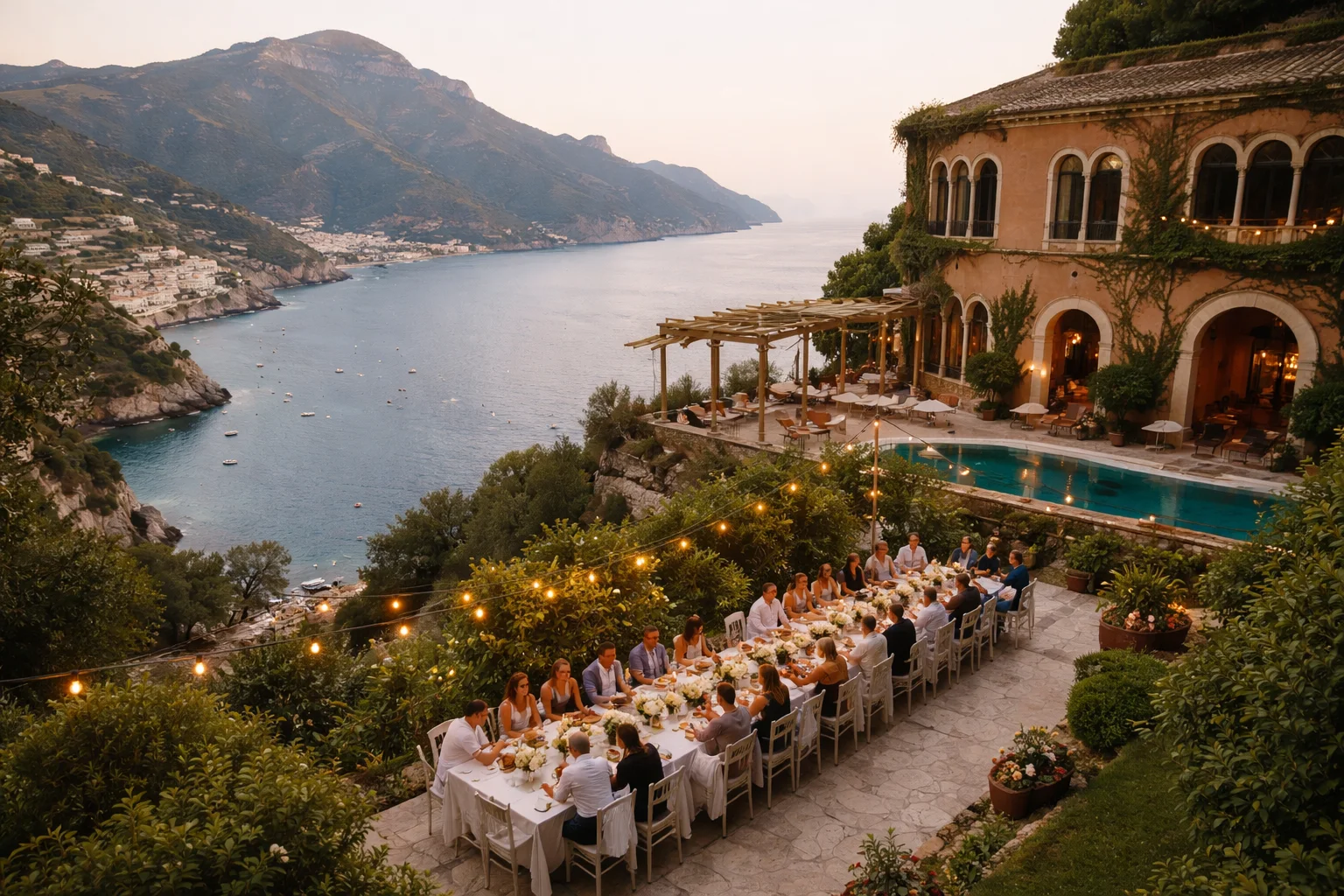
Across different countries, certain wedding locations appear again and again in the imagination. Private estates above the sea, restored villas in old towns, desert camps, retreat houses in the mountains, island properties reached only by boat. They are often described as exclusive, but the word can be misleading. In practice, these places are not always defined by luxury. More often, they are defined by removal. They place the wedding at a distance from ordinary routines and make the celebration behave differently because of it.
This is why the subject belongs naturally to both places and the pause. It describes good wedding locations as quiet frames that allow the day to unfold, while the pause is the brief, dense moment between intention and action. Distant celebration spaces often produce a version of that pause on a larger scale. Guests leave familiar surroundings, travel, arrive, slow down, and for a while the wedding seems to hover slightly outside normal time before it begins to move again.
PlacesGood places for weddings are usually simple spaces that allow people to gather comfortably. Gardens, historic houses, restaurants, or open event halls often appear in this context because they handle groups and movement naturally. In the end, the location mostly works as a quiet frame around the celebration, giving the day a place to unfold.
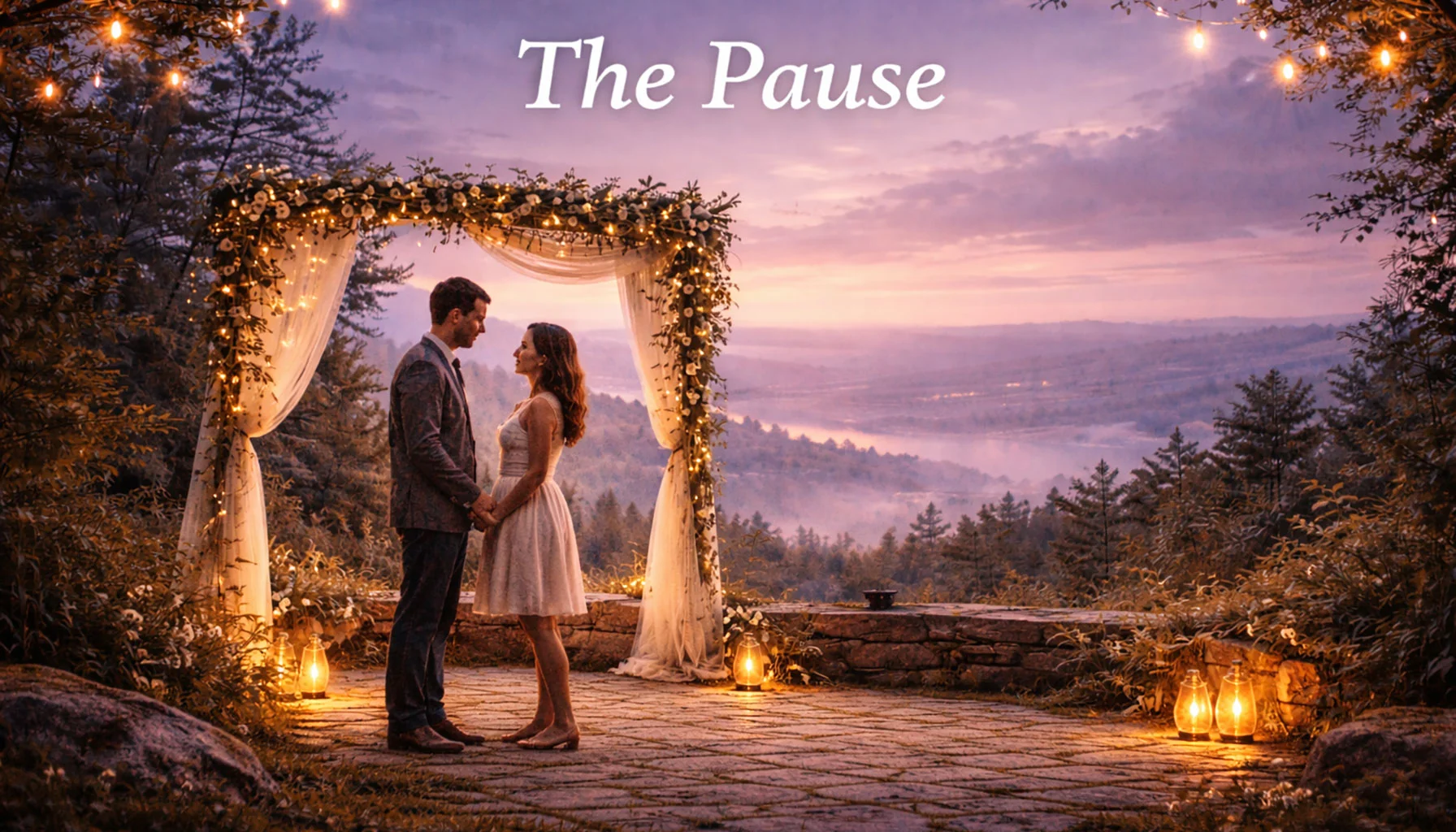
A pause is a moment suspended between intention and action. It is where choice becomes visible.
Definition
An exclusive wedding location abroad is usually a privately used place outside the couple's home country where the wedding group gathers with limited contact to the surrounding public world. It may be a villa, estate, camp, lodge, or coastal property. What makes it distinctive is less prestige alone than the way distance, privacy, and shared presence reshape the event.
Distance Changes the Emotional Temperature
A wedding far from home rarely feels exactly like a local celebration in a more beautiful setting. Travel changes how people enter the day. They arrive slightly displaced, often tired, often more attentive, and a little less governed by routine. That distance can create calm, but it can also intensify expectation. The place begins working before the wedding itself starts because guests are already adjusting to being elsewhere together.
Private Places Concentrate Social Life
Exclusive properties often gather the same people into repeated proximity over several days. Breakfast, poolside conversation, setup glimpses, dinner, late-night returns, the next morning's coffee. This concentration changes the social texture of the wedding. Guests do not only attend the event. They begin inhabiting a temporary world around it. That is one reason these places can feel intimate even when the guest list is not especially small.
Irregular Spaces Often Produce Better Rhythm
Historic villas, mountain lodges, island houses, and remote camps were rarely built as perfect event machines. Corridors narrow unexpectedly, terraces open outward, paths repeat, wind changes sound, and rooms do not always behave conveniently. Yet this irregularity is often part of their strength. It makes movement feel discovered rather than managed and gives the celebration a rhythm that is shaped by the place instead of imposed on it.
A Distant Place Often Creates a Pause Before the Wedding Proper
One of the quietest effects of an exclusive destination location is the sense of suspension it can create. People arrive a day early, walk the grounds, look at the sea, climb a stone stair, wait for others, speak more softly than expected, and for a while the wedding seems not yet fully underway. This interval matters. It resembles the pause Loving Rocks describes: dense, transitional, still open, a threshold in which choice and atmosphere are both gathering weight.
The Place Works Best When It Does Not Need to Prove Itself
The most convincing distant wedding locations are not the ones that keep insisting on their exclusivity. They are the ones that hold people naturally. A terrace that lets conversation widen. A courtyard that makes arrivals legible. A garden path that slows movement. A shoreline that contains the evening. The place matters not because it looks expensive from afar, but because it quietly changes how the celebration is lived from within.
Conclusion
Exclusive wedding locations abroad are often less dramatic than the term suggests. In most cases they are private places where a group stays together long enough for atmosphere to deepen. Their real effect lies in distance, concentration, and the pause they create between ordinary life and shared celebration. That is why such locations stay in memory. Not only because they were beautiful, but because they briefly changed the way time moved around the wedding.
Related Articles
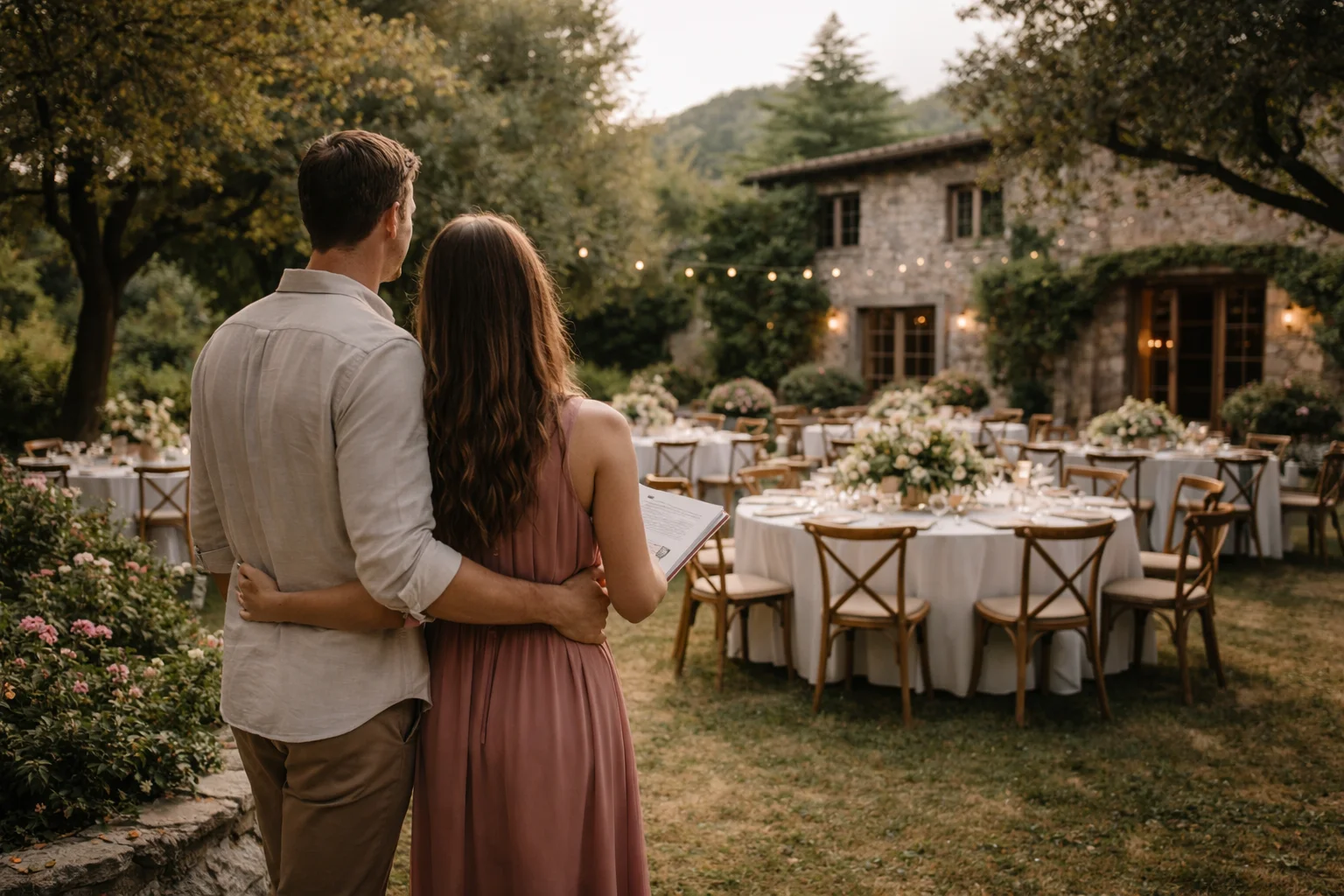
What Couples Notice Too Late About a Wedding Venue
Wedding venues are often chosen in a moment of projection. Couples imagine light, atmosphere, and feeling long before they understand flow, pressure points, and what the place is actually asking of the day. This article looks at what couples often notice too late about a venue, and why expectation and reality begin separating earlier than most people think.
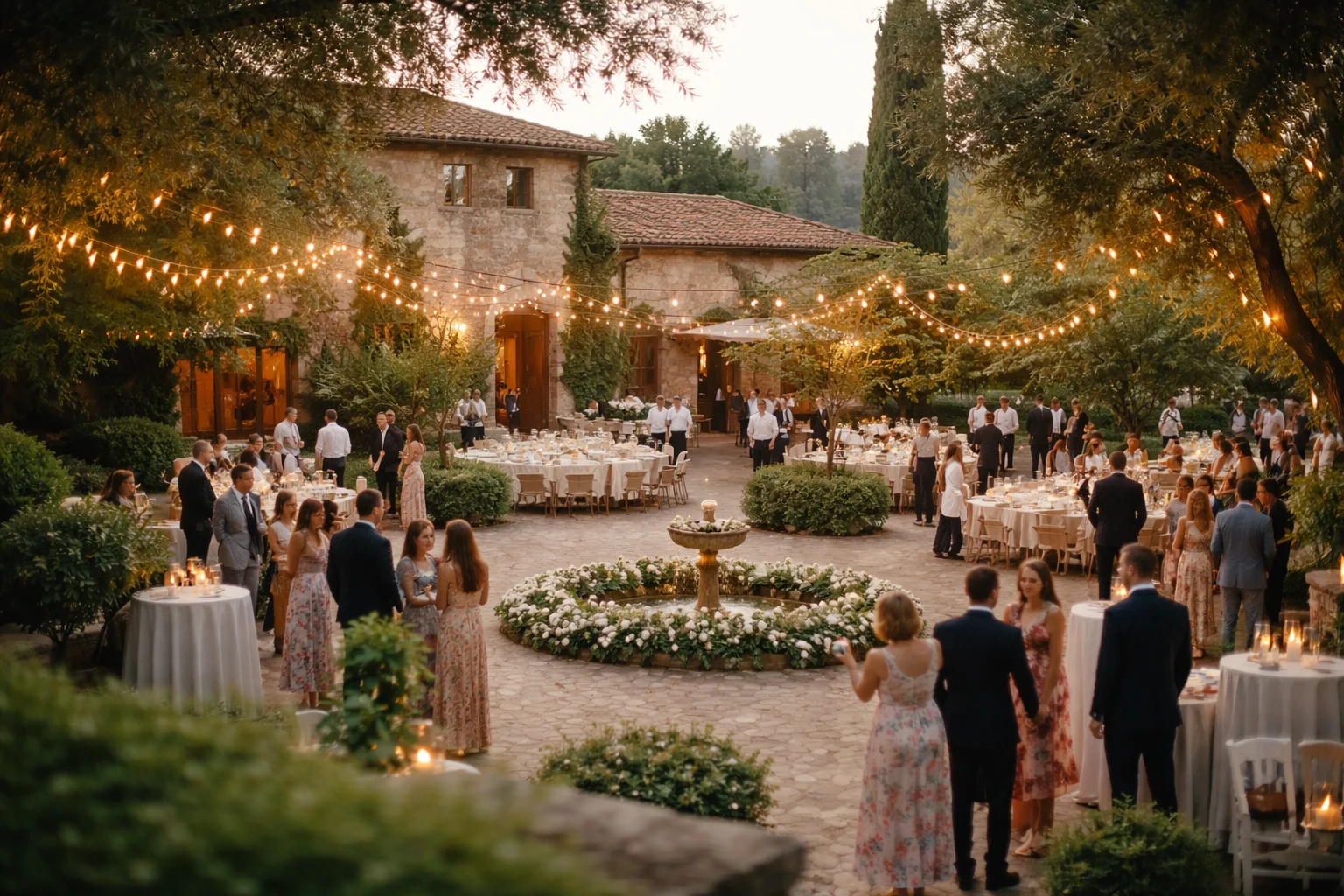
Location vs Expectation: How Wedding Spaces Actually Feel on the Day
A location is usually known before the day. Seen in photos, maybe visited once, talked through. It already exists in a certain way. Then the wedding happens inside it. People arrive, move, wait. The space stays the same, but it starts to read differently.
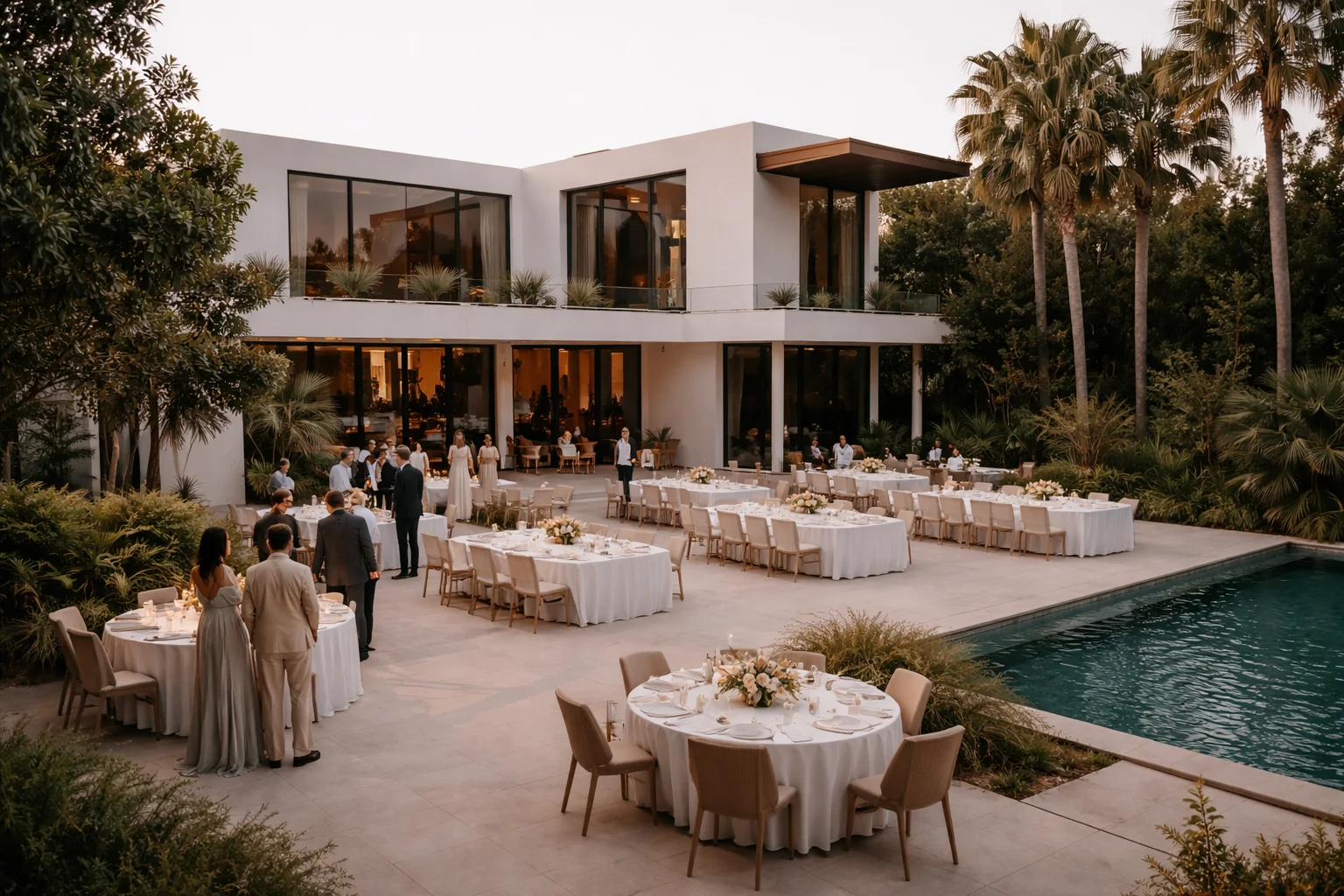
Venues & Concepts in Weddings
Wedding venues and wedding concepts are often treated as separate decisions. In practice, they rarely stay separate for long. The place changes the idea, the idea changes the place, and somewhere between the two an atmosphere begins to form that guests later remember more clearly than the plan itself.
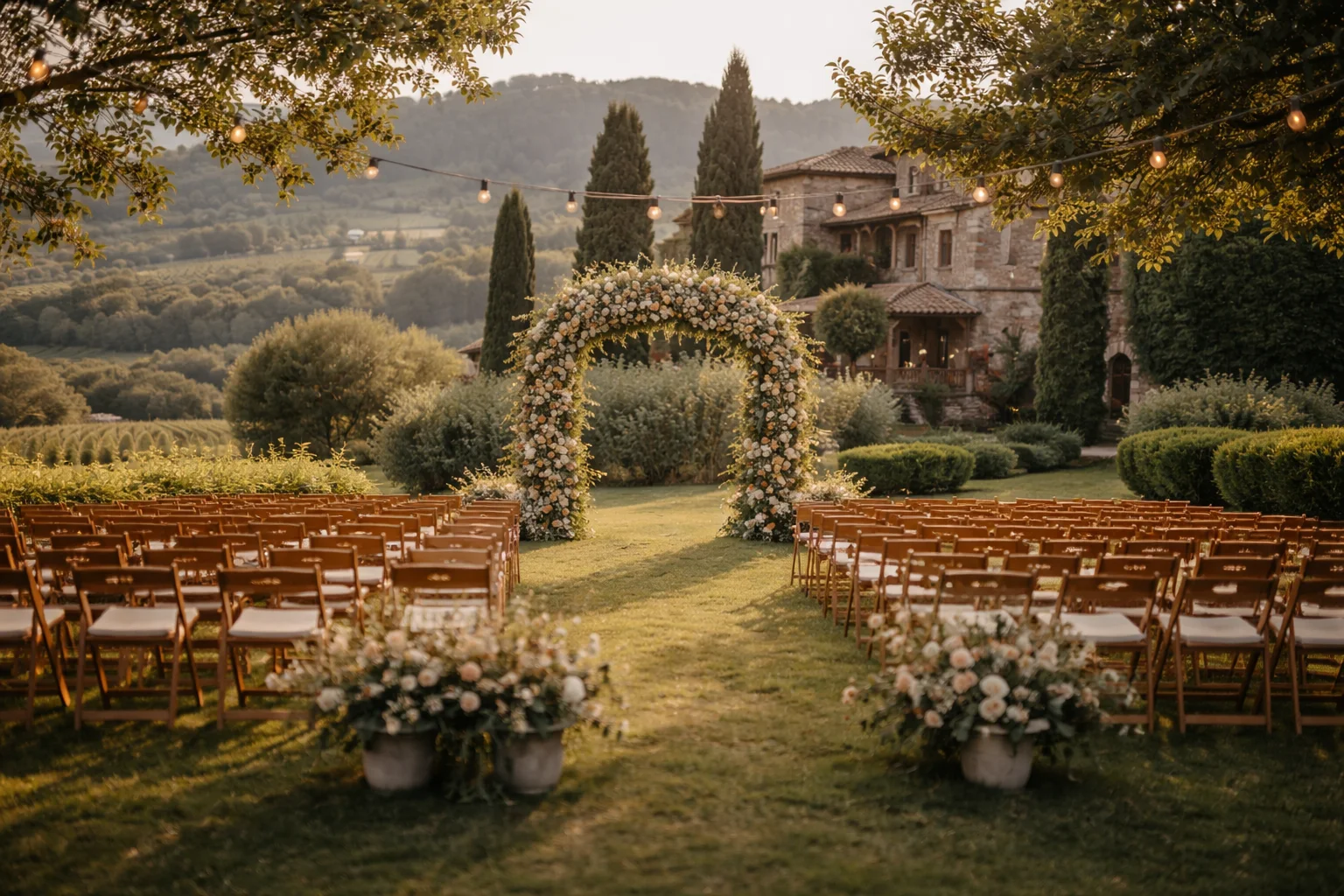
Quiet Observations on Wedding Locations and Gathering Spaces
Discussions about wedding venues often circle around style or decoration. In practice the location itself shapes the event long before flowers or lighting appear. The way guests arrive, how rooms connect, how sound travels in an old hall or across a garden terrace. These things quietly determine the rhythm of the day.
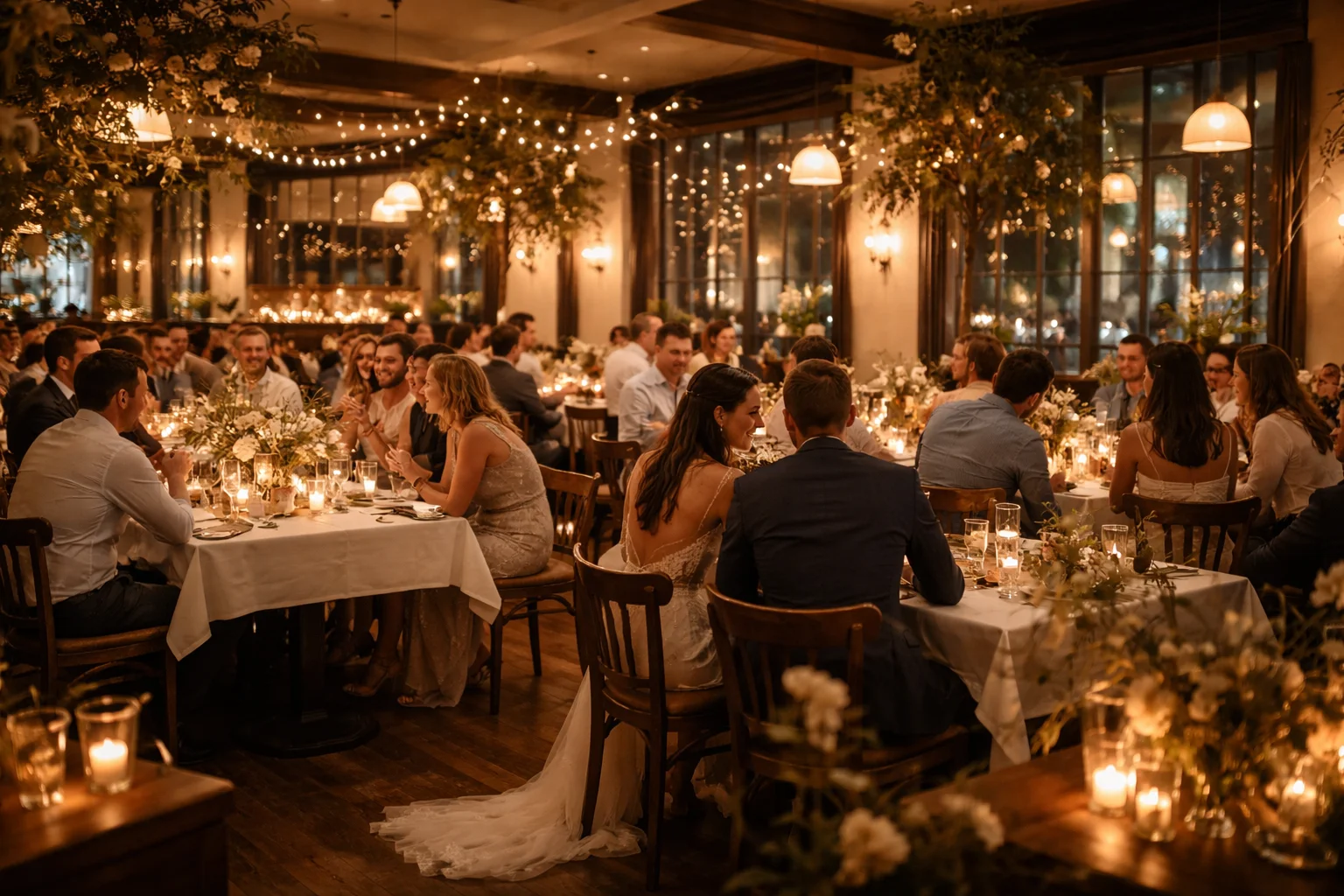
Restaurant Weddings: Why Some Rooms Feel Social Without Much Effort
Restaurant weddings often feel warmer more quickly than larger, more neutral venues. This article looks at why certain dining rooms support conversation, movement, and shared atmosphere so naturally, and how that ease turns into the small social scenes people later remember.