
Location vs Expectation: How Wedding Spaces Actually Feel on the Day
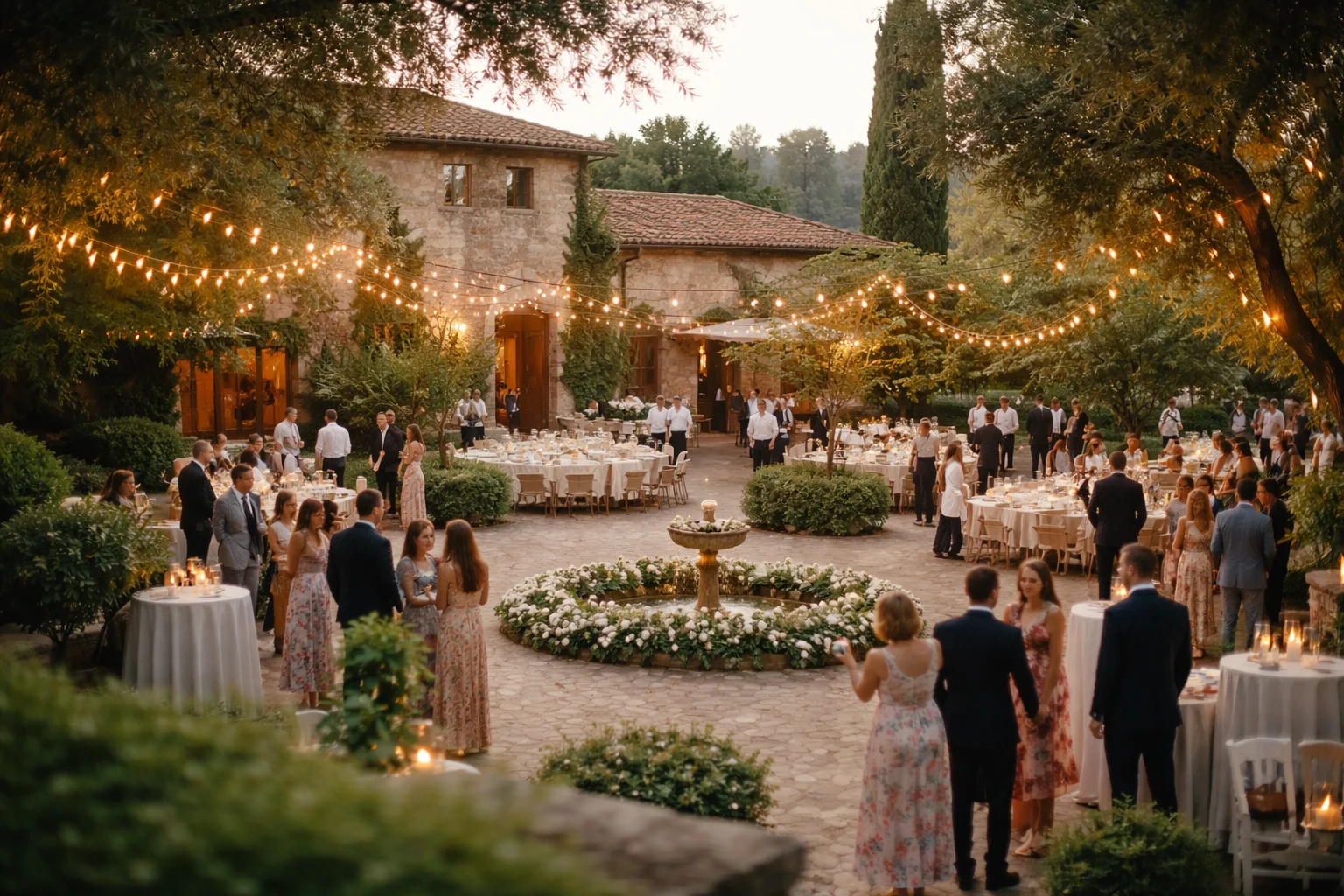
Location vs Expectation: Quiet Mismatches in Wedding Spaces
Some places feel almost identical to what was expected. Others shift a bit. Not in a dramatic sense. More in how they carry people, or how they hold time. It is subtle. Still noticeable across the day.
Definition
Location vs expectation describes the small gap between how a wedding space is imagined beforehand and how it is actually experienced once guests are inside it. It is not a problem to solve. It is a normal adjustment that happens as perception settles.
When a Location Looks Different Than Expected
Light shifts. Weather does its own thing. Distances stretch a bit once people walk them. A space that felt open can feel tighter when filled. Indoors, ceilings come down slightly once sound and decoration are in. Nothing unexpected. Still, it lands. People adjust. Usually without saying it out loud.
Photo vs Reality: How Guests Perceive the Space
Photos isolate. They show a moment, a direction, a clean frame. On the day, everything is visible at once. Edges, transitions, areas that were not part of the image. The space becomes less curated. More continuous. Attention spreads out a bit.
Empty Time Inside Beautiful Locations
There are always gaps. After arrival. Between parts of the schedule. In these moments, the location carries more of the situation. Large or very designed spaces can feel quiet then. People stand, drift, sit down again. Conversations stay small. The place remains the same. It just feels different for a while.
When Aesthetic Choices Limit Use
Some decisions shape behavior in a subtle way. Seating that looks clean but is not used for long. Paths that exist, but people hesitate for a second. Open areas that stay mostly empty because there is no clear reason to step into them. The look holds. Use becomes selective.
Locations That Work Better Without Full Utilization
Not every area needs to be active. Some locations benefit from leaving parts untouched. Guests tend to gather where it feels natural anyway. Smaller zones form on their own. The rest stays in the background. It does not feel incomplete. More like space that is simply there.
Conclusion
The difference between expectation and reality in a wedding location is usually quiet. A series of small adjustments rather than one clear moment. As the day moves, the space settles into how it is actually used. What remains is not the original idea of the place, but how it carried the people inside it.
Related Articles
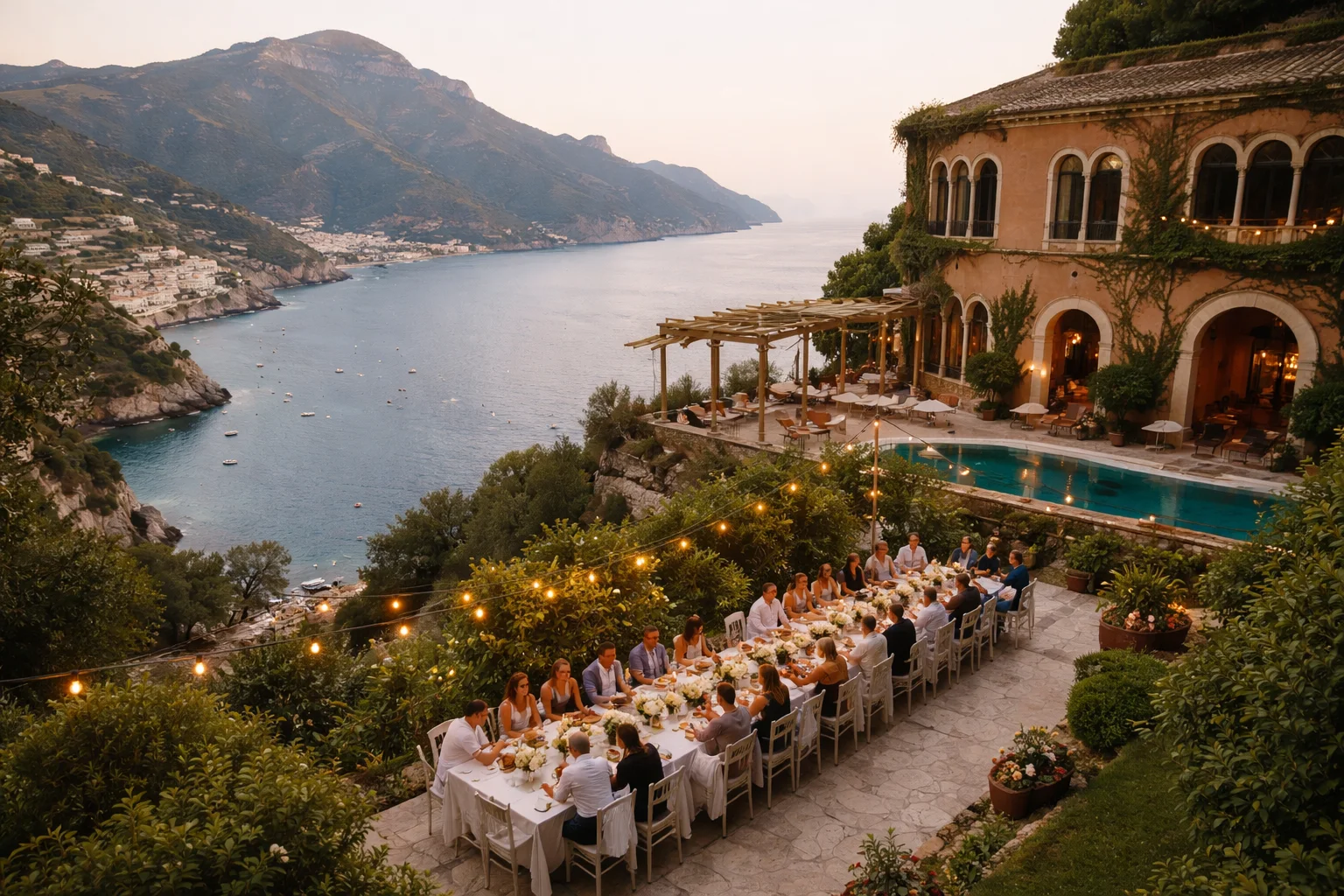
Exclusive Wedding Locations Abroad: Quiet Observations on Distant Celebration Spaces
Exclusive wedding locations abroad are often chosen for beauty, privacy, or distance from everyday life. But what they actually change is subtler than that. They alter arrival, pacing, social concentration, and the strange pause that appears when a celebration happens far from home.
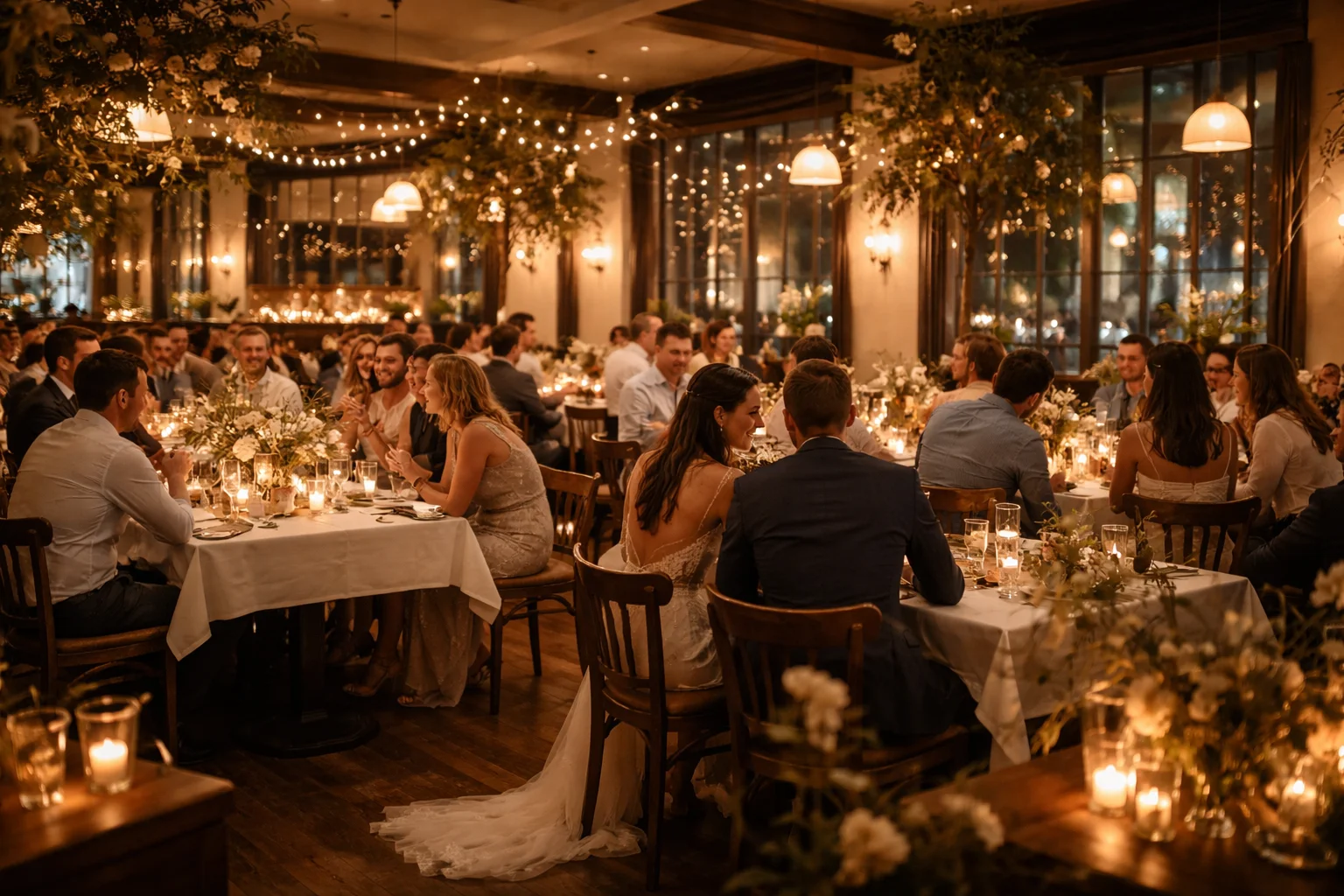
Restaurant Weddings: Why Some Rooms Feel Social Without Much Effort
Restaurant weddings often feel warmer more quickly than larger, more neutral venues. This article looks at why certain dining rooms support conversation, movement, and shared atmosphere so naturally, and how that ease turns into the small social scenes people later remember.
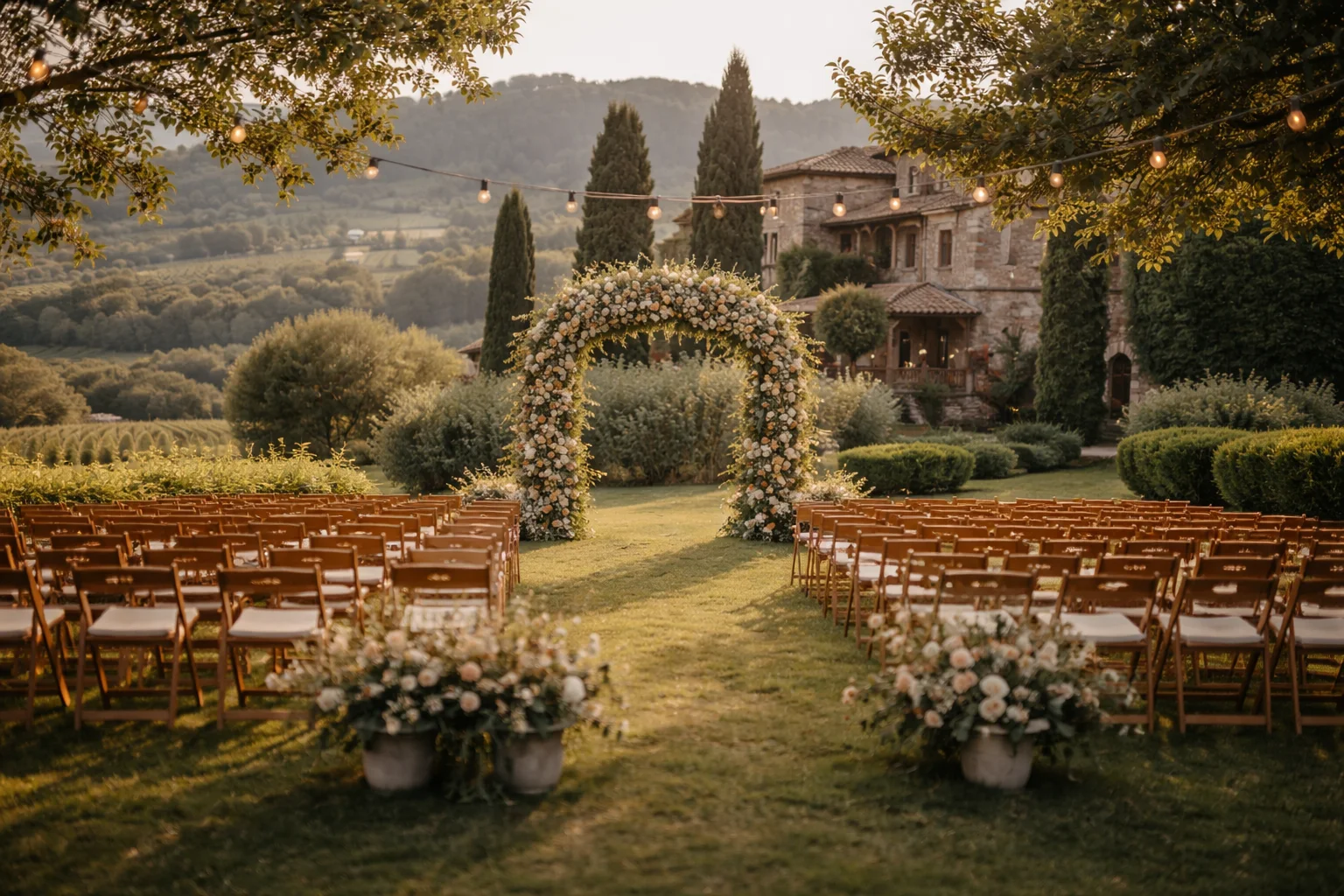
Quiet Observations on Wedding Locations and Gathering Spaces
Discussions about wedding venues often circle around style or decoration. In practice the location itself shapes the event long before flowers or lighting appear. The way guests arrive, how rooms connect, how sound travels in an old hall or across a garden terrace. These things quietly determine the rhythm of the day.
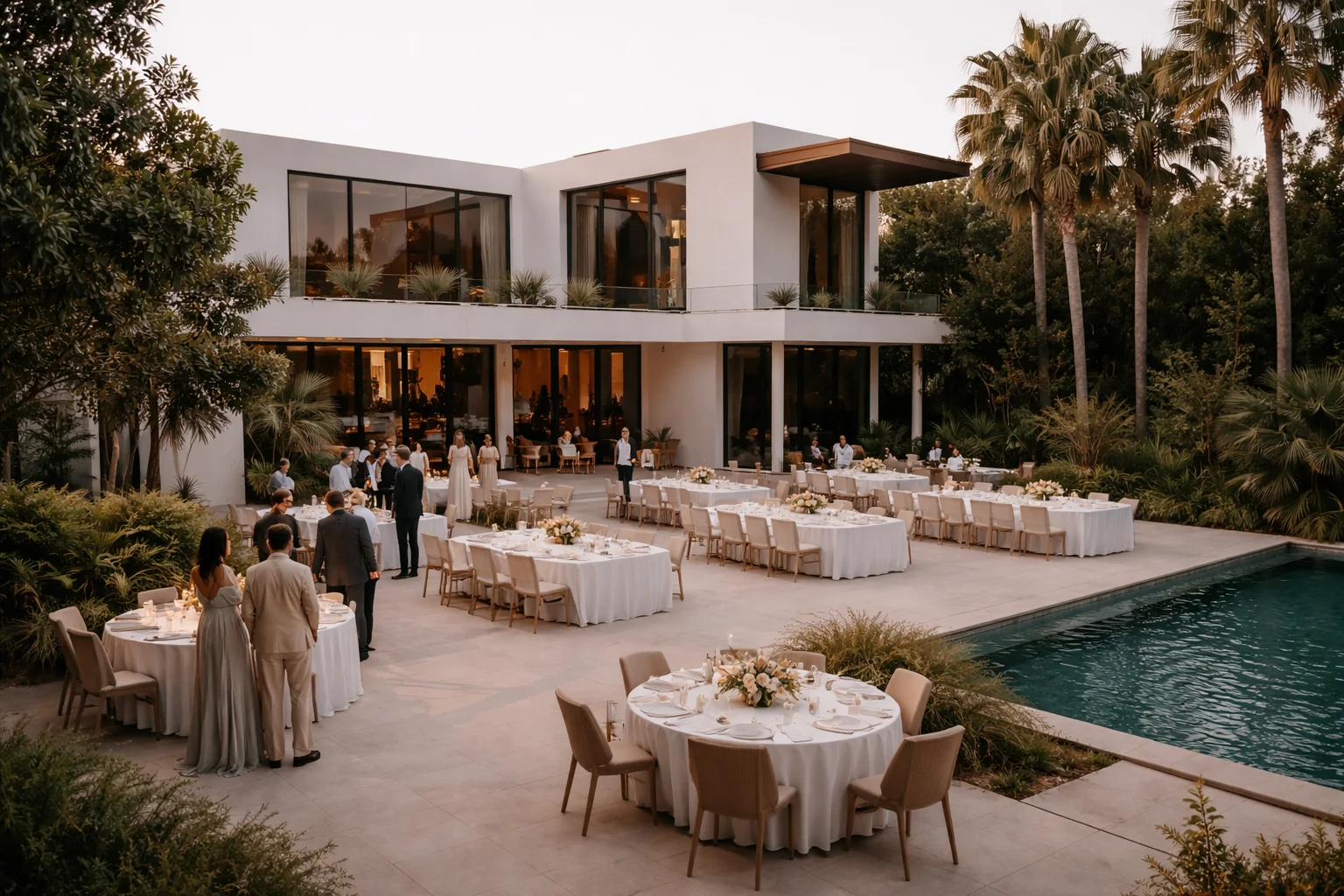
Venues & Concepts in Weddings
Wedding venues and wedding concepts are often treated as separate decisions. In practice, they rarely stay separate for long. The place changes the idea, the idea changes the place, and somewhere between the two an atmosphere begins to form that guests later remember more clearly than the plan itself.
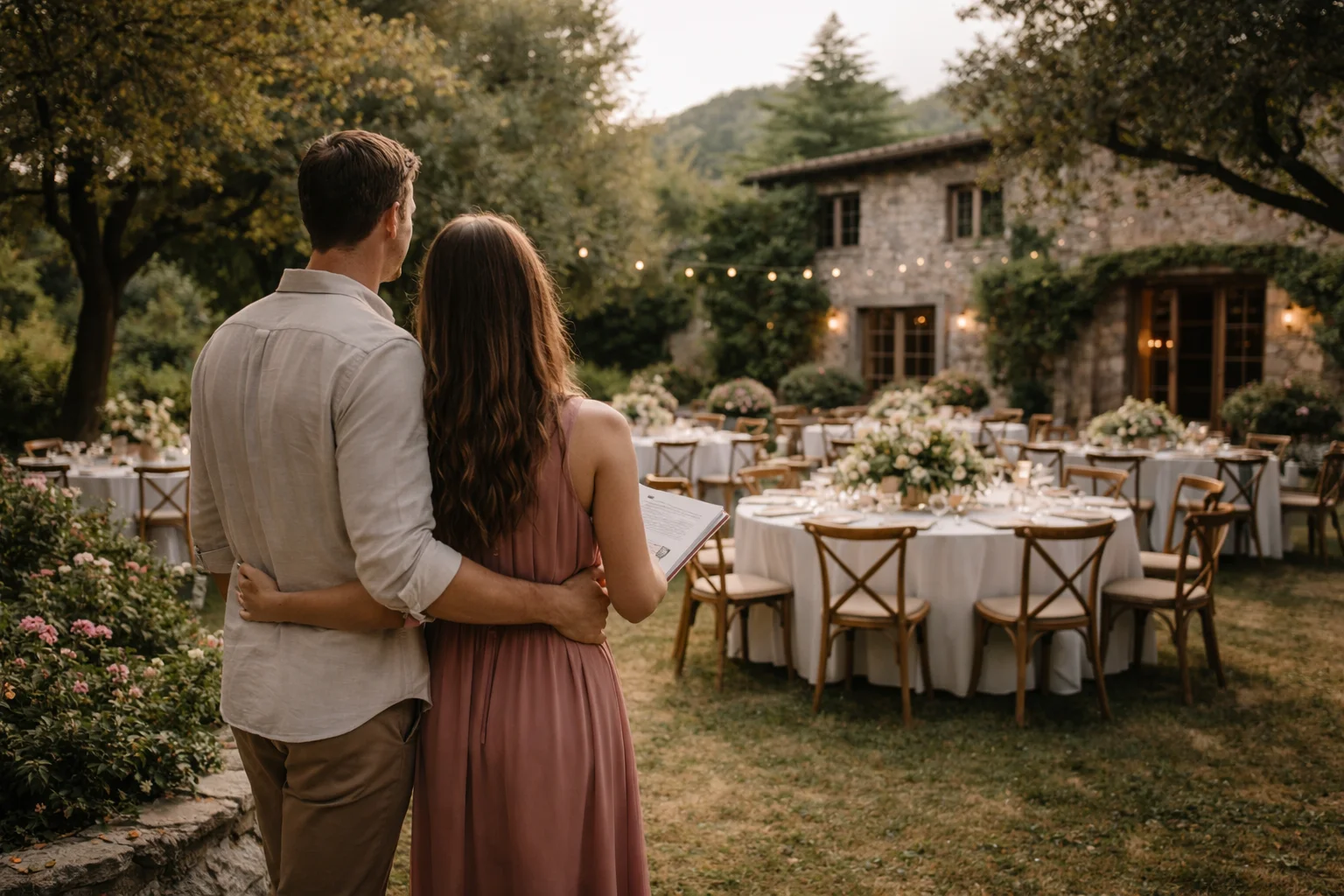
What Couples Notice Too Late About a Wedding Venue
Wedding venues are often chosen in a moment of projection. Couples imagine light, atmosphere, and feeling long before they understand flow, pressure points, and what the place is actually asking of the day. This article looks at what couples often notice too late about a venue, and why expectation and reality begin separating earlier than most people think.