
Quiet Observations on Wedding Locations and Gathering Spaces
Wedding Locations and Places: A Practical Catalog
Over time certain types of places appear again and again in wedding planning. Not because they are fashionable, but because they handle gatherings well. People move, sit, wait, talk. A place that allows these small movements without friction tends to work. The categories below come from observation of such spaces rather than theory.
Definition
A wedding location is simply the physical place where the ceremony or celebration happens. It includes the rooms, outdoor areas, circulation spaces, and practical infrastructure that allow a group of people to gather for several hours. In plain terms, it is not a theme or aesthetic idea. It is a functioning setting that hosts the event.
Historic Buildings
Older buildings appear frequently in wedding planning. Castles, manor houses, converted town halls, sometimes former industrial halls. These places carry visible age in their walls and floors. Guests usually slow down a little when entering such rooms. Large staircases, long windows, high ceilings. The structure itself already organizes where people gather or pause.
Gardens and Outdoor Grounds
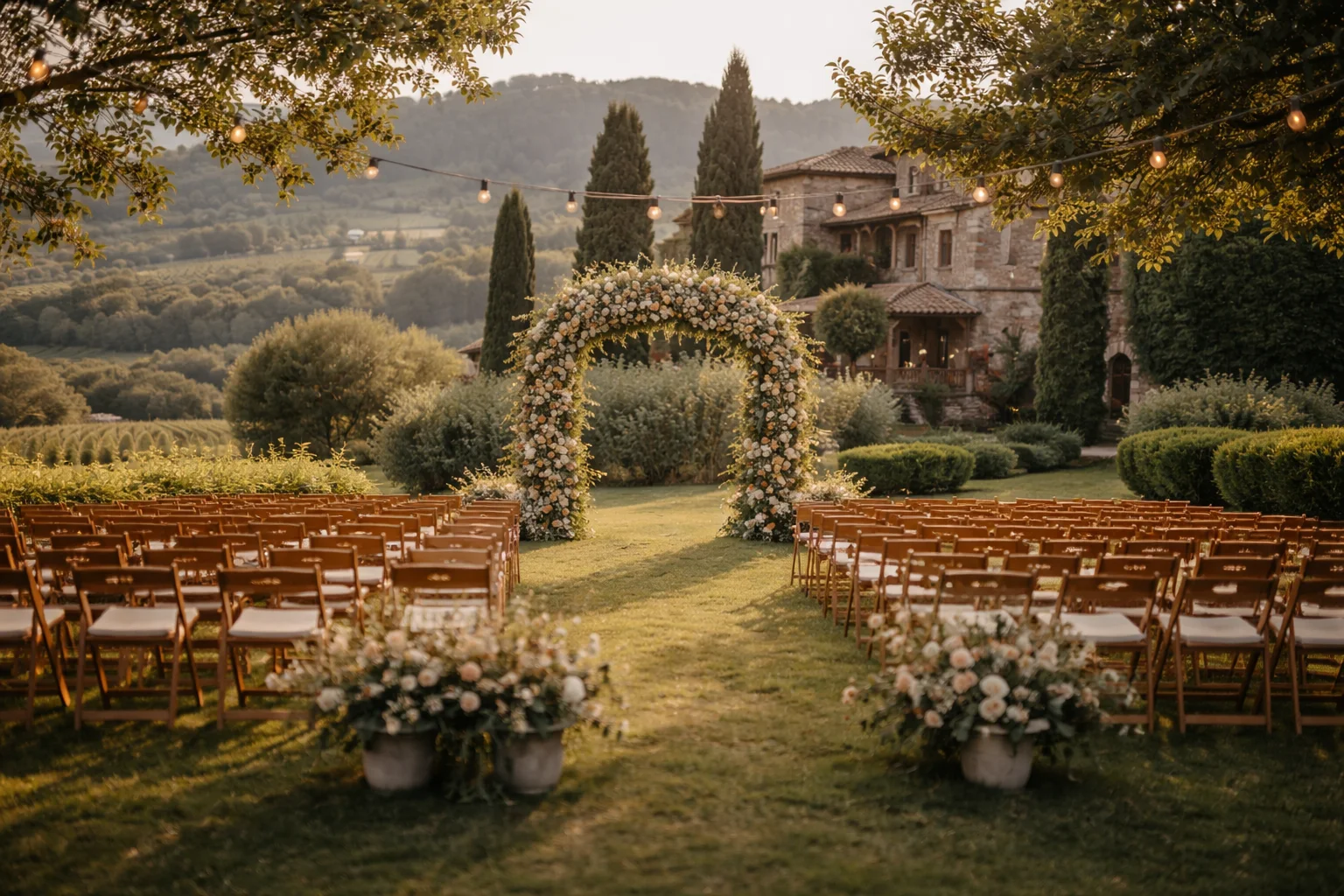
Open landscapes change the tempo of a wedding. Gardens, vineyards, courtyards, lakesides. Guests spread out more naturally, small groups form and dissolve. Weather becomes part of the experience, but the space often feels relaxed and breathable. Paths, lawns, and terraces quietly guide movement without obvious planning.
Hotels and Event Houses
Hotels remain common wedding locations mostly because of their infrastructure. Kitchens, accommodation, service staff, parking, lighting systems. Everything is already arranged for gatherings. The atmosphere may feel more structured than a private estate, but the logistics run smoothly. Guests often appreciate the short walk from celebration to guest room.
Restaurants and Dining Venues
Some weddings take place in restaurants that regularly host private events. The advantage here is familiarity with hospitality routines. Tables are arranged quickly, courses appear in steady rhythm, and staff read the room well. The scale is usually moderate, which can create a more compact social atmosphere where conversations overlap easily.
Converted Industrial Spaces
Old factories, warehouses, and loft spaces have gradually entered the wedding landscape. Their large open floors allow flexible layouts. Long tables, dance areas, lounge corners. Raw materials like brick or steel often remain visible. The feeling is less ceremonial and more open ended, which many couples seem to appreciate.
Conclusion
Across many weddings the same observation appears quietly: the place itself does much of the work. When circulation, atmosphere, and scale align with the gathering, the celebration unfolds with little effort. Different locations achieve this in different ways. What matters is not the category of venue, but how comfortably people can share the space for a day.
Related Articles
Winter Light and Compressed Timelines in Weddings
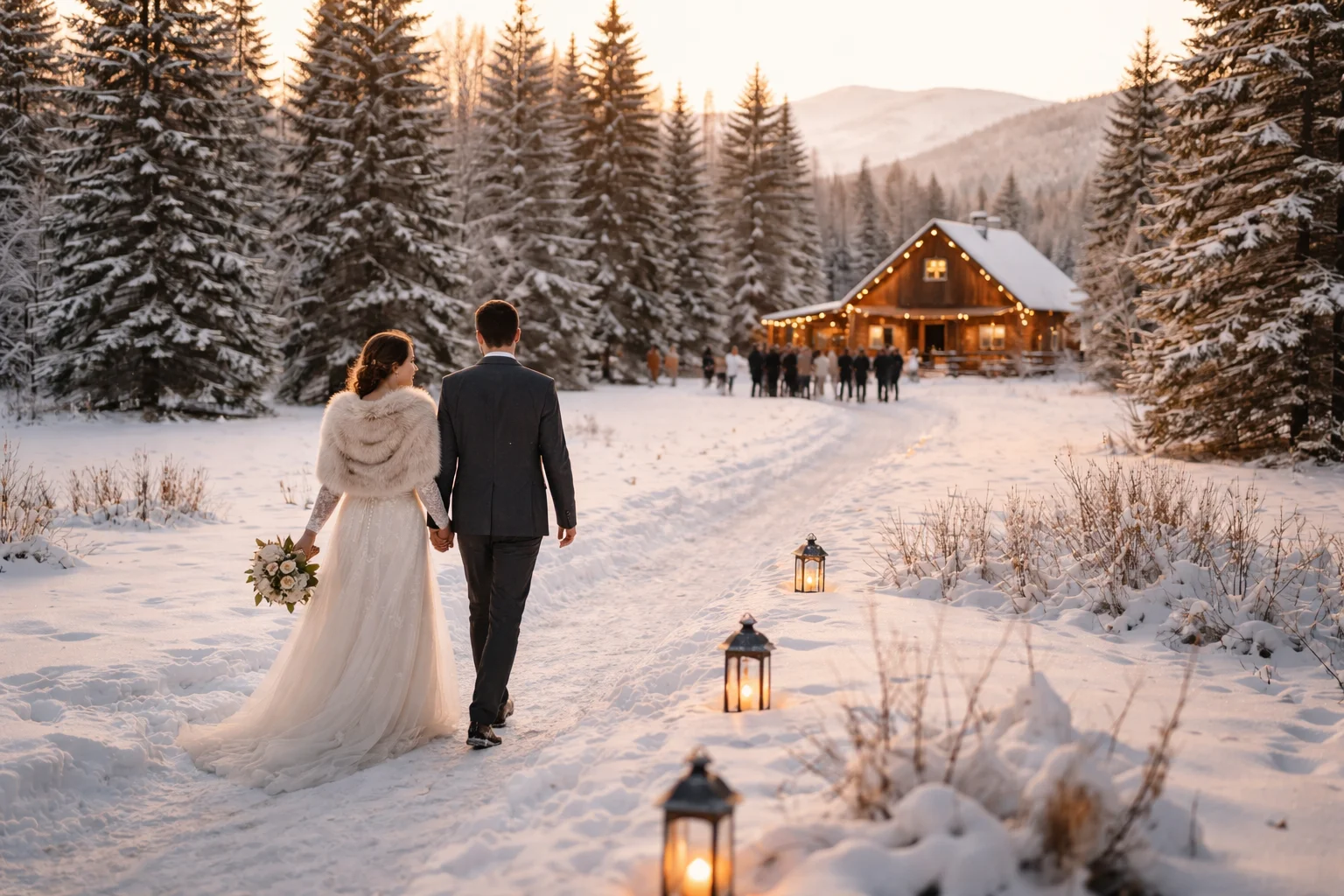
Winter weddings are shaped less by one obvious restriction than by a series of quieter adjustments. This article looks at how shorter days, colder air, and earlier shadows compress the timeline, tighten transitions, and give the day a more deliberate rhythm.
Civil Ceremonies Worldwide: Legal Requirements, Processes, Costs, and Cultural Differences
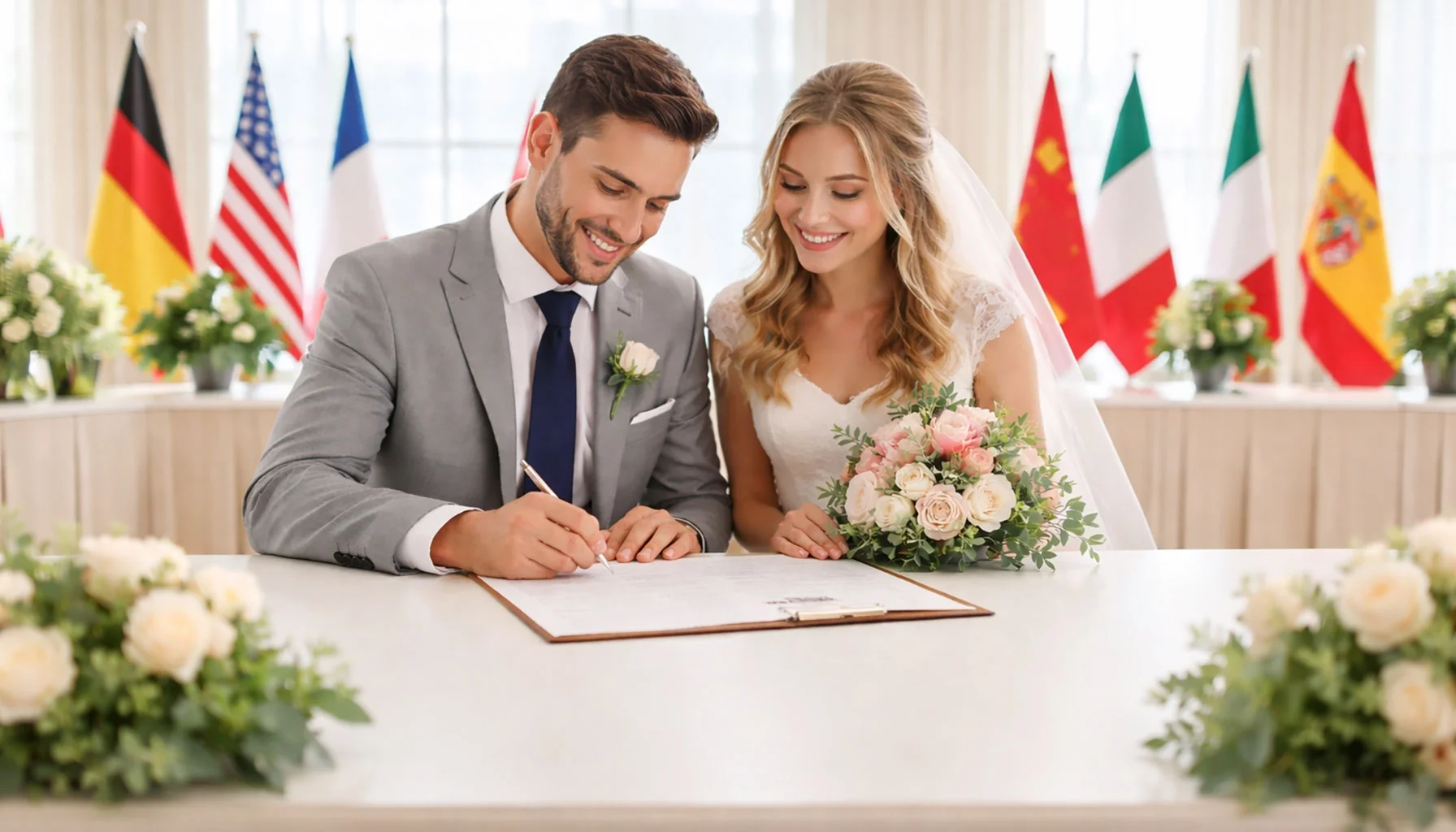
Civil ceremonies are rarely dramatic, yet they often carry one of the most decisive thresholds in a wedding journey. This article looks at civil marriage across countries through legal requirements, observed processes, cost ranges, and the quieter atmosphere that often surrounds the moment a marriage becomes official.

Why Notebooks Matter More Than You Think at Weddings
Notebooks at weddings are often treated as simple guest books, but their role goes deeper. They capture pauses, unfinished thoughts, and quiet moments that rarely surface in spoken form. This article explores how notebooks connect the visible ritual of a wedding with the invisible space of silence.
Kids at Weddings Checklist: What Helps Families Stay Longer Without Strain
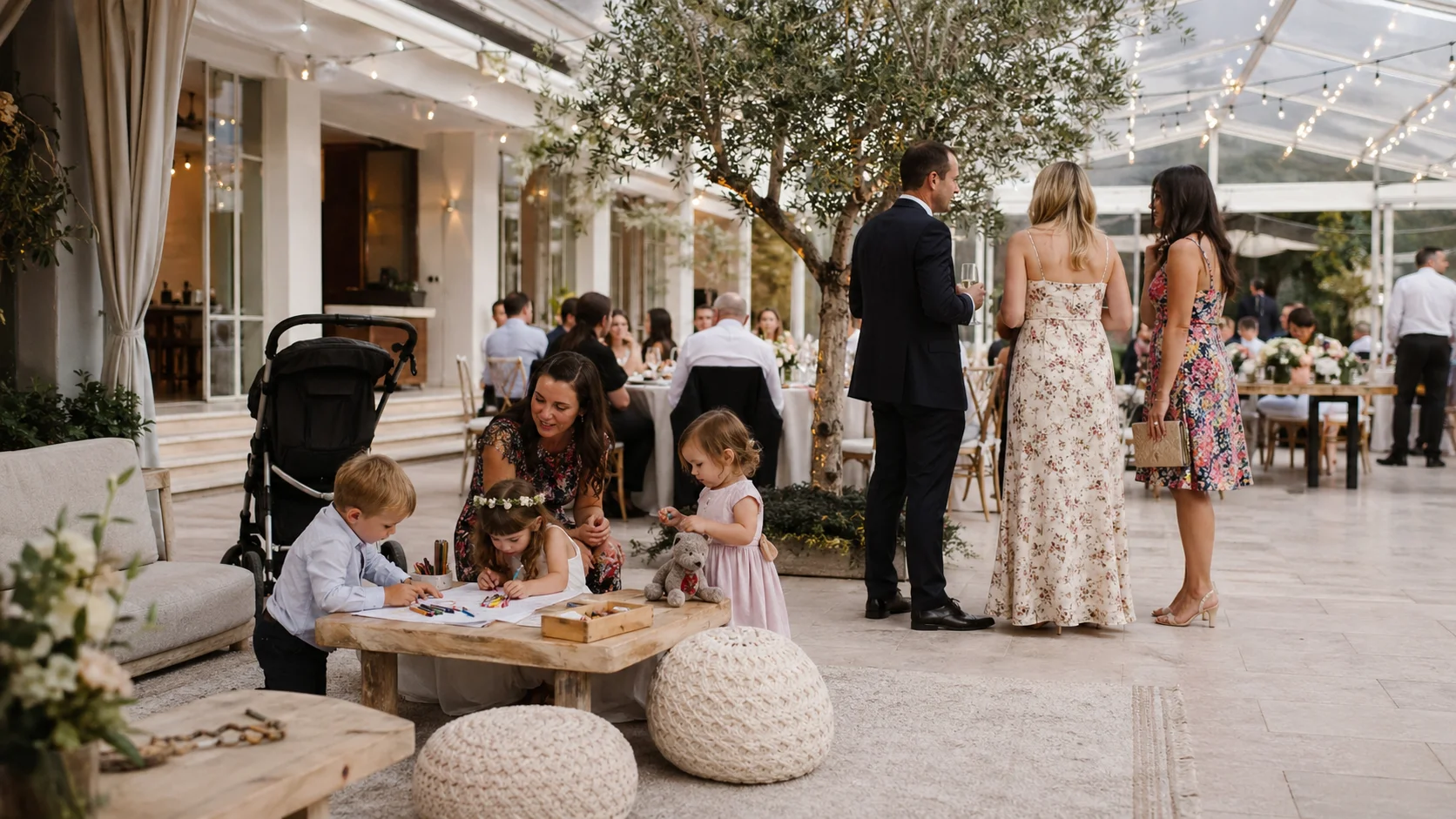
Families with children usually leave weddings early for a series of small reasons rather than one big one. This article looks at what helps them stay longer with less strain, from food timing and retreat spaces to quieter transitions and the simple need for relief.
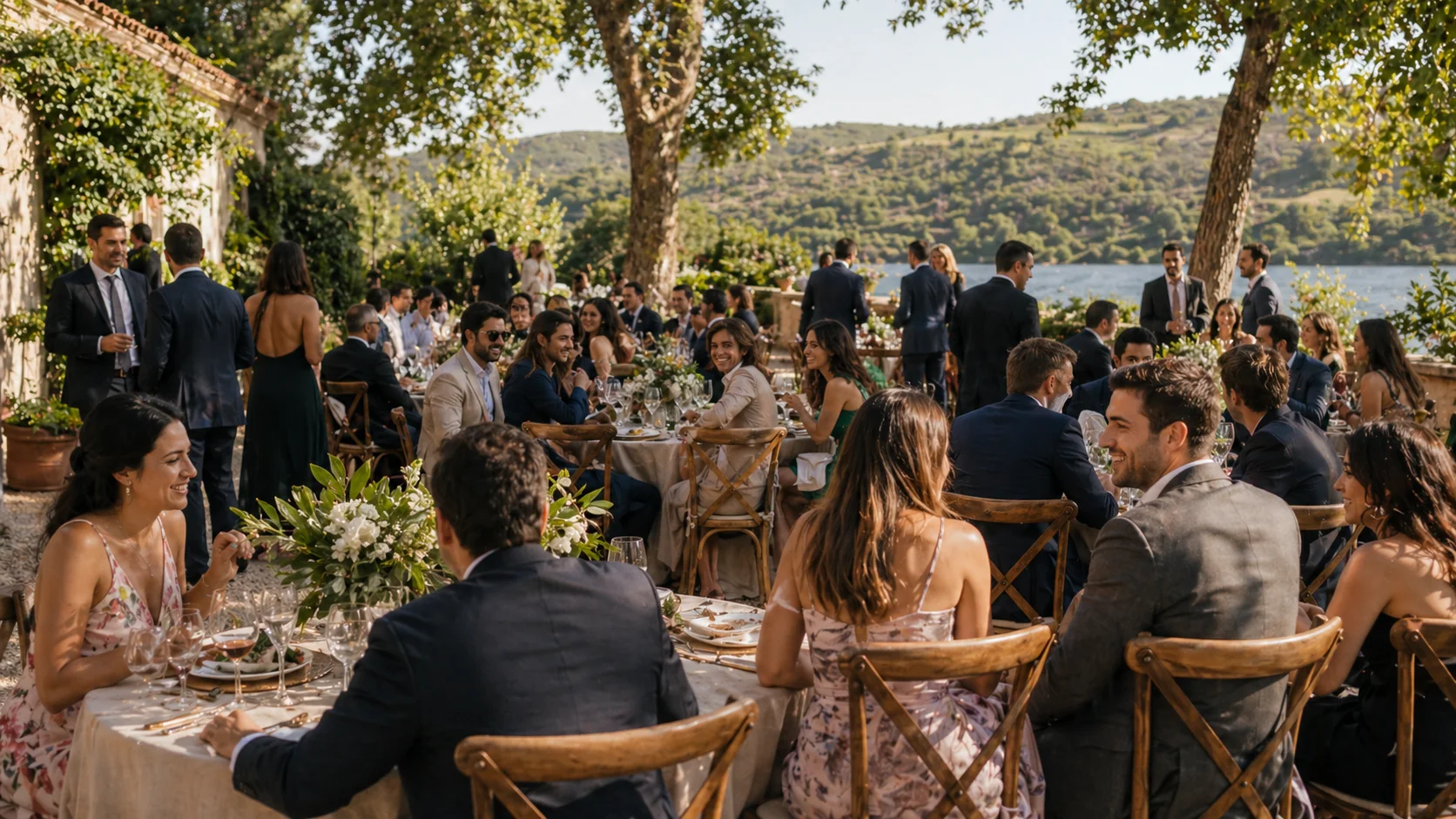
Guest Comfort Checklist: Small Conditions That Change the Entire Atmosphere
Guest comfort at weddings is shaped by small conditions long before anyone complains. This article looks at temperature, seating, sound, waiting areas, access, and quiet spaces of relief that change how the whole room feels.
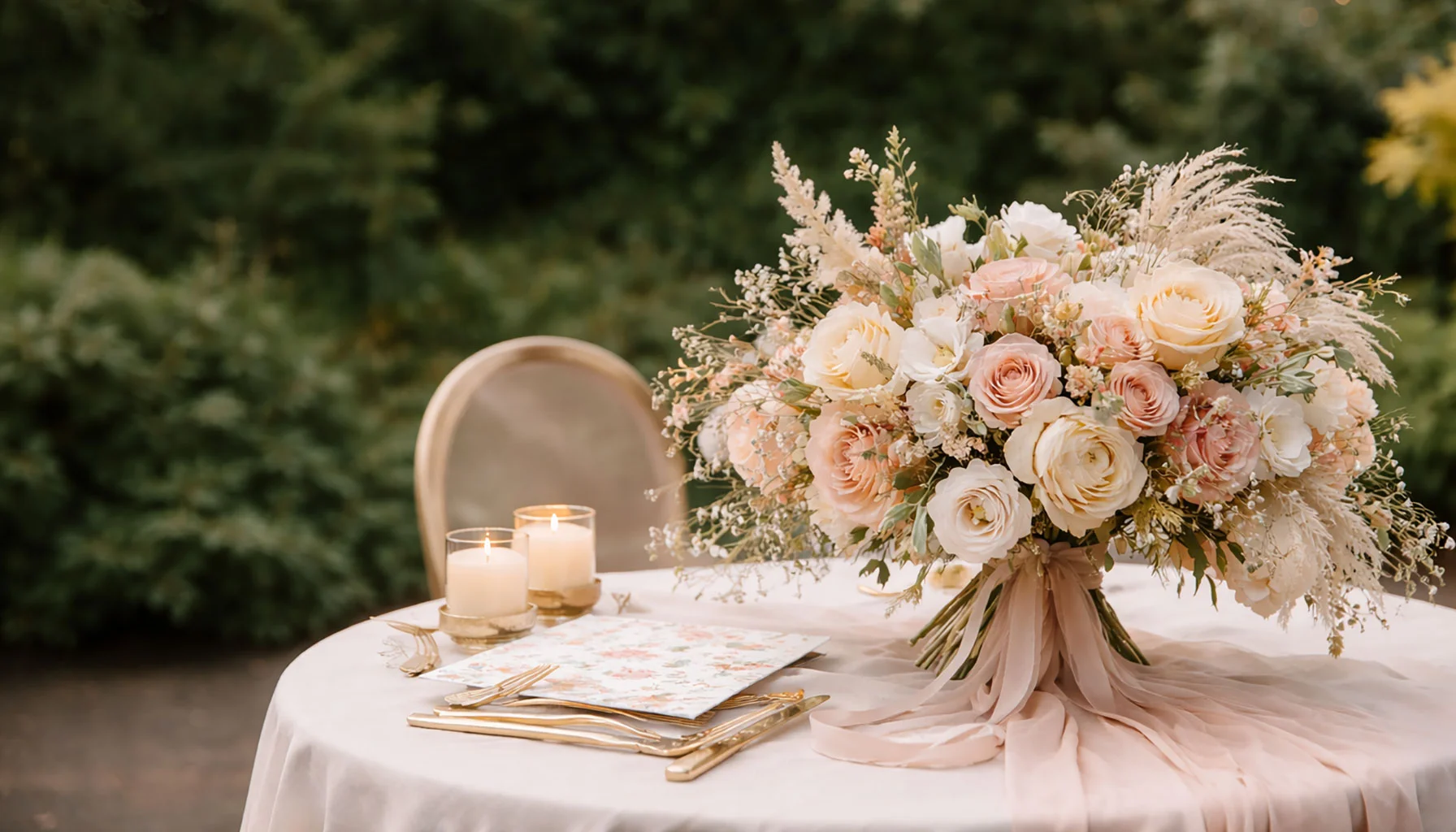
Bloom by Design: Flowers and Florals for a Modern Perfect Wedding
Flowers rarely carry a wedding by themselves. What they do, when chosen well, is quieter and often more lasting. They soften transitions, give rhythm to rooms, and help guests feel oriented without ever being told where to look. This article looks at wedding flowers through atmosphere, restraint, and the silent structure they create across the day.
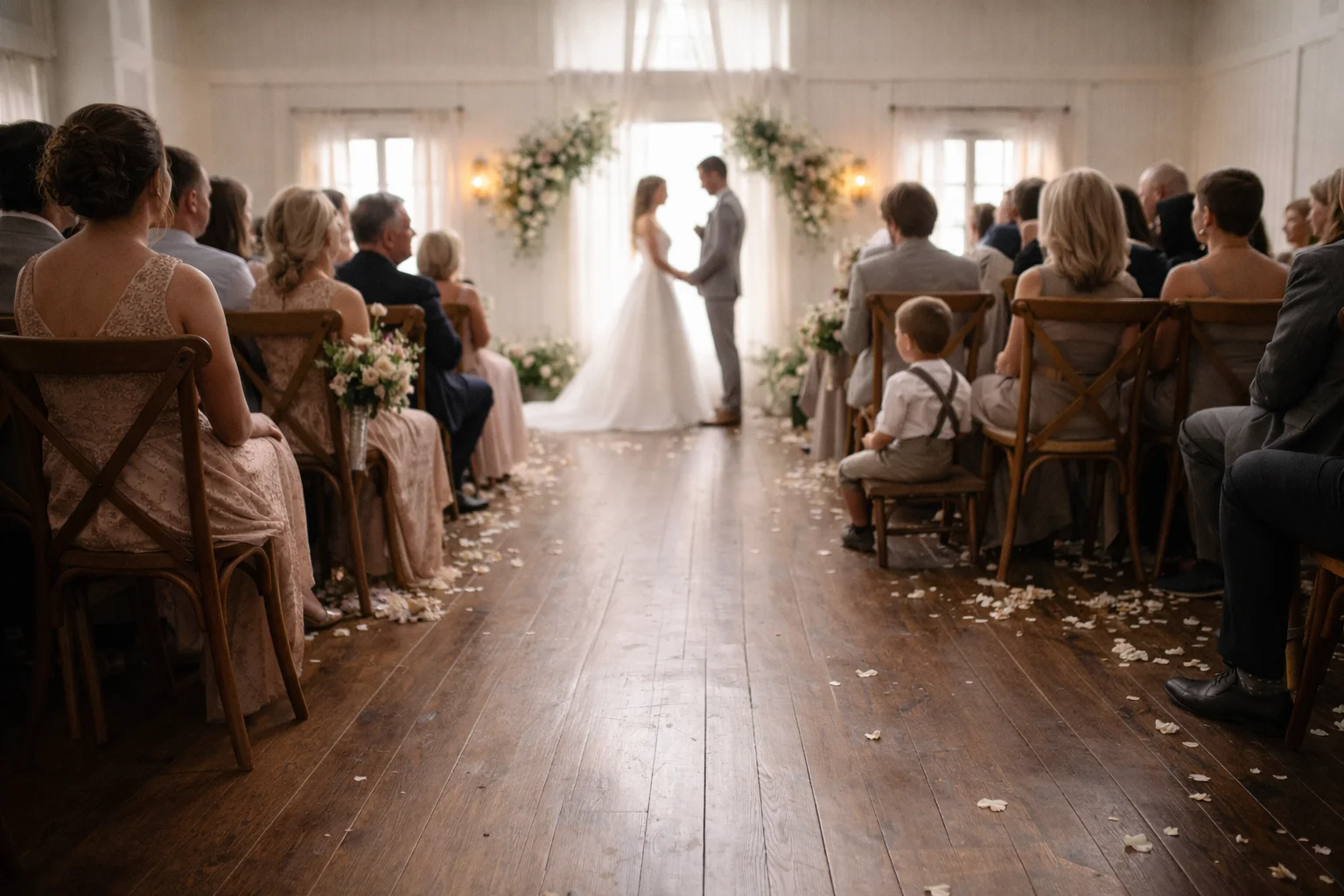
When Attention Shifts: Kids in Formal Wedding Situations
Children rarely stop a formal wedding moment outright, but they often redirect attention for a few seconds in ways adults immediately notice. This article looks at how those shifts happen, why they usually matter less than feared, and how weddings absorb different rhythms without losing their structure.

Meaning of Marriage and Love
Marriage and love are not built on constant passion or perfect moments. They survive because two people decide to stay, even when feelings change and life becomes difficult. Real love is quiet, steady, and intentional. It grows through honesty, shared responsibility, and the willingness to choose each other every day—not because it’s easy, but because it matters.
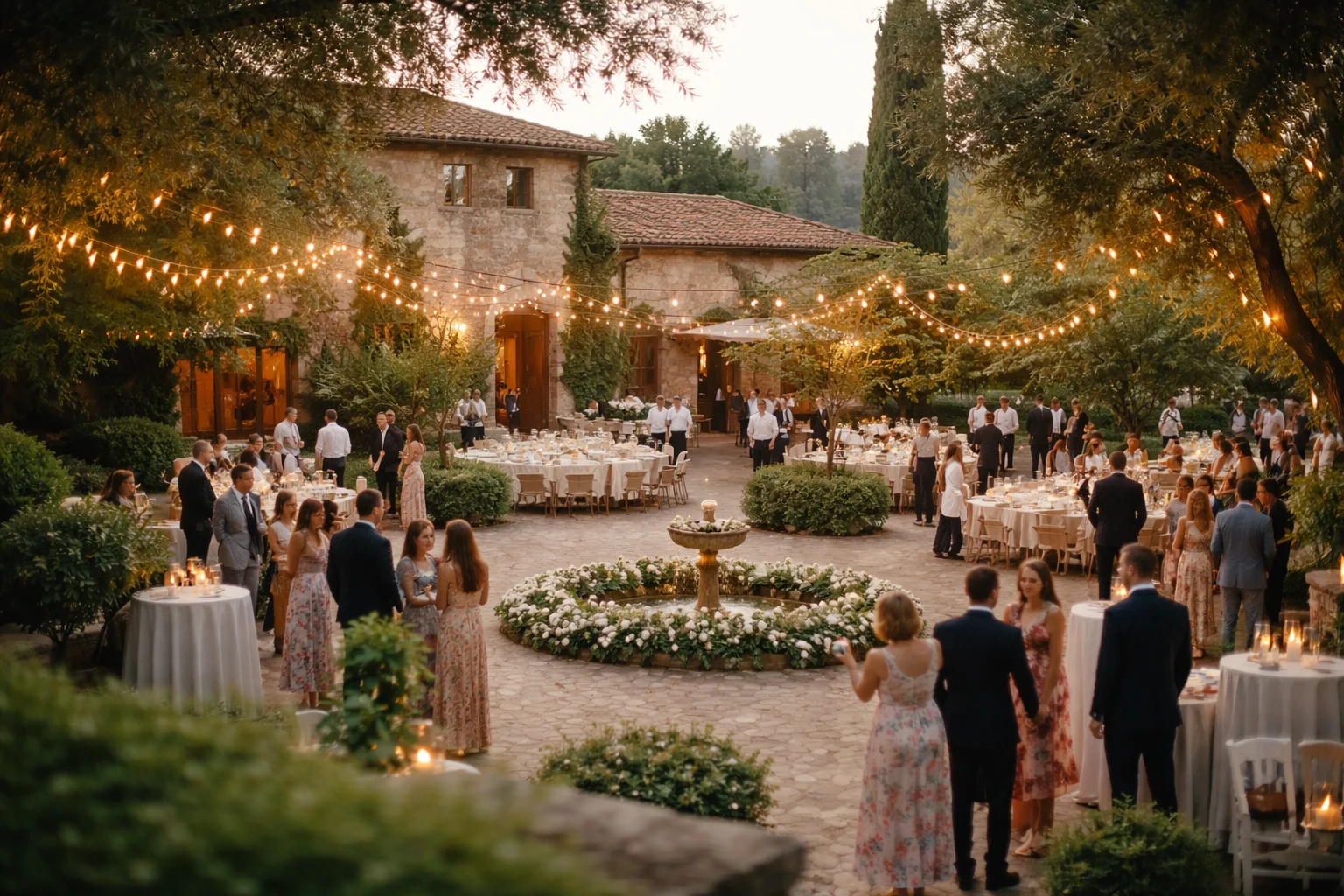
Location vs Expectation: How Wedding Spaces Actually Feel on the Day
A location is usually known before the day. Seen in photos, maybe visited once, talked through. It already exists in a certain way. Then the wedding happens inside it. People arrive, move, wait. The space stays the same, but it starts to read differently.
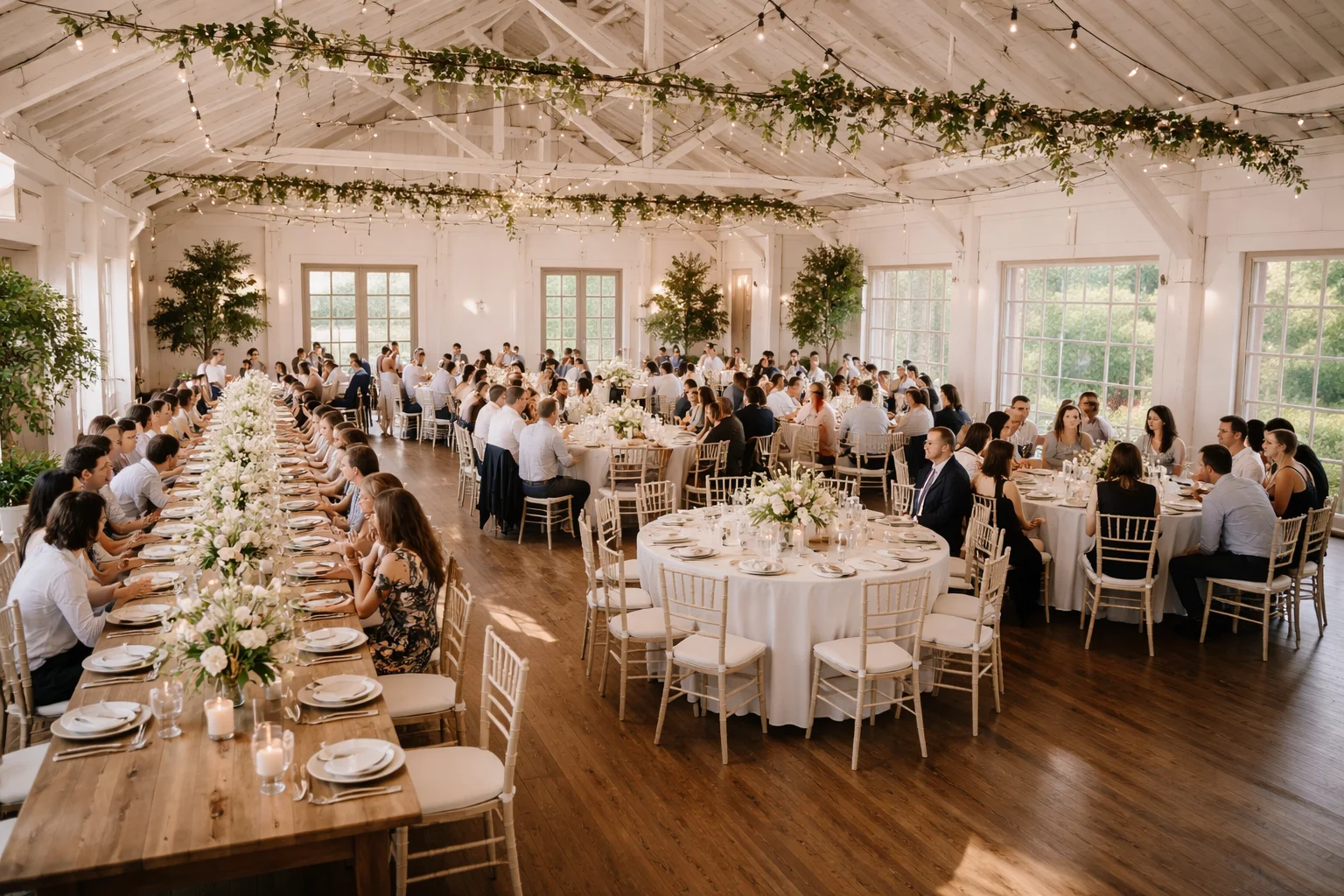
Long Tables vs Round Tables: Observed Use in Wedding Settings
The choice between long and round tables shows up early, often before other details are fixed. It looks like a visual decision at first. In actual setups, it shifts how the room settles once people sit down. Not dramatically, but enough to notice after a short time.
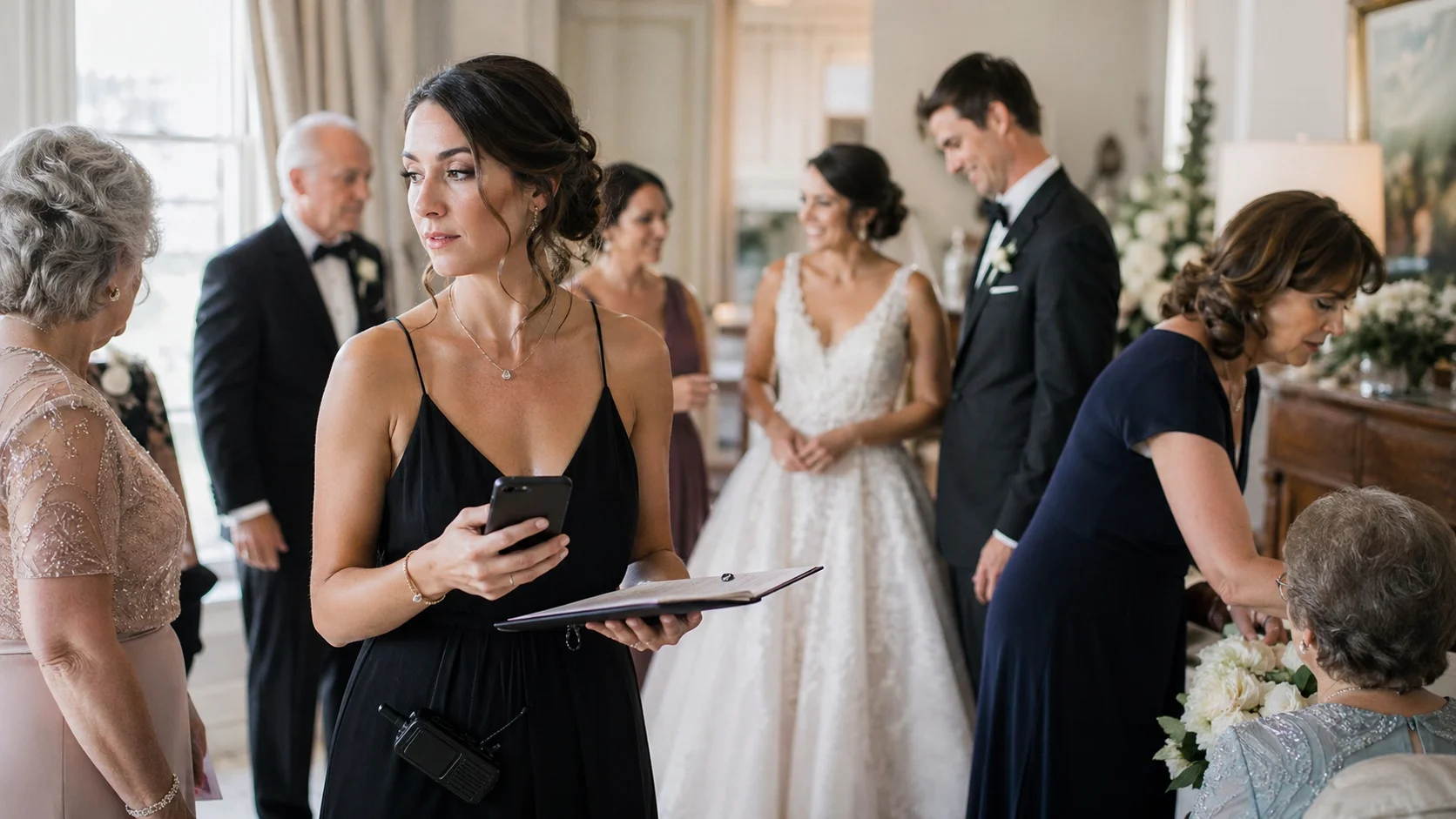
Emotional Load Checklist: Who Carries Too Much, and How to Notice It Early
Emotional load at weddings often hides behind competence. This article looks at who carries invisible responsibility, how to notice early signs of overload, and how to share care before one person quietly holds too much.
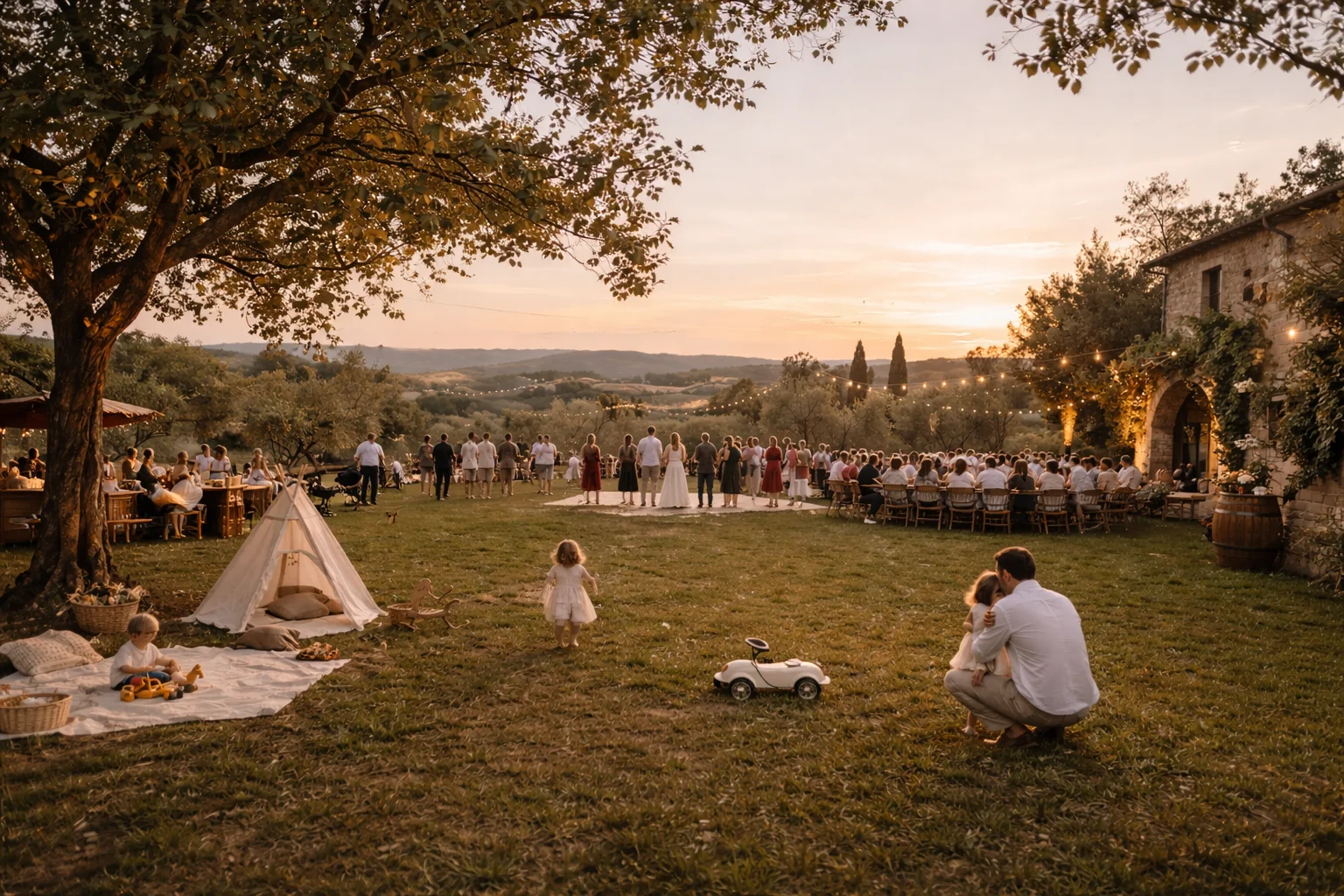
Nap Times, Early Goodbyes, and the Hidden Rhythm of Weddings With Small Children
Weddings with small children often follow two timelines at once: the visible schedule of ceremony, dinner, and dancing, and the quieter rhythm of naps, tiredness, comfort, and early departures. This article looks at how those hidden shifts shape the day in practical and emotional ways.