
Where Love Meets the Table: Thoughtful Wedding Styling That Brings Guests Together
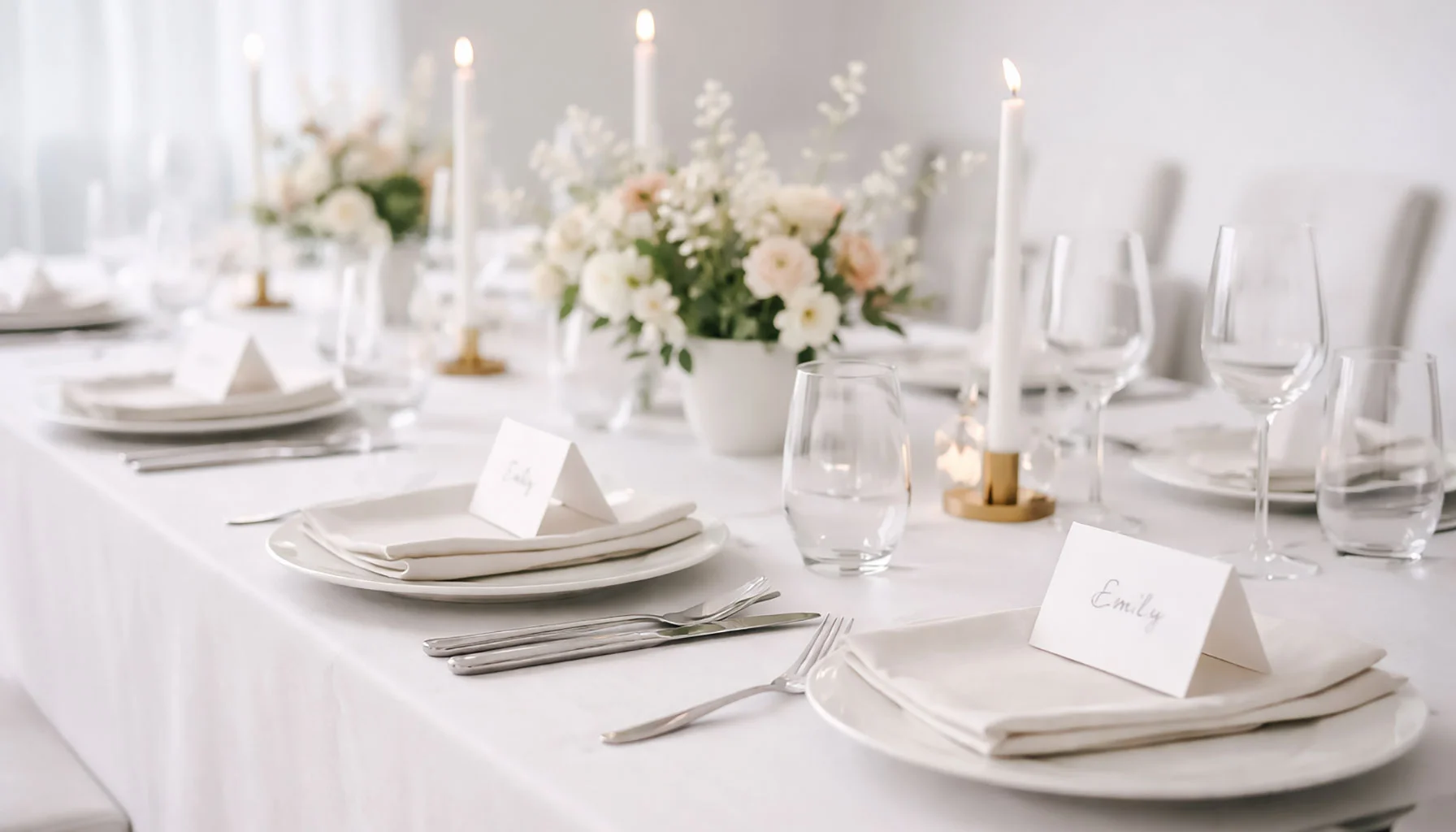
Wedding tables are where time slows down. People sit longer than planned. Glasses are refilled. Conversations wander. The way a table is set influences this more than many expect. When styling is considered and calm, guests settle easily. Nothing distracts. Nothing asks for attention. The table simply holds the moment and lets it unfold.
This is why the subject belongs naturally to both the table category and Silence. A wedding table is not only a surface for plates and flowers. It is a social form. It shapes distance, orientation, and the pace of a meal. Silence matters here because good table styling does not force itself forward. It gives people enough order to feel at ease and enough openness for conversation to begin on its own.
Table StylingThoughtful table styling plays a key role in shaping the overall dining experience at a wedding. From table linens and place settings to candles, flowers, and small details, a well-designed table creates atmosphere and visual harmony. Carefully chosen elements bring the wedding style to life and make guests feel welcomed and part of a beautifully curated celebration.
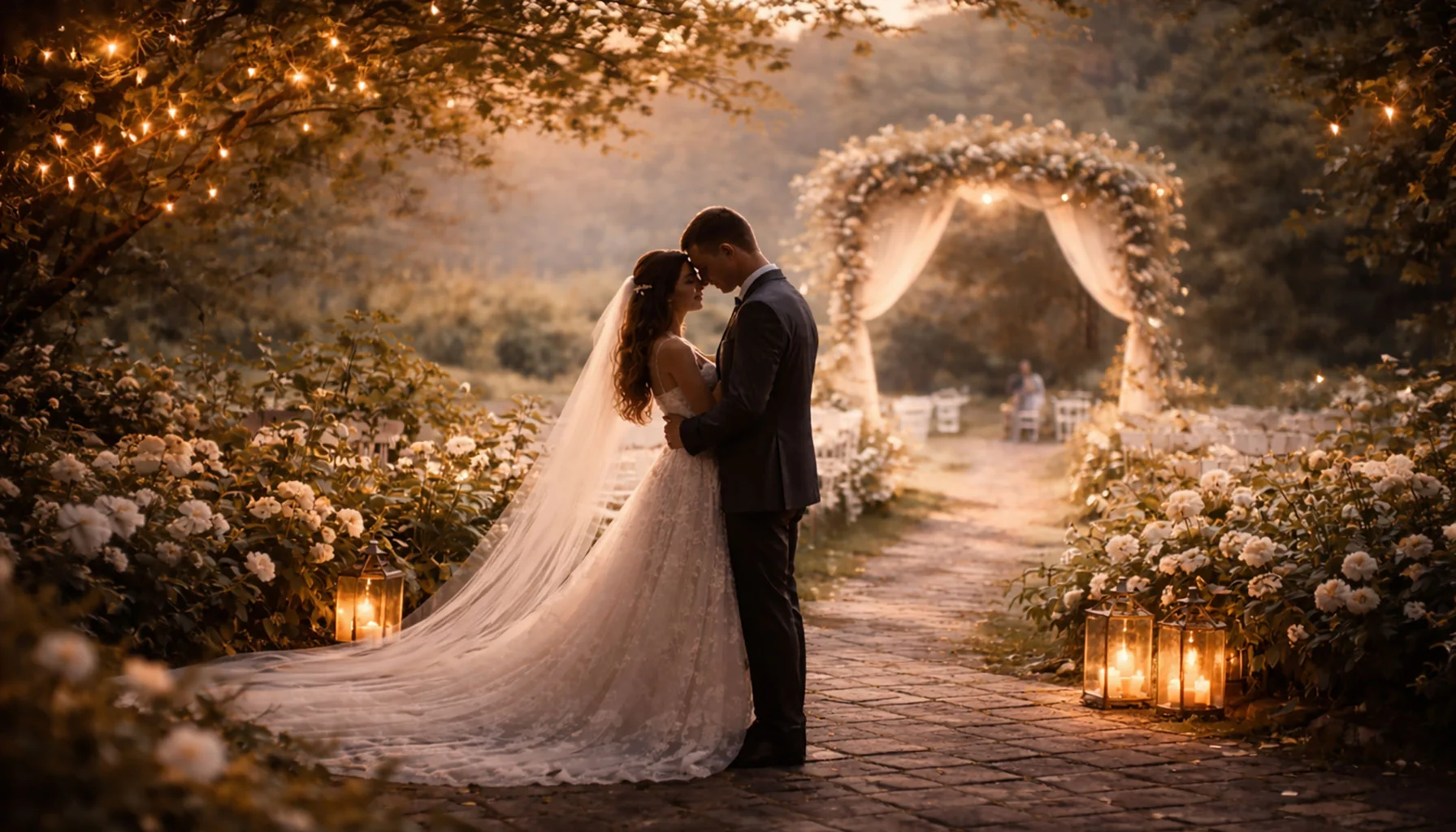
Silence is not absence. It is the space where meaning gathers before words, decisions, and rituals take shape.
Definition
Thoughtful wedding table styling is not only a decorative arrangement. It is the way materials, spacing, lighting, and personal details are organized so that guests can sit, talk, eat, and remain present without friction. Its strongest effect is often quiet. It makes closeness possible without asking to be admired first.
Guests Feel the Table Before They Read It
From a guest point of view, comfort comes before visual design. Enough room to sit and move, clear lines of sight, objects placed with purpose, and lighting that feels warm without interfering with faces or plates shape the first impression immediately. People notice whether a table is easy to inhabit long before they decide whether it is beautiful.
Inviting Tables Usually Breathe
Tables tend to feel inviting when they are built on a clear base, whether bare wood or simple linen, and when one main visual idea is repeated quietly across the surface. Natural breaks between elements matter. Seasonal materials help because they already feel appropriate to the moment. Details that reveal themselves slowly usually stay with guests longer than styling that tries to show everything at once.
What Guests Often Remember
Long shared tables, runners made from fabric or greenery instead of fixed centerpieces, objects that can be touched or used during the meal, and small variations within a clear structure often remain in memory. Guests also notice when the table reflects shared values or interests without turning into a display. These choices work because they support conversation rather than interrupt it.
Personal Details Matter When They Feel Natural
Place cards with short messages, handwritten elements, small objects guests can keep, and materials chosen for texture rather than trend tend to feel personal without becoming sentimental. The effect is stronger when these details are few and direct. They suggest that time was taken, but they do not ask the guest to stop and decode the table before sitting down.
When Guests Become Part of the Table
Some tables become more memorable because guests can quietly contribute to them. Notes written during the evening, small shared elements built over the course of the meal, cards with memories added without instruction, and moments of contribution that remain optional all help the table become part of the social life of the wedding instead of only its visual frame. Participation works best when it feels unforced.
Silence Is Part of Good Table Styling
A well styled wedding table does not announce itself. Guests sit down and feel at ease. Plates arrive smoothly. Conversations start without effort. Nothing needs to be explained. This is where table styling comes close to the logic of silence. Its success lies in what it allows rather than in what it displays. When people stay longer than expected and forget to check the time, the table has done what it was meant to do.
Conclusion
Wedding tables are not stages. They are places of closeness. When styled with care, restraint, and attention to how people actually sit and interact, they become part of the memory rather than part of the display. Long after the day has passed, guests often remember how it felt to sit there. That is where table styling leaves its mark.
Related Articles
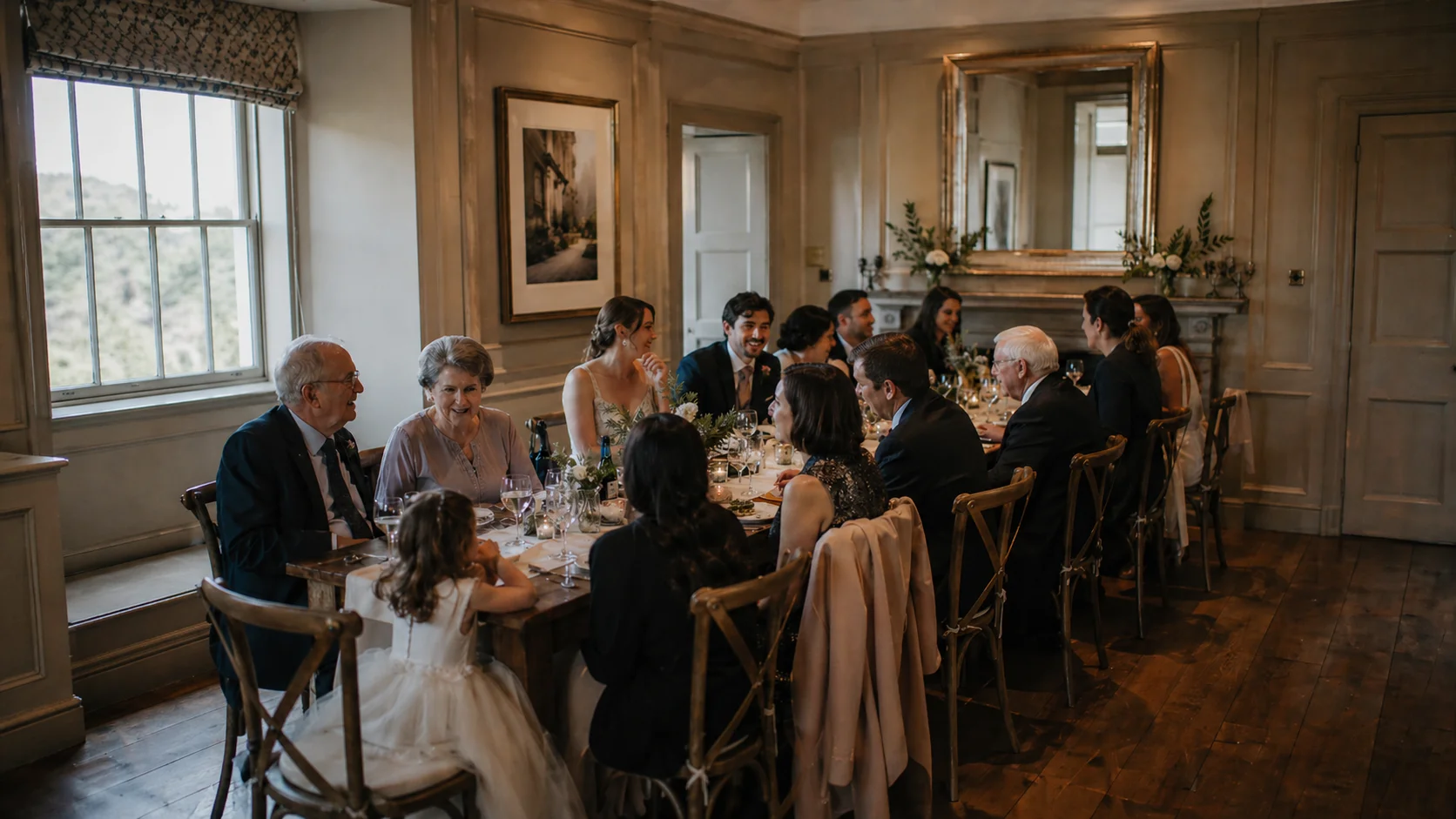
Family Table Checklist: What Helps Mixed Generations Sit More Easily Together
Family tables at weddings rarely depend on seating order alone. They work better when physical comfort, conversational balance, newer relationships, and older family stories are all considered before dinner begins.
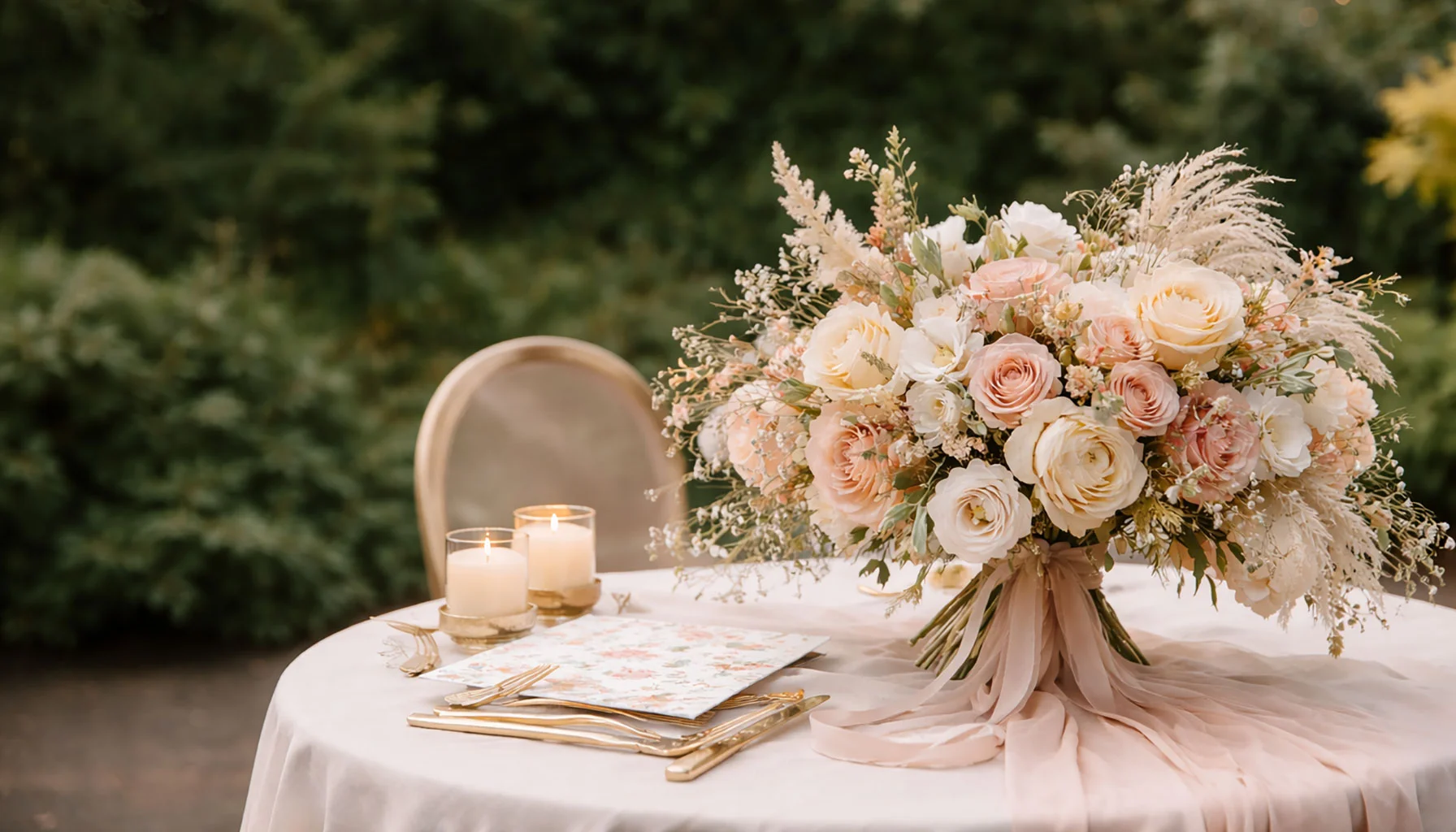
Bloom by Design: Flowers and Florals for a Modern Perfect Wedding
Flowers rarely carry a wedding by themselves. What they do, when chosen well, is quieter and often more lasting. They soften transitions, give rhythm to rooms, and help guests feel oriented without ever being told where to look. This article looks at wedding flowers through atmosphere, restraint, and the silent structure they create across the day.
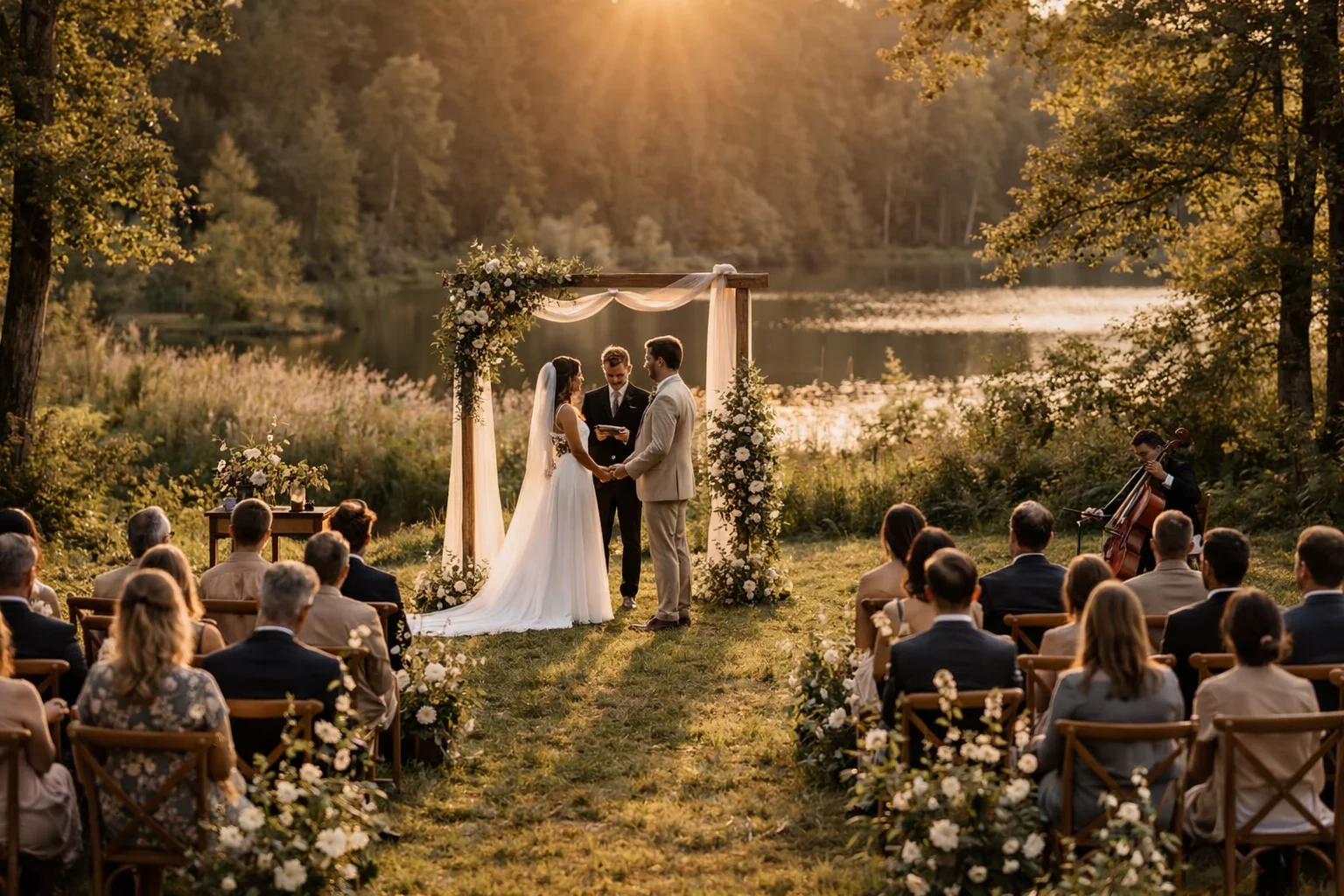
Where an Outdoor Wedding Finds Its Quiet Moments
Outdoor weddings are often chosen for what they seem to promise: openness, air, light, a sense that the ceremony is not confined but allowed to unfold in a wider space. There is movement in everything, from the wind in the trees to the shifting light across the day.
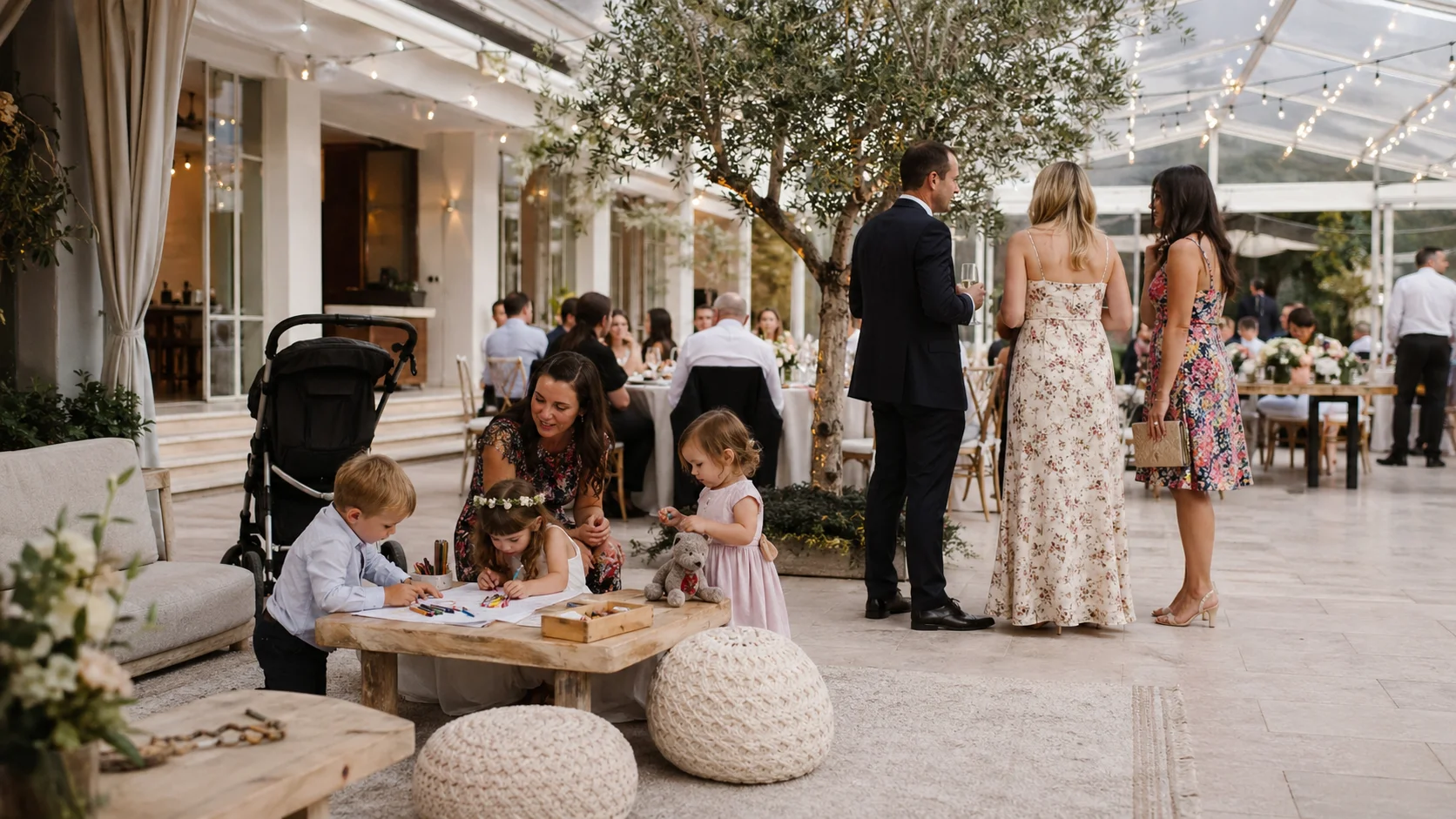
Kids at Weddings Checklist: What Helps Families Stay Longer Without Strain
Families with children usually leave weddings early for a series of small reasons rather than one big one. This article looks at what helps them stay longer with less strain, from food timing and retreat spaces to quieter transitions and the simple need for relief.
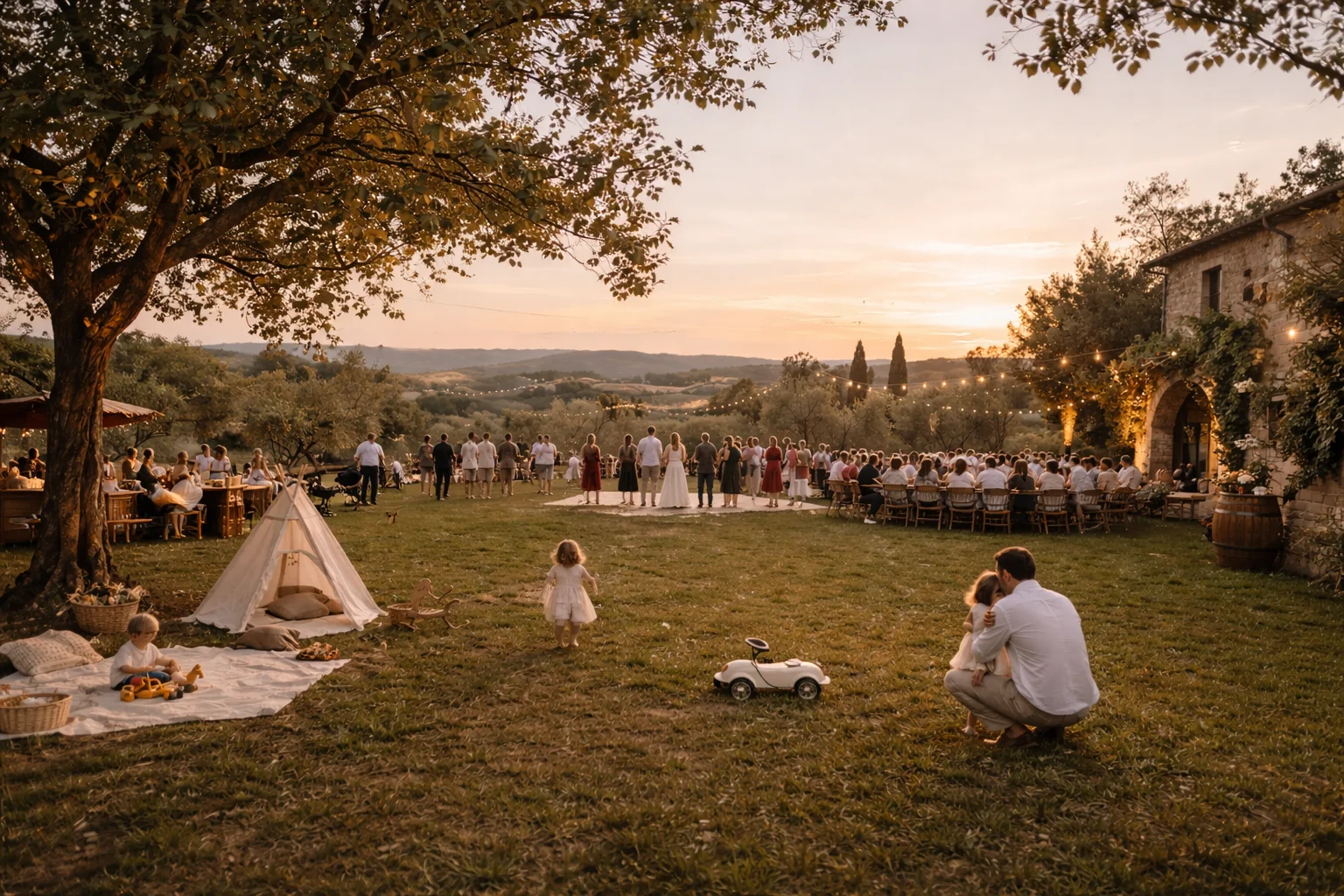
Nap Times, Early Goodbyes, and the Hidden Rhythm of Weddings With Small Children
Weddings with small children often follow two timelines at once: the visible schedule of ceremony, dinner, and dancing, and the quieter rhythm of naps, tiredness, comfort, and early departures. This article looks at how those hidden shifts shape the day in practical and emotional ways.
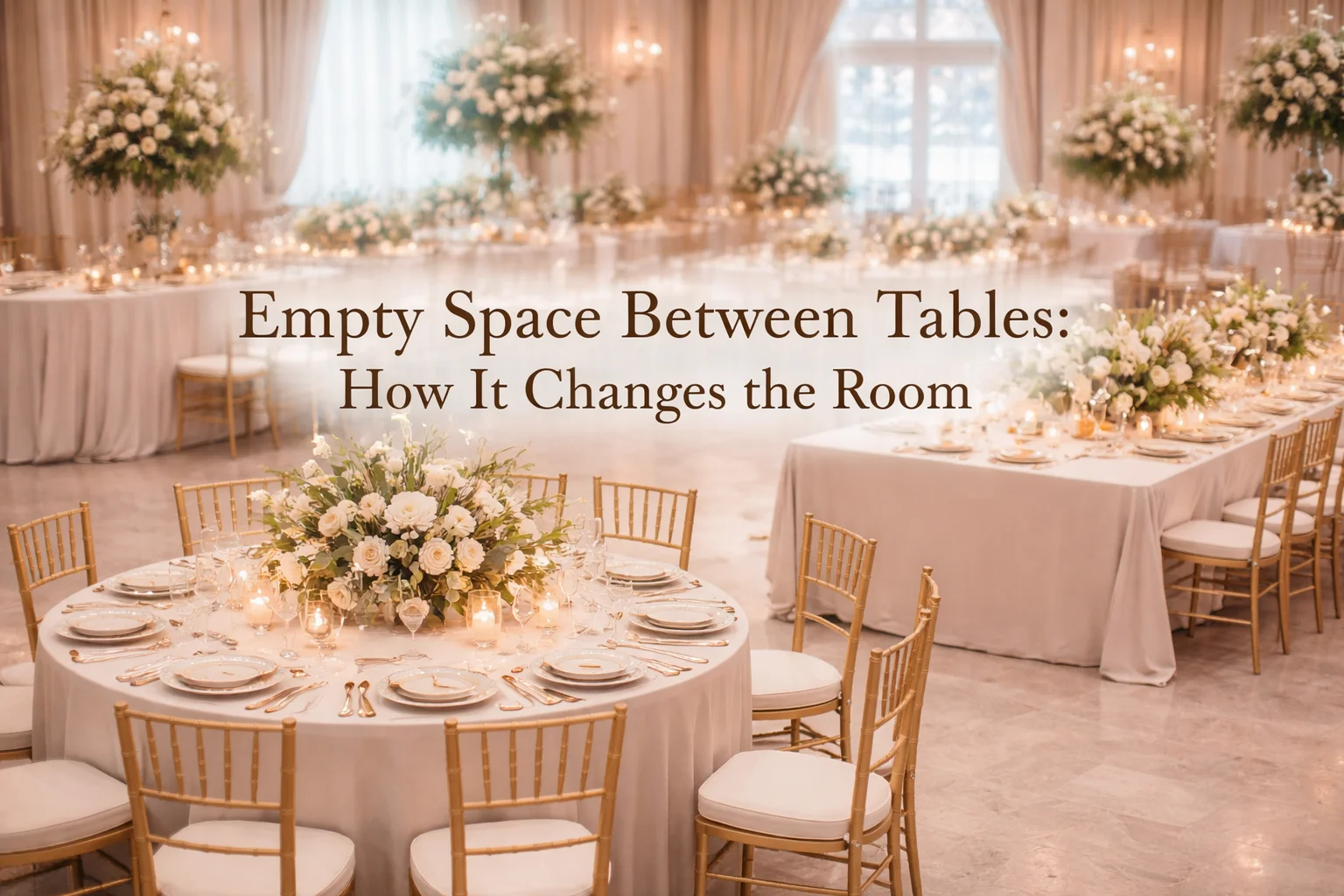
Empty Space Between Tables and How It Shapes the Room
Most layouts start with the tables themselves. Size, shape, how many fit. The areas in between are often adjusted at the end, sometimes just to make things work on paper. In the actual room, though, those leftover spaces do something. Not in a designed way. More like they shift how people move without anyone really pointing at it.
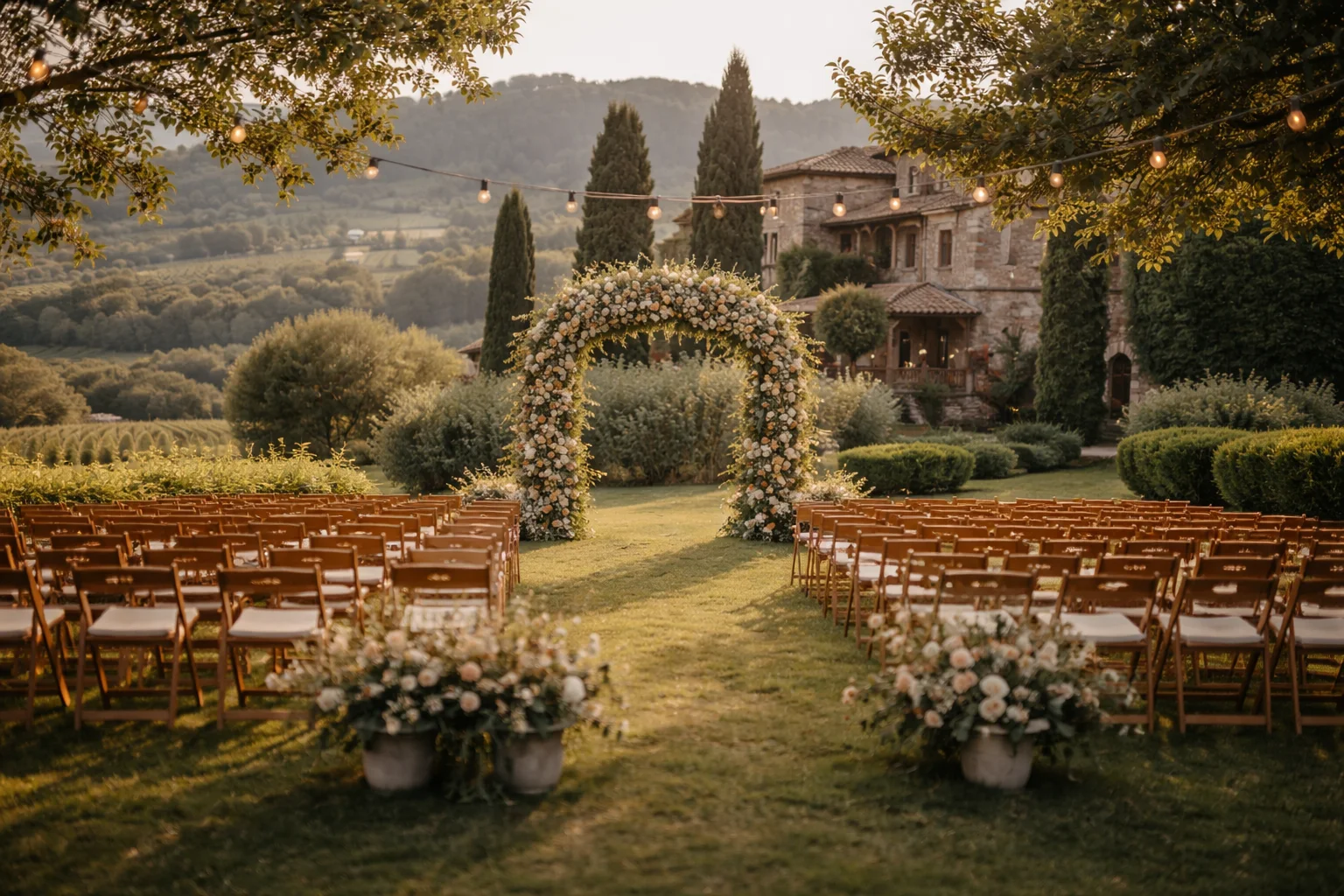
Quiet Observations on Wedding Locations and Gathering Spaces
Discussions about wedding venues often circle around style or decoration. In practice the location itself shapes the event long before flowers or lighting appear. The way guests arrive, how rooms connect, how sound travels in an old hall or across a garden terrace. These things quietly determine the rhythm of the day.
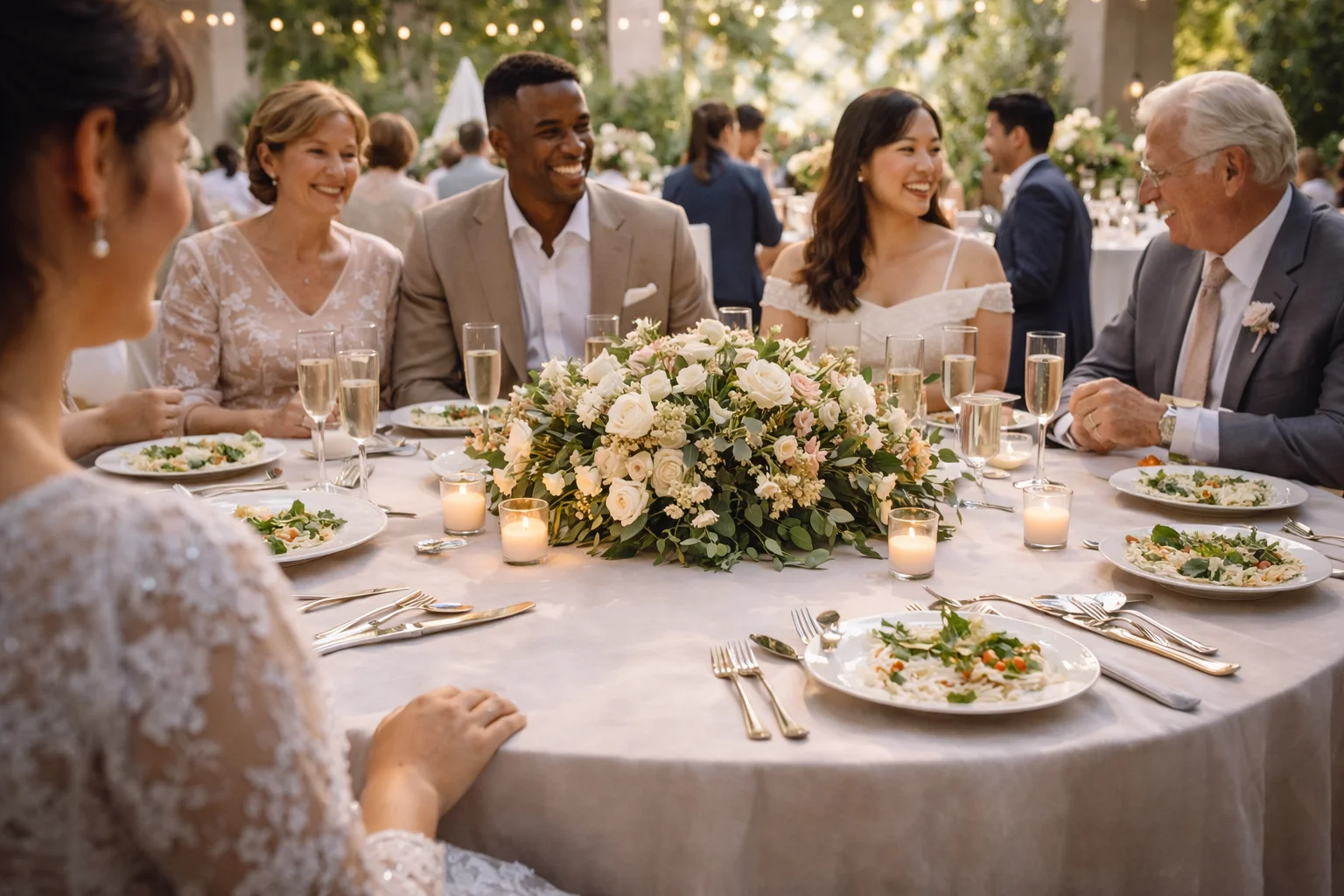
Multilingual Wedding Communication: What Guests Need to Understand Without Constant Explanation
A multilingual wedding does not fail because different languages are present. It becomes difficult when guests are left unsure what they need to understand, what they can simply feel, and what requires translation in the moment. This article looks at how to create clarity in multilingual wedding communication without overexplaining every part of the day.
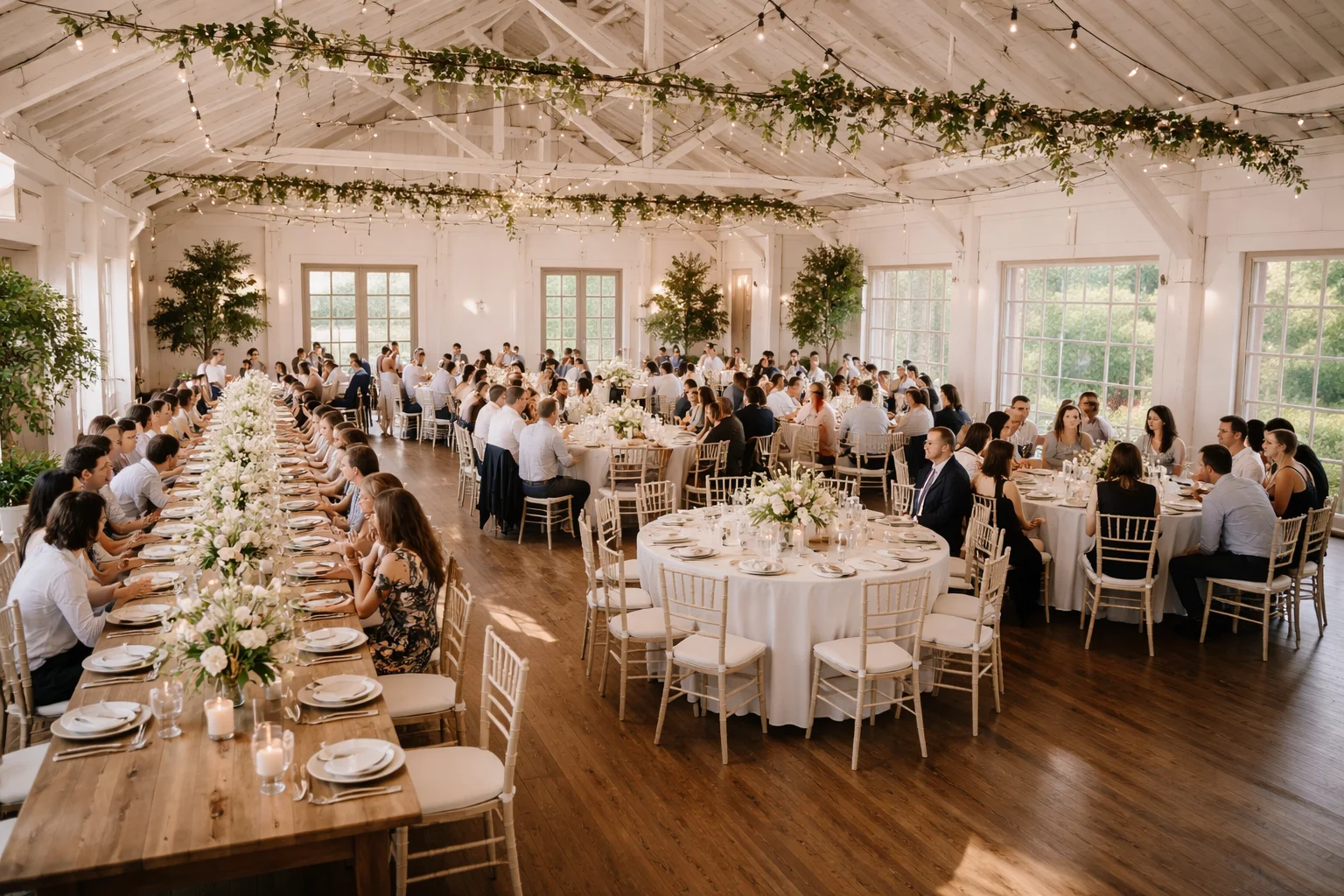
Long Tables vs Round Tables: Observed Use in Wedding Settings
The choice between long and round tables shows up early, often before other details are fixed. It looks like a visual decision at first. In actual setups, it shifts how the room settles once people sit down. Not dramatically, but enough to notice after a short time.

Meaning of Marriage and Love
Marriage and love are not built on constant passion or perfect moments. They survive because two people decide to stay, even when feelings change and life becomes difficult. Real love is quiet, steady, and intentional. It grows through honesty, shared responsibility, and the willingness to choose each other every day—not because it’s easy, but because it matters.
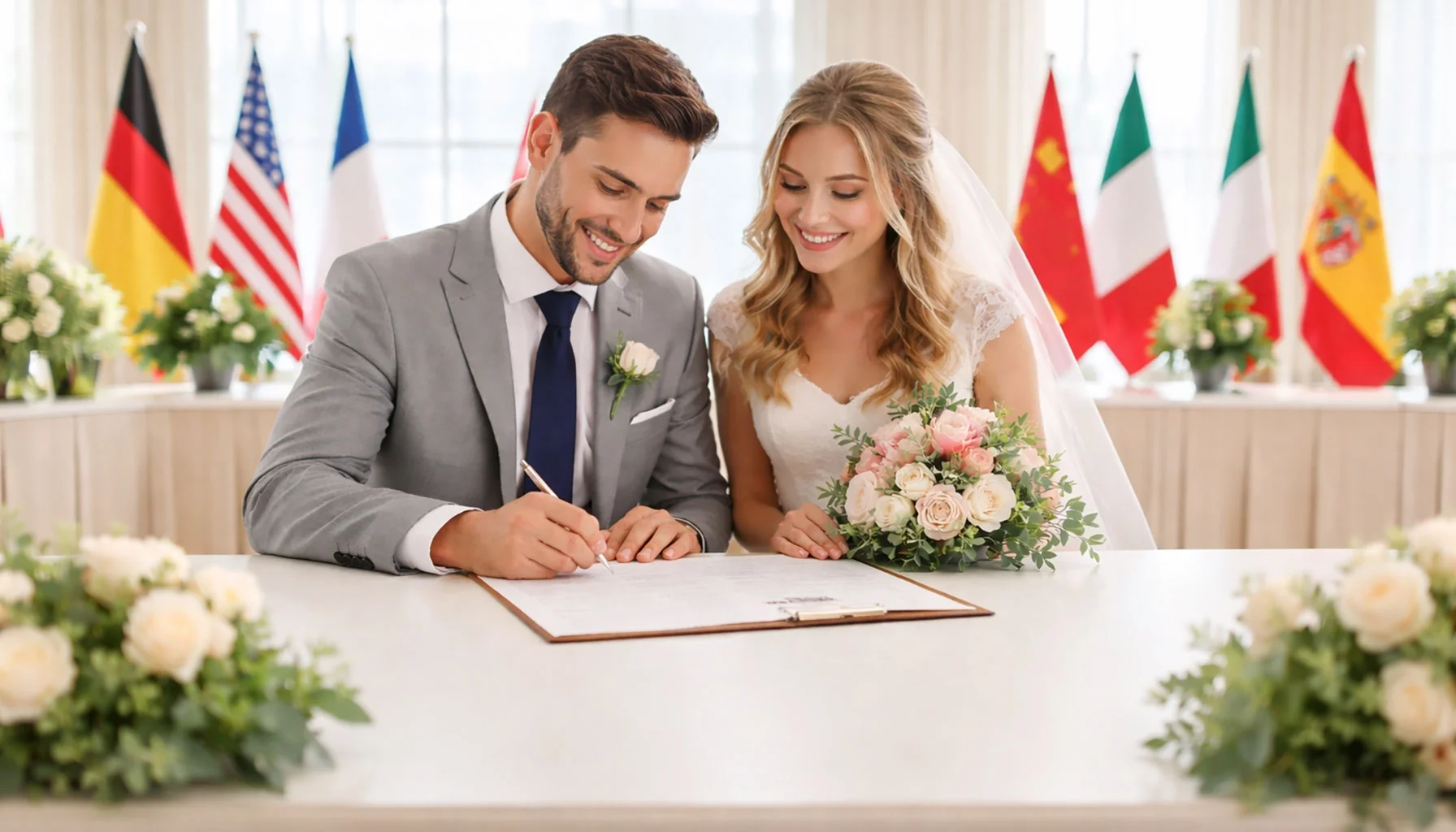
Civil Ceremonies Worldwide: Legal Requirements, Processes, Costs, and Cultural Differences
Civil ceremonies are rarely dramatic, yet they often carry one of the most decisive thresholds in a wedding journey. This article looks at civil marriage across countries through legal requirements, observed processes, cost ranges, and the quieter atmosphere that often surrounds the moment a marriage becomes official.
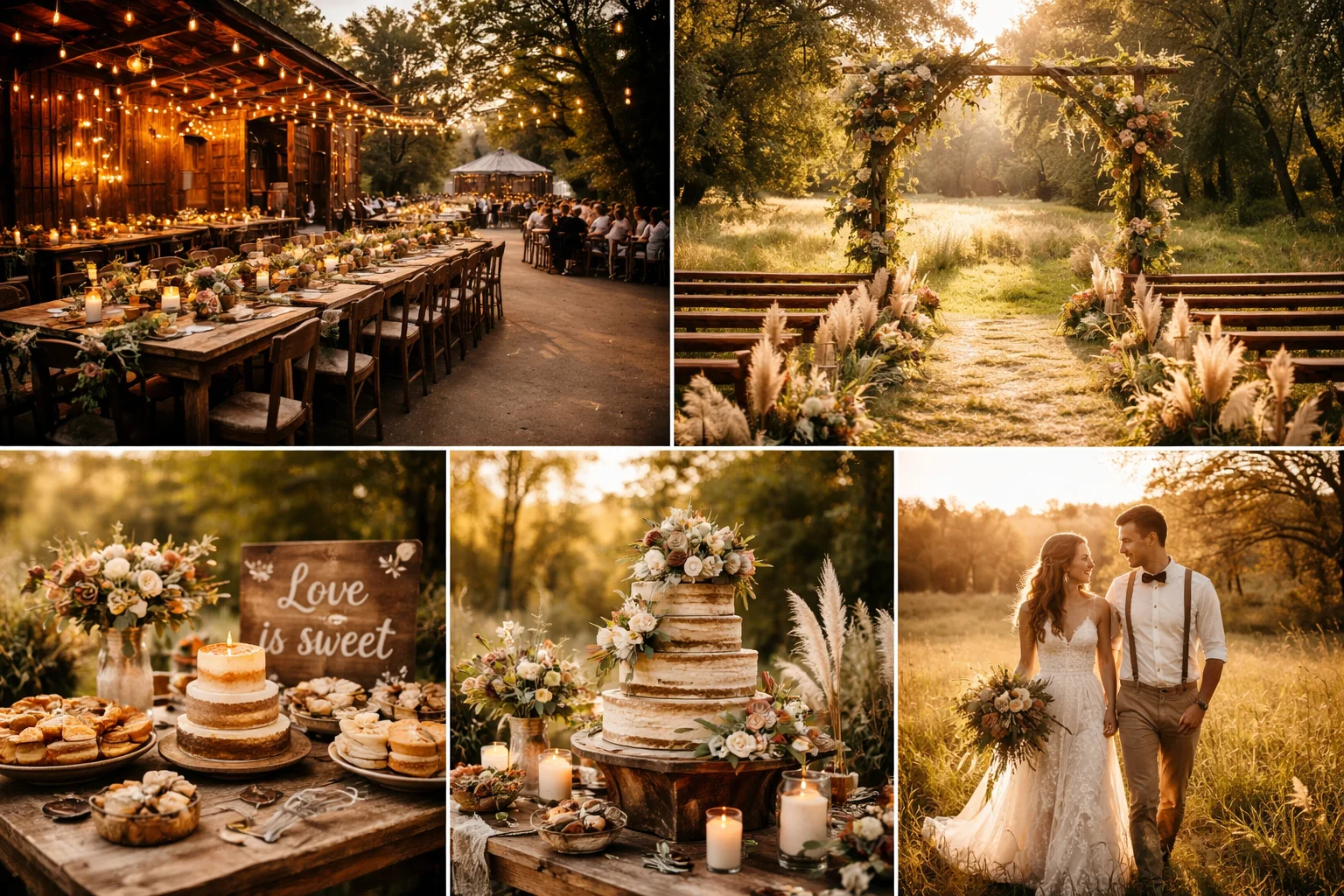
Rustic and Natural Wedding Celebrations: Timeless Love in Harmony with Nature
Rustic and natural weddings are often remembered less for decoration than for the way they let people settle. Wood, air, grass, uneven ground, soft light, and slower movement create a kind of calm that feels almost familiar from the start. This article looks at how rustic wedding settings shape atmosphere through simplicity, material honesty, and the quiet logic of place.