
Rustic and Natural Wedding Celebrations: Timeless Love in Harmony with Nature
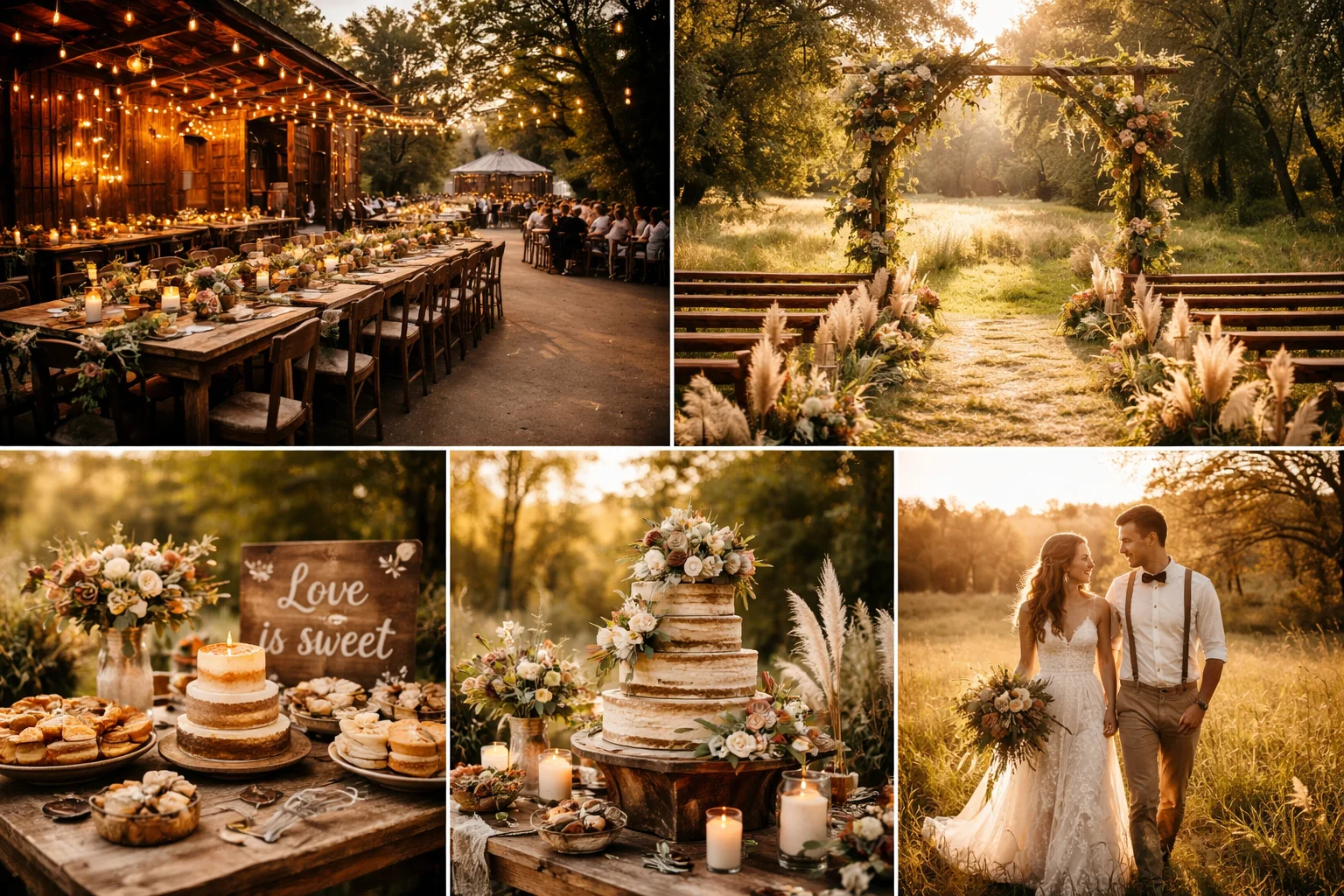
Rustic and natural weddings tend to feel settled from the start. The surroundings are known. Wood, grass, open air, uneven ground. These celebrations usually happen where life already seems possible without much adjustment: farms, vineyards, barns, gardens, clearings. The atmosphere is shaped less by design than by context. Guests arrive and adjust quickly because the setting already carries part of the work.
This is why the subject belongs naturally to both the Rustic and Natural category and to Silence. On Loving Rocks, Rustic and Natural is not only a visual style, but a way of creating warmth through material, place, and ease. Silence describes the quieter space in which meaning gathers before it is fully named. Rustic weddings often work so well because they leave more of that quiet space intact. They do not crowd every surface or explain every feeling.
Rustic & NaturalRustic and natural weddings celebrate simplicity, warmth, and a deep connection to nature. Organic materials, earthy tones, and relaxed details create an atmosphere that feels authentic and welcoming. This style embraces natural beauty and handcrafted elements, resulting in a celebration that feels personal, heartfelt, and effortlessly charming.
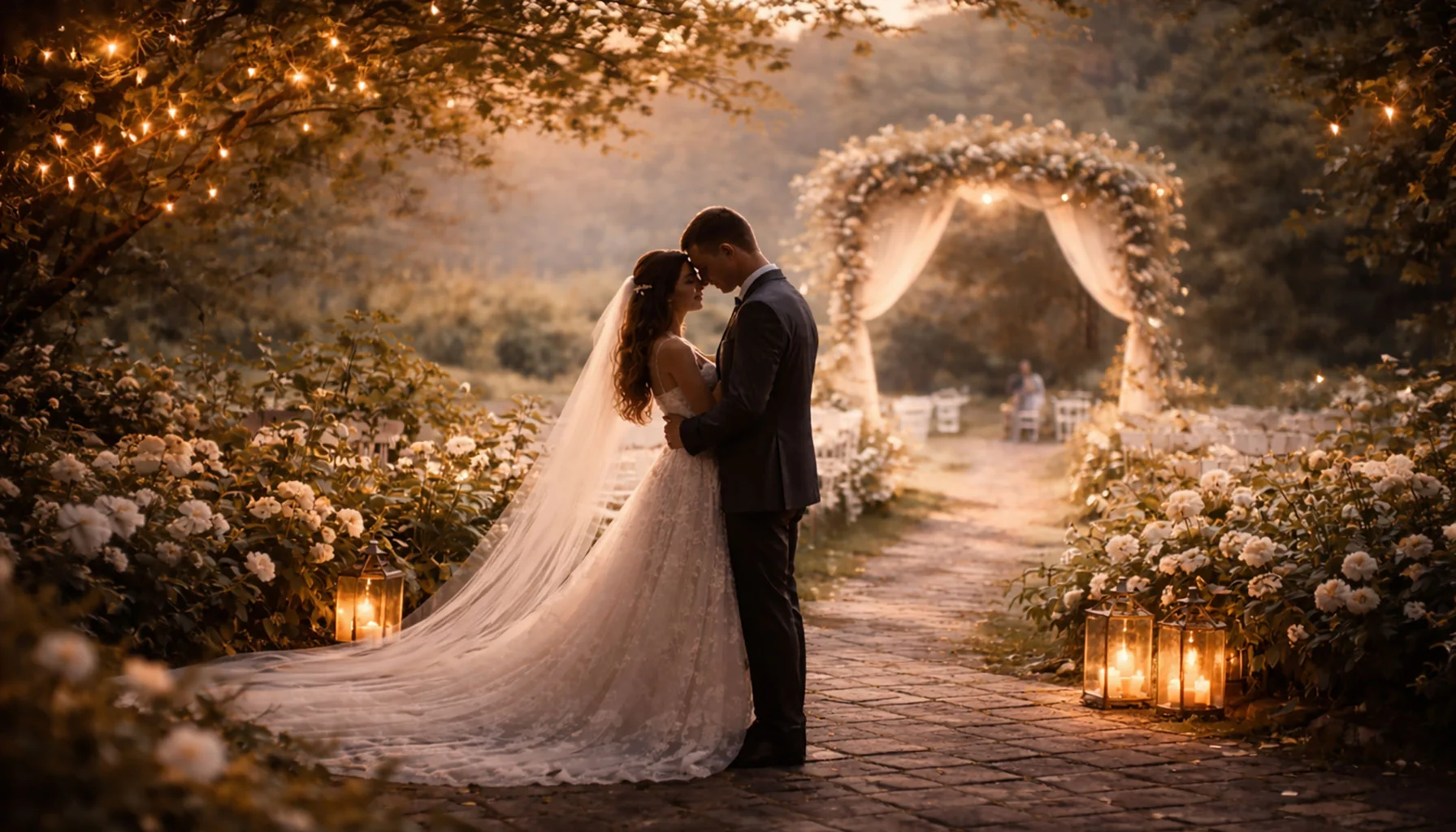
Silence is not absence. It is the space where meaning gathers before words, decisions, and rituals take shape.
Definition
Rustic and natural wedding celebrations are weddings shaped by organic settings, familiar materials, and a slower, less staged atmosphere. They rely on the character of place, light, texture, and guest movement more than on formal symmetry or heavy decorative control. Their strength lies in warmth, coherence, and a sense that the celebration belongs to its surroundings.
The Venue Usually Does More Than the Styling
In rustic weddings, the venue often does most of the work. A barn, a vineyard terrace, a garden edge, a meadow near water, a courtyard with old stone already gives the day a structure that does not need to be invented from nothing. Architecture, landscape, and natural light organize how people move, gather, and look around. When the setting already feels complete, planning becomes less about adding and more about protecting what is already there.
Natural Materials Make the Day Feel Handled Rather Than Styled
Wooden tables, linen, ceramics, glass, branches, grasses, wildflowers, handwritten signs, visible folds in paper, and surfaces that are not perfectly polished all contribute to a certain ease. These details do not usually read as luxury in the obvious sense. They read as touched, used, and inhabitable. That distinction matters. Guests tend to relax faster in spaces that feel lived with instead of over-composed.
Guest Comfort Is Part of the Atmosphere
Rustic settings only feel effortless when practical comfort has been thought through. Uneven terrain, changing weather, walking distance, shade, evening cold, lighting after sunset, and clear guidance about clothing all affect how natural the day really feels from the guest side. Calm atmosphere is rarely accidental. It usually rests on small preparations that remove friction before anyone has to notice them.
Light, Weather, and Open Space Slow the Celebration Down
One of the quiet strengths of rustic weddings is that they often follow the logic of the day rather than fight it. Afternoon light softens table colors. Wind changes where the ceremony feels right. Evening asks for candles, lanterns, and a gentler sound level. Open space lets people spread out and return again. The celebration moves with visible conditions, and that makes it feel steadier rather than more fragile.
Why Rustic Weddings Often Feel Close to Silence
Rustic and natural weddings are often remembered for how they felt rather than how they looked. That is where they come close to the logic of silence. They leave room for shared time, for conversation that is not pushed, for details that do not announce themselves, and for a setting that supports meaning without trying to speak over it. Simplicity becomes powerful here not because it is minimal, but because it allows more to remain quietly present.
Conclusion
Rustic and natural wedding celebrations are often less about style than about alignment. Place, material, light, weather, and guest comfort begin to support one another until the wedding feels coherent without looking forced. That is why these celebrations stay with people. They value sincerity, presence, and shared time. And when they are handled with care, they create a kind of quiet richness that needs very little explanation.
Related Articles
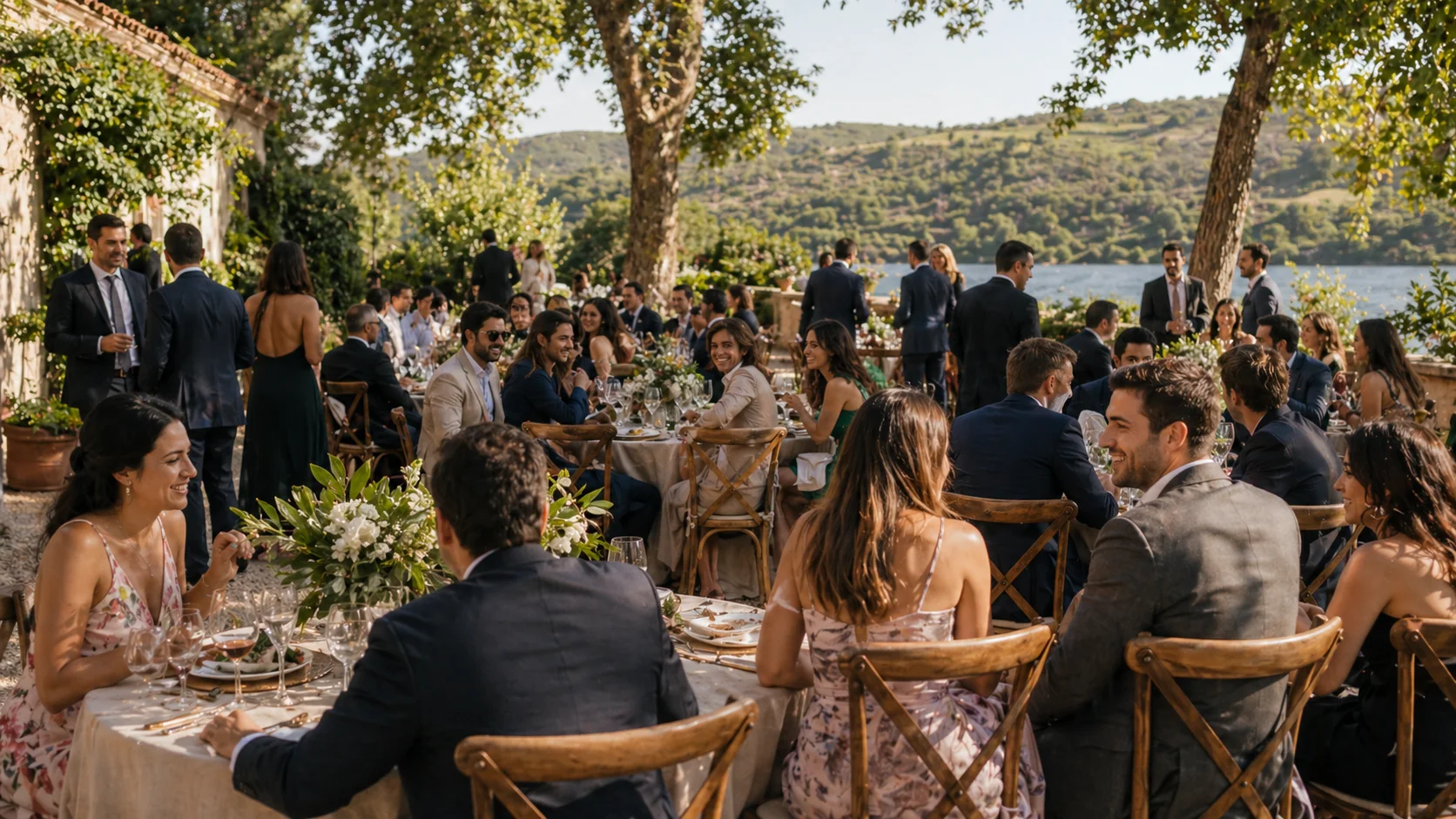
Guest Comfort Checklist: Small Conditions That Change the Entire Atmosphere
Guest comfort at weddings is shaped by small conditions long before anyone complains. This article looks at temperature, seating, sound, waiting areas, access, and quiet spaces of relief that change how the whole room feels.

Why Notebooks Matter More Than You Think at Weddings
Notebooks at weddings are often treated as simple guest books, but their role goes deeper. They capture pauses, unfinished thoughts, and quiet moments that rarely surface in spoken form. This article explores how notebooks connect the visible ritual of a wedding with the invisible space of silence.
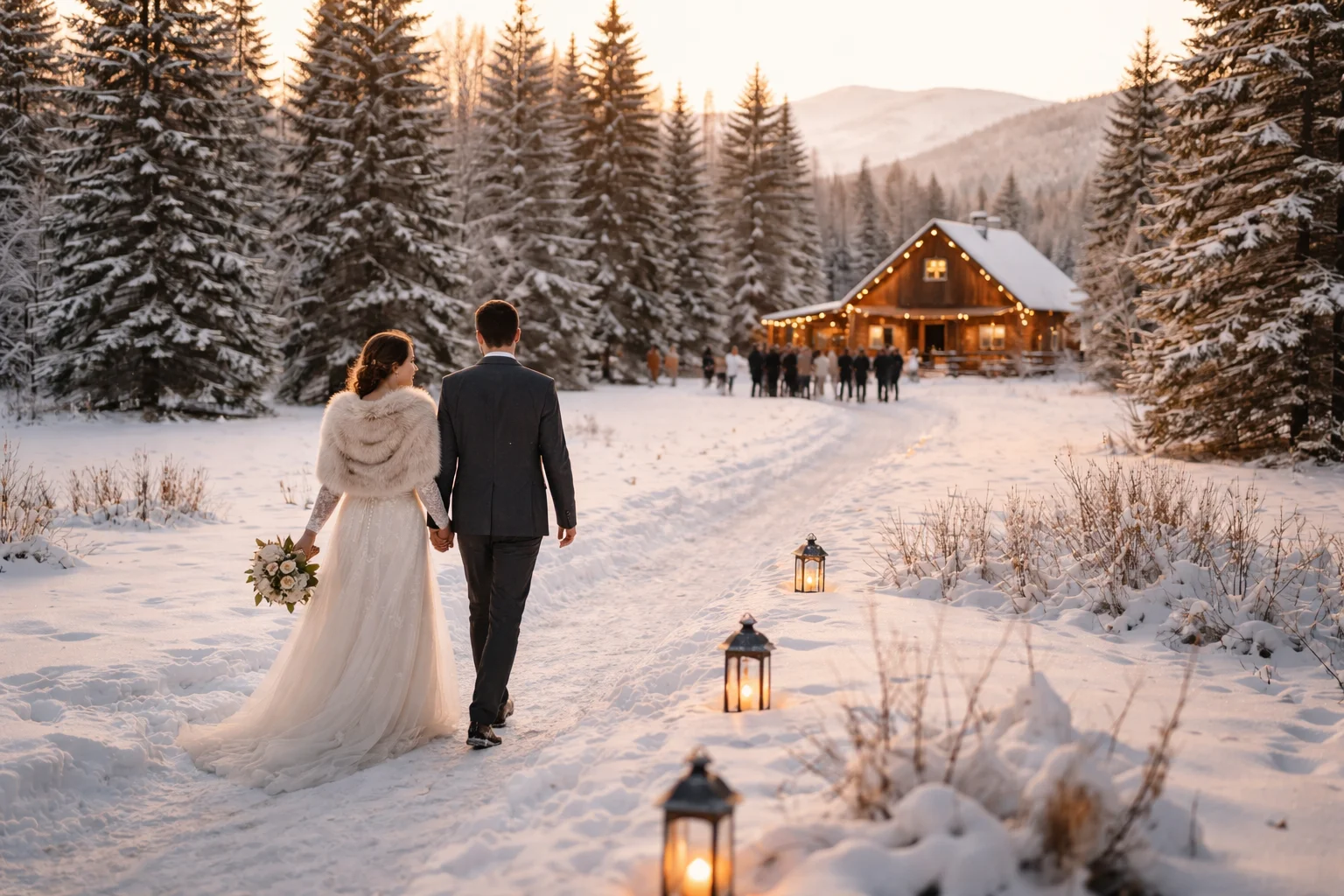
Winter Light and Compressed Timelines in Weddings
Winter weddings are shaped less by one obvious restriction than by a series of quieter adjustments. This article looks at how shorter days, colder air, and earlier shadows compress the timeline, tighten transitions, and give the day a more deliberate rhythm.
Quiet Observations on Wedding Locations and Gathering Spaces
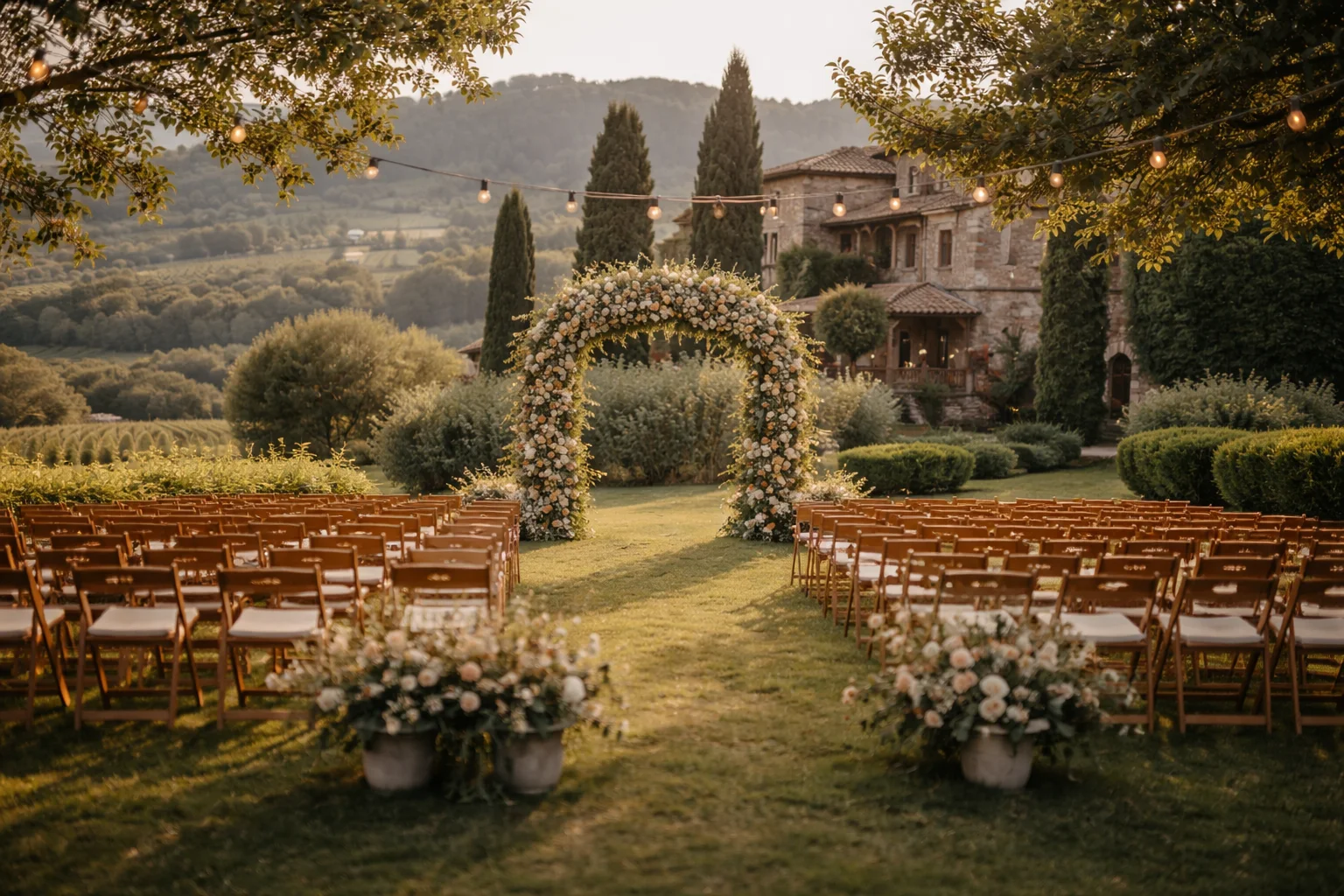
Discussions about wedding venues often circle around style or decoration. In practice the location itself shapes the event long before flowers or lighting appear. The way guests arrive, how rooms connect, how sound travels in an old hall or across a garden terrace. These things quietly determine the rhythm of the day.
Long Tables vs Round Tables: Observed Use in Wedding Settings
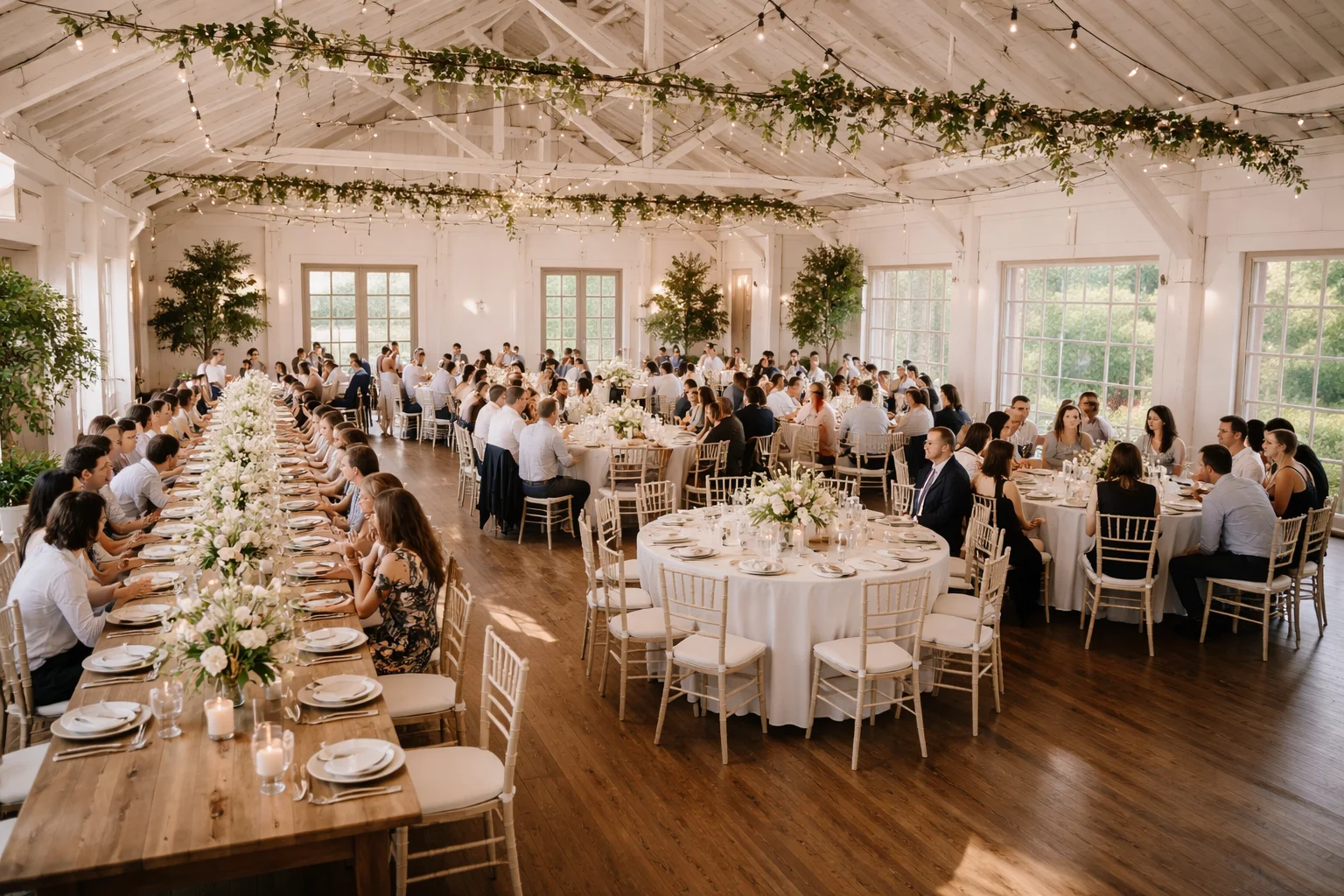
The choice between long and round tables shows up early, often before other details are fixed. It looks like a visual decision at first. In actual setups, it shifts how the room settles once people sit down. Not dramatically, but enough to notice after a short time.
When Attention Shifts: Kids in Formal Wedding Situations
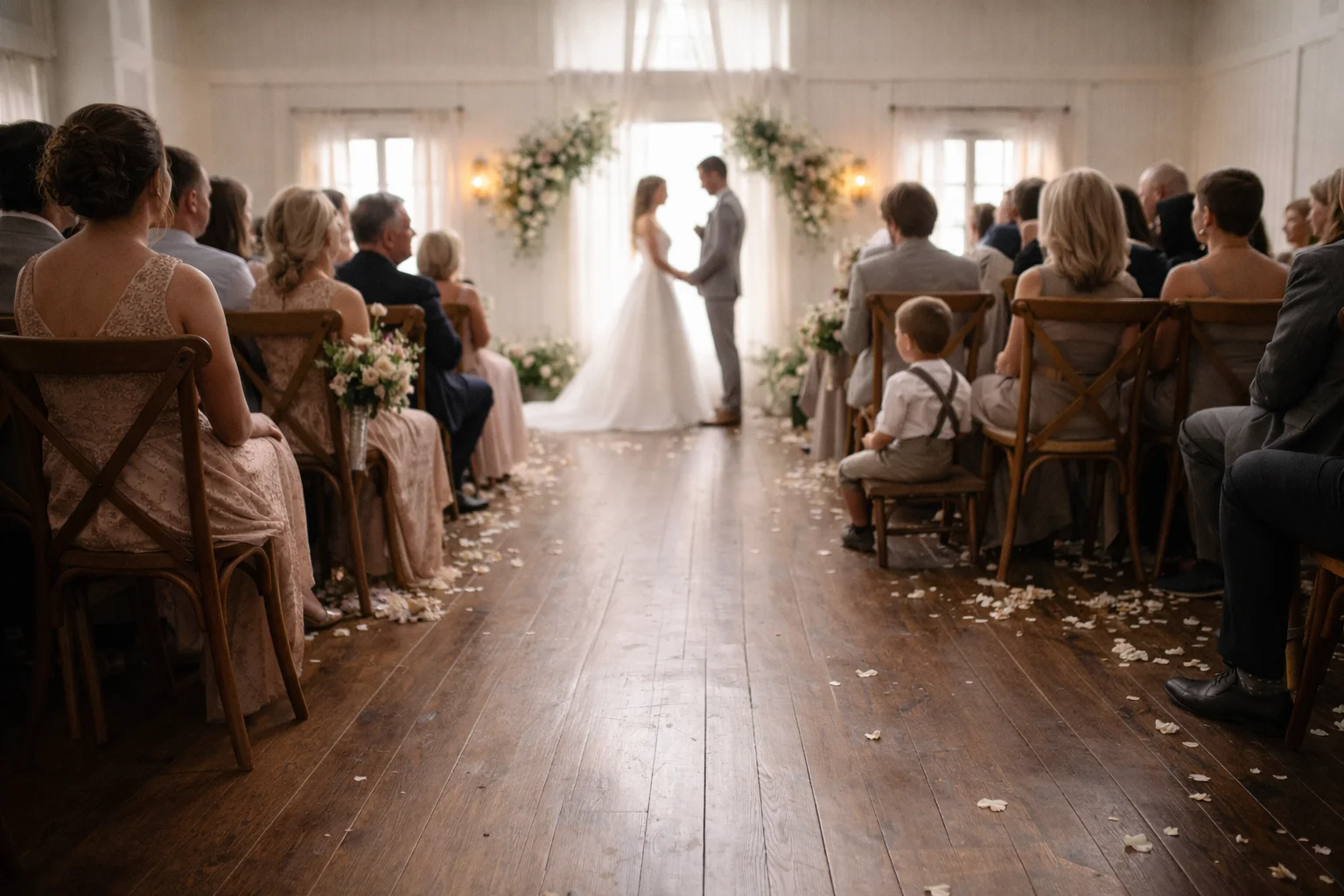
Children rarely stop a formal wedding moment outright, but they often redirect attention for a few seconds in ways adults immediately notice. This article looks at how those shifts happen, why they usually matter less than feared, and how weddings absorb different rhythms without losing their structure.
Where Rustic Weddings Meet Lasting Symbols
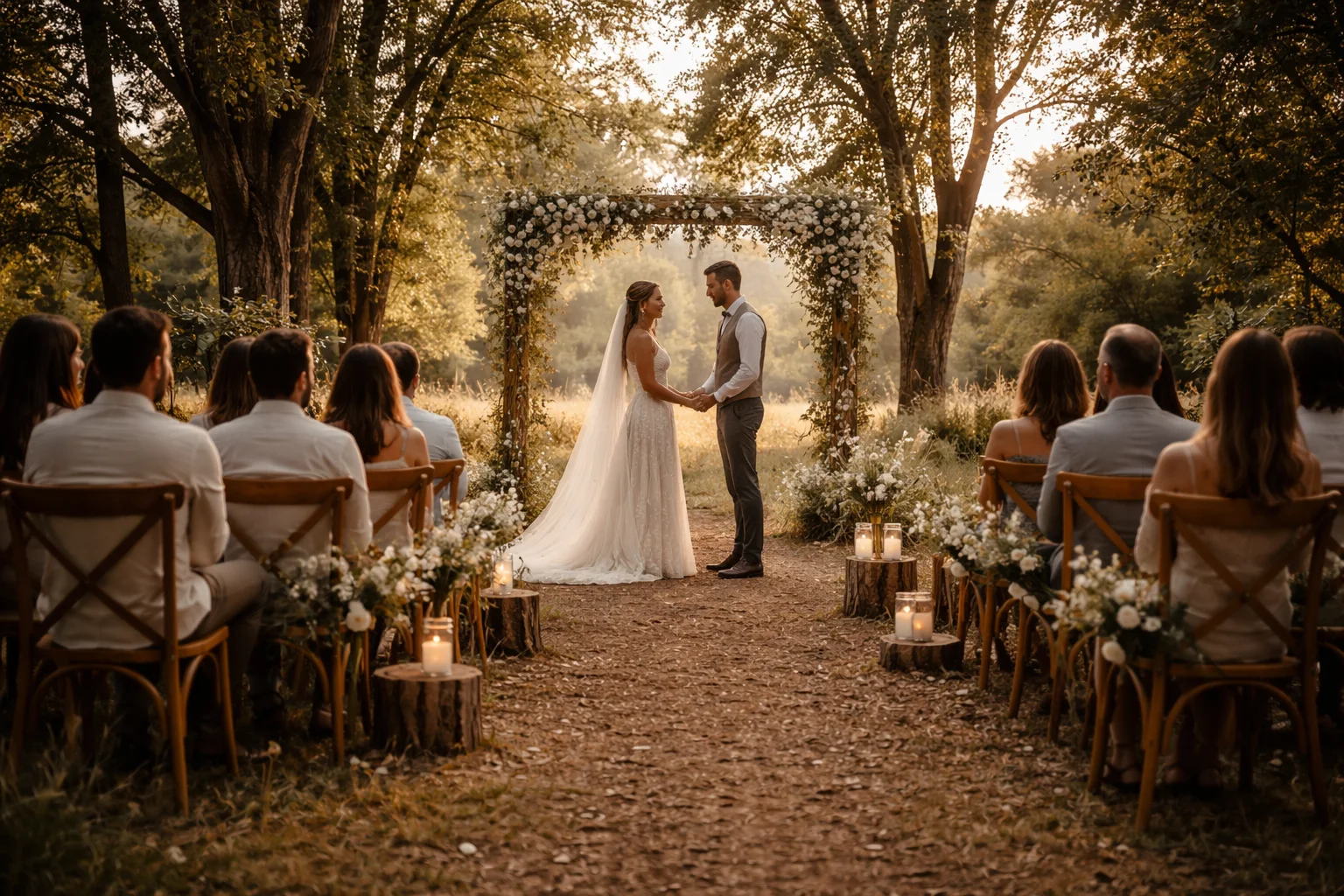
Rustic weddings are often chosen for their sense of ease. Wood, fabric, open air, uneven surfaces, nothing too polished. They suggest a step away from formality, a return to something that feels more direct. But that simplicity is rarely empty. It carries layers that are not always immediately visible.
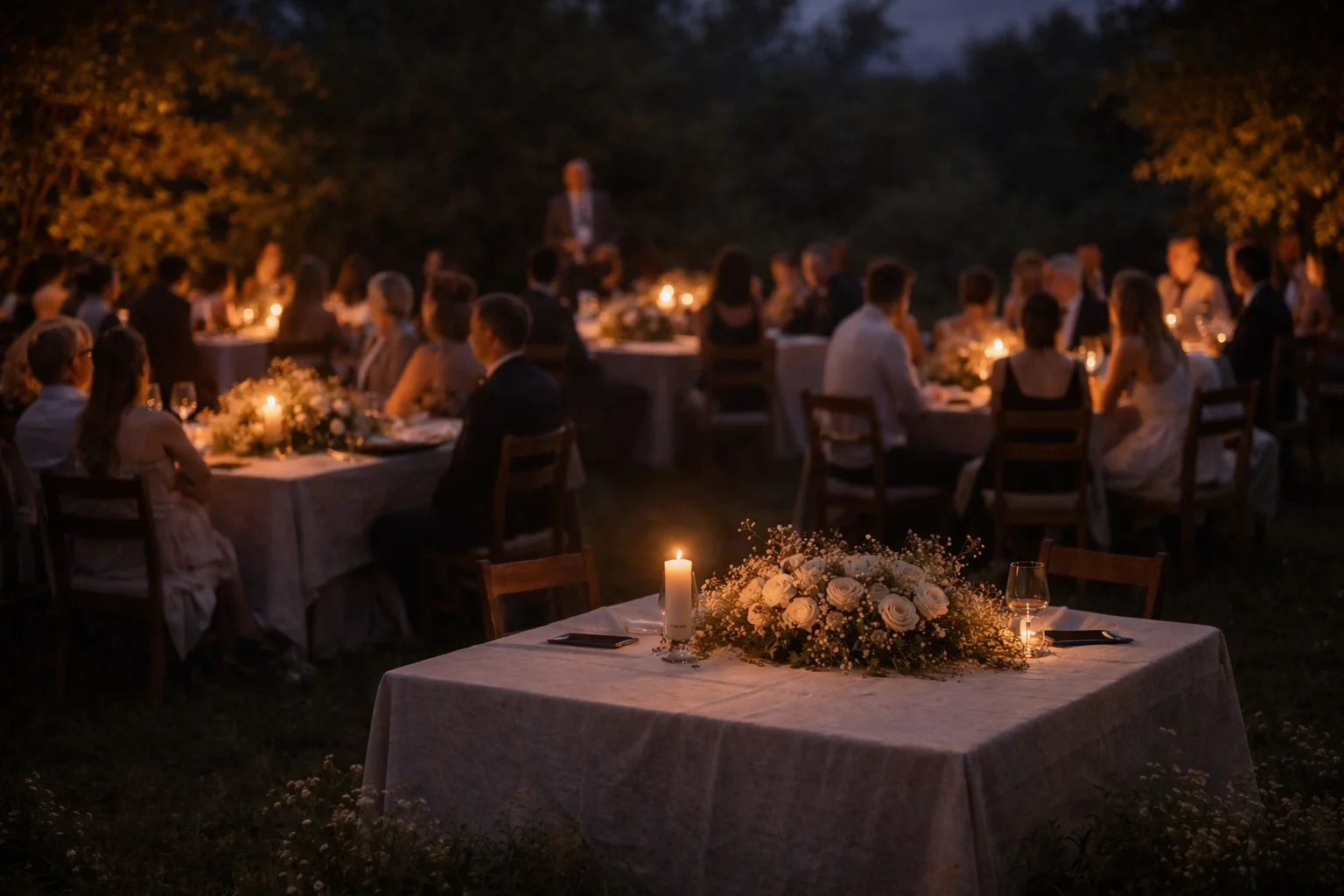
How to Make Wedding Lighting Feel Warmer and More Intentional
Lighting at weddings is often treated as a technical detail, but it defines how a space is felt before anything else is noticed. This article explores how to make light softer, calmer, and more intentional, and why what is not directly seen often matters most.
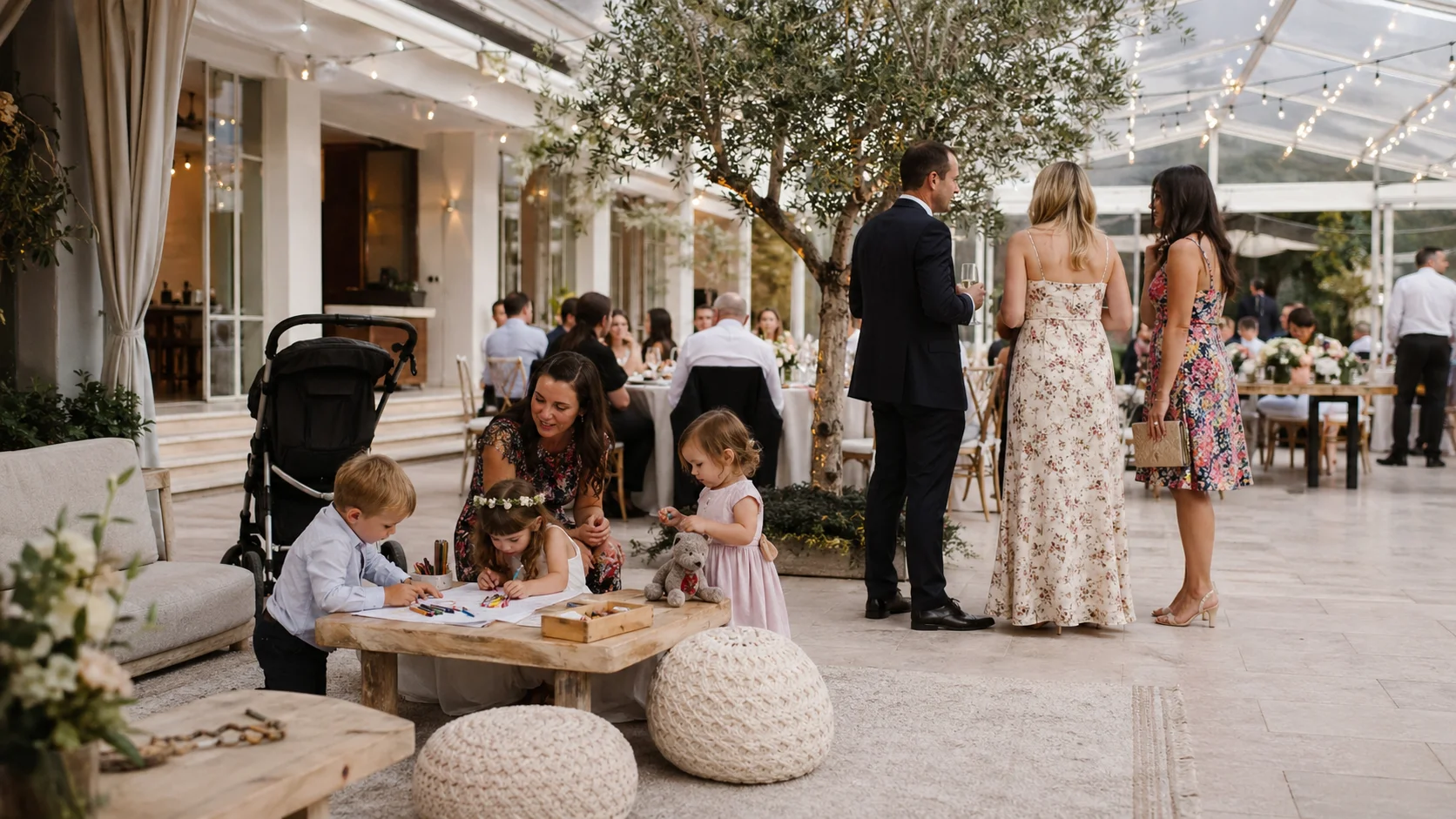
Kids at Weddings Checklist: What Helps Families Stay Longer Without Strain
Families with children usually leave weddings early for a series of small reasons rather than one big one. This article looks at what helps them stay longer with less strain, from food timing and retreat spaces to quieter transitions and the simple need for relief.
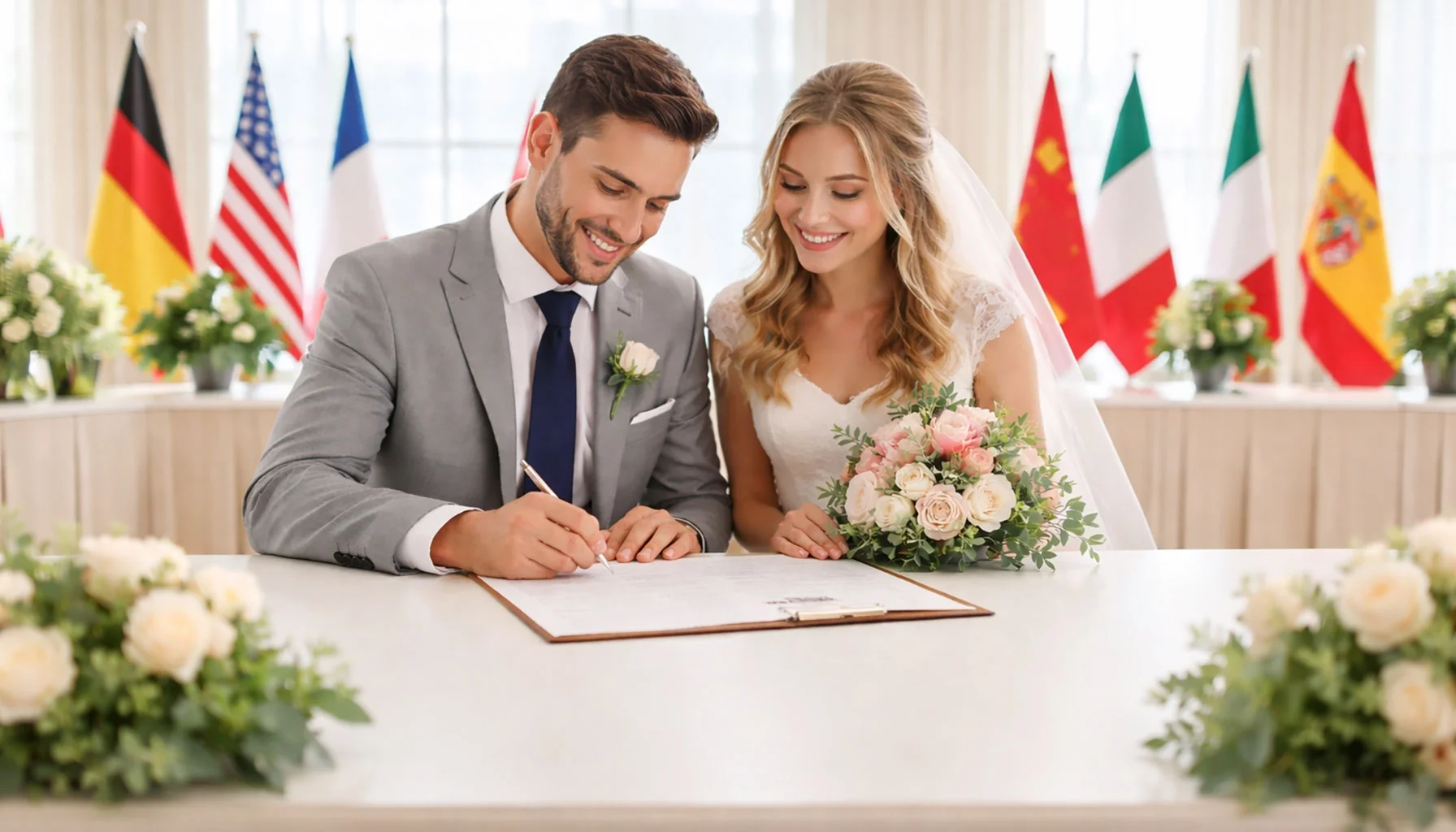
Civil Ceremonies Worldwide: Legal Requirements, Processes, Costs, and Cultural Differences
Civil ceremonies are rarely dramatic, yet they often carry one of the most decisive thresholds in a wedding journey. This article looks at civil marriage across countries through legal requirements, observed processes, cost ranges, and the quieter atmosphere that often surrounds the moment a marriage becomes official.
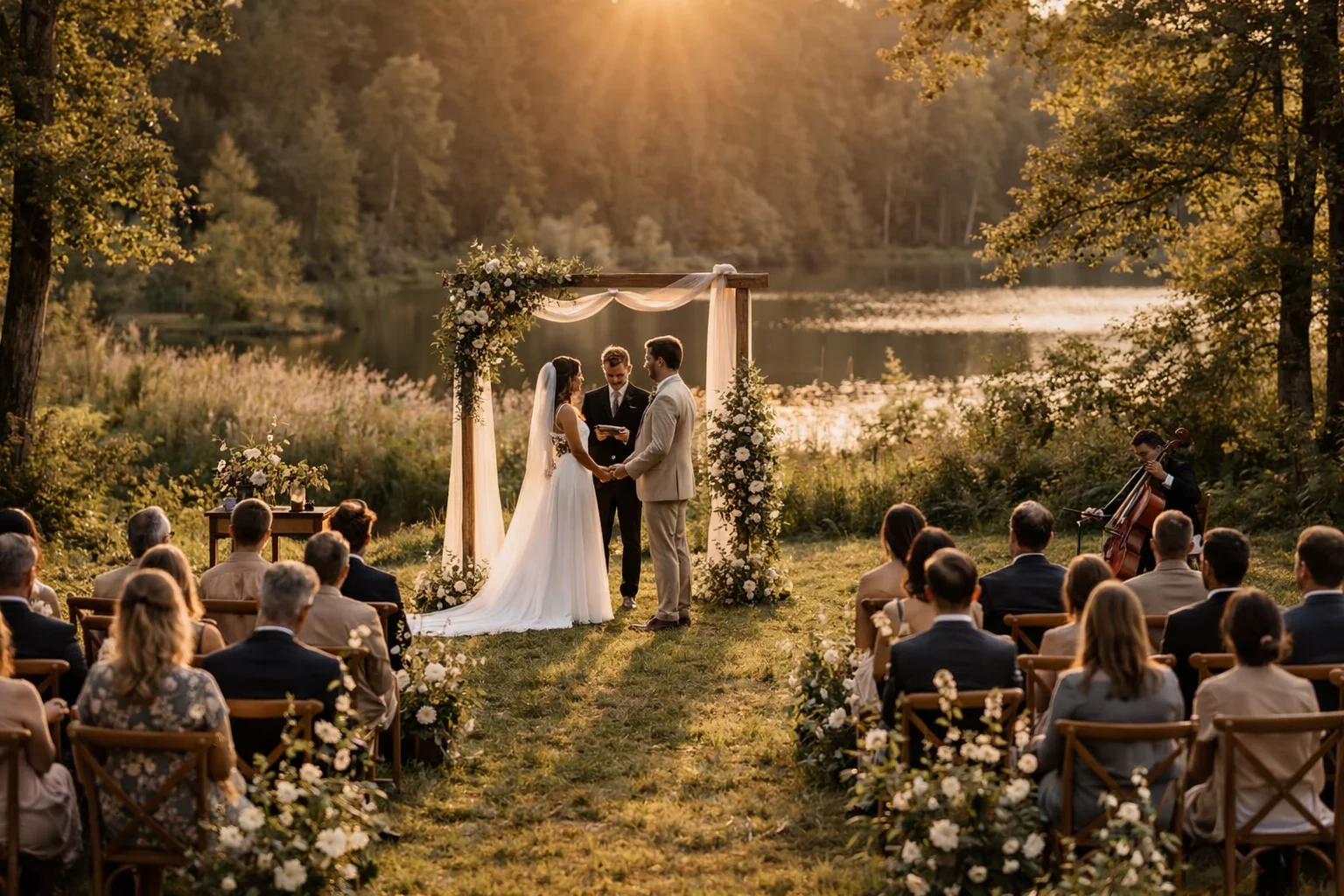
Where an Outdoor Wedding Finds Its Quiet Moments
Outdoor weddings are often chosen for what they seem to promise: openness, air, light, a sense that the ceremony is not confined but allowed to unfold in a wider space. There is movement in everything, from the wind in the trees to the shifting light across the day.
Emotional Load Checklist: Who Carries Too Much, and How to Notice It Early
Emotional load at weddings often hides behind competence. This article looks at who carries invisible responsibility, how to notice early signs of overload, and how to share care before one person quietly holds too much.