
Where Rustic Weddings Meet Lasting Symbols
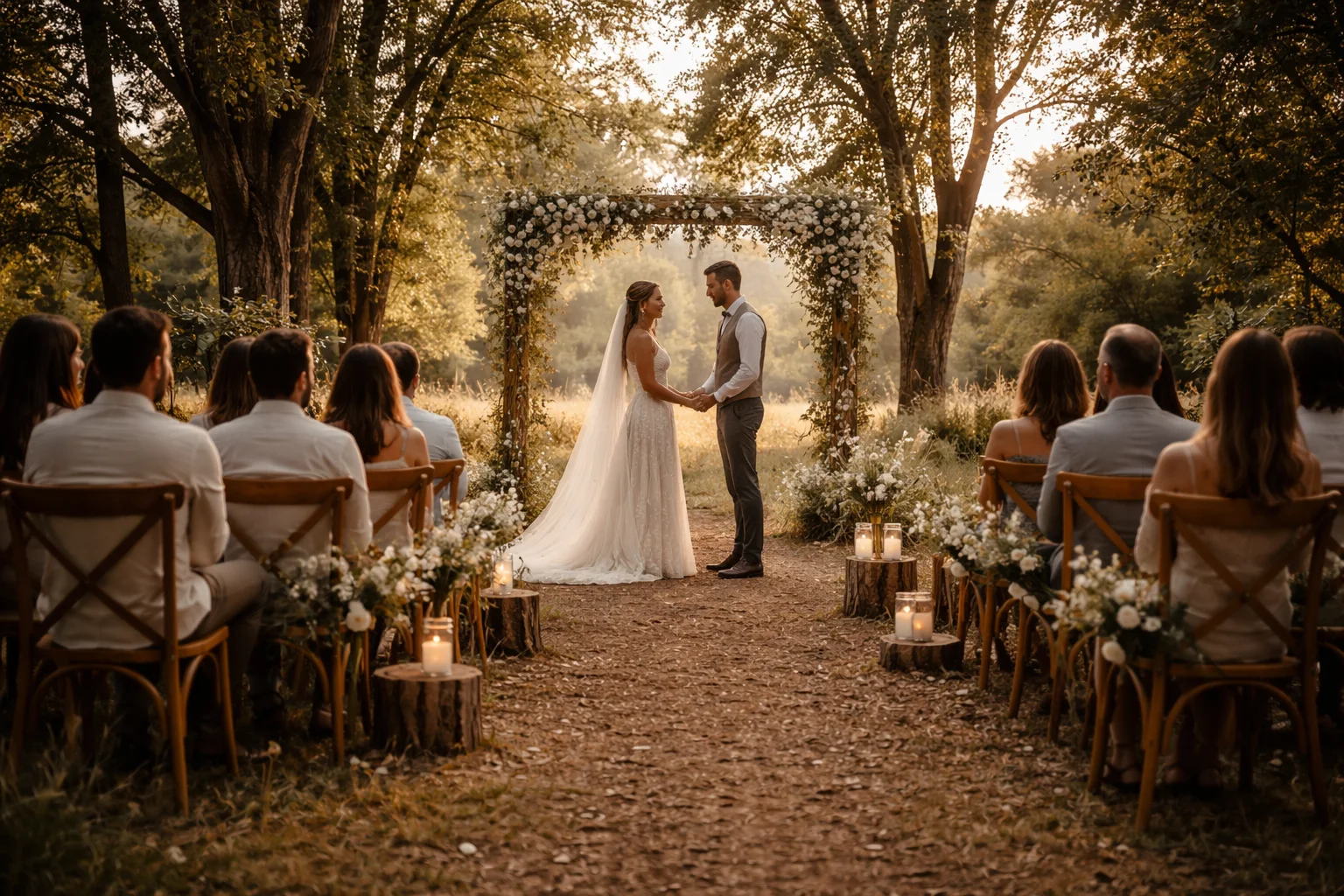
Rustic Weddings and the Symbols That Quietly Stay
Within that setting, many of the gestures that shape the ceremony remain unchanged. Rings are exchanged, hands are held, words are spoken in a familiar sequence. Even when the environment feels relaxed, the structure beneath it often comes from long-standing traditions.
Rustic WeddingsIdeas and inspiration for weddings shaped by natural materials and relaxed settings.
Traditional Wedding SymbolsAn exploration of the symbols that continue to shape modern wedding ceremonies.
Definition
A rustic wedding is typically held in a natural or countryside setting, emphasizing organic materials, relaxed design, and an informal atmosphere while still following a structured ceremony.
Natural Settings, Familiar Gestures
Even in the most informal environments, certain gestures remain consistent. The exchange of rings, the presence of witnesses, the act of standing together in front of others. These elements do not depend on decoration. They persist because they carry meaning that does not need to be redefined each time.
Why Symbols Feel Stronger in Simplicity
In a highly styled environment, symbolism can blend into the overall design. In a rustic setting, where fewer elements compete for attention, these same symbols often stand out more clearly. A ring, a gesture, a pause. Without excess, their meaning becomes easier to notice.
Planning Without Overdesigning
Planning a rustic wedding still requires intention. The difference lies in what is left out. Instead of adding layers, decisions often focus on preserving what already works. The setting provides much of the atmosphere, allowing the ceremony itself to remain central.
Continuity Across Different Styles
Looking at traditional symbols reveals how little they depend on style. Whether a wedding is held in a formal hall or a field, many of the same actions take place. This continuity connects different types of weddings in a way that is easy to overlook when focusing only on aesthetics.
What Stays After the Setting Changes
Over time, details of the setting tend to fade. What often remains are the moments tied to shared gestures. The exchange, the words, the brief stillness. These are not unique to rustic weddings, but in that environment they can feel less staged and more direct.
Conclusion
A rustic wedding may appear simple on the surface, but it is rarely without depth. By reducing what surrounds the ceremony, it allows long-standing symbols to become more visible. What feels relaxed is often supported by something far more enduring.
Related Articles
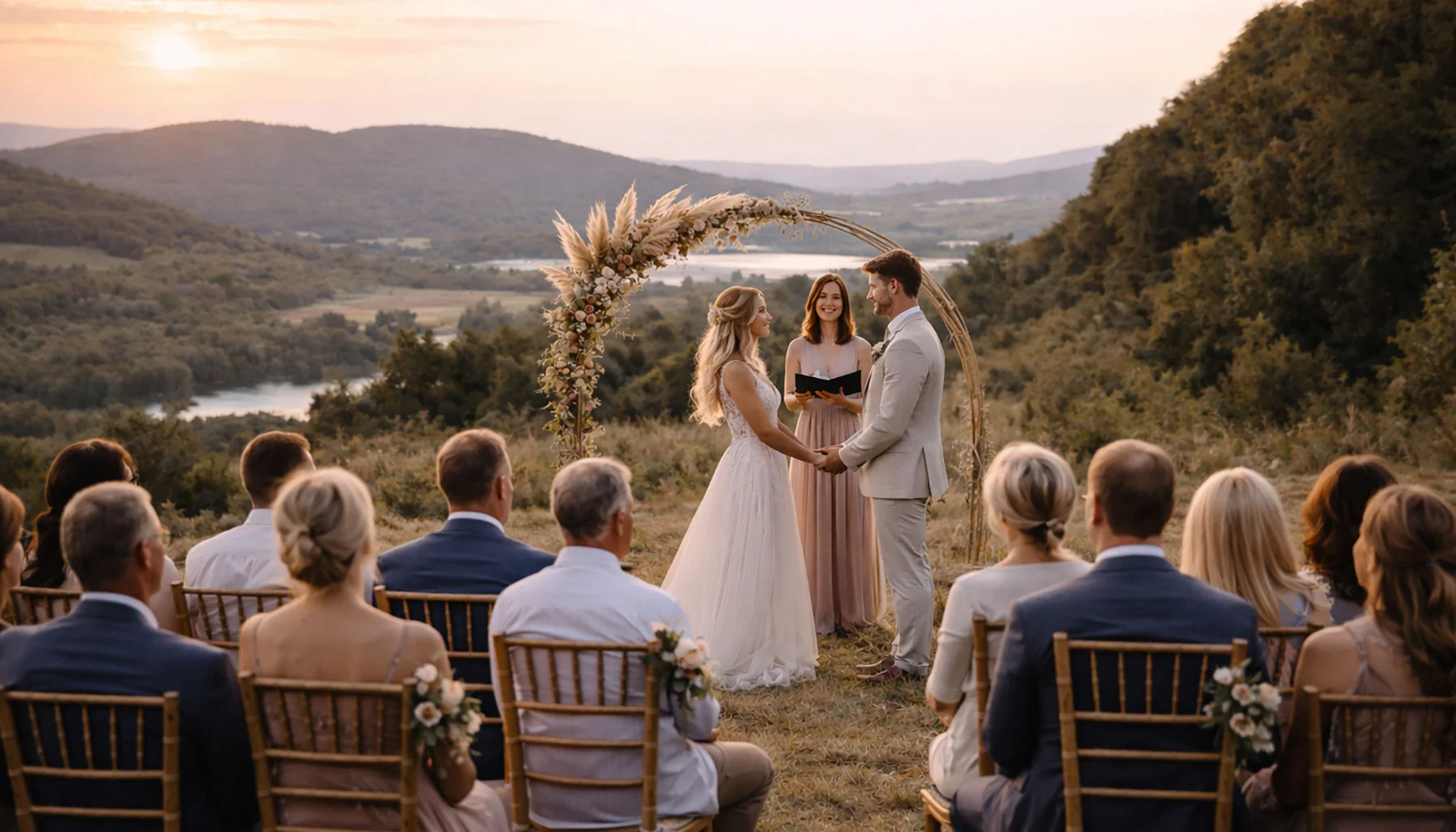
Free Wedding Ceremonies Explained: Meaning, Planning, Legal Context and Global Perspectives
Free wedding ceremonies are symbolic, non-religious ceremonies that do not create a legal marriage and do not depend on religious authority. Yet for many couples, they become the central moment of the day. This article explains how free ceremonies work in practice, where their meaning comes from, and how they relate to legal marriage and traditional wedding symbols.
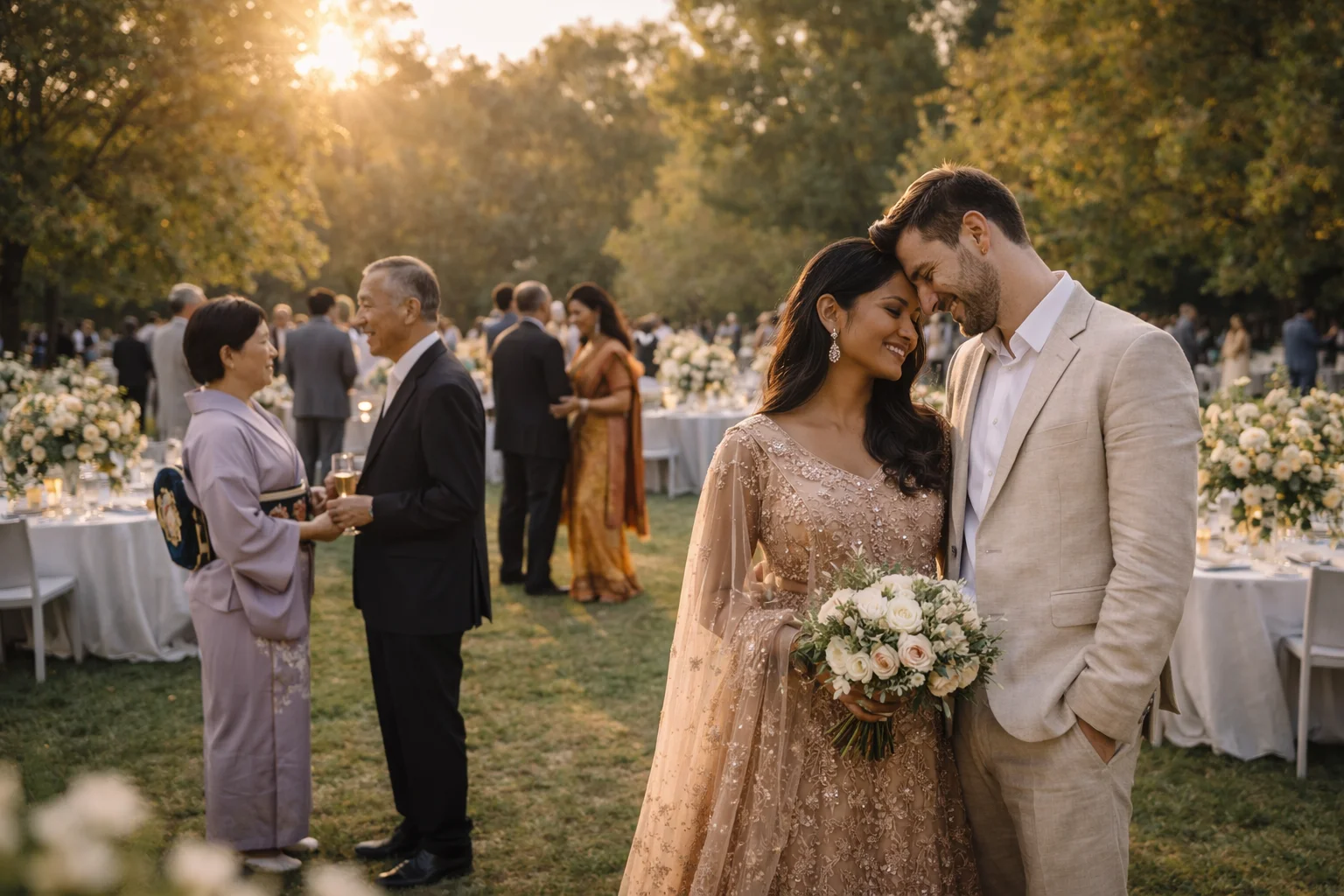
Mixed-Culture Weddings Without Performative Symbolism
A mixed-culture wedding does not become meaningful by displaying as many symbols as possible. It becomes meaningful when the symbols that appear are actually lived, understood, and emotionally carried by the couple and their families. This article looks at how international weddings can honor difference without turning culture into performance.
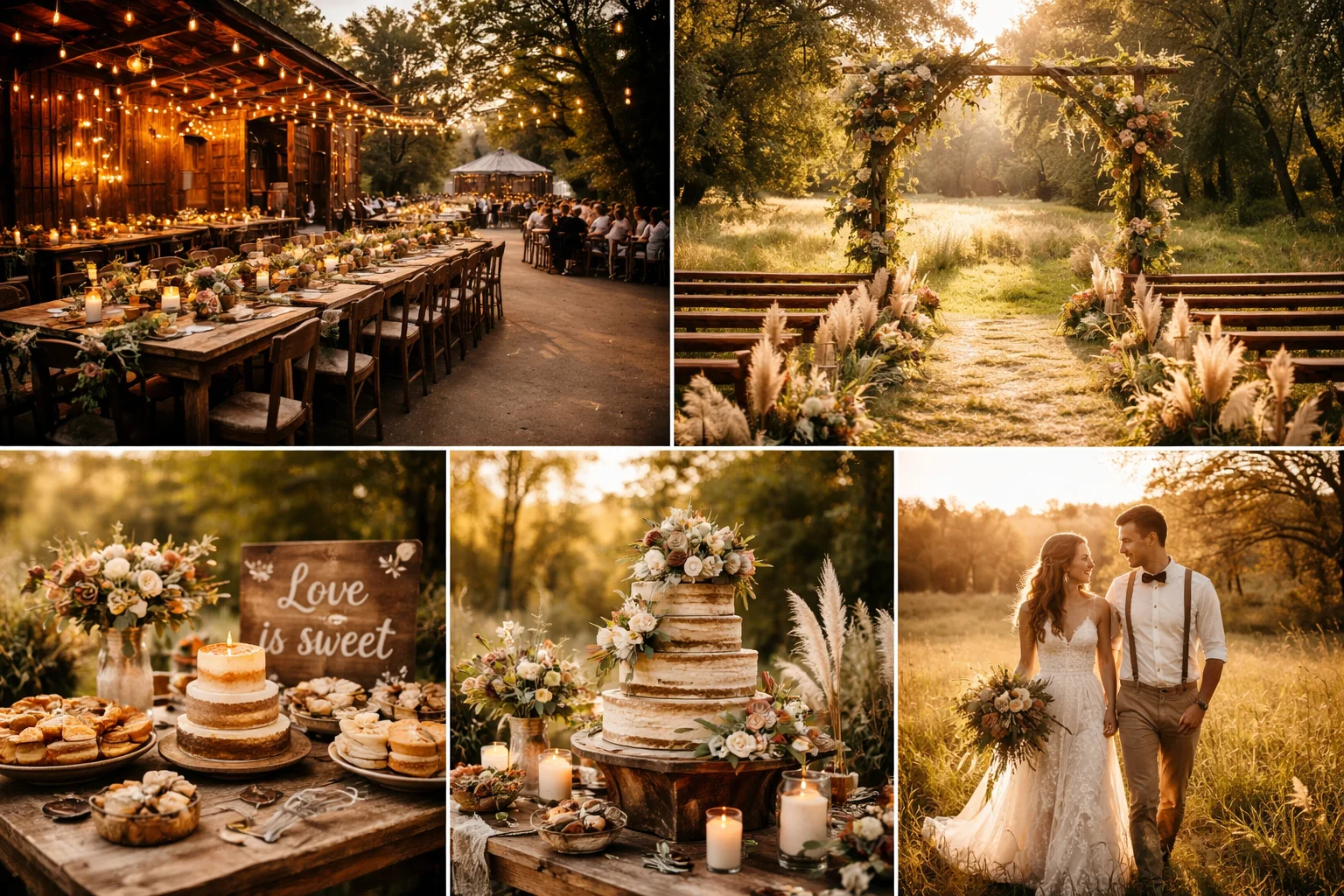
Rustic and Natural Wedding Celebrations: Timeless Love in Harmony with Nature
Rustic and natural weddings are often remembered less for decoration than for the way they let people settle. Wood, air, grass, uneven ground, soft light, and slower movement create a kind of calm that feels almost familiar from the start. This article looks at how rustic wedding settings shape atmosphere through simplicity, material honesty, and the quiet logic of place.
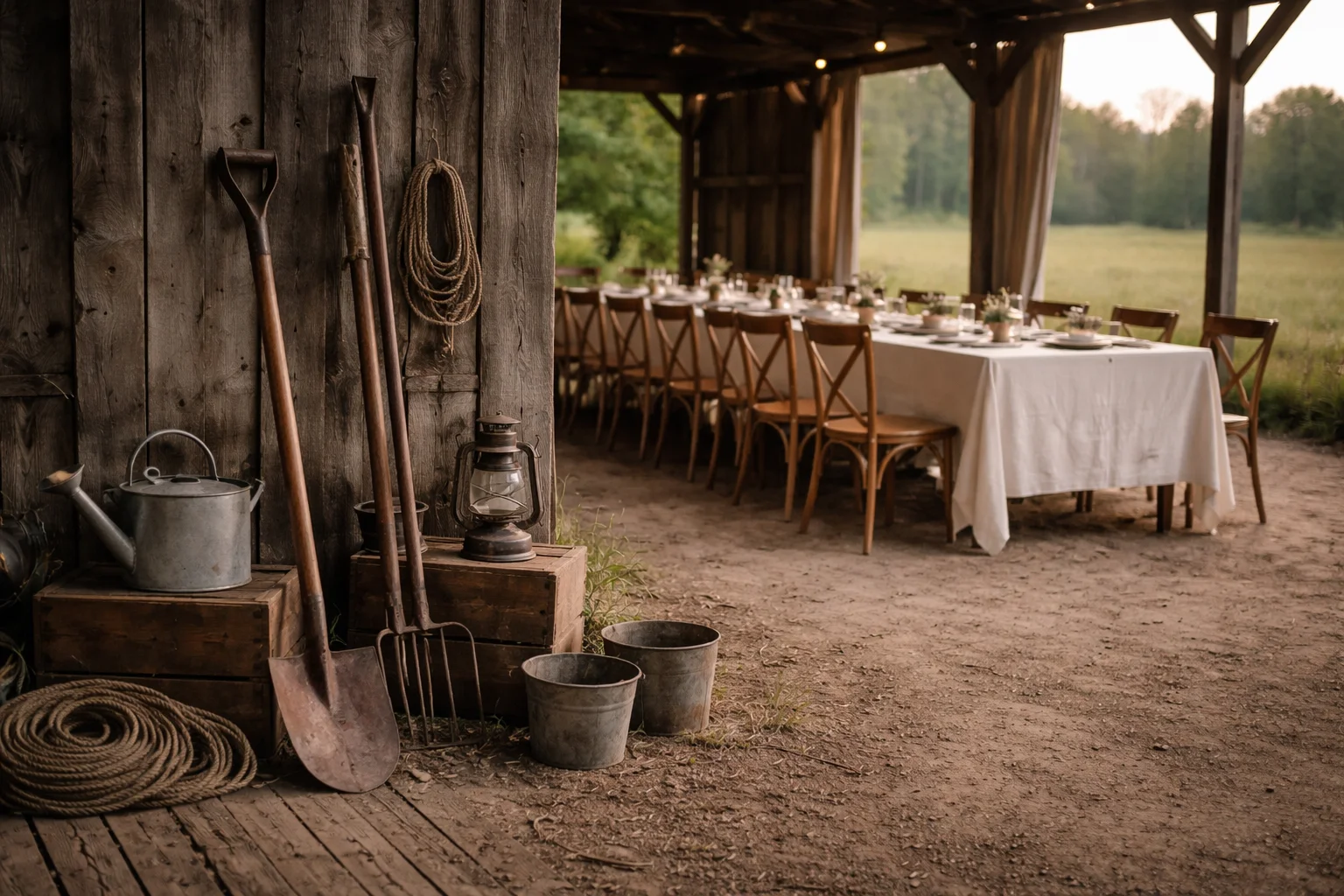
Vintage Tools as Static Objects in Rustic Weddings
Old tools can strengthen a rustic wedding space without ever becoming formal decor. This article looks at how leaving them quiet, slightly uneven, and largely untouched can preserve the character of a venue while adding depth, history, and a more believable sense of place.