
Empty Space Between Tables and How It Shapes the Room
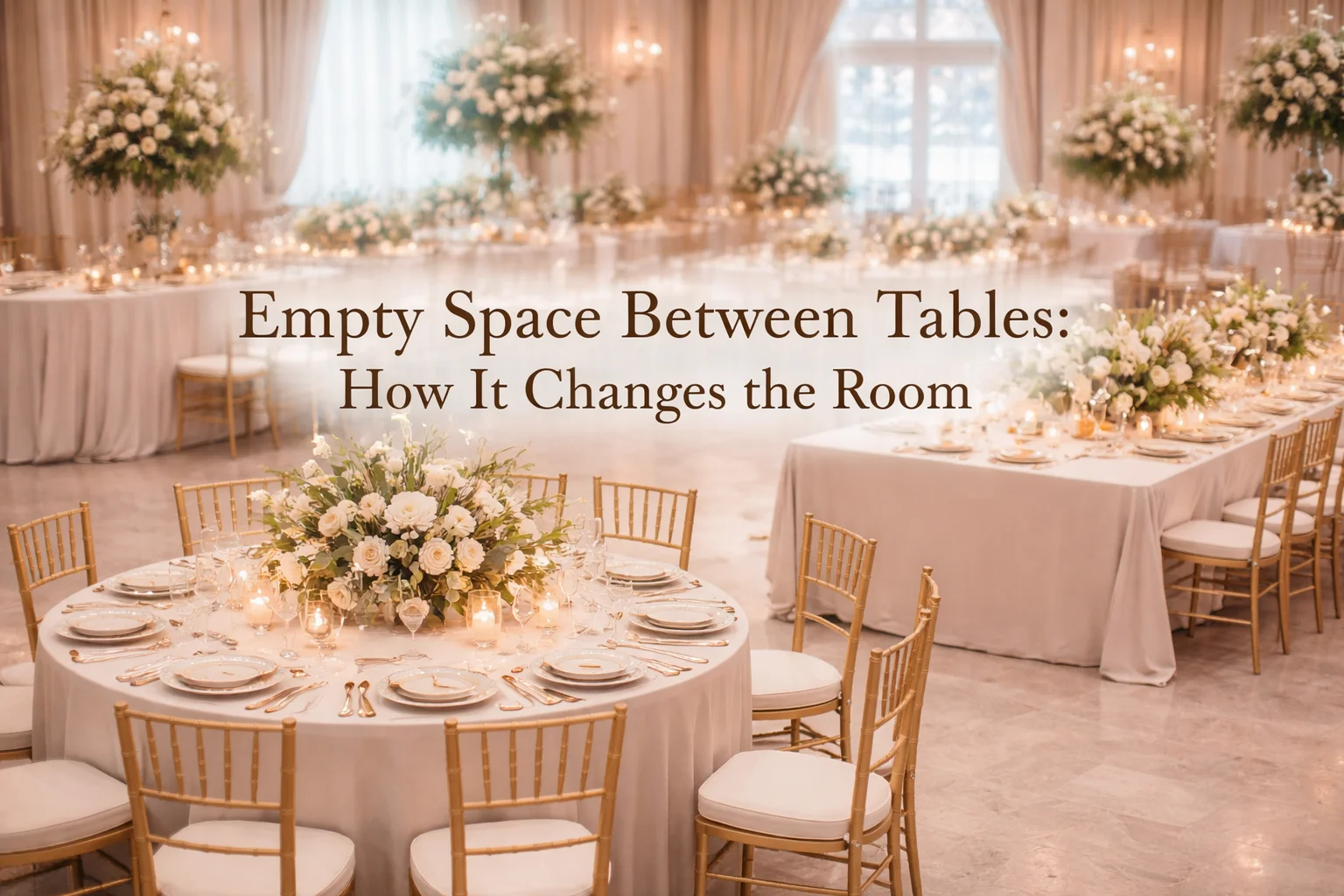
At weddings, people usually notice the objects first: the flowers, the candlelight, the linen, the shape of the tables. What changes the room just as strongly is often the part no one planned to admire. The gaps between tables decide whether the space feels pressed together or quietly composed, whether guests move through it with ease or keep negotiating it in small, almost invisible adjustments.
This matters long before anyone names it. A room can be beautifully styled and still feel tense when every chair backs into a path of travel. Another can carry the same guest count and feel lighter simply because the layout leaves enough breathing room between one gathering and the next. In that sense, empty space is not a leftover. It is part of the composition.
Definition
Empty space between tables is the distance that separates one seated group from another, including the room needed for walking, serving, standing, and turning a chair without friction. It is not decoration in itself, yet it changes how decoration is seen, how sound gathers, and how relaxed the room feels once people actually occupy it.
Movement Becomes Visible
Guests feel spacing first through movement rather than sight. When tables sit too close, the room starts producing tiny interruptions: chairs pulled back into walkways, servers slowing to pass, couples turning sideways on their way to another table. None of this looks dramatic, but it adds a faint sense of effort. With more space, the room reads as calmer because circulation stops announcing itself.
A Full Room Can Still Breathe
Crowding is not only about guest count. It is also about visual compression. Tables placed too tightly merge into one continuous field of fabric, glassware, flowers, and faces. The room feels busier before the evening has even properly started. A little more distance creates rhythm instead of density. The eye can register each table, then rest, then move again. The number of guests stays the same, but the atmosphere changes.
Sound Starts in the Layout
Sound behaves differently when tables are pressed together. Conversations begin to overlap earlier, and the room reaches a uniform hum faster. More distance does not make a wedding quiet, nor should it, but it lets voices remain distinct for longer. That difference is subtle and often disappears later in the evening, yet during dinner it can mean the difference between a room that feels pleasantly alive and one that feels slightly overrun by its own energy.
Decoration Ideas – CategoryDecoration ideas play a central role in shaping the atmosphere of a wedding. From subtle accents to expressive design elements, the right décor brings the chosen style to life and creates a welcoming setting for guests. Thoughtfully selected materials, colors, and details help transform any space into a place that feels personal, harmonious, and memorable.
Decoration Needs Air Around It
This is where layout and decoration stop being separate questions. Centerpieces, candles, linens, and chairs are easier to appreciate when they are not visually stacked on top of the next table. Space gives each arrangement a frame. It allows details to register as choices rather than blur into a single decorated mass. In practical terms, good styling often depends less on adding more and more on letting what is already there have room to stand on its own.
Empty Space as a Quiet Gesture
There is also an emotional side to spacing that is easy to overlook. A room without enough visual pause can feel as though it is talking all at once. A room with measured gaps carries a different tone. It holds back a little. It lets glances travel, gives conversations a margin, and creates brief moments of visual rest. That is why the subject belongs not only to planning and styling, but also to the quieter language explored in silence. In a wedding room, empty space can function almost like silence does in speech: not empty at all, but shaping everything around it.
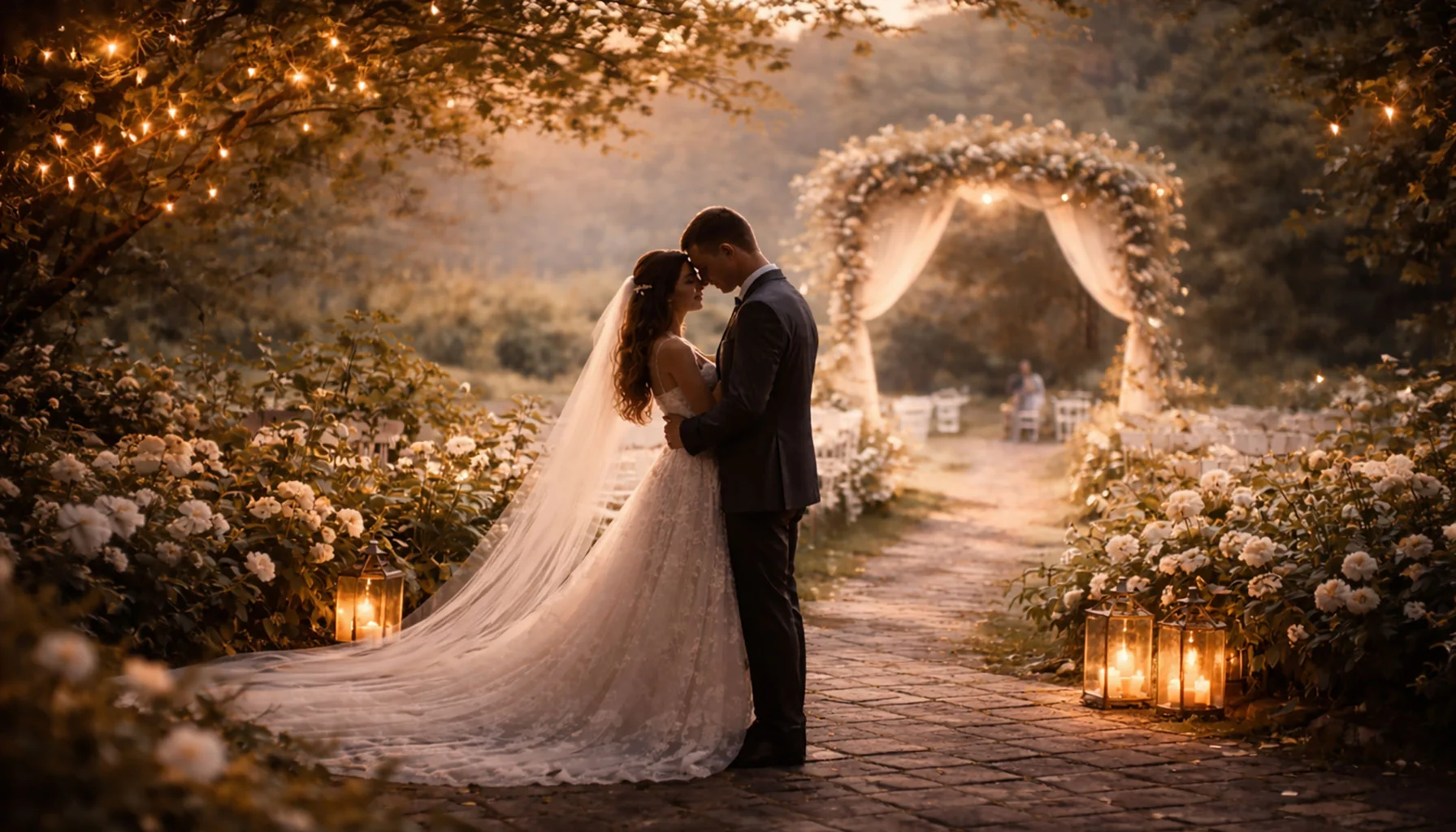
Silence is not absence. It is the space where meaning gathers before words, decisions, and rituals take shape.
Conclusion
The space between tables rarely appears on a mood board, yet it changes nearly every part of the room once the wedding begins. It affects movement, sound, sightlines, and the way decoration is perceived. More than that, it influences whether a room feels merely full or fully composed. That makes spacing one of the quietest decisions in wedding planning and one of the most visible in practice.
Related Articles
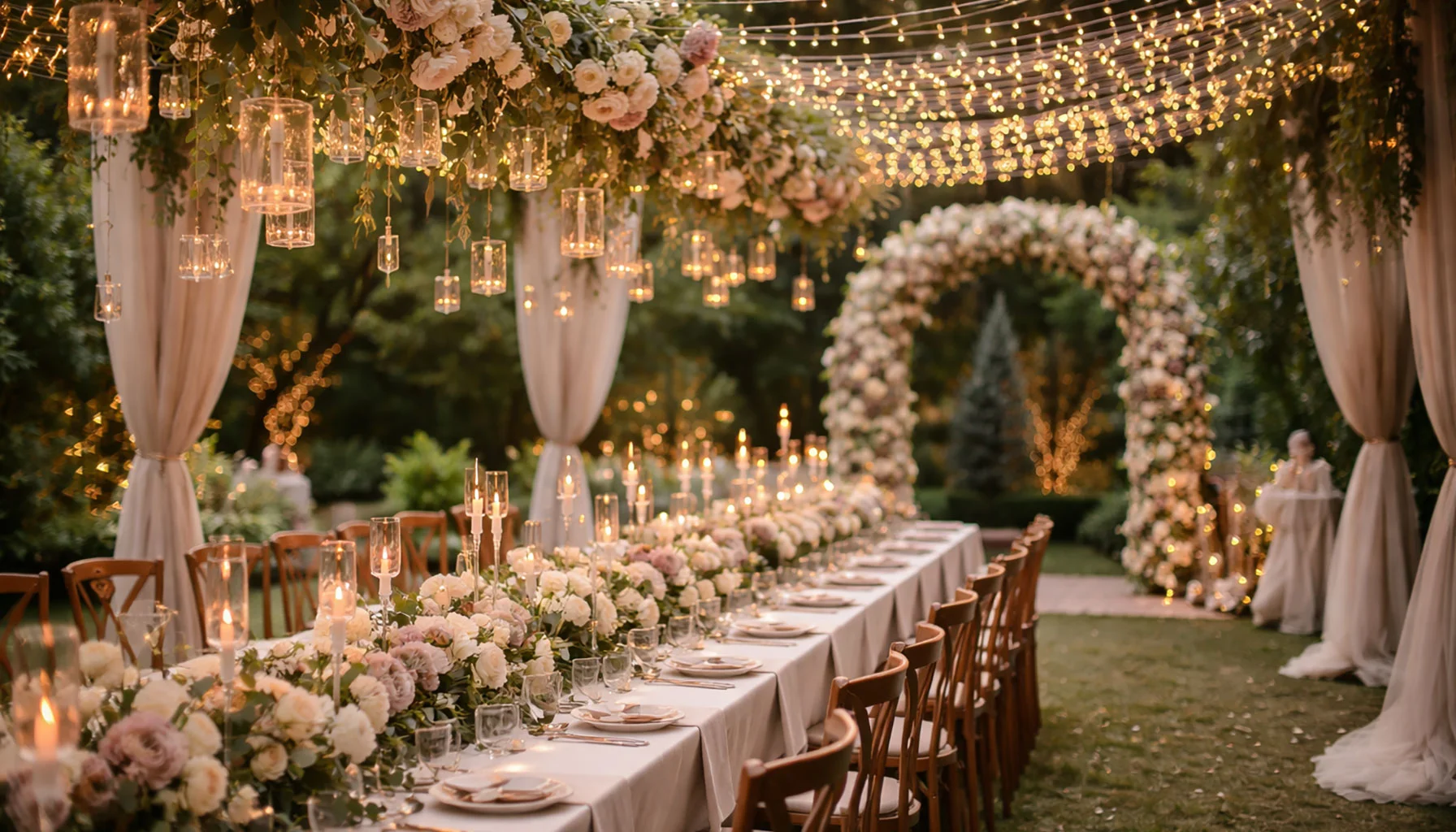
A Day Made of Love: Thoughtful Decoration Ideas for an Unforgettable Wedding
Wedding decoration is often discussed as a visual layer. In practice, it does something more structural. It directs attention, marks thresholds, repeats meaning through materials, and helps a room feel held rather than merely styled. This article looks at thoughtful decoration ideas through the quieter logic of ritual.
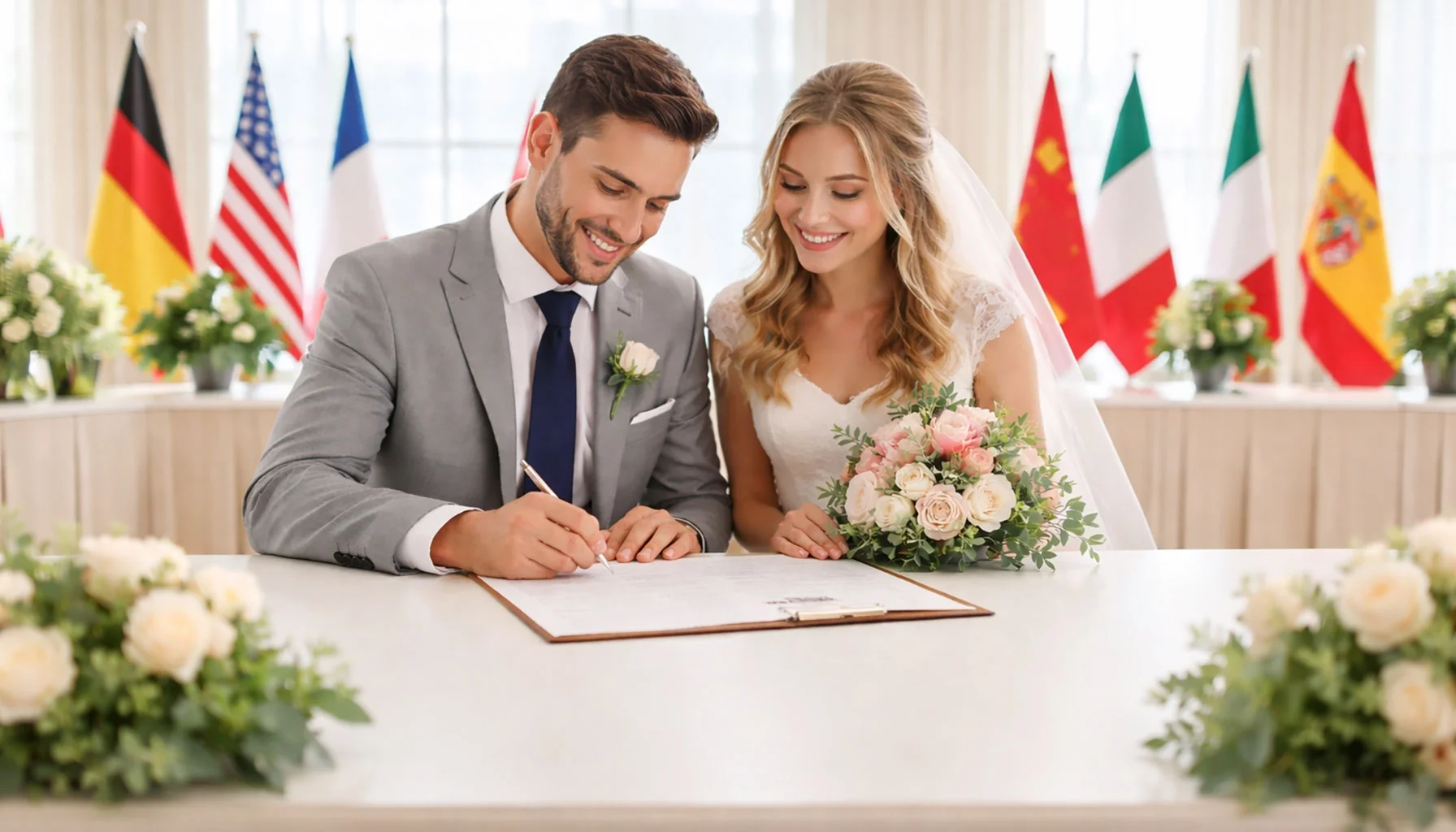
Civil Ceremonies Worldwide: Legal Requirements, Processes, Costs, and Cultural Differences
Civil ceremonies are rarely dramatic, yet they often carry one of the most decisive thresholds in a wedding journey. This article looks at civil marriage across countries through legal requirements, observed processes, cost ranges, and the quieter atmosphere that often surrounds the moment a marriage becomes official.
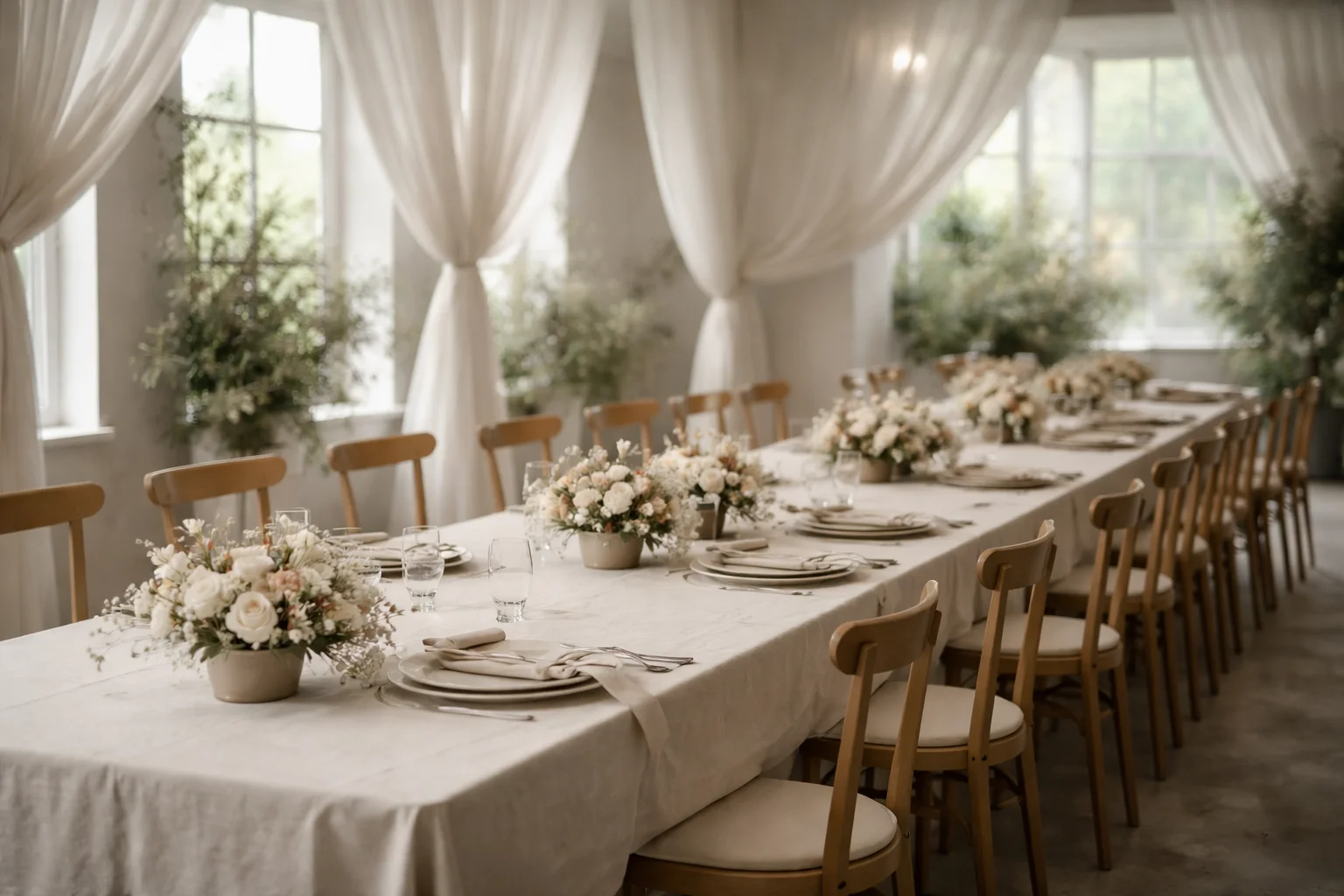
When Wedding Decoration Says What People Leave Unspoken
Wedding decoration is often discussed through color palettes, florals, table settings, and style references. Those things matter, but they are rarely the whole story. The room also carries what has not been fully explained: family tensions handled with grace, private histories that shape a couple's choices, or a shared wish for the day to feel calm rather than spectacular. In that sense, decoration is not only visual. It becomes part of the emotional architecture of the ceremony.
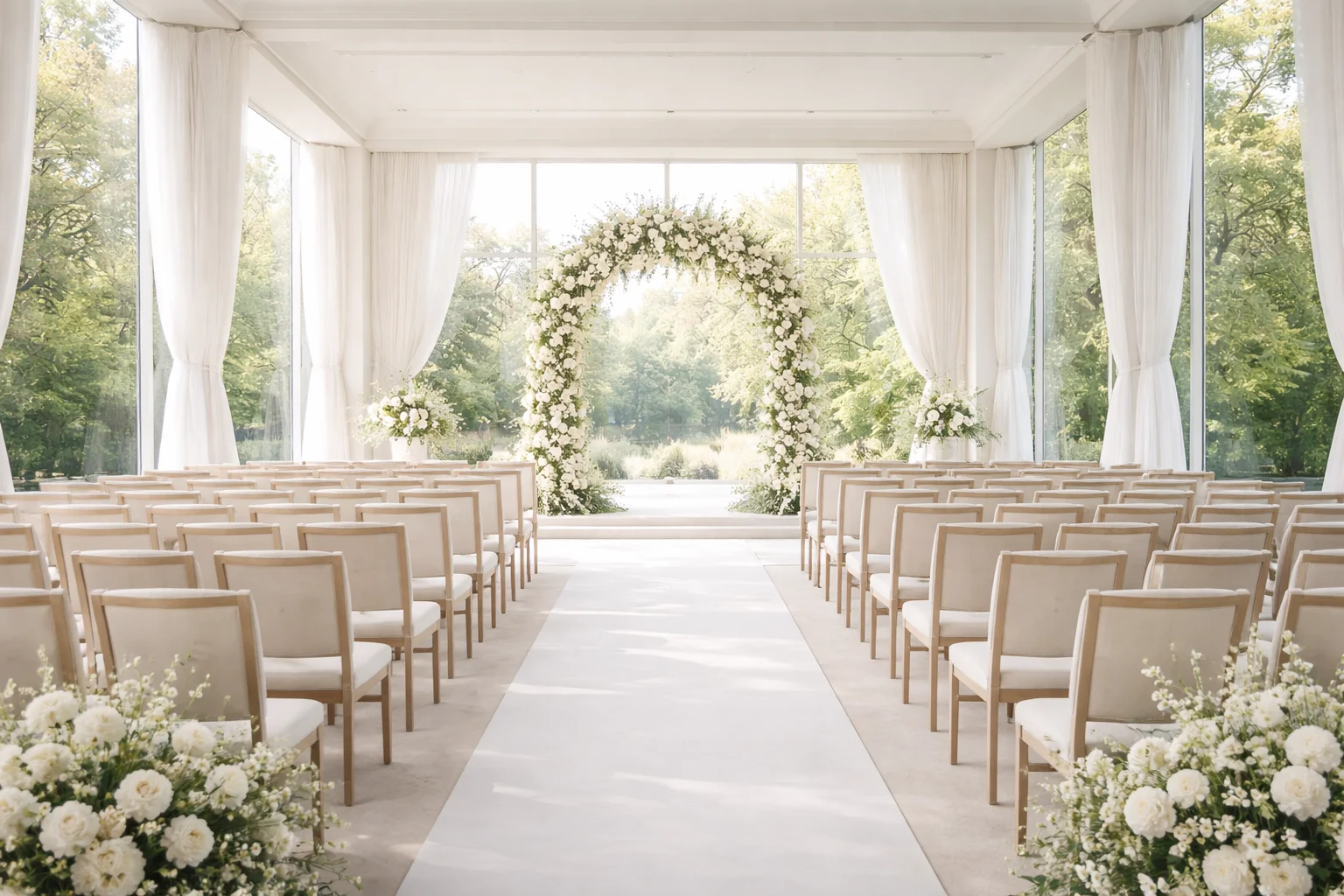
What Guests Notice First in Wedding Decoration — and Why
Guests rarely notice wedding decoration in the order planners imagine. They register proportion, spacing, light, and the calm or tension of a room long before they name a flower or a fabric. This is why the visual intelligence of luxury cars offers an unexpectedly useful lens: both rely on line, restraint, material confidence, and the power of a well-held pause.

Wedding Guest Communication Checklist: What Guests Need to Know and When
Good wedding communication is not about sending guests everything at once. It is about giving the right information at the right moment, so the day feels clear without becoming overexplained. This article looks at what guests actually need to know, when they need to know it, and why silence still has a place in wedding planning.
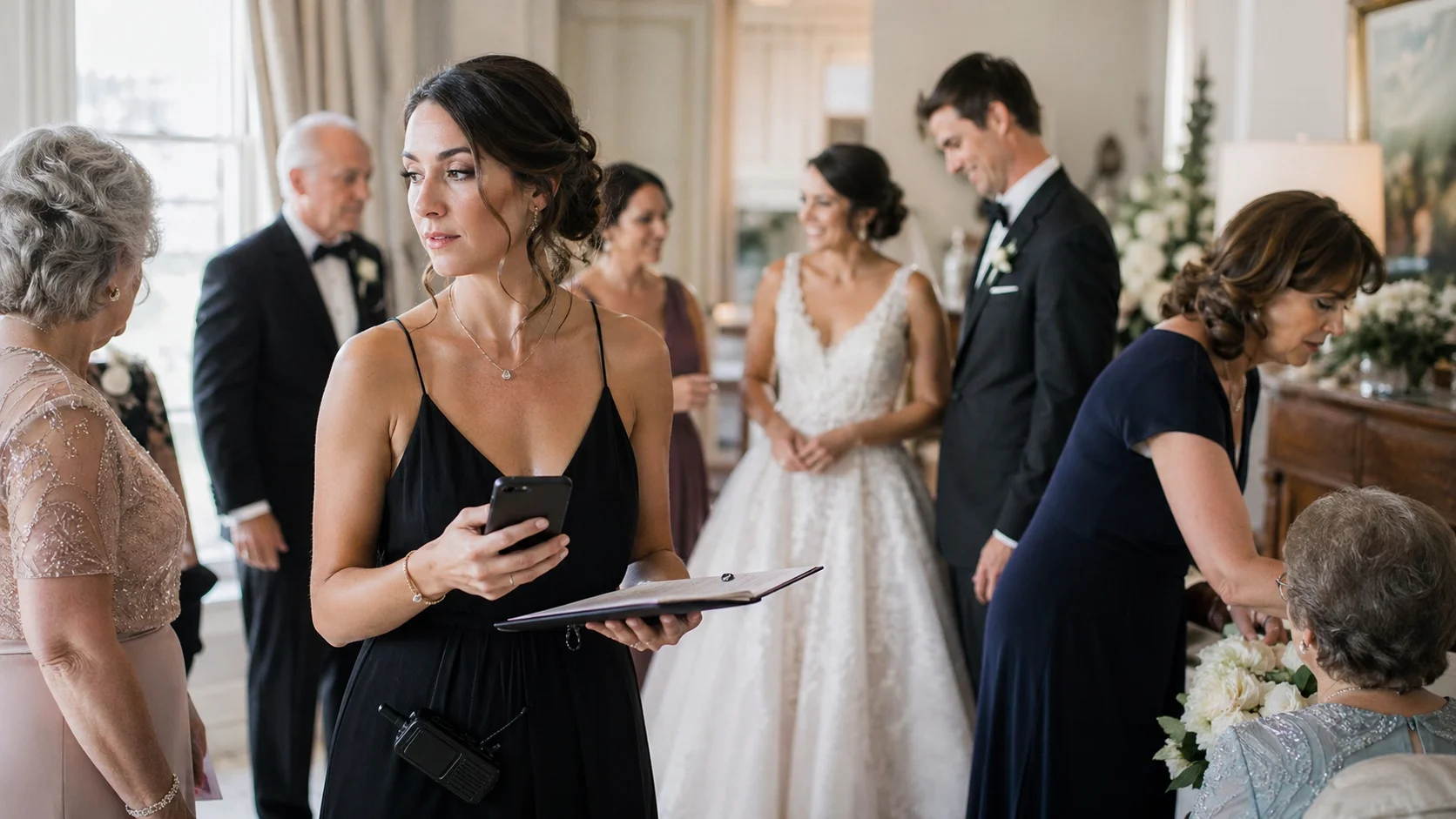
Emotional Load Checklist: Who Carries Too Much, and How to Notice It Early
Emotional load at weddings often hides behind competence. This article looks at who carries invisible responsibility, how to notice early signs of overload, and how to share care before one person quietly holds too much.
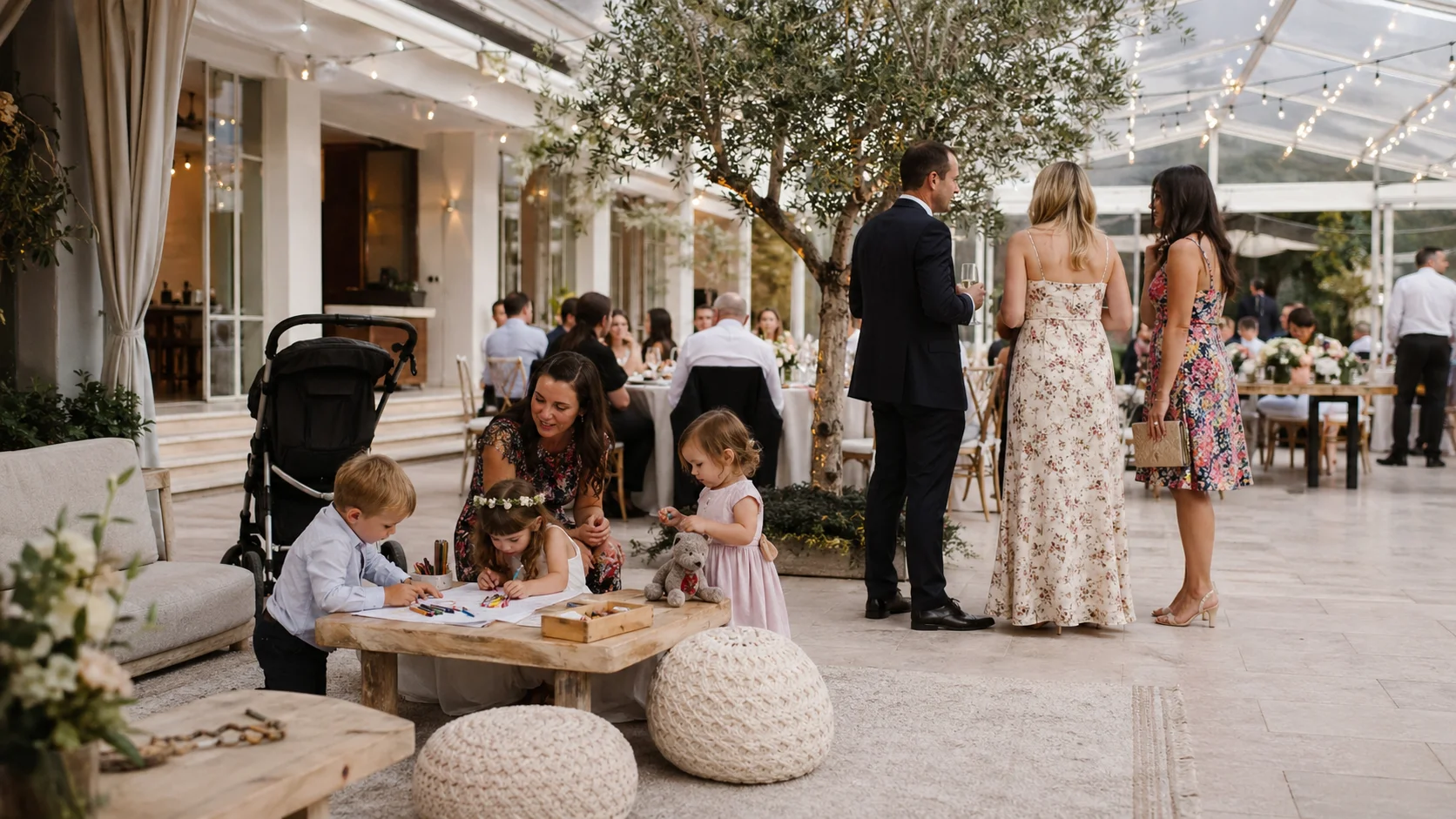
Kids at Weddings Checklist: What Helps Families Stay Longer Without Strain
Families with children usually leave weddings early for a series of small reasons rather than one big one. This article looks at what helps them stay longer with less strain, from food timing and retreat spaces to quieter transitions and the simple need for relief.

Why Notebooks Matter More Than You Think at Weddings
Notebooks at weddings are often treated as simple guest books, but their role goes deeper. They capture pauses, unfinished thoughts, and quiet moments that rarely surface in spoken form. This article explores how notebooks connect the visible ritual of a wedding with the invisible space of silence.
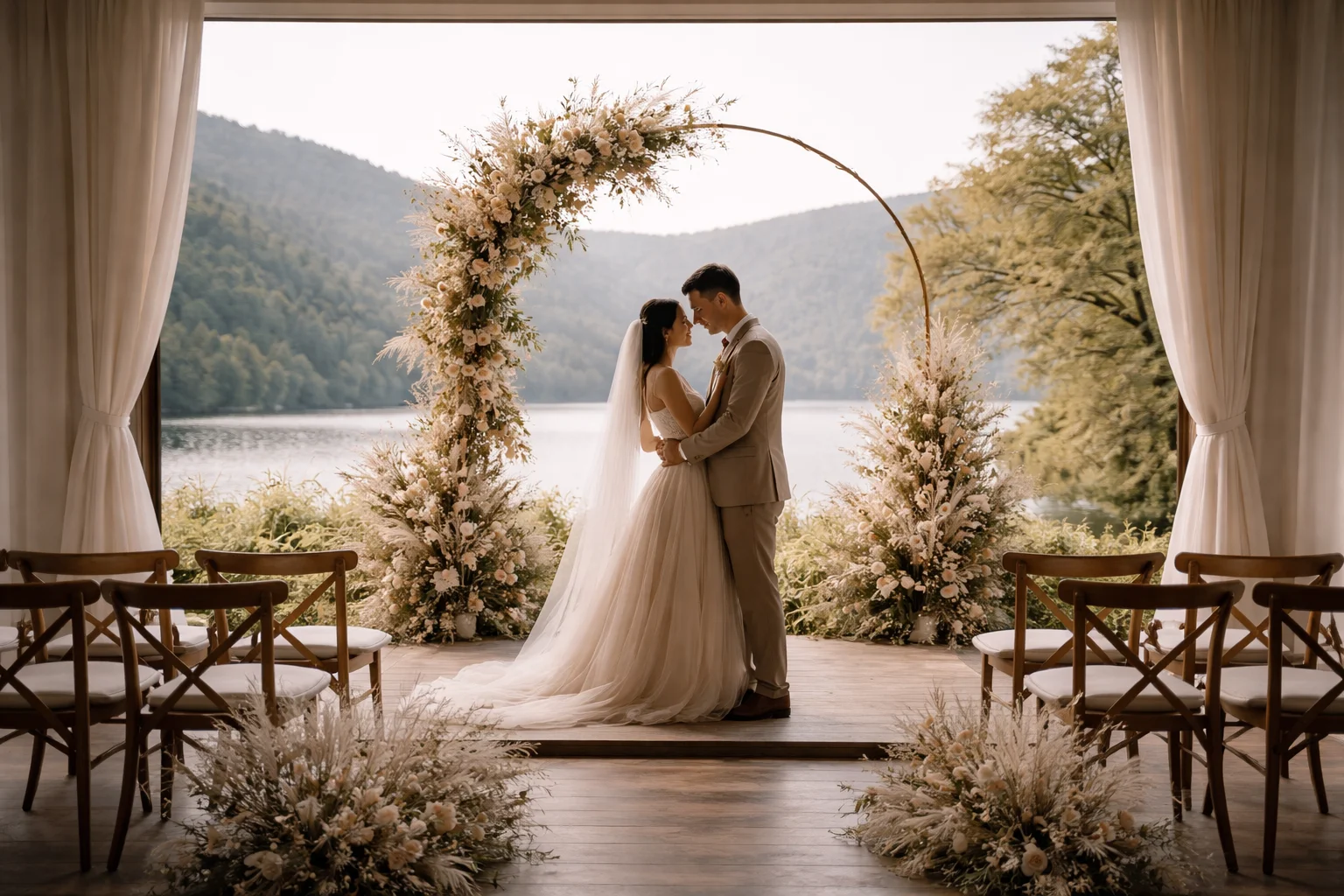
When Wedding Decoration Says More by Saying Less
In wedding planning, decoration is often discussed in visible terms: florals, candles, tables, color, scale. But the rooms people remember are rarely memorable because they were crowded with ideas. They stay with us because the space knew when to pause. A ceremony arch with air around it, a table that holds only what matters, a doorway left almost bare so that the people moving through it become the focus: these choices do more than decorate. They create emotional direction through wedding decoration that feels considered rather than performed.
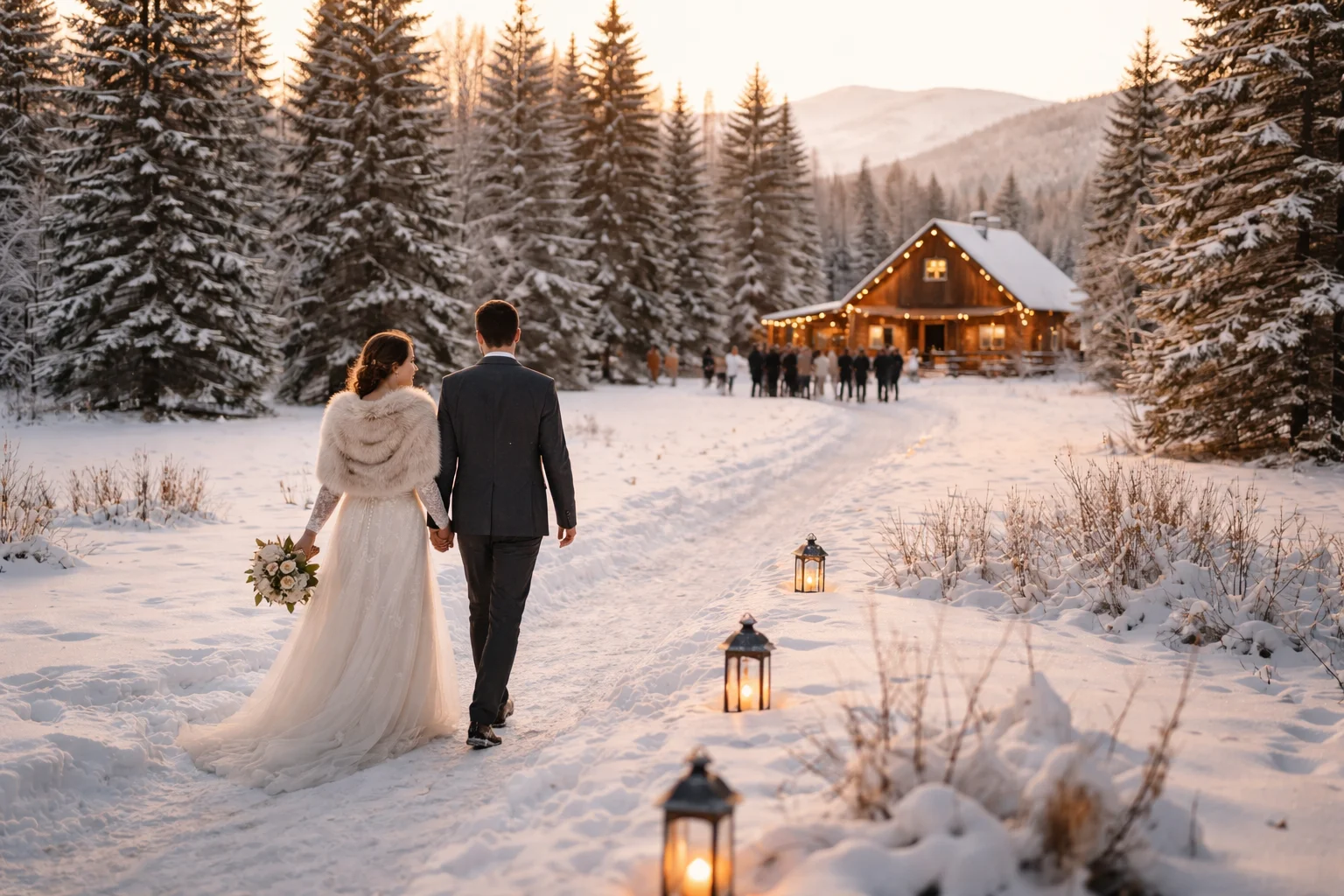
Winter Light and Compressed Timelines in Weddings
Winter weddings are shaped less by one obvious restriction than by a series of quieter adjustments. This article looks at how shorter days, colder air, and earlier shadows compress the timeline, tighten transitions, and give the day a more deliberate rhythm.
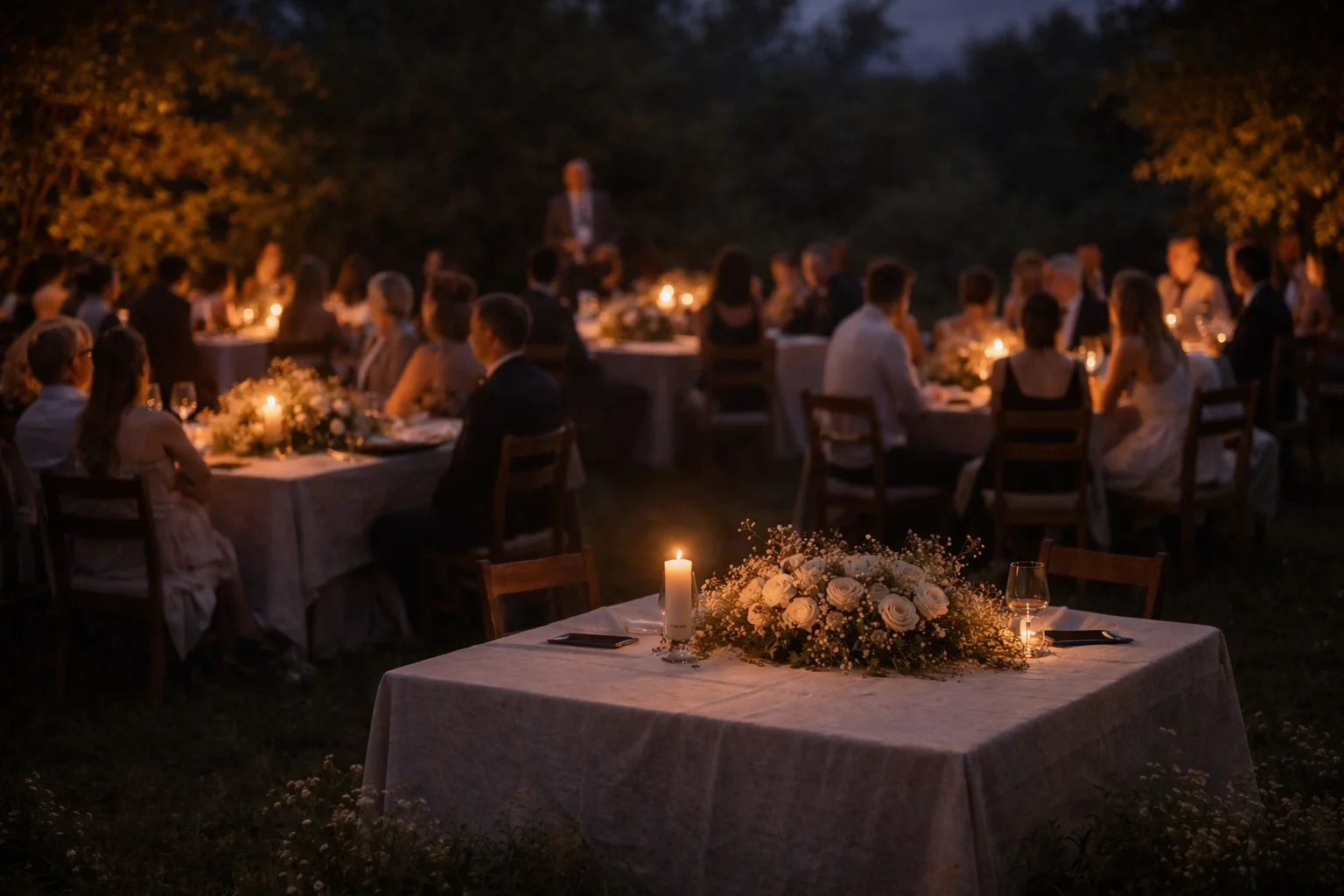
How to Make Wedding Lighting Feel Warmer and More Intentional
Lighting at weddings is often treated as a technical detail, but it defines how a space is felt before anything else is noticed. This article explores how to make light softer, calmer, and more intentional, and why what is not directly seen often matters most.
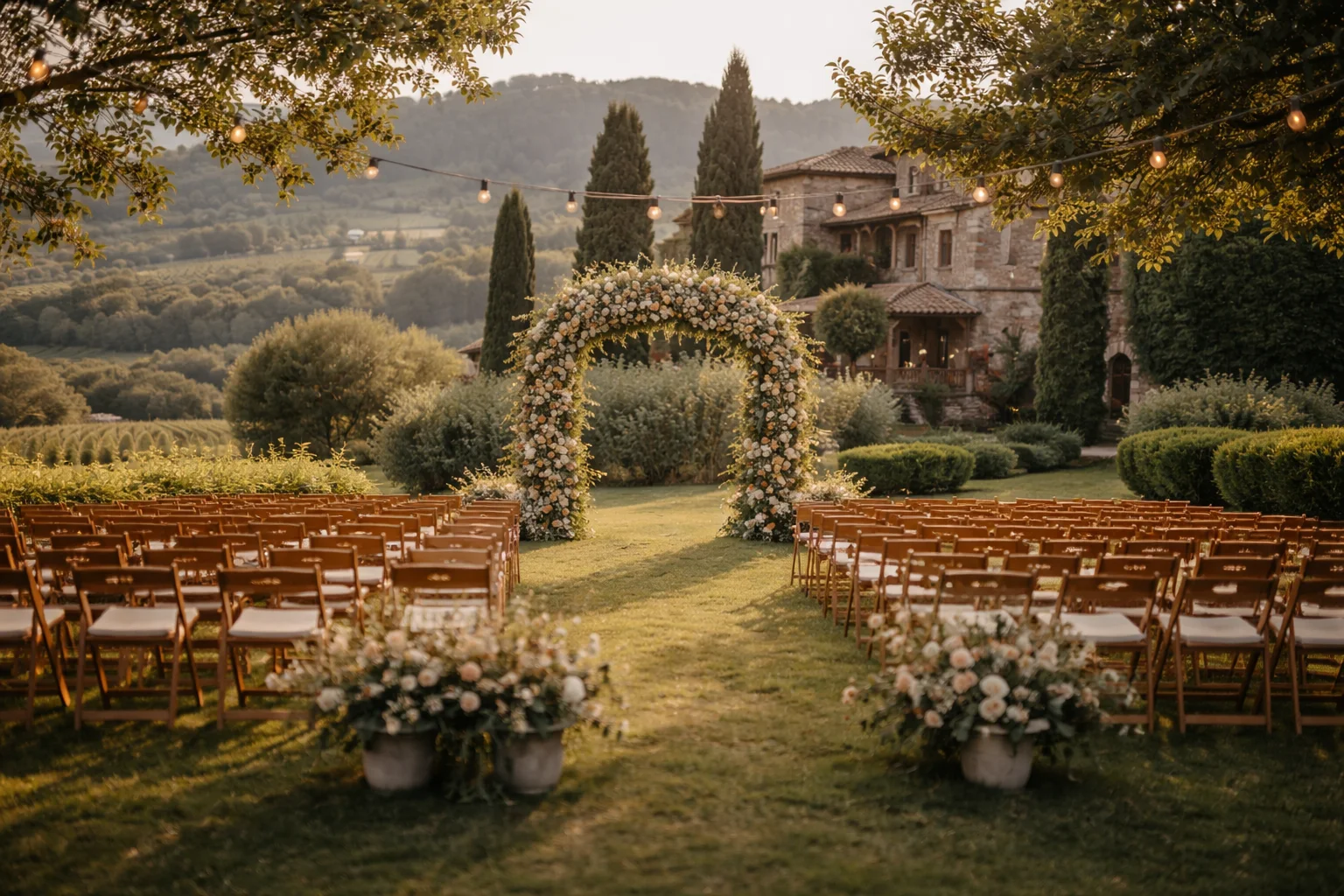
Quiet Observations on Wedding Locations and Gathering Spaces
Discussions about wedding venues often circle around style or decoration. In practice the location itself shapes the event long before flowers or lighting appear. The way guests arrive, how rooms connect, how sound travels in an old hall or across a garden terrace. These things quietly determine the rhythm of the day.