
When Wedding Decoration Says More by Saying Less
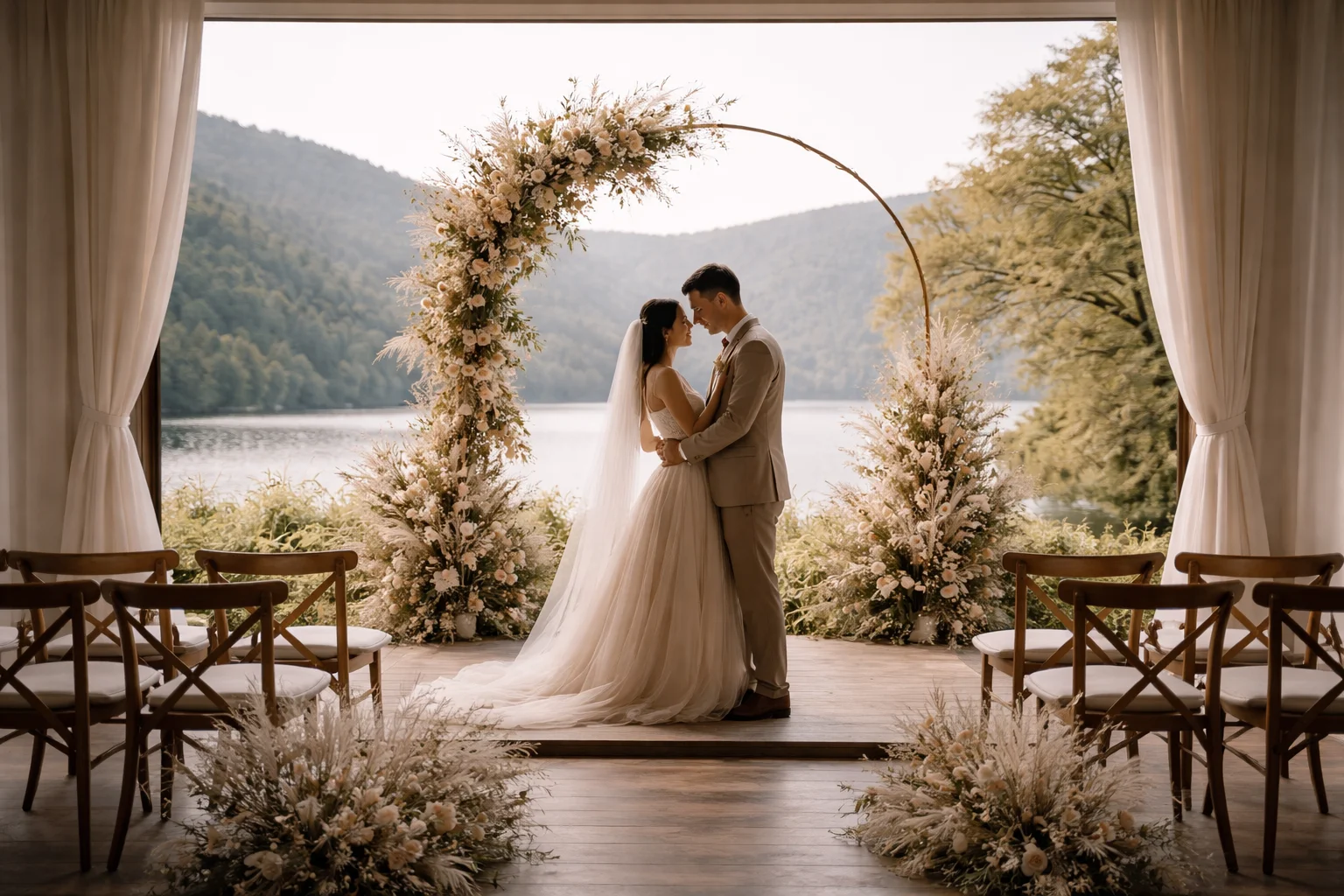
That is where decoration meets something more delicate. Weddings are full of things people feel before they know how to say them: relief, grief, tenderness, nervousness, recognition. A well-designed setting does not compete with those undercurrents. It holds them. In that sense, visual styling comes close to the territory explored in what is not said: the charged space between people, where meaning is real even when it stays quiet.
Definition
Wedding decoration is not only the act of making a venue look beautiful. At its best, it is the shaping of atmosphere through objects, spacing, texture, light, and restraint. Good decoration supports the emotional logic of the day. It tells guests where to look, how to settle, and what kind of attention the moment deserves.
Restraint Makes Meaning Visible
There is a practical reason restrained decoration works so well at weddings: ceremonies already contain enough movement, fabric, sound, faces, and expectation. When every surface is filled, the eye has nowhere to rest. When a design leaves room, the important elements gain weight. A single arrangement at the end of the aisle can feel more intentional than ten scattered statements, because it gives the moment shape instead of noise.
Silence Has a Visual Form
Not everything meaningful at a wedding is spoken into a microphone. Some of it lives in pacing, distance, and stillness. Decoration can echo that. Soft linen instead of reflective shine, lower arrangements that allow people to see each other, a ceremony backdrop that frames rather than dominates, candles placed to gather attention instead of theatrically flood the room. These decisions create a visual quietness that lets emotion surface on its own terms.
Decorate Around the Relationship, Not Around Trends
The most convincing decoration schemes usually begin with the couple's emotional reality, not with an algorithm of current wedding images. Some relationships are expansive and social; others are intimate, inward, almost private even in public. The room should reflect that truth. A quieter couple may need fewer visual gestures and more tactile depth. A warmer, more communal pair may want fuller tables and layered materials. The point is not minimalism for its own sake. The point is coherence.
Small Details Carry Emotional Weight
Often the most affecting decorative choices are the ones guests notice almost late. A handwritten line at the entrance. A flower variety that belonged to a grandmother. An empty chair acknowledged with intention rather than explained at length. The slight imperfection of folded paper menus. These details work because they do not demand applause. They allow memory, family history, and feeling to remain present without turning them into spectacle.
Use Decoration to Guide Rhythm
Decoration is also functional. It can slow people down, gather them, and mark transitions between ceremony, dinner, and celebration. A narrowed entrance, a change in lighting, a shift from structured florals to softer candlelight, or a table layout that encourages lingering rather than quick circulation all influence how the day unfolds. When styling serves rhythm, guests do not only see the wedding more clearly; they feel it more clearly.
Link Tree
Related reading that connects the visual and emotional layers of this topic.
Decoration What Is Not SaidConclusion
The best wedding decoration does not try to prove that the day matters. It assumes that it does, then makes room for people to feel it. That is why restraint can be so powerful in ceremony design. It lets objects, light, and texture support what language cannot fully carry. And sometimes that is exactly what a wedding needs: not more to look at, but more space for meaning to arrive.
Related Articles
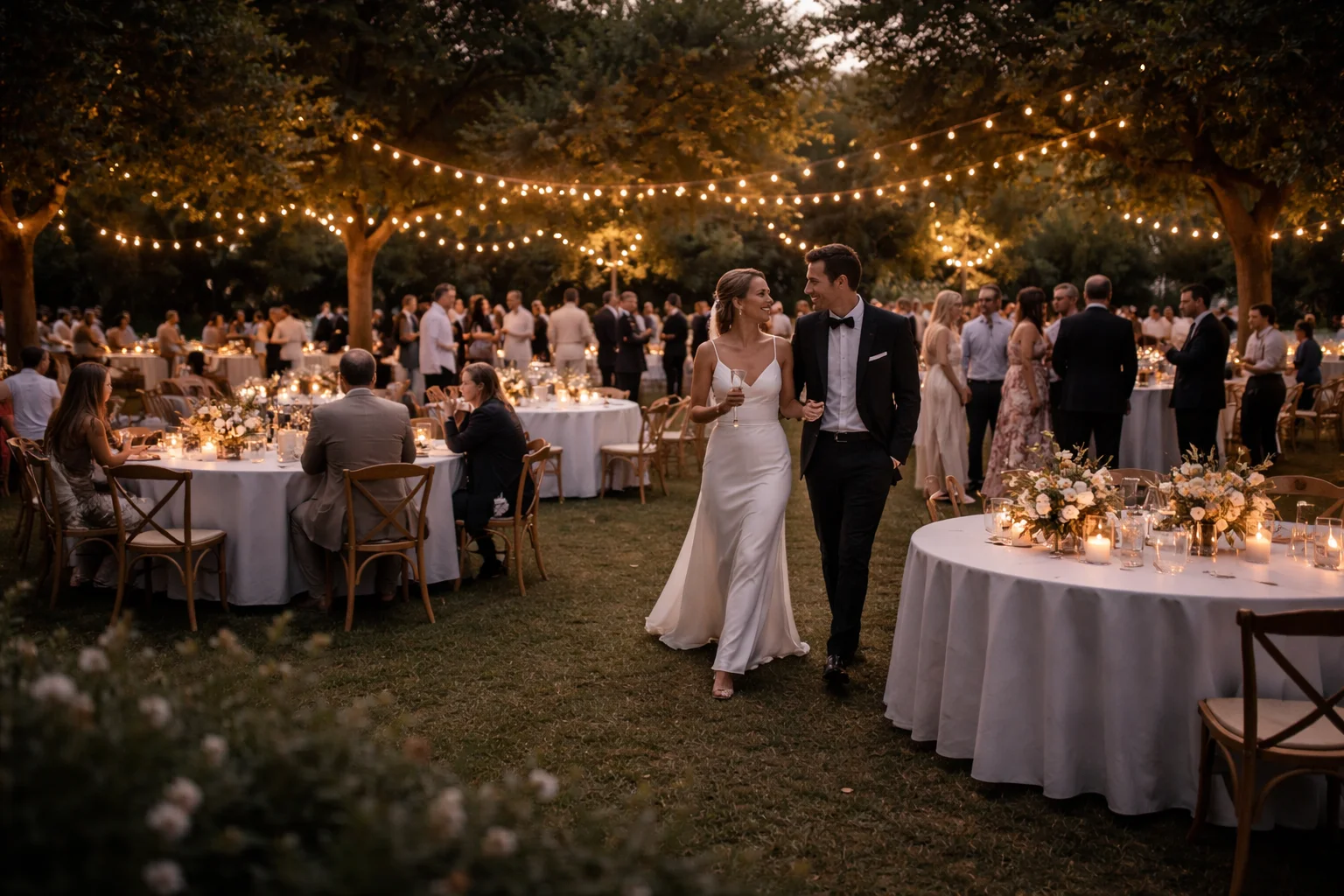
Second Dress for the Wedding Reception
At many weddings the clothing does not stay the same from start to finish. After the ceremony and formal photographs, a quiet shift sometimes happens. The bride disappears for a short time and later returns wearing something different. Guests notice it in small ways. A lighter fabric. Shorter hem. Movement that feels easier during the evening.
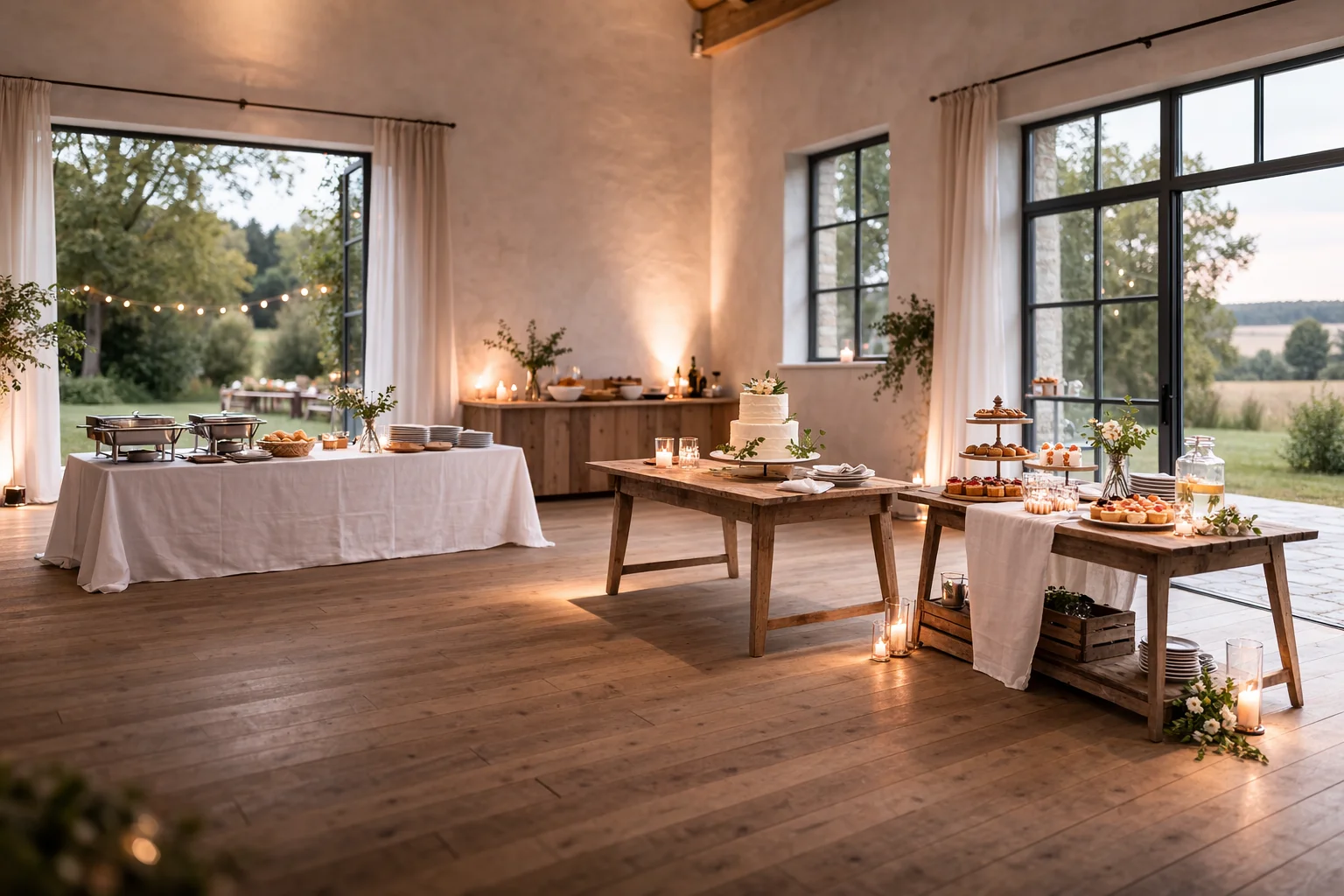
Flowers Near Food at Weddings: Buffet and Dessert Table Placement
Flowers sometimes end up close to food. Not always by clear decision. More because the rest of the room is already filled, and these zones remain. Then something gets added there too. It does not look unusual once it is in place.
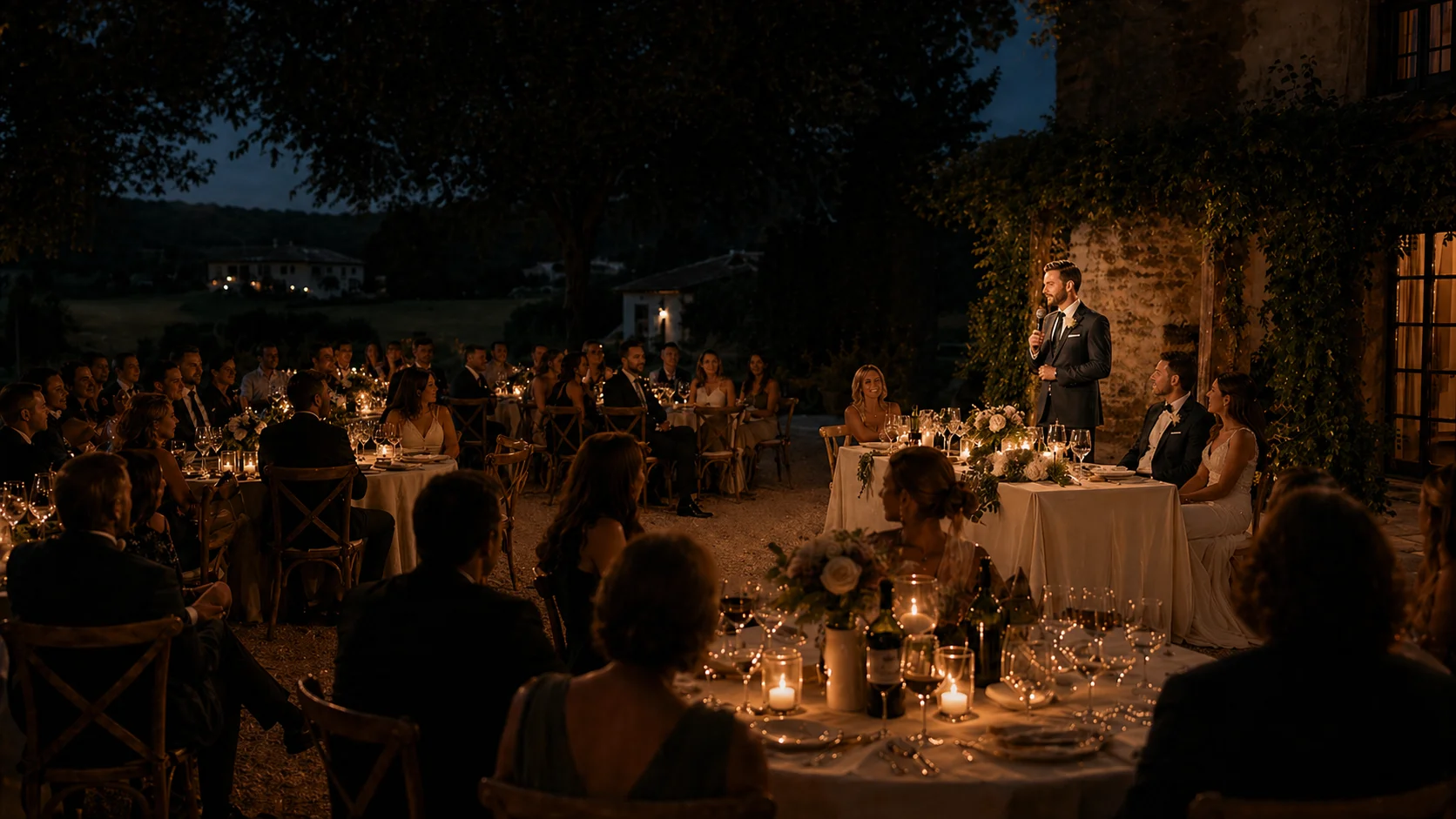
Speech Moment Checklist: What Makes a Toast Feel Held, Not Exposed
A wedding toast depends on more than good writing. It lands differently depending on attention, sound, timing, room tone, and the unspoken signals that tell a speaker whether the moment is carrying them or leaving them alone.
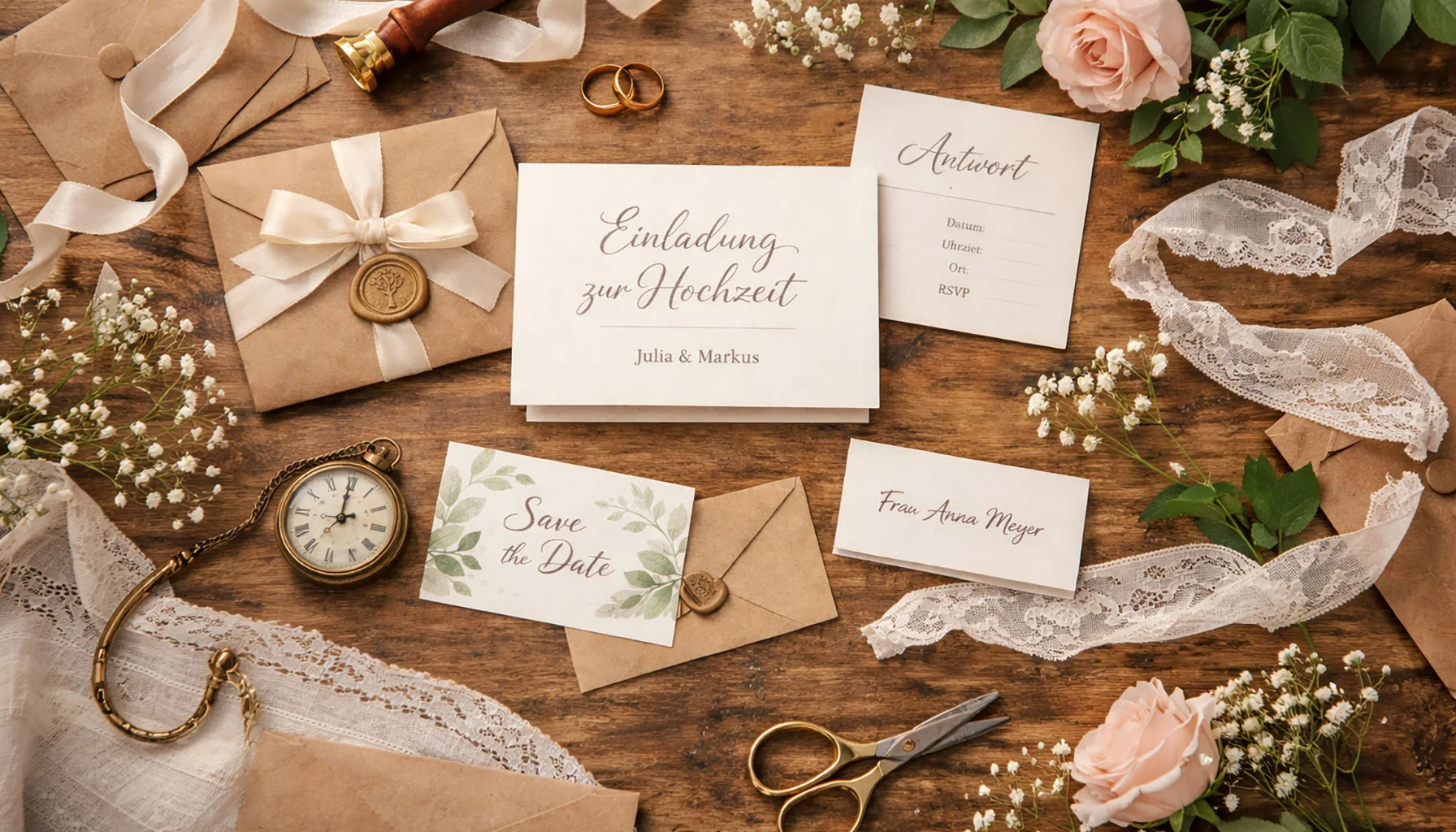
Inviting With Care
A wedding invitation does more than share a date. It begins shaping tone, expectation, and emotional distance long before anyone arrives. This article looks at invitations as the first quiet threshold of a wedding, where clarity, restraint, and what remains unsaid start doing their work.
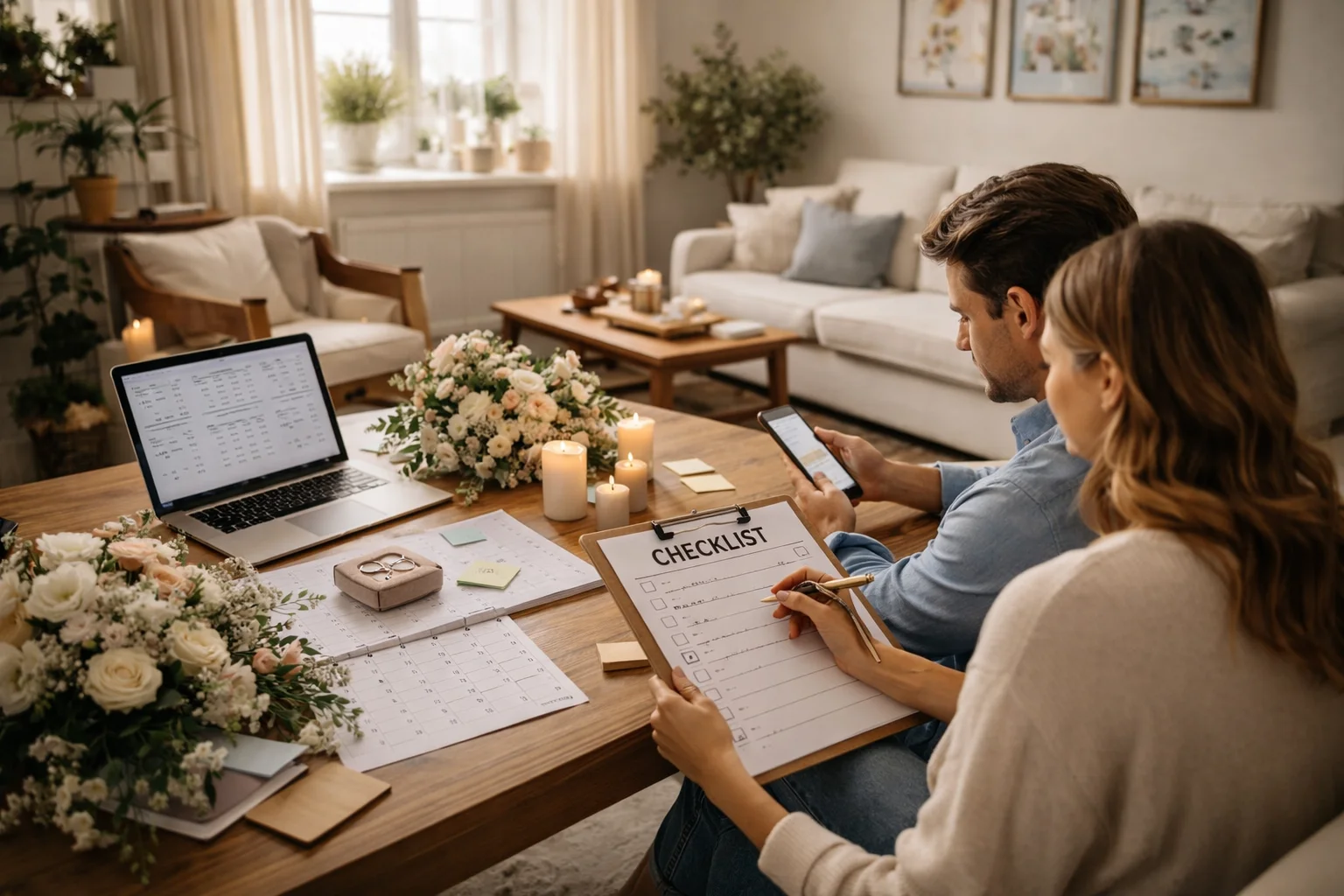
Last-Week Wedding Checklist: What Still Needs Attention Shortly Before the Day
The last week before a wedding is rarely about major decisions. It is about clarifying what still has weight, what can no longer be improved by adding more, and what needs to be named before it starts shaping the day in silence. This article looks at what still deserves attention shortly before the wedding and why the unspoken layer often matters most at that stage.
A Timeline Holds the Day, Silence Holds the Meaning
A wedding timeline organizes what happens. But what shapes the experience often lives in the pauses, the unspoken moments, and the space between events.
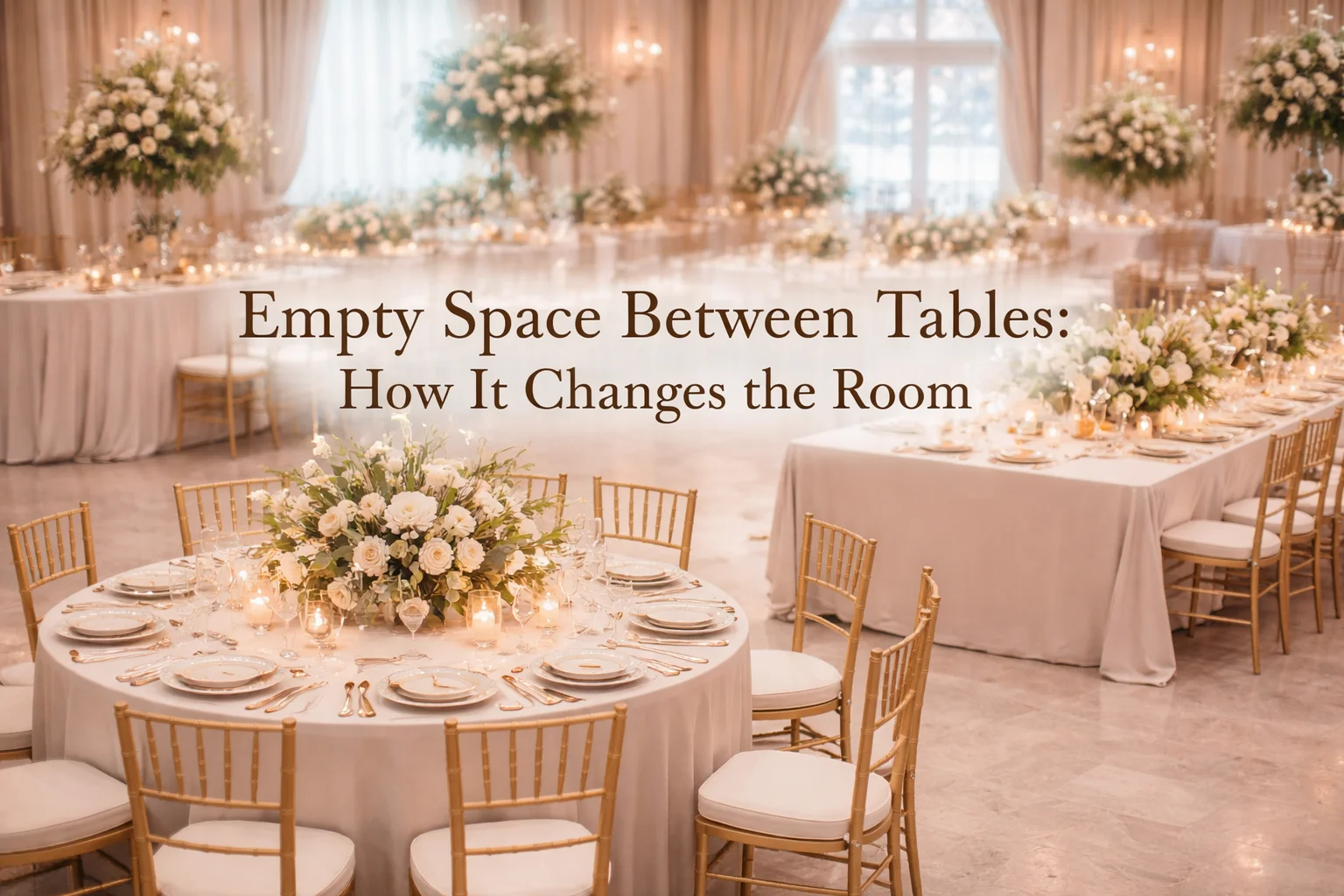
Empty Space Between Tables and How It Shapes the Room
Most layouts start with the tables themselves. Size, shape, how many fit. The areas in between are often adjusted at the end, sometimes just to make things work on paper. In the actual room, though, those leftover spaces do something. Not in a designed way. More like they shift how people move without anyone really pointing at it.

Some Things Only Work With Certain Guests
Wedding activities rarely work on format alone. They depend on guest chemistry, timing, shared ease, and the unspoken permissions already moving through the room before anyone fully names them.
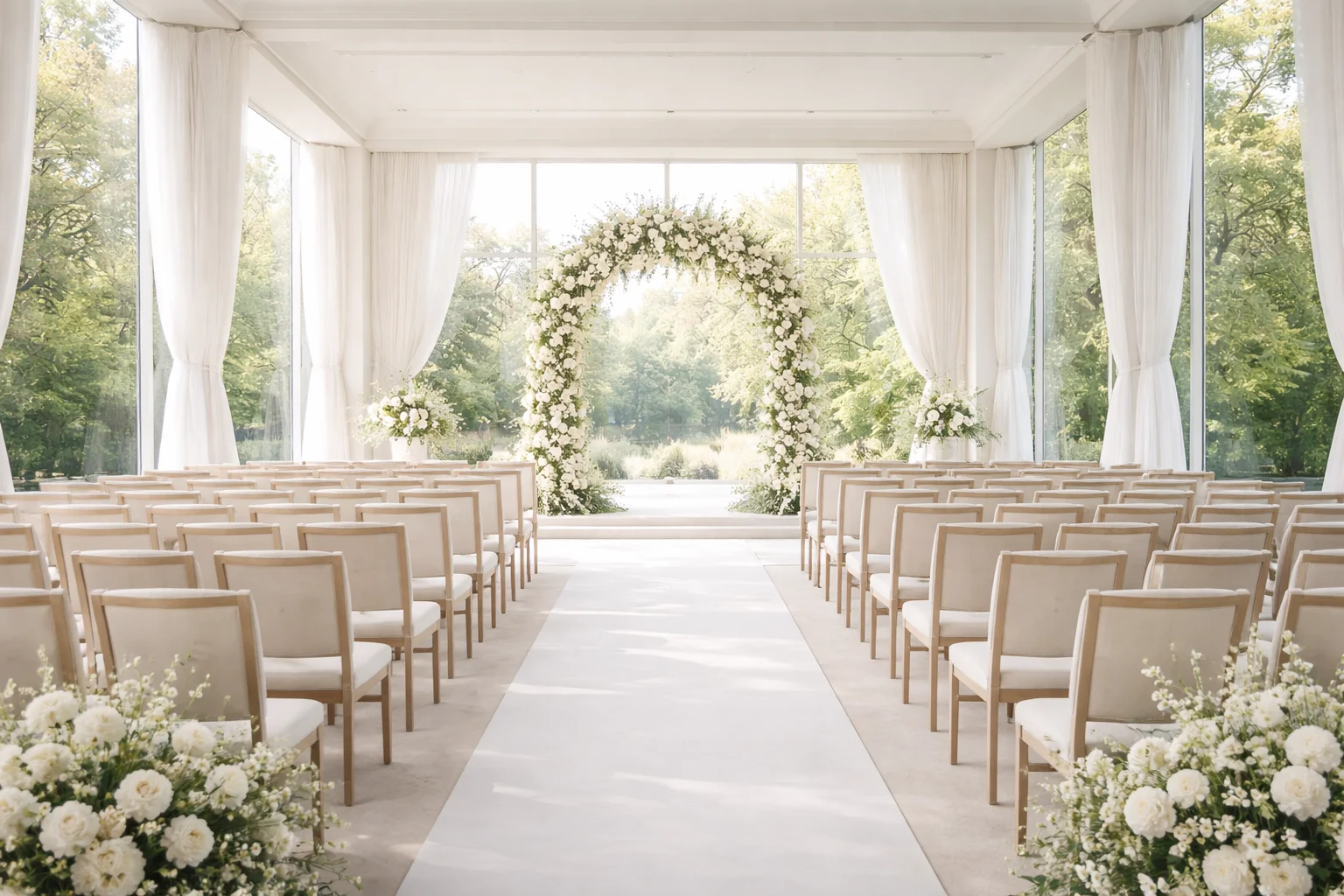
What Guests Notice First in Wedding Decoration — and Why
Guests rarely notice wedding decoration in the order planners imagine. They register proportion, spacing, light, and the calm or tension of a room long before they name a flower or a fabric. This is why the visual intelligence of luxury cars offers an unexpectedly useful lens: both rely on line, restraint, material confidence, and the power of a well-held pause.
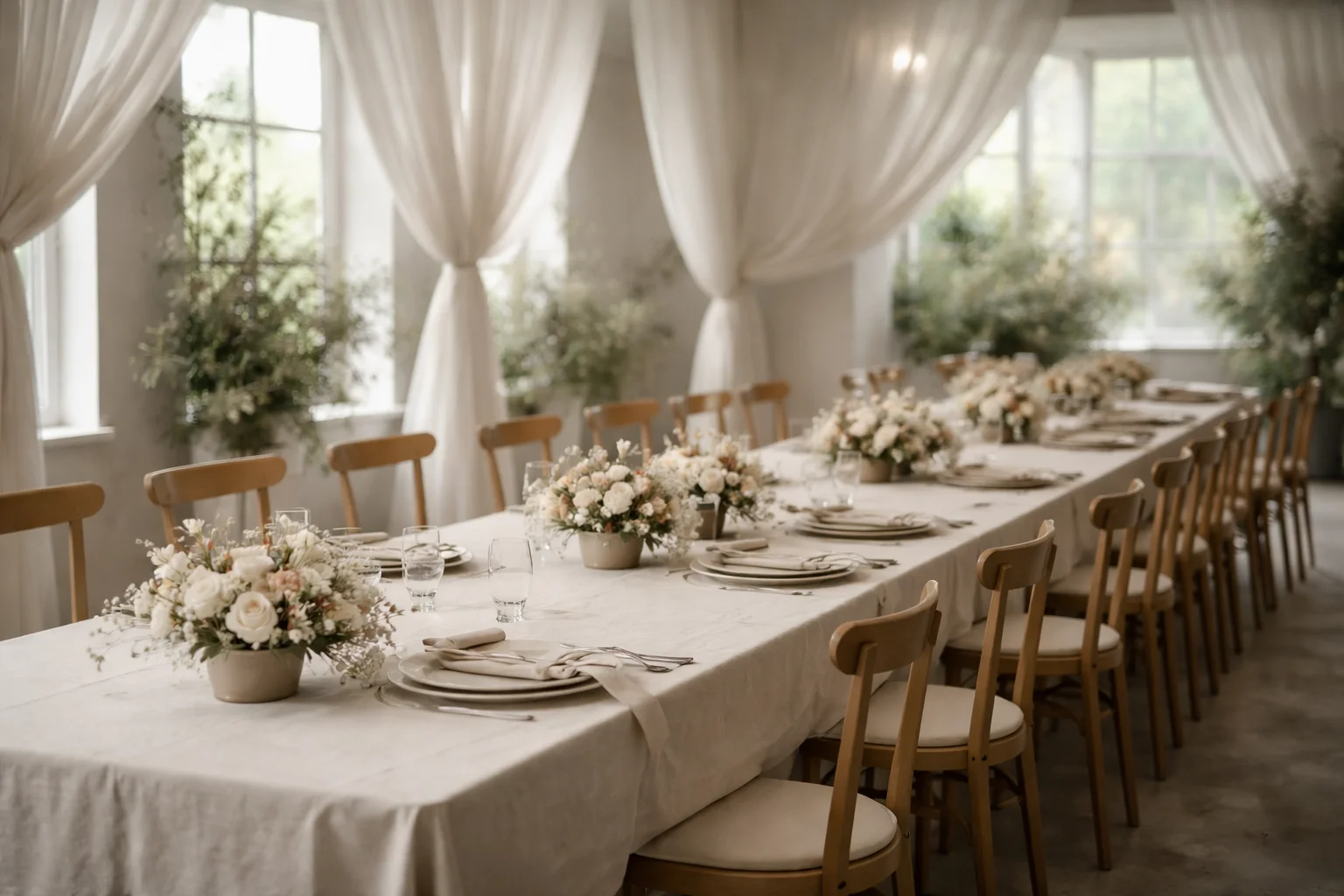
When Wedding Decoration Says What People Leave Unspoken
Wedding decoration is often discussed through color palettes, florals, table settings, and style references. Those things matter, but they are rarely the whole story. The room also carries what has not been fully explained: family tensions handled with grace, private histories that shape a couple's choices, or a shared wish for the day to feel calm rather than spectacular. In that sense, decoration is not only visual. It becomes part of the emotional architecture of the ceremony.
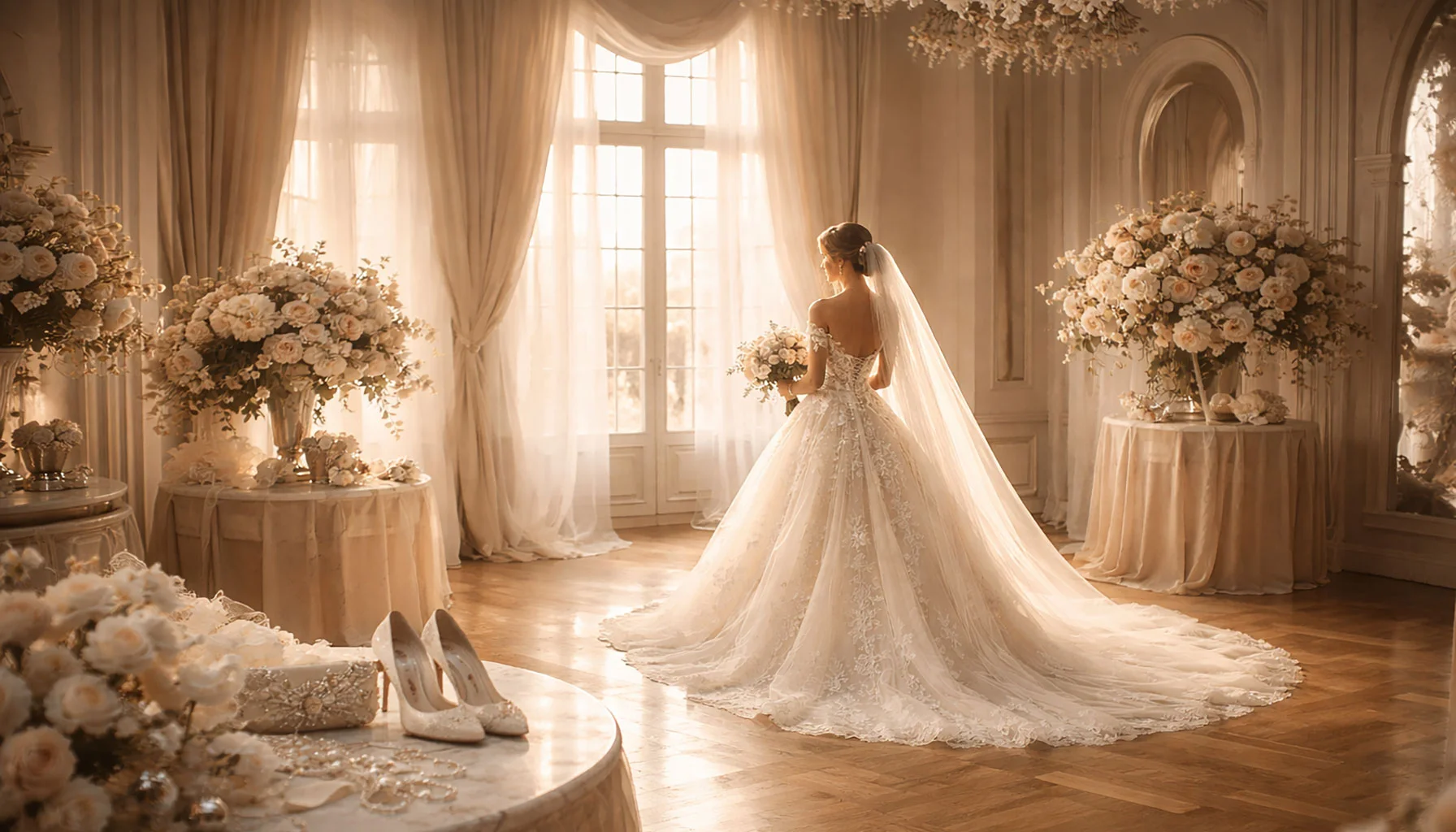
Bridal Fashion and Attire: Timeless Elegance, Modern Trends and the Art of an Unforgettable Bridal Look
Bridal fashion is rarely a single decision. It develops through fittings, conversations, and gradual adjustments until the visible result feels settled rather than assembled. This article looks at bridal fashion as a composed form of presence shaped by dress, styling, material, and the quieter language of what a bridal look communicates without needing to say it aloud.
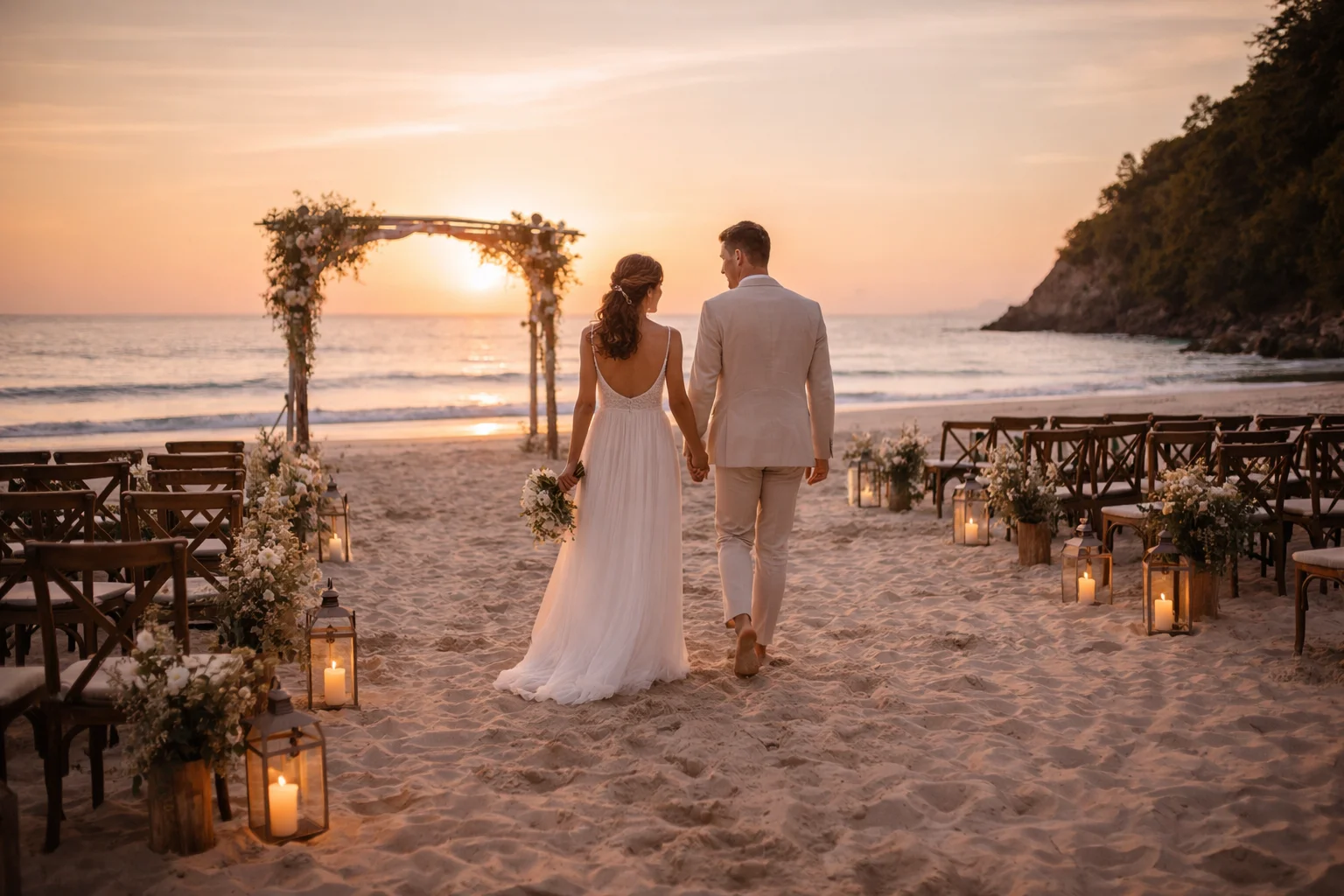
Where Summer Weddings Leave Space for What Is Not Said
Summer weddings are often described through what is visible. Long evenings, warm air, open spaces, movement that feels almost continuous. Guests arrive without coats, conversations stretch, the day seems to expand beyond its schedule. It is a season that suggests ease.