
When Wedding Decoration Says What People Leave Unspoken
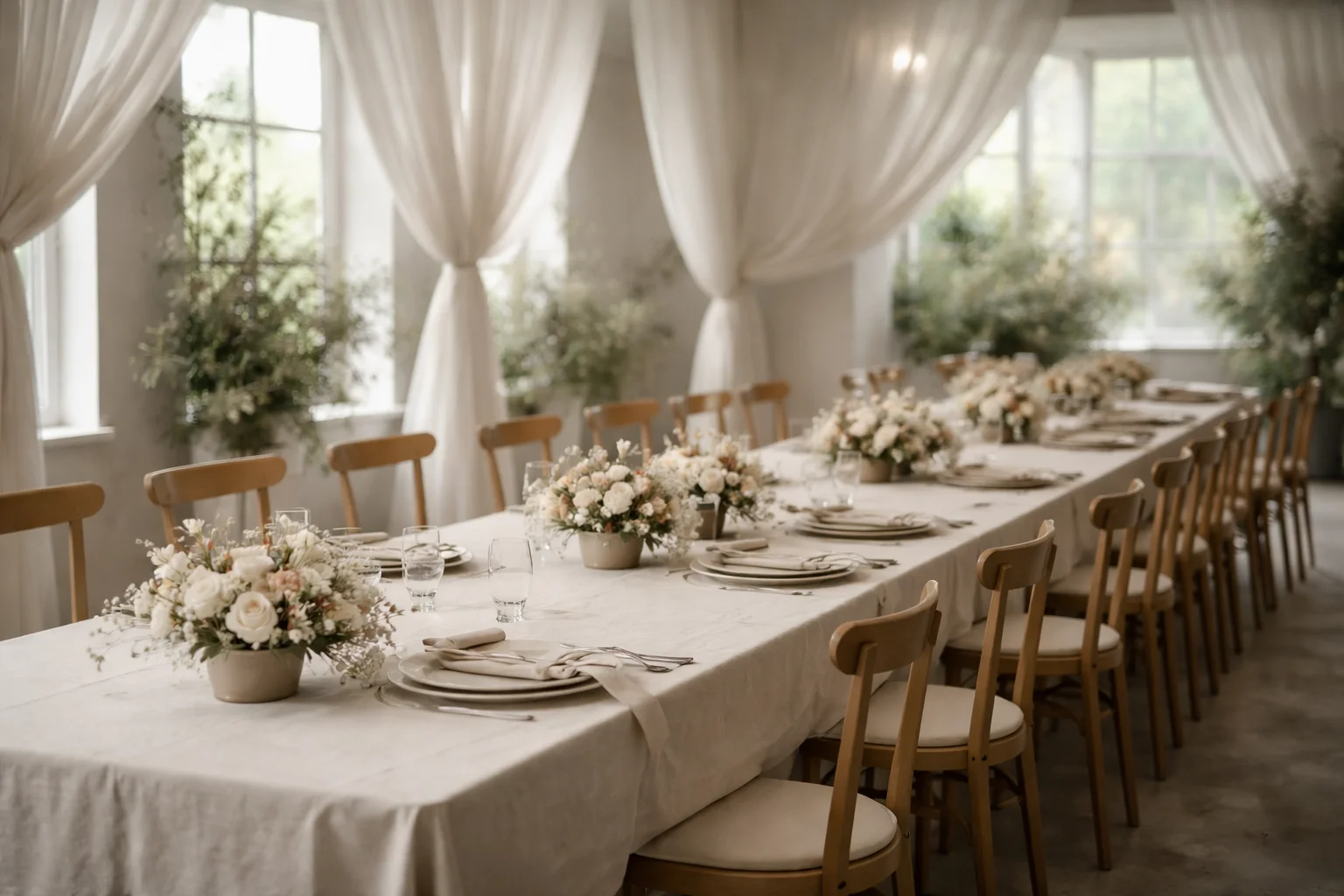
When Wedding Decoration Says What People Leave Unspoken
That is why decoration ideas can never be only decorative. A wedding table, a cleared aisle, the decision to leave space between arrangements, even the restraint of a quieter room can express something more precise than a statement piece ever could. The deeper layer sits close to what is not said: the meanings couples do not want to announce, but still want the day to hold.
Definition
In a wedding context, decoration is not just visual styling. It is the deliberate shaping of atmosphere through objects, spacing, texture, light, and restraint, so that the ceremony feels aligned with the relationship it is meant to honor.
Decoration begins with emotional tone, not inventory
Before choosing candles, linens, or floral forms, it helps to ask a quieter question: what should the room allow people to feel? Some weddings need warmth and softness because the families have never fully relaxed around each other. Others need clarity because the day carries grief alongside joy. When couples begin there, decorative choices become easier. They stop selecting items and start building conditions for presence, ease, and attention.
Silence can be designed into a room
Not every meaningful wedding moment is verbal. A slightly longer walk to the ceremony space, a less crowded table layout, or arrangements that leave part of the surface visible can create a sense of breath. These choices are practical, but they are also symbolic. They make room for hesitation, emotion, memory, and the small pauses that often matter more than speeches. Good decoration does not fill every corner. It knows when to stop.
Flowers, objects, and materials should carry the right weight
Couples often feel pressure to make every decorative element noticeable. In reality, the strongest rooms are usually edited. One meaningful material can say more than a dozen styled details: a fabric that recalls a family home, ceramic pieces that feel grounded rather than polished, flowers chosen for shape and movement instead of spectacle. The point is not minimalism for its own sake. The point is that each element should feel emotionally proportional to the day.
When family dynamics stay in the background, design still responds
Many wedding decisions are influenced by things no one wants to name directly. Divorced parents who should not be placed too close. A guest list shaped by old absences. Cultural expectations that are respected outwardly but held more lightly by the couple themselves. Decoration cannot solve those tensions, but it can reduce friction. Seating, spacing, sightlines, and transitions between ceremony and dinner all affect how gracefully a complicated day can move.
A beautiful wedding does not have to explain itself
Some of the most convincing wedding spaces feel coherent before anyone can say why. That coherence usually comes from alignment between the visible and the unspoken. A room can feel generous without excess, intimate without becoming small, ceremonial without turning stiff. Couples planning through decoration often discover that their real task is not to make the wedding look impressive, but to make it feel true to what their relationship has carried quietly over time.
Conclusion
The most memorable wedding decoration is rarely the part that asks to be admired first. More often, it is the part that helps people settle, notice, and understand something without being told directly. That is where practical planning meets emotional depth. And that is also where decoration ideas naturally meet what is not said: in the quiet work of giving form to meaning before language arrives.
Related Articles
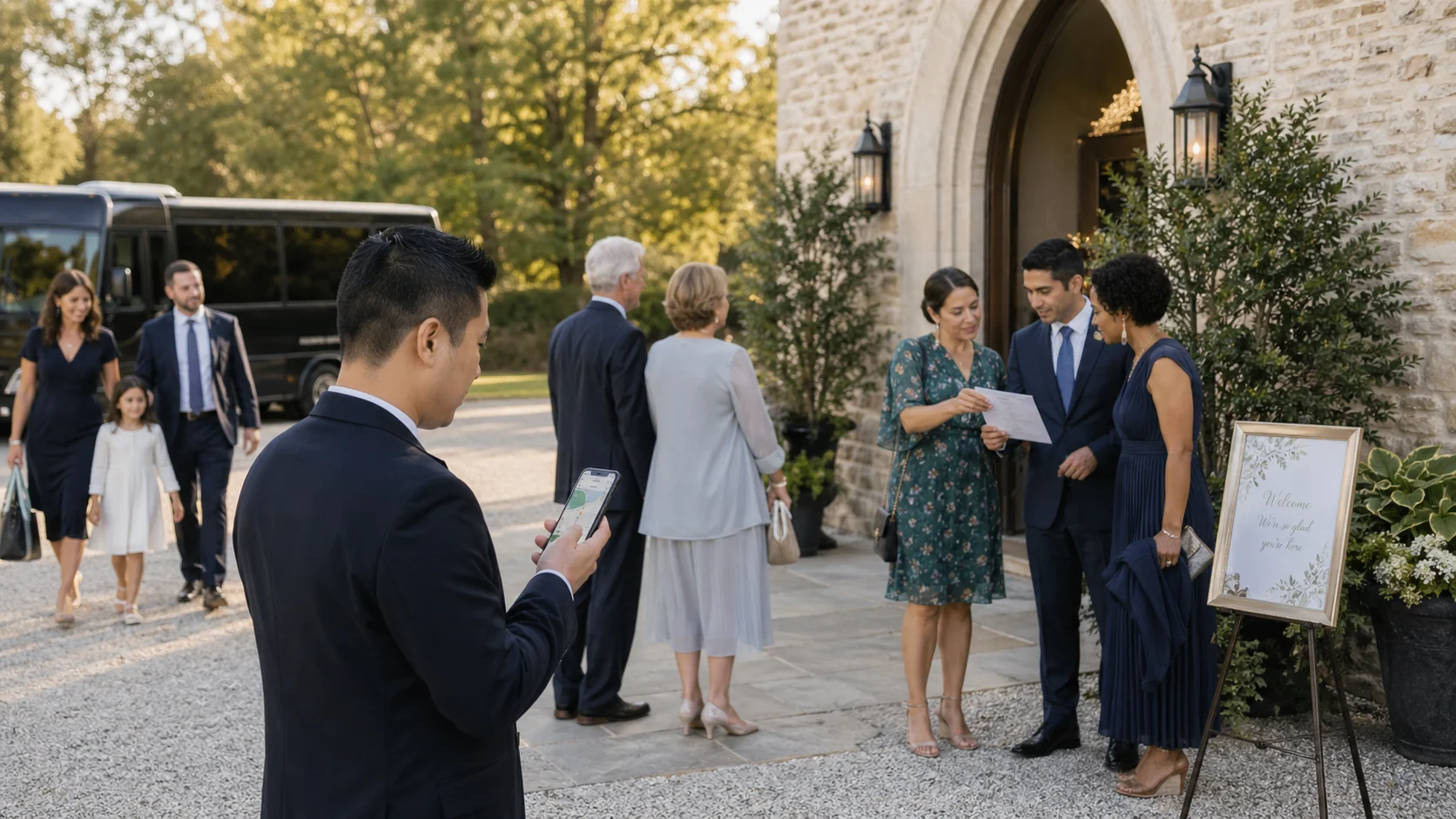
Wedding Website Checklist: What Guests Actually Need, and What They Ignore
Wedding websites work best when they reduce uncertainty instead of filling space. This article looks at what guests actually need to find quickly, what they usually ignore, and which unspoken questions a good website can answer before they become messages to the couple.
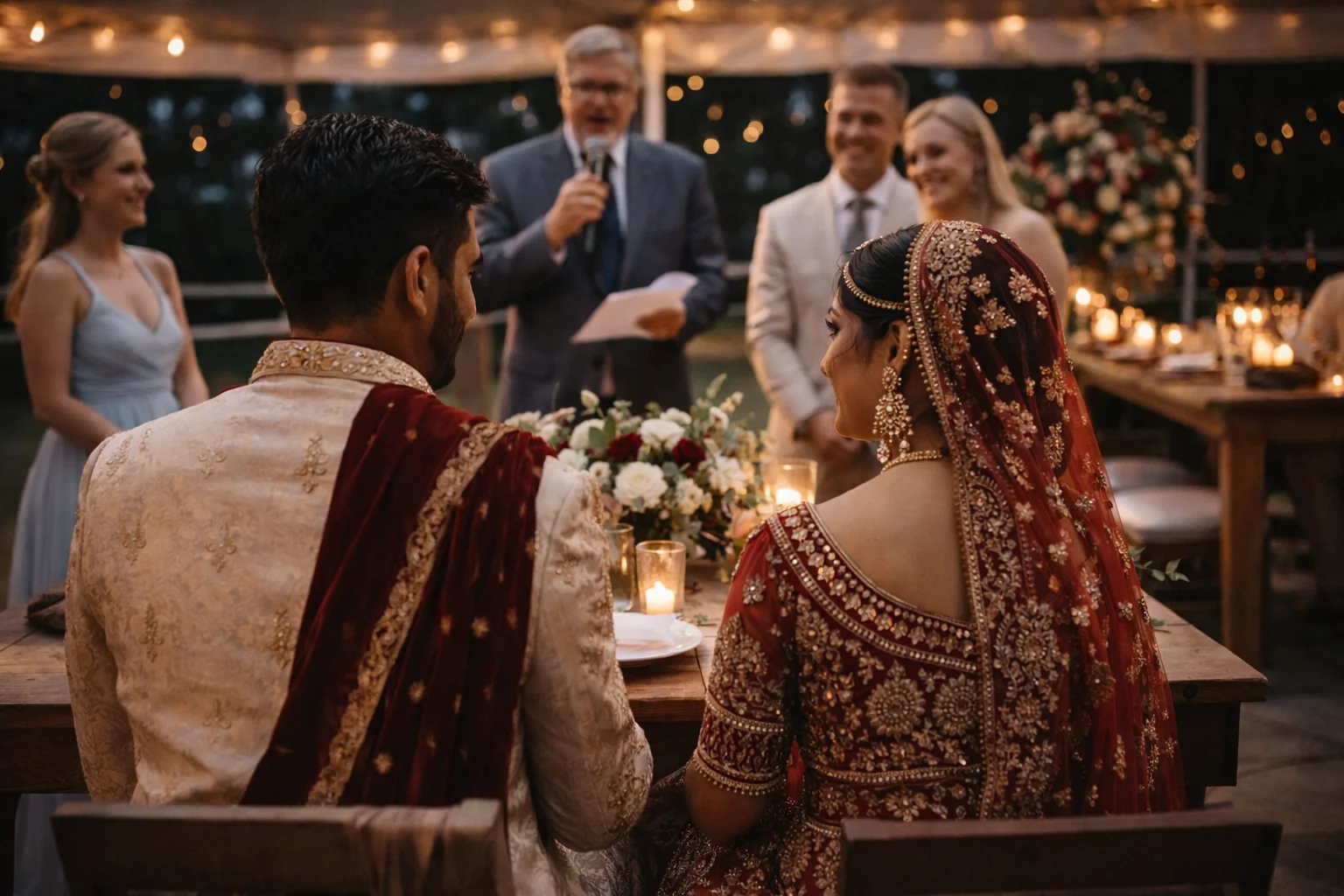
International Weddings and the Meaning of What Is Not Said
An international wedding brings visible complexity, but its deeper challenge often lives in the quiet layer beneath logistics. Between cultures, traditions, and expectations, what remains unspoken can shape the ceremony as much as anything that is formally planned.
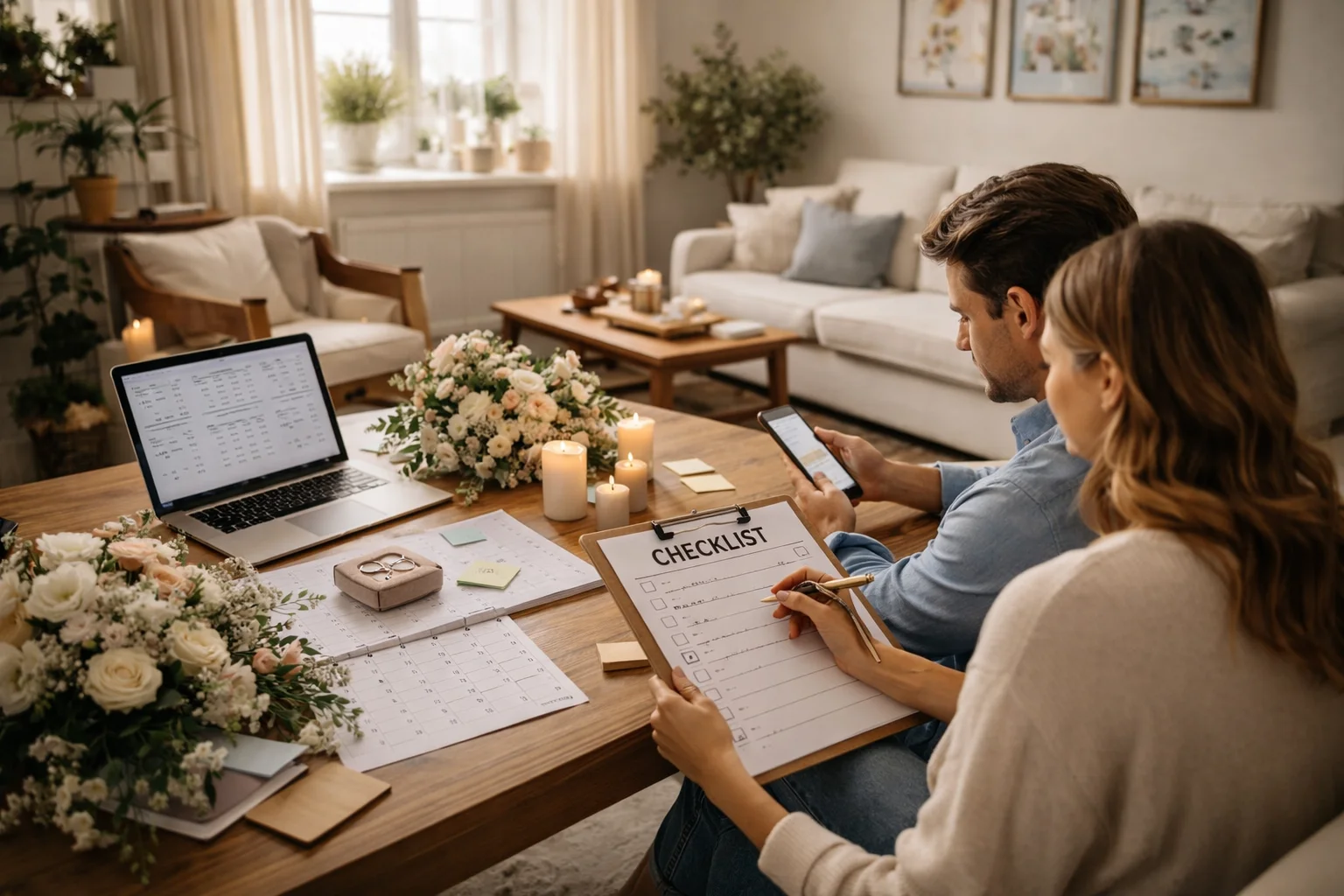
Last-Week Wedding Checklist: What Still Needs Attention Shortly Before the Day
The last week before a wedding is rarely about major decisions. It is about clarifying what still has weight, what can no longer be improved by adding more, and what needs to be named before it starts shaping the day in silence. This article looks at what still deserves attention shortly before the wedding and why the unspoken layer often matters most at that stage.
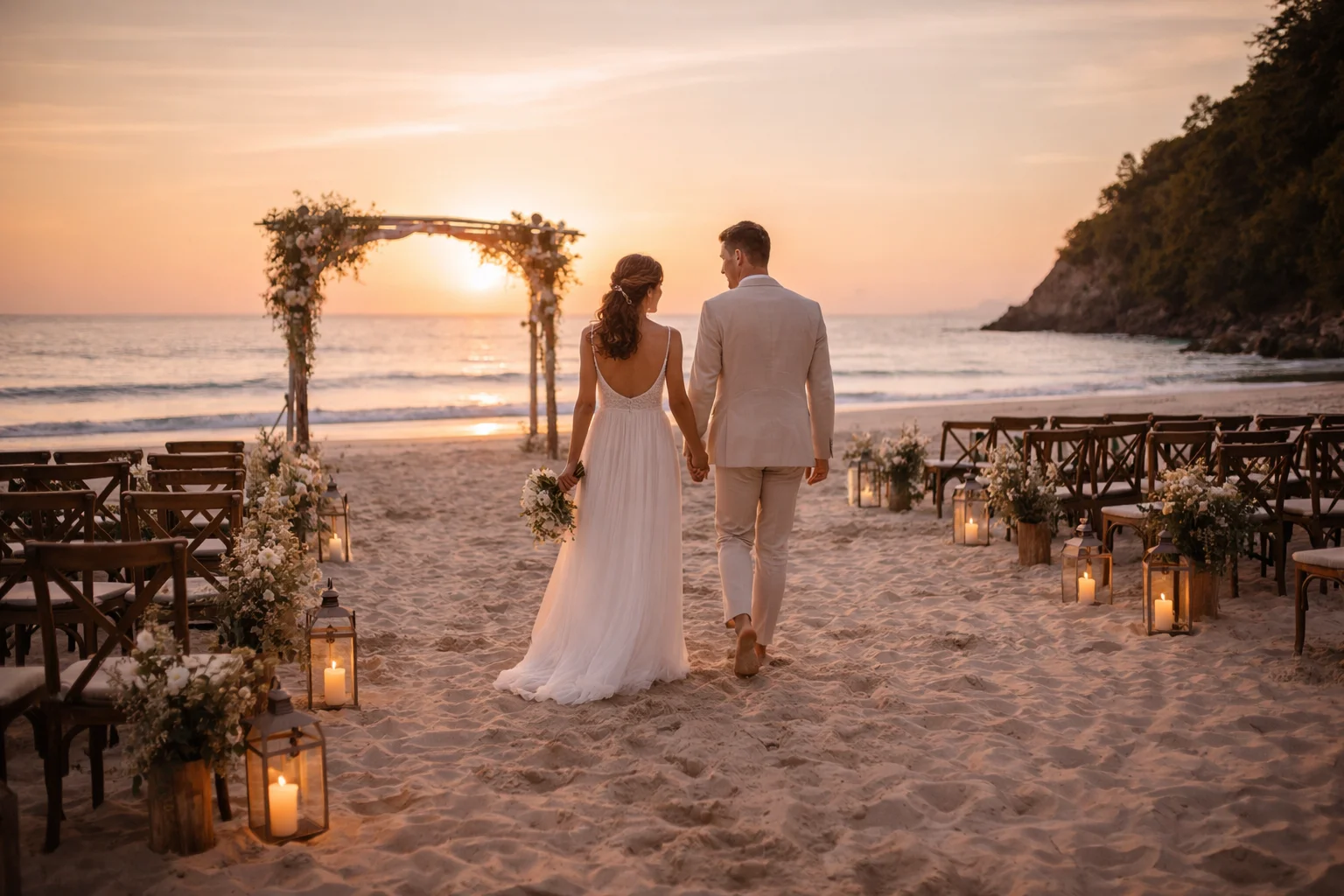
Where Summer Weddings Leave Space for What Is Not Said
Summer weddings are often described through what is visible. Long evenings, warm air, open spaces, movement that feels almost continuous. Guests arrive without coats, conversations stretch, the day seems to expand beyond its schedule. It is a season that suggests ease.
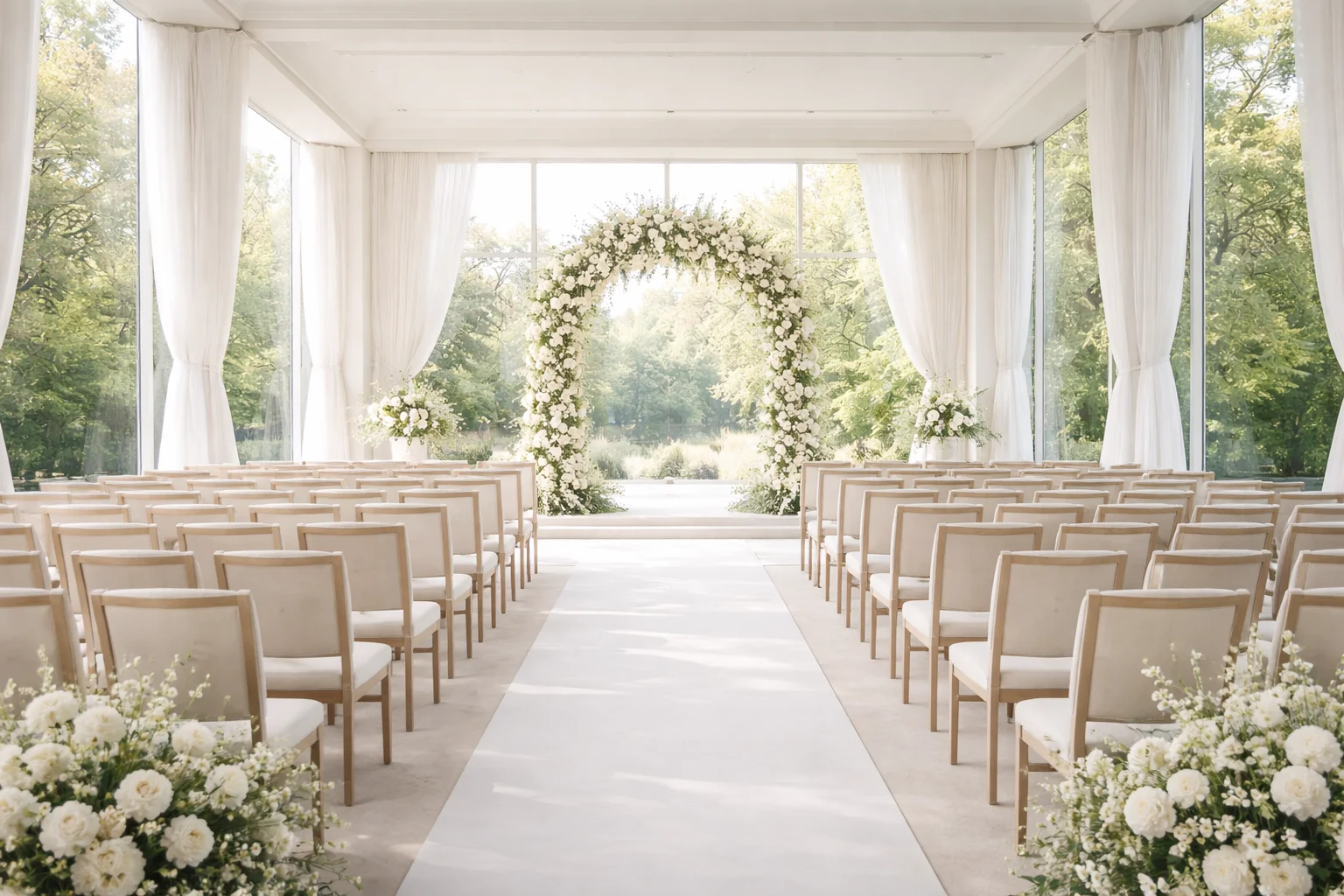
What Guests Notice First in Wedding Decoration — and Why
Guests rarely notice wedding decoration in the order planners imagine. They register proportion, spacing, light, and the calm or tension of a room long before they name a flower or a fabric. This is why the visual intelligence of luxury cars offers an unexpectedly useful lens: both rely on line, restraint, material confidence, and the power of a well-held pause.

Some Things Only Work With Certain Guests
Wedding activities rarely work on format alone. They depend on guest chemistry, timing, shared ease, and the unspoken permissions already moving through the room before anyone fully names them.

Prenup Conversations Before the Wedding: What Should Be Said Early, Calmly, and Clearly
Prenup conversations are rarely only about money. This article looks at timing, fairness, family history, debt, business ownership, inheritance, legal advice, and the quiet concerns couples should name before paperwork begins.
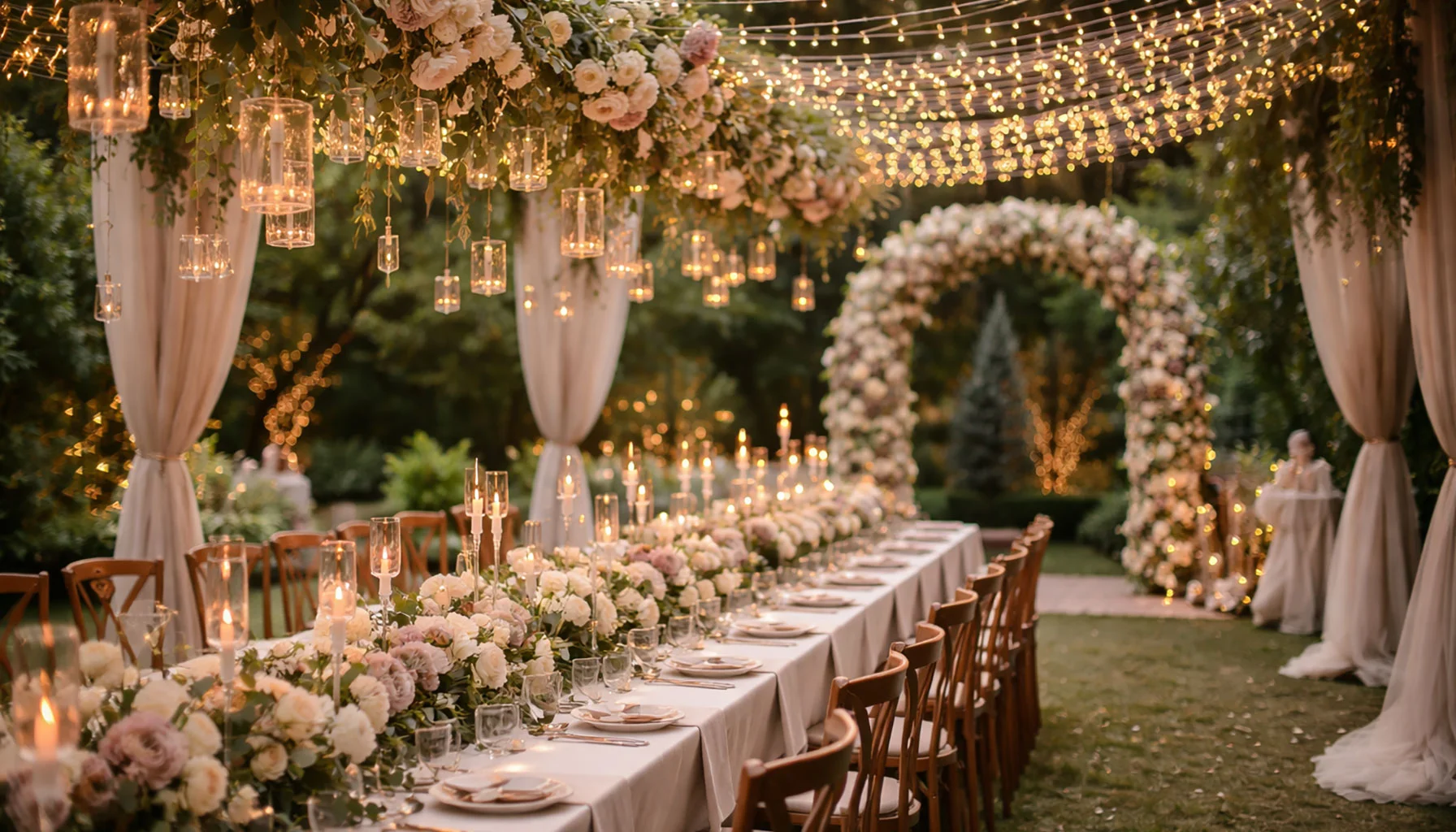
A Day Made of Love: Thoughtful Decoration Ideas for an Unforgettable Wedding
Wedding decoration is often discussed as a visual layer. In practice, it does something more structural. It directs attention, marks thresholds, repeats meaning through materials, and helps a room feel held rather than merely styled. This article looks at thoughtful decoration ideas through the quieter logic of ritual.
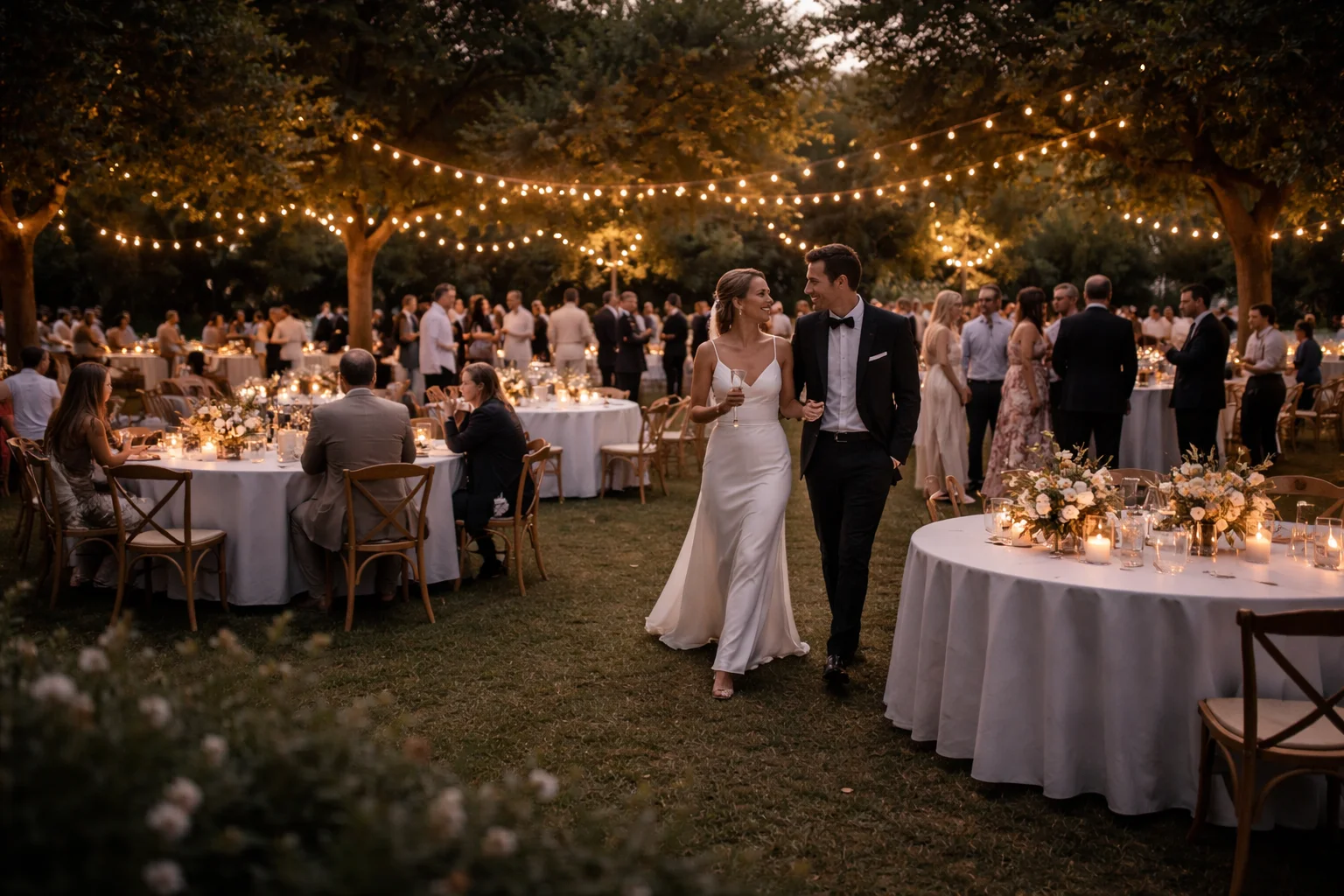
Second Dress for the Wedding Reception
At many weddings the clothing does not stay the same from start to finish. After the ceremony and formal photographs, a quiet shift sometimes happens. The bride disappears for a short time and later returns wearing something different. Guests notice it in small ways. A lighter fabric. Shorter hem. Movement that feels easier during the evening.

DJ, Live Band or Hybrid Concept: Choosing What Truly Fits
Music is one of the earliest wedding decisions and one of the least understood until the day begins to take real shape. The choice between a DJ, a live band, or a hybrid concept is rarely only about taste. It changes timing, movement, conversation, and how the evening is allowed to breathe.
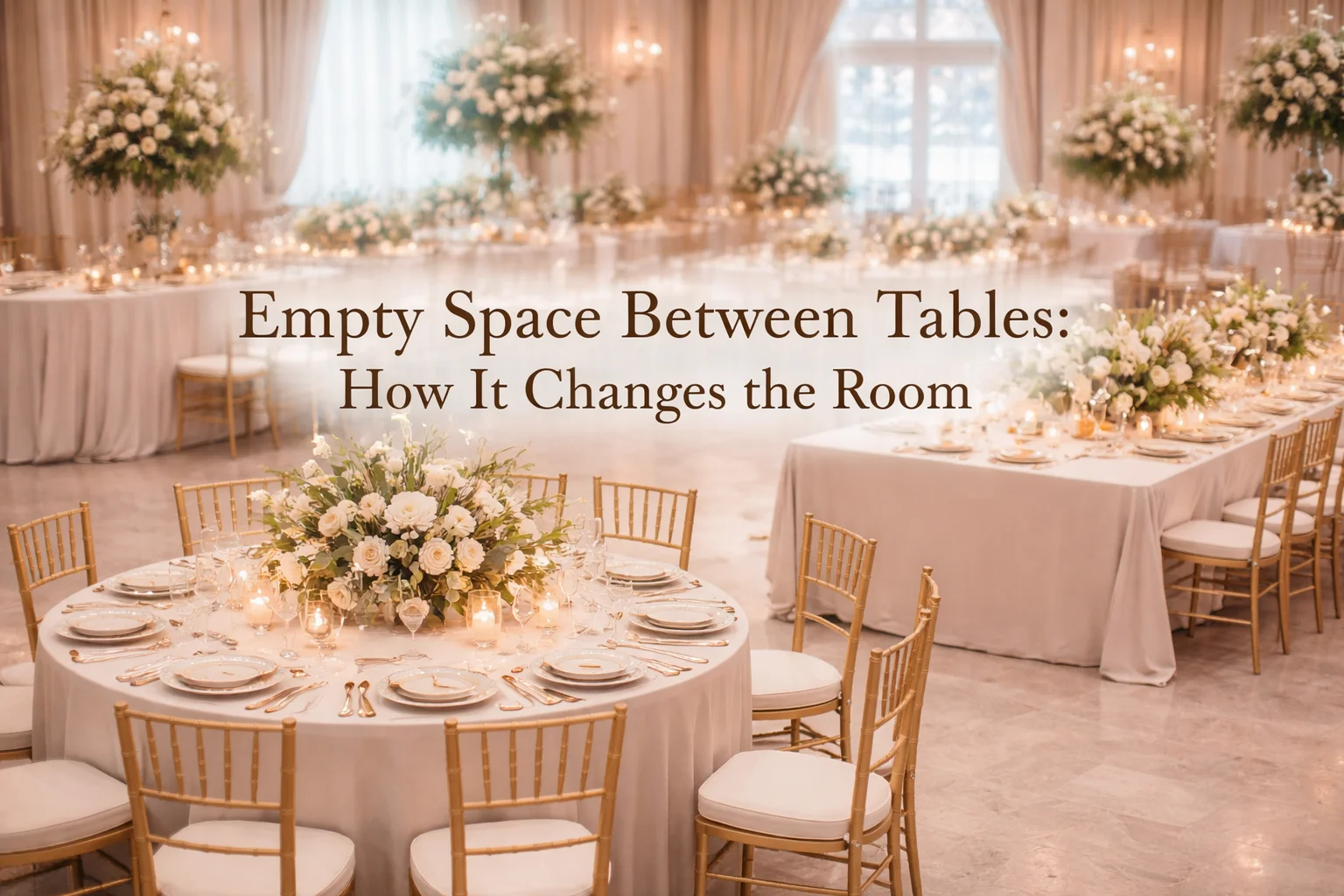
Empty Space Between Tables and How It Shapes the Room
Most layouts start with the tables themselves. Size, shape, how many fit. The areas in between are often adjusted at the end, sometimes just to make things work on paper. In the actual room, though, those leftover spaces do something. Not in a designed way. More like they shift how people move without anyone really pointing at it.

Who Pays for What? A Wedding Budget Checklist for Couples and Families
When families help pay for a wedding, money can bring generosity, relief, pressure, or quiet control. This checklist helps couples discuss contributions, boundaries, priorities, and expectations before financial support begins shaping the day in unspoken ways.