
International Weddings and the Meaning of What Is Not Said
International Weddings and the Meaning of What Is Not Said
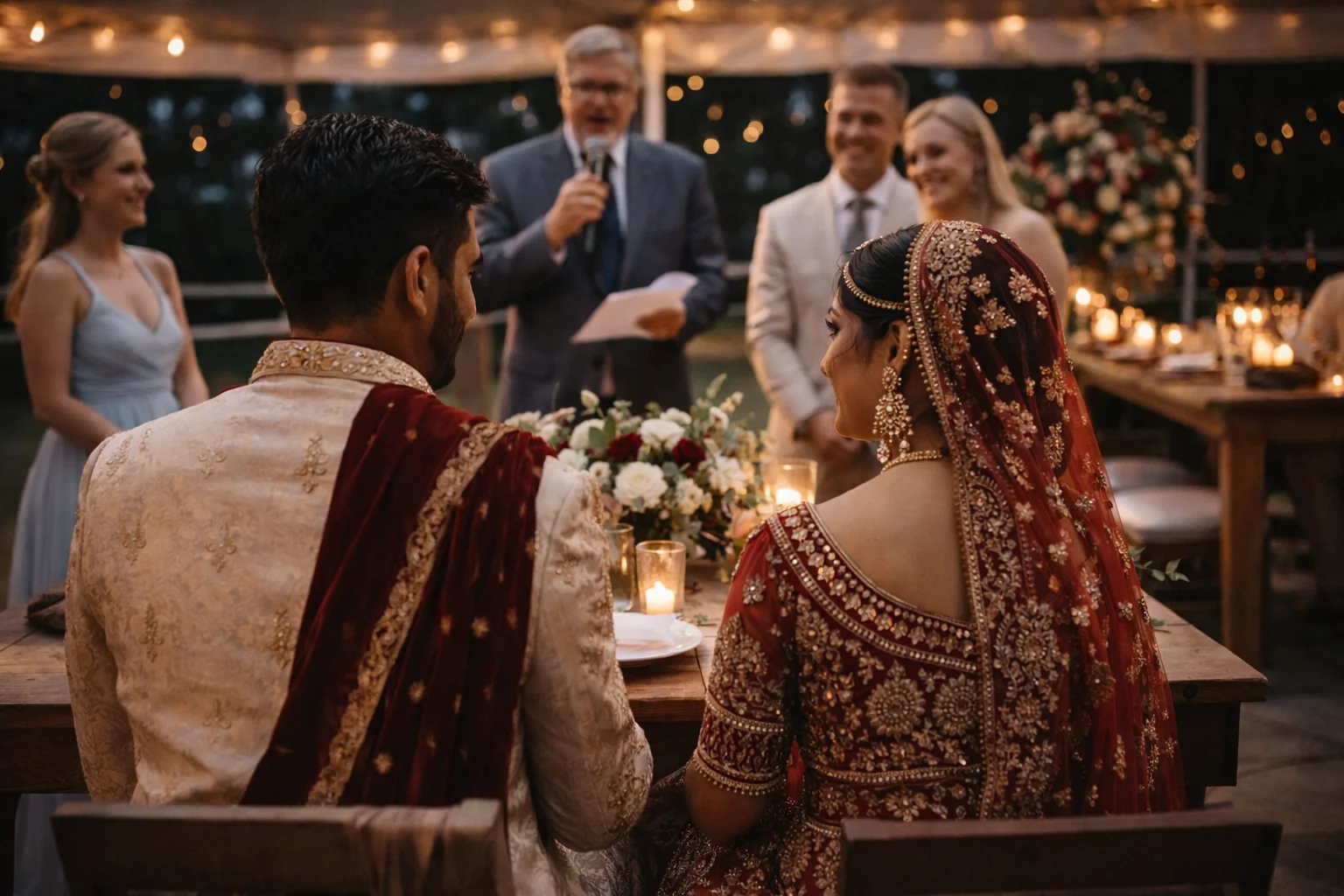
An international wedding is often described through movement: flights, visas, languages, legal paperwork, guest travel, time zones, and families arriving from different corners of the world. All of that is real, and all of it matters. But anyone who has stood inside this kind of ceremony knows that logistics are only one layer. Beneath the visible planning, there is another task that is quieter and often harder to name.
That is where international weddings meet what is not said. When two people marry across cultures, countries, or family traditions, the event is shaped not only by what is spoken aloud, but by pauses, assumptions, manners, loyalties, and emotions that stay just below the surface. Good planning makes room for both.
International Weddings (Info) – CategoryWhat to Know When Love Crosses Borders bring together different cultures, traditions, and legal systems. Planning an international wedding often involves additional considerations such as legal requirements, documentation, cultural customs, language differences, and travel logistics for you and your guests. With the right preparation and understanding, international weddings can become a deeply meaningful celebration that reflects both your backgrounds and creates a truly unforgettable experience.
Definition
In wedding terms, the connection is simple. An international wedding deals with visible complexity, while what is not said describes the hidden layer that travels with families, rituals, and expectations. The practical side asks how people will gather. The quieter side asks what everyone is bringing with them emotionally, culturally, and symbolically, even when no one puts it into words.
Travel Is Easy to Count, Tension Is Not
Couples planning an international wedding quickly learn how measurable the visible tasks are. You can list documents, compare venues, build timelines, and track arrivals. What cannot be tracked so neatly is the atmosphere around those decisions. One family may feel uncertain about a ceremony style they do not know. Another may be quietly hurt that an older custom is missing. Sometimes no conflict is declared, yet everyone senses that something important has been left hovering in the room.
Different Customs Create Different Silences
When wedding traditions come from different places, silence can mean very different things. In one family, silence may signal respect. In another, it may signal discomfort or disapproval. A parent who says little during planning may simply be trying not to interfere, while the couple reads that distance as hesitation. This is why practical guidance alone is never enough. International weddings work best when couples pay attention not just to rituals and schedules, but to the emotional vocabulary surrounding them.
Language Is Only Part of Communication
Many international couples think first about translation, and of course they should. Ceremonies, printed materials, and family conversations often need careful wording. But some of the most decisive misunderstandings have nothing to do with vocabulary. They come from tone, timing, indirect expectations, or the unspoken belief that a wedding should look a certain way because that is how it has always been done. The challenge is not merely to translate sentences. It is to notice meanings that have not yet been spoken.
Planning Can Become a Form of Listening
This is where a strong planning process becomes more than administration. A clear structure gives couples somewhere to place difficult questions before they turn into private resentment. Which rituals matter deeply, and to whom. Which guests need context to feel included. Which traditions are beautiful to keep, and which are being preserved only out of fear. The more international the wedding, the more useful it becomes to treat planning as a form of listening rather than just coordination.
The Ceremony Feels Stronger When the Quiet Layer Is Respected
A ceremony that brings different worlds together does not need to explain everything in order to feel coherent. But it does need honesty. Guests can feel when a wedding has made thoughtful space for difference instead of smoothing it over with decoration and polite language. That does not mean every tension must be exposed. It means the couple has paid attention to what sits beneath the visible plan, and has shaped the day with enough care that even the unsaid has been given a place.
Not everything meaningful is spoken. Silence often carries what language cannot hold.
Conclusion
International weddings are often remembered for their beauty, movement, and layered traditions. Yet what gives them depth is not only what crosses borders in a practical sense. It is also the quieter passage between spoken intention and unspoken meaning. When couples plan for both, the result is not just a well-managed event. It is a ceremony that feels more truthful to the people standing inside it.
Related Articles

Some Things Only Work With Certain Guests
Wedding activities rarely work on format alone. They depend on guest chemistry, timing, shared ease, and the unspoken permissions already moving through the room before anyone fully names them.
Flowers Near Food at Weddings: Buffet and Dessert Table Placement
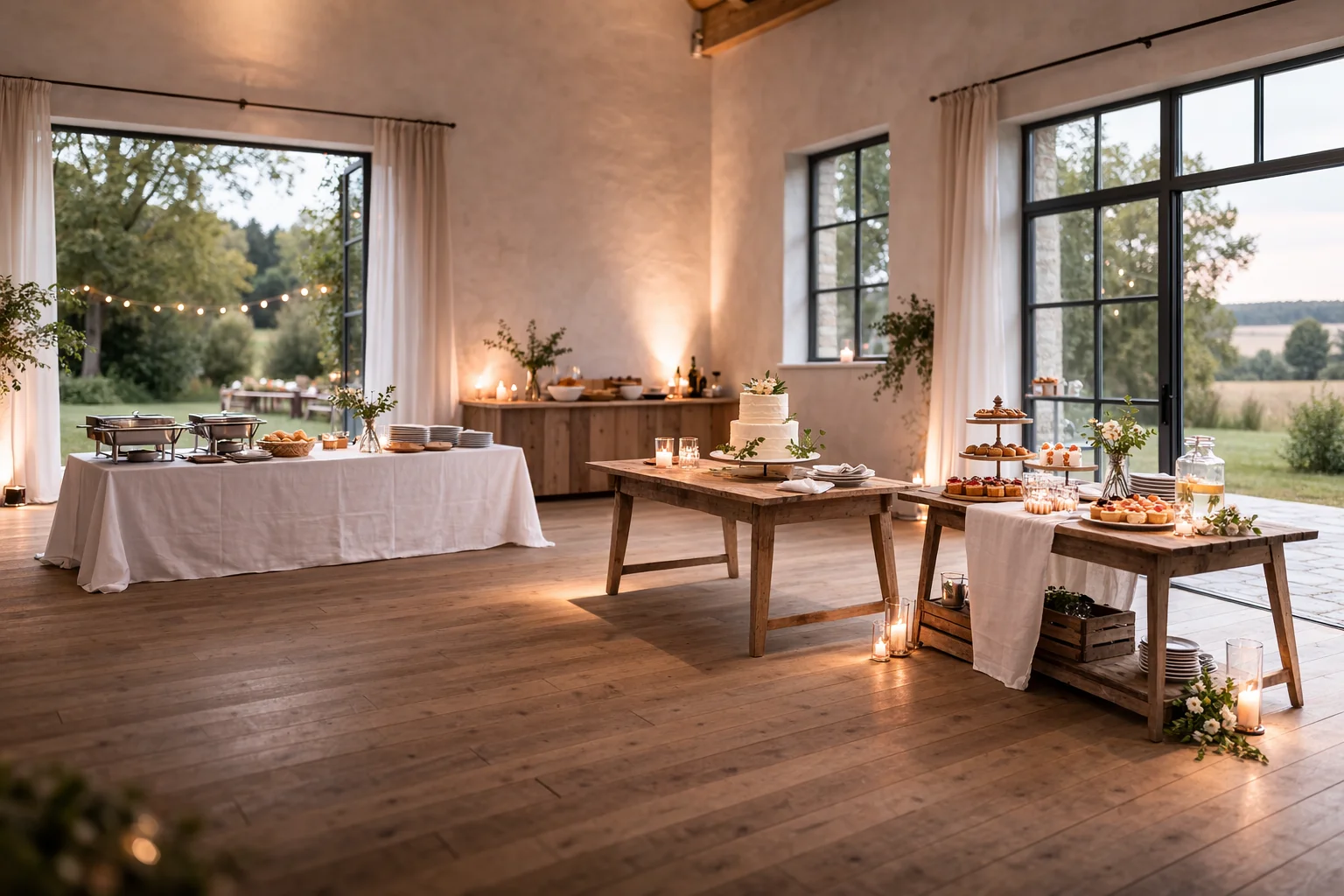
Flowers sometimes end up close to food. Not always by clear decision. More because the rest of the room is already filled, and these zones remain. Then something gets added there too. It does not look unusual once it is in place.
When Wedding Decoration Says What People Leave Unspoken
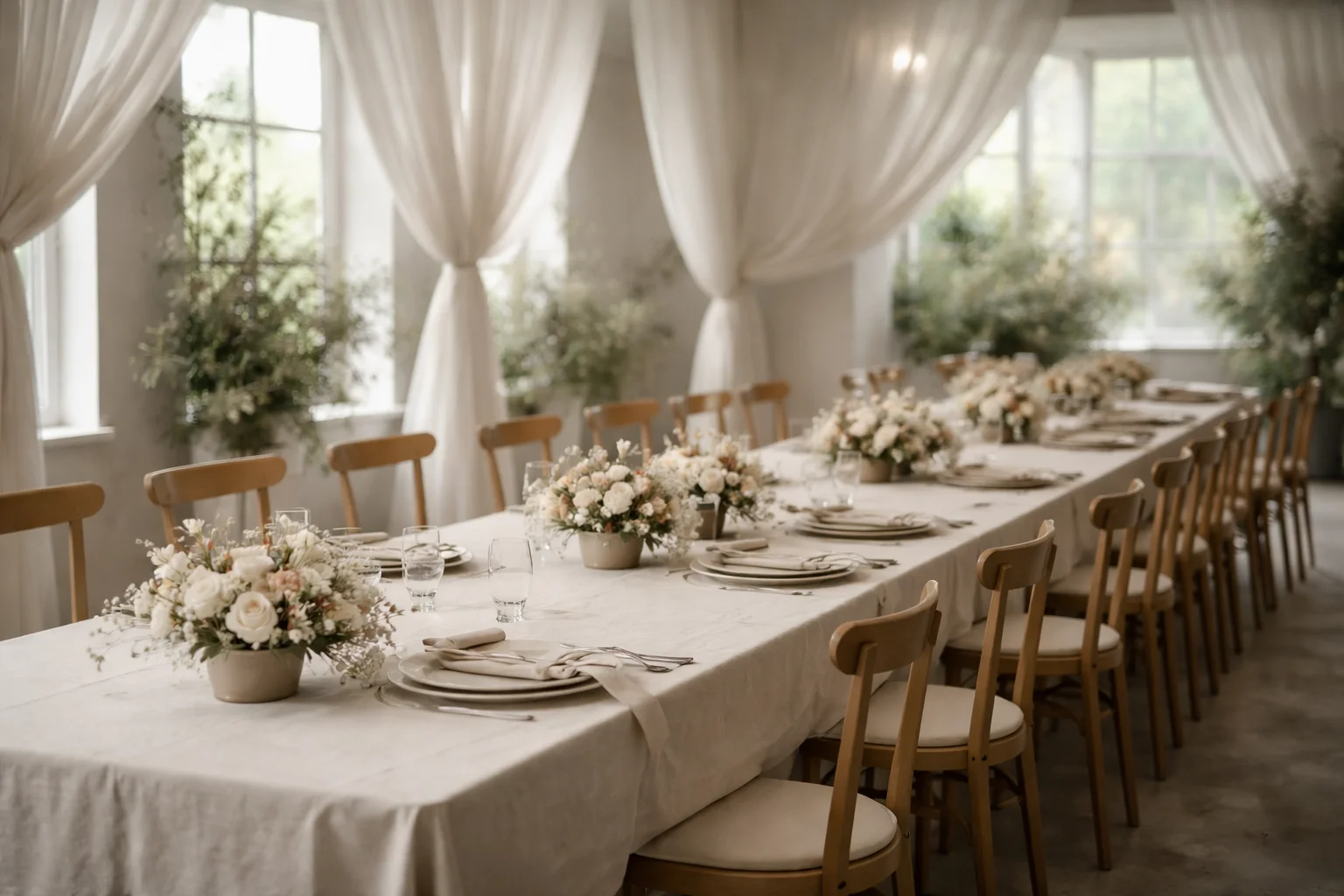
Wedding decoration is often discussed through color palettes, florals, table settings, and style references. Those things matter, but they are rarely the whole story. The room also carries what has not been fully explained: family tensions handled with grace, private histories that shape a couple's choices, or a shared wish for the day to feel calm rather than spectacular. In that sense, decoration is not only visual. It becomes part of the emotional architecture of the ceremony.
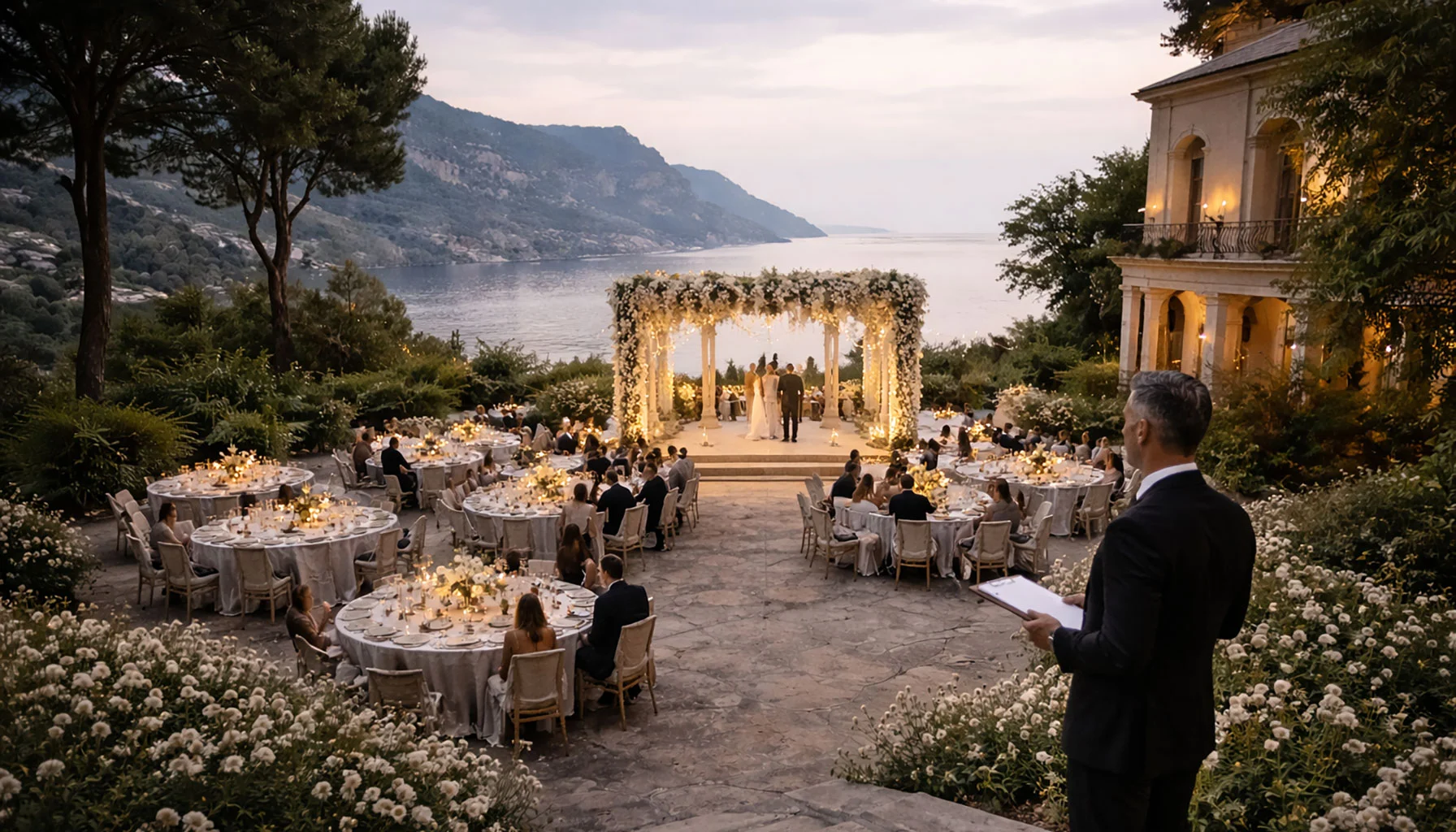
A Wedding Shaped by Quiet Alignment
This wedding was defined not by individual highlights, but by its steady flow. Planning, design, and service worked together without drawing attention to themselves. For guests, the day unfolded naturally and remained consistent, carried by a sense of calm, closeness, and continuity throughout.
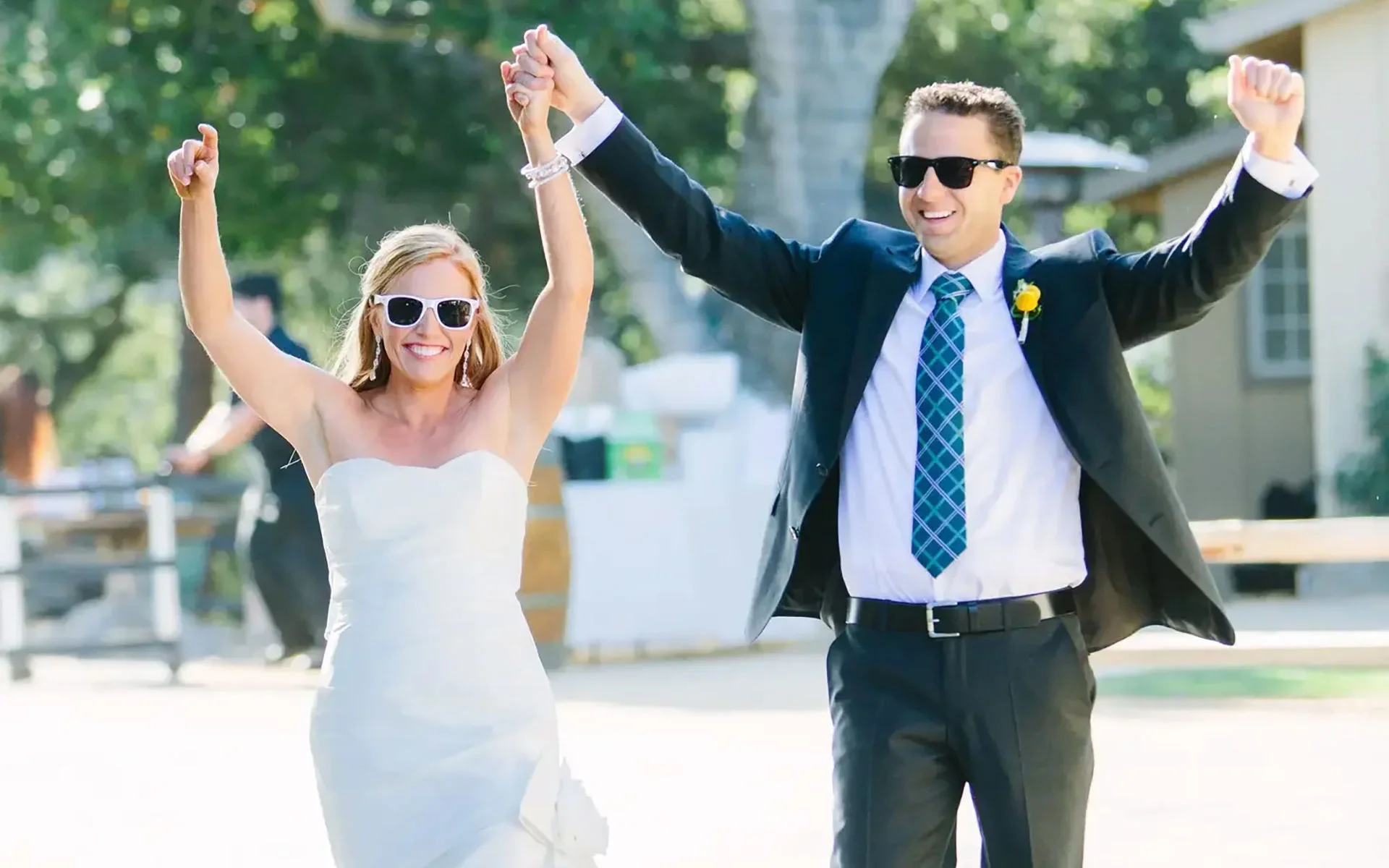
Weddings in Comparison
This text brings together impressions from weddings in different countries and social settings. It describes how rituals, timing, and atmosphere appear in practice, without explanation or judgment. The focus is on closeness, structure, and the way community becomes visible during a public moment.
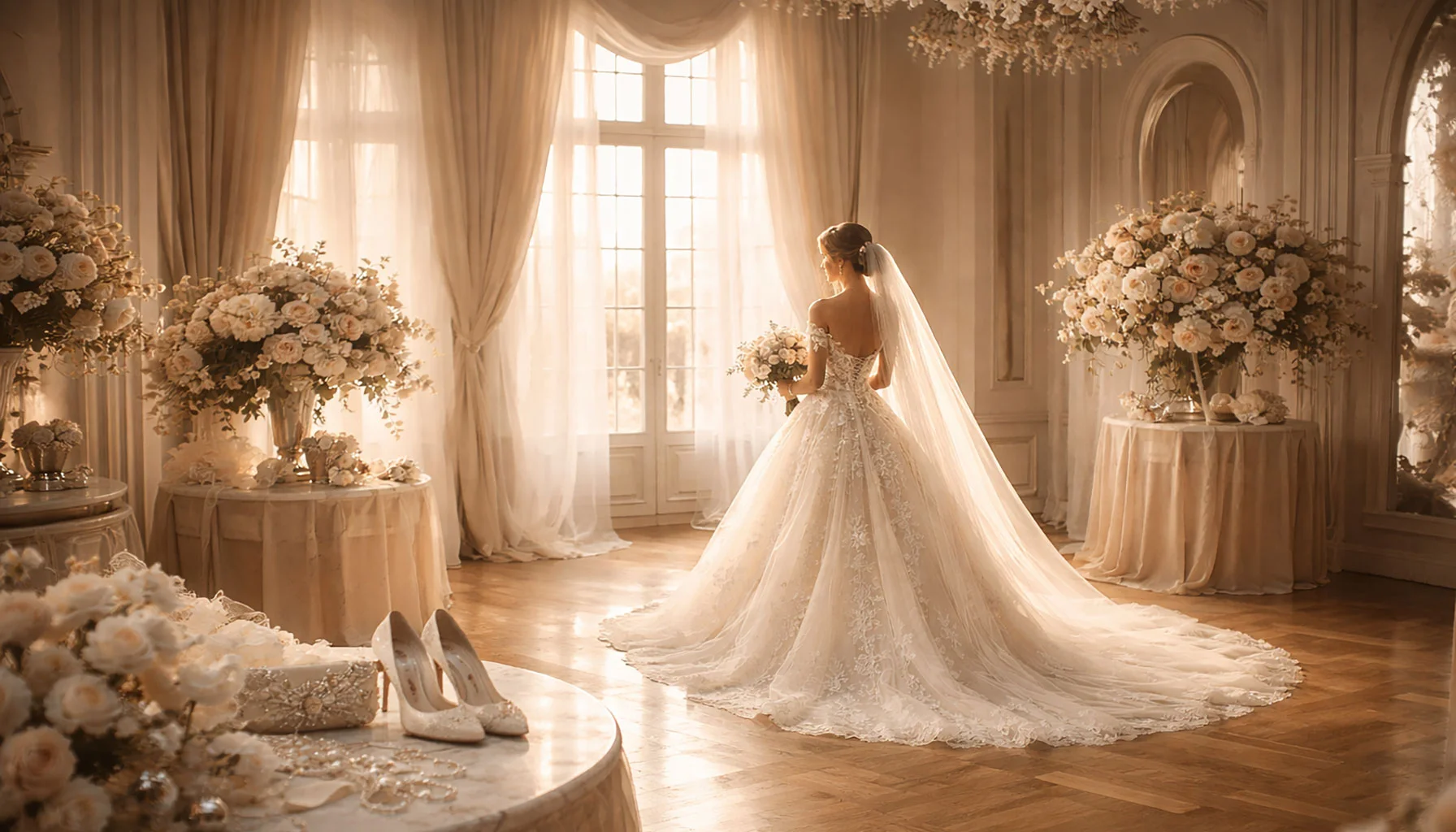
Bridal Fashion and Attire: Timeless Elegance, Modern Trends and the Art of an Unforgettable Bridal Look
Bridal fashion is rarely a single decision. It develops through fittings, conversations, and gradual adjustments until the visible result feels settled rather than assembled. This article looks at bridal fashion as a composed form of presence shaped by dress, styling, material, and the quieter language of what a bridal look communicates without needing to say it aloud.
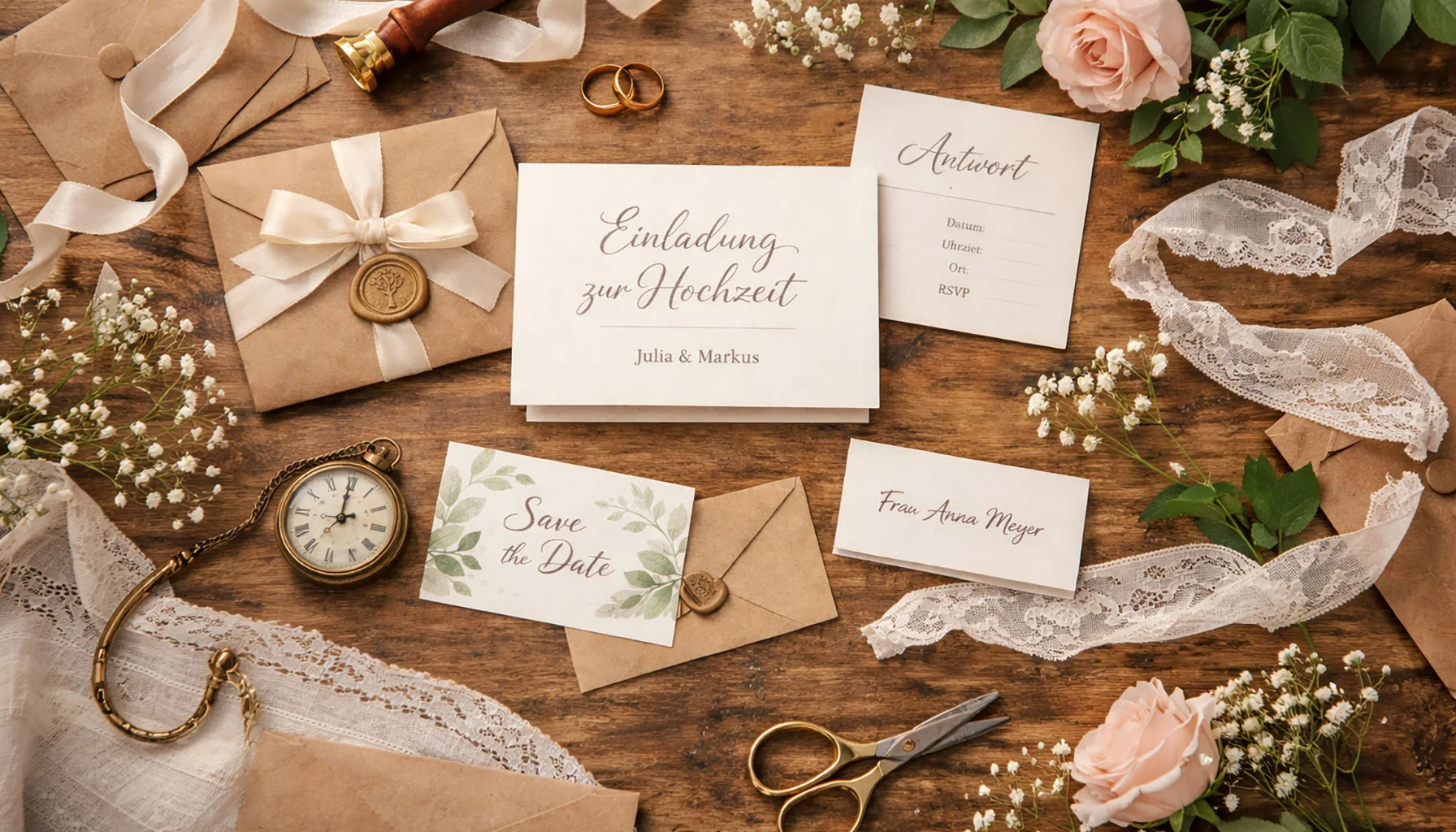
Inviting With Care
A wedding invitation does more than share a date. It begins shaping tone, expectation, and emotional distance long before anyone arrives. This article looks at invitations as the first quiet threshold of a wedding, where clarity, restraint, and what remains unsaid start doing their work.

Prenup Conversations Before the Wedding: What Should Be Said Early, Calmly, and Clearly
Prenup conversations are rarely only about money. This article looks at timing, fairness, family history, debt, business ownership, inheritance, legal advice, and the quiet concerns couples should name before paperwork begins.

Last-Week Wedding Checklist: What Still Needs Attention Shortly Before the Day
The last week before a wedding is rarely about major decisions. It is about clarifying what still has weight, what can no longer be improved by adding more, and what needs to be named before it starts shaping the day in silence. This article looks at what still deserves attention shortly before the wedding and why the unspoken layer often matters most at that stage.
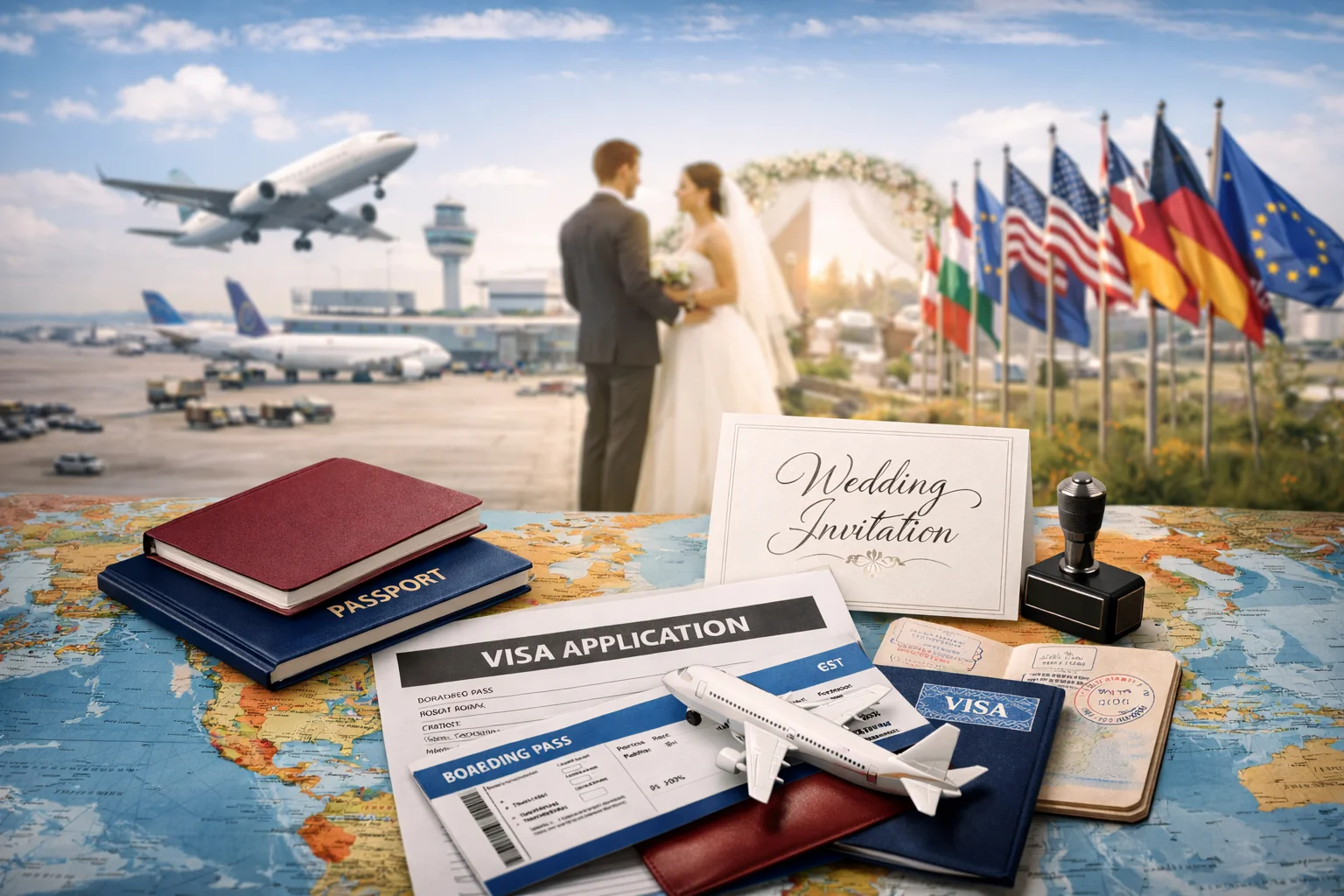
Visa and Travel Rules for International Wedding Guests
At international weddings, the guest list and the travel list are often two different things. An invitation may be accepted quickly, warmly, without much hesitation. Then the paperwork starts. Passport dates are checked. Entry rules are read again. A short family trip suddenly sits inside a formal border process.
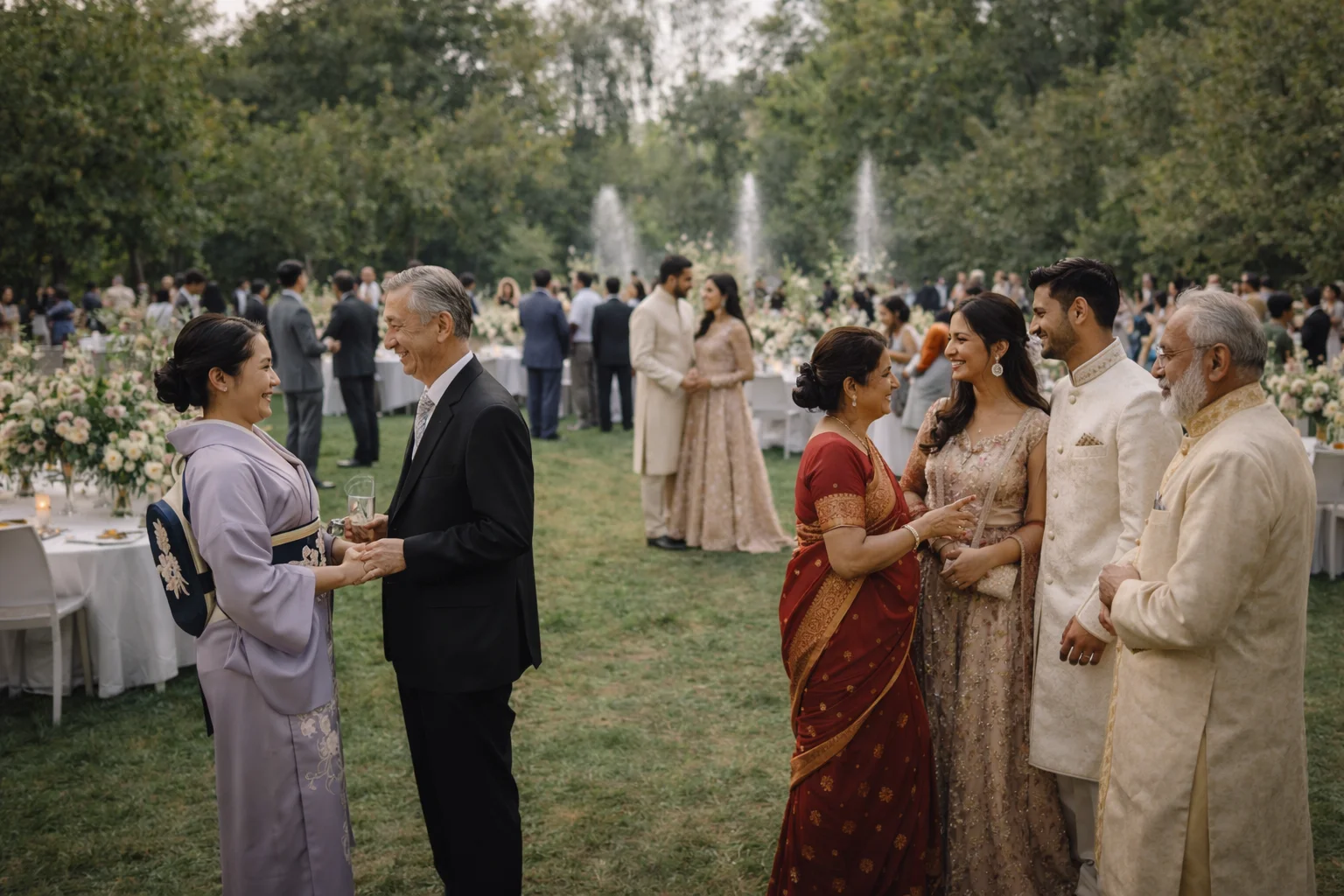
Two Families, Two Cultural Rhythms: How International Weddings Balance Different Social Expectations
International weddings do not only bring together two languages or two traditions. They often bring together two different social rhythms: different ideas of hospitality, family presence, punctuality, emotional expression, ritual weight, and what a wedding is supposed to feel like. This article looks at how couples balance those differences without flattening either side.
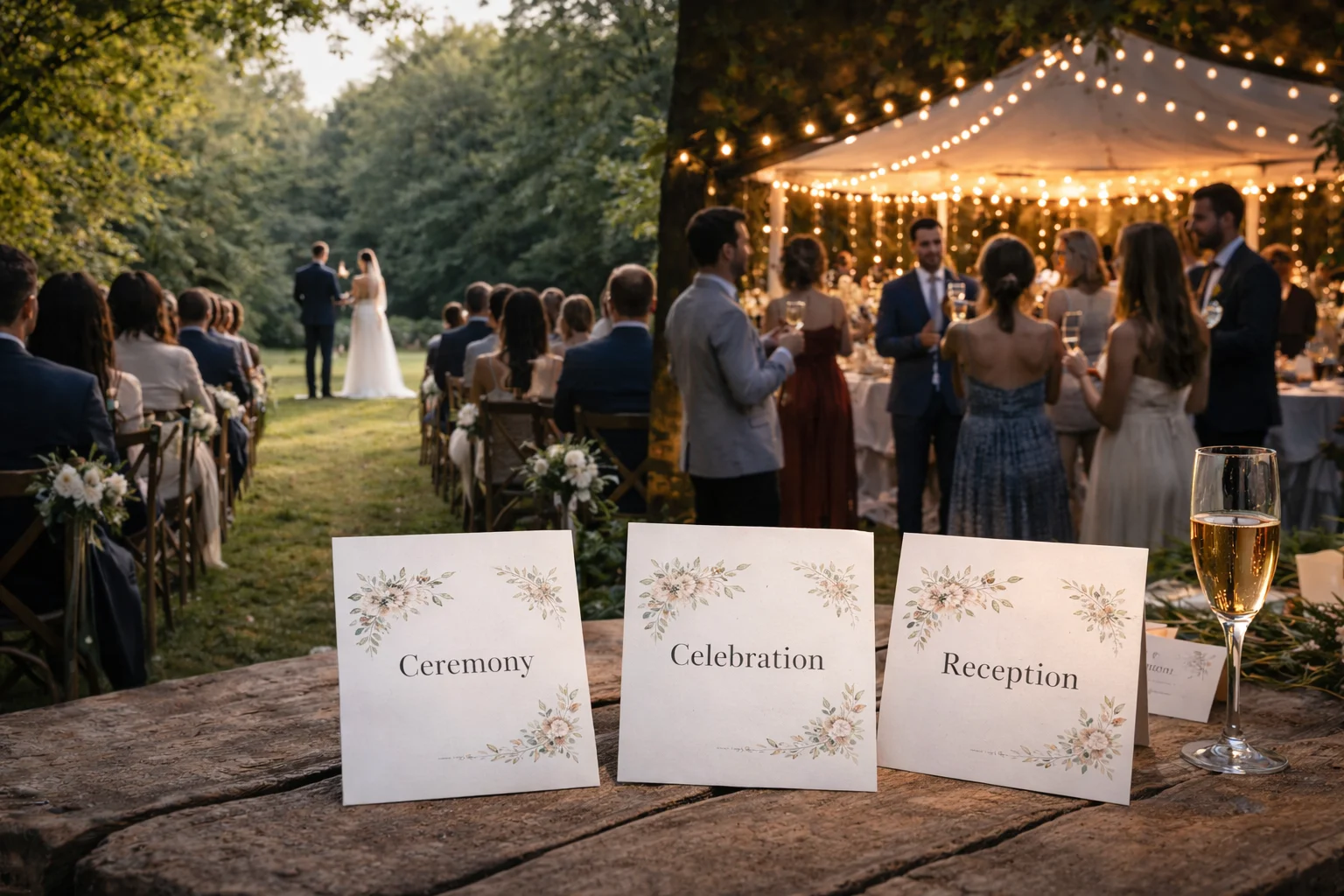
Who Is Invited to the Ceremony and Who Only to the Celebration
Not every wedding invitation has to include every part of the day. But the difference between being invited to the ceremony and being invited only to the celebration carries more meaning than many couples first assume. This article looks at how to make that distinction clearly, gracefully, and in a way that fits both the ritual weight of the ceremony and the social reality of the celebration.