
Weddings in Comparison
Introduction
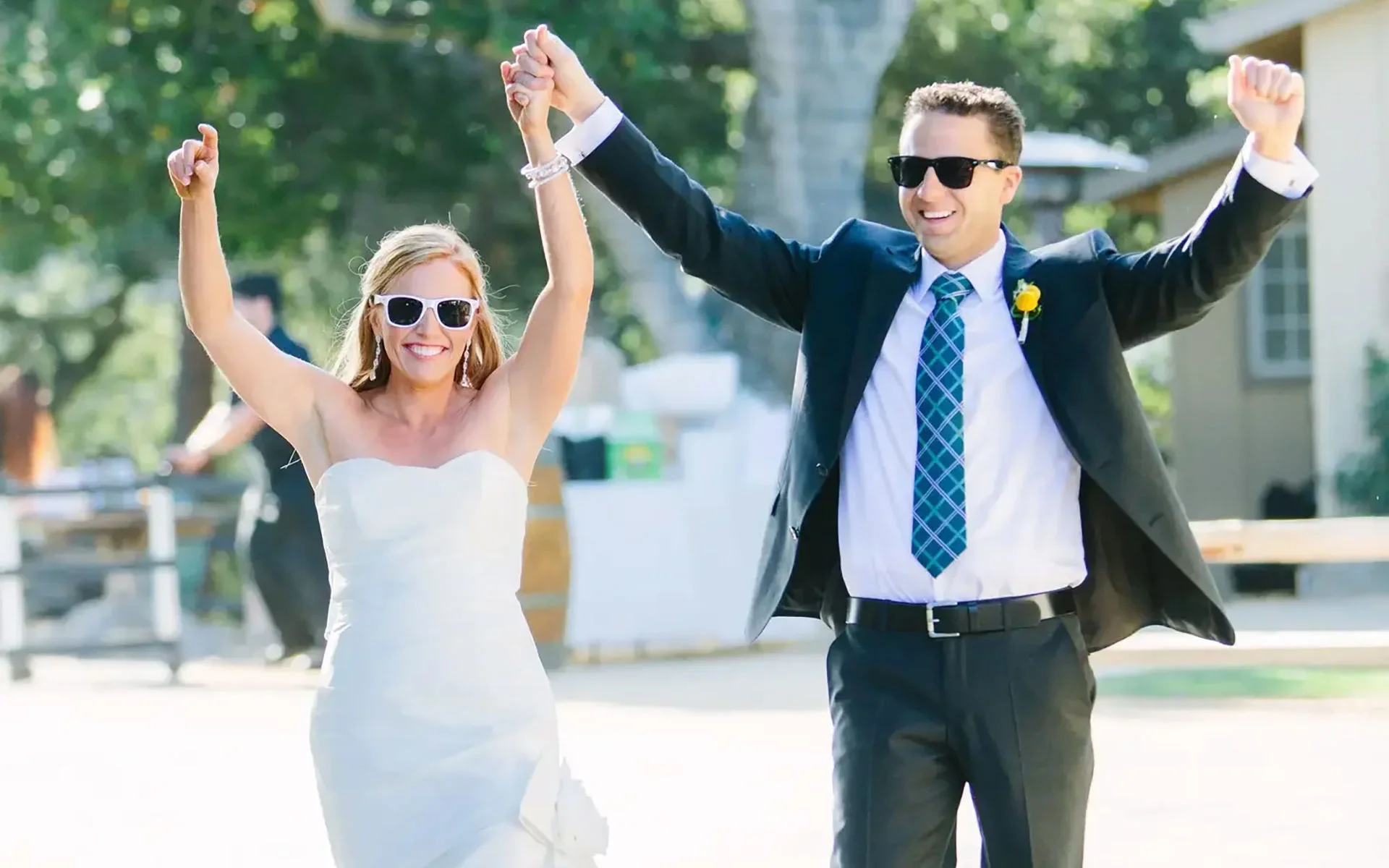
Weddings show up everywhere, but they do not feel the same. I have been to ceremonies that lasted ten minutes and to celebrations that stretched across days. I have sat at long tables with people who knew each other’s parents, and I have stood in a hotel lobby with guests who met for the first time that morning. You notice quickly that the “wedding” is never just one thing. It is a public moment shaped by family habits, religion, local rules, and what a community considers respectful.
What tends to stay with me is not the formal ritual itself, but the way people carry it. The pauses. The small gestures that are understood without explanation. The time people make for each other. Even when modern weddings borrow from global styles, older traditions keep returning. Not as nostalgia. More as a familiar structure that couples and families still recognize. A guest once said, quietly, “It felt like the day already knew what it was doing.”
Germany
German weddings often separate the legal act from the celebration. The civil ceremony comes first, sometimes weeks or months before the larger gathering. Once people understand that split, it feels straightforward. The tone is usually calm and practical. Guests tend to respect the structure and settle into it.
- Civil ceremony first: A legal marriage is created at the Standesamt; other ceremonies may follow as personal choices.
- Polterabend: Friends and family break porcelain the night before; the couple cleans up together and the mood is often relaxed.
- Baumstamm sägen: The couple saws a log together; it becomes a shared task guests watch with interest.
- Bridal kidnapping (regional): In some areas the bride is “kidnapped,” and the groom and friends play along with the search.
What comes through is a quiet emphasis on partnership. Not as a speech. More in how tasks are shared, how plans are handled, how guests participate without needing much instruction.
United States
American weddings tend to be flexible in form. Couples shape the day around their preferences, and guests often expect that level of personal choice. The ceremony can be short or extended. The reception can follow familiar patterns or break them. What stays consistent is the focus on the couple’s voice.
- Bridal party culture: Bridesmaids and groomsmen have visible roles and often carry practical responsibilities.
- White wedding dress: Still common, often treated as a classic baseline rather than a strict rule.
- Rehearsal dinner: A smaller gathering that gives families time to settle into each other.
- Personal vows: Many couples write their own; guests usually listen closely and respond with warmth.
A guest once told me, “I felt like I got to know them better in five minutes.” That happens when wording is simple and personal, not polished.
India
Indian weddings often unfold over several days. The pace is different. There is time for separate gatherings, different clothes, different rooms, different groups. People move in and out. Families remain central throughout.
- Multiple ceremonies: Mehndi, Sangeet, Haldi, and the main ritual; each draws a different part of the community.
- Baraat: The groom’s arrival can feel like its own event; guests meet it with energy.
- Sacred fire (Agni): The central ritual often anchors the wedding day and holds attention.
- Family-centered: The marriage is understood as joining families; guests behave accordingly.
Many guests talk about the continuity. People say, “It felt like everyone had a place.” Not in the seating plan sense. In the wider sense of belonging.
Japan
Japanese weddings often feel precise and composed. The ceremonial parts are compact. Guests follow clear etiquette, and the event moves with a steady rhythm. Small details carry meaning because they are handled carefully.
- Shinto ceremonies: Often held at shrines, with a restrained and formal atmosphere.
- San-san-kudo: The couple takes three sips of sake three times; guests watch quietly.
- Traditional attire: The bride may wear a white kimono (shiromuku), then change later in the day.
- Formal guest etiquette: Gift-giving (goshugi) follows clear conventions.
I have heard guests describe it as “smooth” and “respectful.” Not as a performance. More as a shared agreement about how to behave toward the couple.
China
Chinese weddings tend to highlight family and continuity. The tea ceremony is a clear center for many couples. It takes time and draws attention. The mood is attentive. Guests understand what is happening even if it is not explained.
- Red as the dominant color: Present in clothing, envelopes, and decoration, treated as a practical sign of good wishes.
- Tea ceremony: The couple serves tea to elders and receives blessings and gifts.
- Banquets over ceremonies: The large meal often carries the celebration; guests spend time together.
- Auspicious dates: Many families choose dates with attention to tradition.
A host once said, “This is the part they will remember.” He meant the tea ceremony. The room was quiet, and it felt like a shared pause.
Nigeria
Nigerian weddings vary widely by ethnic group, but many share a sense of openness. People arrive with energy. Music and movement are present throughout. The atmosphere feels communal. Guests are not just watching, they are part of the room.
- Traditional wedding first: Cultural rites often come before religious or civil ceremonies.
- Wine carrying (Igbo): The bride finds her groom among guests; people follow the moment closely.
- Aso Ebi: Coordinated outfits show affiliation and support.
- Community celebration: The size of the gathering often reflects the wider network around the couple.
Guests often say afterward, “It felt like everyone was included.” That seems to be the intention. Inclusion is handled visibly.
Mexico
Mexican weddings are often shaped by Catholic tradition, especially in the ceremony. The tone can be formal and focused. Later, the reception usually opens up into longer shared time. Guests settle into conversation and music without rushing.
- Lasso ceremony: A rope or rosary is placed around the couple as part of the service.
- Arras: Thirteen coins exchanged to mark shared responsibility.
- Mass ceremony: A structured service that many guests know well.
- Festive reception: Music and dancing often extend the gathering into the night.
One guest described it simply: “It felt like a full day.” Not because it was busy. Because people stayed, and time was allowed.
Italy
Italian weddings often place time at the center. Long meals, many courses, extended conversation. Presence is the point. Guests who leave early tend to mention it. People notice who stayed.
- Confetti: Sugar-coated almonds given as favors, often in counted sets.
- Church ceremonies: Still common, especially outside larger cities.
- Long receptions: The meal is a core part of the event, not a break between moments.
- Strong regional differences: Customs vary across regions and even neighboring towns.
A friend once said after an Italian wedding, “I talked to people I hadn’t seen in years, and it didn’t feel rushed.” That is often what remains: time, and the way it is shared.
Conclusion
Across cultures, weddings mark commitment in public. The purpose is recognizable, even when the form changes. What differs is emphasis. Who the day is primarily for. How emotion is shown. How much is spoken and how much is done.
Modern weddings often mix elements. A legal ceremony in one place, a symbolic one in another. A family ritual next to personal vows. When that mix is handled with care, guests usually follow it easily. They tend to remember not the explanation, but the feeling of coherence. One guest put it plainly: “It all made sense, even though it was a mix.”
Related Articles
Visa and Travel Rules for International Wedding Guests
At international weddings, the guest list and the travel list are often two different things. An invitation may be accepted quickly, warmly, without much hesitation. Then the paperwork starts. Passport dates are checked. Entry rules are read again. A short family trip suddenly sits inside a formal border process.
Dress Expectations at International Weddings: What Guests May Read Differently
Dress codes at international weddings are rarely just about clothing. Guests interpret formality, respect, family signals, and cultural meaning differently. This article looks at how attire is understood across contexts and why what seems obvious to one guest can feel unclear to another.
Two Families, Two Cultural Rhythms: How International Weddings Balance Different Social Expectations
International weddings do not only bring together two languages or two traditions. They often bring together two different social rhythms: different ideas of hospitality, family presence, punctuality, emotional expression, ritual weight, and what a wedding is supposed to feel like. This article looks at how couples balance those differences without flattening either side.
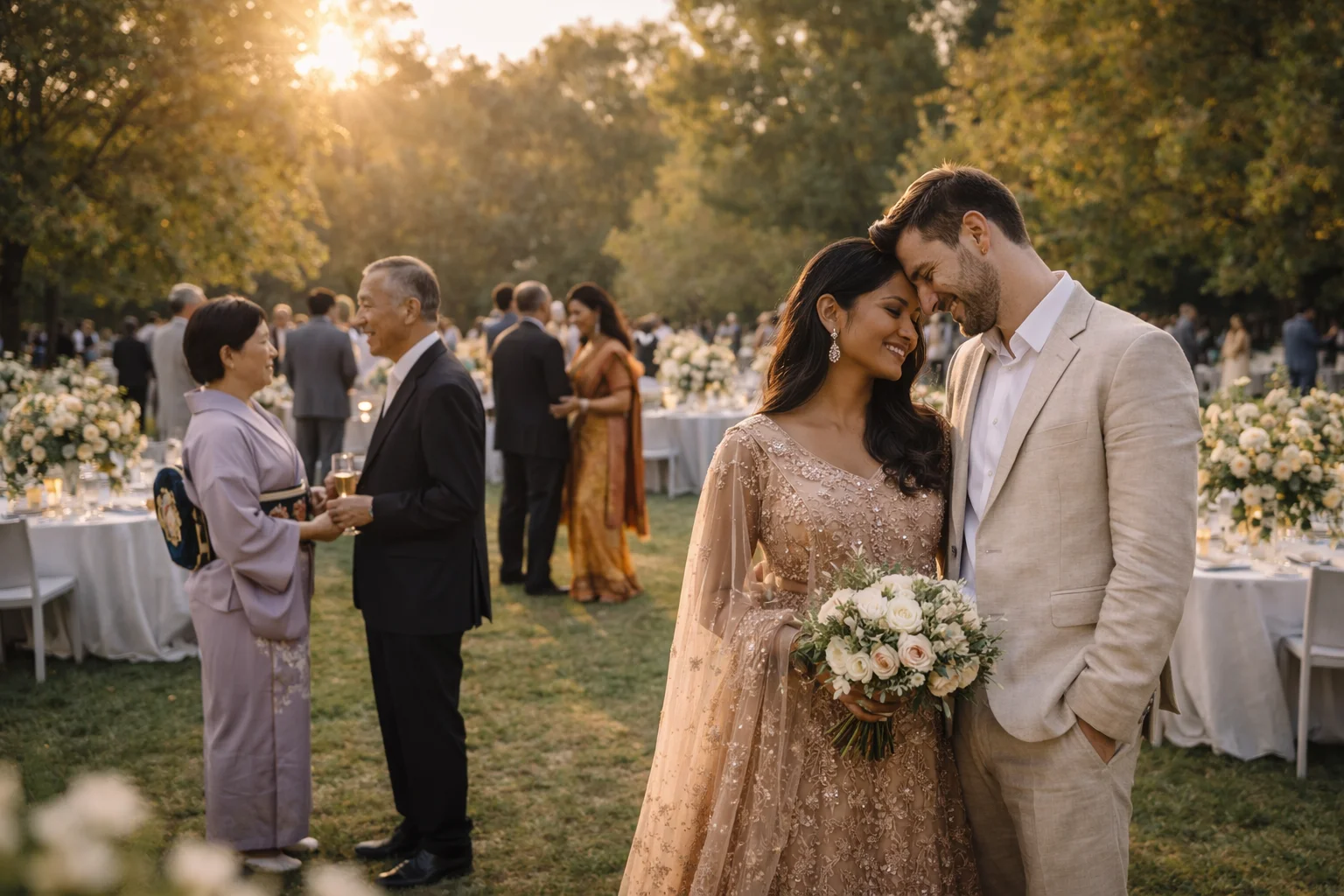
Mixed-Culture Weddings Without Performative Symbolism
A mixed-culture wedding does not become meaningful by displaying as many symbols as possible. It becomes meaningful when the symbols that appear are actually lived, understood, and emotionally carried by the couple and their families. This article looks at how international weddings can honor difference without turning culture into performance.

Destination Wedding Checklist: What Changes When Travel Becomes Part of the Plan
A destination wedding is never only a wedding in another place. The moment travel becomes part of the plan, the guest list, the schedule, the budget, the emotional pressure, and even the meaning of attendance begin to change. This article looks at what a destination wedding checklist really needs to cover and why travel turns a wedding into a lived story long before the ceremony begins.
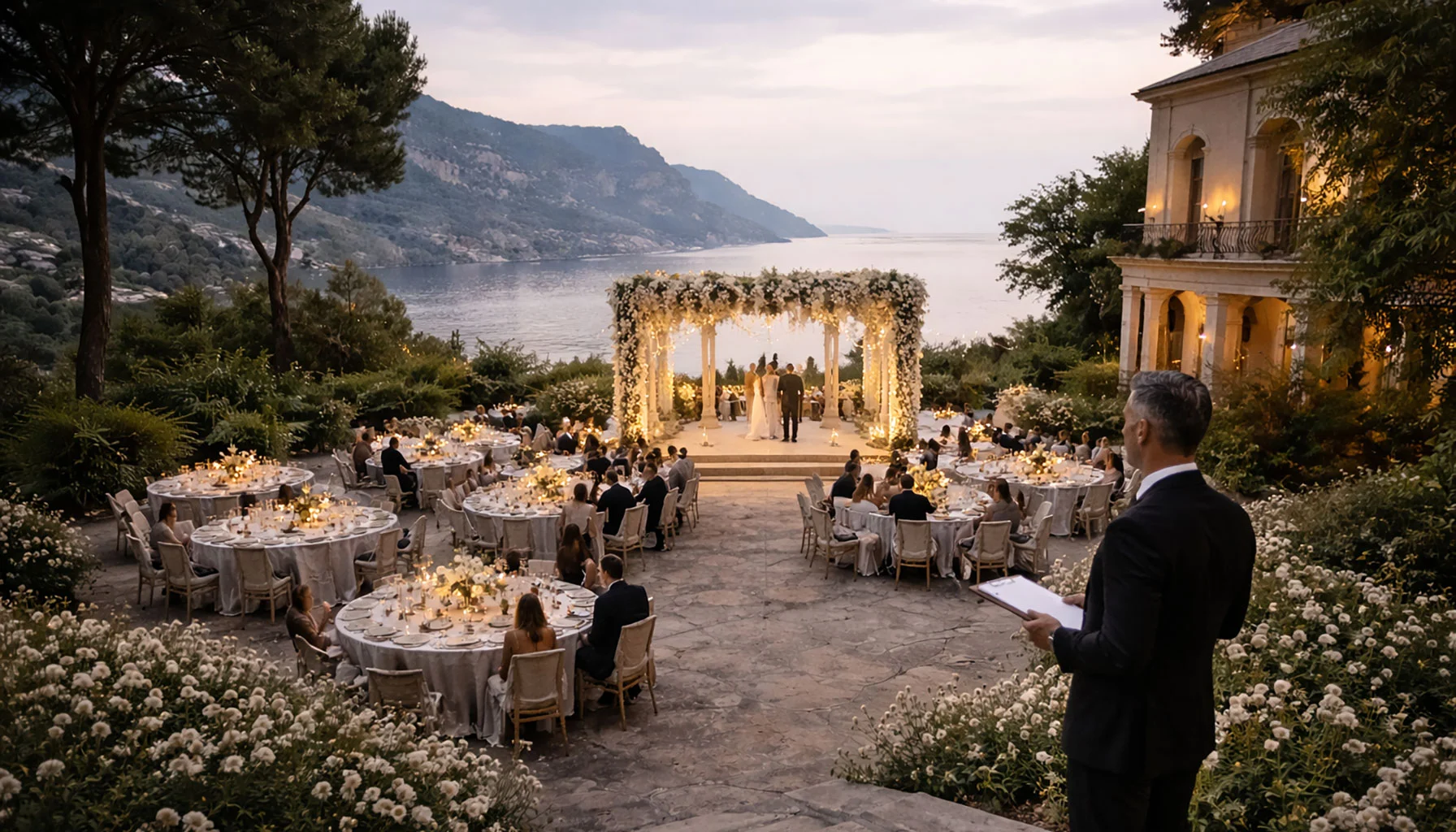
A Wedding Shaped by Quiet Alignment
This wedding was defined not by individual highlights, but by its steady flow. Planning, design, and service worked together without drawing attention to themselves. For guests, the day unfolded naturally and remained consistent, carried by a sense of calm, closeness, and continuity throughout.
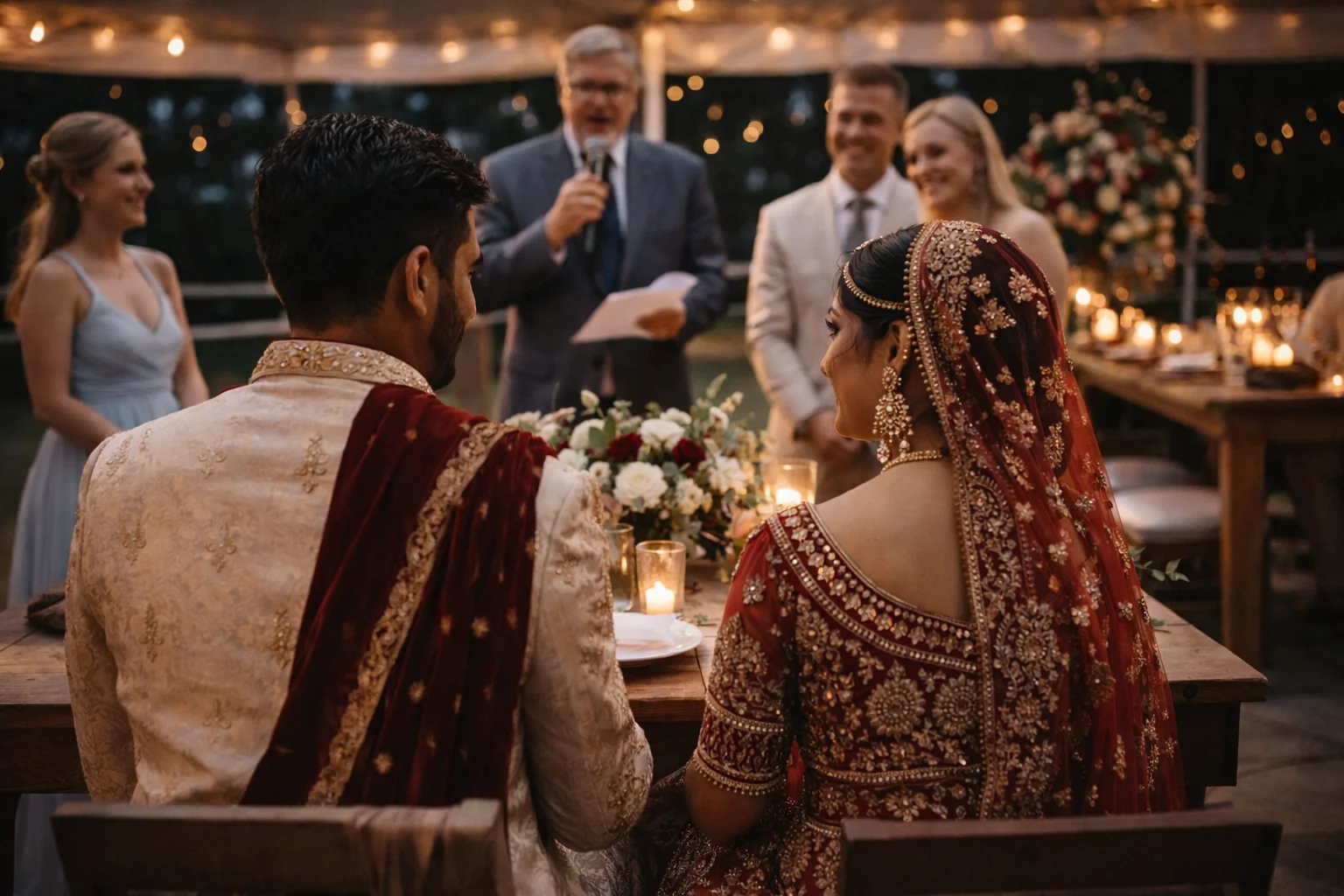
International Weddings and the Meaning of What Is Not Said
An international wedding brings visible complexity, but its deeper challenge often lives in the quiet layer beneath logistics. Between cultures, traditions, and expectations, what remains unspoken can shape the ceremony as much as anything that is formally planned.

Post-Wedding Gatherings Across Countries: When the Celebration Continues Elsewhere
Some weddings do not end when the official day is over. They continue in another city, another country, another family home, or another social circle that could not be present the first time. This article looks at what post-wedding gatherings across countries actually mean and why they are often less like an encore than a second form of the wedding itself.
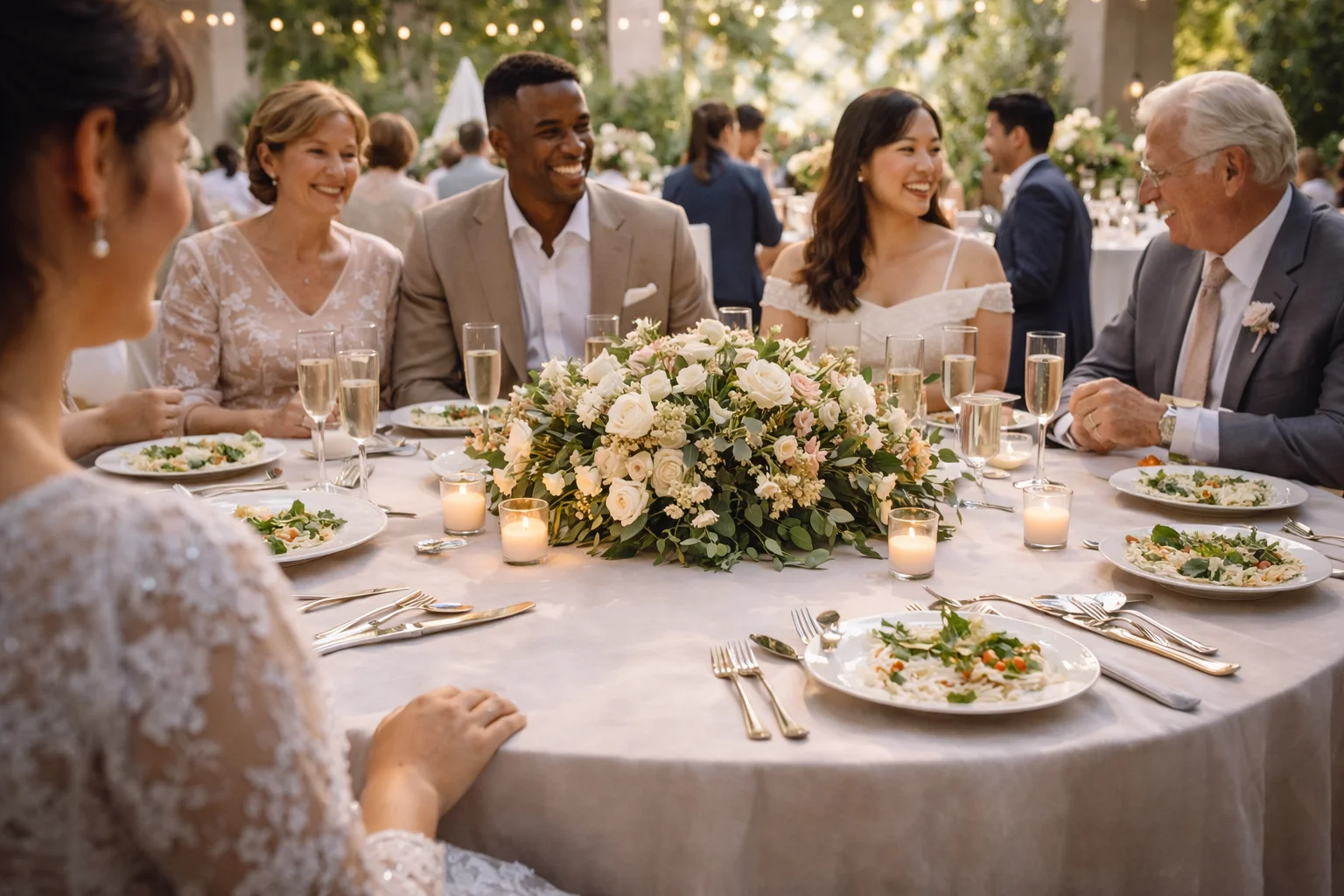
Multilingual Wedding Communication: What Guests Need to Understand Without Constant Explanation
A multilingual wedding does not fail because different languages are present. It becomes difficult when guests are left unsure what they need to understand, what they can simply feel, and what requires translation in the moment. This article looks at how to create clarity in multilingual wedding communication without overexplaining every part of the day.
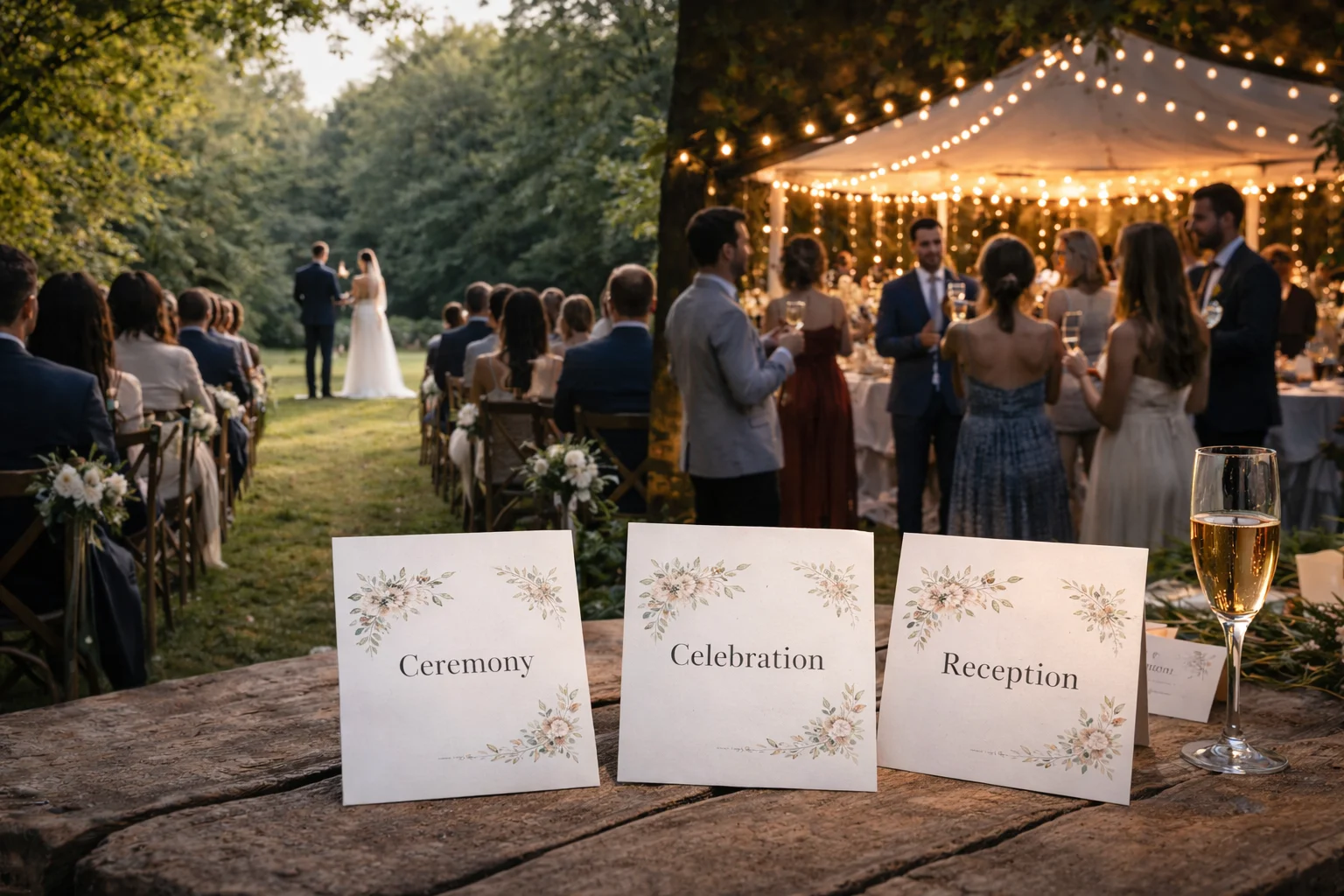
Who Is Invited to the Ceremony and Who Only to the Celebration
Not every wedding invitation has to include every part of the day. But the difference between being invited to the ceremony and being invited only to the celebration carries more meaning than many couples first assume. This article looks at how to make that distinction clearly, gracefully, and in a way that fits both the ritual weight of the ceremony and the social reality of the celebration.