
Who Is Invited to the Ceremony and Who Only to the Celebration
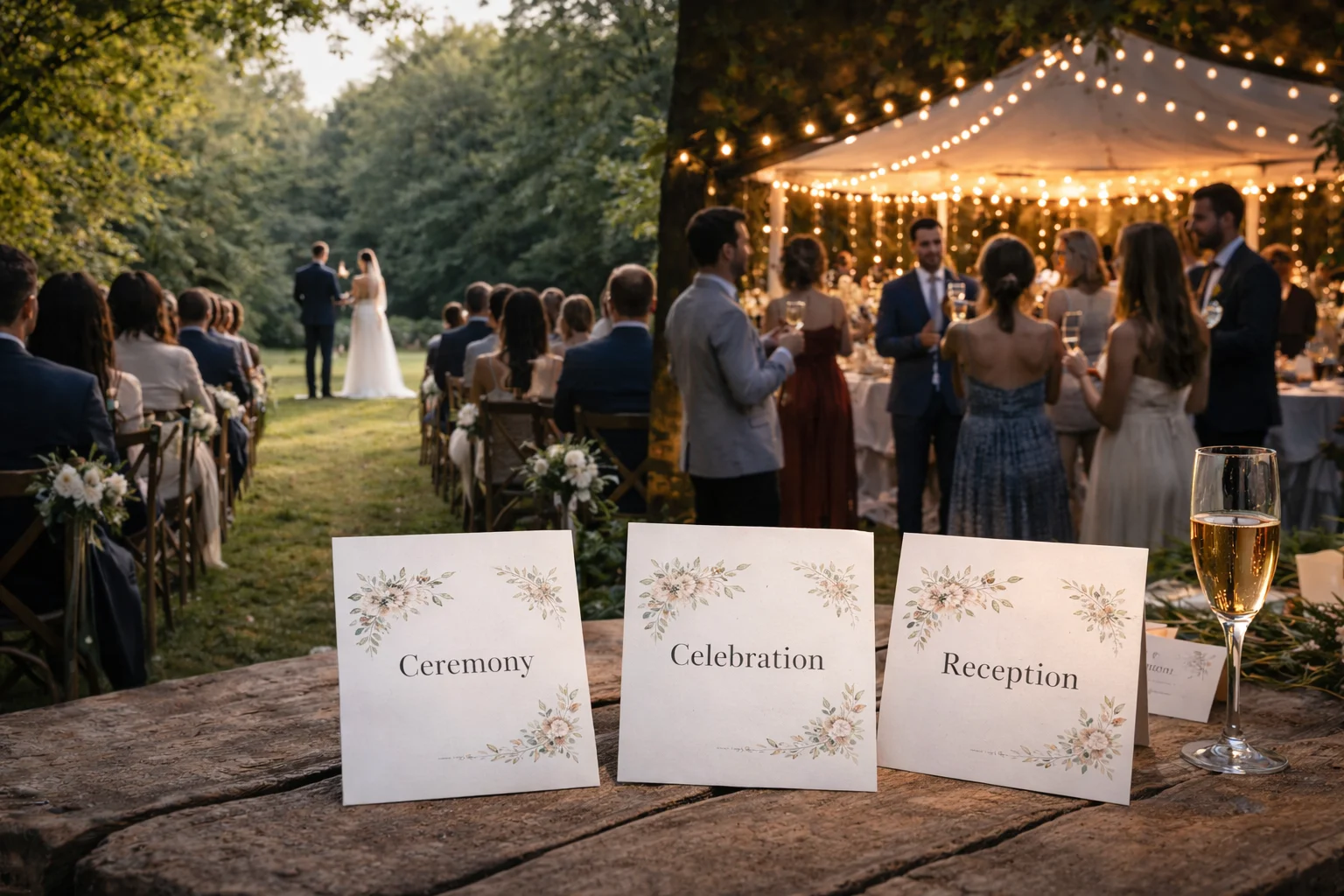
One of the quieter guest list decisions in wedding planning is also one of the most delicate. Who is invited to witness the ceremony itself, and who is invited later, once the formal threshold has already been crossed. On paper, this can look like a practical division driven by space, budget, or family structure. In lived experience, it often feels more symbolic than that. The ceremony is not only the first part of the day. It is the part in which the relationship becomes visible in ritual form. Being present for that moment carries a different kind of meaning from arriving afterward.
This is why the question connects so naturally to rituals as a whole. Loving Rocks describes rituals as the places where a relationship becomes visible, where transitions leave a mark, and where private meaning meets public form. A wedding ceremony is exactly such a threshold. The celebration that follows may be larger, warmer, looser, and more socially expansive, but the ritual core remains distinct. Couples usually make better guest list decisions once they stop treating ceremony and celebration as identical units and start asking what each part is actually holding.
Guest ListWedding Guest List – Who to Invite and What to Consider is one of the most important aspects of wedding planning. Your guest list influences your budget, venue choice, seating arrangements, and the overall atmosphere of your celebration. Deciding who to invite, how to handle plus-ones, managing RSVPs, and considering special guest needs all play a key role in creating a smooth and enjoyable experience for both you and your guests.

Rituals are the quiet architecture of love: proposals, engagement, wedding symbols, and the transitions that shape what remains. Start here to explore the portal’s foundational paths.
Definition
Inviting some people to the ceremony and others only to the celebration is a guest list structure that separates ritual witness from wider social participation. It can work well when the distinction is intentional, clearly communicated, and matched to the actual size, tone, and meaning of the day.
The Ceremony Is Smaller Because It Holds Something Different
A smaller ceremony does not automatically mean a more exclusive or emotionally superior wedding. It simply means the ritual core is being held by fewer witnesses. That can make sense for practical reasons, but it only feels coherent when couples understand the difference themselves. The ceremony is usually quieter, more exposed, and more charged. It asks people not only to attend, but to witness. The celebration often asks something else: to join, support, eat, speak, dance, and extend the social life of the marriage outward.
Celebration-Only Invitations Need Their Own Dignity
Problems usually begin when couples treat celebration-only invitations like a leftover category. Guests feel the difference immediately if one invitation sounds full and deliberate while the other sounds reduced or apologetic. A celebration-only invitation works better when it is framed as a real invitation to the part of the wedding where community becomes visible. It should not imply that the guest is being asked only to fill the room after the meaningful part is over.
Clarity Matters More Than Explanation
Couples do not need to justify every guest list decision in detail. They do need to communicate clearly. Ambiguity creates more hurt than restraint. Invitation wording, timings, and the visible structure of the day should make it immediately understandable who is invited to what. The goal is not long explanation, but clean orientation. Most people can accept a distinction more easily than they can accept uncertainty about whether one exists.
Family, Obligation, and Social Reading
This division becomes harder when families, old obligations, or uneven social circles are involved. Guests do not read ceremony access only practically. They read it relationally. Who is counted as inner circle, who is standing near the threshold, who arrives once the formal vow has already been made. Couples cannot control every interpretation, but they can reduce unnecessary friction by applying the distinction consistently rather than case by case according to pressure. Coherence is often kinder than exception management.
The Best Structure Fits the Real Wedding
Some weddings genuinely need two guest circles because the ceremony space is small, the ritual is intentionally intimate, or the wider celebration has a different social purpose. Others use the split only because they are trying to solve a guest list tension without naming it. The strongest structure is the one that fits the real form of the wedding. If the ceremony is treated as deeply private, the guest list should reflect that. If the day is built around shared witness from the beginning, dividing access may weaken more than it protects.
Conclusion
Who is invited to the ceremony and who only to the celebration is never just a numbers question. It is a decision about witness, rhythm, and what each part of the wedding is meant to hold. The distinction can work beautifully when it is intentional and clearly shaped. It fails when the ceremony is treated as hidden prestige and the celebration as social overflow. Ritual and hospitality both deserve better structure than that.
Related Articles

Groom’s Morning Checklist: What Keeps the First Hours Clear and Unforced
The groom’s morning often looks simple from the outside, but it depends on small decisions made early. This article looks at clothing, food, rings, timing, communication, photography, transport, and the quiet rituals that keep the first hours clear without making them feel staged.
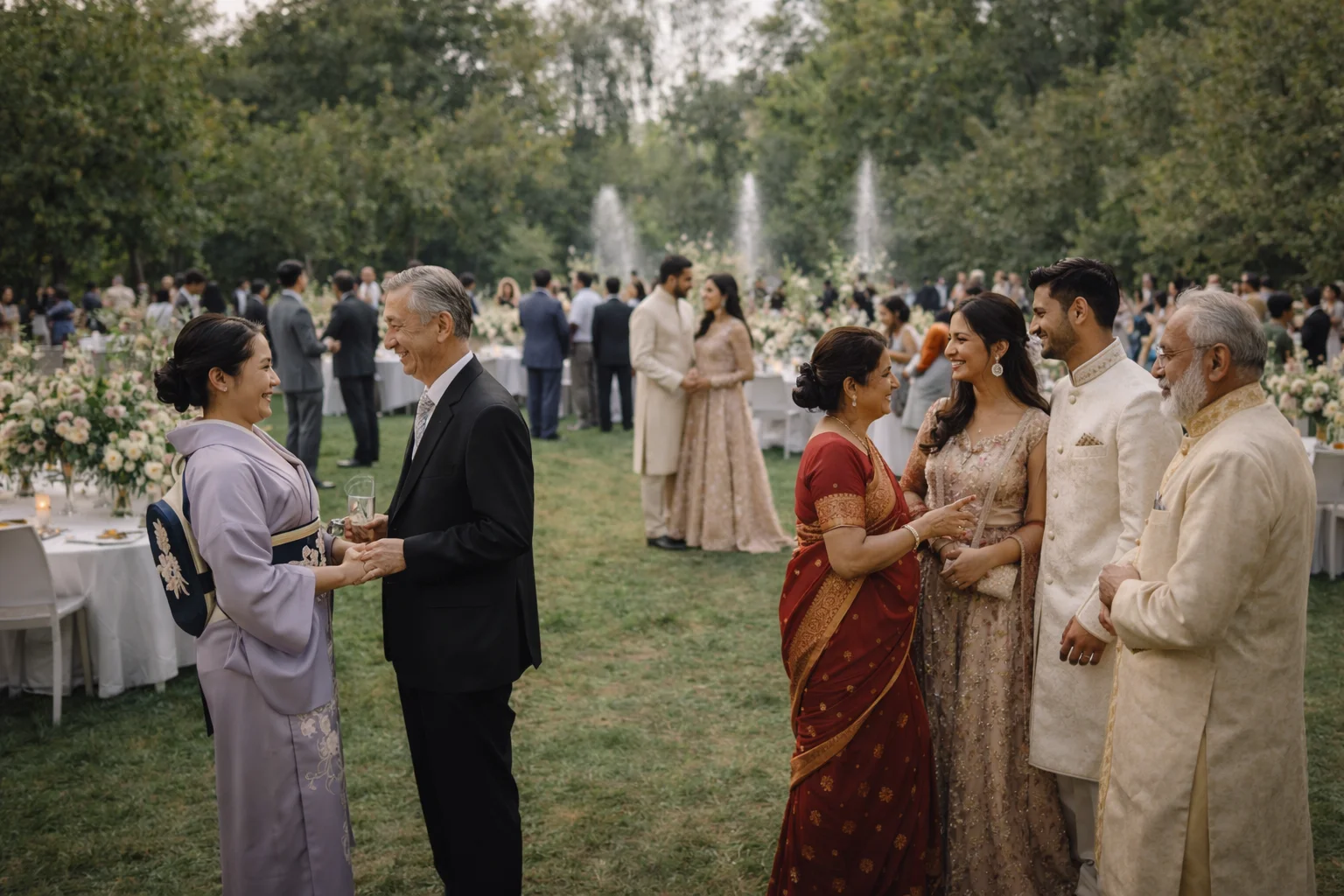
Two Families, Two Cultural Rhythms: How International Weddings Balance Different Social Expectations
International weddings do not only bring together two languages or two traditions. They often bring together two different social rhythms: different ideas of hospitality, family presence, punctuality, emotional expression, ritual weight, and what a wedding is supposed to feel like. This article looks at how couples balance those differences without flattening either side.

After-the-Wedding Checklist: What Still Needs to Be Returned, Paid, Thanked, or Closed
A wedding rarely ends when the last guest leaves. What follows is quieter, more practical, and often more emotionally mixed than couples expect. This article looks at what still needs to be returned, paid, thanked, or closed after the wedding, and why the days after the celebration are part of the wedding's meaning, not just its cleanup.
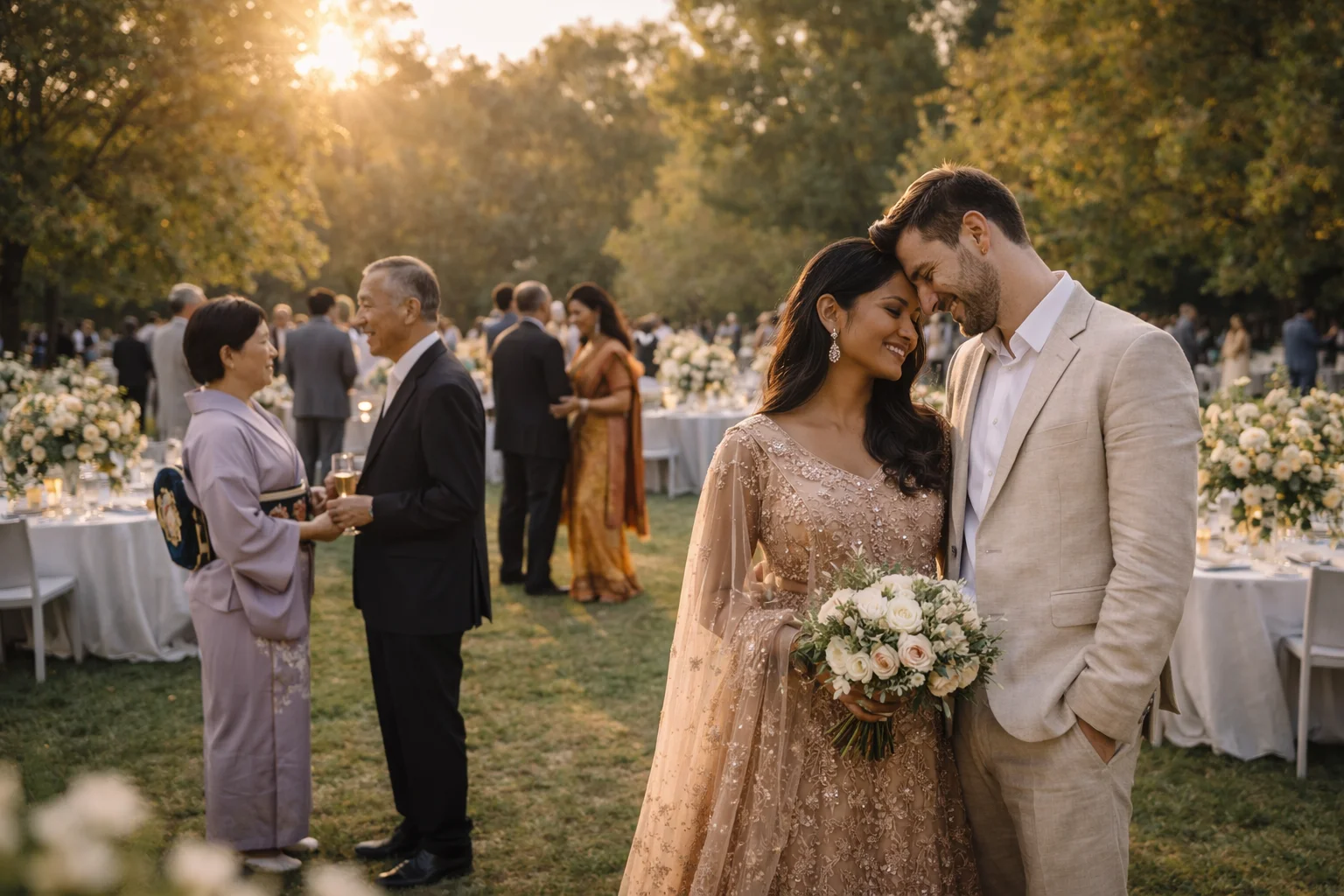
Mixed-Culture Weddings Without Performative Symbolism
A mixed-culture wedding does not become meaningful by displaying as many symbols as possible. It becomes meaningful when the symbols that appear are actually lived, understood, and emotionally carried by the couple and their families. This article looks at how international weddings can honor difference without turning culture into performance.

Guest Comfort Checklist: Small Conditions That Change the Entire Atmosphere
Guest comfort at weddings is shaped by small conditions long before anyone complains. This article looks at temperature, seating, sound, waiting areas, access, and quiet spaces of relief that change how the whole room feels.
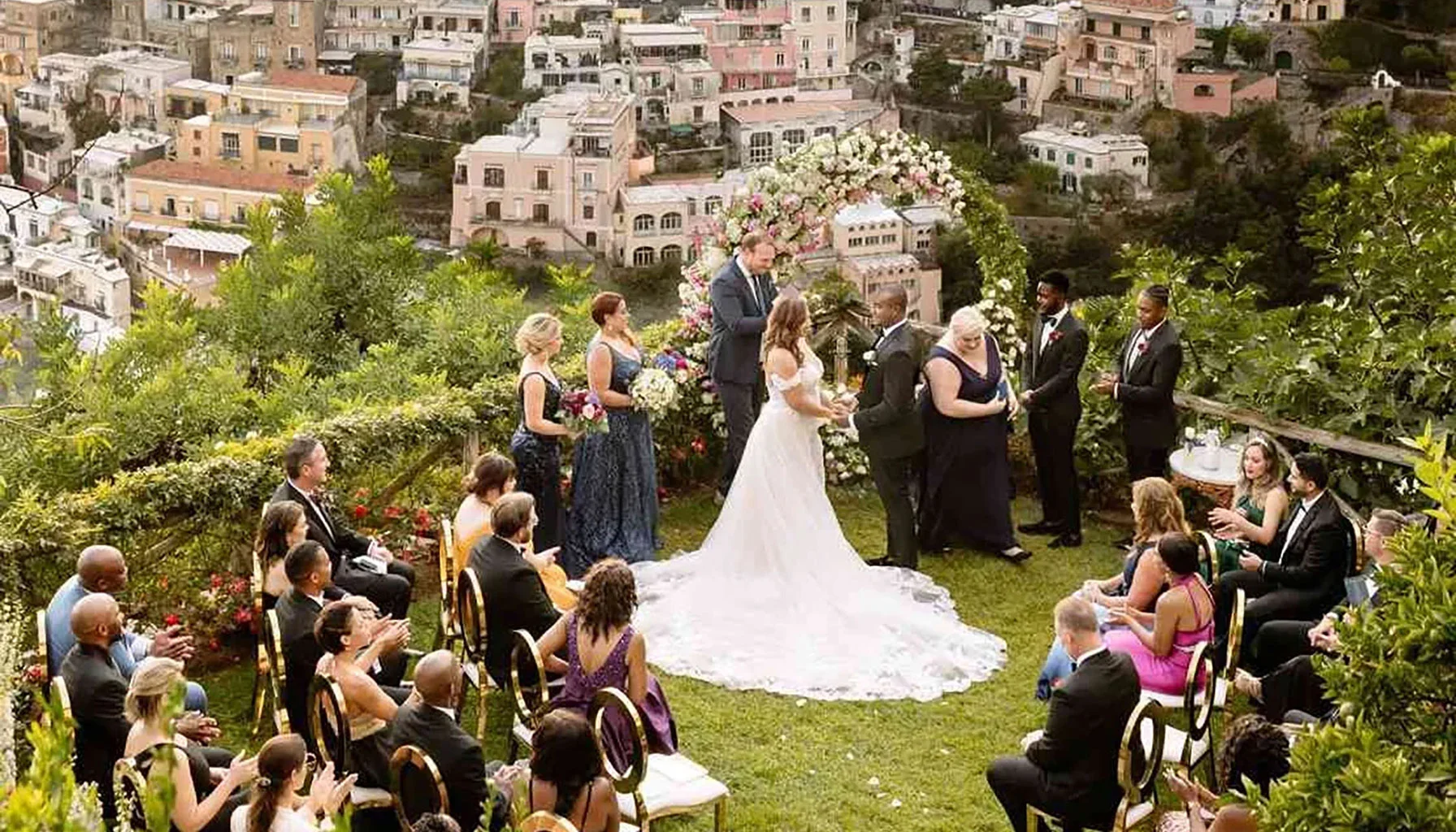
Inviting with Intention: The People Who Accompany the Day
A thoughtfully curated guest list is the foundation of a meaningful and memorable wedding, shaping both the atmosphere and emotional depth of the celebration. By choosing guests with intention and hosting them with care before, during, and after the wedding, couples create an experience rooted in connection, comfort, and genuine appreciation.
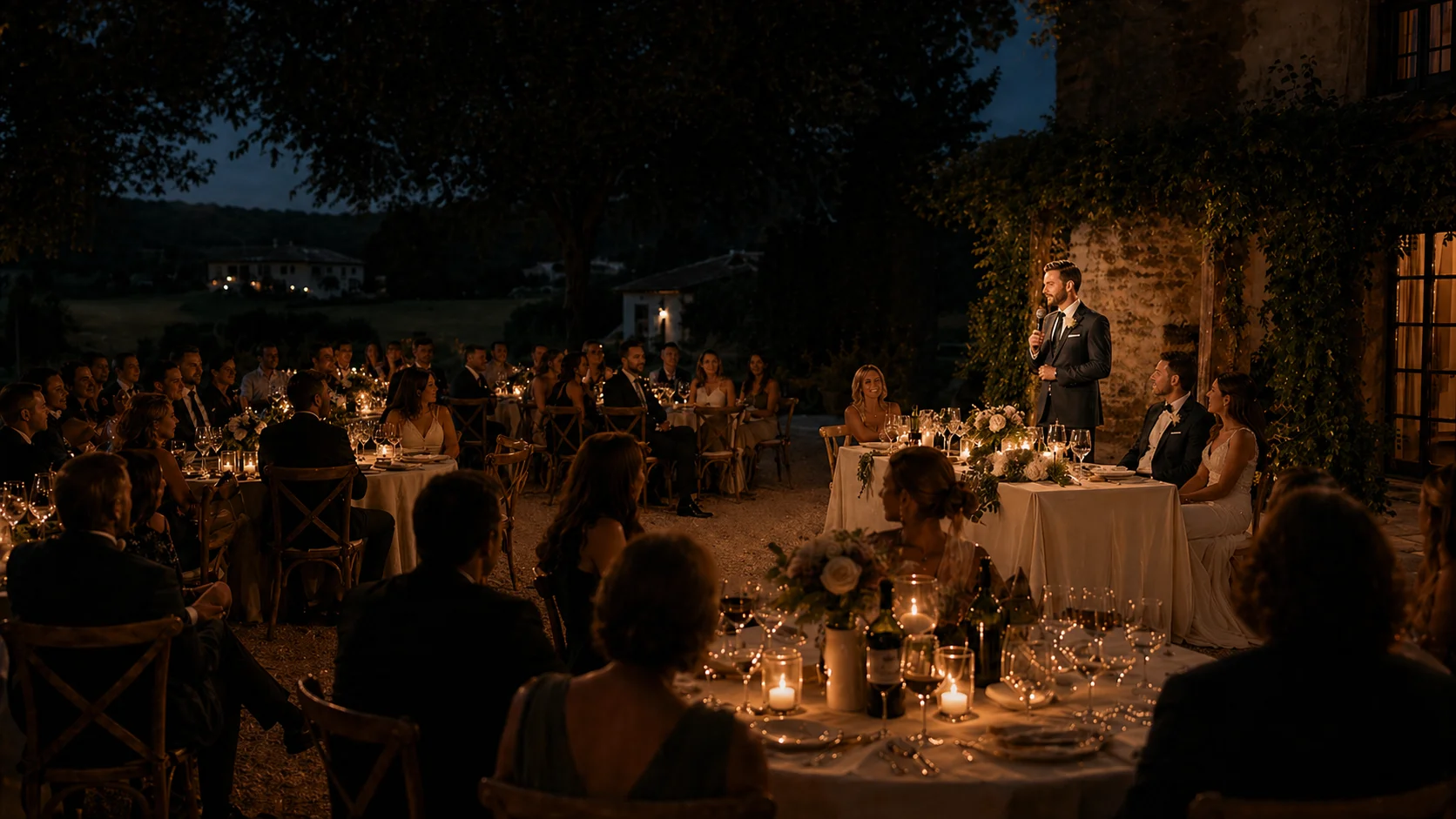
Speech Moment Checklist: What Makes a Toast Feel Held, Not Exposed
A wedding toast depends on more than good writing. It lands differently depending on attention, sound, timing, room tone, and the unspoken signals that tell a speaker whether the moment is carrying them or leaving them alone.
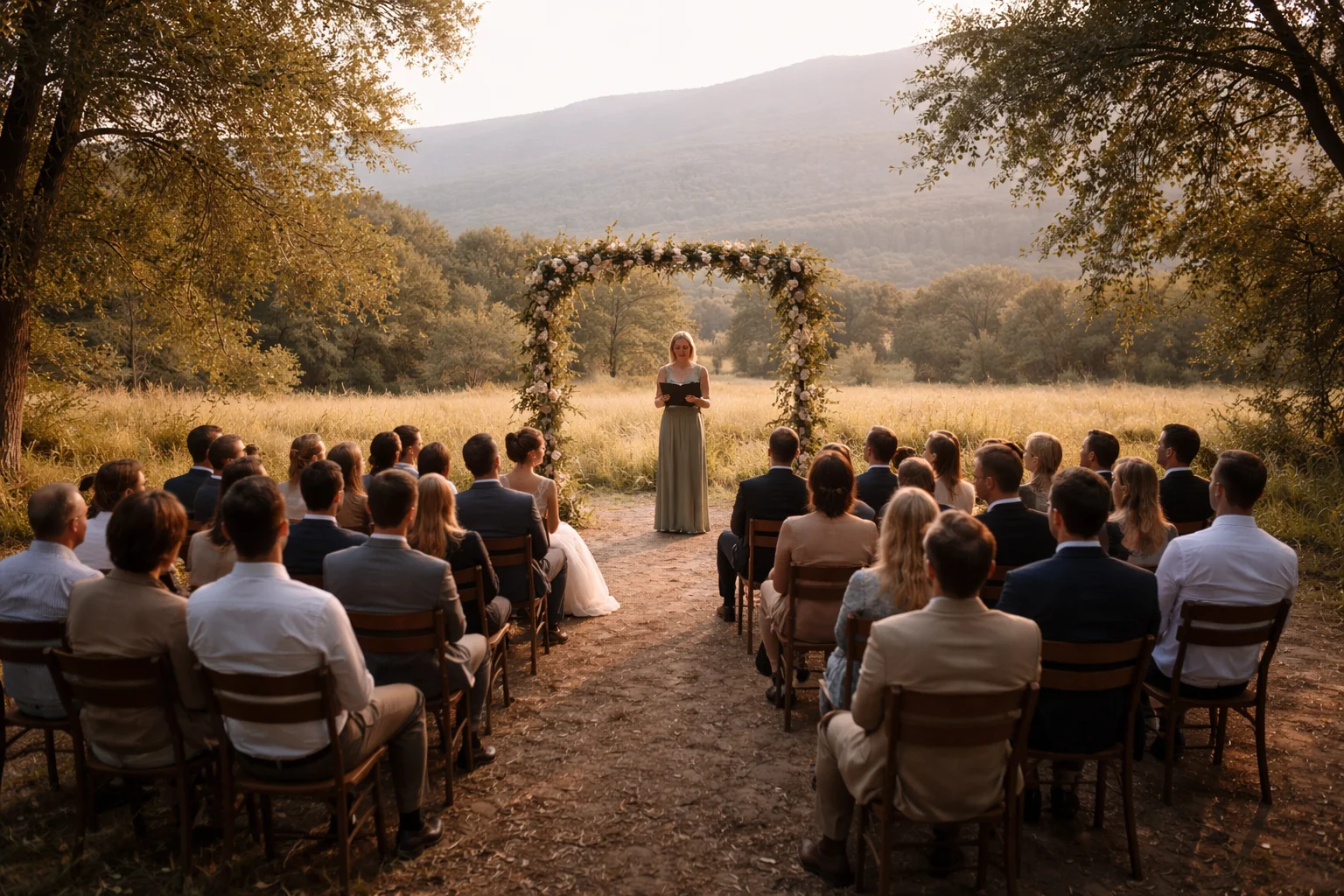
Free Ceremony Officiants: Presence, Voice, and the Shape of Attention
In a free ceremony, the officiant cannot lean on inherited authority or a structure everyone already recognizes. What carries the moment instead is subtler: presence, voice, timing, and the ability to hold attention without gripping it too tightly. This article looks at how officiants shape free ceremonies through the smallest visible forms of guidance.
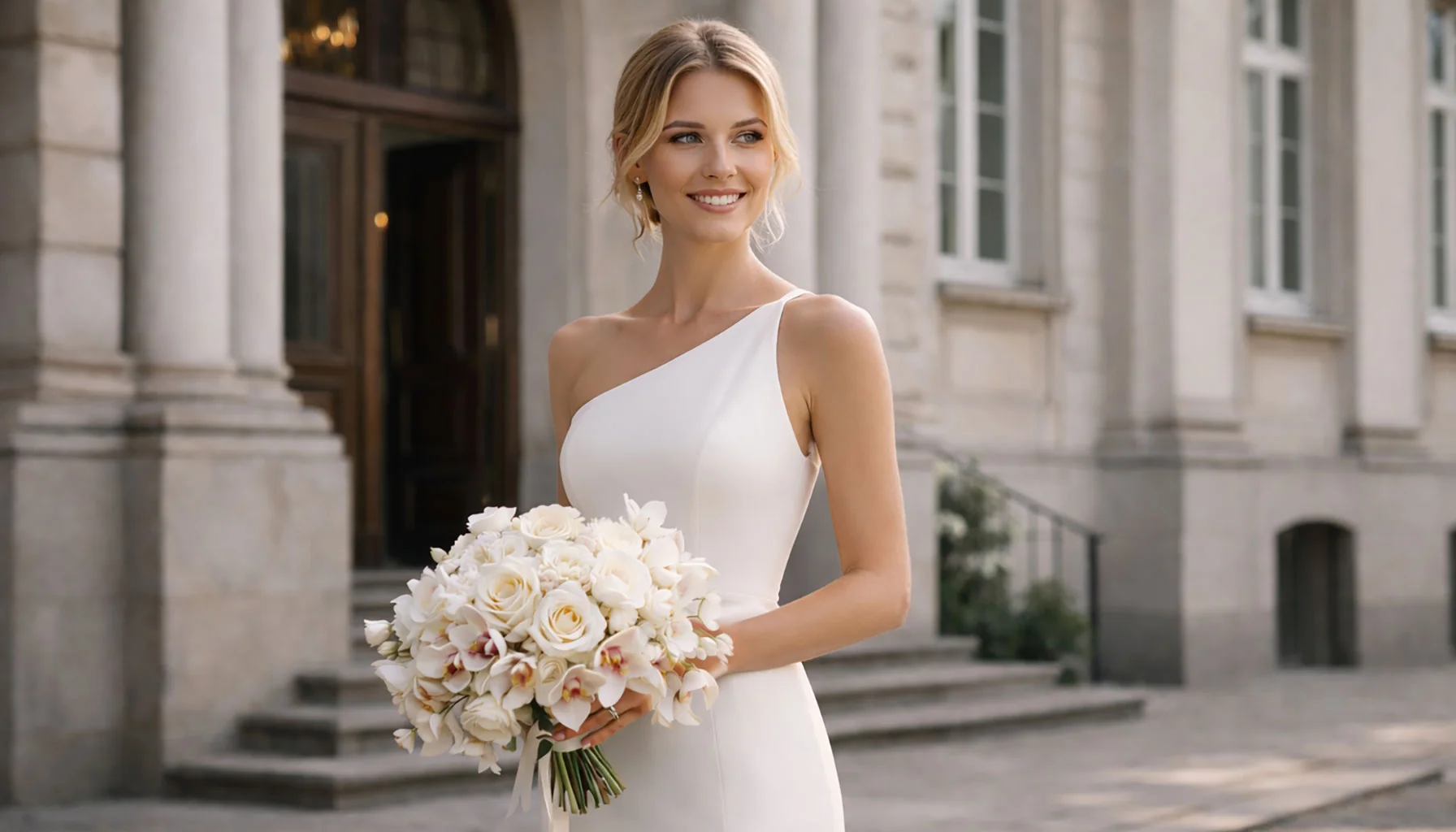
A Love Made Official: A Bridal Look for the Civil Ceremony
Civil ceremonies tend to be focused and quiet. The setting is smaller, the attention sharper. In this context, the bridal look does not perform. It supports. Fabric, cut, and proportion matter more than embellishment. What remains is a look that fits the moment, allows presence, and feels appropriate long after the ceremony ends.
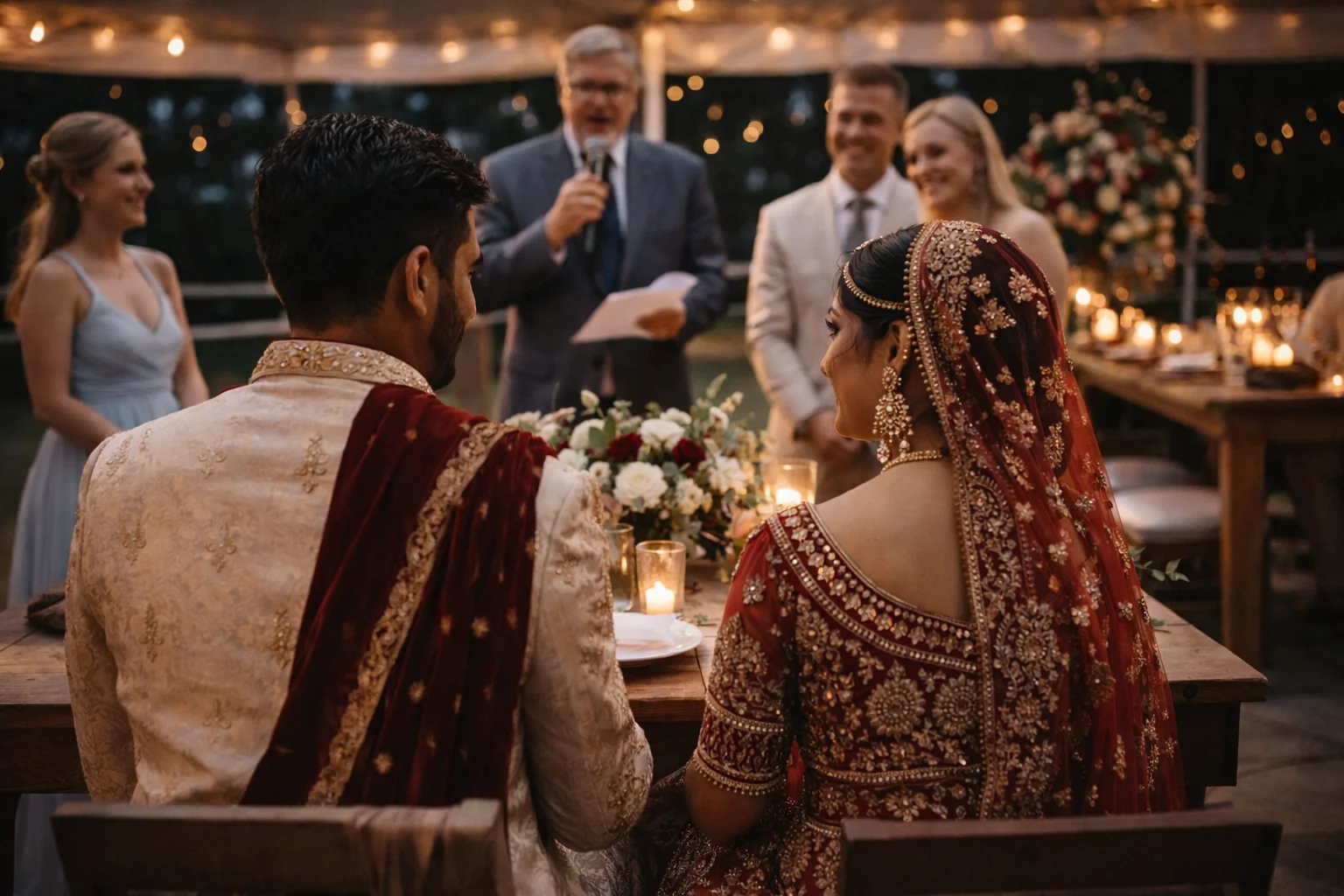
International Weddings and the Meaning of What Is Not Said
An international wedding brings visible complexity, but its deeper challenge often lives in the quiet layer beneath logistics. Between cultures, traditions, and expectations, what remains unspoken can shape the ceremony as much as anything that is formally planned.

Guest List Coordination with Families: Typical Situations During Wedding Planning
The guest list rarely develops in isolation. Once families become involved, the list begins to shift. Names appear from old address books, distant relatives, or long standing family friendships. The process is usually quiet and gradual. Conversations happen in small steps. Over time the list starts to reflect not only the couple but also the wider family network.

How the Groom Look Becomes Part of the Ceremony
The groom look is often treated as a matter of style. Suit, fabric, fit, color. Decisions that seem practical, sometimes secondary. Yet on the day itself, what the groom wears becomes part of something more structured, more intentional.