
Religious Wedding Ceremonies: A Practical Overview
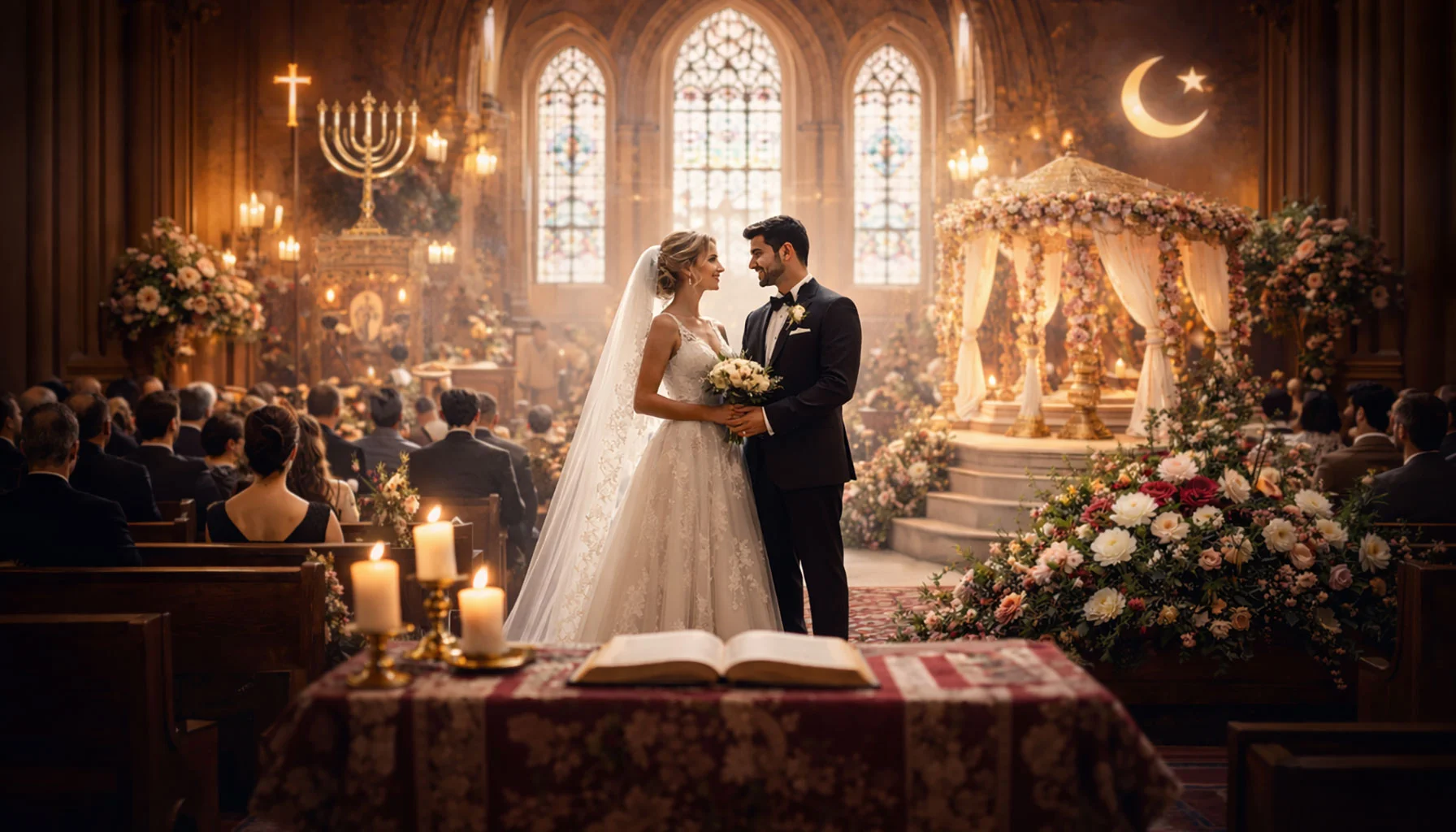
Religious wedding ceremonies take place within defined belief systems. They are conducted by authorized religious figures and follow ritualized forms that are not designed individually. The structure is inherited. Adaptation exists, but within limits. The purpose is continuity rather than personalization.
In practice, religious ceremonies are rarely oriented toward speed. Preparation takes time. Conversations recur. Expectations are adjusted gradually. The ceremony itself is usually predictable and intentionally repetitive. This is why the subject belongs naturally to both Religious Ceremony and Wedding Rituals. On Loving Rocks, wedding rituals are described as the place where private commitment meets inherited public form. Religious ceremonies make that logic especially visible. Their structure is not invented for the couple. The couple enters a form that already existed before them.
Religious CeremonySpiritual meaning and tradition come together in a wedding celebrated through faith. Sacred rituals, blessings, and symbolic moments give the ceremony depth and emotional resonance. Guided by religious customs, this form of celebration honors shared beliefs while creating a meaningful and heartfelt start to married life.
Wedding rituals are where private commitment meets public tradition. Symbols, gestures, and ceremonies attempt to hold what love alone cannot carry by itself.
Definition
A religious wedding ceremony is a marriage rite conducted within an established faith tradition. It is led by authorized religious figures, shaped by inherited symbolic acts, and oriented toward continuity, recognition, and communal meaning rather than personal customization alone.
Core Characteristics Observed
- Fixed liturgical or ritual structure
- Leadership by religiously authorized figures
- Involvement of witnesses or congregation
- Symbolic acts with defined religious meaning
- Clear separation from, or defined link to, civil law
Legal Position by Country
| Country | Religious Ceremony Legally Binding | Civil Marriage Required | Observed Practice |
| Germany | No | Yes | Religious ceremony follows civil registration |
| France | No | Yes | Strict separation between state and religion |
| United States | Often | Not always | Depends on state law and officiant registration |
| Italy | Sometimes | Not always | Catholic ceremonies may have civil effect |
| Spain | Sometimes | Not always | Catholic ceremonies recognized in specific cases |
| Serbia | No | Yes | Civil act required before religious ceremony |
| Russia | No | Yes | Orthodox ceremony is religious only |
| China | No | Yes | Religious ceremonies function as blessings |
Preparation and Religious Authority
Preparation is often conversational rather than procedural. Clergy clarify religious prerequisites, personal backgrounds, and communal expectations. Approval tends to emerge over time. Authority is exercised calmly and consistently. What appears from outside as formality often functions from inside as gradual alignment between the couple and the tradition they are entering.
Typical Ceremony Sequence
- Arrival and formal opening
- Prayer, invocation, or reading
- Religious address or instruction
- Declaration of intent or consent
- Central ritual act
- Blessing or concluding rite
- Formal departure
Differences by Faith Tradition
| Faith Tradition | Nature of Marriage | Typical Characteristics |
| Catholic Christianity | Sacrament | Fixed liturgy, mandatory preparation |
| Protestant Christianity | Covenant | More flexible structure, shorter duration |
| Orthodox Christianity | Sacrament | Crowning ritual, extended ceremony |
| Judaism | Religious contract | Ketubah, witnesses, chuppah |
| Islam | Nikah contract | Consent-centered, contractual form |
| Hinduism | Sacred union | Multi-stage rites, extended duration |
| Buddhism | Blessing | Symbolic, often complementary |
Interfaith and Intercultural Contexts
In practice, interfaith ceremonies are shaped less by ritual and more by boundaries. Some traditions prohibit them, others allow them under conditions. Early clarity about what is possible tends to reduce friction. Here, too, ritual matters because it reveals not only what a tradition celebrates, but what it protects.
Witnesses and Community
| Tradition | Witness Requirement | Purpose |
| Judaism | Two witnesses | Religious validity |
| Islam | Two witnesses | Confirmation of consent |
| Christianity | Formal witnesses | Public affirmation |
| Hinduism | Community presence | Collective recognition |
Conclusion
Religious wedding ceremonies are structured and oriented toward durability. They are not designed to impress. They are designed to hold. In practice, they often leave a sense of order and belonging. Quiet. Steady. That is also why they belong so clearly within the wider logic of wedding rituals. Their meaning does not come from novelty, but from the fact that they carry private commitment through forms that the community already knows how to recognize.
Related Articles
How Space Shapes Guest Behavior at Ceremonies
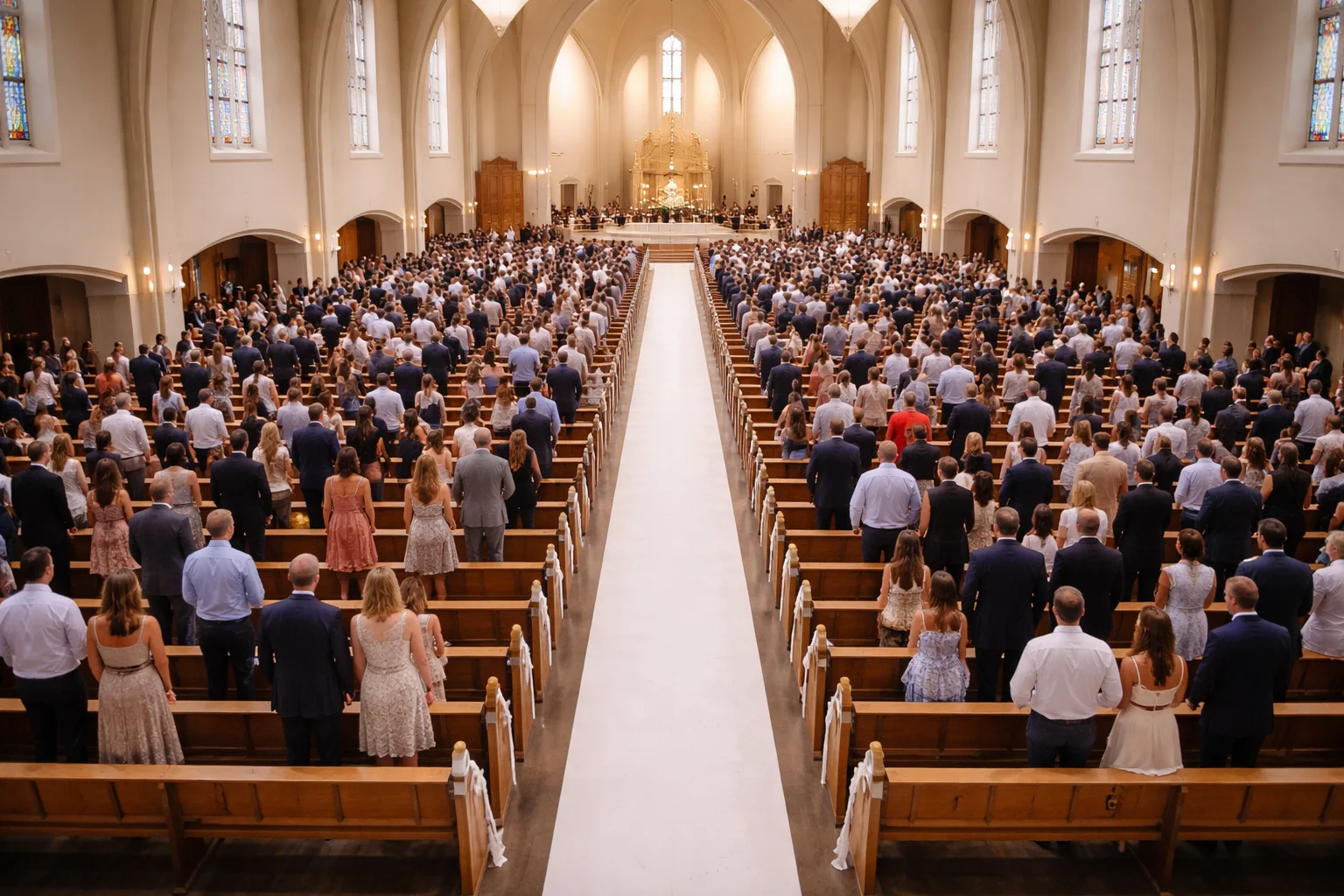
Large religious rooms tend to slow people down a bit. Not dramatically, just enough to notice. Guests enter, stop for a second too long, look around, then move again. It rarely looks planned. More like small corrections happening one after another.
Ceremony Transition Checklist: What Should Be Ready Before Attention Has to Gather
Ceremony transitions often seem brief on paper, but they carry the difficult shift from movement into shared attention. This article looks at what needs to be ready before that moment arrives, from seating and sound to cues, stillness, and the quieter emotional readiness of the room.
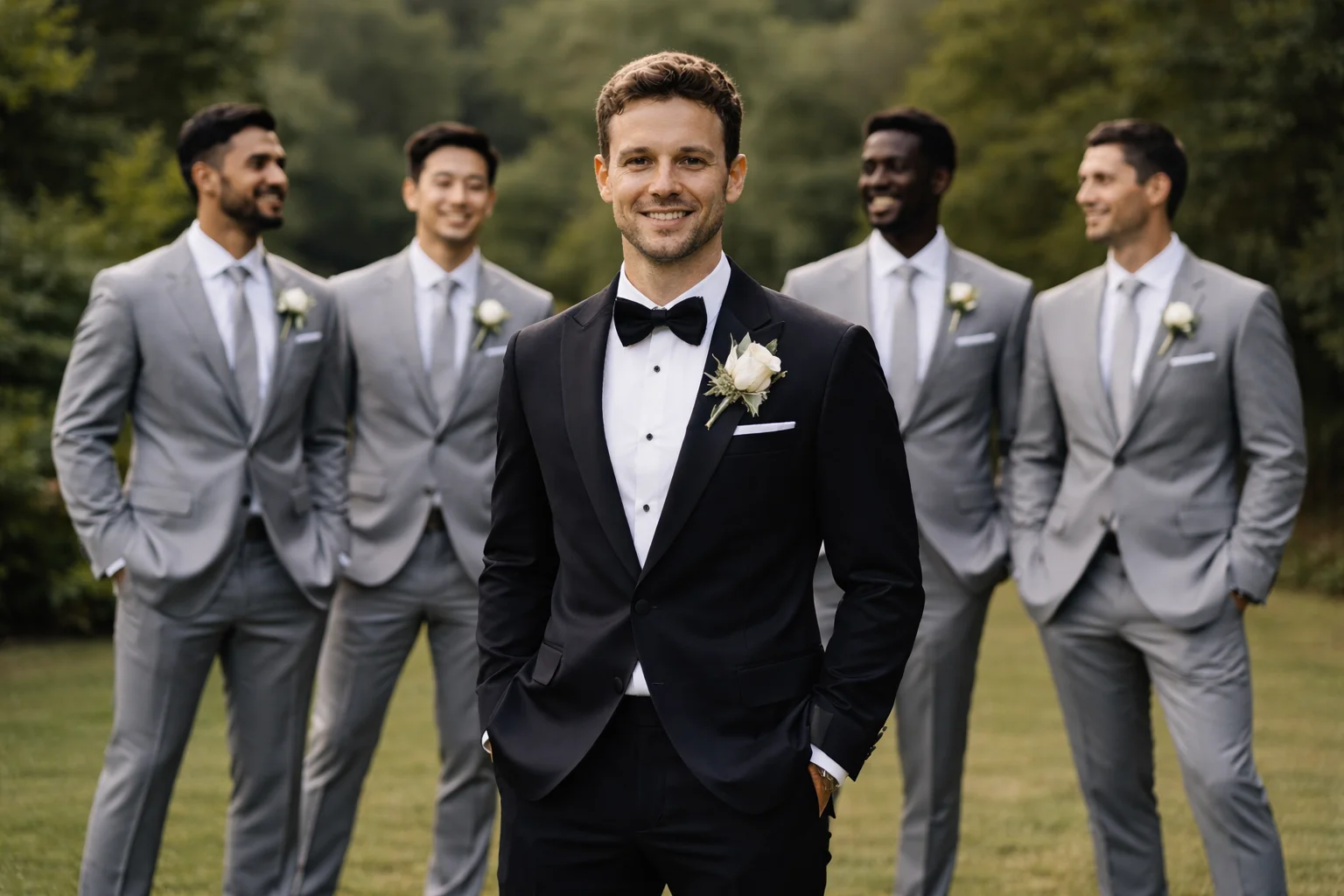
How the Groom Stands Out Among the Groomsmen
When several men stand together at a wedding the clothing often looks almost identical at first. Same color range, similar jackets, same shoes in many cases. The group reads as one block. This is not accidental. Wedding styling usually leans toward visual unity for the wedding party.
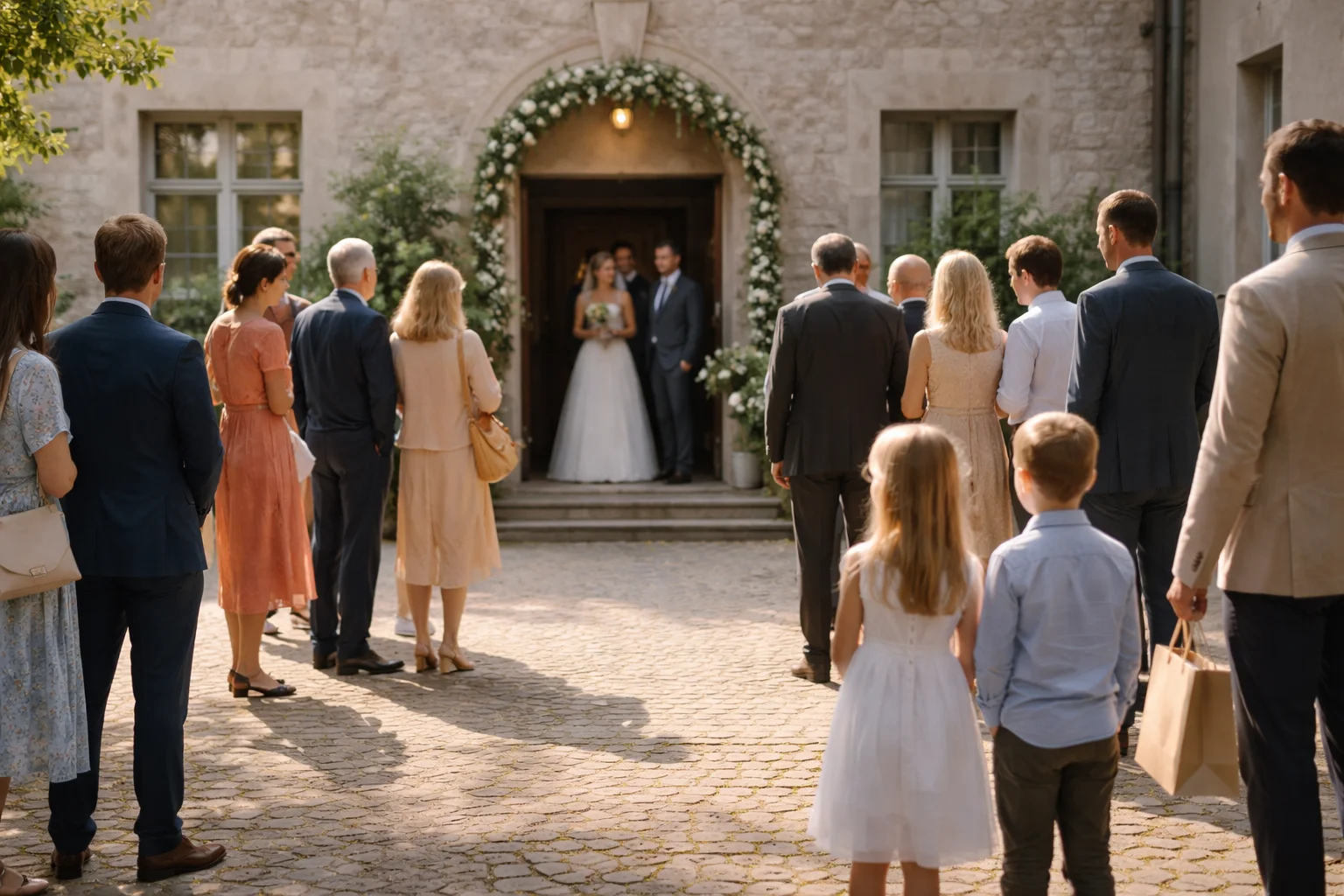
Arrival Before the Ceremony: How Guests Find Their Place Without Being Told
Arrival does not really start at one point. It leaks into the day. Some people are early without meaning to be. Others arrive exactly on time but still end up waiting. The space fills in patches. A few stand close to the entrance, others keep distance. No one explains it. It still settles somehow.
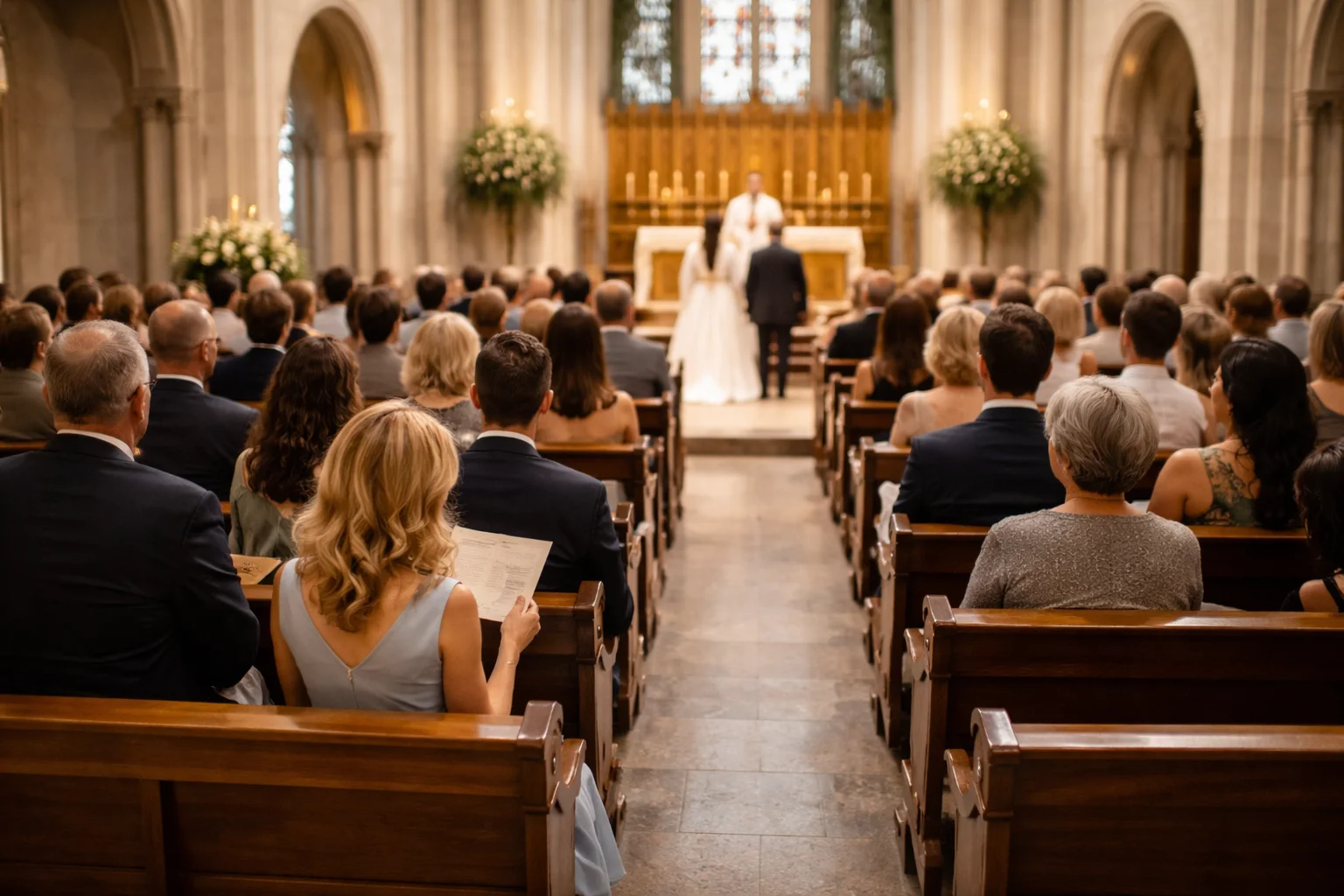
What Guests Do When They Do Not Know the Religious Tradition
Religious wedding ceremonies can feel deeply moving even to guests who do not fully understand the tradition. But they can also create uncertainty about posture, participation, and what is expected in the room. This article looks at what guests actually do when the ritual is unfamiliar, and how couples can make that uncertainty feel respectful rather than awkward.
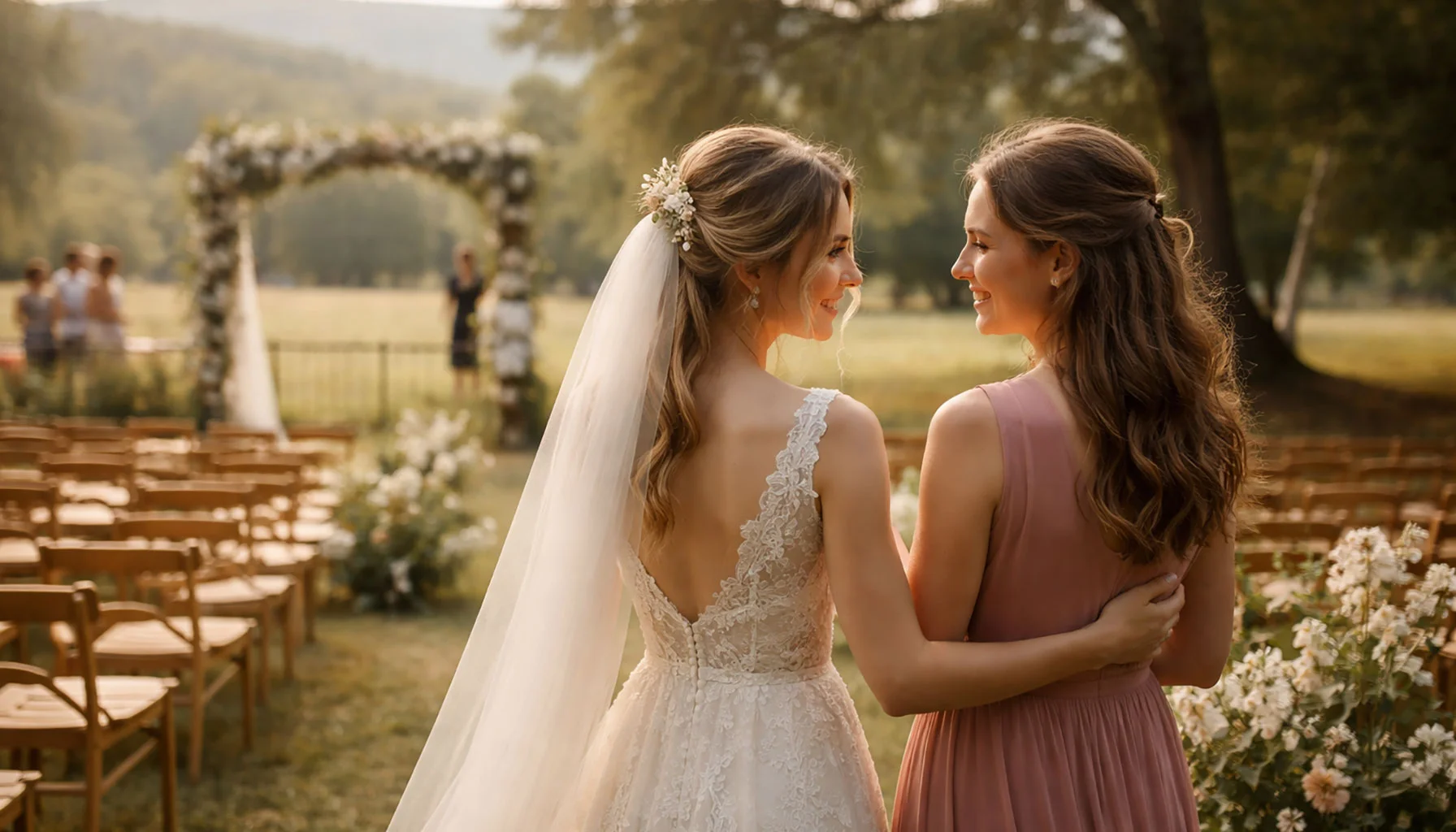
The Maid of Honor at the Wedding
How bridesmaids are chosen, what tasks they perform, and why their presence often remains quiet. A text from observations of weddings, conversations, and moments away from the center.
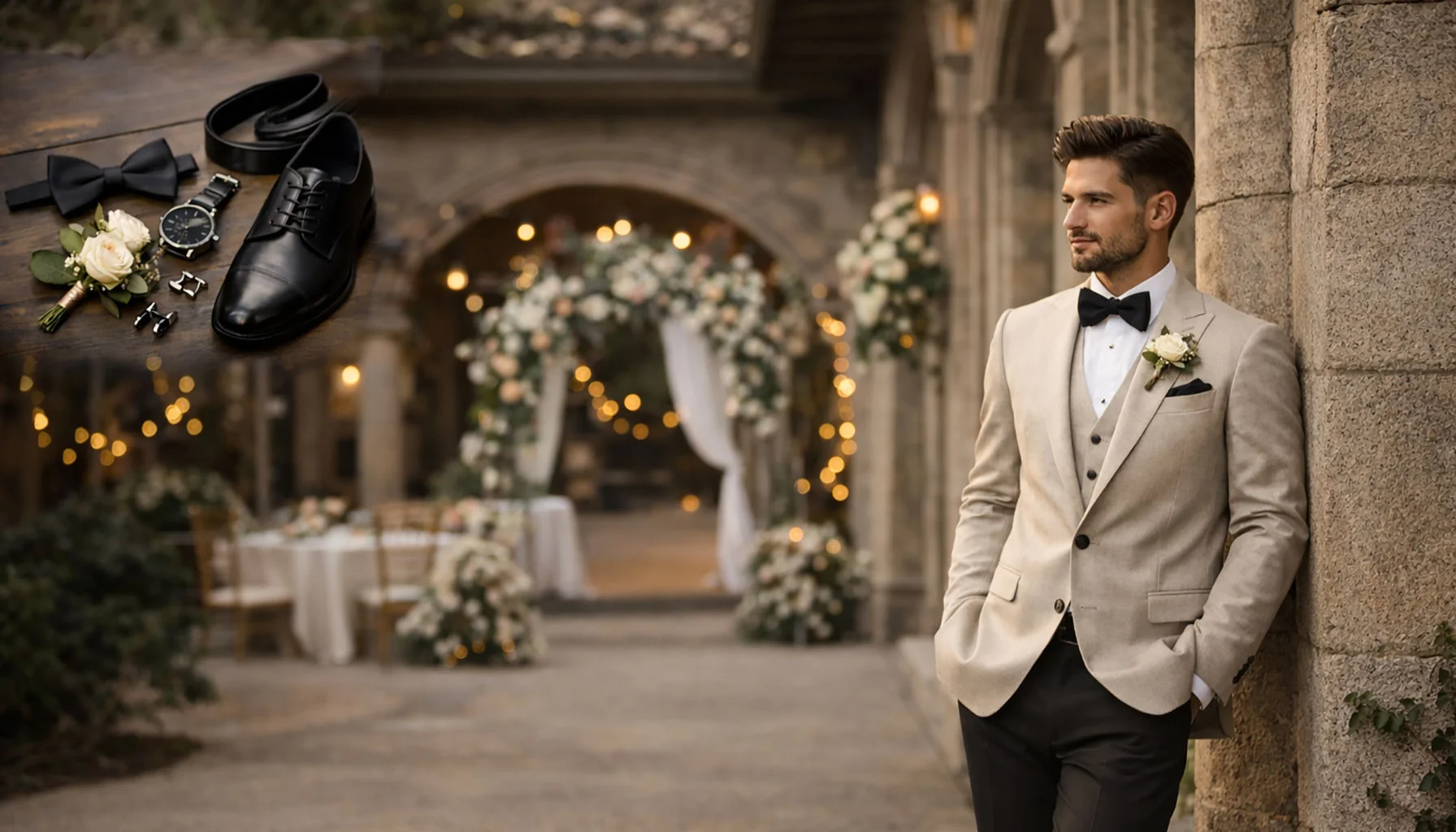
The Art of Groom’s Style – Timeless Elegance, Modern Trends & Personal Expression for an Unforgettable Wedding Day
Groom’s style has become a stable part of modern wedding design. It no longer follows a fixed formula, yet it also avoids constant reinvention. This article looks at groom style as a form of visual presence shaped by fit, material, context, and the ritual structure of the wedding day.
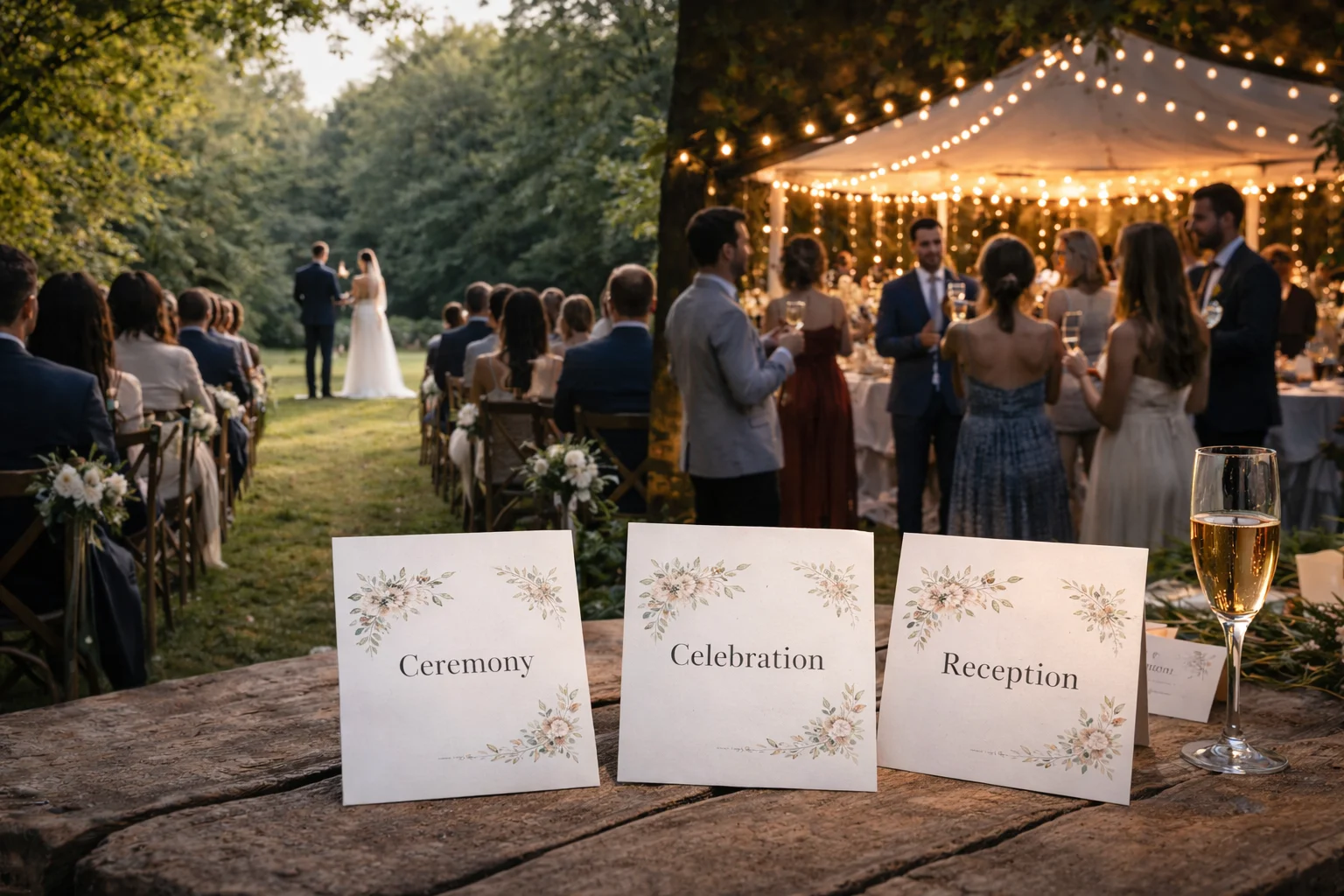
Who Is Invited to the Ceremony and Who Only to the Celebration
Not every wedding invitation has to include every part of the day. But the difference between being invited to the ceremony and being invited only to the celebration carries more meaning than many couples first assume. This article looks at how to make that distinction clearly, gracefully, and in a way that fits both the ritual weight of the ceremony and the social reality of the celebration.
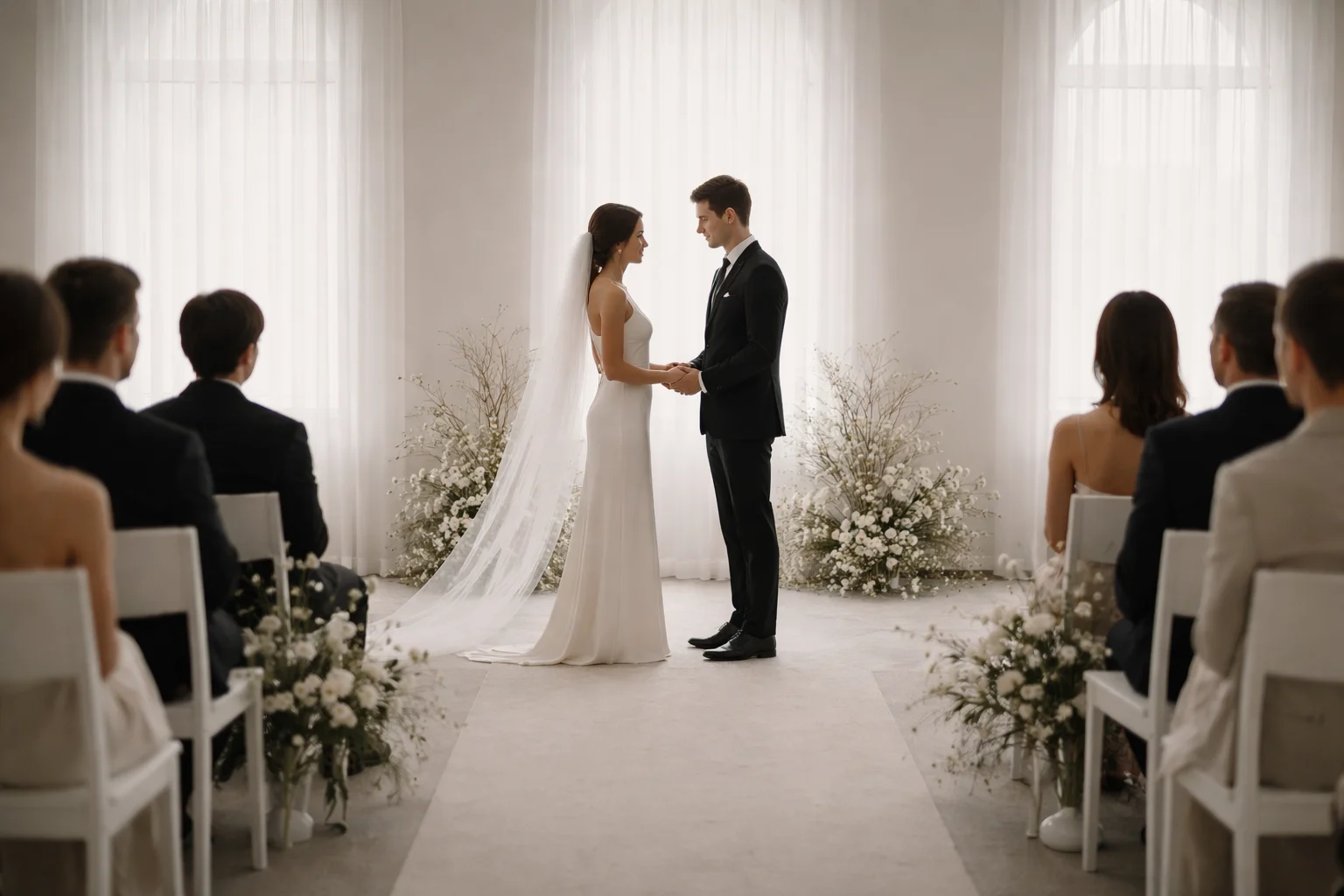
When Less Makes the Ceremony Clearer
Minimal weddings are often described as a reduction. Fewer elements, fewer decisions, fewer visible layers. Tables are cleared, colors are restrained, schedules are simplified. What remains can feel almost quiet in comparison to more elaborate celebrations.