
How Space Shapes Guest Behavior at Ceremonies
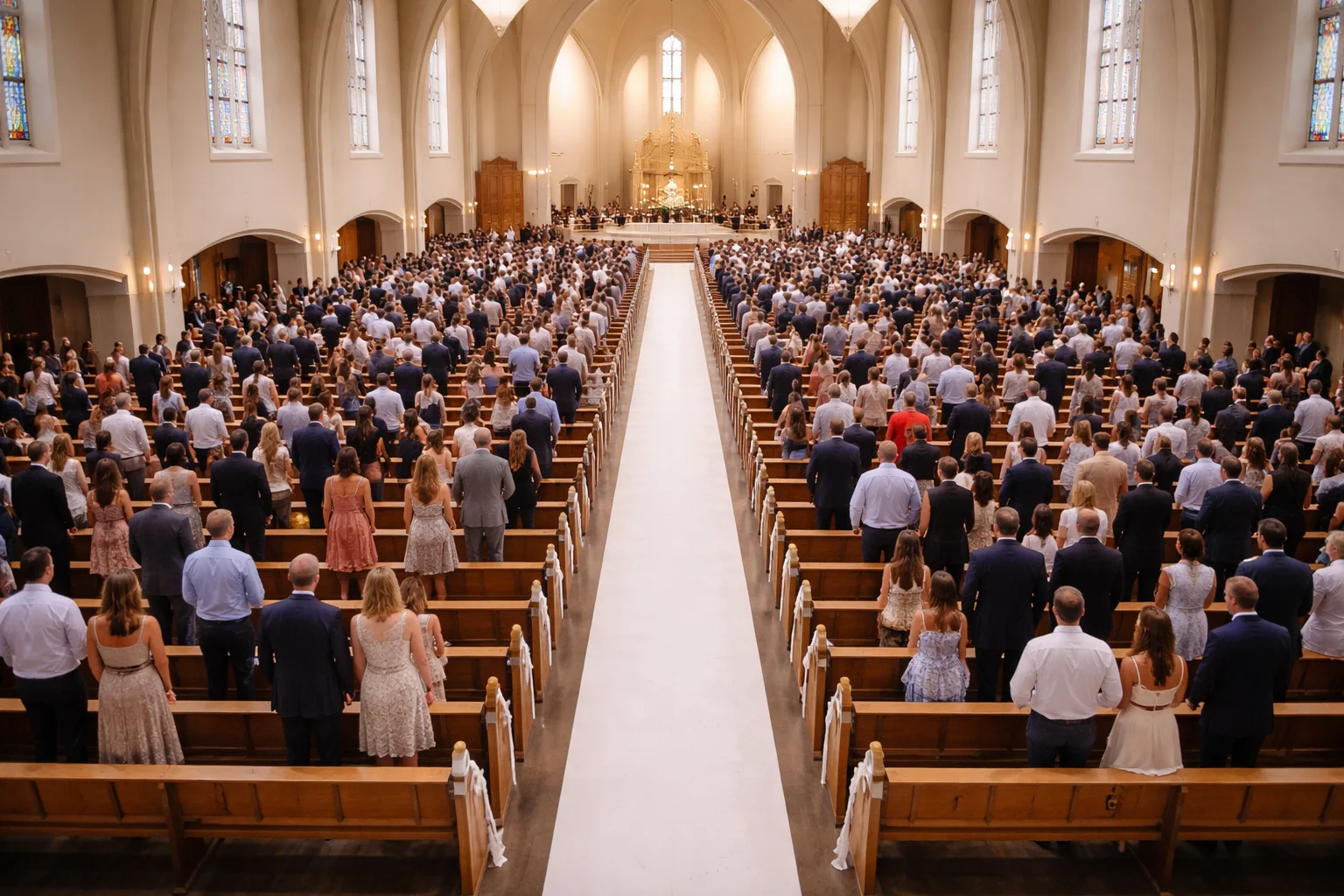
Space & Behavior in Large Religious Wedding Settings
Nothing is announced, still patterns form. Groups stay together until they do not, then they pause, then they continue. Some people sit quickly, others hover near the aisle, as if the right place might still shift. It is not confusion, not really. More a quiet sorting process that takes a few minutes.
Definition
Space and behavior here describes how guests position themselves in a large, structured setting without instruction, guided by visibility, distance, and small social signals that are not openly addressed.
How Guests Choose Where to Sit in Large Religious Spaces
Seats are not chosen randomly, even if it looks like it at first. People scan for known faces, then for rows that already feel in use. Completely empty rows often stay untouched for a while. A row with two people at the end can stay half empty longer than expected. Decisions happen in short stops, then a few steps, then another stop.
The Back Rows vs Front Rows Dynamic
Front rows are visible early, but they fill late. Guests pass them, sometimes without looking directly, and continue further back. The back rows take shape first, even when there is no shortage of space. Later, a few people return forward, but not all at once. It happens in small, separate movements.
Leaving Small Gaps Between Groups
Groups rarely sit directly next to each other right away. A seat remains free, sometimes two. These gaps stay in place longer than needed, even when the room begins to fill. They are not discussed, still they are kept. Someone might close one of these gaps later, but often only after looking around first.
Personal Space Inside Fixed Seating
Even on fixed benches, spacing is adjusted. Jackets placed between people, bags resting where another person could sit. Bodies angled slightly away, then slowly turning back when more guests arrive. These changes are small, almost easy to miss, but they repeat across the room.
When People Adjust Position Multiple Times
Some guests sit, then stand again after a short moment. They move one row forward, or sideways, or just a few seats down. Often after noticing someone else entering. It does not interrupt anything. It blends in. By the time it is done, it is already part of the overall movement in the room.
Conclusion
In large religious wedding settings, space is not only a layout, it is something people respond to in small, repeated ways. Seating patterns emerge without direction. Distance, visibility, and quiet awareness guide these decisions. It never fully settles, but it stabilizes enough.
Related Articles
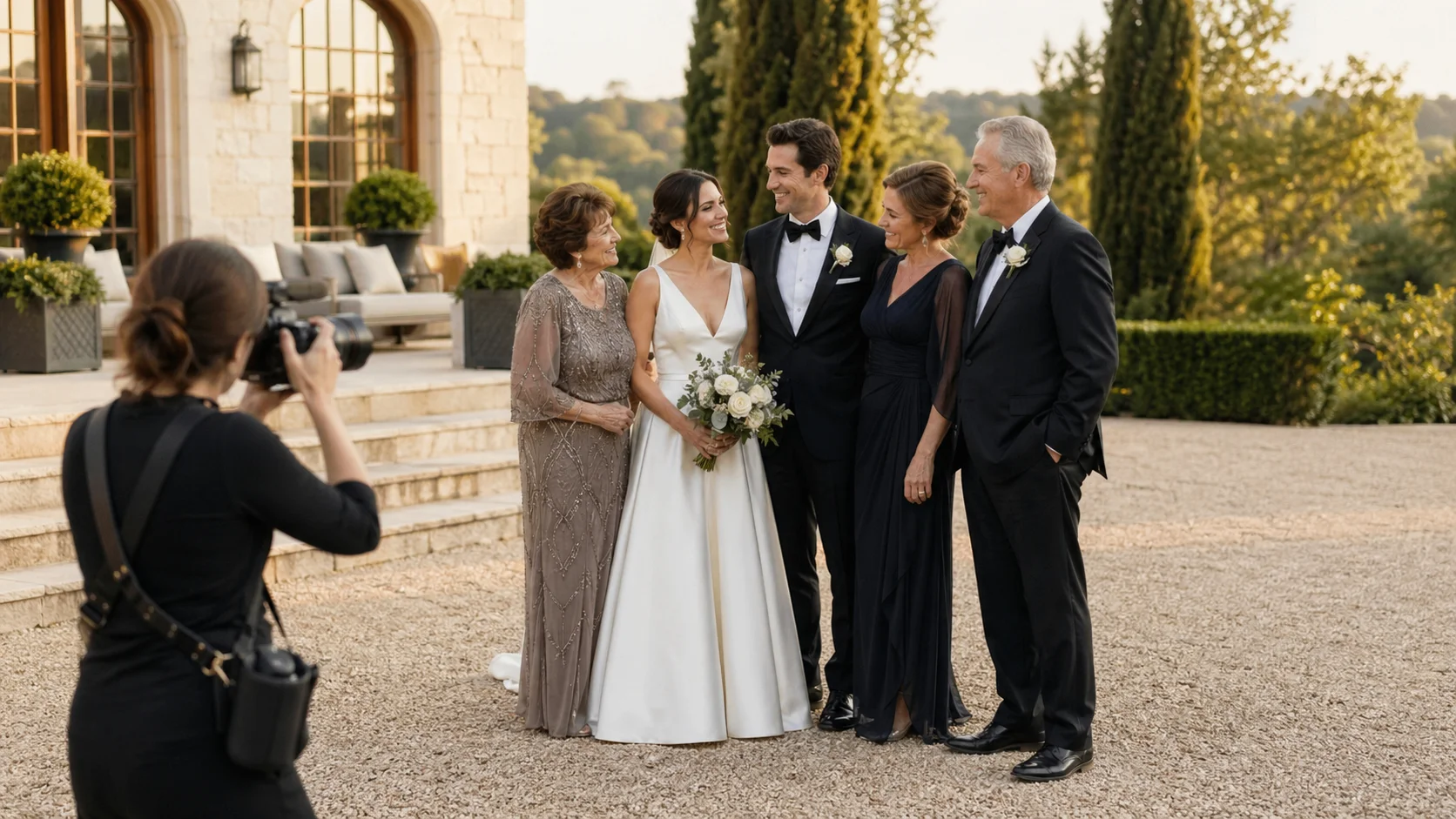
Photographer Coordination Checklist: What Helps Without Overdirecting the Day
Wedding photography needs enough coordination to protect the important images, but not so much direction that the day starts feeling staged. This article looks at shot priorities, family helpers, light windows, access, ceremony limits, and the space photographers need to notice real stories.
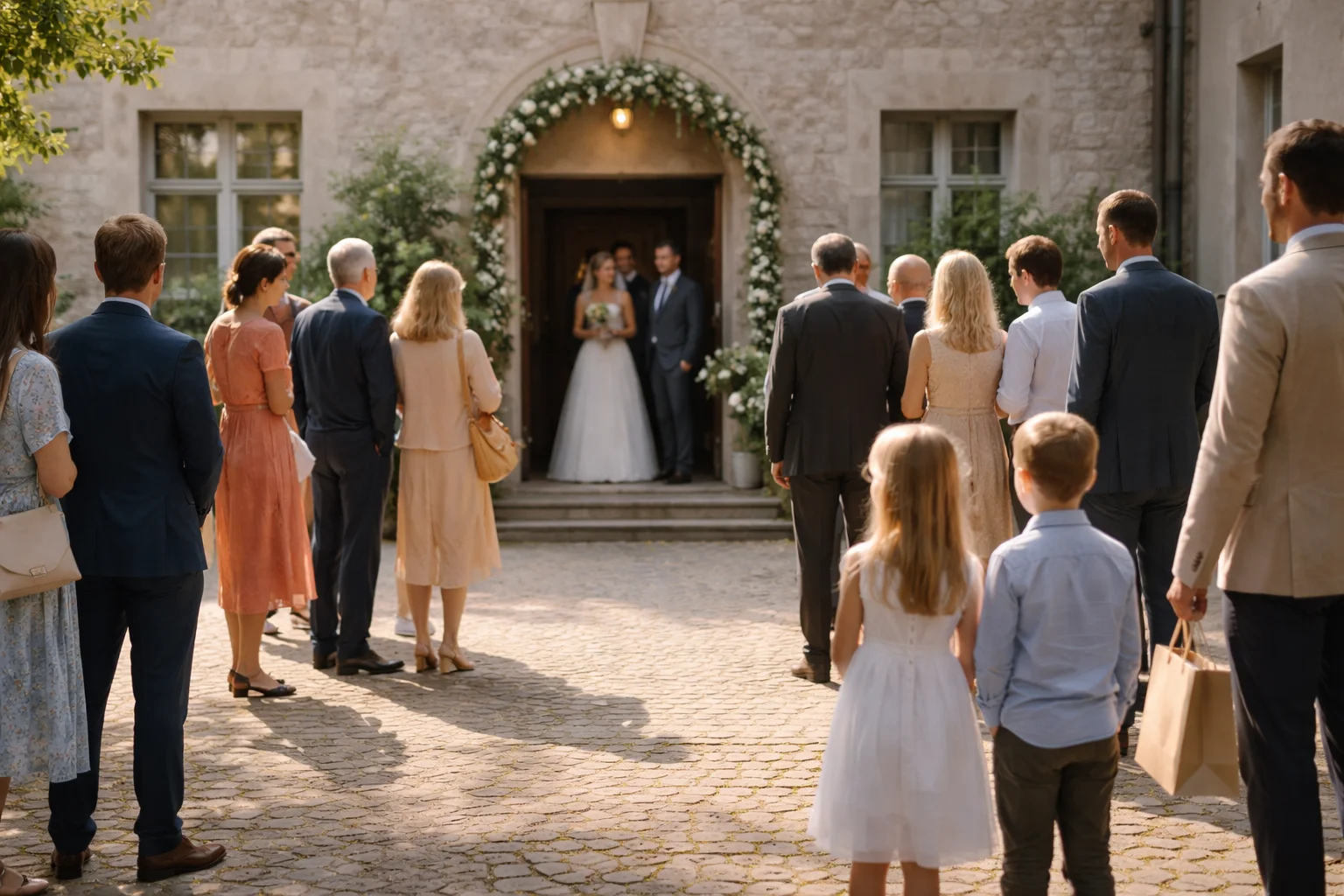
Arrival Before the Ceremony: How Guests Find Their Place Without Being Told
Arrival does not really start at one point. It leaks into the day. Some people are early without meaning to be. Others arrive exactly on time but still end up waiting. The space fills in patches. A few stand close to the entrance, others keep distance. No one explains it. It still settles somehow.
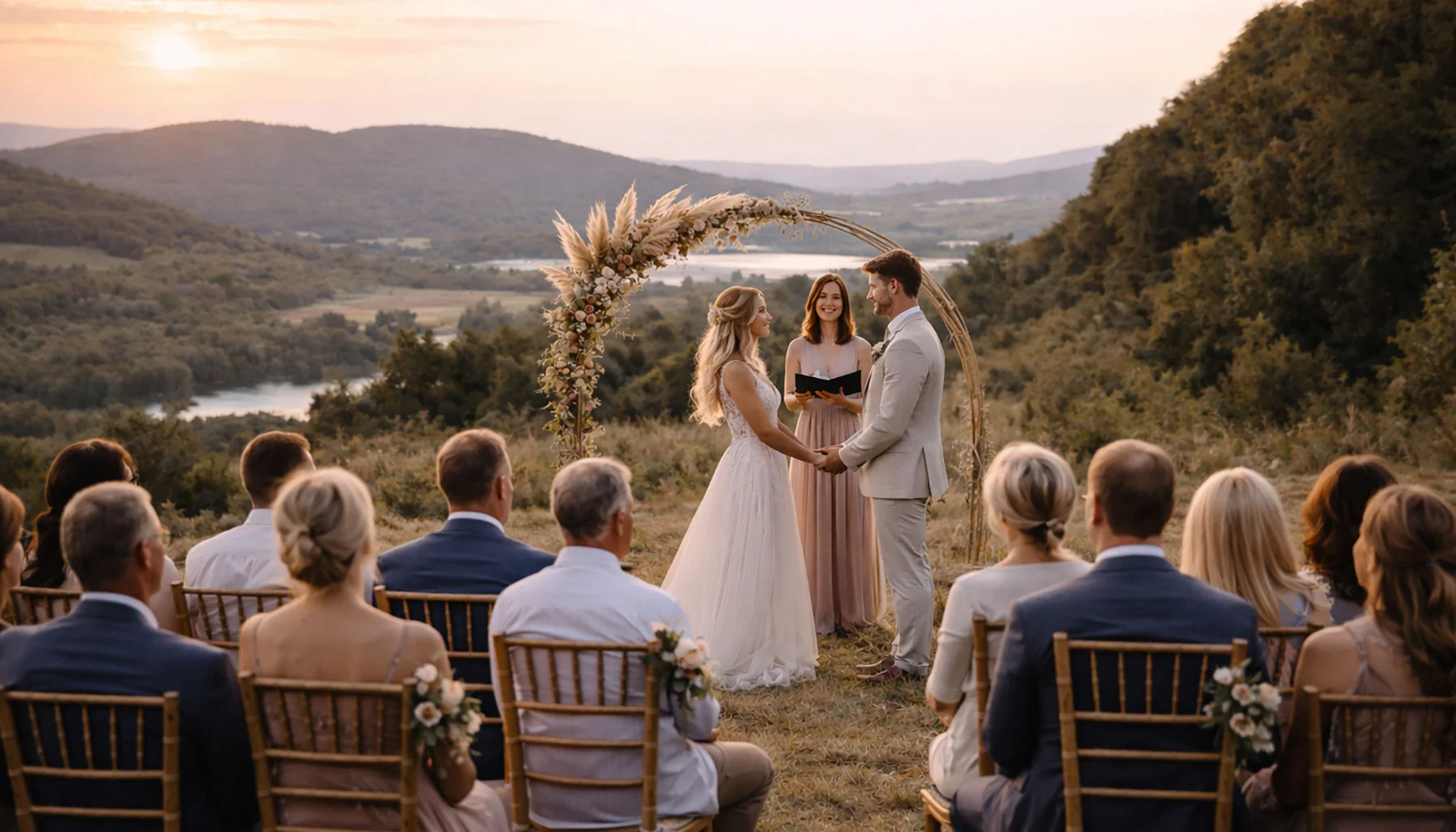
Free Wedding Ceremonies Explained: Meaning, Planning, Legal Context and Global Perspectives
Free wedding ceremonies are symbolic, non-religious ceremonies that do not create a legal marriage and do not depend on religious authority. Yet for many couples, they become the central moment of the day. This article explains how free ceremonies work in practice, where their meaning comes from, and how they relate to legal marriage and traditional wedding symbols.
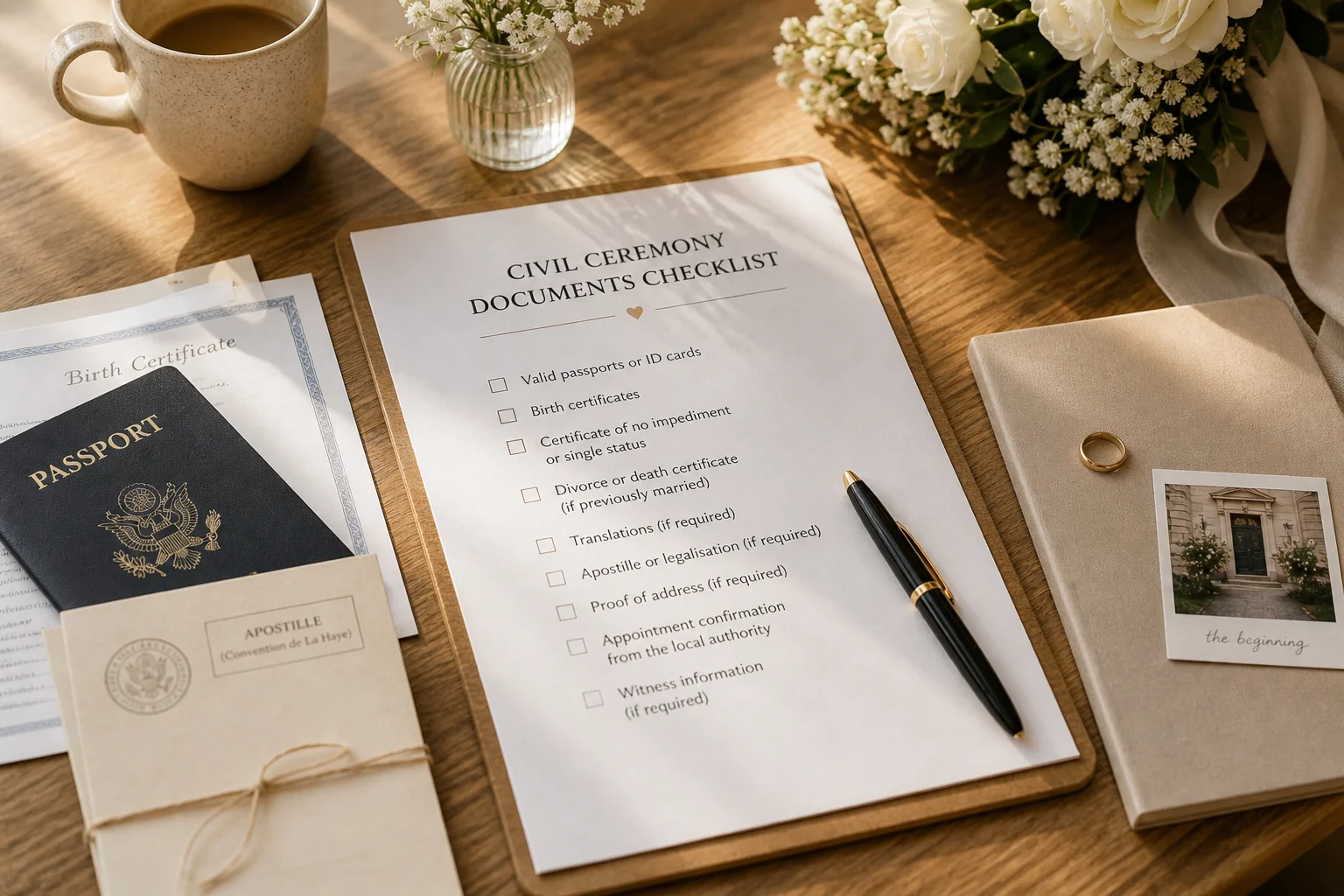
Civil Ceremony Documents Checklist: What Couples Usually Need Before the Wedding Can Happen
A civil ceremony may look simple, but it depends on documents being accepted before the public moment can begin. This article looks at identity records, marital status proof, translations, apostilles, witnesses, appointment rules, and the quiet legal threshold before the ceremony.
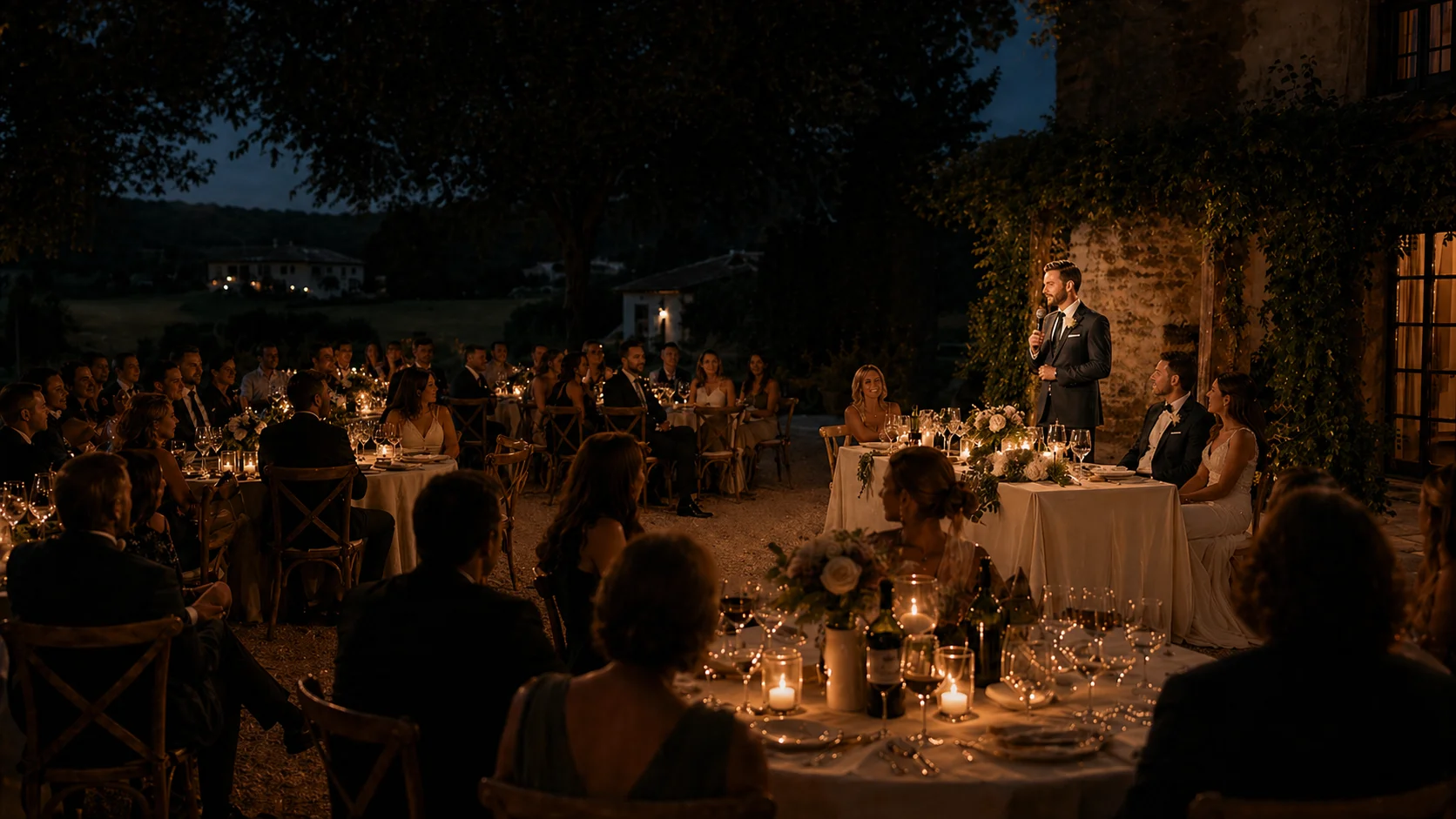
Speech Moment Checklist: What Makes a Toast Feel Held, Not Exposed
A wedding toast depends on more than good writing. It lands differently depending on attention, sound, timing, room tone, and the unspoken signals that tell a speaker whether the moment is carrying them or leaving them alone.
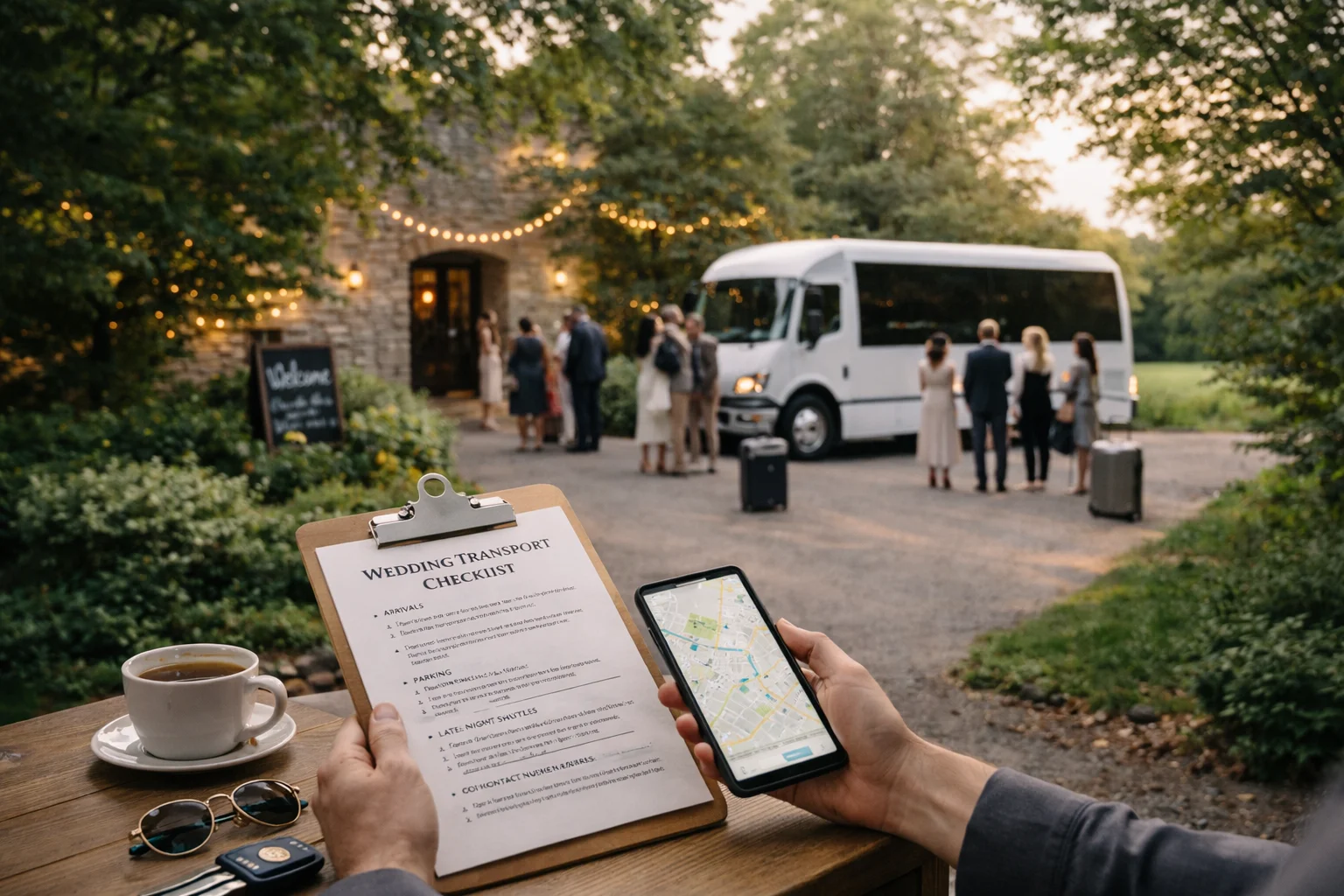
Wedding Transport Checklist: Arrivals, Transfers, Parking, and Late-Night Returns
Wedding transport is rarely remembered when it works, but it shapes the day long before the ceremony begins and long after the central moment has passed. This article looks at what still needs to be planned around arrivals, transfers, parking, and late-night returns, and why movement and waiting belong more closely together than many couples expect.
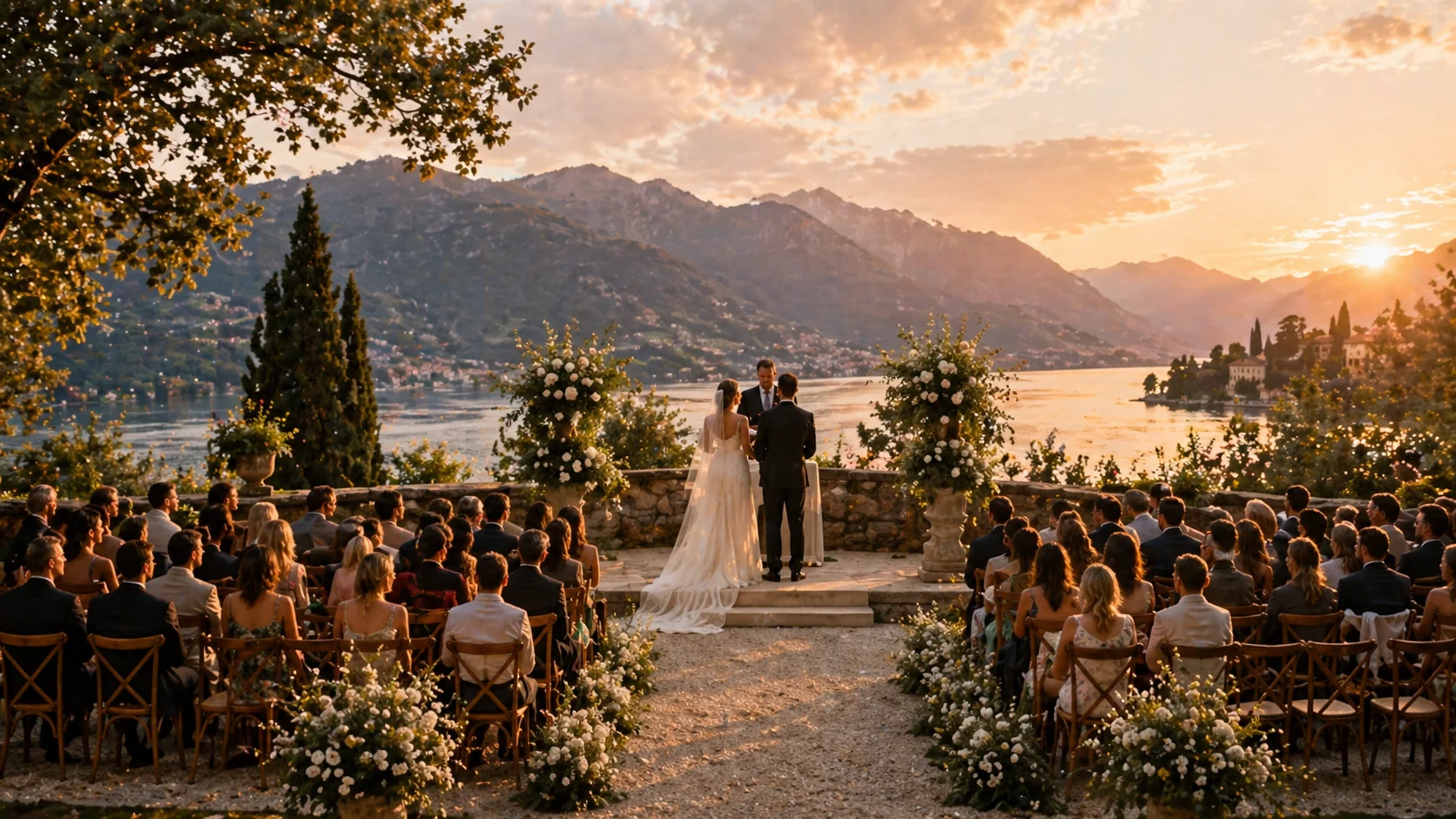
Ceremony Transition Checklist: What Should Be Ready Before Attention Has to Gather
Ceremony transitions often seem brief on paper, but they carry the difficult shift from movement into shared attention. This article looks at what needs to be ready before that moment arrives, from seating and sound to cues, stillness, and the quieter emotional readiness of the room.
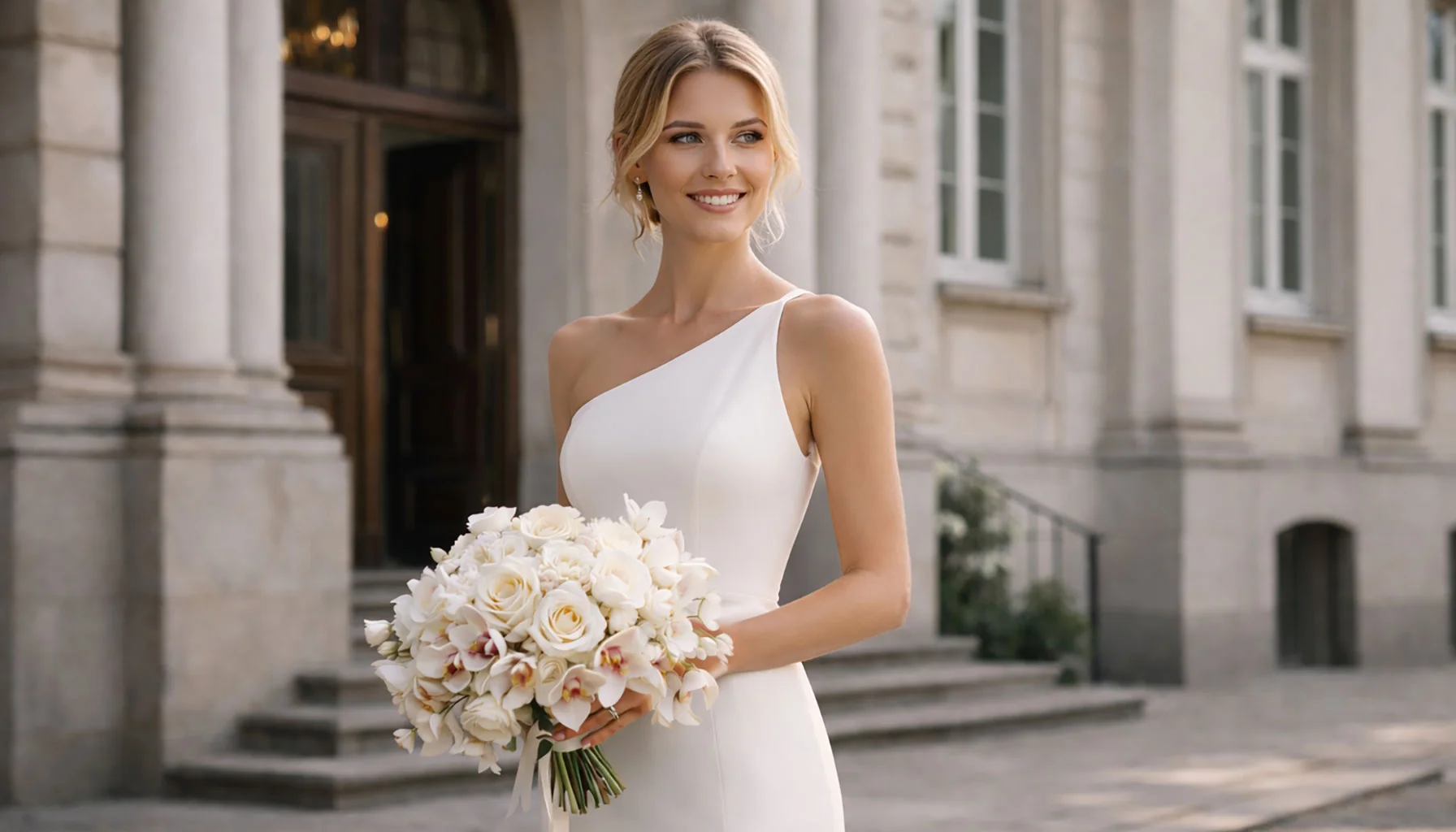
A Love Made Official: A Bridal Look for the Civil Ceremony
Civil ceremonies tend to be focused and quiet. The setting is smaller, the attention sharper. In this context, the bridal look does not perform. It supports. Fabric, cut, and proportion matter more than embellishment. What remains is a look that fits the moment, allows presence, and feels appropriate long after the ceremony ends.
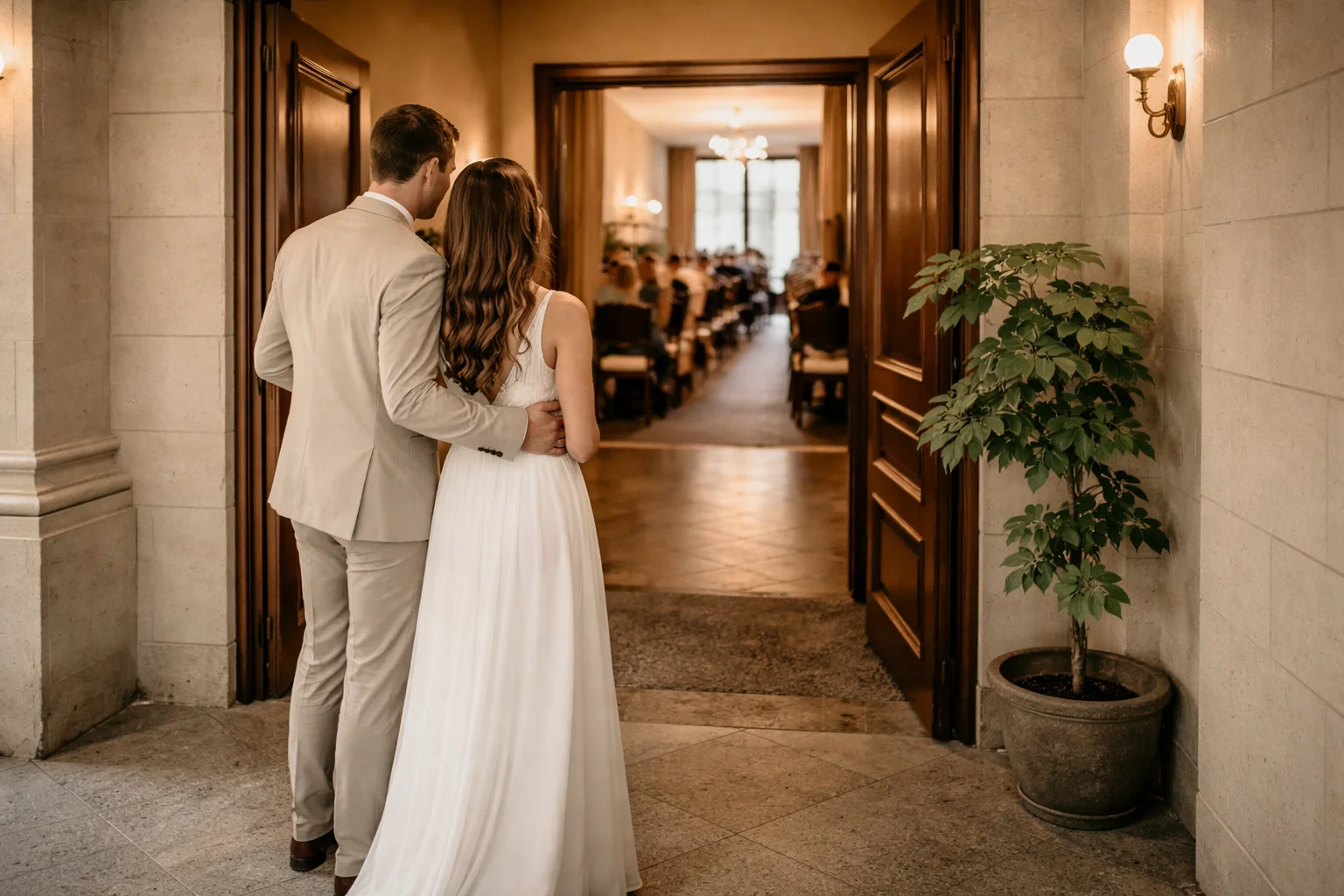
Waiting Before the Civil Ceremony: What the Minutes Outside the Room Actually Feel Like
Civil ceremonies are often described as brief, simple, and administrative. But anyone who has stood outside the room knows that the minutes before they begin can feel strangely dense. This article looks at what those minutes actually do to time, attention, behavior, and emotion, and how the legal ceremony becomes a real threshold between engagement and wedding.
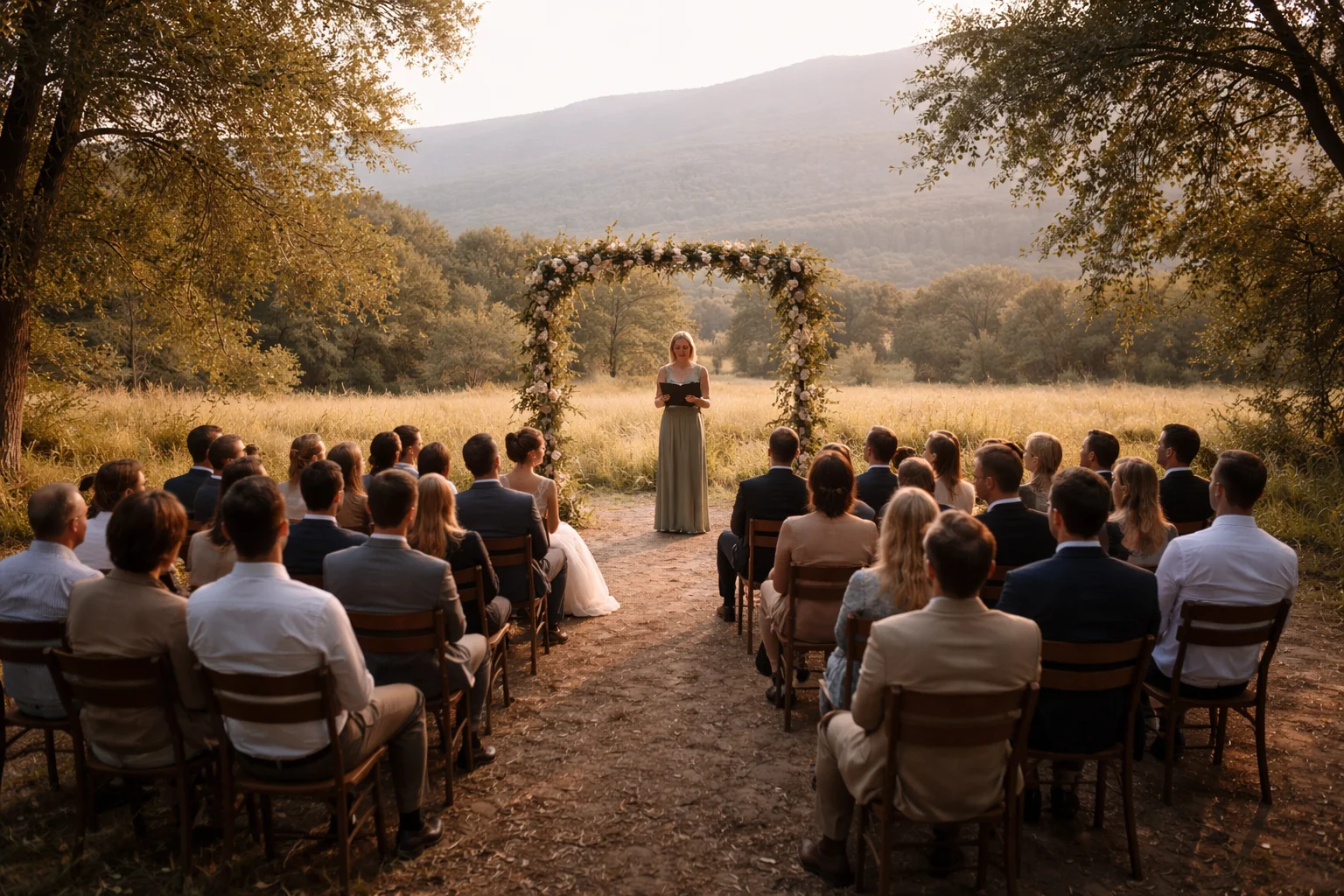
Free Ceremony Officiants: Presence, Voice, and the Shape of Attention
In a free ceremony, the officiant cannot lean on inherited authority or a structure everyone already recognizes. What carries the moment instead is subtler: presence, voice, timing, and the ability to hold attention without gripping it too tightly. This article looks at how officiants shape free ceremonies through the smallest visible forms of guidance.
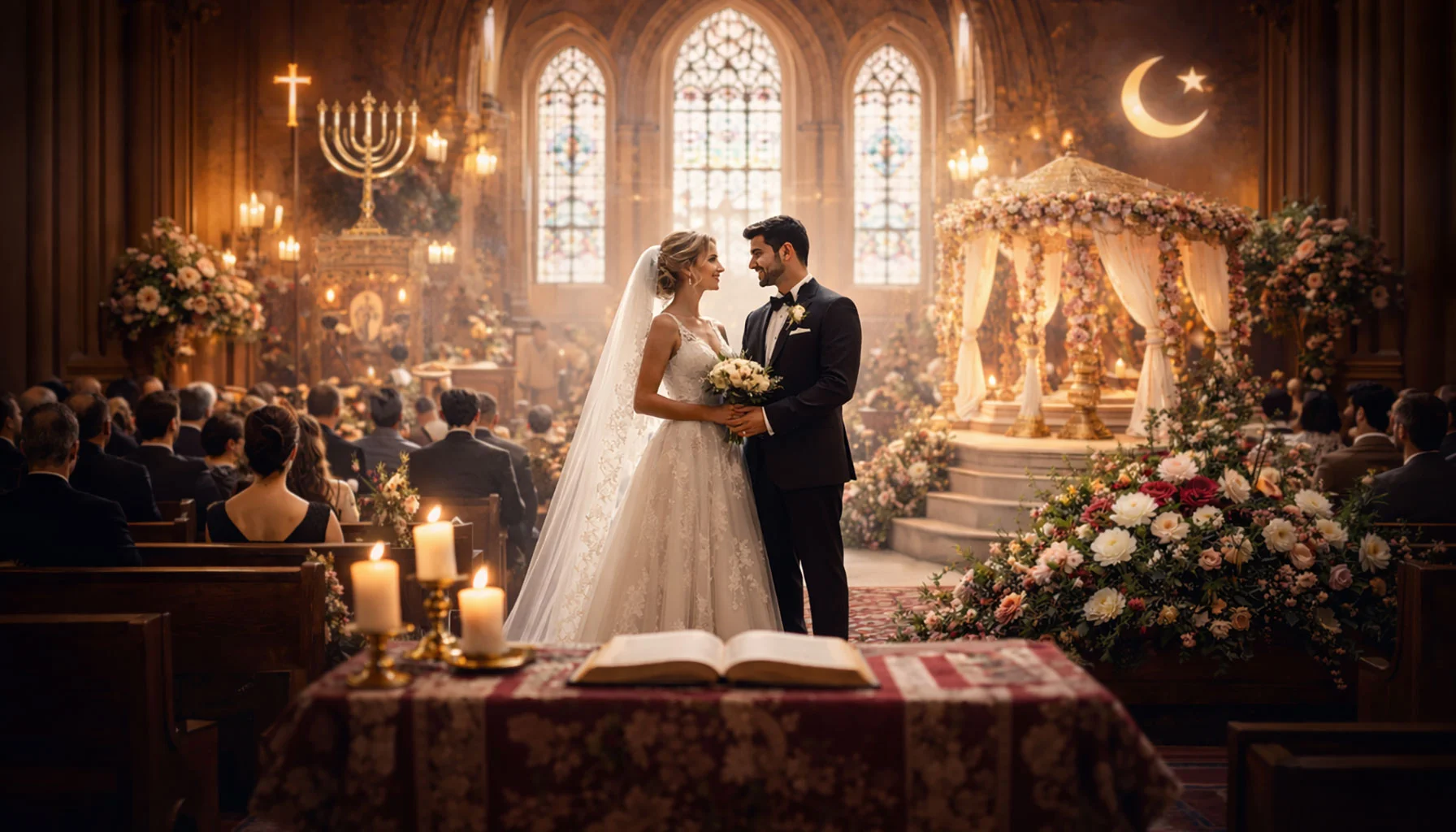
Religious Wedding Ceremonies: A Practical Overview
Religious wedding ceremonies are rarely designed around individual expression. They are shaped by inherited forms, religious authority, and symbolic acts that carry meaning through repetition. This article offers a practical overview of religious wedding ceremonies across countries and traditions while placing them within the wider logic of wedding rituals.
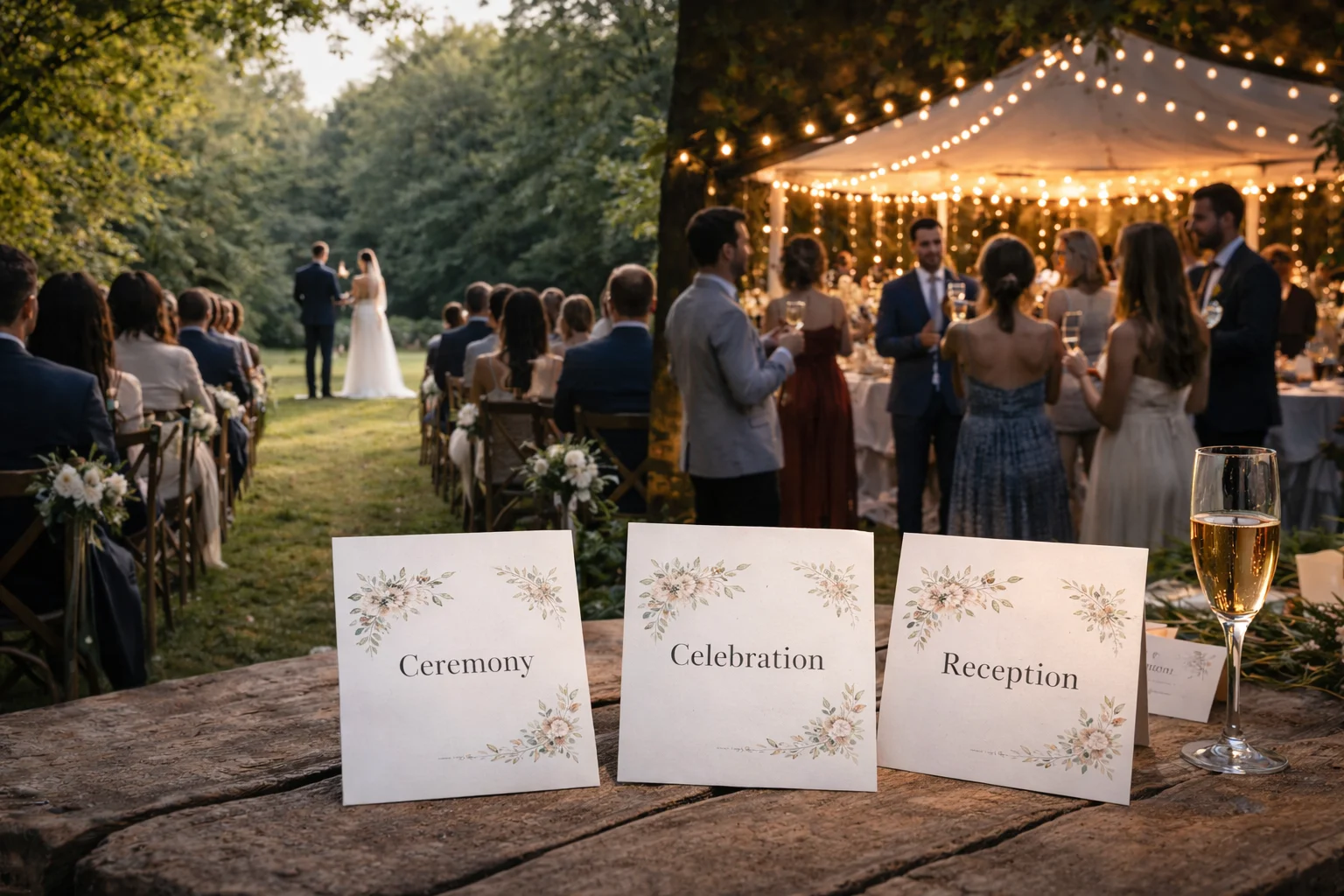
Who Is Invited to the Ceremony and Who Only to the Celebration
Not every wedding invitation has to include every part of the day. But the difference between being invited to the ceremony and being invited only to the celebration carries more meaning than many couples first assume. This article looks at how to make that distinction clearly, gracefully, and in a way that fits both the ritual weight of the ceremony and the social reality of the celebration.