
Speech Moment Checklist: What Makes a Toast Feel Held, Not Exposed
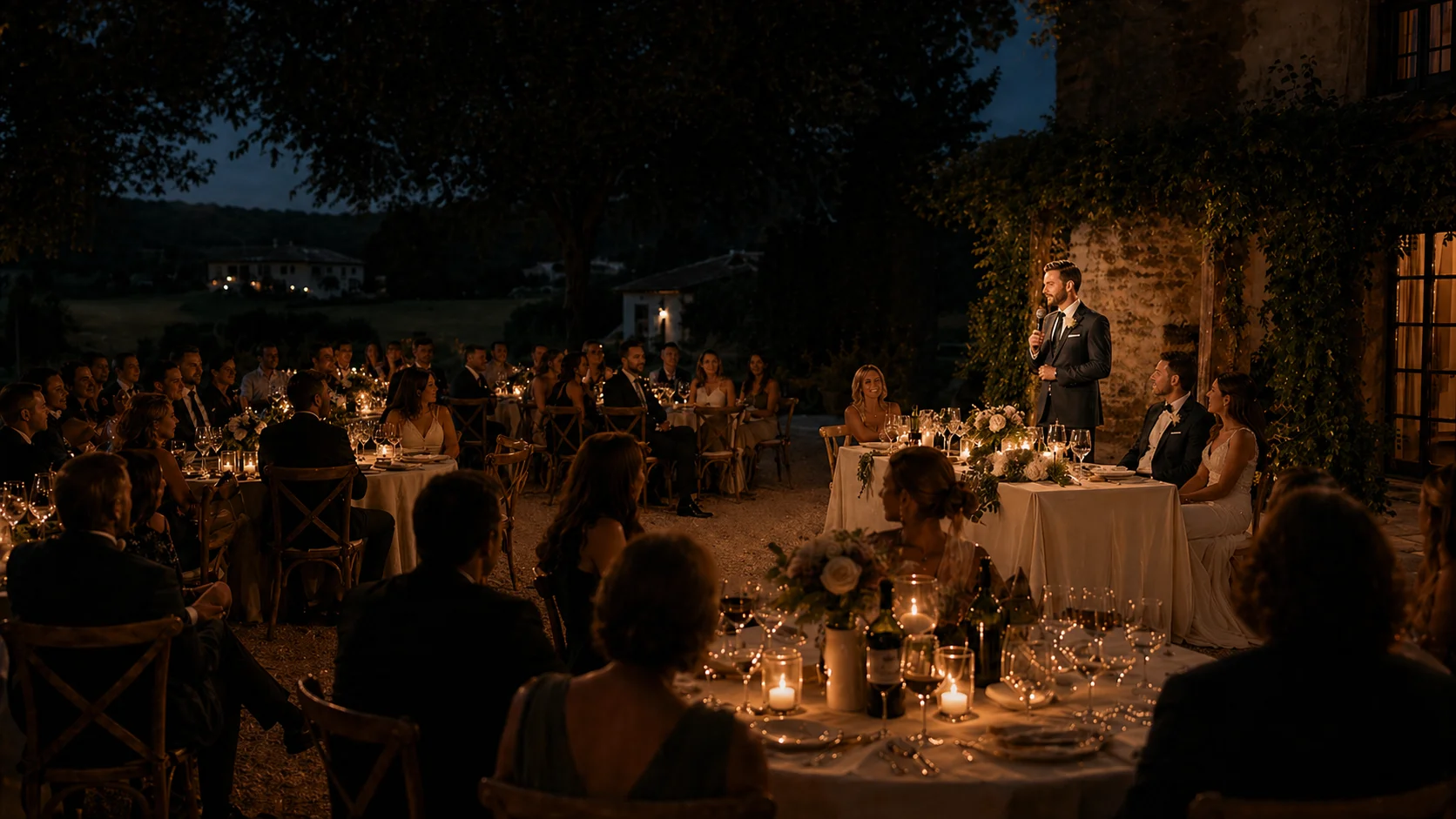
Wedding speeches are often planned as if the difficult part is writing the right words. The words matter, but they are only one layer of the moment. A toast can be warm, brief, sincere, and still land awkwardly if the room is not ready to receive it. Another can contain a little hesitation, a rougher sentence, a slightly trembling hand, and still feel deeply right because the moment itself is being held well.
That difference is usually not dramatic. It is made up of small conditions: whether guests can hear properly, whether service has actually paused, whether the person speaking knows when they are beginning, whether the room has turned toward them fully enough, whether the couple is visible, whether the introduction was clear, and whether the speech is entering a space that feels supportive rather than socially exposed. Good speech moments are rarely accidental. They are often the result of a few quiet decisions made early enough.
Definition
A speech moment checklist covers the practical and social conditions that help a wedding toast feel supported rather than isolating. It includes room attention, sound, pacing, visibility, introductions, emotional timing, and the quieter signals that tell a speaker whether the room is truly with them or merely waiting for them to finish.
The Room Has To Turn Before The Speech Begins
One of the most common reasons a toast feels exposed is that it starts before the room has actually gathered. Guests are still pouring drinks, finishing side conversations, turning back to their chairs, or trying to understand whether this is really the moment to stop. A strong checklist therefore begins with attention, not content. The speaker should not be the person forced to win the room from scratch. That work should already be half done before the first sentence arrives.
Sound And Positioning Matter More Than Eloquence
Many wedding speeches are remembered as awkward when the problem was really acoustic. If guests cannot hear clearly, the speaker starts compensating by rushing, over-projecting, repeating, or losing confidence. The same happens when they are placed too far from the couple, turned awkwardly toward only one half of the room, or left holding a microphone they have never tested. A celebrant once said that speakers seem calmer when the room is doing more of the carrying. That is exactly right. Technical support is emotional support in disguise.
Checklist – CategoryA wedding checklist helps you stay organized and ensures that no important detail is overlooked. From early planning steps to last-minute preparations, it provides a clear overview of what needs to be done and when. With a well-structured checklist, you can plan your wedding with confidence, reduce stress, and enjoy the journey toward your big day.
The Introduction Should Lower Pressure, Not Increase It
A toast enters the room more easily when the transition into it is clear and gentle. The person introducing the speech should do enough to orient everyone, but not so much that the speaker suddenly feels formally staged in a way the room cannot support. Long, overly affectionate build-ups can create expectation the speech does not need. No introduction at all can feel abrupt. Somewhere in between is best: a clean handover, a little context, and a signal that the speaker belongs in the moment without having to perform importance first.
Timing Shapes How Much Emotional Weight The Room Can Carry
The same speech can land differently depending on when it arrives. Before food, people may be hungry and socially unsettled. During service, attention splits. Too late in the evening, tiredness and noise start competing with sentiment. In many weddings, the strongest speech moment sits in a narrow band where guests are seated, fed enough, attentive, and not yet dispersed into a different energy. A planner who handles many dinner receptions once described speeches as emotionally expensive. The room can carry them, but only when it has enough steadiness left.
What Is Not Said Often Determines Whether The Toast Feels Safe
The deeper link to what is not said is central here. Every wedding toast stands inside a field of unspoken judgments and permissions. How personal is too personal. Which family stories are safe to mention. Whether humor will be held kindly. Whether emotion will be met with patience or embarrassment. Speakers feel these things even when no one names them. A toast feels held when the room communicates, mostly without words, that sincerity is welcome and that imperfection will not be punished. That is often the real difference between a speech people remember with tenderness and one they remember only as a performance.

Not everything meaningful is spoken. Silence often carries what language cannot hold.
Conclusion
A speech moment checklist is not mainly about polishing a toast into something perfect. It is about deciding what helps the room hold a real person speaking to people who matter. When attention has already gathered, sound is clear, timing is right, the handover is gentle, and the unspoken atmosphere is kind enough, the speech no longer feels like exposure. It feels like part of the wedding’s emotional structure, which is usually what couples and speakers were hoping for all along.
Related Articles
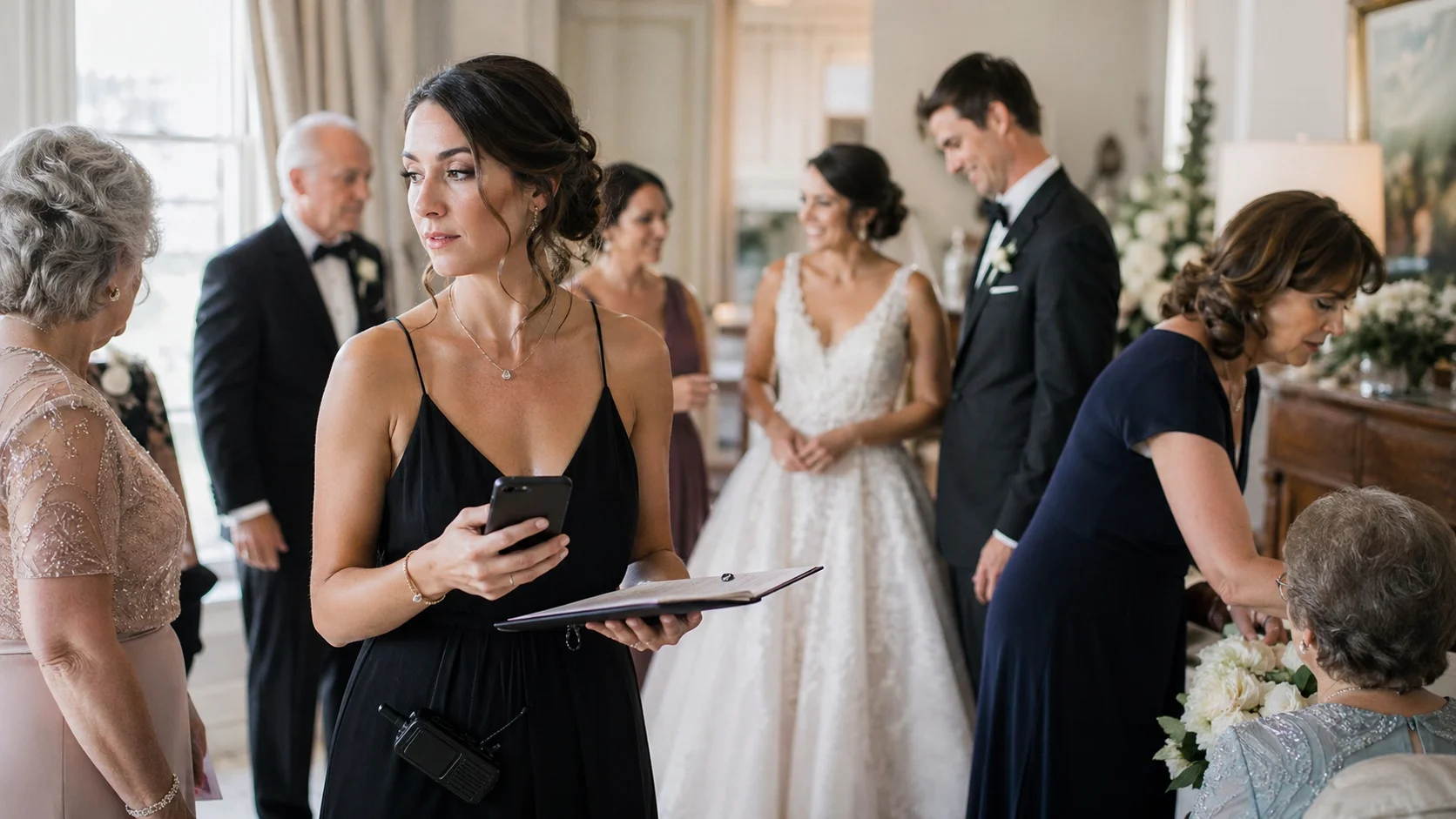
Emotional Load Checklist: Who Carries Too Much, and How to Notice It Early
Emotional load at weddings often hides behind competence. This article looks at who carries invisible responsibility, how to notice early signs of overload, and how to share care before one person quietly holds too much.
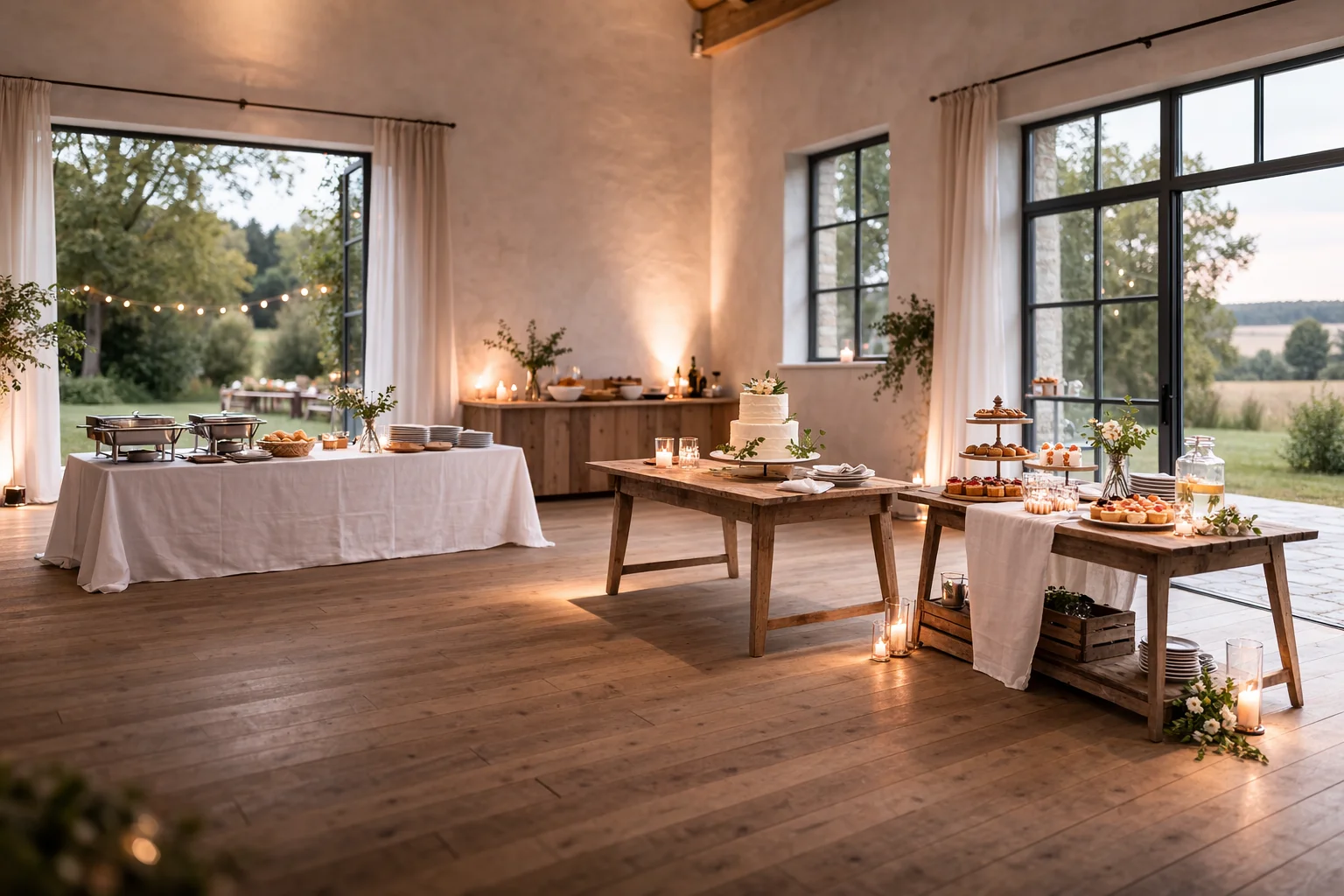
Flowers Near Food at Weddings: Buffet and Dessert Table Placement
Flowers sometimes end up close to food. Not always by clear decision. More because the rest of the room is already filled, and these zones remain. Then something gets added there too. It does not look unusual once it is in place.
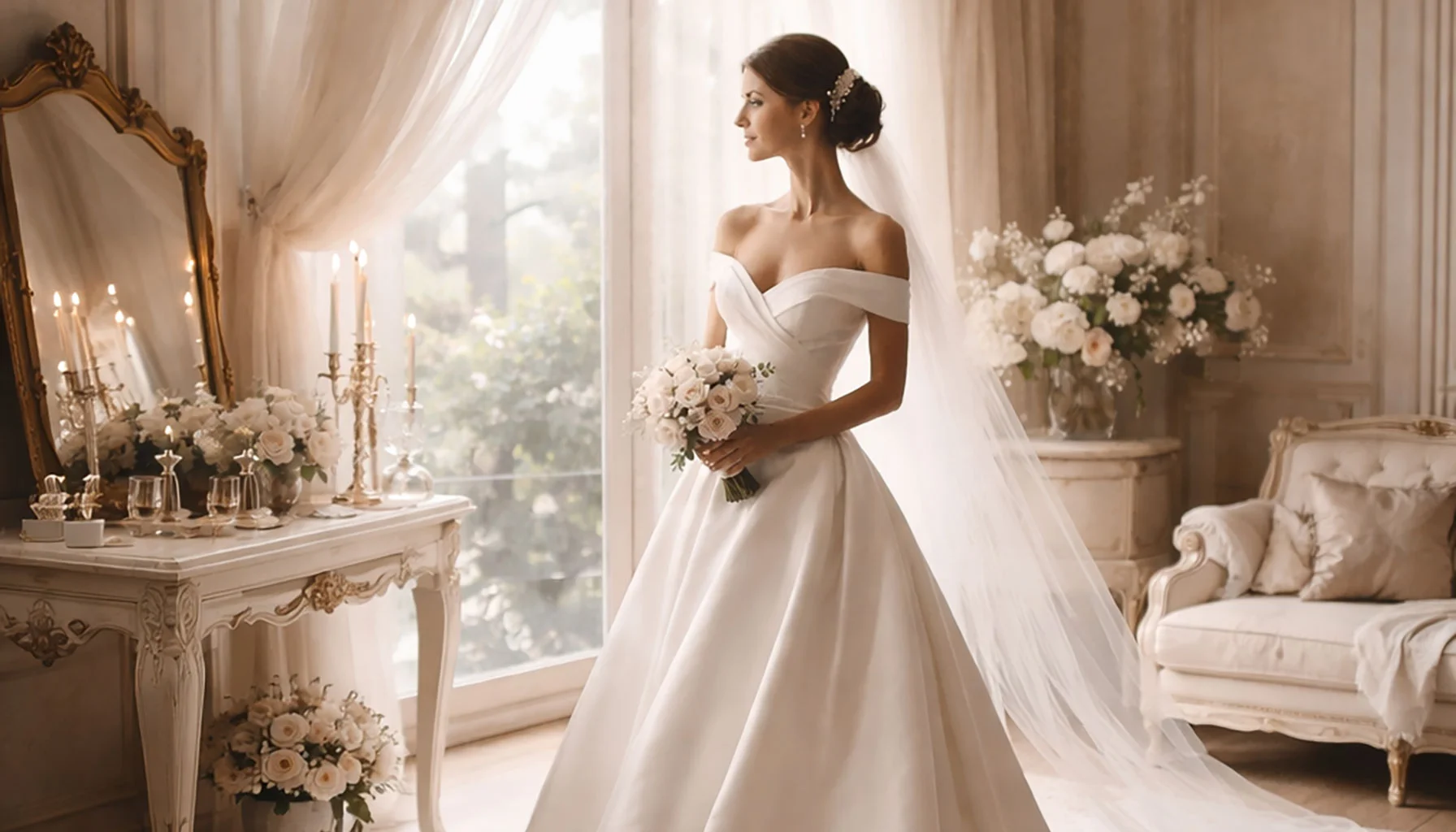
Beyond the Wedding Dress: What Truly Defines the Bridal Look and Experience
The bridal look is shaped long before the wedding day itself. It is created through thoughtful preparation, careful attention to detail, and a sense of inner calm that carries the bride through every moment. When styling, timing, and presence align naturally, beauty feels effortless rather than staged. Hair, makeup, accessories, and posture work together to support the bride rather than overshadow her. Yet what truly defines her appearance is how grounded and supported she feels. A bride who trusts her choices and releases the need for perfection radiates authenticity and quiet confidence. In this balance between outer expression and inner state, the bridal look becomes more than an image. It becomes an atmosphere — one that is felt, remembered, and carried far beyond the day itself.
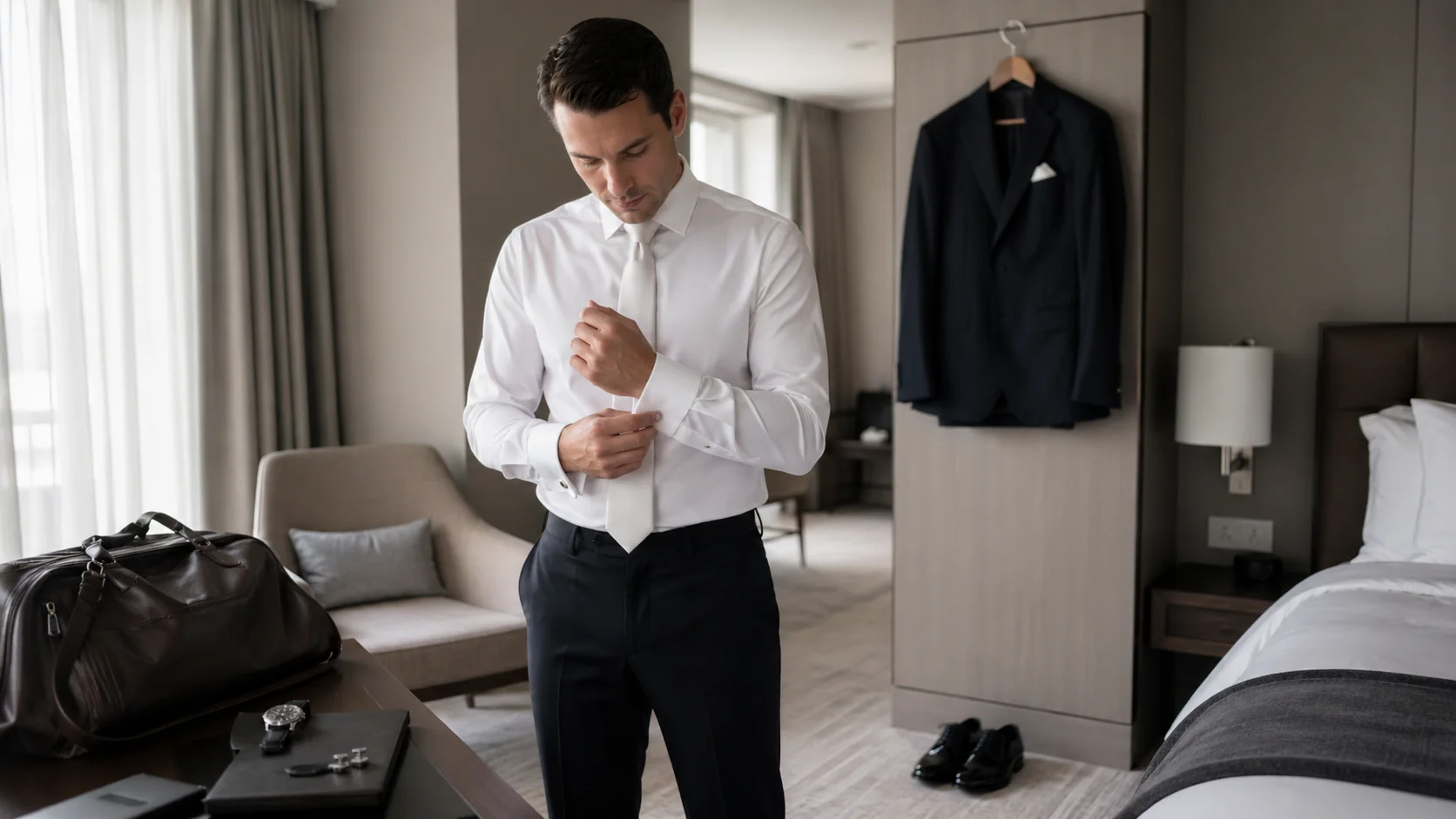
Groom’s Morning Checklist: What Keeps the First Hours Clear and Unforced
The groom’s morning often looks simple from the outside, but it depends on small decisions made early. This article looks at clothing, food, rings, timing, communication, photography, transport, and the quiet rituals that keep the first hours clear without making them feel staged.
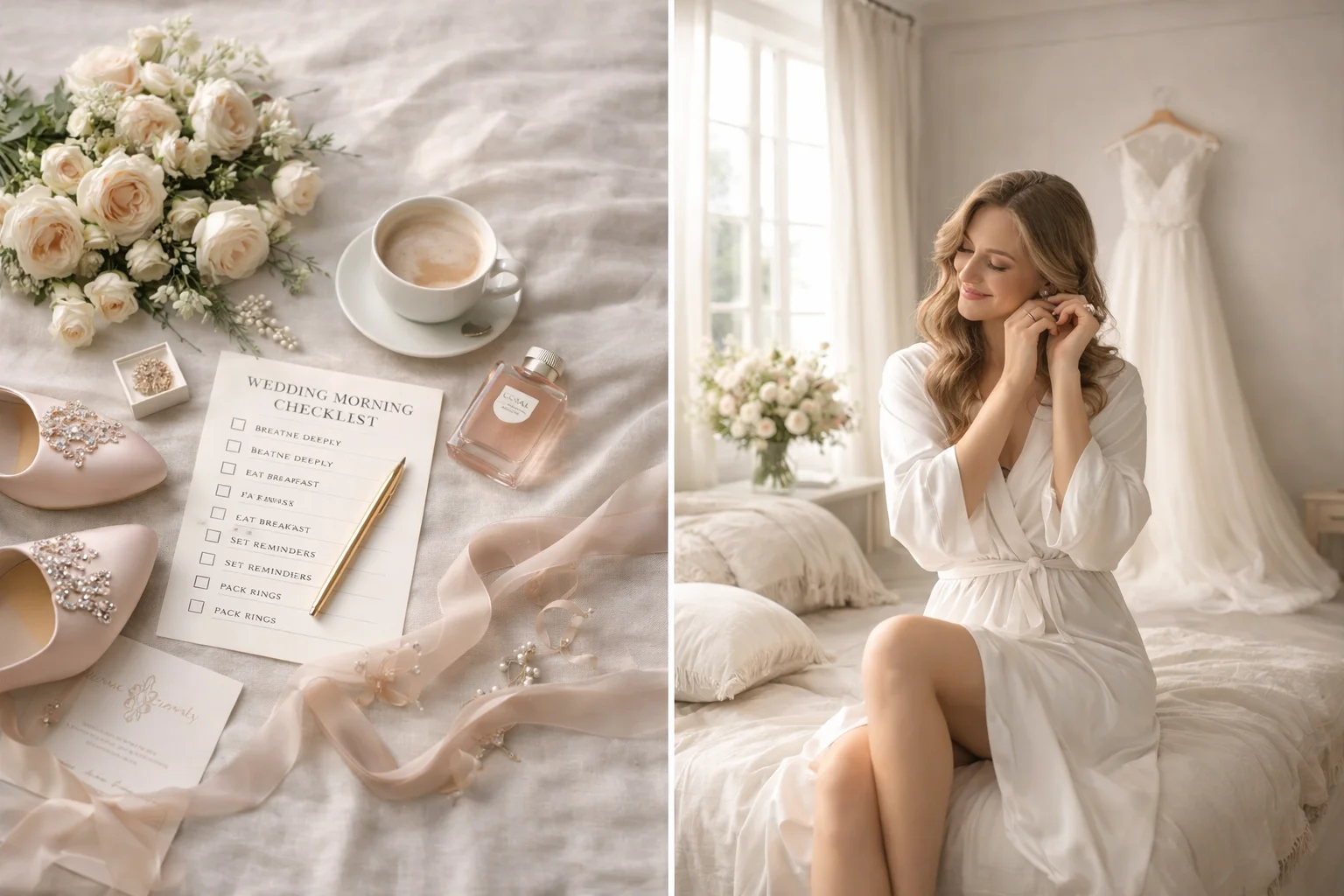
Wedding Morning Checklist: What Helps the First Hours Stay Calm
A wedding morning checklist helps protect the first hours of the day from avoidable stress. It keeps essential items, timing, room atmosphere, and communication clear, while leaving enough space for the morning to still feel calm and human.
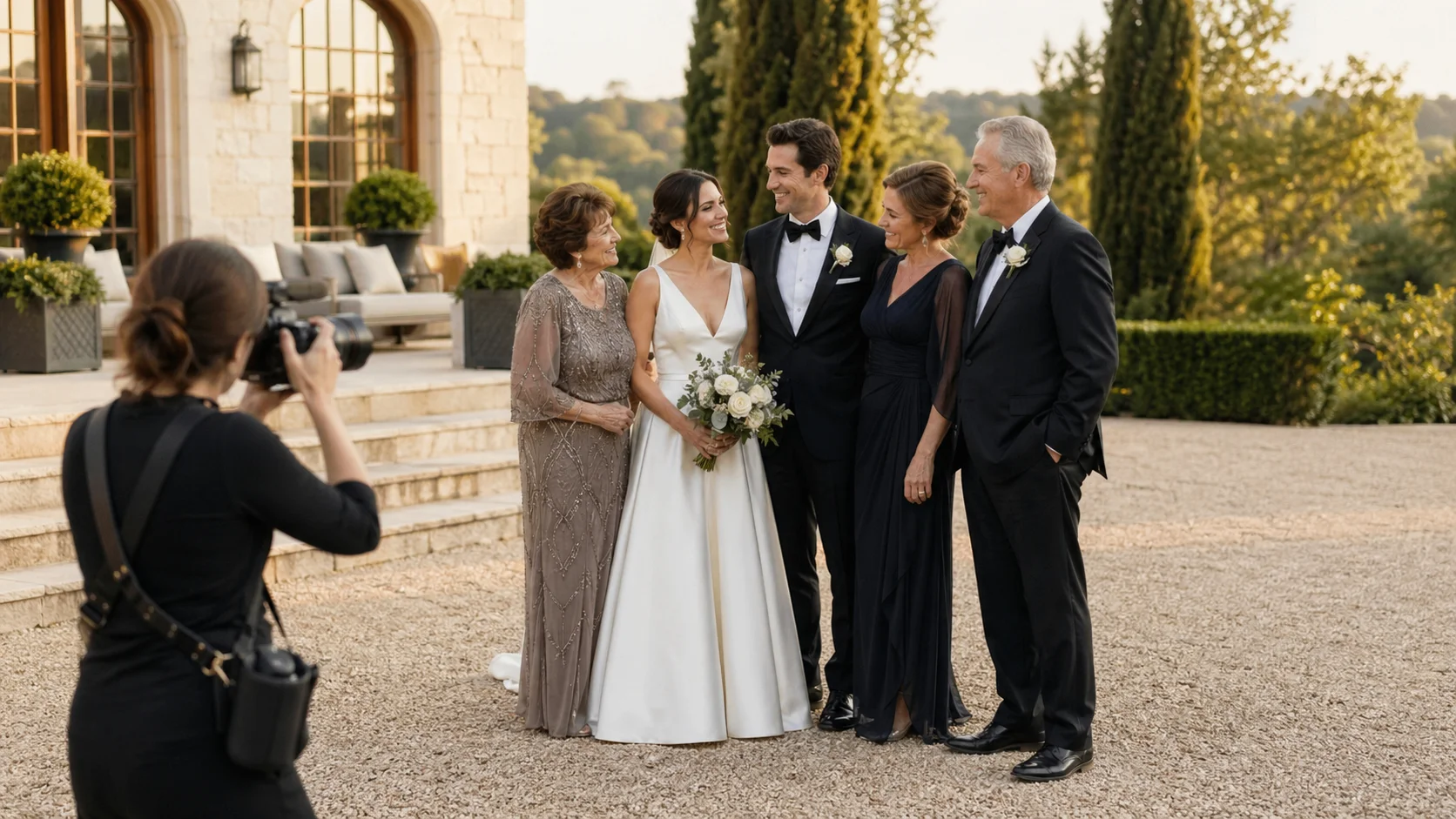
Photographer Coordination Checklist: What Helps Without Overdirecting the Day
Wedding photography needs enough coordination to protect the important images, but not so much direction that the day starts feeling staged. This article looks at shot priorities, family helpers, light windows, access, ceremony limits, and the space photographers need to notice real stories.

Prenup Conversations Before the Wedding: What Should Be Said Early, Calmly, and Clearly
Prenup conversations are rarely only about money. This article looks at timing, fairness, family history, debt, business ownership, inheritance, legal advice, and the quiet concerns couples should name before paperwork begins.
Bridal Fashion and Attire: Timeless Elegance, Modern Trends and the Art of an Unforgettable Bridal Look
Bridal fashion is rarely a single decision. It develops through fittings, conversations, and gradual adjustments until the visible result feels settled rather than assembled. This article looks at bridal fashion as a composed form of presence shaped by dress, styling, material, and the quieter language of what a bridal look communicates without needing to say it aloud.
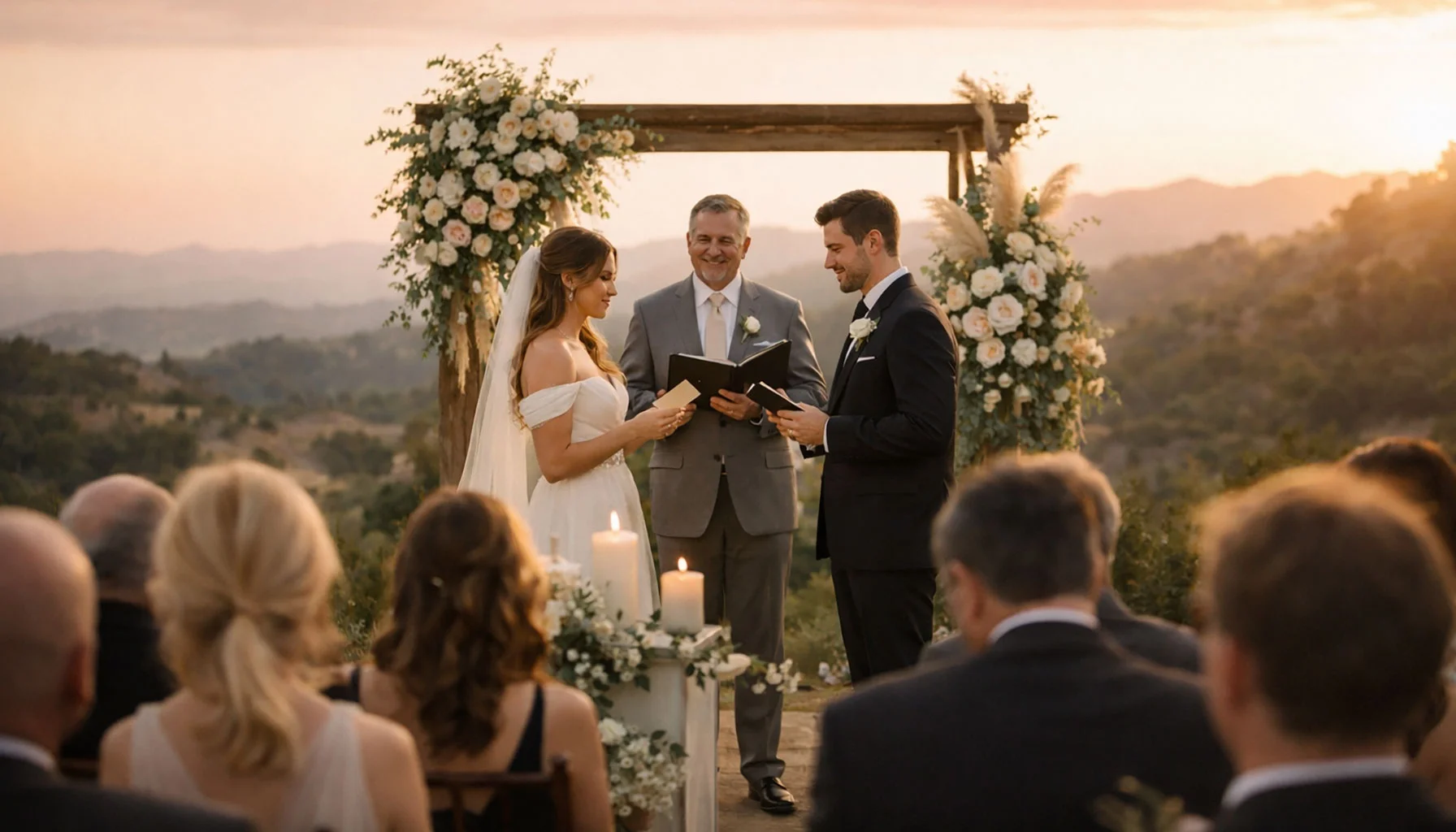
Vows and Scripts for Weddings: Meaning, Structure, Cultural Context and a Complete Ceremony Script
Vows and ceremony scripts are the spoken core of a wedding. They carry meaning for the couple, but they also give the room structure and help guests understand what is happening in real time. This article offers a practical international overview of vows and scripts while connecting them to the emotional space before and after the ritual itself.
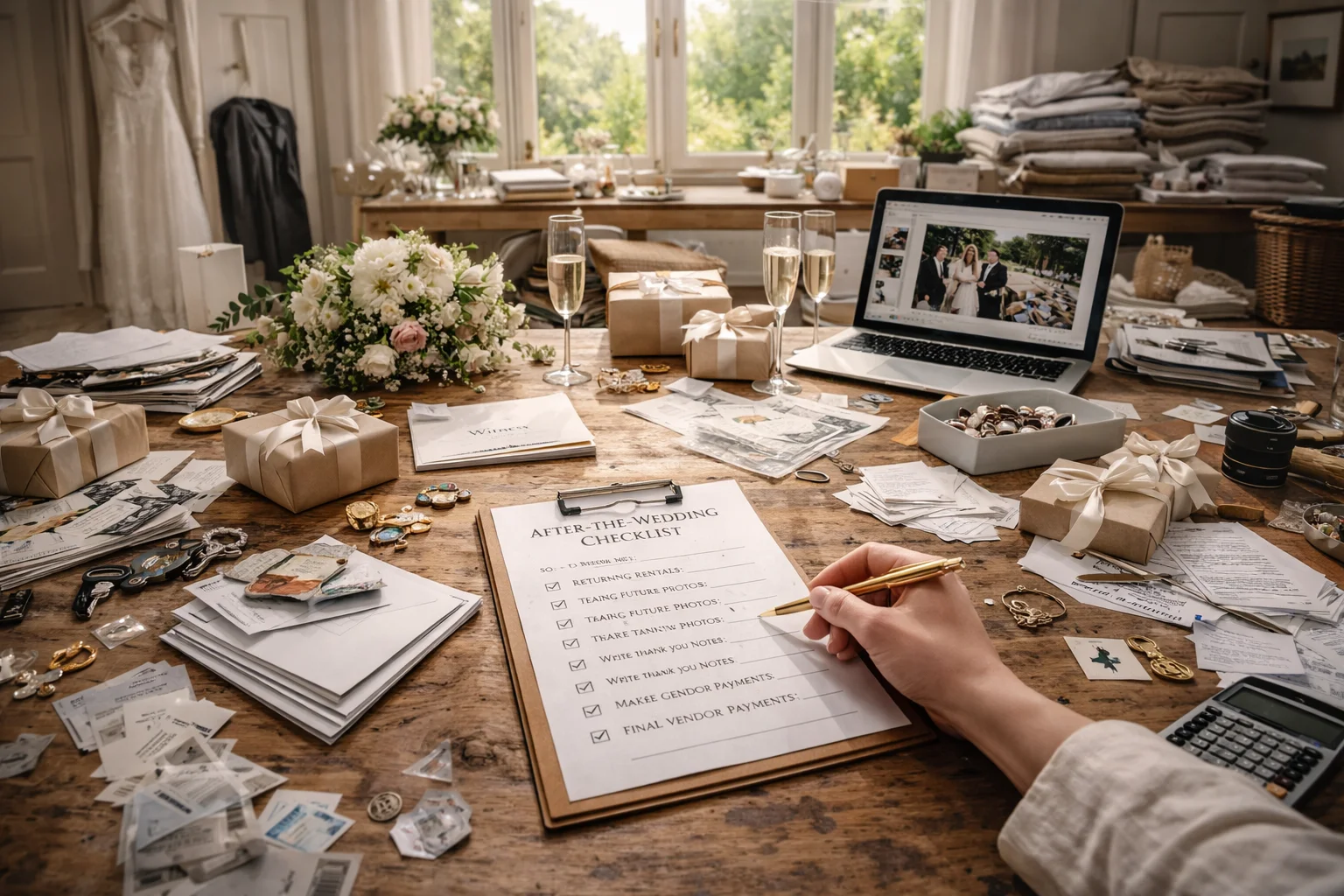
After-the-Wedding Checklist: What Still Needs to Be Returned, Paid, Thanked, or Closed
A wedding rarely ends when the last guest leaves. What follows is quieter, more practical, and often more emotionally mixed than couples expect. This article looks at what still needs to be returned, paid, thanked, or closed after the wedding, and why the days after the celebration are part of the wedding's meaning, not just its cleanup.
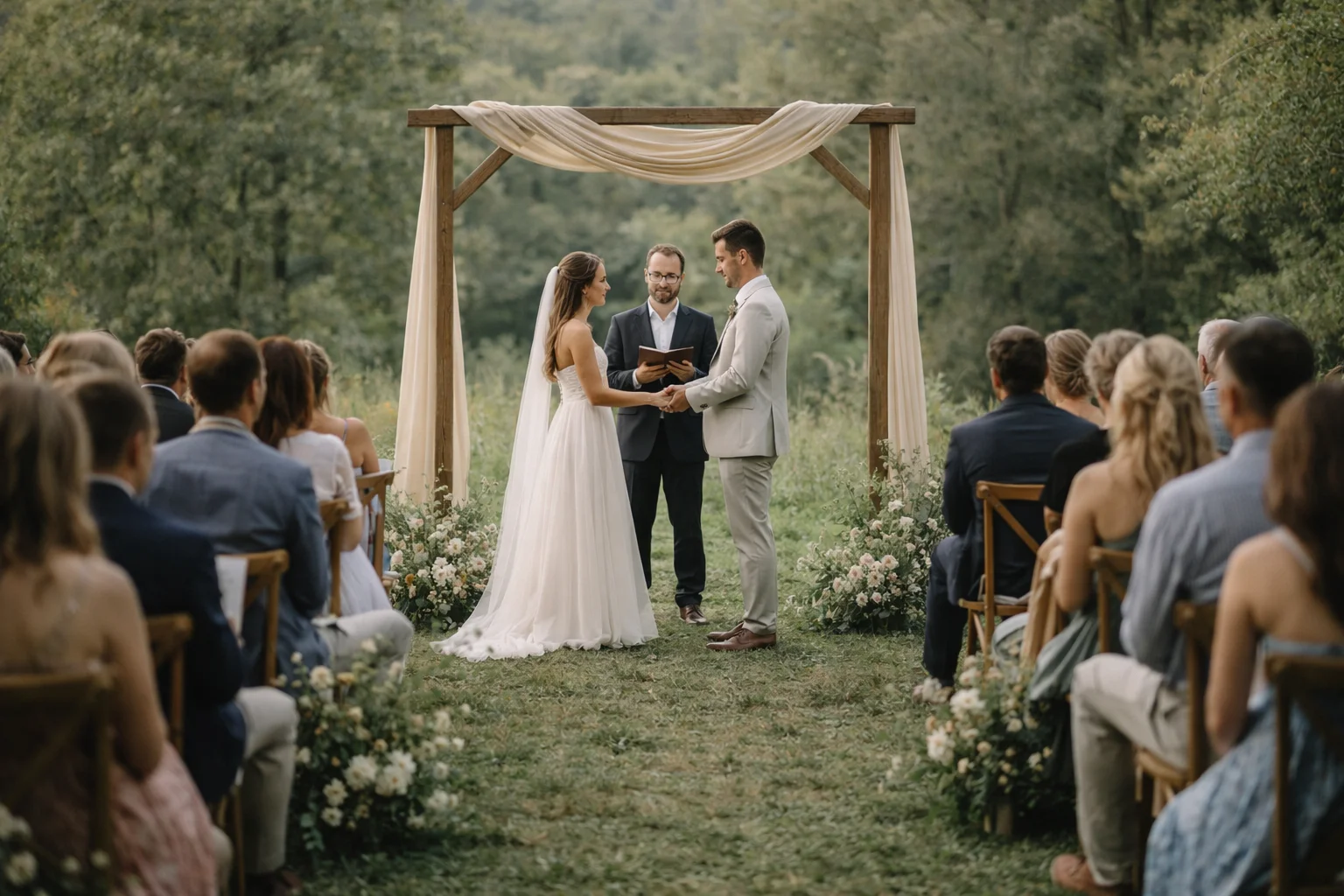
How Vows Shape the Ceremony Around Them
Wedding vows do not sit inside a ceremony like one beautiful paragraph among many. They change the weight of everything around them: readings, ritual language, rings, pauses, silence, and the release into celebration. This article looks at where vows belong in a free ceremony, how they interact with structure, and why engagement already changes the way couples relate to what will later be spoken aloud.

Ceremony Transition Checklist: What Should Be Ready Before Attention Has to Gather
Ceremony transitions often seem brief on paper, but they carry the difficult shift from movement into shared attention. This article looks at what needs to be ready before that moment arrives, from seating and sound to cues, stillness, and the quieter emotional readiness of the room.