
How Long Wedding Vows Should Really Be and What to Leave Out
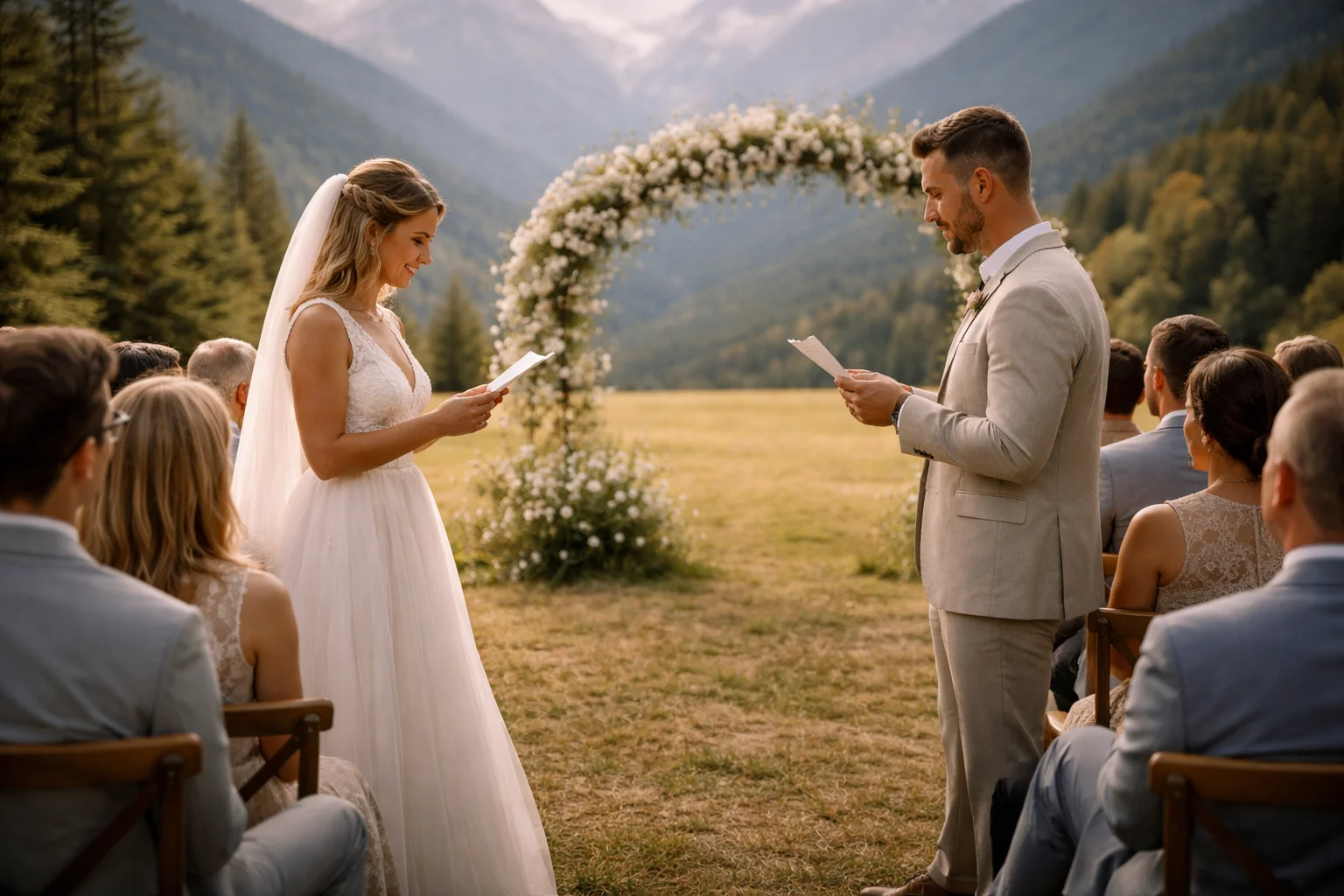
Wedding vows often become too long for understandable reasons. People are not only trying to say something beautiful. They are trying to carry history, gratitude, private language, promises, memory, and the emotional pressure of the day in one short space. That is why vows so easily expand beyond their real strength. The problem is rarely sincerity. The problem is load. Too much meaning is being pushed into one spoken form.
This is also why vows connect so naturally to life between yes and wedding. The engagement period is full of accumulation. More conversations, more plans, more imagined futures, more language gathering around the relationship. By the time the ceremony arrives, couples often want the vows to hold all of that. But vows do not need to contain the whole engagement in order to honor it. They need to sound true in the moment they are spoken. That difference changes everything.
Vows & ScriptsIn the quiet moments of a ceremony, words become promises of the heart. Carefully chosen vows and scripts allow couples to express love, gratitude, and lifelong commitment in their own voice. Whether poetic, deeply personal, or gently guided, these words transform the ceremony into an intimate exchange that stays with everyone long after the day has passed.

Between the proposal and the ceremony lies a quiet, often confusing space. Life continues, but it does so under the weight of a future that has already been named.
Definition
Wedding vows are not a summary of the entire relationship. They are a spoken form of commitment inside a ceremony. Their job is to make feeling audible and promise believable. Good vows are shaped by proportion, clarity, and emotional precision more than by length or literary ambition.
How Long Wedding Vows Should Really Be
For most weddings, vows are stronger when they stay shorter than people expect. Long enough to sound personal, short enough to stay alive in the room. The real test is not the word count on paper, but whether the listener can still feel the vow as a vow by the final lines. Once the speech starts sounding like a letter, a toast, or a memoir, the form has usually drifted. Ceremony language needs concentration. It loses force when it keeps explaining itself.
What Belongs in Wedding Vows and What Does Not
What belongs in vows is simple to name and difficult to do: one clear sense of who the other person is to you, one honest recognition of the life you already share, and a set of promises that sound livable rather than theatrical. What usually does not belong is everything that needs too much background to work. Long private stories, repeated jokes, excessive gratitude lists, unresolved conflict, or language aimed more at the guests than at the partner often weaken the center of the vow. If a line needs explanation to land, it usually belongs somewhere else.
How to Cut Wedding Vows Without Losing Meaning
The best way to shorten vows is not to cut emotion, but to cut duplication. Most drafts repeat the same truth three or four times in slightly different forms. Find the line that carries it most cleanly and let the others go. The same applies to examples. One precise image usually does more than five general ones. Cutting works when each remaining sentence still turns the vow forward. If a sentence decorates what has already been said instead of deepening it, it can usually disappear without real loss.
Why Shorter Vows Often Feel More Personal
People often assume longer means more intimate because more material has been included. In ceremonies, the opposite is often true. A shorter vow can feel more personal because it has been shaped enough to survive being spoken aloud. It leaves room for breath, voice, silence, and the visible reality of the couple standing there. The room does not need every memory. It needs the strongest form of the promise.
The Draft Should Hold More Than the Final Version
A useful way to think about vows is that the draft can contain the whole emotional field, but the spoken version should not. Write expansively at first if needed. Let the engagement period, the uncertainty, the tenderness, the future, and the everyday all appear. Then shape it down until only the most necessary lines remain. The process of cutting is not betrayal. It is what turns private feeling into ceremonial language.
Conclusion
Wedding vows are strongest when they do less and mean more. They do not need to hold every detail of the relationship or every feeling that gathered between yes and wedding. They need to sound like a real promise made by one person to another in a room where the future is being spoken into form. Length matters only because form matters. And form matters because that is what lets meaning stay alive.
Related Articles
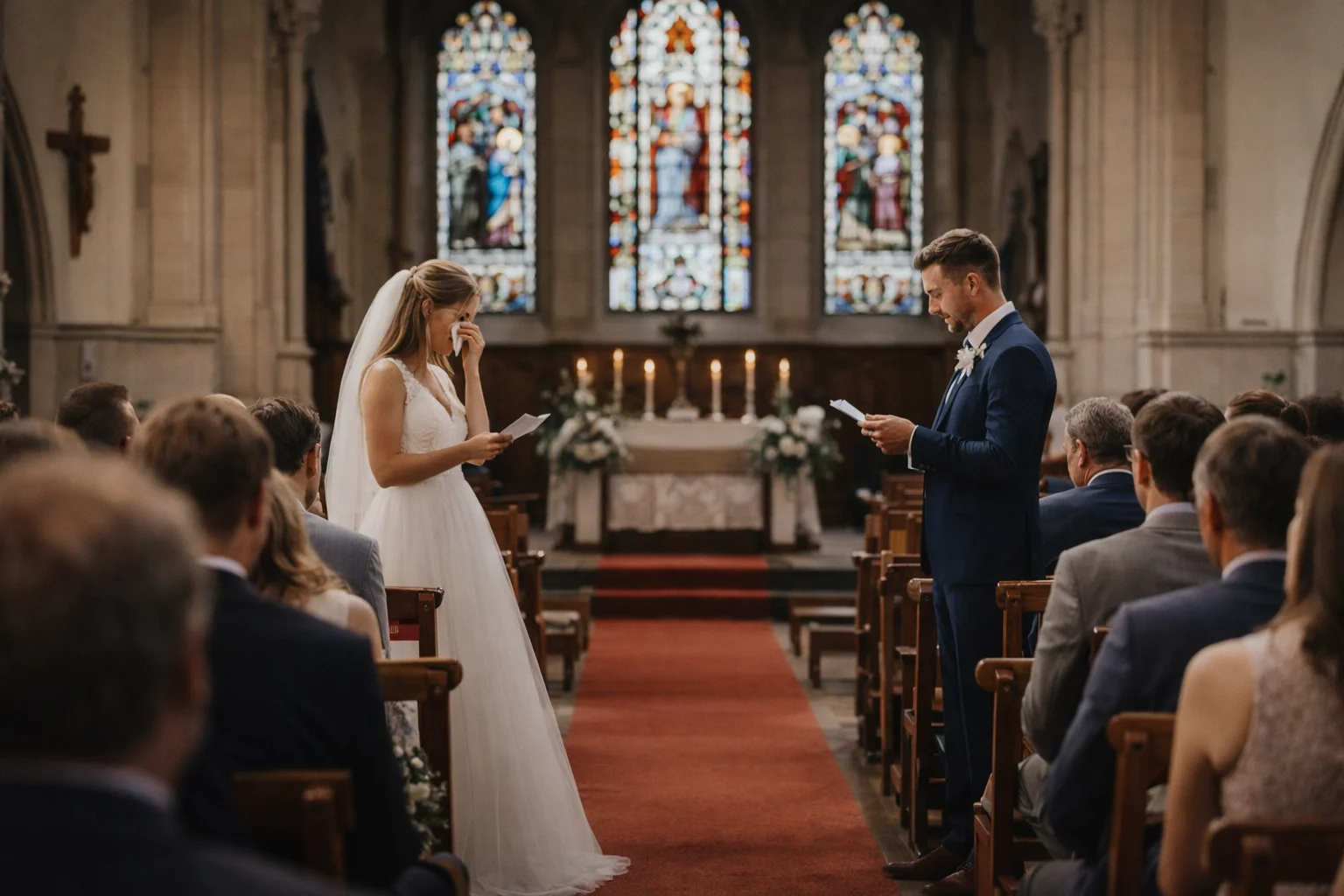
What Wedding Guests Actually Hear When Vows Are Spoken
Wedding vows are rarely received exactly as they are written. Guests hear emotion, rhythm, hesitation, clarity, imbalance, and the symbolic weight of what is being said aloud. This article looks at how vows sound in the room, what happens when the voice breaks, why shorter vows often feel stronger, and how spoken vows become more than text.
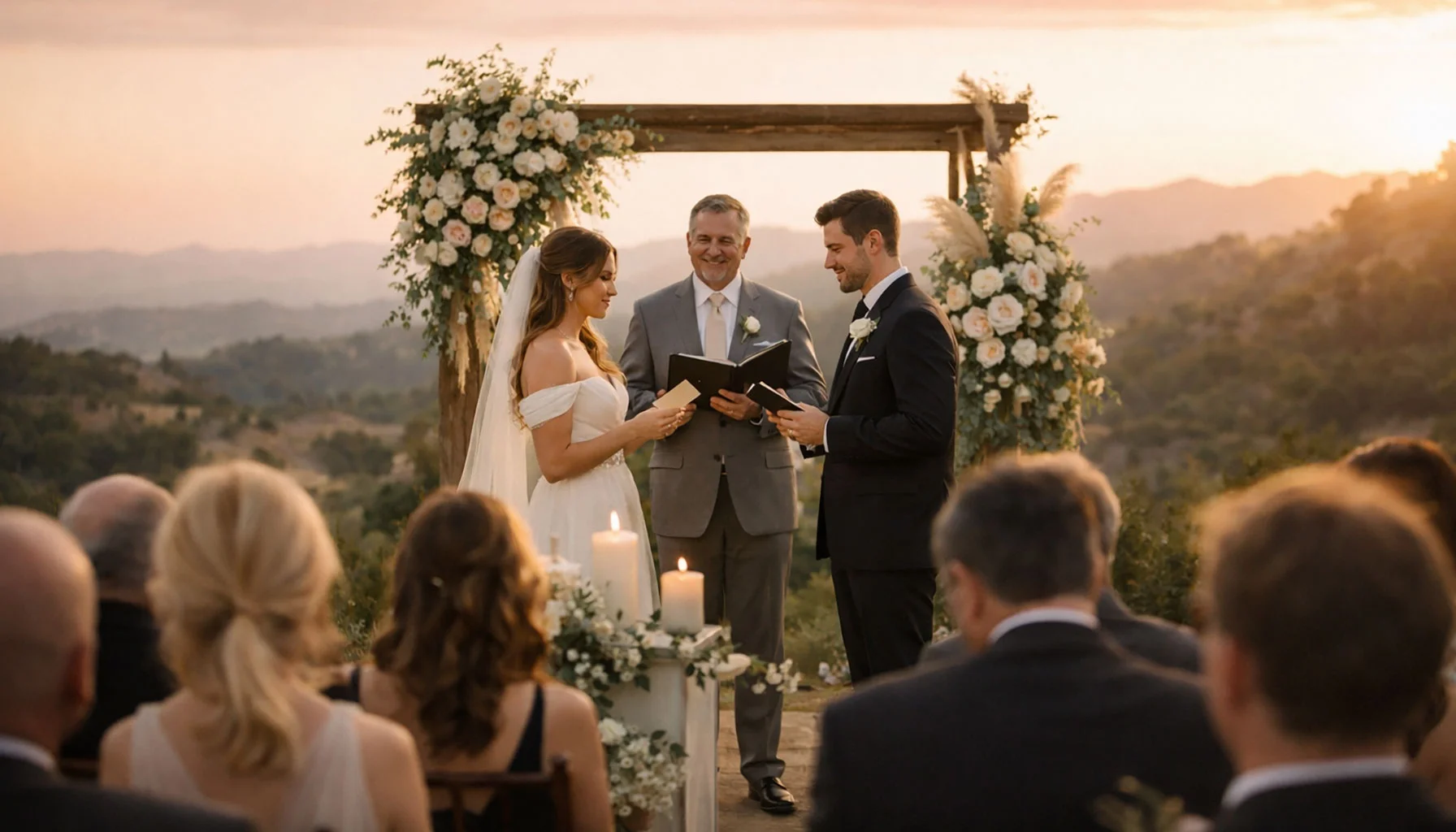
Vows and Scripts for Weddings: Meaning, Structure, Cultural Context and a Complete Ceremony Script
Vows and ceremony scripts are the spoken core of a wedding. They carry meaning for the couple, but they also give the room structure and help guests understand what is happening in real time. This article offers a practical international overview of vows and scripts while connecting them to the emotional space before and after the ritual itself.
Wedding Vows Checklist: How Engagement Shapes the Words You Will Say
Engagement changes how couples speak long before the wedding ceremony begins. This checklist helps shape wedding vows from the emotional shift of being engaged, so the words spoken later feel grounded, personal, and true to the promise already taking form.
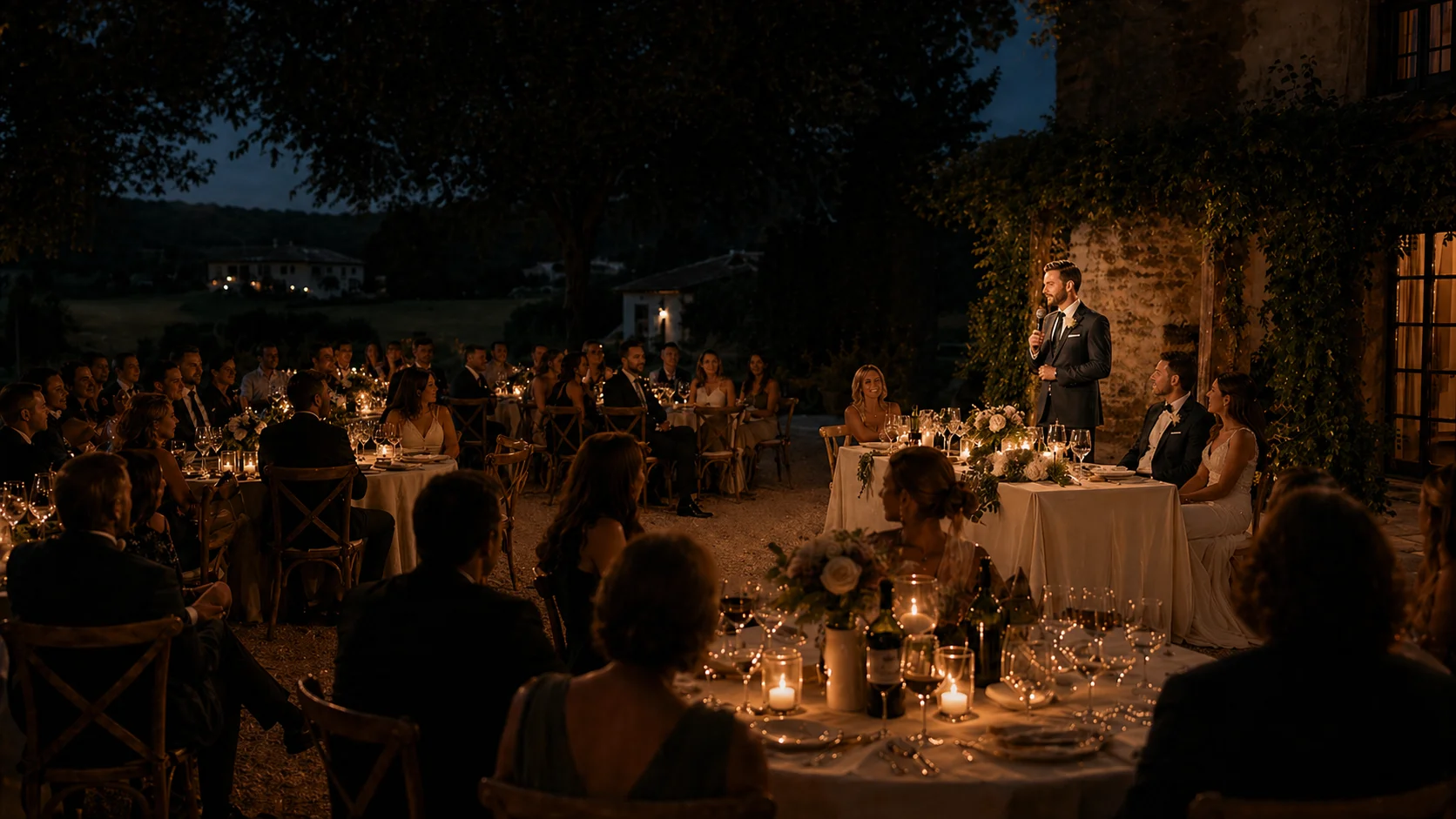
Speech Moment Checklist: What Makes a Toast Feel Held, Not Exposed
A wedding toast depends on more than good writing. It lands differently depending on attention, sound, timing, room tone, and the unspoken signals that tell a speaker whether the moment is carrying them or leaving them alone.
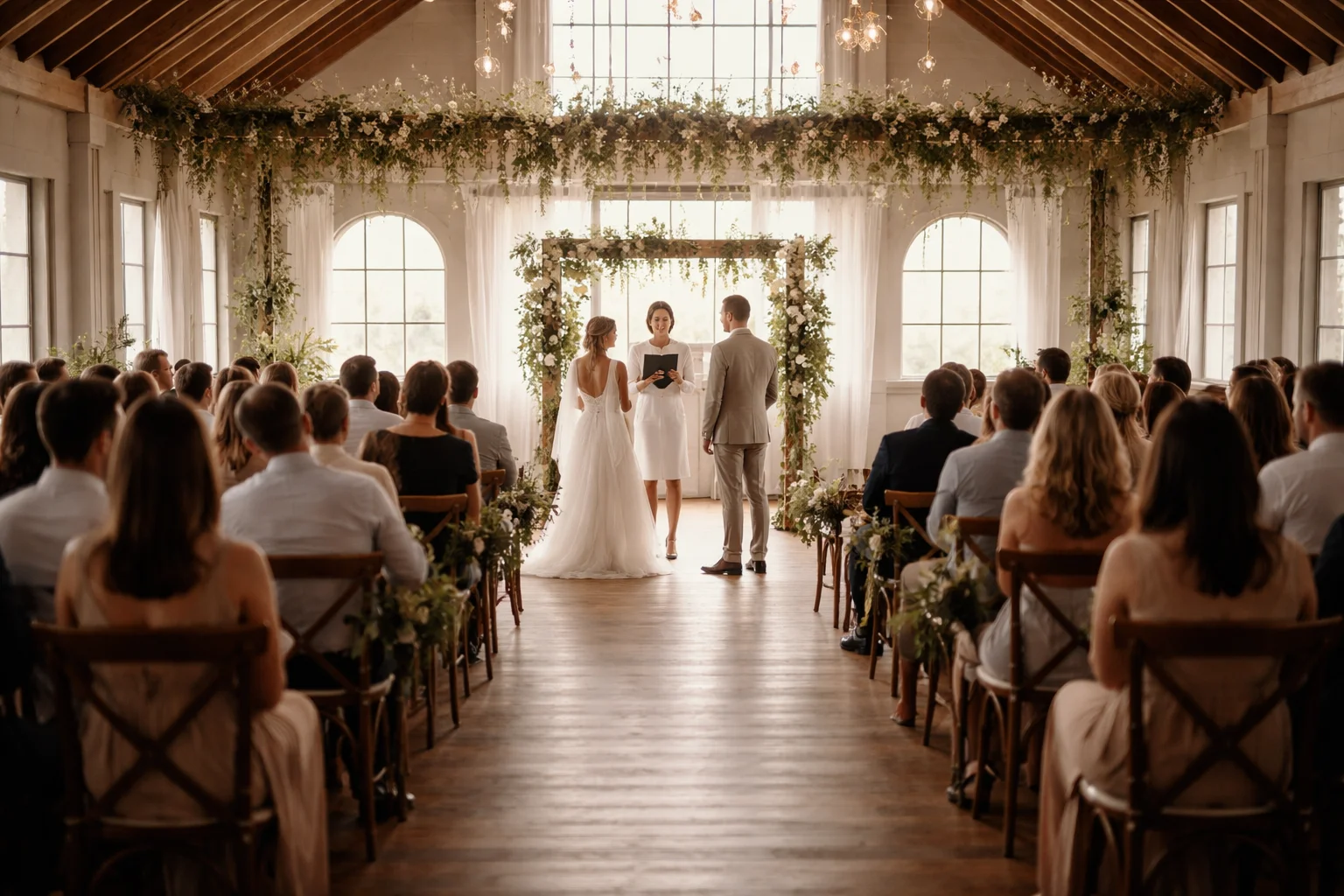
When One Person Moves Slightly Off Script
Free ceremonies are usually built with a loose structure. There is a plan somewhere, often shared in advance, but the actual delivery moves a bit. People speak, pause, adjust. It does not stay identical to what was written. That is expected, even if no one says it out loud.
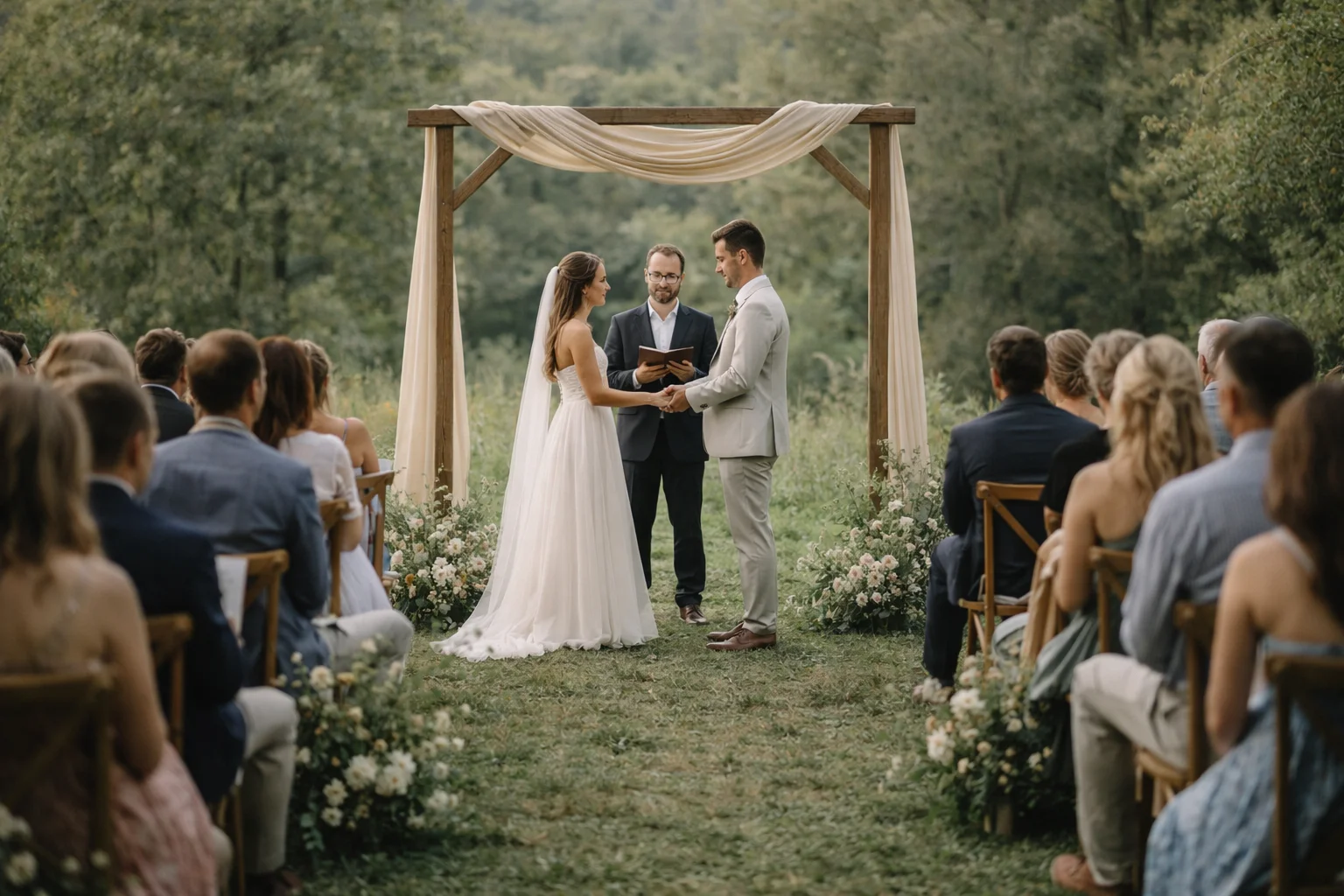
How Vows Shape the Ceremony Around Them
Wedding vows do not sit inside a ceremony like one beautiful paragraph among many. They change the weight of everything around them: readings, ritual language, rings, pauses, silence, and the release into celebration. This article looks at where vows belong in a free ceremony, how they interact with structure, and why engagement already changes the way couples relate to what will later be spoken aloud.