
What Wedding Guests Actually Hear When Vows Are Spoken
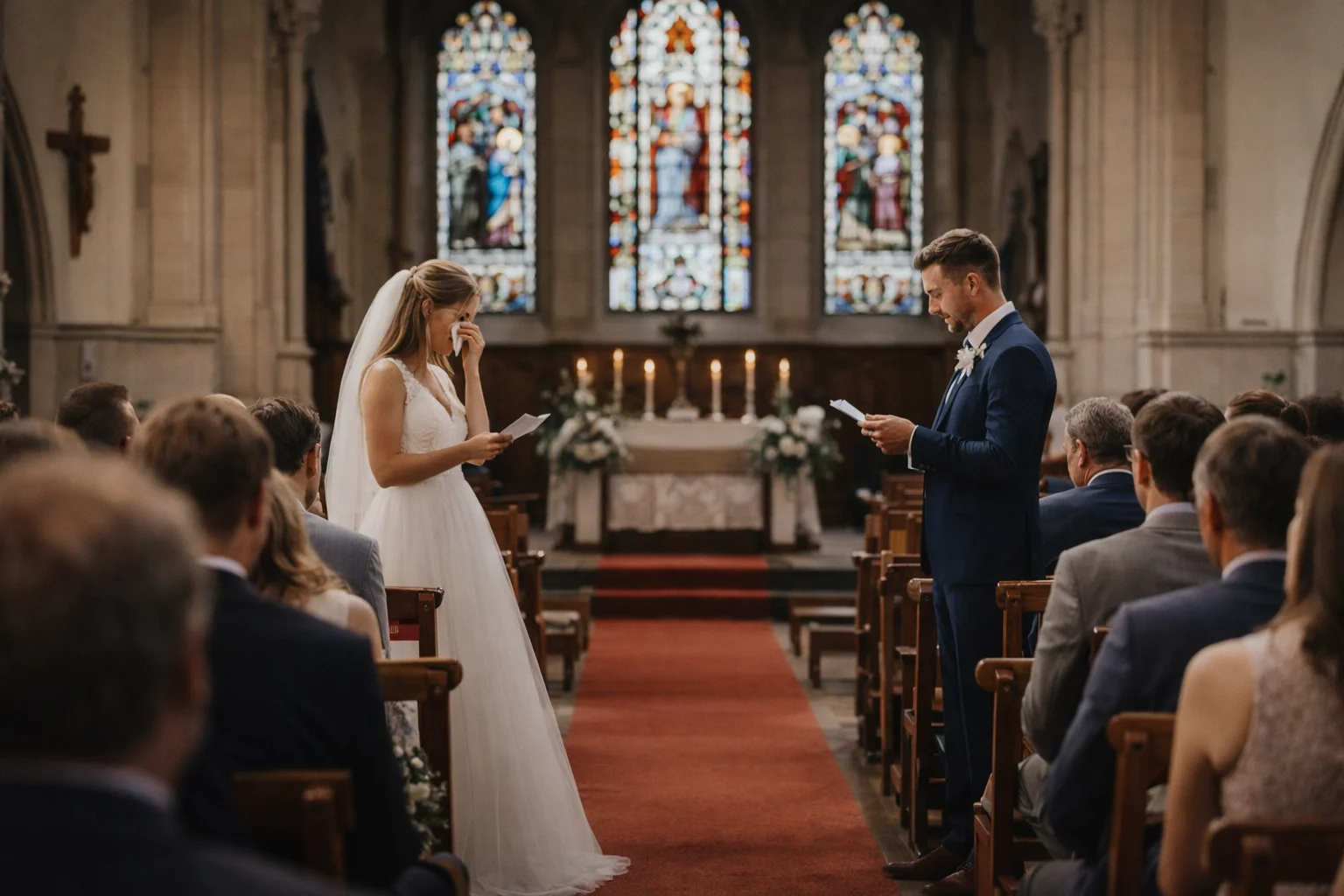
Wedding vows change the moment they leave the page. What sounded private, balanced, and precise in rehearsal often becomes something else in the room. Guests do not hear only words. They hear breath, pace, nerves, certainty, softness, repetition, and the visible effort of speaking promise aloud. That is why vows should never be judged only as writing. In weddings, they become performance in the deepest sense of the word, not theatrical performance, but the act of making commitment public through voice.
This is also where spoken vows connect naturally to wedding symbolism and meaning. Vows are not important only because of what they say. They matter because they are one of the few moments in a ceremony when meaning is carried at once by language, witness, repetition, gesture, and sound. A ring can be seen. A vow has to be heard, and hearing changes everything. The room does not remember every sentence. It remembers what the promise felt like when it passed through a living voice.
Vows Wedding Symbolism and MeaningDefinition
Spoken wedding vows are not only written promises read aloud. They are ceremonial speech acts that change in meaning through voice, pacing, witness, and the symbolic pressure of the room. Their impact depends as much on delivery and proportion as on wording itself.
What Guests Actually Hear During the Vows
Guests rarely process every line with literary attention. What they hear first is emotional shape. They notice whether the speaker sounds grounded or rushed, whether the vow moves with confidence or keeps explaining itself, whether the words seem addressed to the partner or widened toward the audience. In practice, guests absorb far more tone than detail. This is why vows that are simple, clear, and genuinely spoken often land more deeply than beautiful vows that sound overworked.
When the Voice Breaks, the Pause Often Helps More Than the Word
Crying, losing your place, repeating a line, or needing a breath usually feels worse from inside the vow than it looks from outside it. In the room, these moments often increase credibility rather than weaken it, provided they are not fought too hard. A small pause, one glance down, one breath taken without apology usually holds the atmosphere better than pushing through too fast. Guests do not hear imperfection as failure unless the speaker starts treating it that way.
How to Read Vows Without Sounding Read
The goal is not to memorize every word, but to let the page remain support rather than barrier. Reading sounds distant when the eyes never lift, the syntax is too dense for speech, or every sentence is given the same weight. Spoken vows work better when the lines are broken for breath, when each sentence can survive being heard once, and when the speaker already knows the emotional direction of the text before starting. Guests forgive reading immediately. What they do not forgive as easily is disconnection.
Why Shorter Vows Often Feel Stronger
Shorter vows often carry more force because ceremony compresses attention. A room can hold only so much promise before language begins to flatten its own effect. The strongest spoken vows usually move in one clear direction and stop before meaning disperses. In symbolic terms, repetition and concentration are what make a vow feel durable. Too much material can dilute the very promise the speaker is trying to honor.
When One Person Sounds More Personal Than the Other
This imbalance is more common than couples expect and does not always mean the deeper relationship is unbalanced. People write, speak, and reveal themselves differently. Still, the room notices contrast very quickly. One vow may sound intimate and alive while the other sounds careful, formal, or shorter by nature. The best protection is not forced sameness, but shared agreement on tone, approximate length, and the level of personal specificity beforehand. Equality in vows is felt more through proportion than through identical style.
Conclusion
Wedding vows matter because they are spoken under witness, not because they are flawless on paper. Guests hear what the voice does with the promise, how the room receives it, and whether the words become symbolic enough to outlast the minute in which they are said. That is why delivery is never secondary to meaning. In ceremonies, it is one of the ways meaning becomes real.
Related Articles
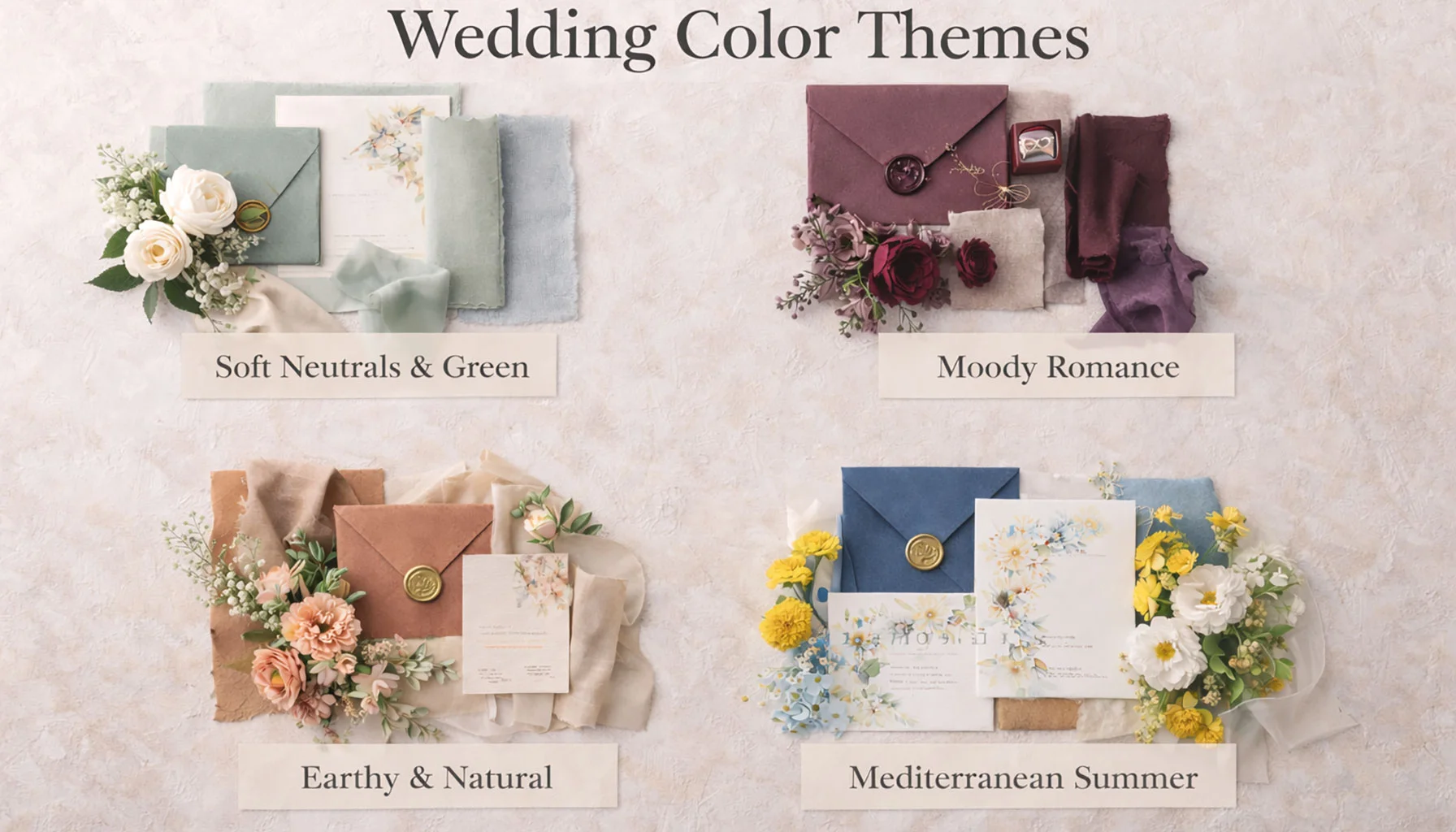
Color Palettes That Hold the Day Together
Color at a wedding is often felt before it is noticed. It settles rooms, links moments, and makes different elements seem as though they belong to one another without needing explanation. This article looks at wedding color not as decoration alone, but as a quiet symbolic structure that helps the day feel coherent.
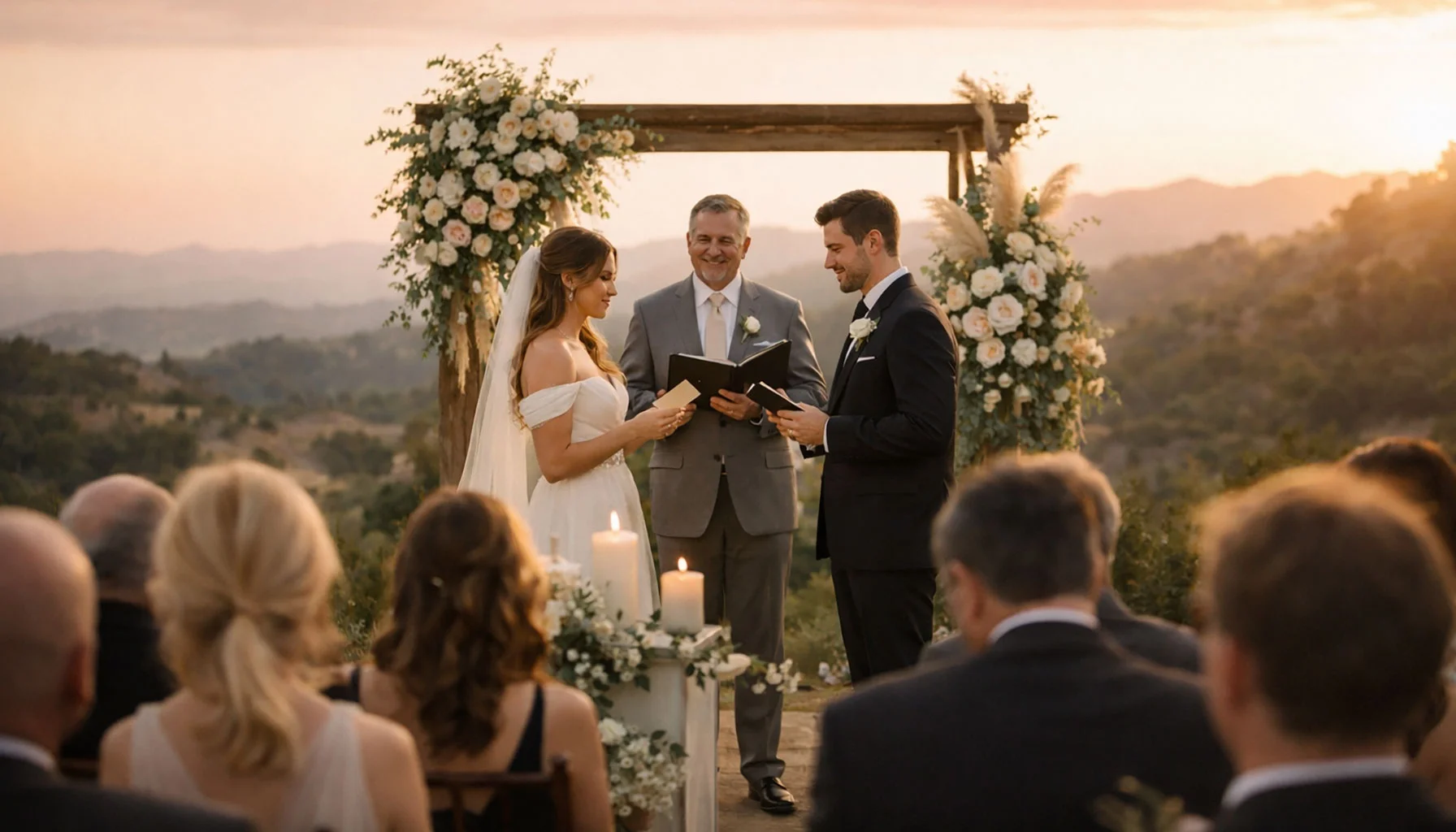
Vows and Scripts for Weddings: Meaning, Structure, Cultural Context and a Complete Ceremony Script
Vows and ceremony scripts are the spoken core of a wedding. They carry meaning for the couple, but they also give the room structure and help guests understand what is happening in real time. This article offers a practical international overview of vows and scripts while connecting them to the emotional space before and after the ritual itself.
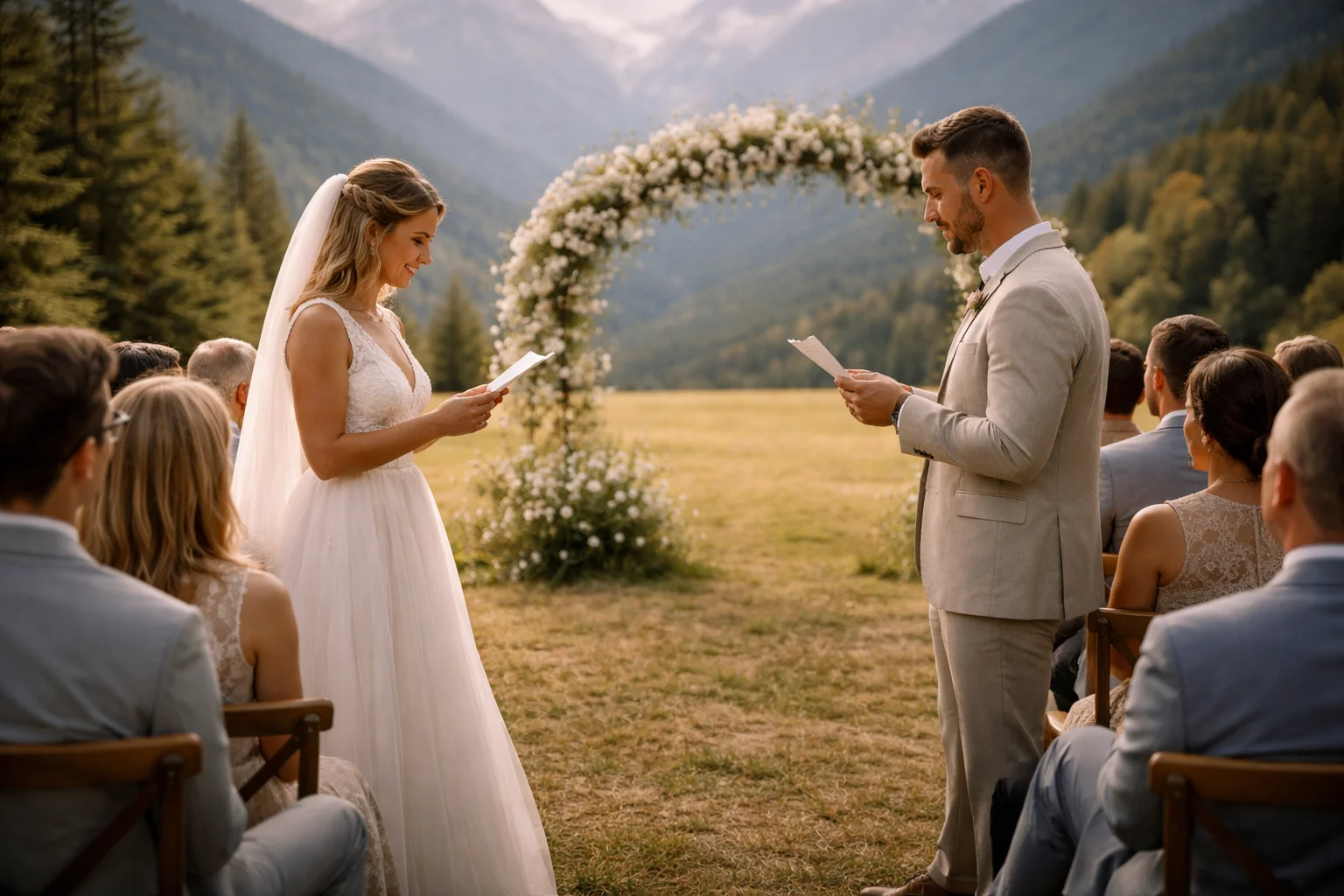
How Long Wedding Vows Should Really Be and What to Leave Out
Most wedding vows become weak for the same reason they become long: they try to carry everything at once. This article looks at how long vows should really be, what belongs inside them, what does not, and how to cut them without losing the feeling that made them matter in the first place.
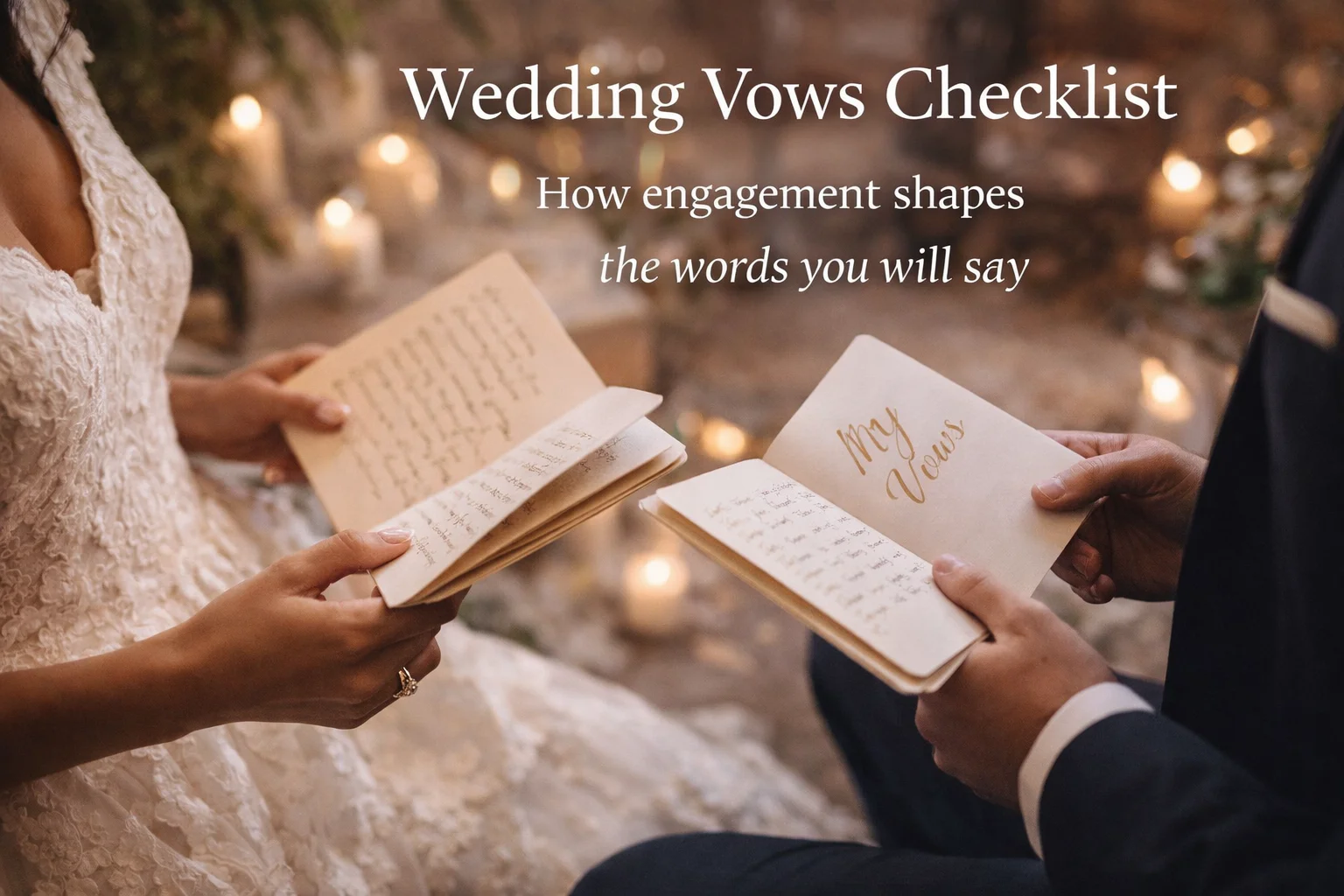
Wedding Vows Checklist: How Engagement Shapes the Words You Will Say
Engagement changes how couples speak long before the wedding ceremony begins. This checklist helps shape wedding vows from the emotional shift of being engaged, so the words spoken later feel grounded, personal, and true to the promise already taking form.
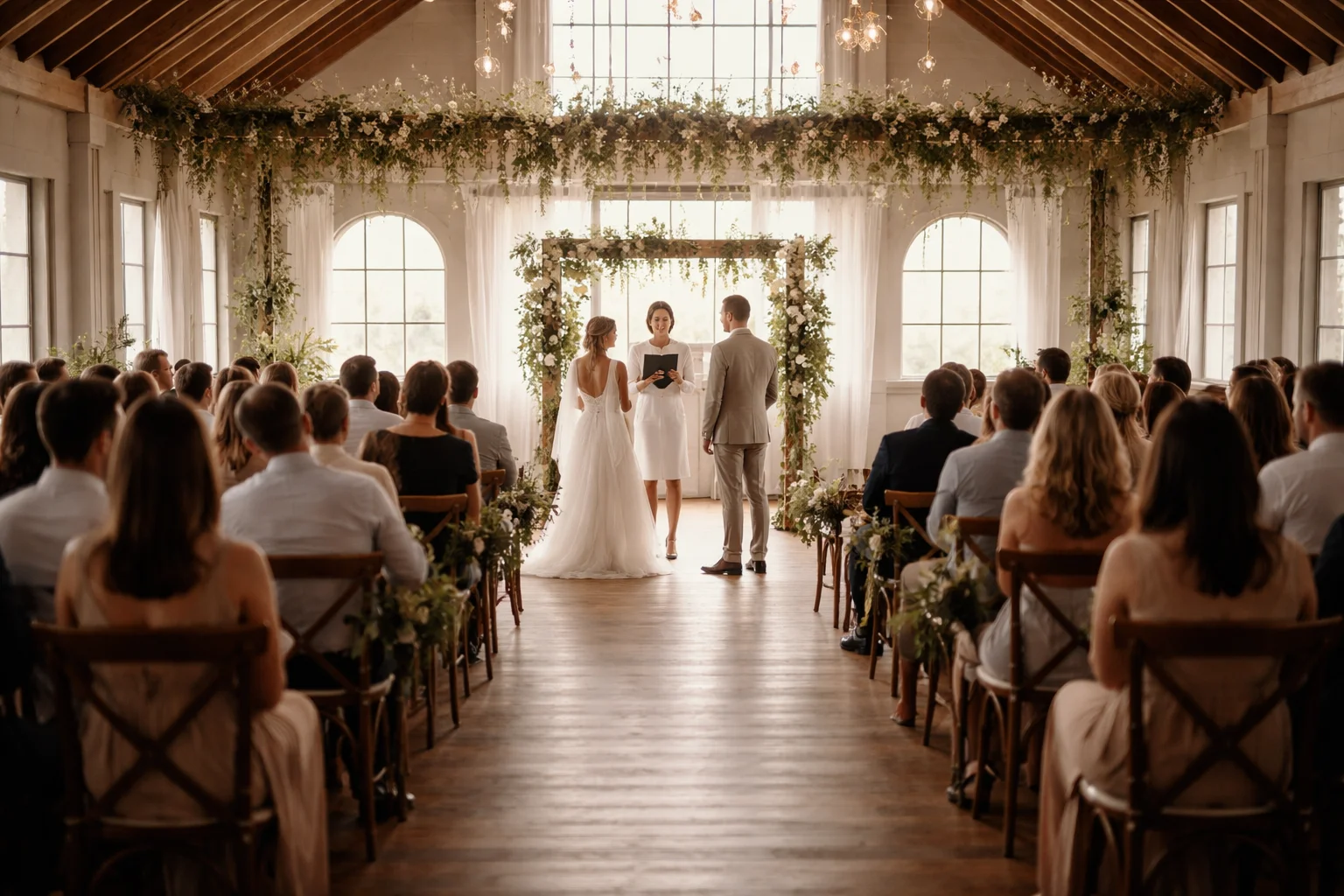
When One Person Moves Slightly Off Script
Free ceremonies are usually built with a loose structure. There is a plan somewhere, often shared in advance, but the actual delivery moves a bit. People speak, pause, adjust. It does not stay identical to what was written. That is expected, even if no one says it out loud.
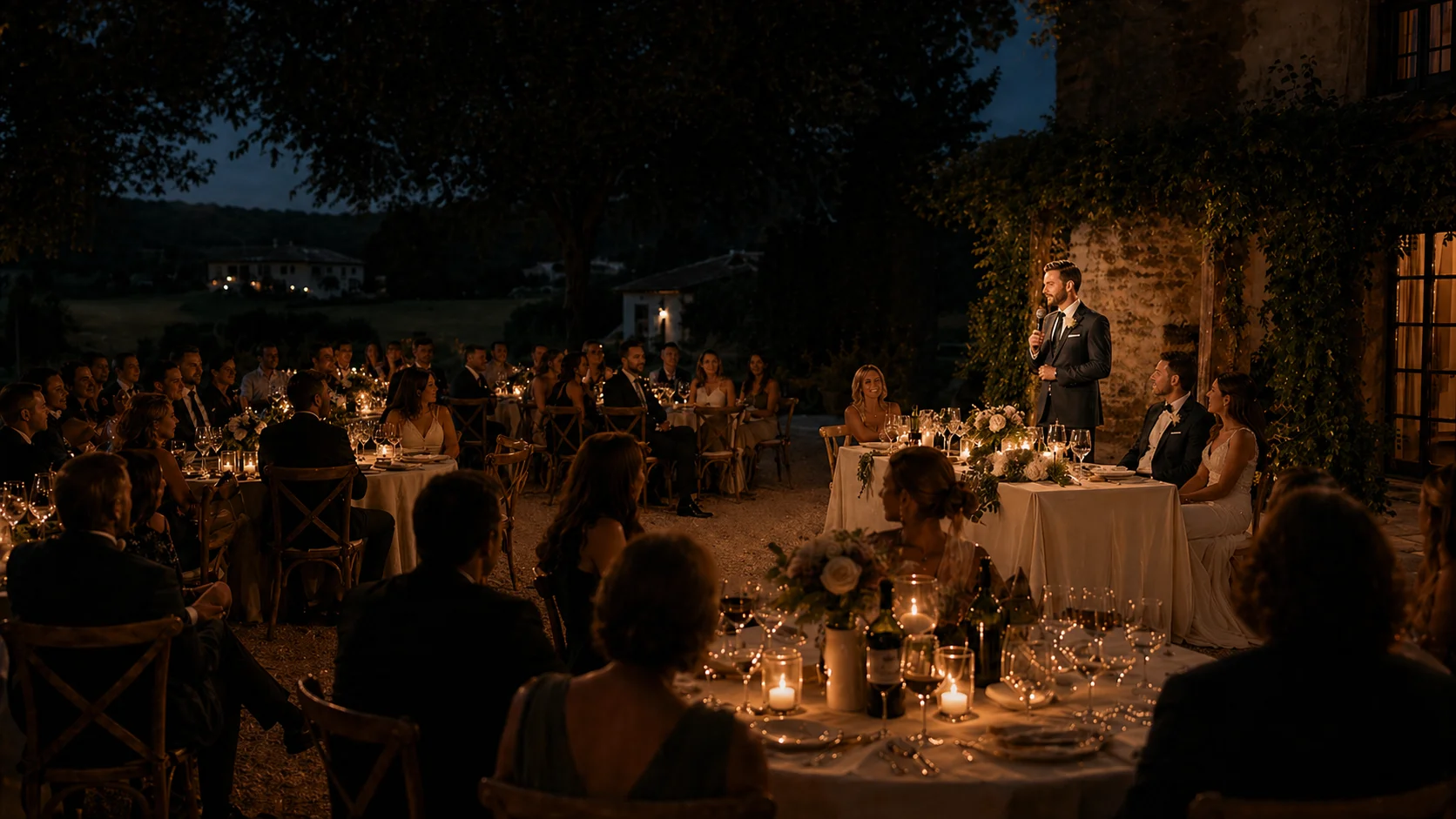
Speech Moment Checklist: What Makes a Toast Feel Held, Not Exposed
A wedding toast depends on more than good writing. It lands differently depending on attention, sound, timing, room tone, and the unspoken signals that tell a speaker whether the moment is carrying them or leaving them alone.
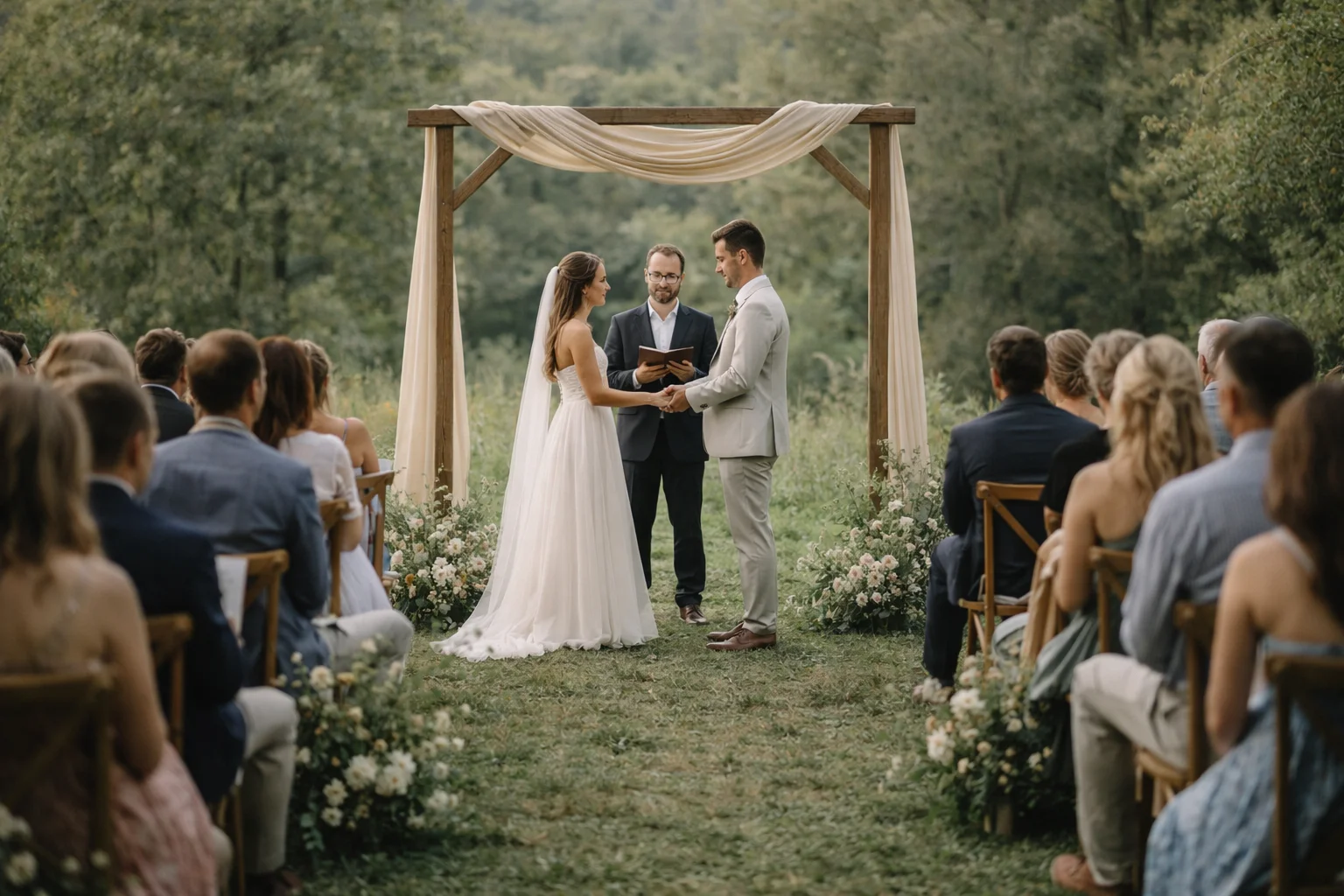
How Vows Shape the Ceremony Around Them
Wedding vows do not sit inside a ceremony like one beautiful paragraph among many. They change the weight of everything around them: readings, ritual language, rings, pauses, silence, and the release into celebration. This article looks at where vows belong in a free ceremony, how they interact with structure, and why engagement already changes the way couples relate to what will later be spoken aloud.