
When One Person Moves Slightly Off Script
When One Person Goes Off Script
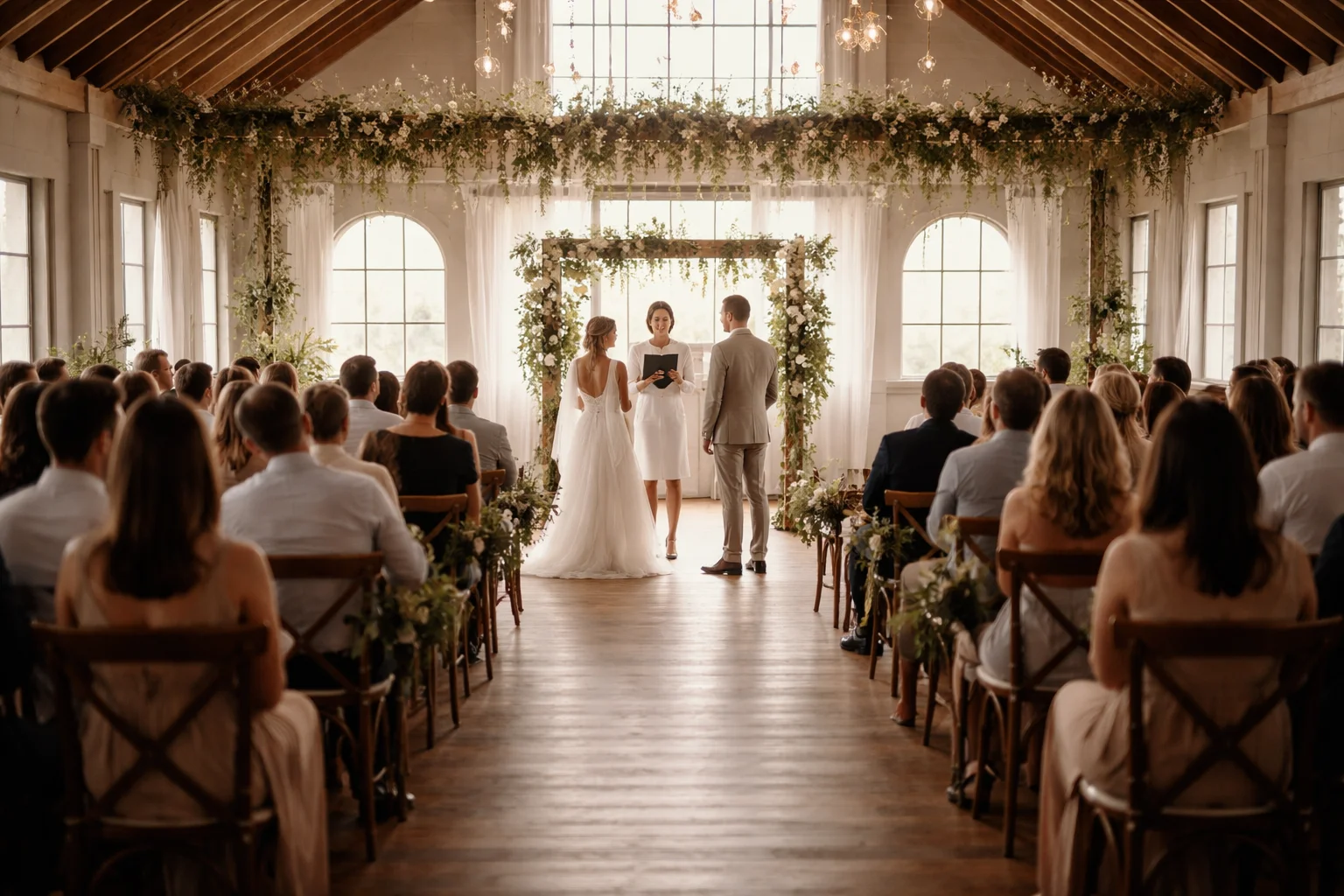
Sometimes one person shifts more than the others. Not in a dramatic way. Just a sentence added, or something held longer than expected. It is small, but it changes how the moment unfolds. The room reacts, quietly, not all at once.
Definition
Going off script means moving away from the agreed sequence or wording during a ceremony. This can be an extra remark, a skipped part, a longer pause, or a spontaneous reaction. It is not a mistake in itself. More a live adjustment that shifts timing and focus.
A Line That Was Not There Before
Someone adds a sentence that was not prepared. It can sound natural, almost like it belonged there. Still, it slows things slightly. The next person waits a fraction longer. A few guests look up again, as if checking where this is going. The flow stretches, just a bit, then continues.
Pauses That Do Not Resolve Quickly
A pause stays longer than expected. Not empty, more uncertain. Breathing becomes noticeable. Some people hold still, others shift weight or adjust how they sit. No one interrupts. The pause becomes part of the ceremony, even if it was not planned like that.
Tone Slipping Out of Alignment
The tone moves slightly. A formal section becomes softer, or a relaxed moment turns more structured again. It does not break anything. It just takes a second for everyone to follow. Attention does not disappear. It spreads out, then gathers again, slowly.
Transitions That Feel Less Marked
When timing shifts, transitions lose some clarity. One part ends without a clear edge, the next begins almost in overlap. The officiant may shorten something, or skip a connecting line. It still holds together. Just less defined, more blurred at the borders.
Attention Moving in Small Waves
Attention does not stay fixed during these moments. Some guests follow closely. Others take a breath, look around, then come back. It is not distraction. More like a temporary redistribution. After a while, focus settles again without being directed.
Settling Back Without Signal
There is no clear point where things return to the original path. It happens gradually. The next planned element starts, spoken in a steady way. People adjust again. The earlier shift remains for a moment, then fades into the overall sequence.
Conclusion
Small deviations are normal in free ceremonies. They affect pacing and attention, but do not interrupt the structure as a whole. The ceremony absorbs them. What remains is a continuous flow, slightly uneven, but intact and shared by everyone present.
Related Articles
How Long Wedding Vows Should Really Be and What to Leave Out
Most wedding vows become weak for the same reason they become long: they try to carry everything at once. This article looks at how long vows should really be, what belongs inside them, what does not, and how to cut them without losing the feeling that made them matter in the first place.
How Vows Shape the Ceremony Around Them
Wedding vows do not sit inside a ceremony like one beautiful paragraph among many. They change the weight of everything around them: readings, ritual language, rings, pauses, silence, and the release into celebration. This article looks at where vows belong in a free ceremony, how they interact with structure, and why engagement already changes the way couples relate to what will later be spoken aloud.
Speech Moment Checklist: What Makes a Toast Feel Held, Not Exposed
A wedding toast depends on more than good writing. It lands differently depending on attention, sound, timing, room tone, and the unspoken signals that tell a speaker whether the moment is carrying them or leaving them alone.
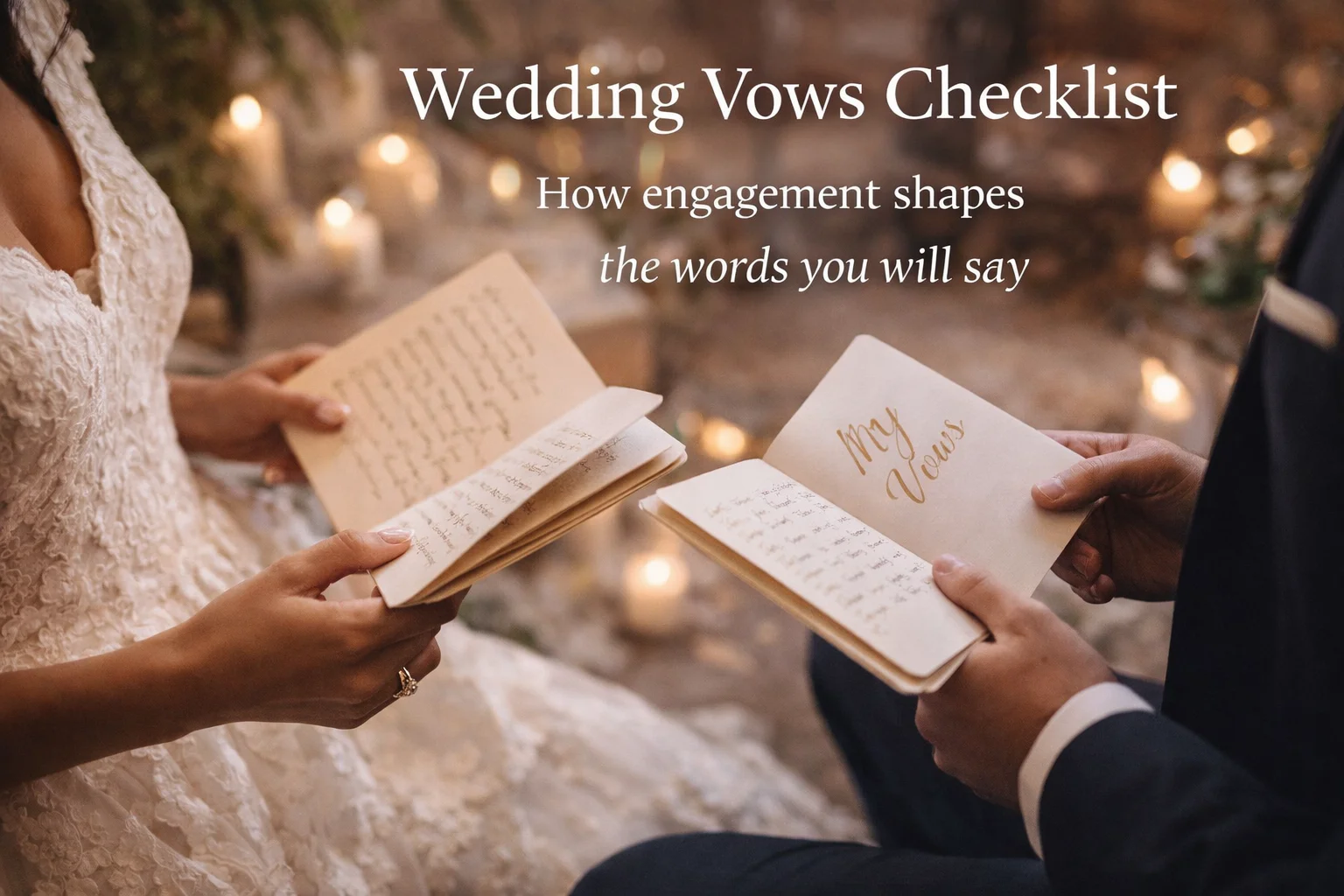
Wedding Vows Checklist: How Engagement Shapes the Words You Will Say
Engagement changes how couples speak long before the wedding ceremony begins. This checklist helps shape wedding vows from the emotional shift of being engaged, so the words spoken later feel grounded, personal, and true to the promise already taking form.
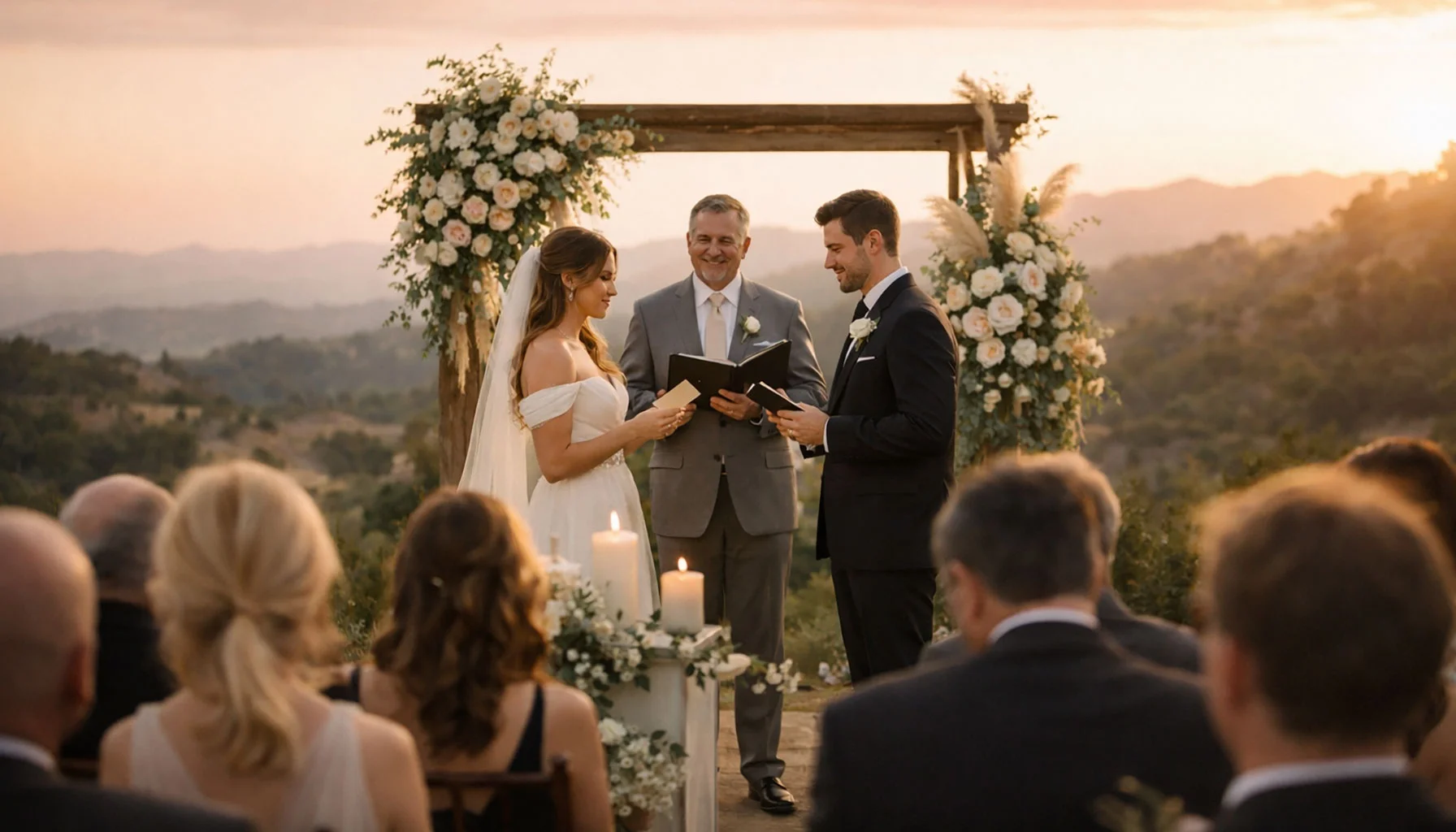
Vows and Scripts for Weddings: Meaning, Structure, Cultural Context and a Complete Ceremony Script
Vows and ceremony scripts are the spoken core of a wedding. They carry meaning for the couple, but they also give the room structure and help guests understand what is happening in real time. This article offers a practical international overview of vows and scripts while connecting them to the emotional space before and after the ritual itself.
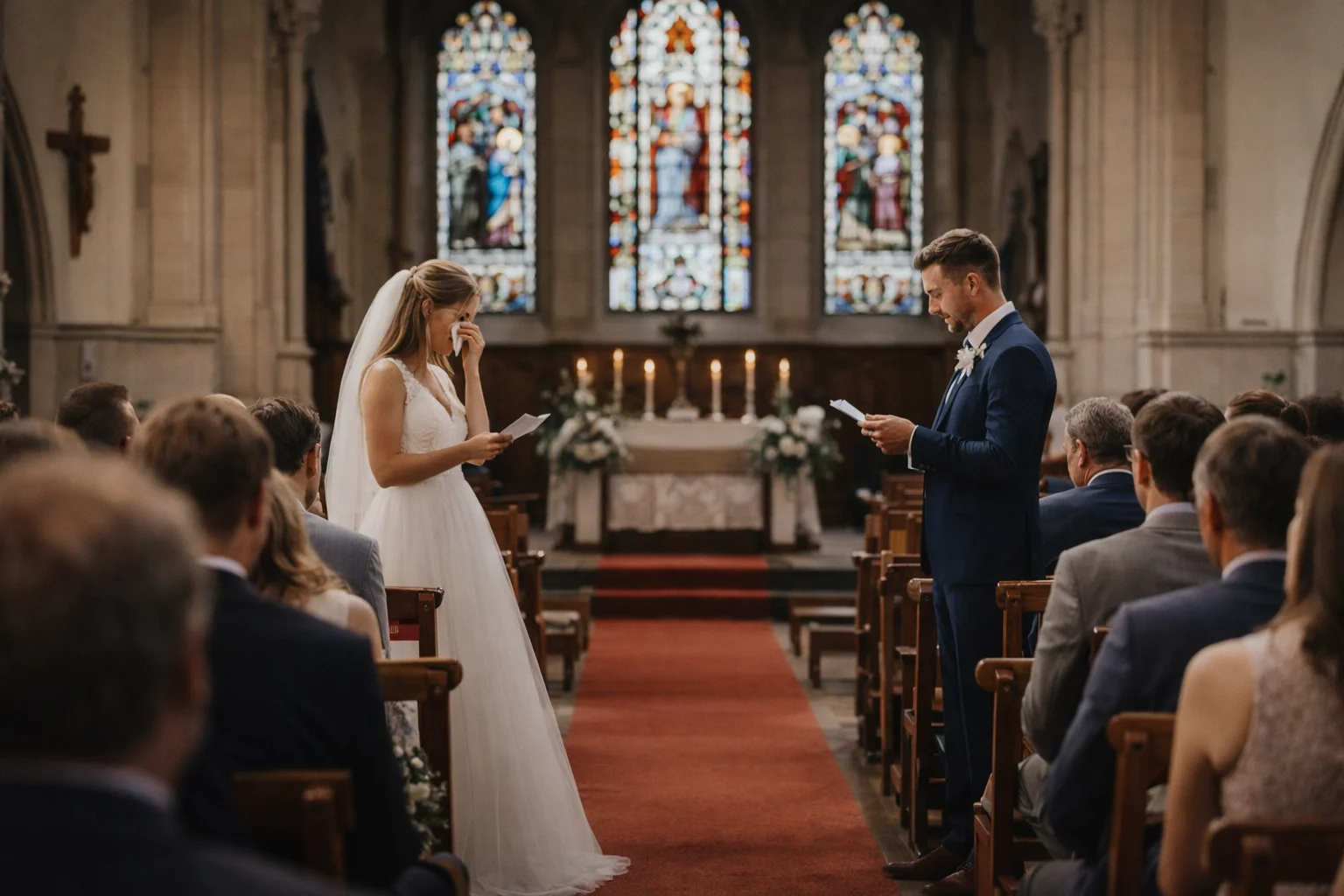
What Wedding Guests Actually Hear When Vows Are Spoken
Wedding vows are rarely received exactly as they are written. Guests hear emotion, rhythm, hesitation, clarity, imbalance, and the symbolic weight of what is being said aloud. This article looks at how vows sound in the room, what happens when the voice breaks, why shorter vows often feel stronger, and how spoken vows become more than text.