
How Vows Shape the Ceremony Around Them
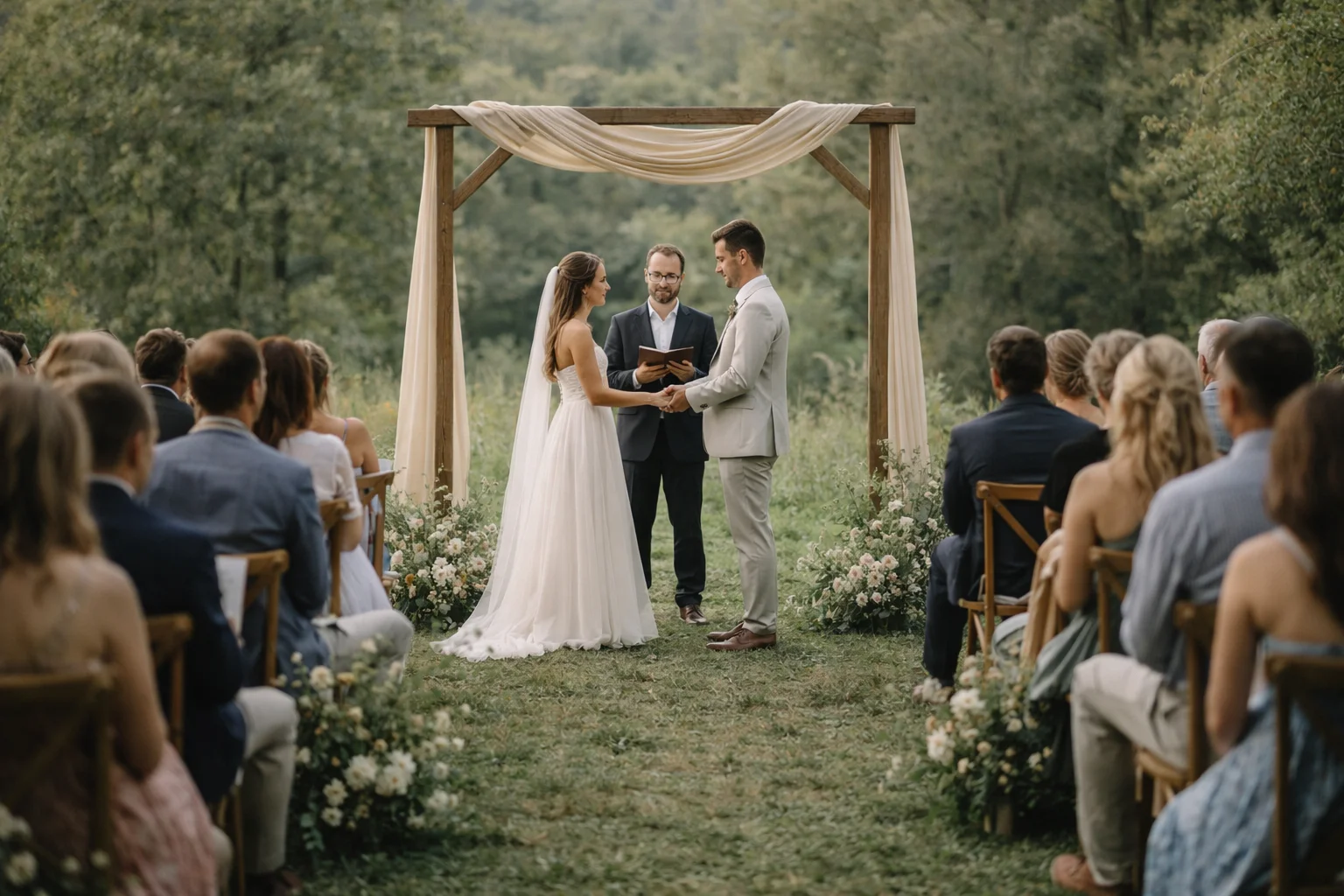
How Vows Shape the Ceremony Around Them
Couples often think of vows as one part of the ceremony, usually the emotional center, but still only one part. In practice, vows tend to rearrange everything around them. They change how a reading lands, whether symbolic gestures feel earned, how long silence can be held, and what kind of release the room needs afterward. That is why ceremony structure matters so much. A vow does not sit inside a script neutrally. It pulls the script into relation with itself.
This also connects directly to the period when engagement changes the relationship. Engagement makes love more public, more discussed, and more shaped by expectation. It turns a private bond into something that is gradually moving toward visible form. Vows inherit that shift. By the time they are spoken, they are no longer only private feeling. They carry planning, shared decisions, pressure, anticipation, and the new awareness that the relationship is now being witnessed differently. That is why vows need structure around them. They are already carrying more than the words alone suggest.
Vows & ScriptsIn the quiet moments of a ceremony, words become promises of the heart. Carefully chosen vows and scripts allow couples to express love, gratitude, and lifelong commitment in their own voice. Whether poetic, deeply personal, or gently guided, these words transform the ceremony into an intimate exchange that stays with everyone long after the day has passed.
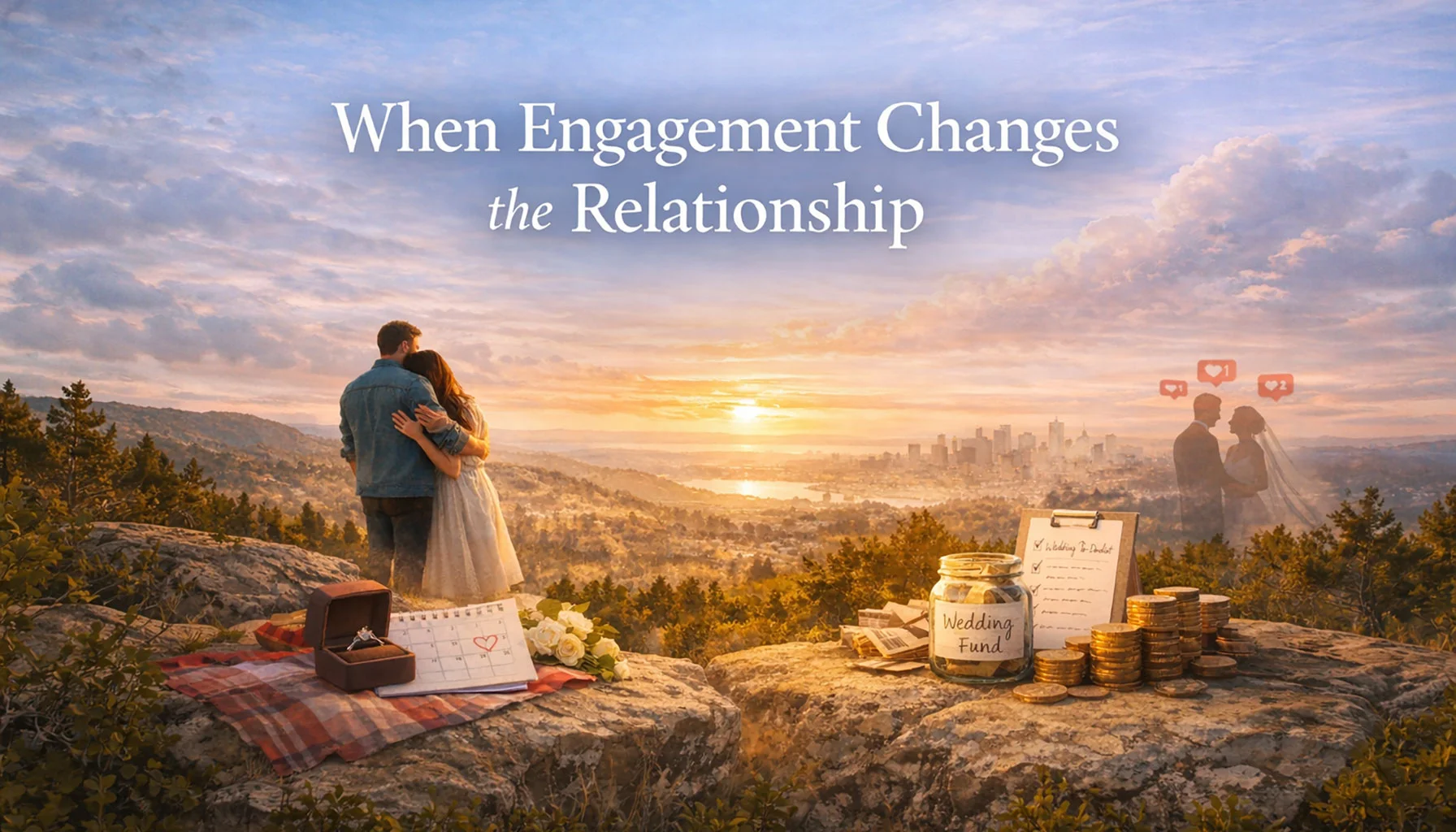
Engagement is exciting—but it also changes expectations, roles, and daily dynamics. Here’s how to navigate the shift with clarity, kindness, and practical habits that keep the relationship strong.
Definition
Wedding vows are not only promises inside a ceremony. They are structural and symbolic turning points that affect pacing, language, guest attention, and the emotional logic of the ceremony as a whole. Good ceremony design treats the vows as a central force, not as an isolated passage.
Where Vows Belong in a Free Ceremony
In a free ceremony, vows usually work best after the room has already been gathered and emotionally prepared, but before symbolic release begins. If they come too early, they can feel exposed and underheld. If they come too late, they can sound like one meaningful element among too many. The strongest placement is often after welcome and context, after one reading if there is one, and before rings or final ritual closure. That lets the vows become the point where language sharpens into promise.
How Readings and Religious Language Change Their Weight
Readings can deepen vows or weaken them depending on proportion. A good reading creates room around the vows by enlarging theme or tone. A bad one competes with them by arriving too full, too literary, or too emotionally complete on its own. The same tension exists between religious wording and personal language. Religious forms carry inherited gravity, while personal language carries direct intimacy. The ceremony becomes stronger when these two modes are not forced into sameness, but allowed to do different work. One gives continuity, the other gives recognition.
How to Build a Ceremony Script Around the Vows
A ceremony script built around vows should move toward them clearly and away from them gently. That means every element before the vows should either focus the room, clarify the meaning of the day, or prepare emotional attention. Every element after them should respond to what has just happened instead of restarting the ceremony in another tone. This is why good scripts are often simpler than couples expect. The vow section does not need many competing supports. It needs a sequence that knows where the center is.
What Happens After the Vows: Rings, Pause, Release
What follows the vows matters almost as much as the vows themselves. Rings can serve as physical confirmation, but only if they do not rush the room out of what has just been spoken. A small pause often helps more than another sentence. It allows the promises to settle into witness before applause, music, or movement begins. Release works best when it feels earned, when the ceremony has clearly crossed from speaking into becoming. Without that pause, the emotional center can disappear too quickly.
Why Ceremony Logic Protects Meaning
People often think emotional authenticity alone will carry vows. Sometimes it does. But more often, authenticity needs form in order to remain audible. Ceremony logic protects meaning by giving emotion somewhere to land. It tells guests how to listen, tells silence how long it may last, and prevents the most important words from being swallowed by excess structure or by none at all. This is especially true once engagement has already made the relationship feel more public and more defined. The ceremony must hold that new reality with care.
Conclusion
Vows do not simply belong somewhere inside a wedding ceremony. They shape the ceremony around them. They change how readings sound, how symbols work, how personal language meets inherited form, and how the room moves from attention into release. That is why ceremony structure is not secondary to emotion. In weddings, it is one of the ways emotion becomes legible enough to be shared.
Related Articles
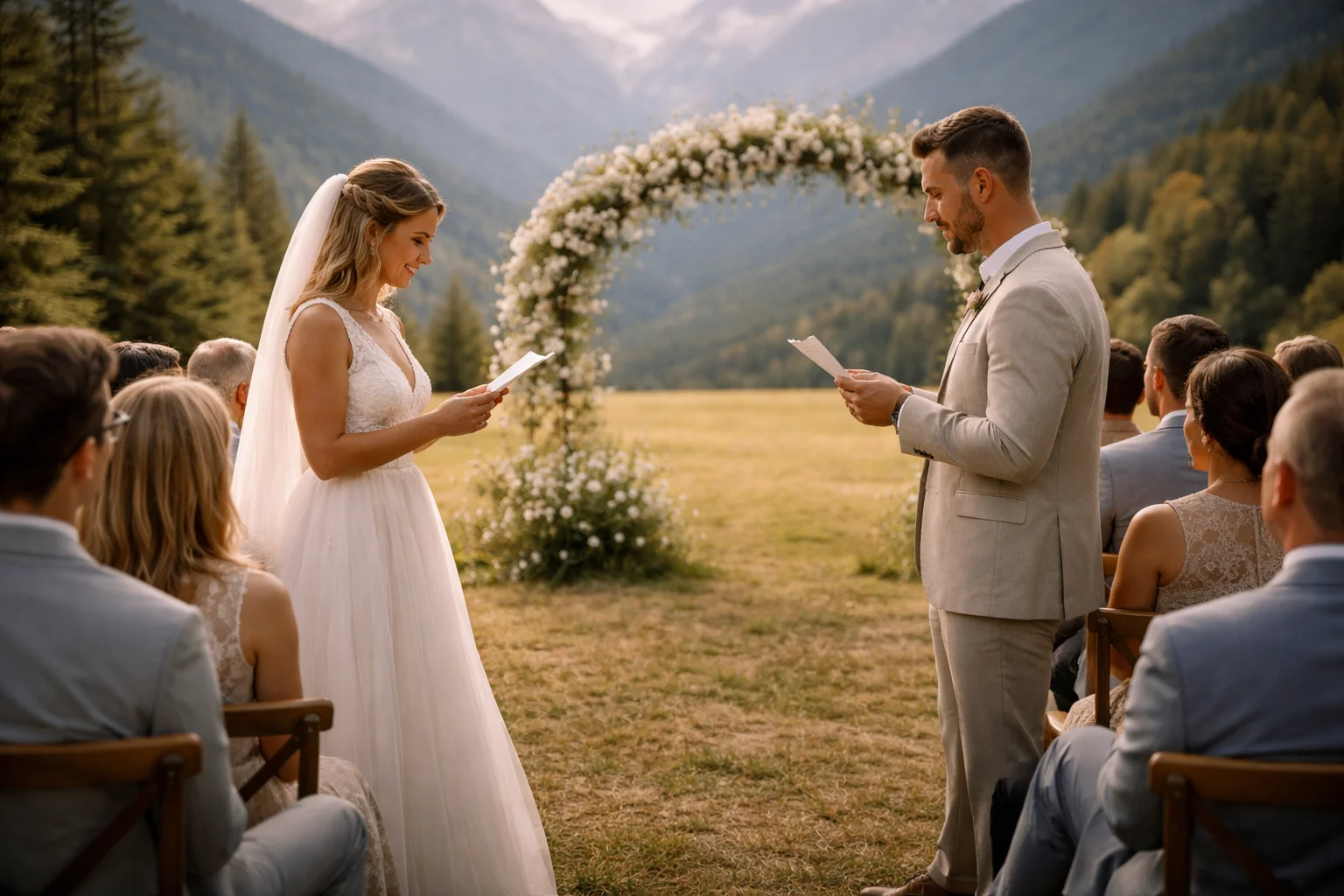
How Long Wedding Vows Should Really Be and What to Leave Out
Most wedding vows become weak for the same reason they become long: they try to carry everything at once. This article looks at how long vows should really be, what belongs inside them, what does not, and how to cut them without losing the feeling that made them matter in the first place.
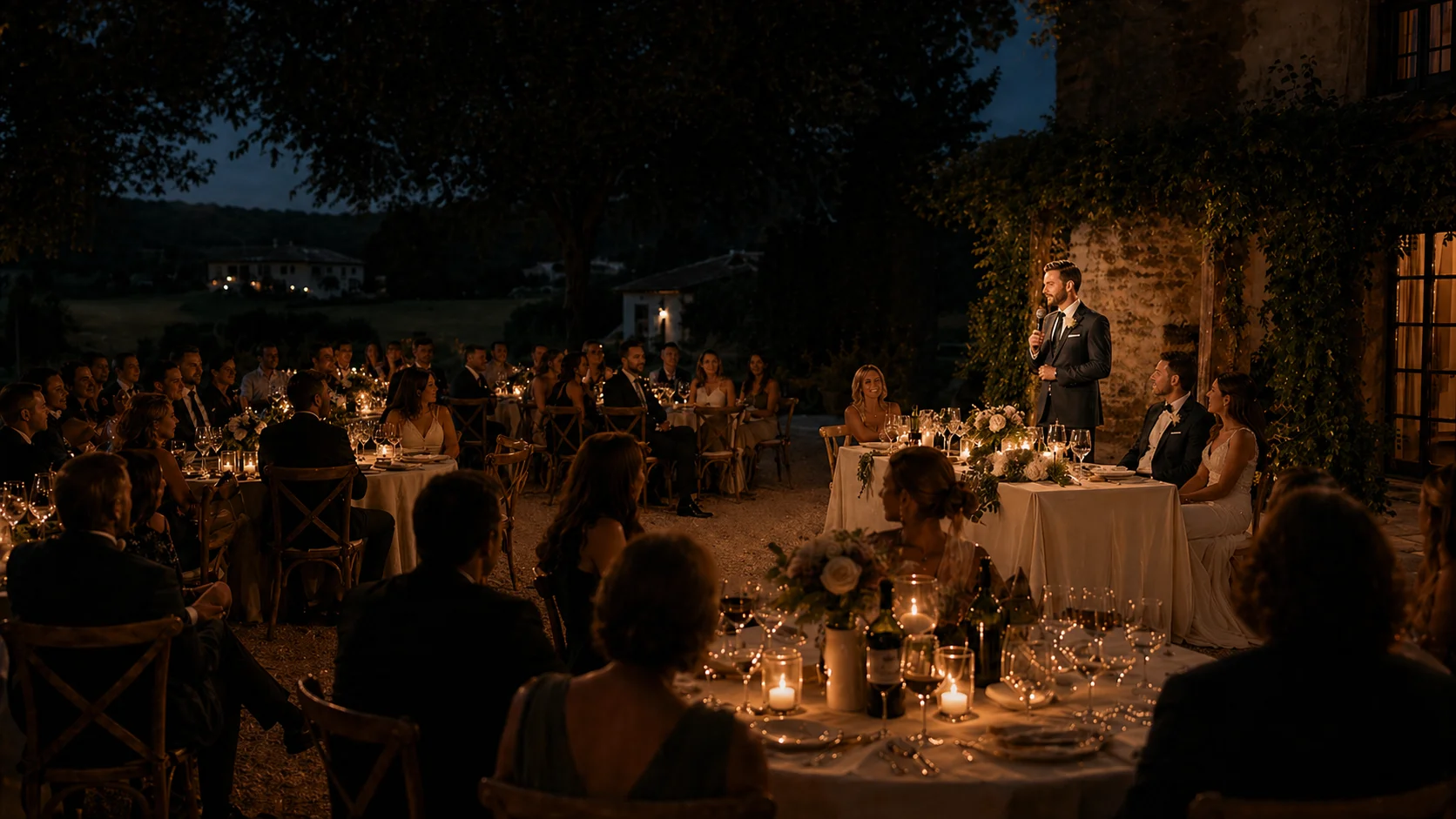
Speech Moment Checklist: What Makes a Toast Feel Held, Not Exposed
A wedding toast depends on more than good writing. It lands differently depending on attention, sound, timing, room tone, and the unspoken signals that tell a speaker whether the moment is carrying them or leaving them alone.
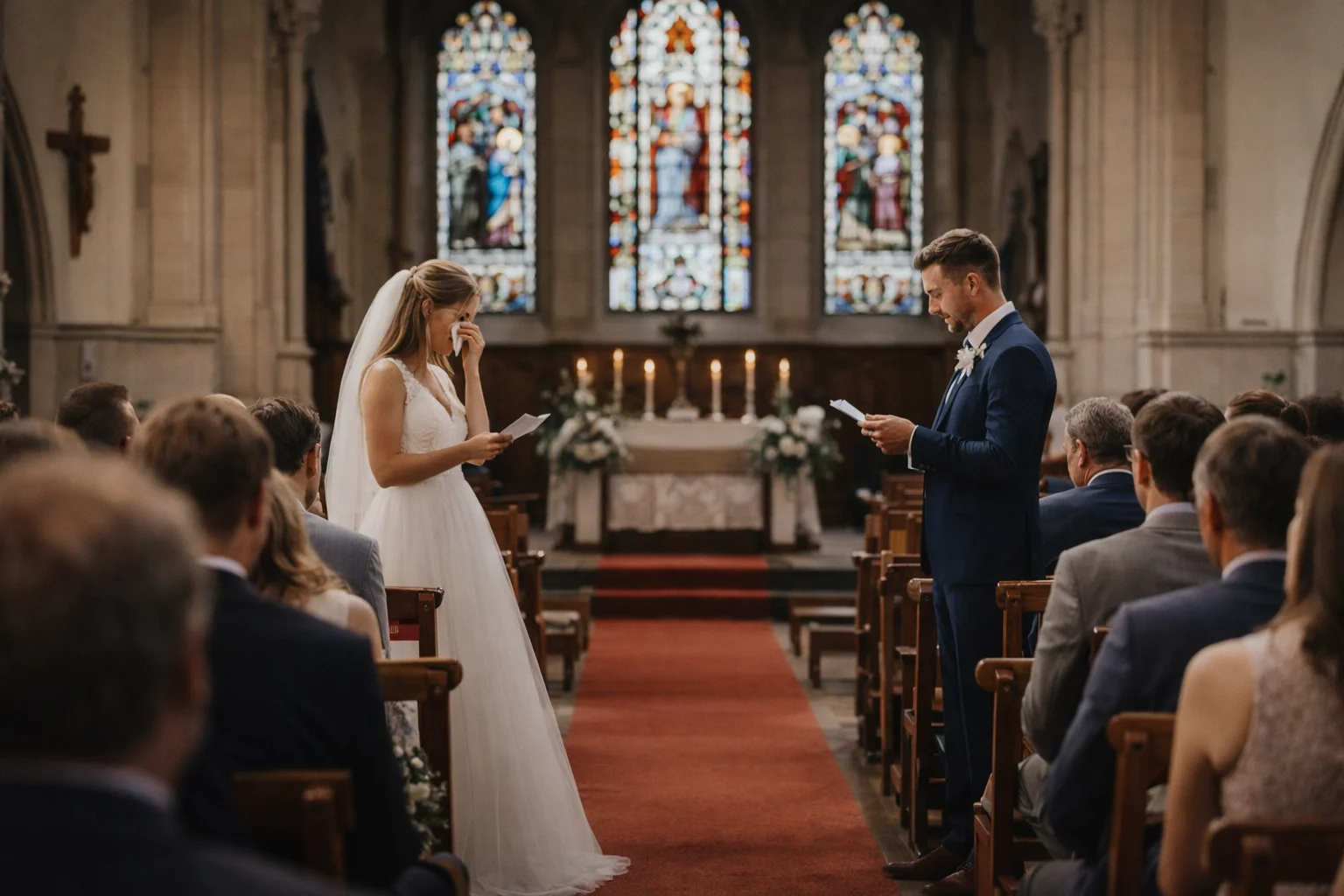
What Wedding Guests Actually Hear When Vows Are Spoken
Wedding vows are rarely received exactly as they are written. Guests hear emotion, rhythm, hesitation, clarity, imbalance, and the symbolic weight of what is being said aloud. This article looks at how vows sound in the room, what happens when the voice breaks, why shorter vows often feel stronger, and how spoken vows become more than text.
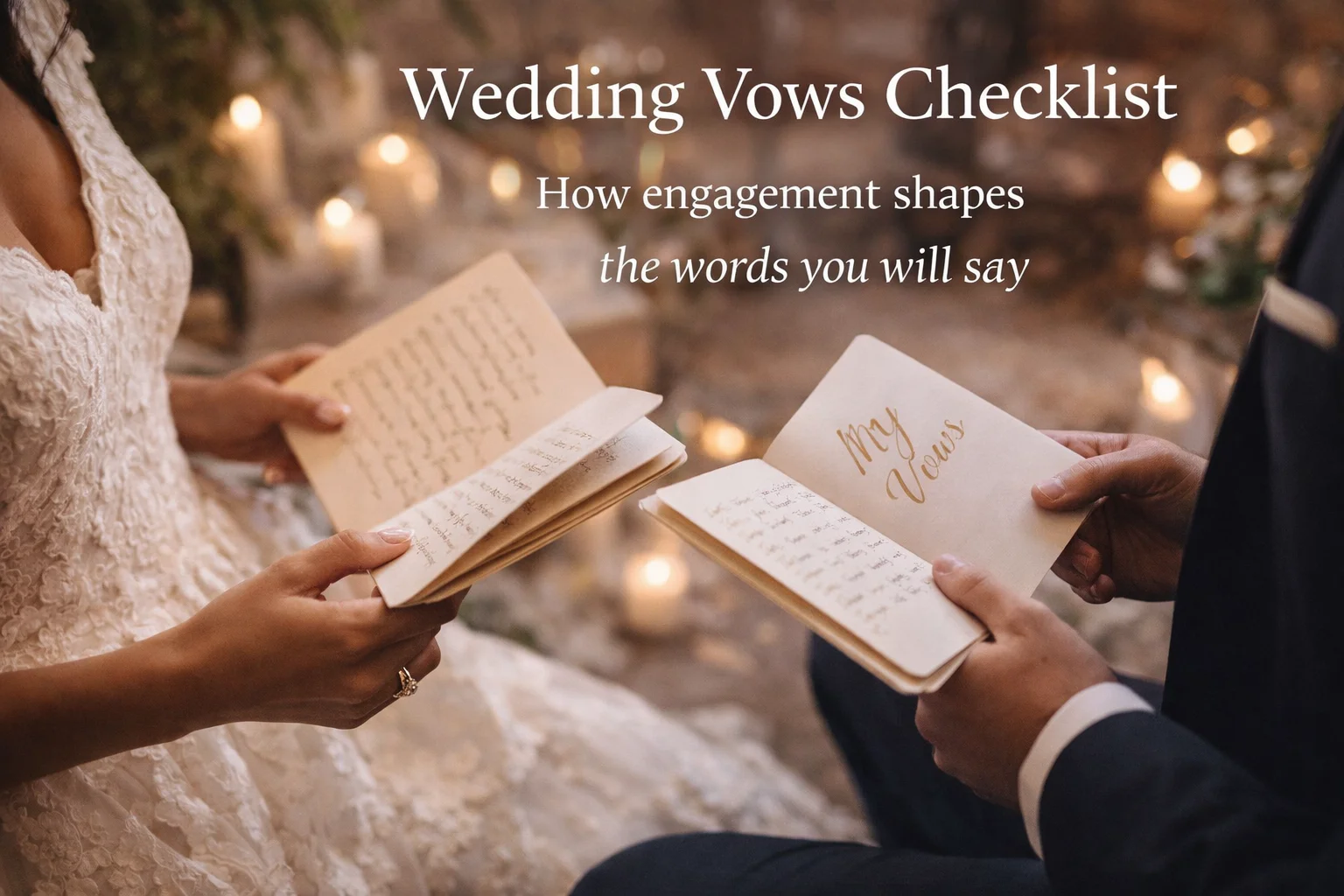
Wedding Vows Checklist: How Engagement Shapes the Words You Will Say
Engagement changes how couples speak long before the wedding ceremony begins. This checklist helps shape wedding vows from the emotional shift of being engaged, so the words spoken later feel grounded, personal, and true to the promise already taking form.
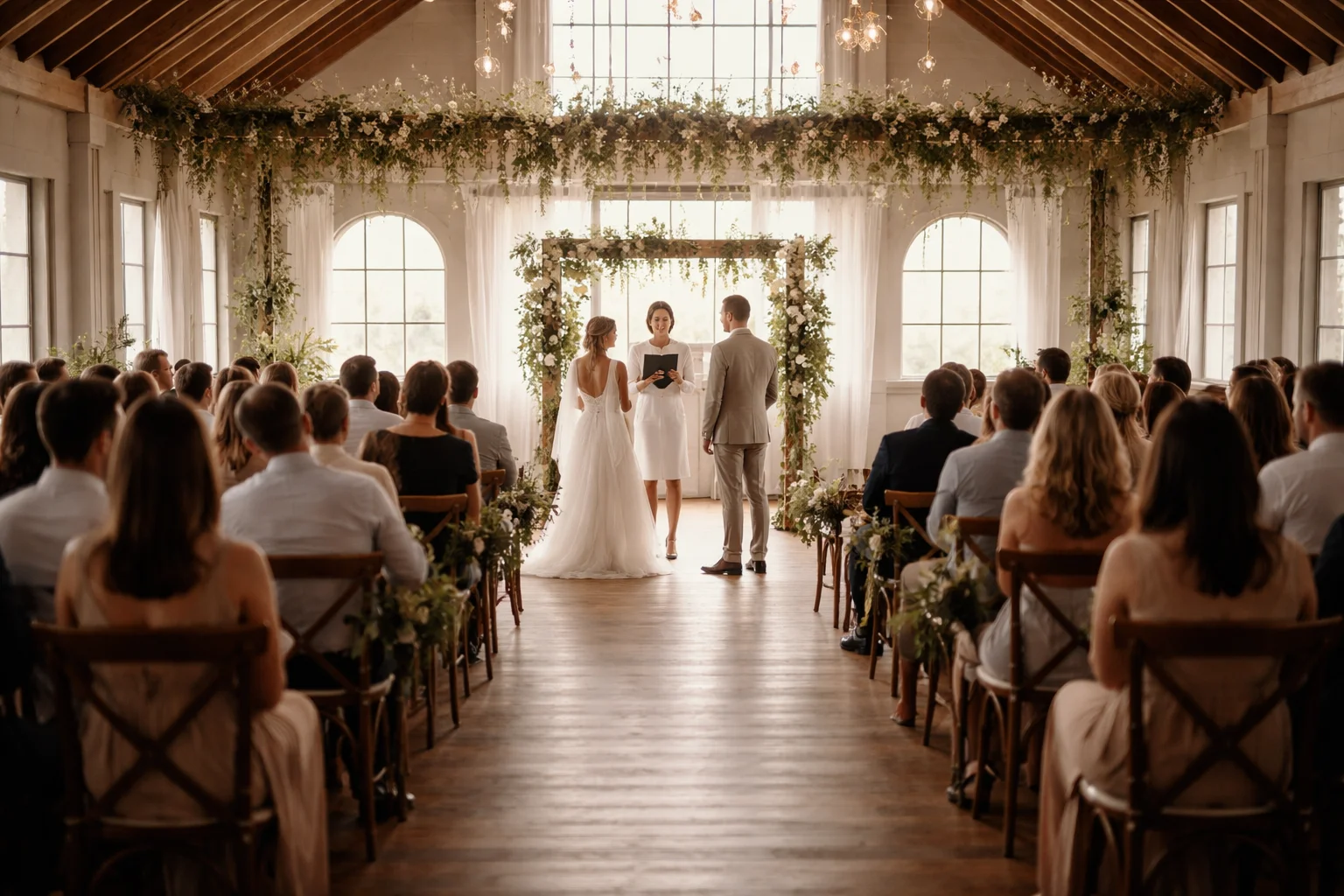
When One Person Moves Slightly Off Script
Free ceremonies are usually built with a loose structure. There is a plan somewhere, often shared in advance, but the actual delivery moves a bit. People speak, pause, adjust. It does not stay identical to what was written. That is expected, even if no one says it out loud.
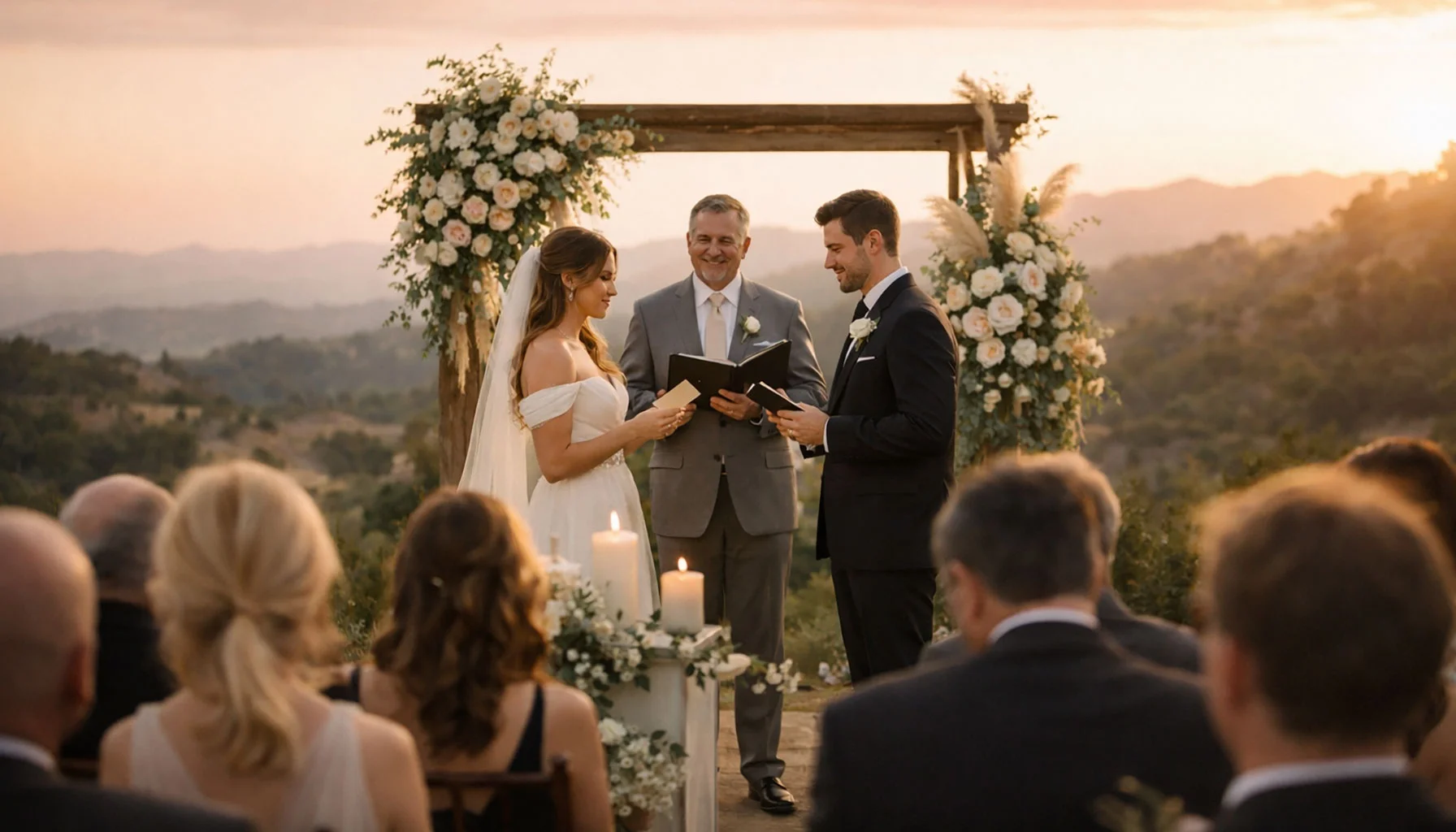
Vows and Scripts for Weddings: Meaning, Structure, Cultural Context and a Complete Ceremony Script
Vows and ceremony scripts are the spoken core of a wedding. They carry meaning for the couple, but they also give the room structure and help guests understand what is happening in real time. This article offers a practical international overview of vows and scripts while connecting them to the emotional space before and after the ritual itself.