
After-the-Wedding Checklist: What Needs Attention in the First 48 Hours

The first morning after a wedding can feel strangely full and quiet at the same time. The event is over, but the day has not completely released itself. Bags are in different rooms. Flowers are still somewhere. Someone has the guest book. Cards may be with a parent, a witness, or in the wrong car. The dress or suit needs air, not a plastic bag in a corner. Guests have already sent photographs, vendors may have questions, and the couple is often too tired to know which small thing should be handled first.
An after-the-wedding checklist is useful because the first 48 hours are not only sentimental. They are practical, slightly messy, and easy to underestimate. This is the short window where lost objects can still be found, delicate clothing can still be protected, payments and tips can be checked calmly, borrowed items can be returned, and the couple can keep the wedding from turning into a week of unfinished errands. The goal is not to rush out of the wedding feeling. It is to keep the after from becoming heavier than it needs to be.
Definition
An after-the-wedding checklist covers the practical tasks that need attention in the first 48 hours after a wedding. It includes collecting personal items, securing gifts and cards, checking vendor payments, handling clothing, saving early photos, returning rentals, thanking helpers, and creating enough order for the couple to enter the days after the wedding without unnecessary strain.
Personal Items Should Be Collected Before Memory Gets Blurry
The first task is often the least romantic: finding everything. Overnight bags, phone chargers, shoes, jewelry boxes, vows, stationery, signage, leftover favors, framed photos, guest books, emergency kits, and anything used while getting ready should have a named person responsible for them. A practical checklist should separate what goes home with the couple, what goes to family, what stays at the venue for pickup, and what belongs to vendors. After 48 hours, people start remembering less clearly. Bags move. Staff change shifts. A simple collection plan saves a surprising amount of follow-up.
Cards, Gifts, And Cash Need A Clear Chain Of Custody
Cards and gifts should not drift through the end of the night without a clear route. In the first 48 hours, someone should confirm where they are, who transported them, whether anything was left at the venue, and whether cash or checks are safely stored. This does not need to become tense or formal. It simply needs one calm check. A planner once described the card box as the object everyone assumes someone else has. That is exactly why it deserves a direct handover before the wedding becomes memory.
Checklist – CategoryA wedding checklist helps you stay organized and ensures that no important detail is overlooked. From early planning steps to last-minute preparations, it provides a clear overview of what needs to be done and when. With a well-structured checklist, you can plan your wedding with confidence, reduce stress, and enjoy the journey toward your big day.
Clothing Needs Attention Before It Becomes A Problem
Wedding clothing often sits in the wrong condition after the party. A dress may be folded into a garment bag while still carrying grass, dust, makeup, perfume, rain, or spilled drinks. A suit may have boutonniere marks, creases, or damp lining. Shoes may need drying before being boxed. The first 48 hours are the right time to air items, photograph any damage, remove loose flowers or pins, and decide what needs cleaning or preservation. Waiting does not make this easier. It usually makes stains quieter and harder to treat.
Vendor Closure Should Be Simple And Written Down
Not every vendor task ends when the music stops. Final invoices, overtime, tips, rental pickups, lost property, meal counts, damage deposits, shuttle notes, floral breakdown, and next steps for photography or video may still need confirmation. The couple should not carry all of this alone if someone else can check it. A short written list helps: what is paid, what is pending, what was tipped, what must be returned, and who is waiting for a message. It keeps small questions from becoming scattered conversations across several days.
The First Photos And Messages Are Part Of The After
The connection to after often begins on phones before anything official arrives. Guests send blurry dance-floor pictures, quiet breakfast messages, screenshots, voice notes, and small pieces of the night from angles the couple never saw. These early fragments are worth saving, but they do not need to be processed immediately. Create one folder, ask guests to send photos there if needed, and leave the deeper sorting for later. The first 48 hours should preserve traces, not turn them into another project.

After the ritual ends, life begins again. What remains is not ceremony, but habit, memory, and the quiet work of living with what was promised.
Conclusion
An after-the-wedding checklist is not there to turn the first two days into administration. It is there to protect the quiet after from avoidable mess. When personal items are collected, gifts are secured, clothing is handled, vendors are closed out, and early memories are saved without pressure, the wedding can settle more gently. The first 48 hours do not need to be perfectly organized. They just need enough attention that the couple is not pulled back into logistics every time the day starts to soften.
Related Articles
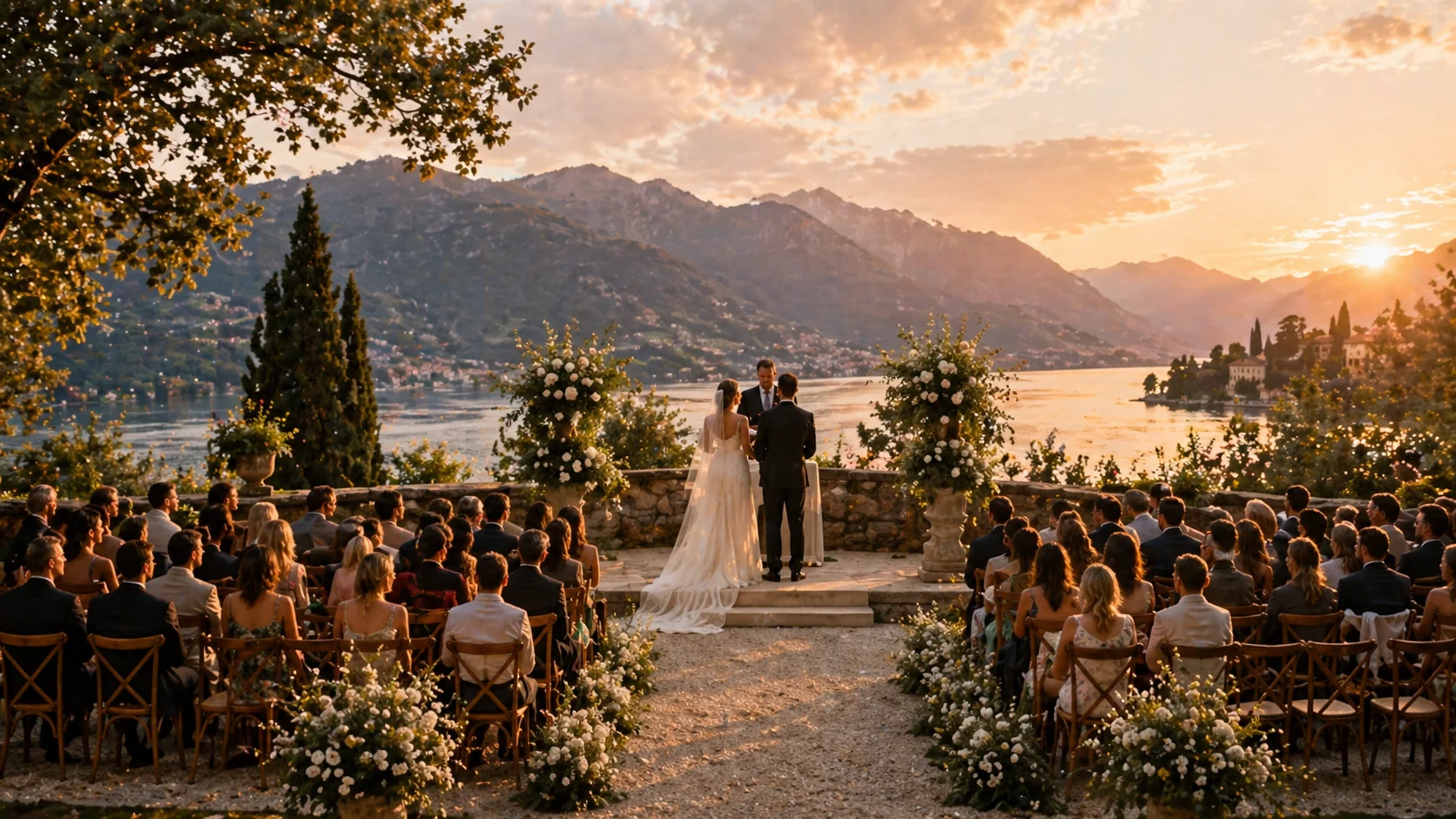
Ceremony Transition Checklist: What Should Be Ready Before Attention Has to Gather
Ceremony transitions often seem brief on paper, but they carry the difficult shift from movement into shared attention. This article looks at what needs to be ready before that moment arrives, from seating and sound to cues, stillness, and the quieter emotional readiness of the room.

Bachelor Party – A Day Between Everyday Life and Wedding
A bachelor party is not a loud statement, but a quiet transition. People come together who have accompanied them on their journey so far. For a limited period, nothing is on the agenda except shared time. Planning provides stability, openness creates space. Whether for men or women: What's crucial is that the occasion suits the person. Then something unique emerges. Understated. Enduring.

The Wedding Dress During Pregnancy
A wedding dress chosen during pregnancy follows different rules, even when no one names them. The body leads. The day sets limits. Decisions are shaped by comfort, timing, and how the dress behaves over hours rather than moments. This text looks at maternity wedding dresses as they appear in fittings, ceremonies, and recollections afterward. Not as ideals, but as garments that had to work. The focus stays on what proved suitable, calm, and lasting, without dramatizing the process or framing it as exception.
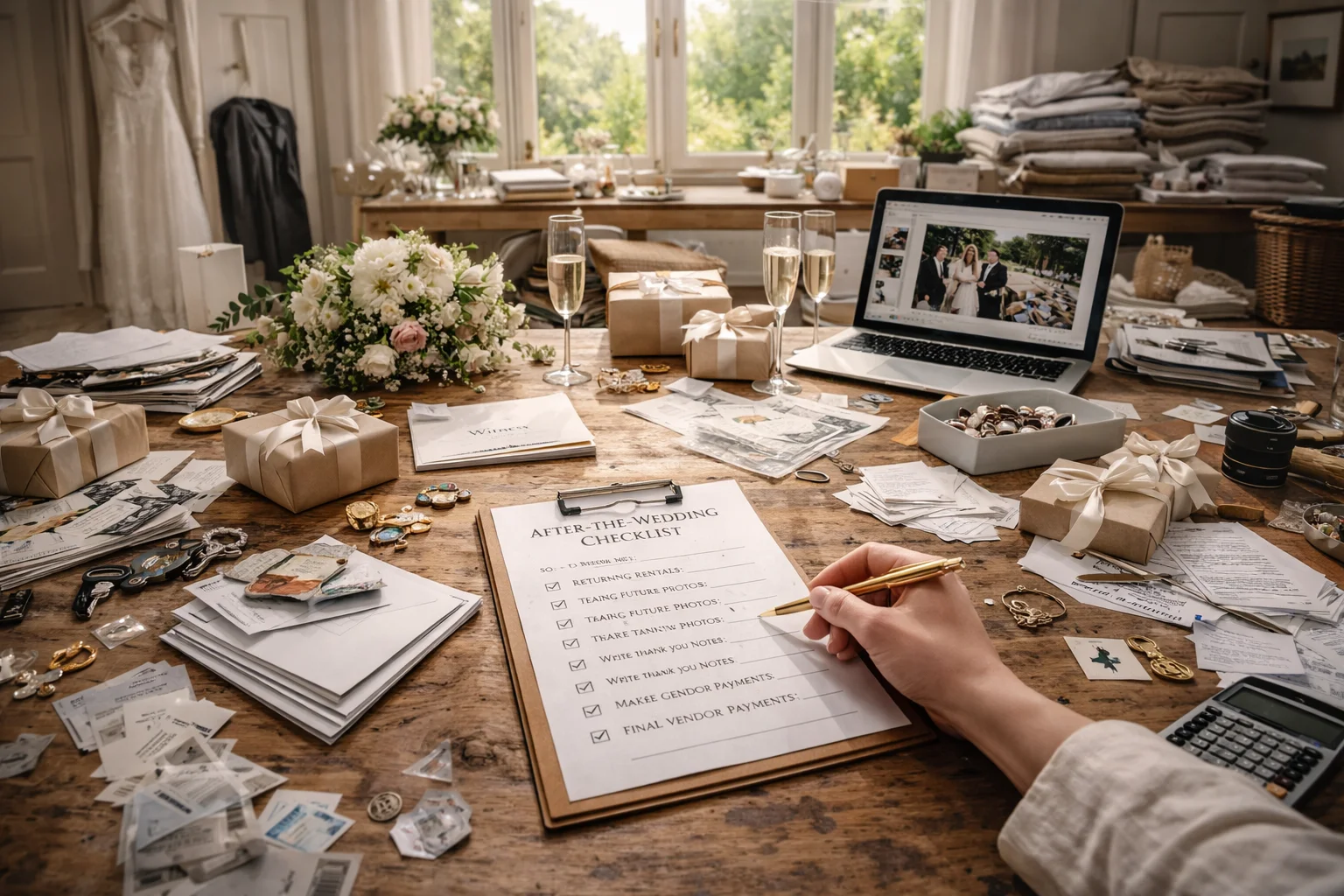
After-the-Wedding Checklist: What Still Needs to Be Returned, Paid, Thanked, or Closed
A wedding rarely ends when the last guest leaves. What follows is quieter, more practical, and often more emotionally mixed than couples expect. This article looks at what still needs to be returned, paid, thanked, or closed after the wedding, and why the days after the celebration are part of the wedding's meaning, not just its cleanup.

A Structured Wedding Timeline for Thoughtful Hosts
A wedding rarely feels calm by chance. It is shaped by preparation, clear structure, and a hosting mindset that offers guidance without pressure. A well-built timeline helps organize decisions and keeps planning transparent. Digital tools support this process quietly in the background. When responsibilities are shared and information flows clearly, space opens up for presence. That is where the celebration truly begins.

Last-Week Wedding Checklist: What Still Needs Attention Shortly Before the Day
The last week before a wedding is rarely about major decisions. It is about clarifying what still has weight, what can no longer be improved by adding more, and what needs to be named before it starts shaping the day in silence. This article looks at what still deserves attention shortly before the wedding and why the unspoken layer often matters most at that stage.

Wedding Website Checklist: What Guests Actually Need, and What They Ignore
Wedding websites work best when they reduce uncertainty instead of filling space. This article looks at what guests actually need to find quickly, what they usually ignore, and which unspoken questions a good website can answer before they become messages to the couple.

Wedding Morning Checklist: What Helps the First Hours Stay Calm
A wedding morning checklist helps protect the first hours of the day from avoidable stress. It keeps essential items, timing, room atmosphere, and communication clear, while leaving enough space for the morning to still feel calm and human.

Kids at Weddings Checklist: What Helps Families Stay Longer Without Strain
Families with children usually leave weddings early for a series of small reasons rather than one big one. This article looks at what helps them stay longer with less strain, from food timing and retreat spaces to quieter transitions and the simple need for relief.

When Attention Shifts: Kids in Formal Wedding Situations
Children rarely stop a formal wedding moment outright, but they often redirect attention for a few seconds in ways adults immediately notice. This article looks at how those shifts happen, why they usually matter less than feared, and how weddings absorb different rhythms without losing their structure.

Wedding Guest Communication Checklist: What Guests Need to Know and When
Good wedding communication is not about sending guests everything at once. It is about giving the right information at the right moment, so the day feels clear without becoming overexplained. This article looks at what guests actually need to know, when they need to know it, and why silence still has a place in wedding planning.

Wedding Transport Checklist: Arrivals, Transfers, Parking, and Late-Night Returns
Wedding transport is rarely remembered when it works, but it shapes the day long before the ceremony begins and long after the central moment has passed. This article looks at what still needs to be planned around arrivals, transfers, parking, and late-night returns, and why movement and waiting belong more closely together than many couples expect.