
A Love Made Official: A Bridal Look for the Civil Ceremony
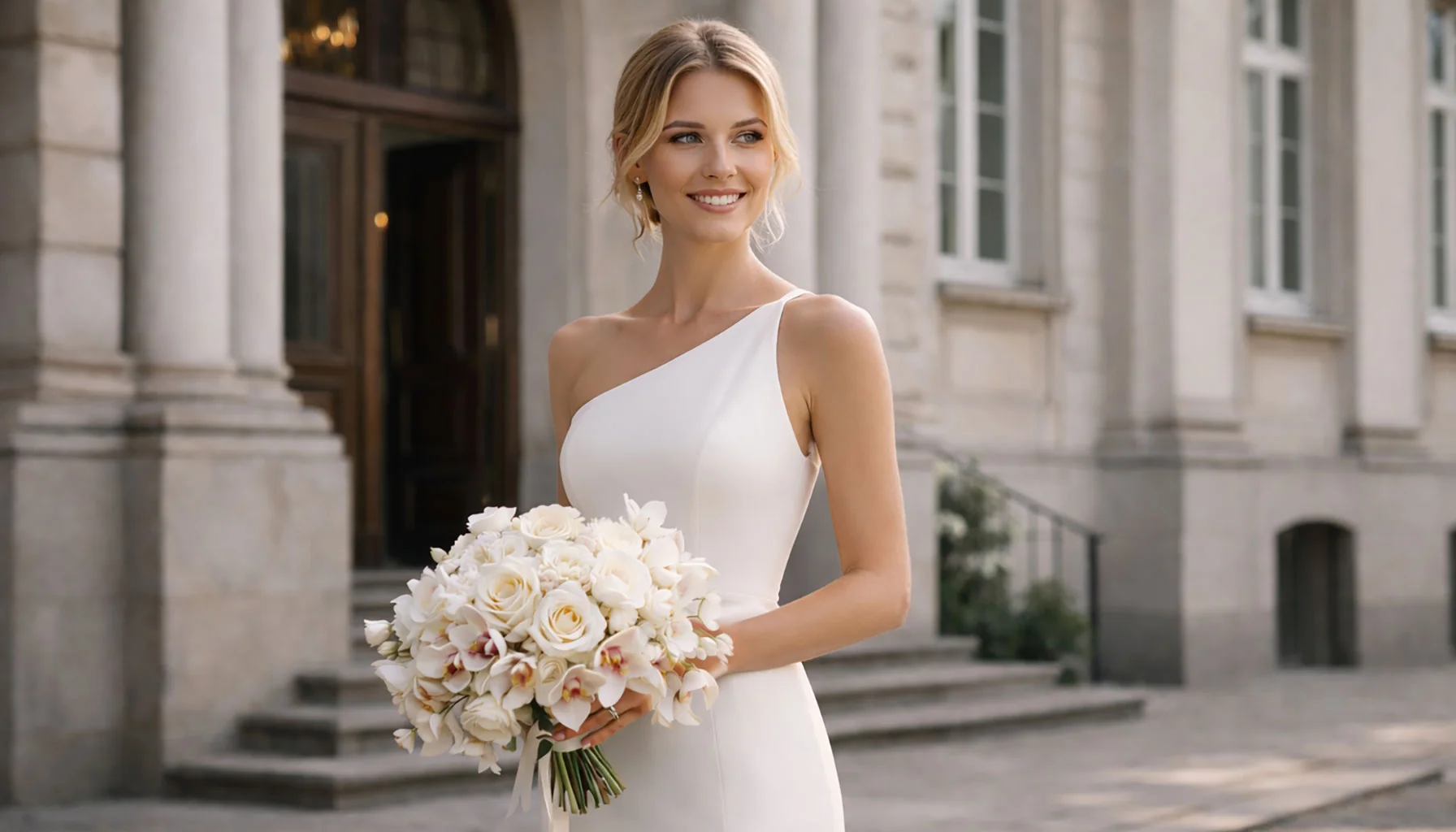
The Civil Ceremony Bridal Look
Civil ceremonies are often quieter than large celebrations, but rarely less important. They tend to happen earlier in the day. Smaller rooms. Fewer guests. The atmosphere is focused. People notice details more closely. Clothing becomes part of the moment rather than a backdrop.
The bridal look in this setting does not need to compete. It needs to belong. When it works, it feels natural in the space, comfortable in movement, and clear in intention.
Only Ceremony or First Step
One question shapes most decisions: is the civil ceremony the main wedding, or part of a longer sequence. Observed over time, this distinction changes scale rather than meaning.
When the civil ceremony stands on its own, bridal looks often carry more weight. Longer silhouettes. Stronger fabrics. Details that hold attention in photographs and memory. When a second ceremony follows later, many brides choose restraint here. Cleaner lines. Lighter construction. A contrast that feels intentional rather than unfinished.
It felt right to keep it simple that day. Everything had space to breathe.— Bride
What Tends to Work Well
Civil ceremony looks that are remembered usually share a few traits. Not rules. Patterns noticed across many weddings.
- Fabrics with weight and movement, even in simple cuts
- Tailoring that allows sitting, standing, and walking without adjustment
- Lengths that suit steps, corridors, and city streets
- Details visible at close distance rather than from afar
Midi dresses, tailored suits, minimalist slips, and two-piece combinations appear frequently. Not because of trend pressure, but because they adapt well to registry settings. They photograph clearly. They age well.
Hair, Makeup, and Accessories
In civil ceremonies, faces are closer. Expressions are noticed. Beauty choices tend to stay soft and controlled. Hair that holds without stiffness. Makeup that reads well in daylight and does not need correction.
Accessories are often reduced to one or two elements. Shoes that can handle walking. Jewelry that does not distract in conversation. Pieces chosen for comfort as much as appearance.
Nothing needed fixing. That was the best part.— Guest observation
The Role of the Setting
Registry offices vary widely. Some are historic, others modern. Some rely on daylight, others on artificial light. Bridal looks that succeed tend to respond to this rather than ignore it.
Clean architecture supports structured looks. Ornate rooms often pair better with simpler silhouettes. The strongest impressions come when clothing and space feel aligned.
Observed Differences by Country
In Germany, civil ceremony looks are often precise and understated. In the United States, individuality appears more openly. France favors ease and reduction. Italy leans toward craftsmanship and fabric quality. Russia often treats the civil ceremony as a central visual moment. These are tendencies, not limits.
What Brides Tend to Notice Afterwards
Looking back, many brides mention comfort first. Then photographs. Then how present they felt. Rarely the label. Rarely the trend.
- Ease of movement during the ceremony
- Confidence without constant adjustment
- Clarity in photographs
- A sense of being dressed for the moment, not for expectation
Conclusion
A civil ceremony bridal look does not need to announce itself. When it fits the space, the schedule, and the person wearing it, it becomes part of the experience. Quiet. Clear. Remembered without effort.
Related Articles

Engagement Ring and Wedding Ring: Two Moments, One Commitment
Engagement ring and wedding ring mark different stages of the same decision. One appears at the beginning, often tied to a single moment. The other enters daily life and stays there. Their forms, materials, and proportions follow different needs, yet they are meant to exist together. Understanding how they differ helps explain why both matter, and why their combination often says more than either ring alone.

Conversations Before Marriage – Life Questions That Clarify the Relationship
A marriage is not just about feelings, but also expectations, imprints, and ideas about everyday life. This text compiles central life questions that couples should clarify with each other before saying 'I do': regarding money, family, children, conflicts, division of tasks, and personal values. Grown from observations, objectively considered, and close to lived everyday life. Conversations that make differences visible – and thereby strengthen connection.
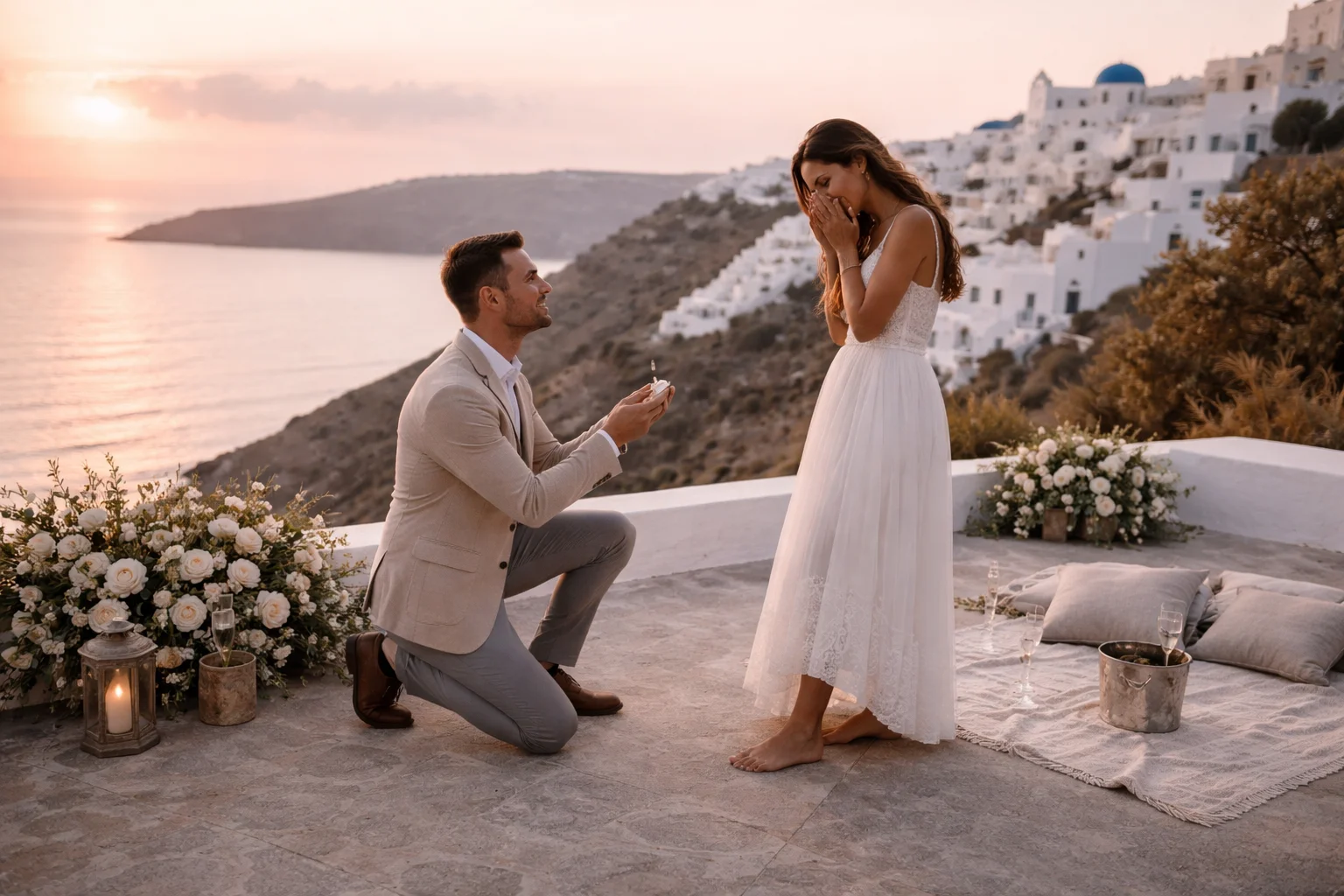
The Bride Look Begins Long Before the Dress
The bride look is often discussed as a final decision. A dress, a hairstyle, a set of details chosen close to the wedding day. It appears as something visual, something assembled. But in practice, it rarely starts there.
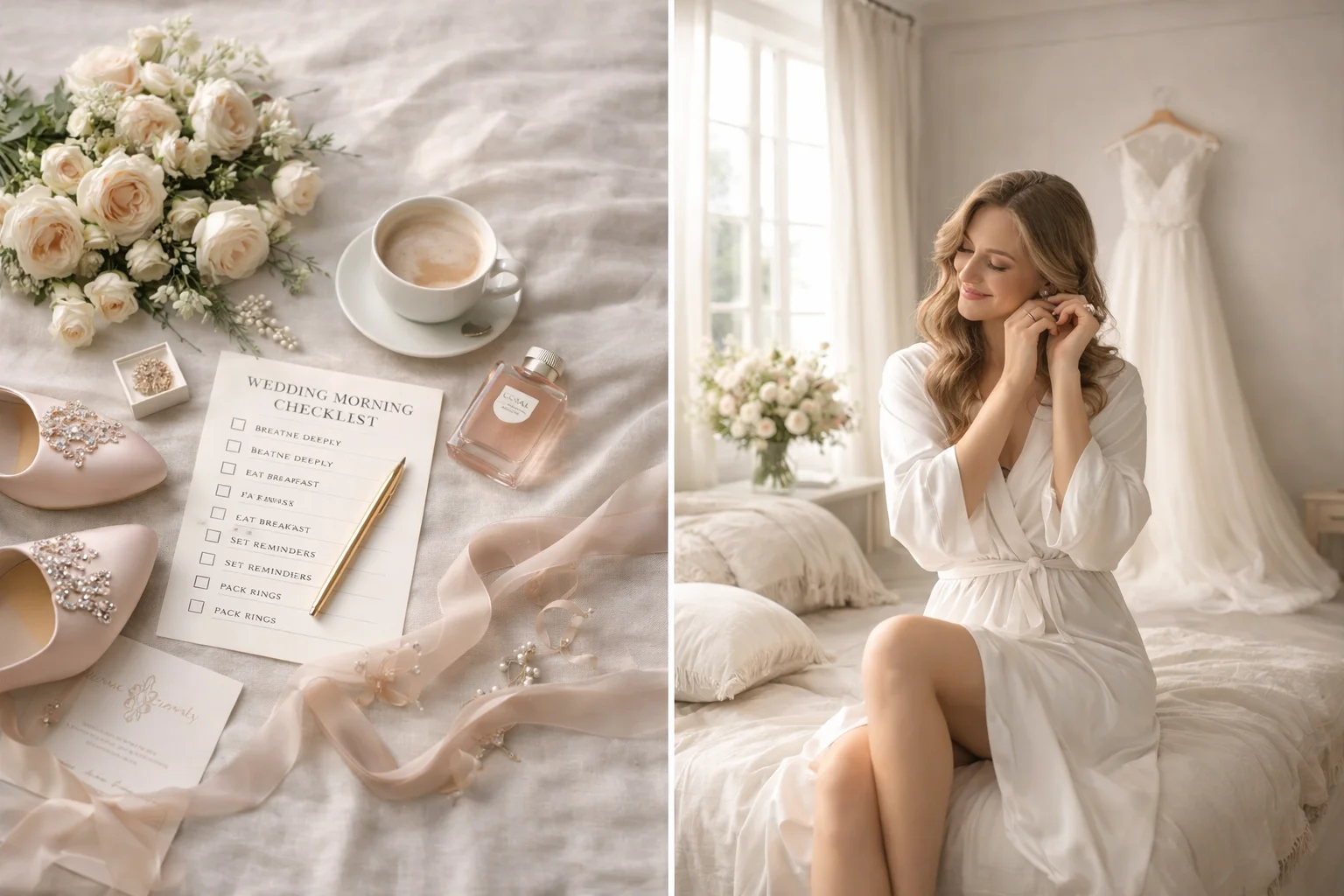
Wedding Morning Checklist: What Helps the First Hours Stay Calm
A wedding morning checklist helps protect the first hours of the day from avoidable stress. It keeps essential items, timing, room atmosphere, and communication clear, while leaving enough space for the morning to still feel calm and human.
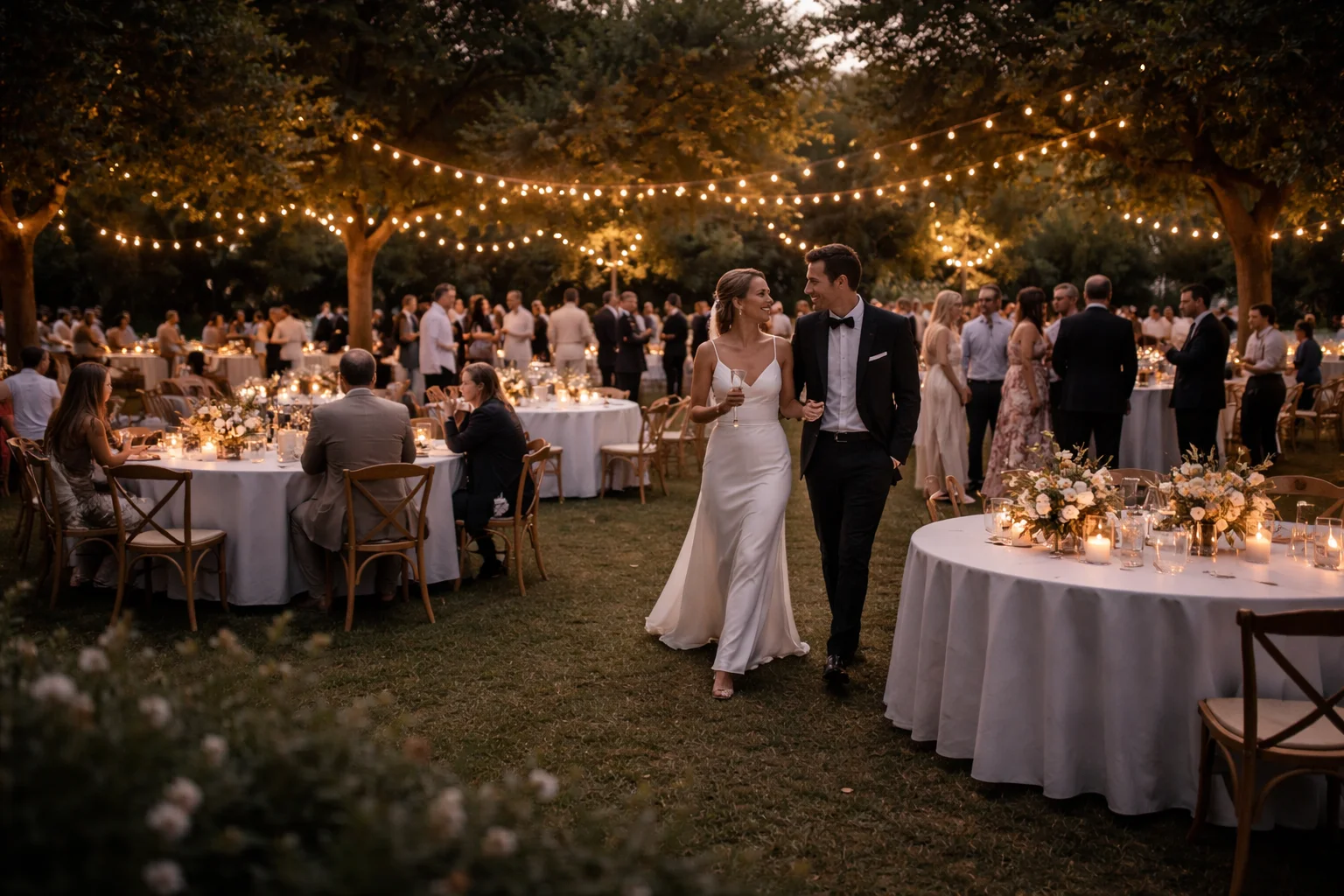
Second Dress for the Wedding Reception
At many weddings the clothing does not stay the same from start to finish. After the ceremony and formal photographs, a quiet shift sometimes happens. The bride disappears for a short time and later returns wearing something different. Guests notice it in small ways. A lighter fabric. Shorter hem. Movement that feels easier during the evening.
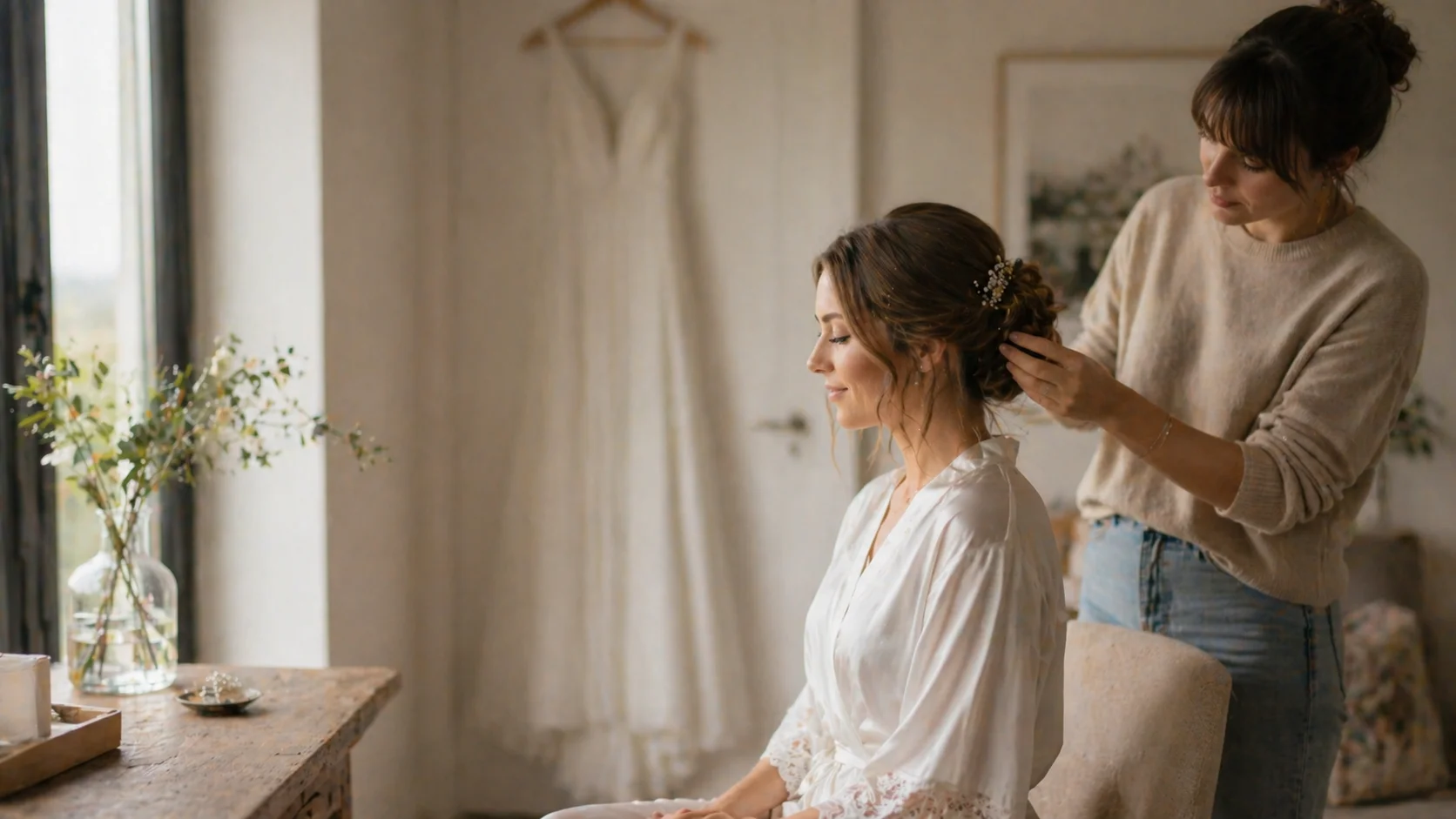
Bridal Getting-Ready Room Checklist: Light, Surfaces, Noise, and Movement
A bridal getting-ready room does more than hold hair, makeup, and dresses. This article looks at light, surfaces, noise, movement, privacy, and the quiet traces the room leaves on the morning before the ceremony.

A Structured Wedding Timeline for Thoughtful Hosts
A wedding rarely feels calm by chance. It is shaped by preparation, clear structure, and a hosting mindset that offers guidance without pressure. A well-built timeline helps organize decisions and keeps planning transparent. Digital tools support this process quietly in the background. When responsibilities are shared and information flows clearly, space opens up for presence. That is where the celebration truly begins.
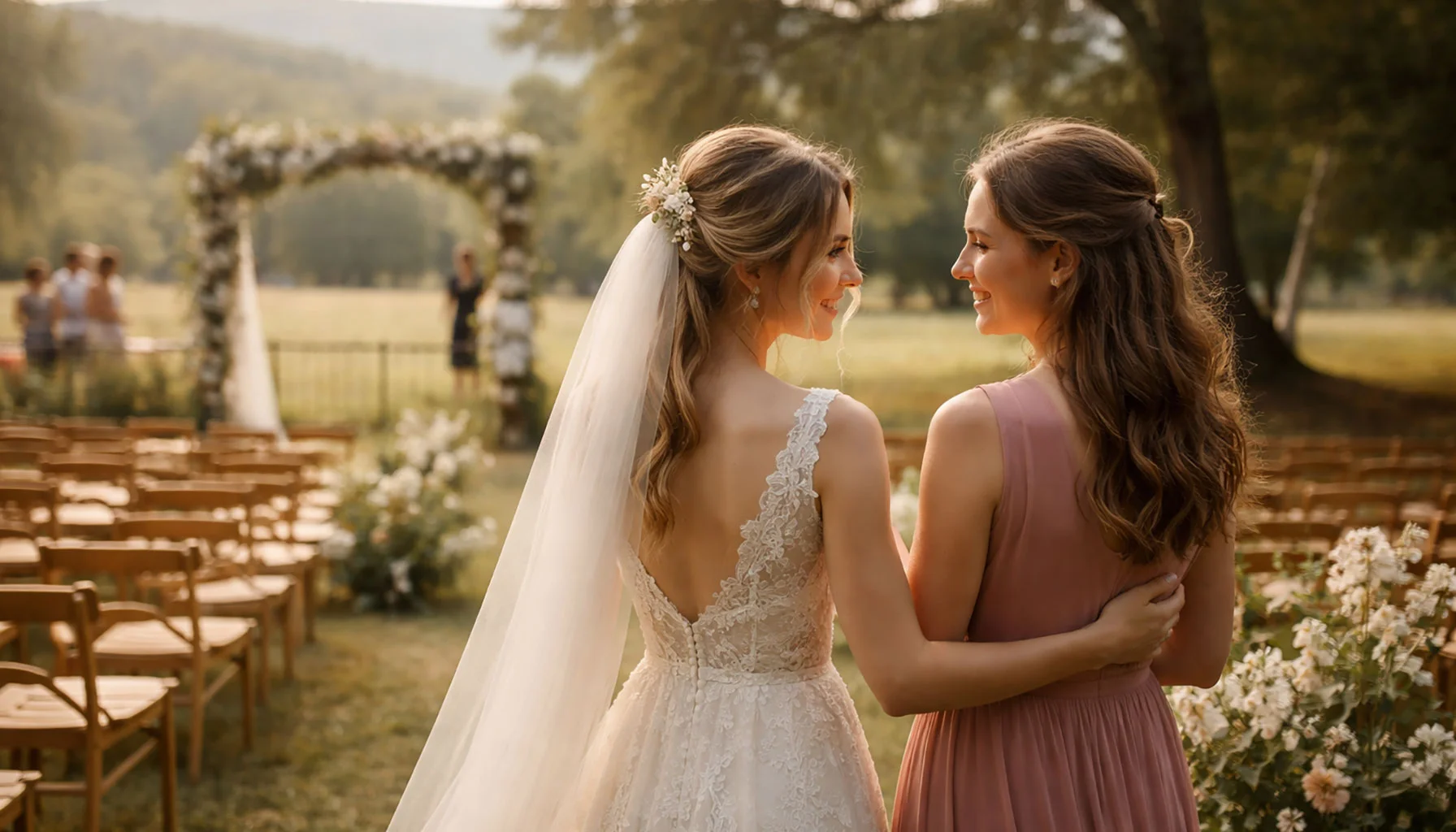
The Maid of Honor at the Wedding
How bridesmaids are chosen, what tasks they perform, and why their presence often remains quiet. A text from observations of weddings, conversations, and moments away from the center.
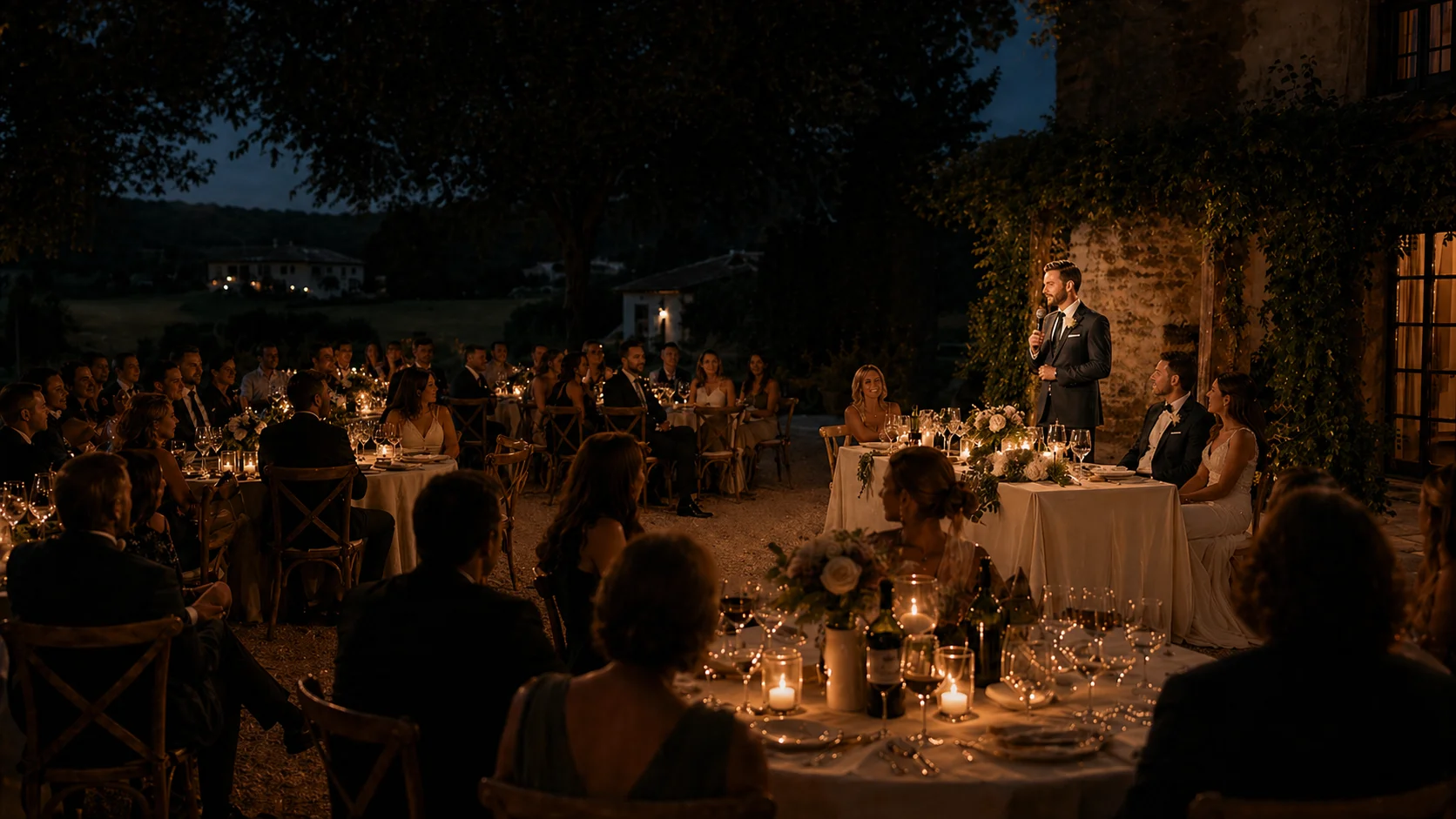
Speech Moment Checklist: What Makes a Toast Feel Held, Not Exposed
A wedding toast depends on more than good writing. It lands differently depending on attention, sound, timing, room tone, and the unspoken signals that tell a speaker whether the moment is carrying them or leaving them alone.
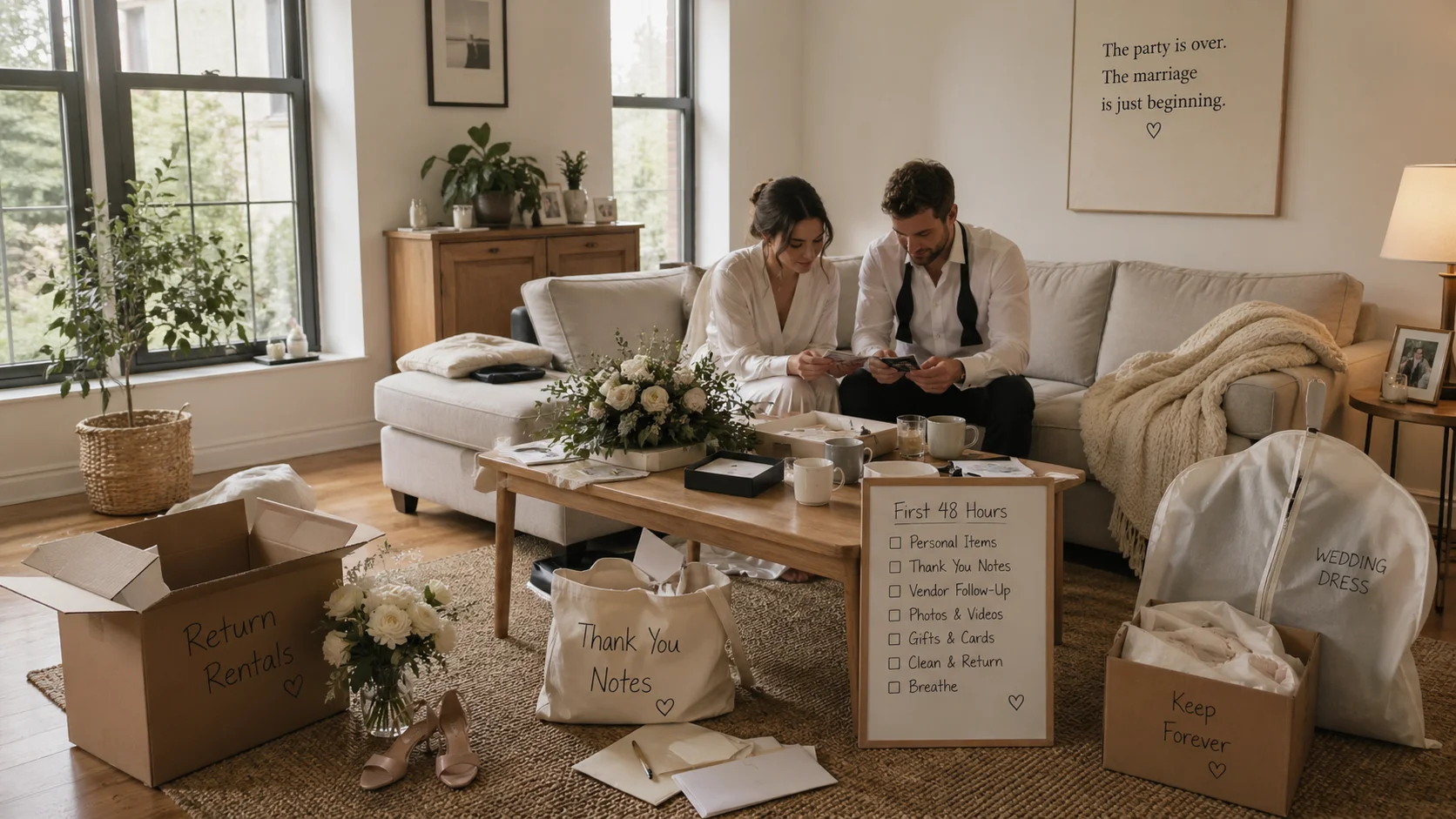
After-the-Wedding Checklist: What Needs Attention in the First 48 Hours
The first 48 hours after a wedding are quiet, practical, and easy to underestimate. This article looks at personal items, gifts, clothing, vendor closure, early photos, and the small tasks that help the after feel lighter instead of turning into scattered errands.
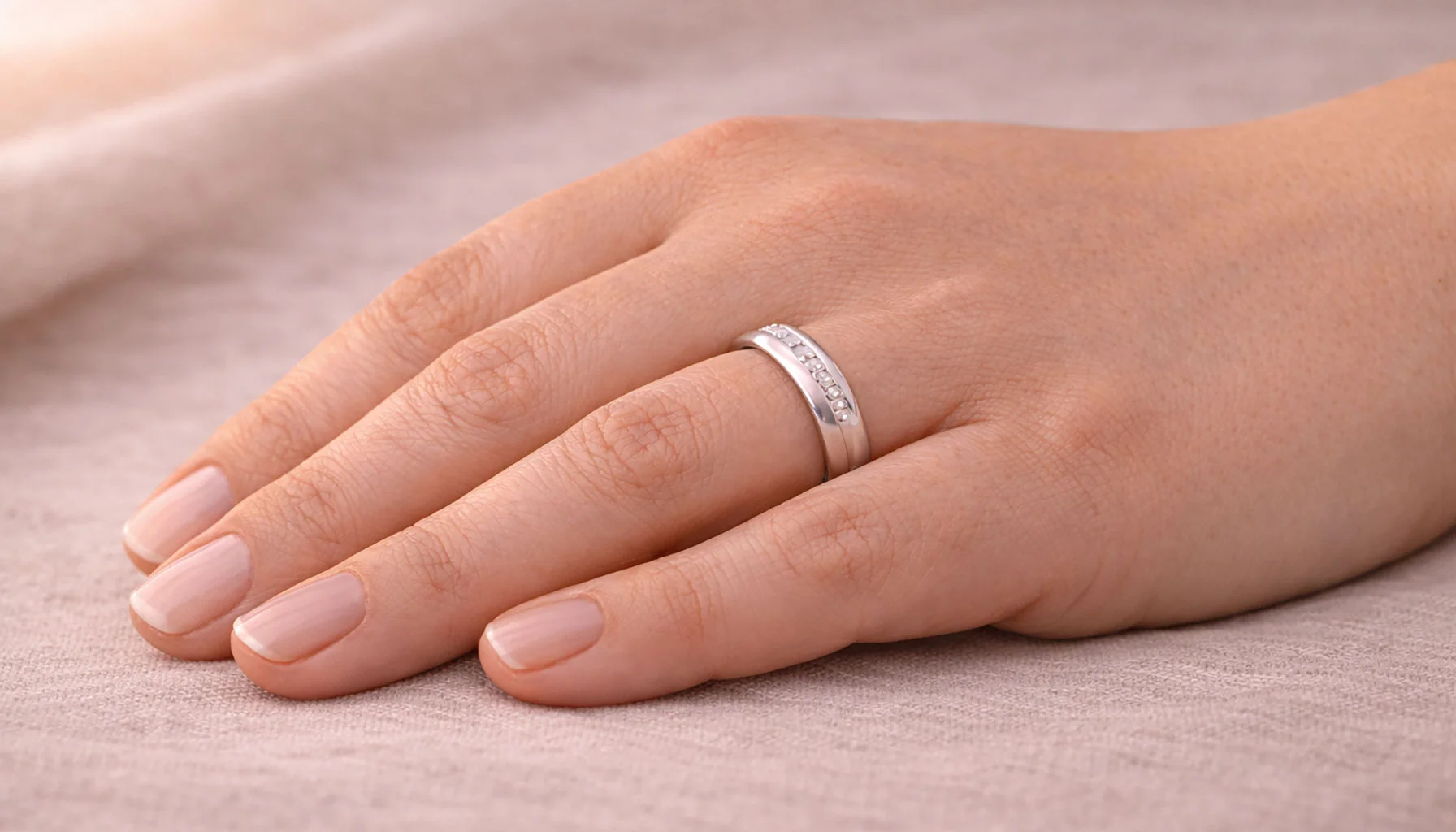
The Wedding Ring – A Quiet Companion in Everyday Life
A wedding ring is not chosen for a single moment, but for daily wear. Shape, material, and comfort determine how naturally it becomes part of life. When chosen with care, it supports routine and movement without asking for attention.
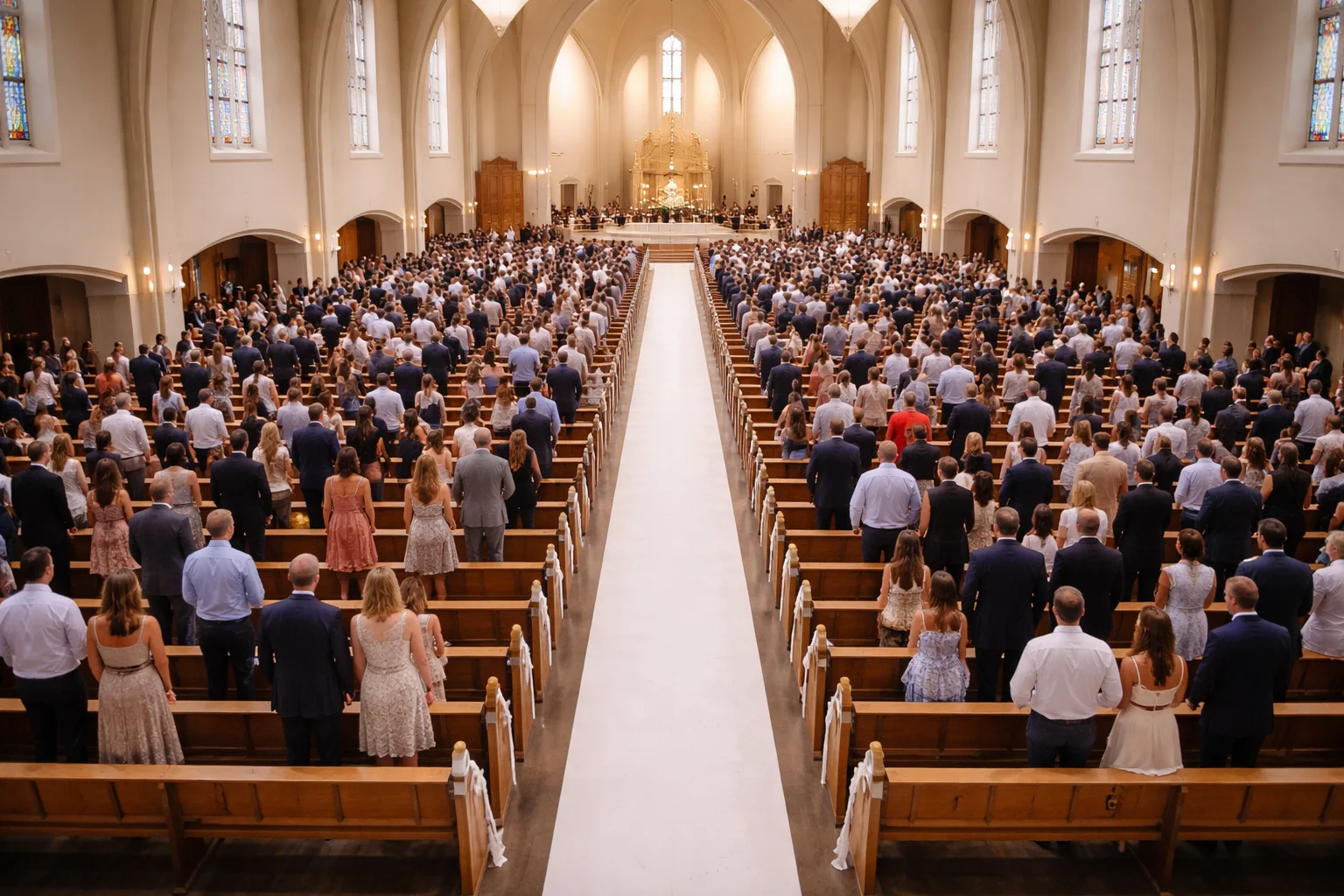
How Space Shapes Guest Behavior at Ceremonies
Large religious rooms tend to slow people down a bit. Not dramatically, just enough to notice. Guests enter, stop for a second too long, look around, then move again. It rarely looks planned. More like small corrections happening one after another.