
The Marriage Proposal: A Moment between Decision and Trust
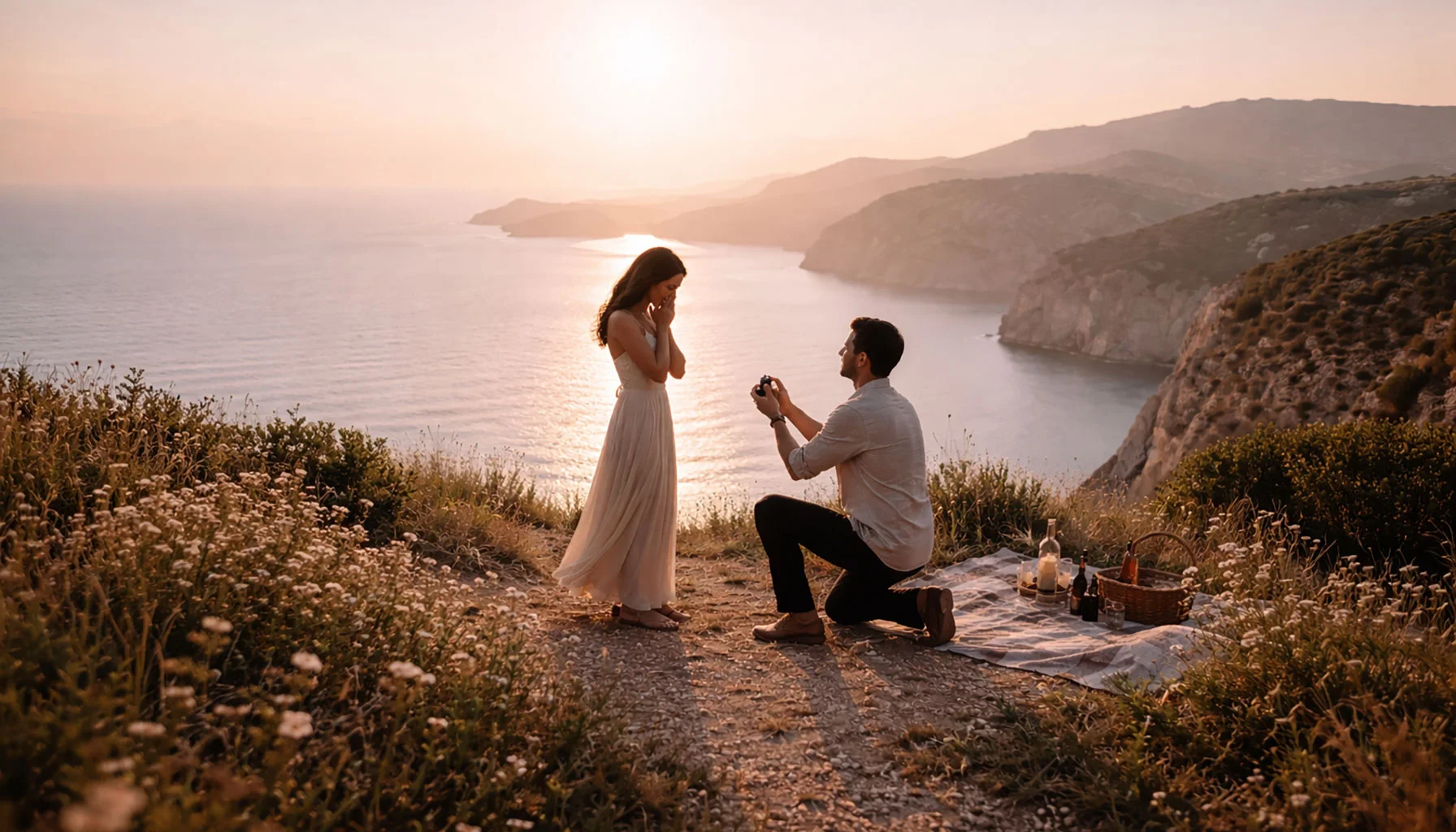
A marriage proposal is not a single moment. It develops over time. In conversations, in shared decisions, in the quiet knowledge that two people want to share their lives. The proposal makes this knowledge visible. Nothing more and nothing less.
In practice, it shows: the calmer the proposal is conceived, the clearer it appears. Grand gestures are remembered, but often it is the inconspicuous details that matter. The gaze that does not shy away. The moment that does not feel rushed. This is why the subject belongs naturally to both Bride and The Proposal. On Loving Rocks, the proposal is framed as a ritual of choice, vulnerability, and timing, while the bride category already lists this article as part of the visible language around engagement and wedding preparation. The proposal lives exactly there: between inner certainty and outward form.
Bride – CategoryPersonal style and emotion come together in the overall appearance of the bride. From the wedding dress and accessories to hair and makeup, every detail contributes to a look that feels authentic and confident. A thoughtfully chosen bridal look reflects personality, complements the wedding style, and makes the bride feel truly herself on this special day.

A proposal is more than a question. It is a ritual of choice, vulnerability, and timing — a moment that can shape a relationship long after the answer is given.
Rights and Obligations: A Sober Foundation
The proposal itself does not create any legal obligations. It is a promise without formal requirements. Rights and obligations only come into effect with the marriage. Nevertheless, the proposal is often understood as an inner step. A conscious decision to share responsibility.
In many partnerships, this step is discussed beforehand. Not as a surprise, but as an alignment. The proposal is then not a test, but a confirmation.
The Ring and the Marriage Vow
The ring is not a piece of jewelry in the classical sense. It marks a transition. Observation shows: couples value meaning more than size or value. The ring should fit, not stand out.
It is often crafted by goldsmiths, sometimes repurposed from family heirlooms. The material value recedes. What is decisive is the story it carries.
The Kneel
The kneel is a powerful image. It is not expected everywhere, but often understood. It signals openness and readiness. Not submission, but a pause. The one who kneels slows down.
Some consciously forgo it. This is also accepted if it fits the relationship. What is decisive is not the gesture, but its credibility.
Time and Place
The right time is rarely spectacular. It often falls into a phase where everyday life is calm. No external pressure, no open conflicts. The proposal then fits in, rather than covering something up.
Popular places are those with shared meaning. A walking path, an apartment, a place from a vacation. Public places are chosen, private spaces more often. Both variants work if they suit the person being asked.
What Happens in Case of Rejection
A rejection is not an end, but information. It shows that the timing is wrong or expectations diverge. In stable relationships, this is discussed. Without blame, without pressure.
How it is handled afterwards is crucial. Withdrawal and respect are experienced as more valuable than justifications. Sometimes a second proposal follows later. Sometimes another shared decision.
Voices from Experience
Testimonial: The proposal was not a surprise moment. We both knew what was coming. That is what made it calm.
Testimonial: The ring was simple. What was important was that he chose it, not someone else.
Testimonial: The question came at home, after dinner. No audience. That felt right.
These statements are similar. They show that the proposal rarely thrives on staging. It feels coherent when it fits the relationship. Quiet, clear, carried by mutual trust.
Concluding Observation
A proposal does not create certainty. It reveals how much of it is already there. That is why it is remembered less as a performance than as a threshold. It gathers decision, trust, and exposure into one visible act. The meaning does not end with the question. It begins to shift with everything that follows.
Related Articles
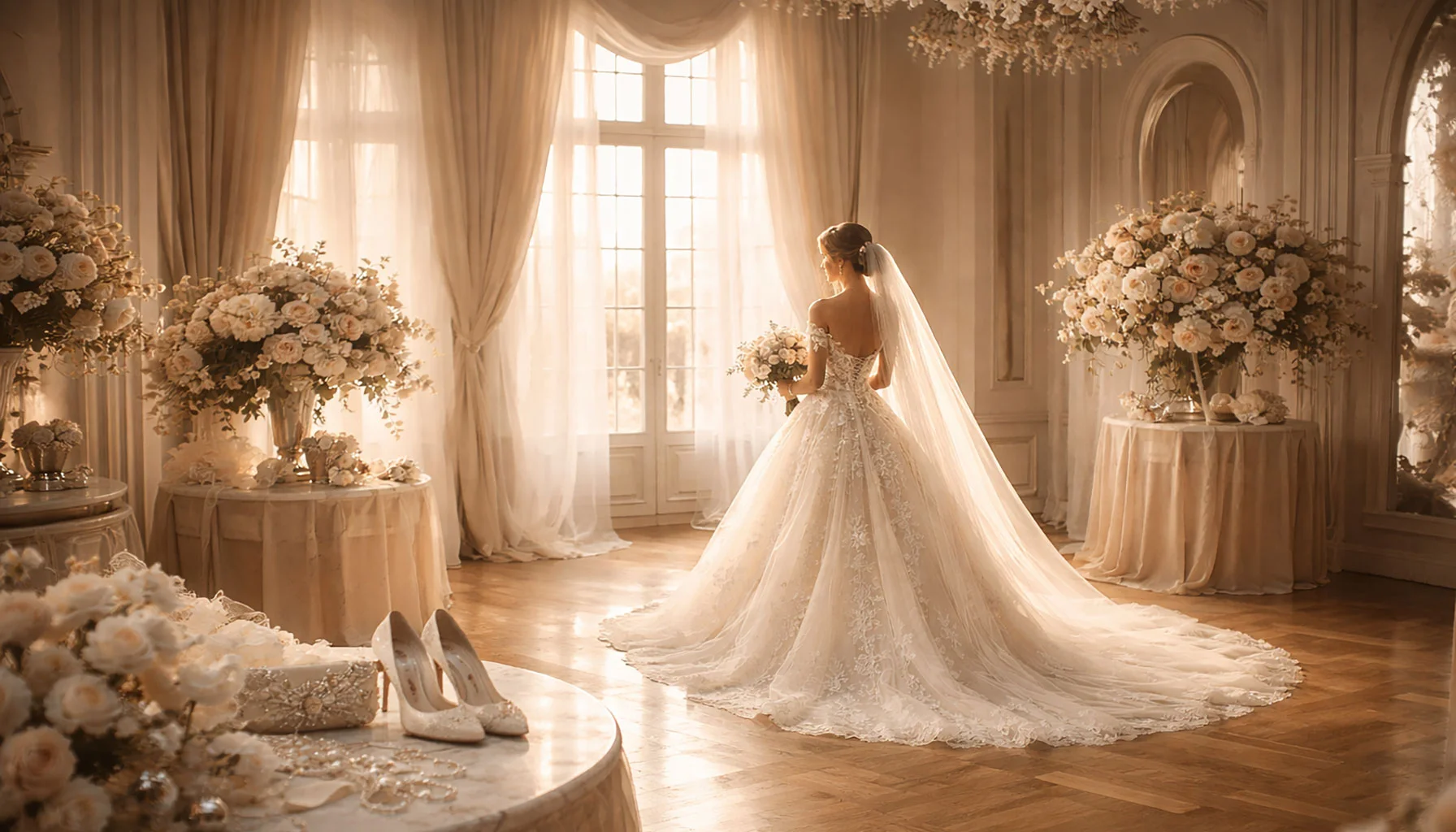
Bridal Fashion and Attire: Timeless Elegance, Modern Trends and the Art of an Unforgettable Bridal Look
Bridal fashion is rarely a single decision. It develops through fittings, conversations, and gradual adjustments until the visible result feels settled rather than assembled. This article looks at bridal fashion as a composed form of presence shaped by dress, styling, material, and the quieter language of what a bridal look communicates without needing to say it aloud.
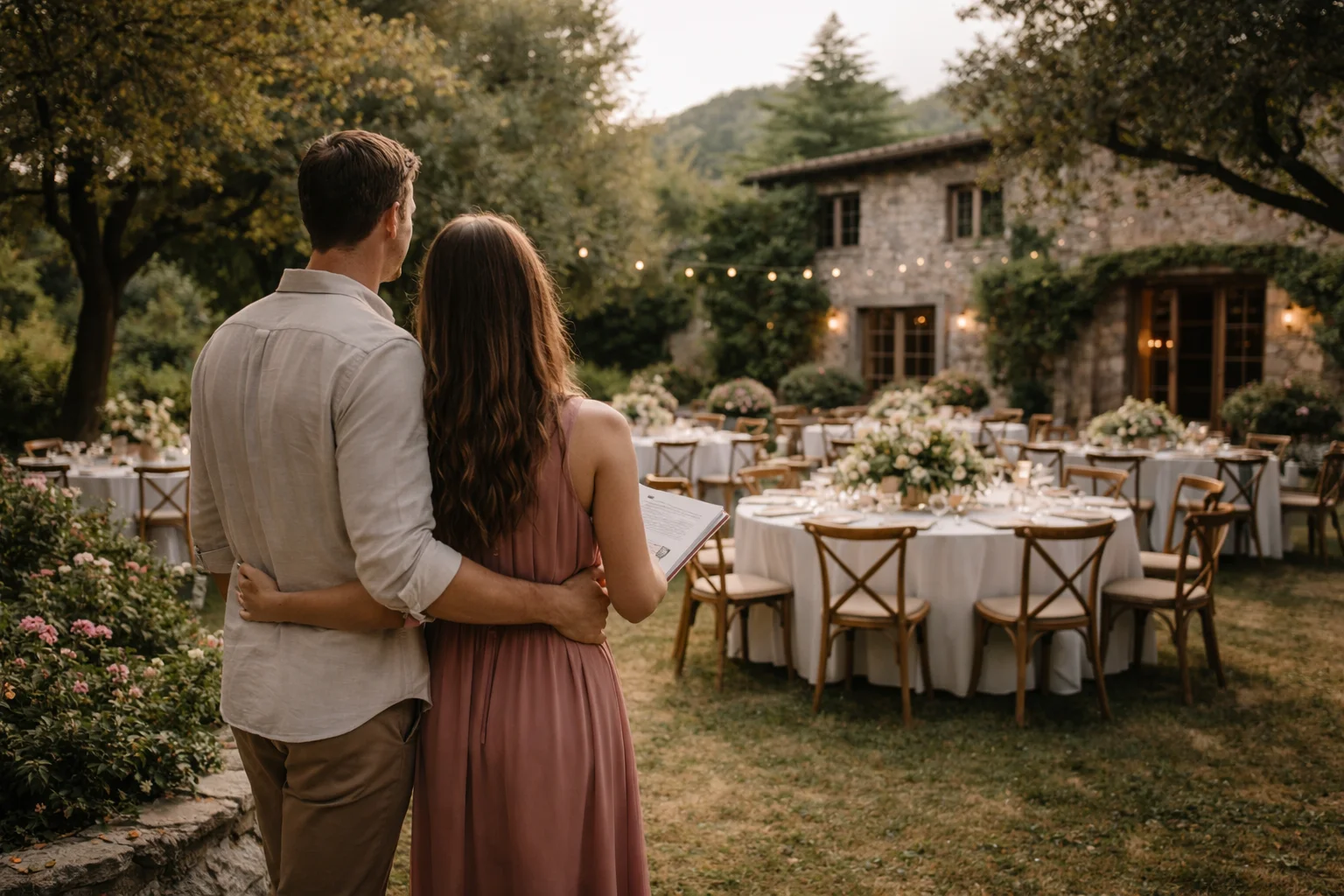
What Couples Notice Too Late About a Wedding Venue
Wedding venues are often chosen in a moment of projection. Couples imagine light, atmosphere, and feeling long before they understand flow, pressure points, and what the place is actually asking of the day. This article looks at what couples often notice too late about a venue, and why expectation and reality begin separating earlier than most people think.
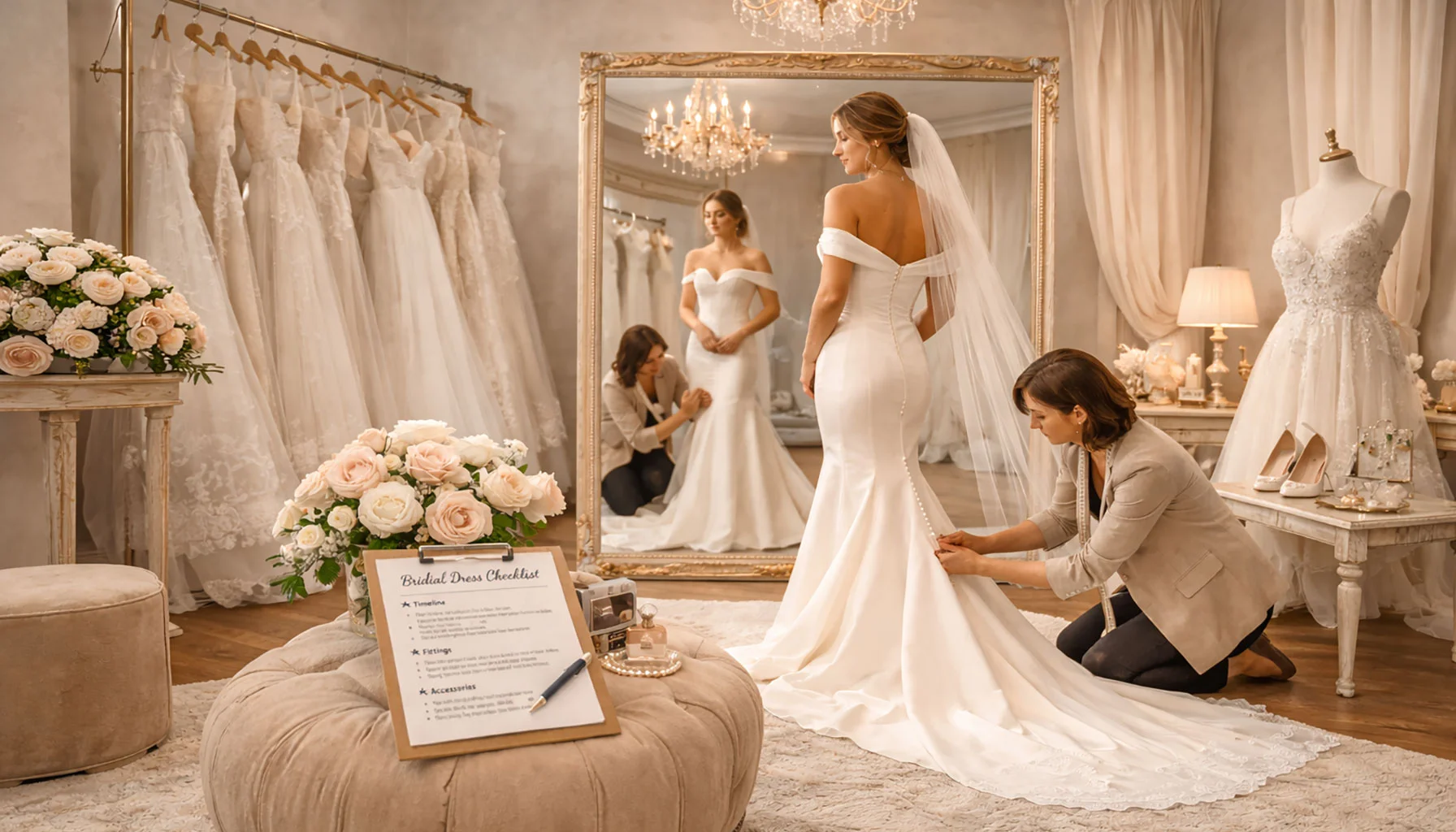
The Bridal Dress in Balance
A bridal dress does not come together in a single moment. Selection, fitting, and preparation build on each other over time. When cut, fabric, and movement align, the dress supports the day quietly and allows the bride to remain present and at ease.
When Winter Weddings Return to the Beginning
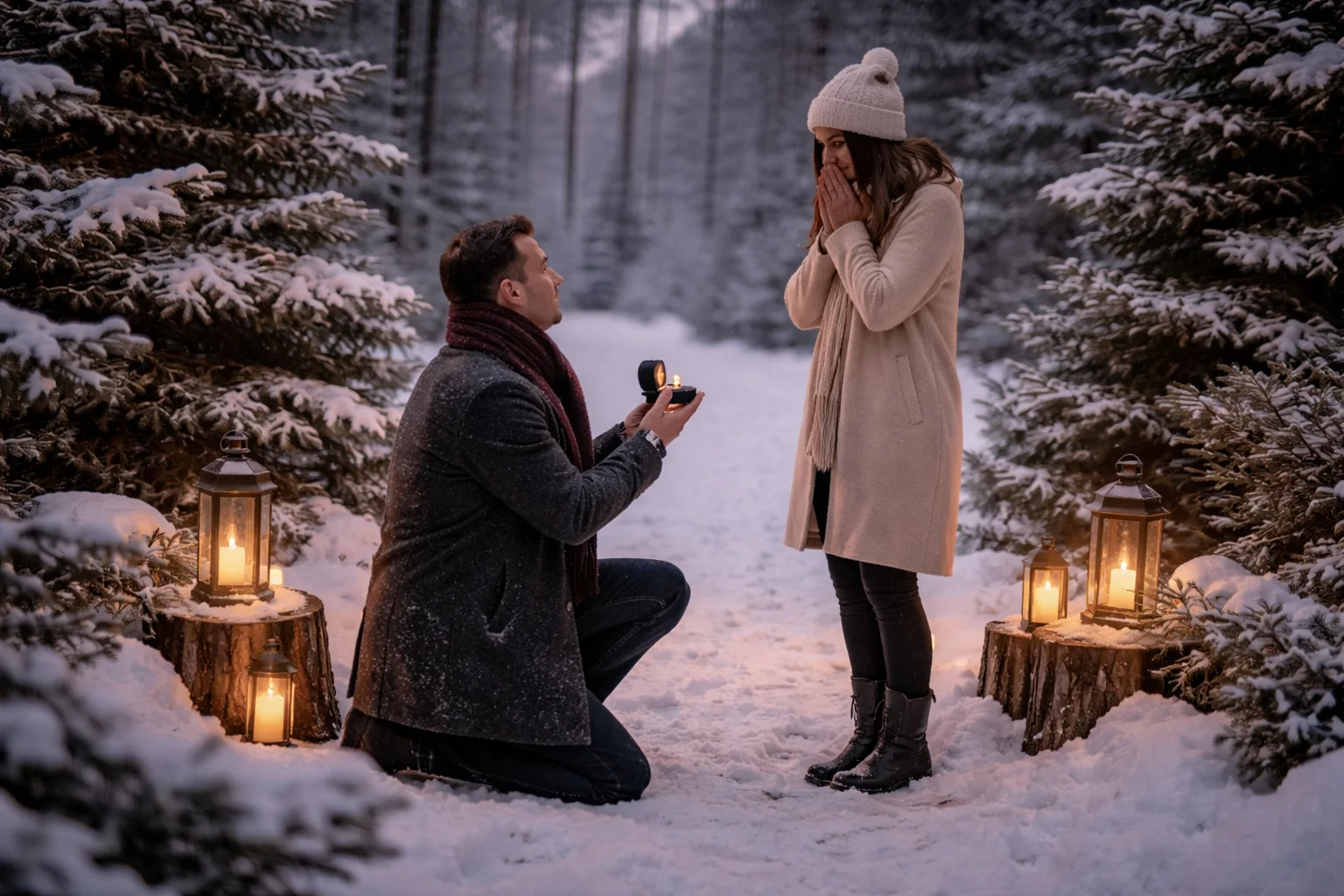
Winter weddings carry a different kind of attention. Light is shorter, sounds feel softer, and every decision seems to stand out more clearly. There is less room for distraction, which often makes the ceremony feel more deliberate.
The Wedding Dress During Pregnancy
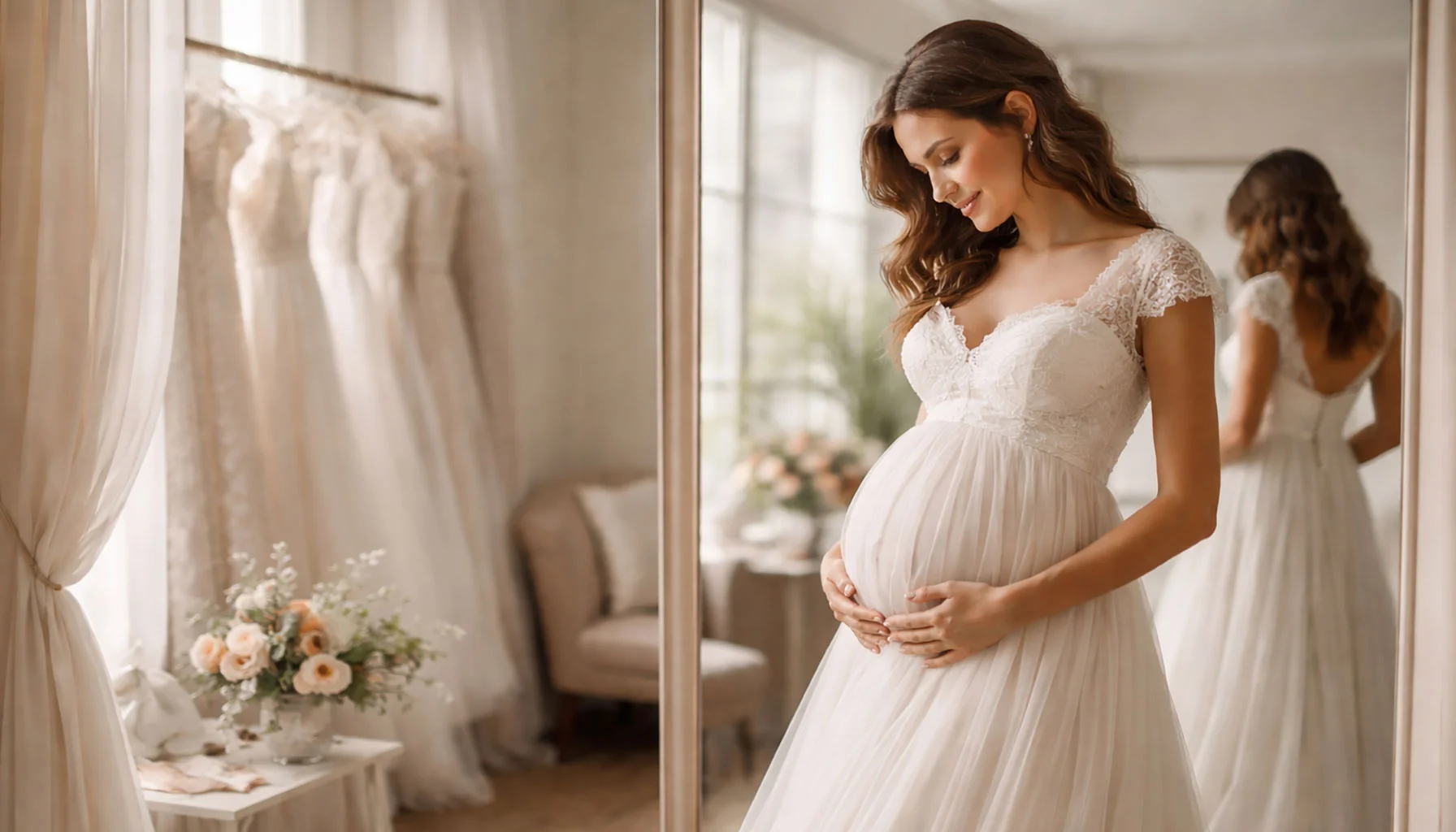
A wedding dress chosen during pregnancy follows different rules, even when no one names them. The body leads. The day sets limits. Decisions are shaped by comfort, timing, and how the dress behaves over hours rather than moments. This text looks at maternity wedding dresses as they appear in fittings, ceremonies, and recollections afterward. Not as ideals, but as garments that had to work. The focus stays on what proved suitable, calm, and lasting, without dramatizing the process or framing it as exception.

Bachelor Party – A Day Between Everyday Life and Wedding
A bachelor party is not a loud statement, but a quiet transition. People come together who have accompanied them on their journey so far. For a limited period, nothing is on the agenda except shared time. Planning provides stability, openness creates space. Whether for men or women: What's crucial is that the occasion suits the person. Then something unique emerges. Understated. Enduring.
Looking good on the wedding day – quiet preparation, visible effect
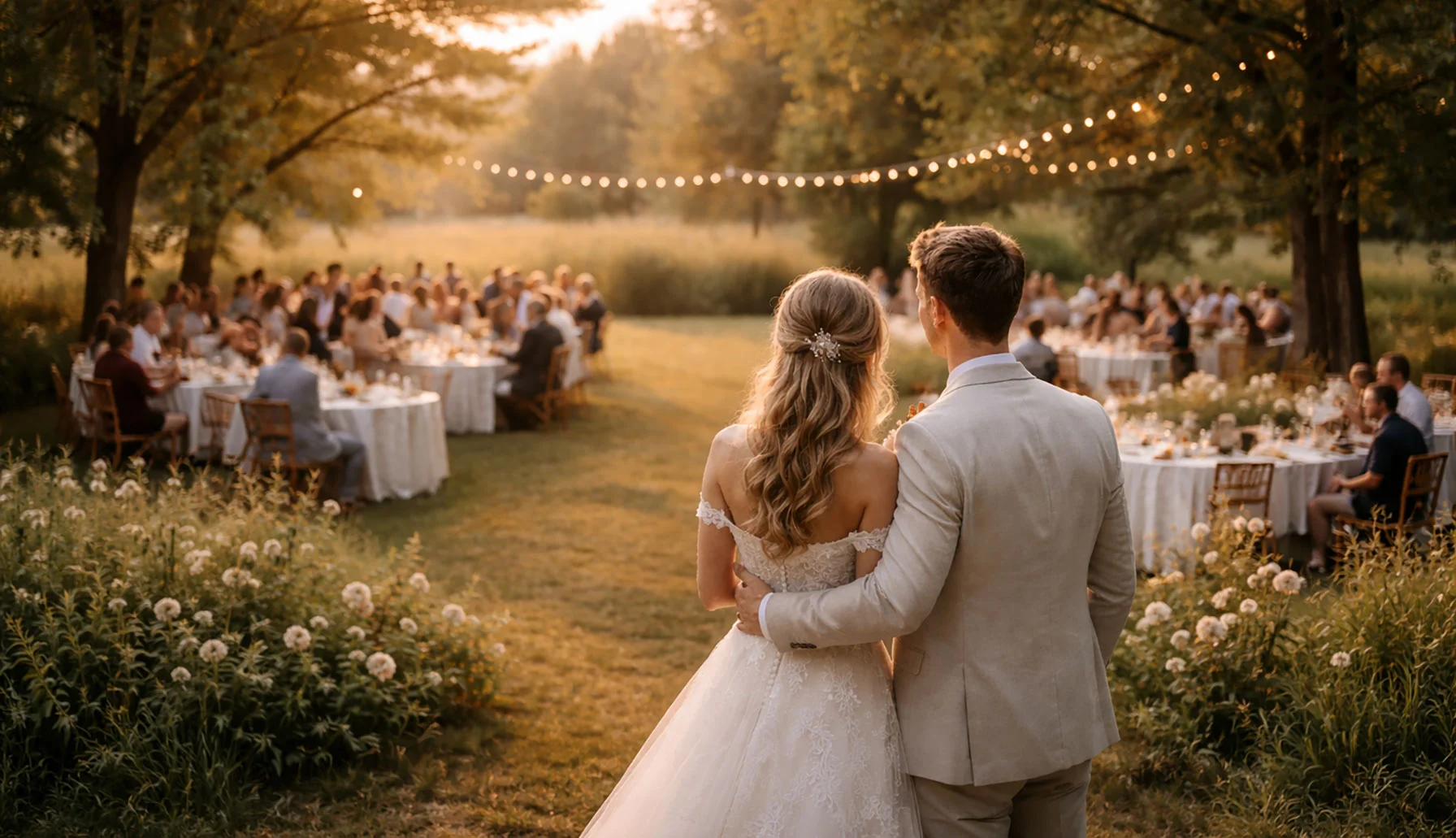
A good appearance on the wedding day rarely arises spontaneously. It is the result of time, attention, and recognizability. This text collects observations concerning bride and groom, without ideal images or instructions. It's about skin, hair, and posture, about preparation instead of change. And about what remains when nothing needs to be explained.
Second Dress for the Wedding Reception
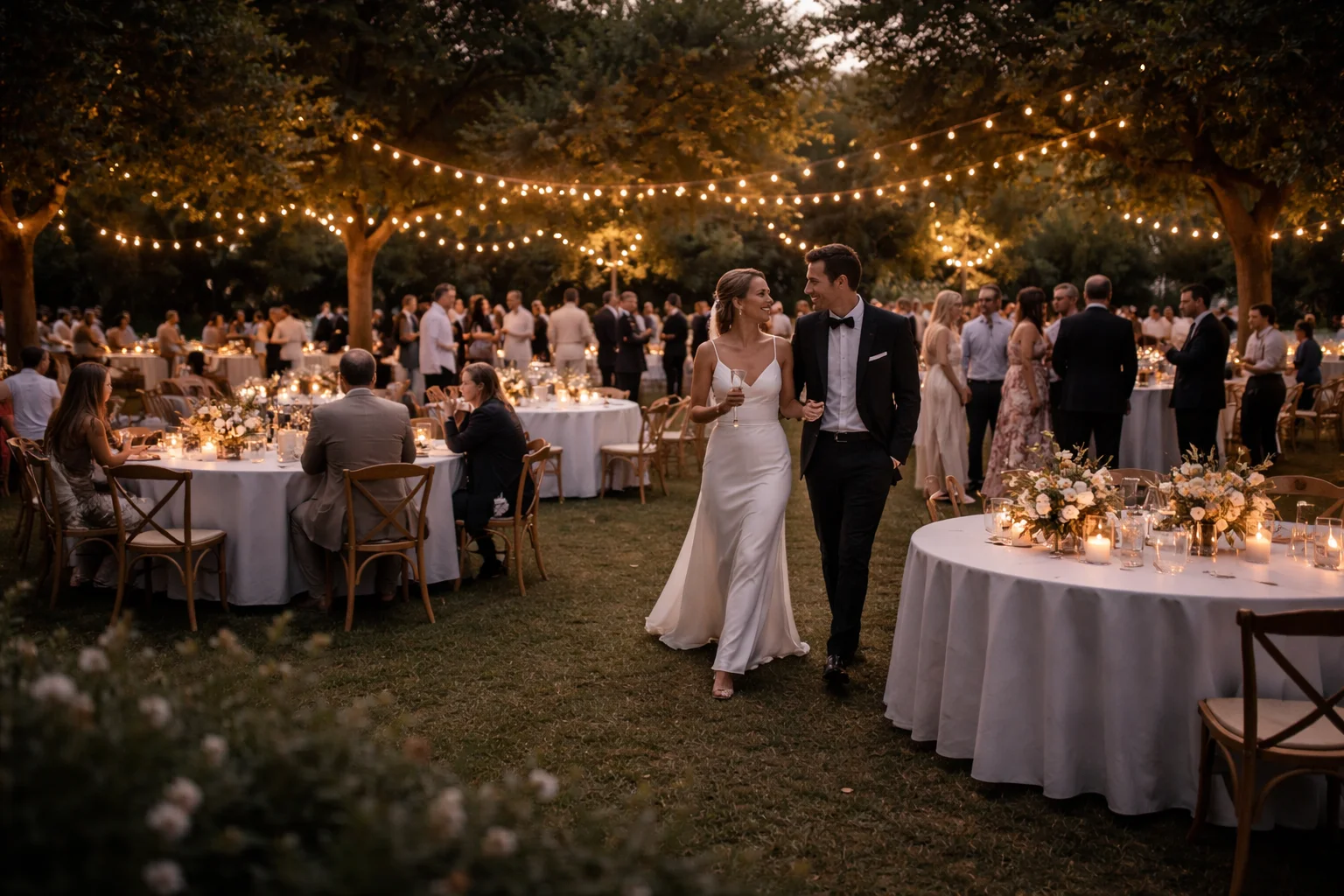
At many weddings the clothing does not stay the same from start to finish. After the ceremony and formal photographs, a quiet shift sometimes happens. The bride disappears for a short time and later returns wearing something different. Guests notice it in small ways. A lighter fabric. Shorter hem. Movement that feels easier during the evening.
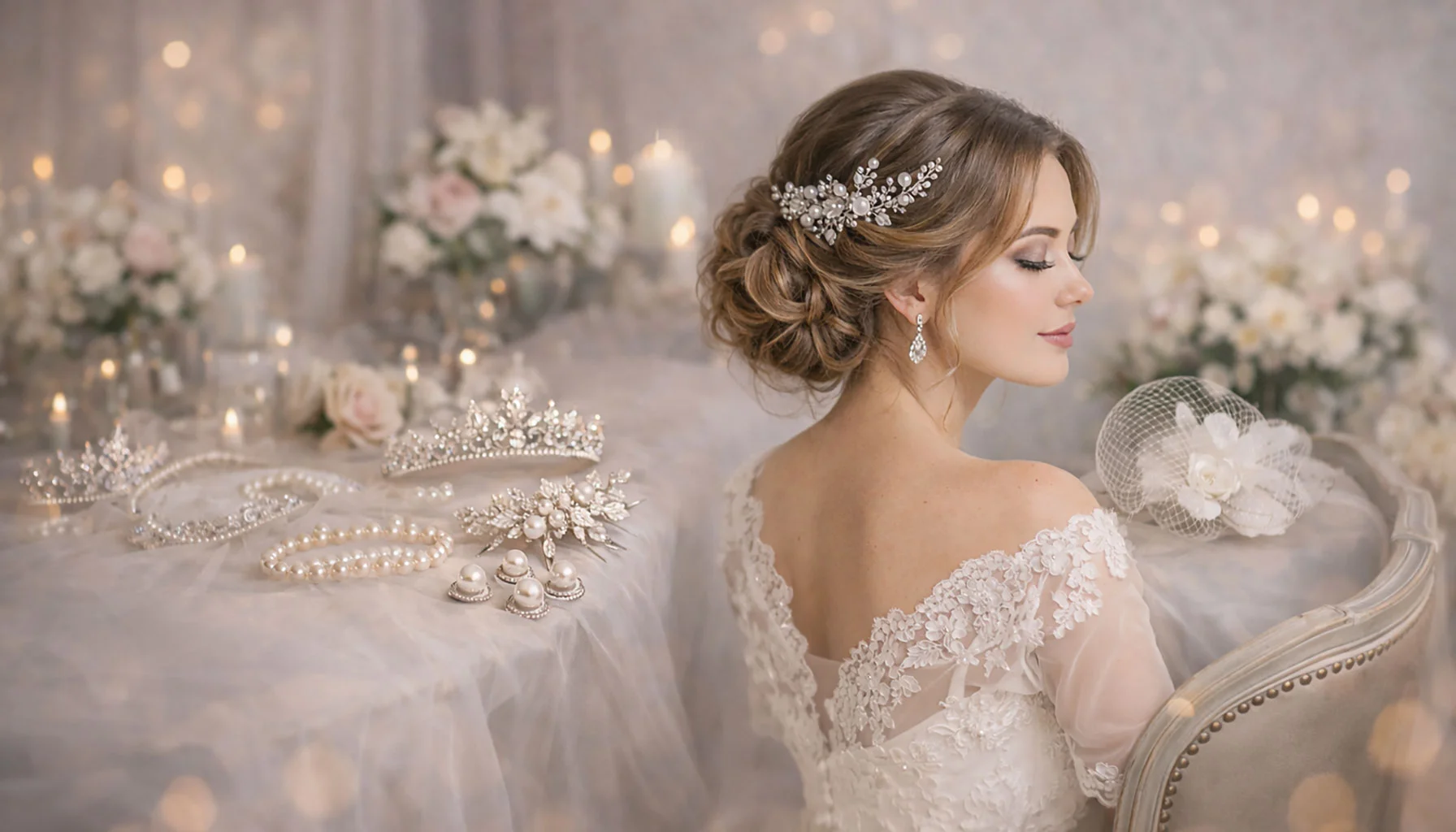
The Bridal Hairstyle as a Quiet Part of the Whole
A bridal hairstyle supports the entire look. It frames the face, works with the dress, and needs to hold throughout the day. In practice, the most convincing results come from aligning hair texture, proportion, and the flow of the wedding day. Less display. More coherence.

The Groom’s Suit Guide: Planning, Fittings, Trends & Timeline
A wedding suit does not come from a single decision, but from alignment over time. Cut, fabric, and fit develop in relation to occasion, movement, and personality. When these elements settle into place, the suit supports the day quietly and allows the groom to remain fully present.

Conversations Before Marriage – Life Questions That Clarify the Relationship
A marriage is not just about feelings, but also expectations, imprints, and ideas about everyday life. This text compiles central life questions that couples should clarify with each other before saying 'I do': regarding money, family, children, conflicts, division of tasks, and personal values. Grown from observations, objectively considered, and close to lived everyday life. Conversations that make differences visible – and thereby strengthen connection.
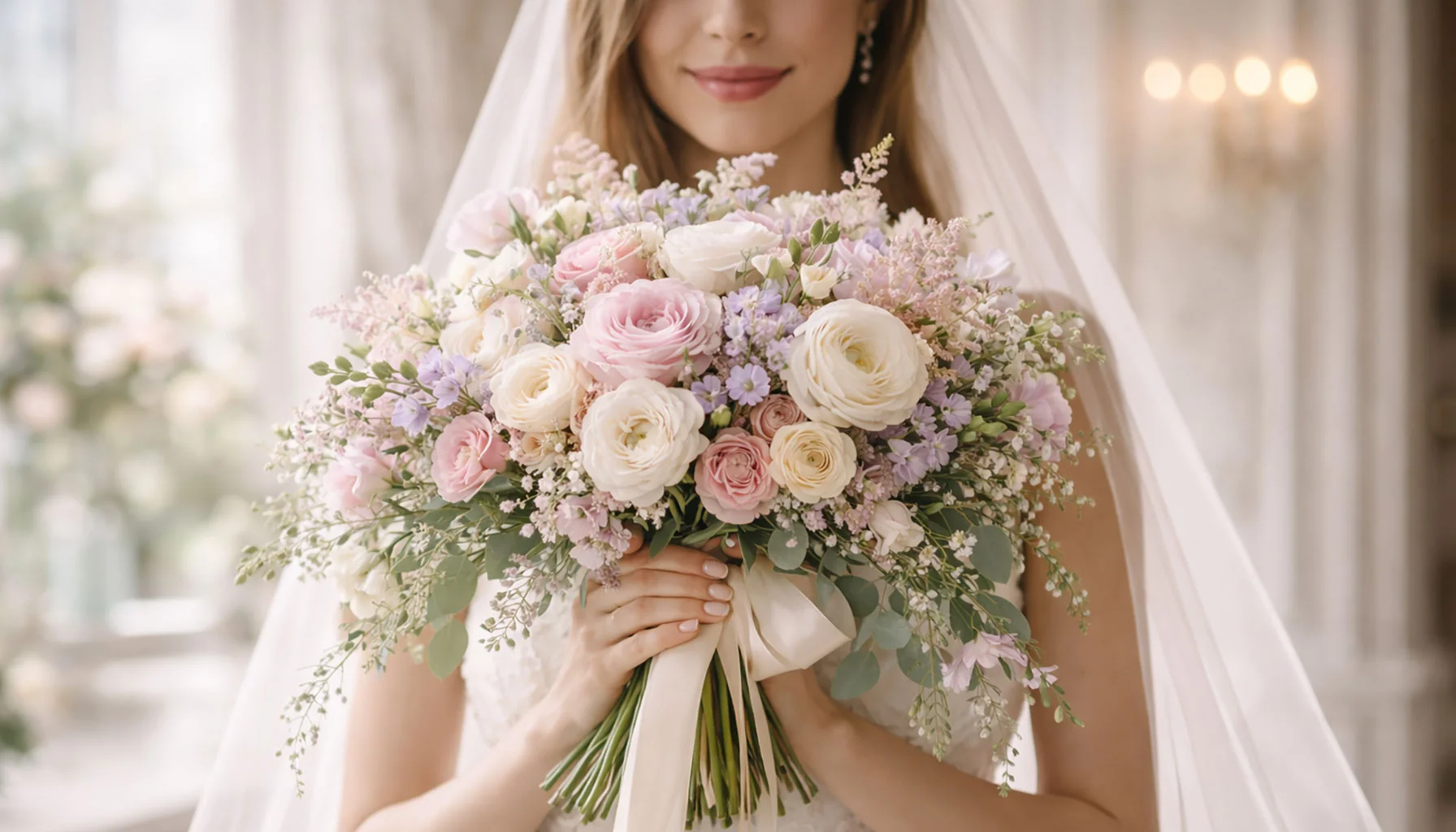
The Bridal Bouquet: A Silent Expression of Love, Style, and Timeless Emotion
The bridal bouquet accompanies the bride throughout the wedding day. It is held, adjusted, set aside, and taken up again. Its impact comes from balance rather than attention. Shape, weight, and color align with movement and appearance and become part of what is remembered.